





- AllProduct Category
-
Lab Wastewater Treatment Equipment
Lab Wastewater Treatment Equipment
Ultra-Pure Water Equipment
Membrane Separation Equipment
Pure Water Equipment
Low-Temperature Evaporator
Ultra-Pure Water System
Integrated Wastewater Treatment Equipment
Reverse Osmosis Equipment
Pure Water Equipment
Ceramic Membrane Equipment



Recommended Products
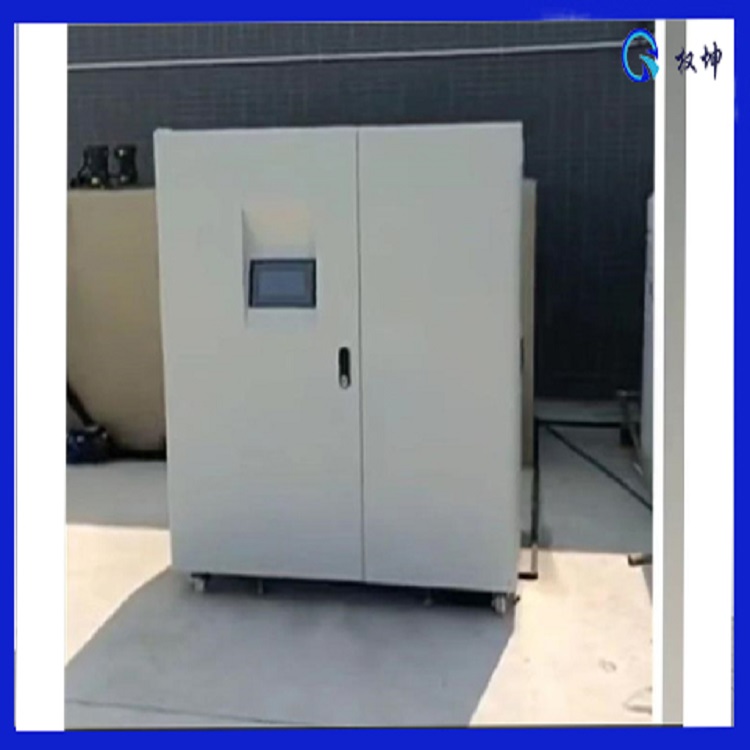
Quan Kun - Comprehensive Laboratory Waste Water Treatment Equipment - Remote Monitoring - Automated Control
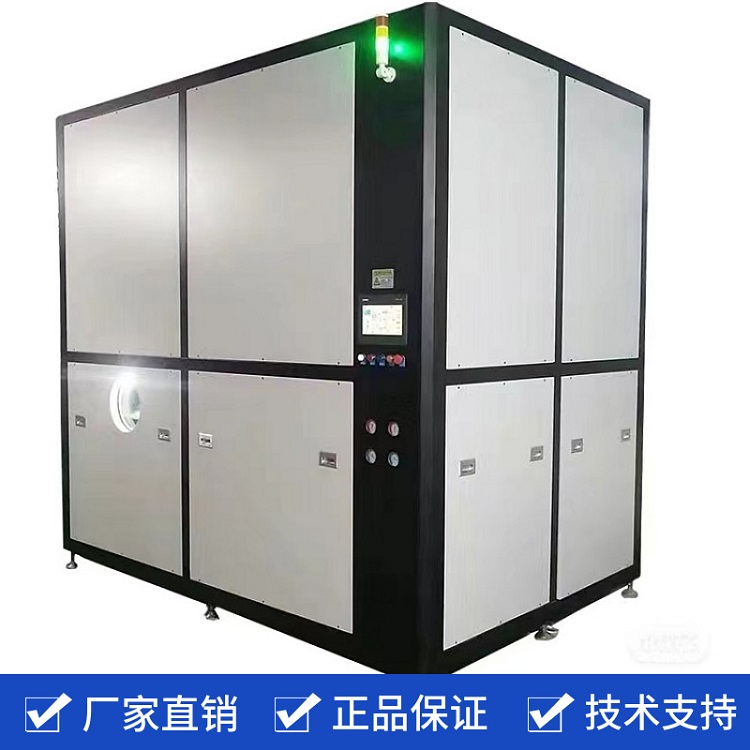
Sodium Chloride Wastewater Low-Temperature Evaporator - Intelligent Automatic - Quankun - Integrated Design
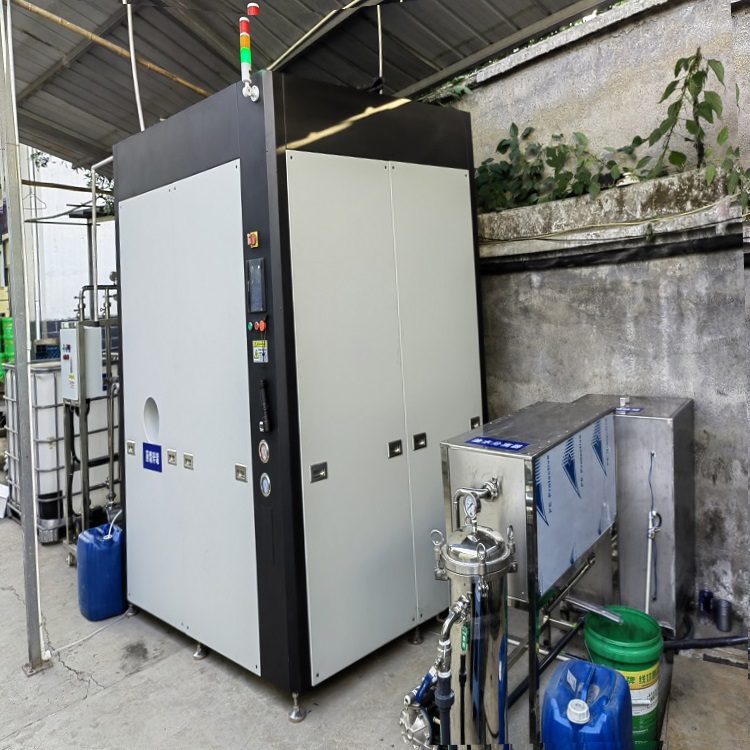
High-Concentration Oil Emulsion Waste Water Treatment Equipment - Quankun - Evaporator Unit - High Concentration Ratio
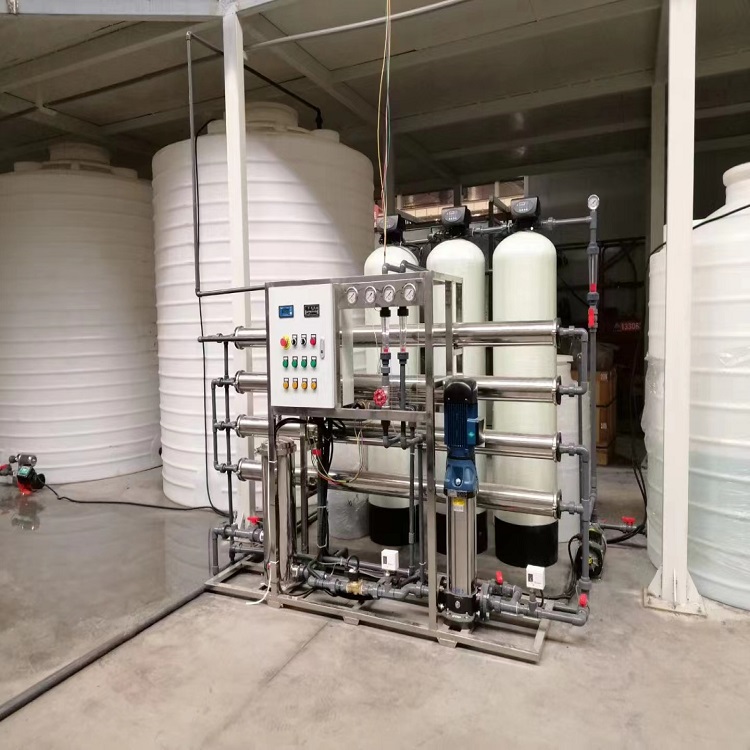
Industrial Pure Water Equipment EDI Ultra-Pure Water System Fully Automatic Control Quankun Environmental Protection
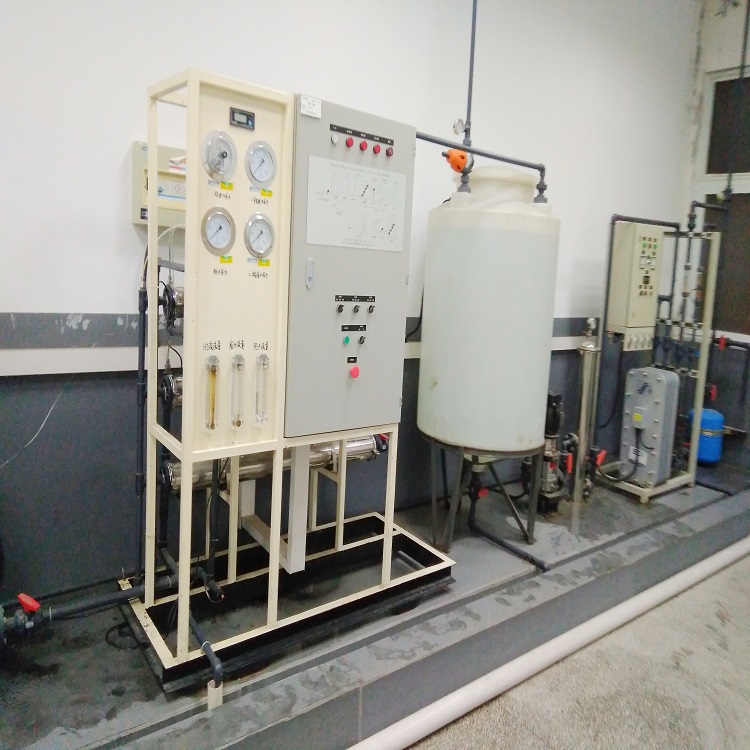
Shenzhen Industrial Ultra-Pure Water Equipment, equipped with EDI system, features low energy consumption and high degree of automation.
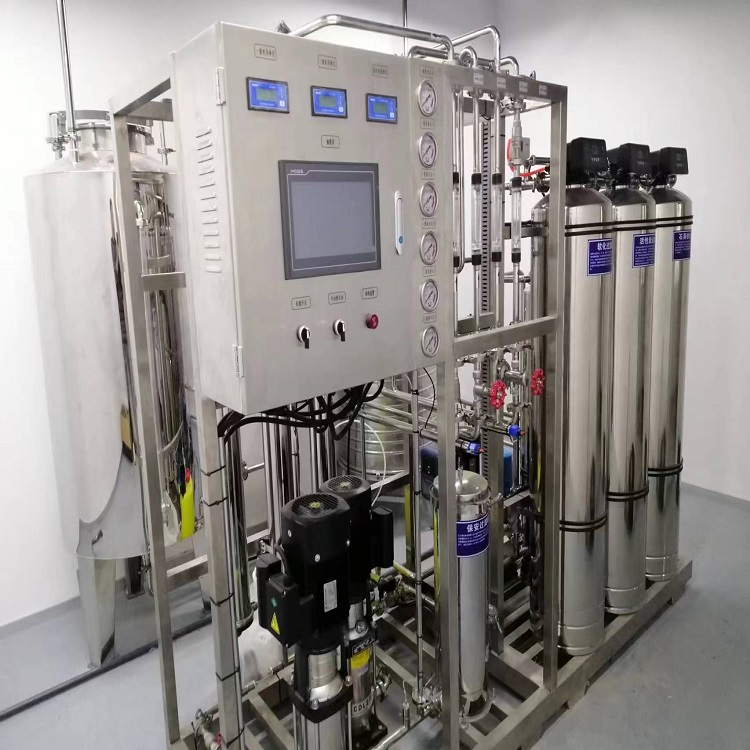
Shanghai industrial pure water production equipment reverse osmosis filtration system with high yield and customizable options, Quankun brand.
详情描述
Deodorized Wastewater Treatment Equipment, Low-Temperature Heat Pump Evaporator, Quankun, High Concentration Rate, Fully Automatic
Dewatering wastewater treatment equipment is a critical link in industrial wastewater treatment systems, primarily used for removing oil, suspended solids, and certain dissolved organic matter from wastewater. Its operating principle involves the comprehensive application of physical, chemical, and biological technologies, and different process combinations such as air flotation, biochemical, and membrane separation can be selected based on the characteristics of the wastewater.
The main sources of defatted wastewater come from industries such as mechanical processing, food processing, and electroplating, characterized by:
High Oil Content: Oil content can reach 200-1000 mg/L, including free, emulsified, and dissolved oils.
2. High COD concentration: Chemical Oxygen Demand typically ranges from 500 to 5000 mg/L.
3. Complex Suspended Matter: May contain metal fragments, surfactants, etc.
4. Wide Water Quality Fluctuations: Different production processes lead to significant differences in wastewater pH (3-11) and temperature (20-80℃).
Core processing technology and working principle.
(1) Pre-treatment Phase
Grease interceptor
By utilizing the principle of gravity separation and taking advantage of the density difference between oil and water (oil density 0.9-0.95g/cm³), free-floating oil is collected. The designed flow rate is controlled at 0.005-0.01 m/s, with a retention time of 1-2 hours, effectively removing over 60% of oil droplets with a diameter greater than 150μm.
2. Adjusted Pool
Equipped with pH online monitoring and dosing system (commonly using NaOH/H₂SO₄), it stabilizes the wastewater pH between 6.5-8.5; achieves water quality balance through air stirring, and is designed with a volume to handle 4-8 hours of treatment capacity.
(2) Demulsification-Air Flotation Unit
Chemical demulsification
Add PAC or PAM to disrupt the emulsified oil stability; dosage of 50-200mg/L of chemical.
2. Dissolved Air Flotation (DAF)
Core equipment includes an aeration tank, a release valve, and a slag scraper. Working principle:
Aeration water pressure: 0.3-0.5 MPa, recirculation ratio: 30%-50%
Microbubbles (20-50μm) adhere to oil droplets, forming "bubble-oil droplet" complexes that rise.
Surface load 3-5 m³/(m²·h), oil and grease removal efficiency can reach over 90%
(3) Biochemical Treatment Unit
Hydrolysis and Acidification Tank
Break down large organic molecules into smaller ones, with a Hydraulic Retention Time (HRT) of 12-24 hours, achieving a COD removal rate of 20%-30%, while also enhancing the wastewater's biodegradability (BOD/COD ratio increased from 0.3 to above 0.5).
2. Activated Sludge Process
Parameters:
MLSS (Sludge Concentration) 3000-5000 mg/L
Sludge Load: 0.2-0.4 kgCOD/(kg MLSS·d)
Air-to-water ratio: 15:1-30:1

Key equipment selection criteria
Material Selection: The crystallizer must be made of duplex stainless steel 2205 or titanium to resist chloride ion corrosion.
2. Automation Control: The PLC-based pH/ORP online monitoring system can accurately control the dosage of chemicals added.
3. Sludge Treatment: Plate and frame press can reduce sludge moisture content to below 60%, meeting hazardous waste landfill standards.

Application Scenarios
1. Chemical Industry: Saline wastewater and organic wastewater generated during chemical production can be reduced and resources recovered through low-temperature evaporation technology.
2. Pharmaceutical Industry: Pharmaceutical wastewater often contains high concentrations of organic matter and salts. Low-temperature evaporation equipment can effectively separate water from pollutants, meeting stringent discharge standards.
3. Food Processing: Organic matter and salts in food processing wastewater can be concentrated through low-temperature evaporation for further processing, such as producing fertilizers or feed additives.
4. Plating Industry: Heavy metal ions in electroplating wastewater can be recovered and reused after evaporation and concentration, reducing environmental pollution.

De-fatWastewater Treatment Equipment, Low Temperature Heat Pump Evaporator, Quankun, High Concentration Rate, Fully Automatic
Mainstream processing techniques and equipment selection;
Physical and chemical method
Demulsification Technology: By adding inorganic salts (such as PAC, PFS) or organic polymer flocculants (such as polyacrylamide) to disrupt the double electric layer of oil droplets, and then using a floatation device (like dissolved air floatation DAF) for oil-water separation. Some high-end equipment employs electrical flocculation technology, generating flocs through aluminum/iron electrode electrolysis, achieving demulsification efficiency over 90%.
Membrane separation technology: The combined process of ultrafiltration (UF) and reverse osmosis (RO) effectively retains emulsified oil and colloidal matter, but requires regular chemical cleaning to prevent membrane contamination.
Advanced oxidation process
For hard-to-degrade organic matter, technologies such as oxidation and ozone-catalyzed oxidation can significantly enhance the biodegradability of wastewater.
3. Biological Treatment Method
The hydrolysis-aeration + MBR (Membrane Bio-Reactor) combined process is suitable for centralized treatment stations with long-term operation.
4. Evaporation Concentration Technology
Multi-effect evaporator or MVR (Mechanical Vapor Recompression) systems are suitable for high-concentration wastewater, ultimately forming waste oil sludge (hazardous waste code HW09) and distilled water.


