




- AllProduct Category
-
Lab Wastewater Treatment Equipment
Lab Wastewater Treatment Equipment
Ultra-Pure Water Equipment
Membrane Separation Equipment
Pure Water Equipment
Low-Temperature Evaporator
Ultra-Pure Water System
Integrated Wastewater Treatment Equipment
Reverse Osmosis Equipment
Pure Water Equipment
Ceramic Membrane Equipment



Recommended Products
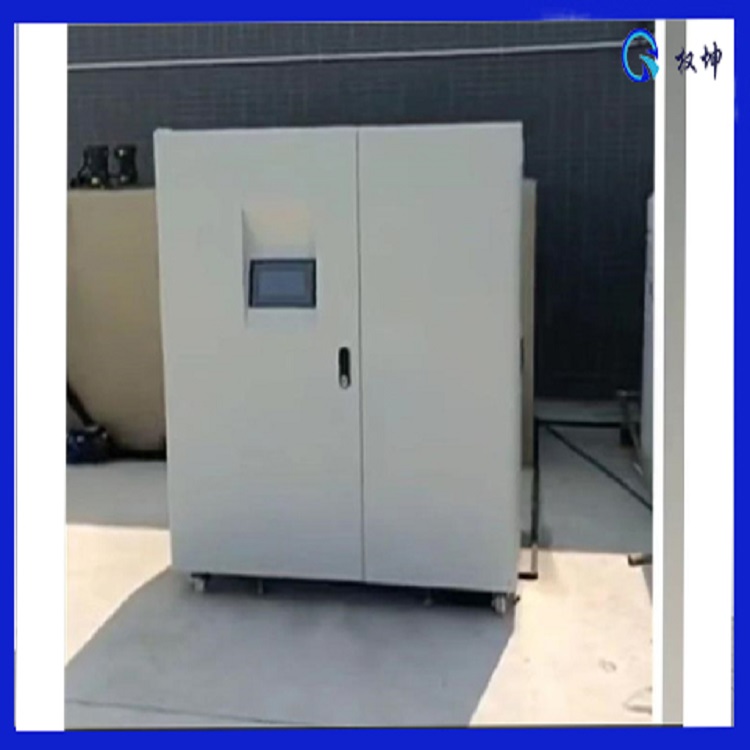
Quan Kun - Comprehensive Laboratory Waste Water Treatment Equipment - Remote Monitoring - Automated Control
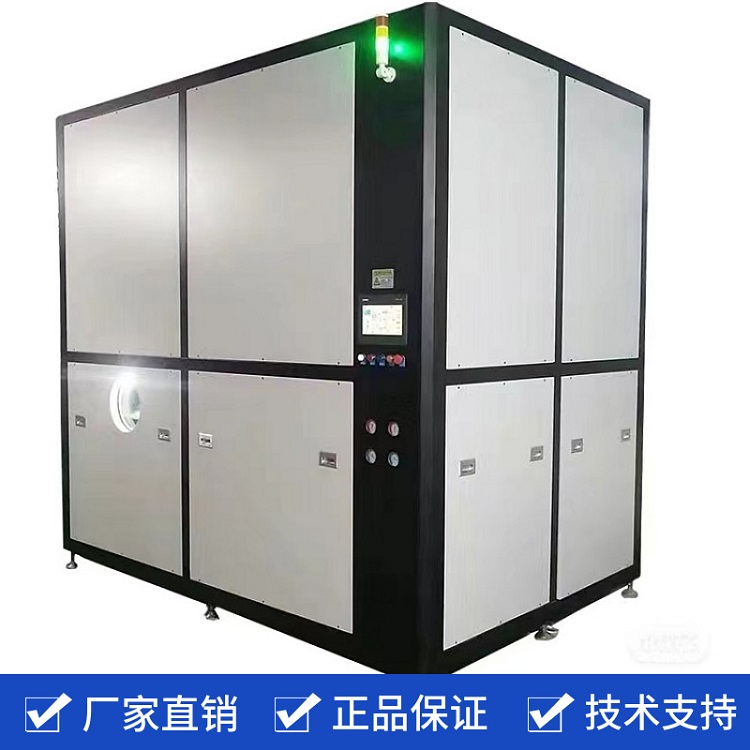
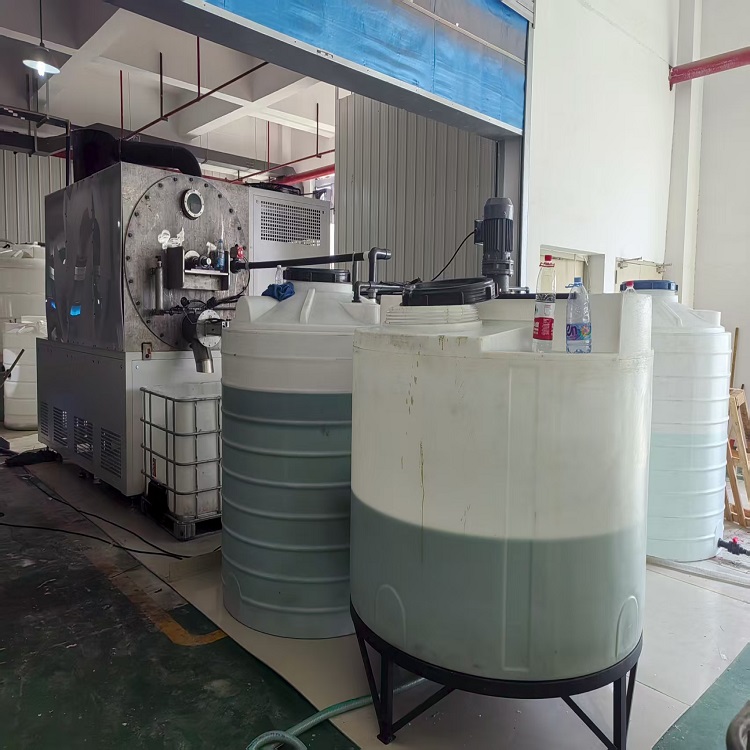
Sodium Chloride Wastewater Low-Temperature Evaporator - Intelligent Automatic - Quankun - Integrated Design
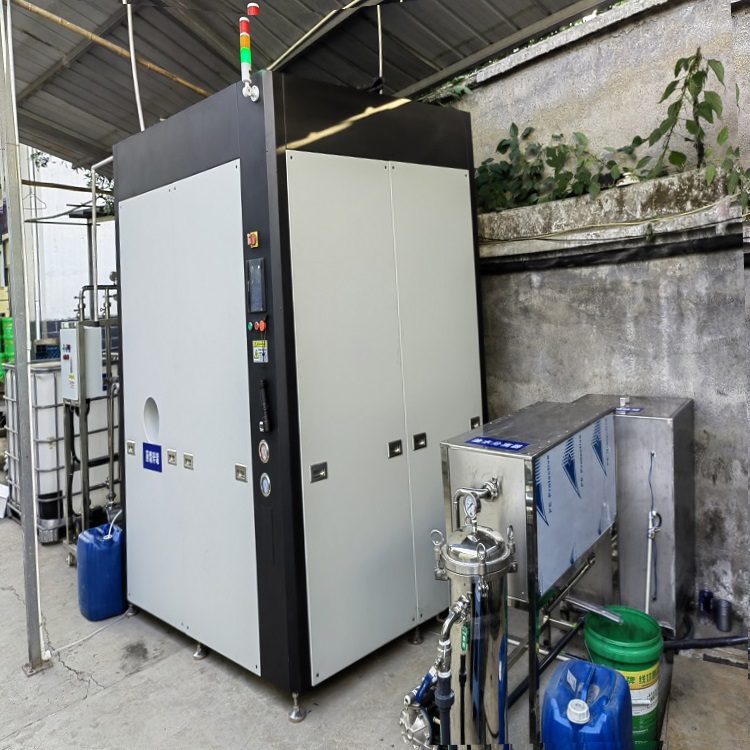
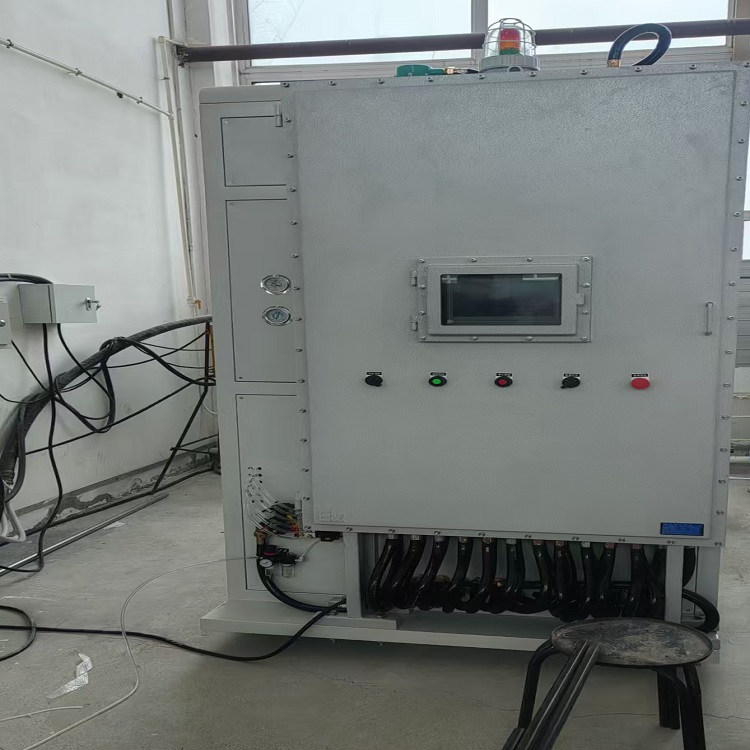
High-Concentration Oil Emulsion Waste Water Treatment Equipment - Quankun - Evaporator Unit - High Concentration Ratio
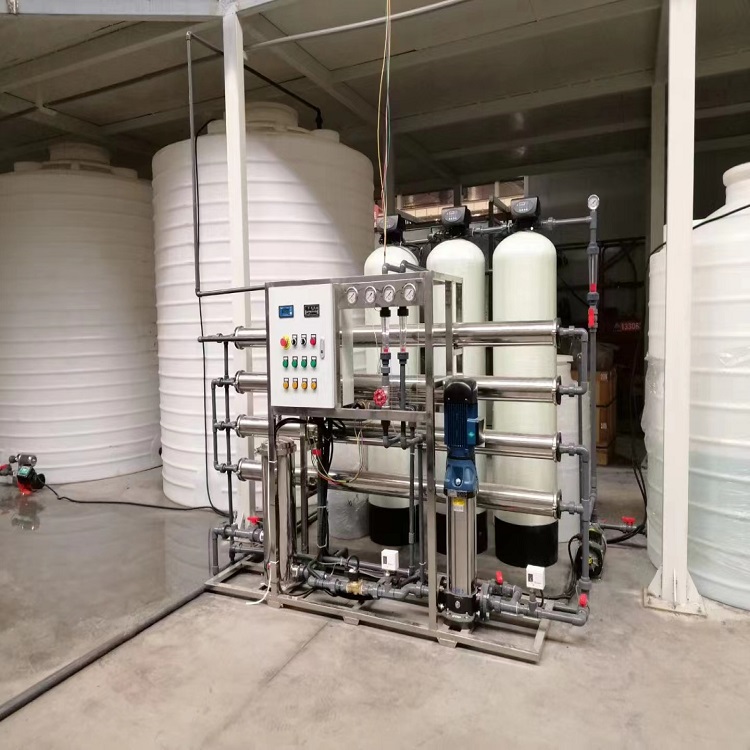
Industrial Pure Water Equipment EDI Ultra-Pure Water System Fully Automatic Control Quankun Environmental Protection
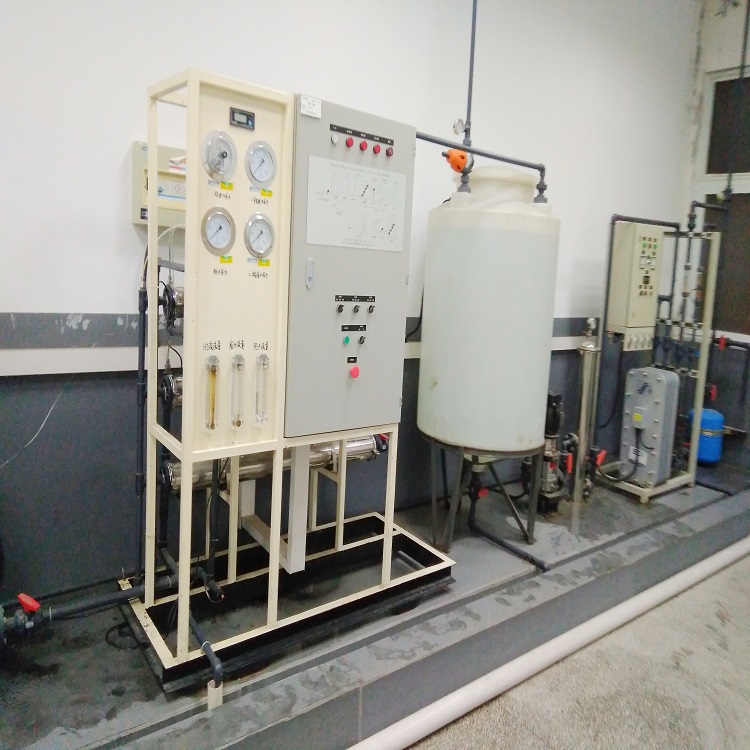
Shenzhen Industrial Ultra-Pure Water Equipment, equipped with EDI system, features low energy consumption and high degree of automation.
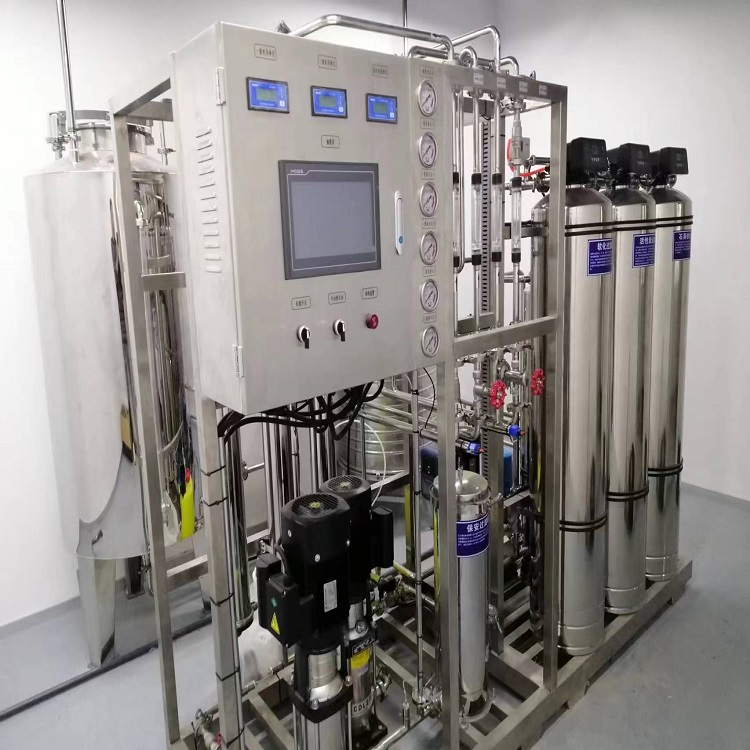
Shanghai industrial pure water production equipment reverse osmosis filtration system with high yield and customizable options, Quankun brand.
详情描述
Yangzhou Industrial Wastewater Low Temperature Evaporator - High Concentration Rate, Stable Output
Industrial low-temperature evaporator for waste water treatment is an efficient and energy-saving wastewater treatment equipment, widely used in industries such as chemical, pharmaceutical, electroplating, and dyeing. As environmental protection requirements become increasingly stringent, traditional wastewater treatment methods are no longer sufficient. The low-temperature evaporation technology, with its unique advantages, is gradually becoming an important choice in the field of industrial wastewater treatment. The working principle of a low-temperature evaporator is to reduce the evaporation pressure through a vacuum system, causing wastewater to boil and evaporate at a lower temperature (usually between 30℃ to 70℃), thereby separating water from pollutants. Compared to traditional high-temperature evaporation technology, low-temperature evaporation offers the following advantages:
Energy-saving and Efficient: Due to the low evaporation temperature and minimal heat loss, energy consumption is significantly reduced, particularly suitable for treating heat-sensitive wastewater.
2. Reduced Scaling: Low-temperature environments slow down the crystallization rate of salts and organics, reducing the risk of equipment scaling and blockages.
3. Versatile: Capable of treating complex wastewater with high salt content, high COD, and heavy metals, and insensitive to fluctuations in water quality.
4. Environmental Safety: The evaporation process operates in a closed system, reducing harmful gas emissions, and the condensed water can be reused, achieving resource utilization.
Applications of low-temperature industrial wastewater evaporators
1. Chemical Industry: Chemical wastewater often contains high concentrations of organic matter and inorganic salts, which are difficult to degrade by traditional biochemical methods. Low-temperature evaporation can effectively concentrate the wastewater, reducing the cost of subsequent treatment.
2. Plating Industry: Plating wastewater contains heavy metal ions (such as nickel, chromium, copper, etc.), which can be recycled through low-temperature evaporation, while achieving water recycling.
3. Pharmaceutical Industry: Pharmaceutical wastewater is complex, containing substances like antibiotics and solvents that are difficult to degrade. Low-temperature evaporation can reduce the volume of wastewater, facilitating subsequent incineration or advanced treatment.
4. Dyeing and Printing Industry: High-color and high-salt content in dyeing wastewater can be desalinated and some dyes recovered through low-temperature evaporation, reducing treatment complexity.
Key Technologies of Low-Temperature Evaporators
Vacuum System Optimization: Efficient vacuum pumps and condensation systems are the core of low-temperature evaporation, directly impacting evaporation efficiency and energy consumption.
2. Scale Prevention Technology: Reduces equipment maintenance frequency by optimizing evaporator structure (such as forced circulation evaporation, scraper evaporation, etc.) or adding anti-scale agents.
3. Intelligent Control: Utilizes PLC or DCS systems for real-time monitoring of evaporation parameters (such as temperature, pressure, concentration) to achieve automated operation and enhance stability.
4. Material Upgrade: The application of corrosion-resistant materials (such as titanium alloys, 316L stainless steel) extends the service life of the equipment, particularly suitable for strong acid and alkali wastewater.


Yangzhou Industrial Waste Water Low Temperature Evaporator - High Concentration Rate, Stable Output
Shopping Tips
Treatment Capacity: Select an appropriate evaporation capacity based on the type of wastewater and daily treatment volume.
Material Selection: For corrosive wastewater, prioritize titanium materials or equipment with special coatings.
Energy Consumption Comparison: Focus on the heat source utilization methods of the equipment (such as electric heating, steam heating, or MVR technology), and comprehensively evaluate the operating costs.
After-sales Service: Choose manufacturers with mature case studies to ensure stable equipment operation and technical support.


