



- AllProduct Category
-
Lab Wastewater Treatment Equipment
Lab Wastewater Treatment Equipment
Ultra-Pure Water Equipment
Membrane Separation Equipment
Pure Water Equipment
Low-Temperature Evaporator
Ultra-Pure Water System
Integrated Wastewater Treatment Equipment
Reverse Osmosis Equipment
Pure Water Equipment
Ceramic Membrane Equipment



Recommended Products
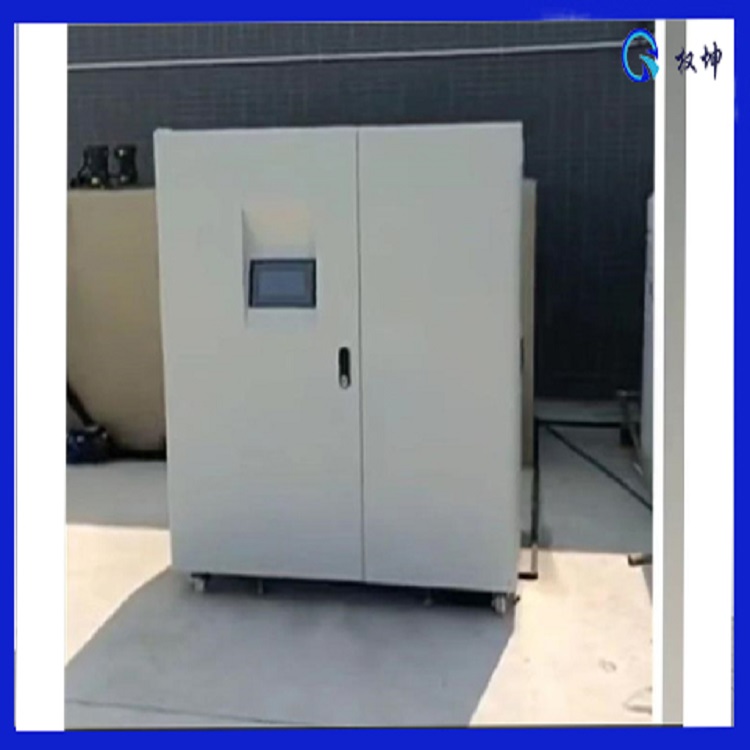
Quan Kun - Comprehensive Laboratory Waste Water Treatment Equipment - Remote Monitoring - Automated Control
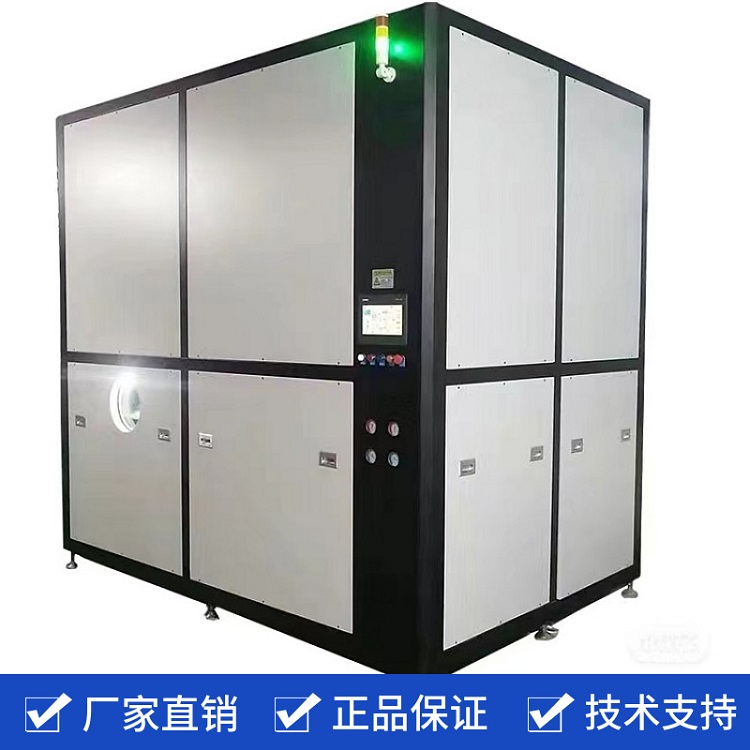
Sodium Chloride Wastewater Low-Temperature Evaporator - Intelligent Automatic - Quankun - Integrated Design
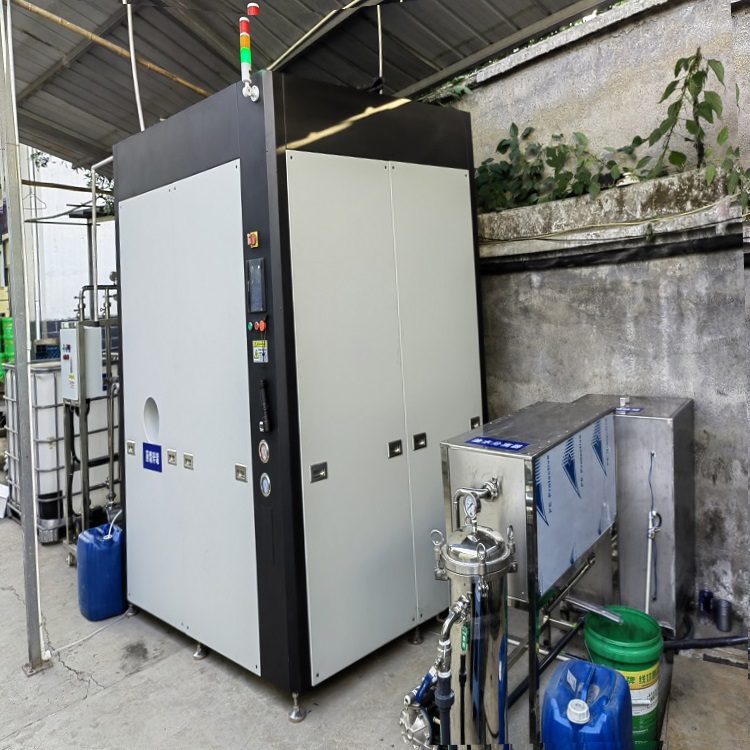
High-Concentration Oil Emulsion Waste Water Treatment Equipment - Quankun - Evaporator Unit - High Concentration Ratio
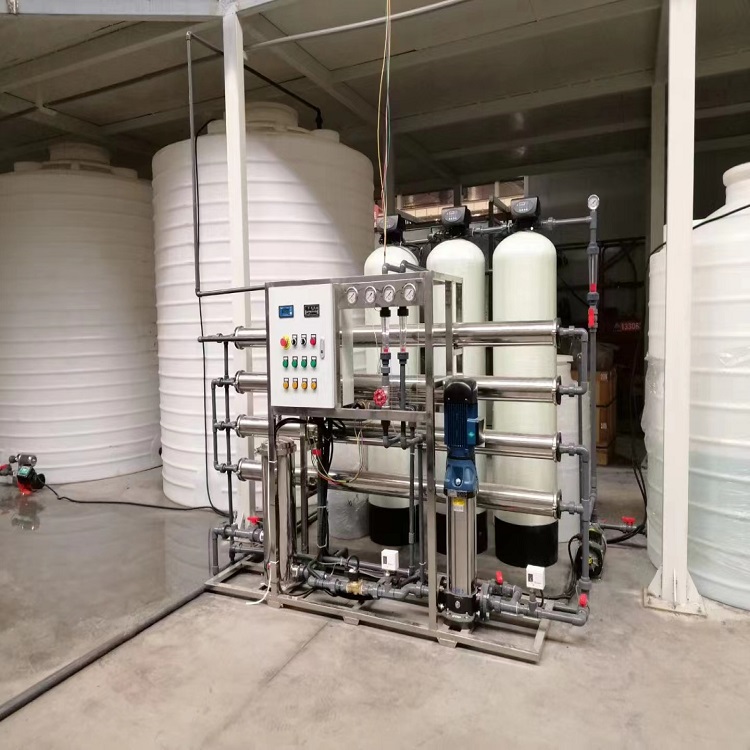
Industrial Pure Water Equipment EDI Ultra-Pure Water System Fully Automatic Control Quankun Environmental Protection
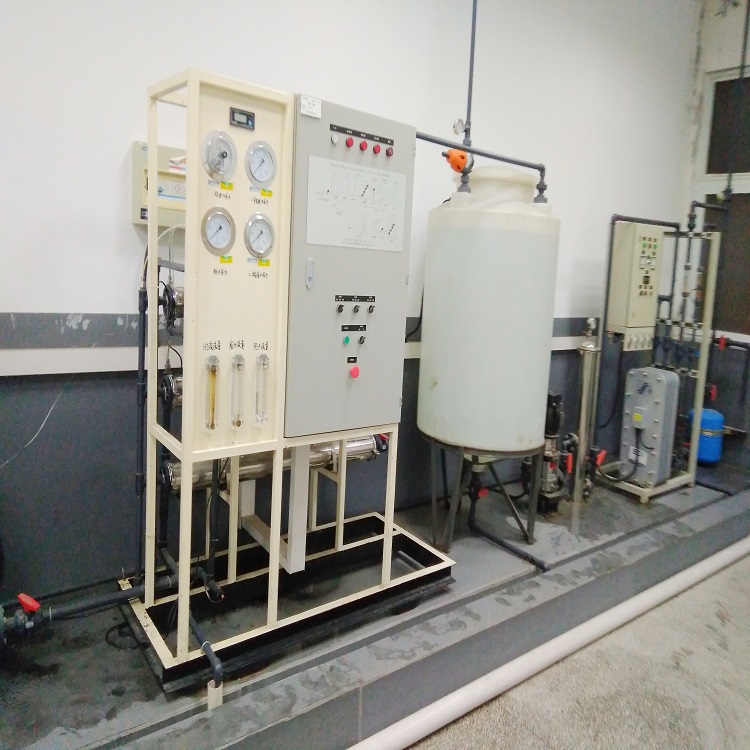
Shenzhen Industrial Ultra-Pure Water Equipment, equipped with EDI system, features low energy consumption and high degree of automation.
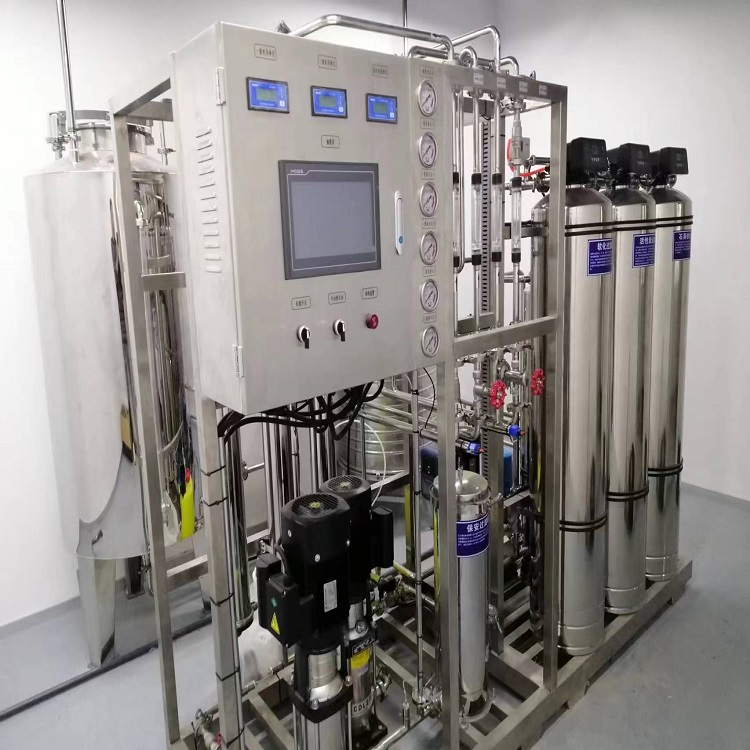
Shanghai industrial pure water production equipment reverse osmosis filtration system with high yield and customizable options, Quankun brand.
详情描述
Miniaturized wastewater treatment equipment - Zero discharge - Customized wastewater treatment solutions for customers - Quankun
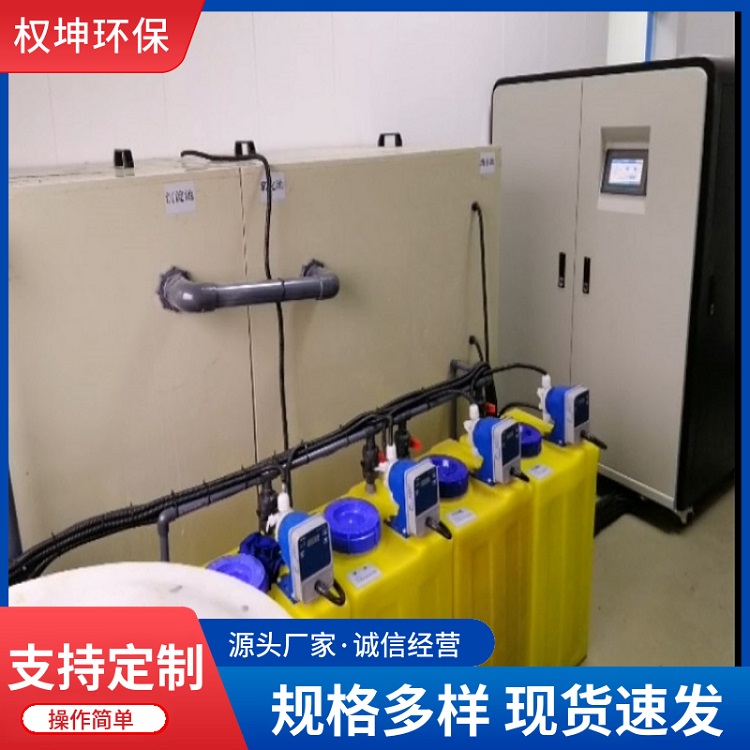
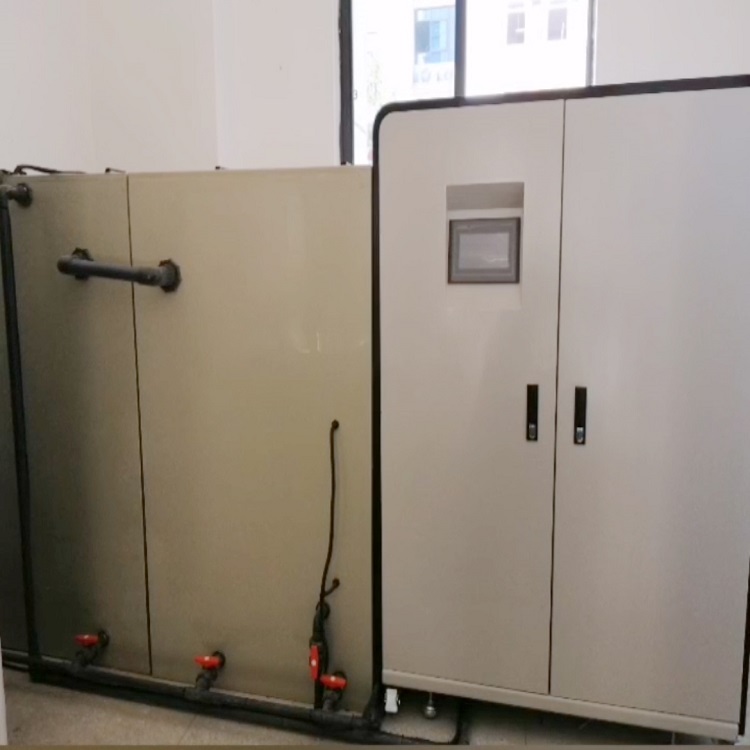
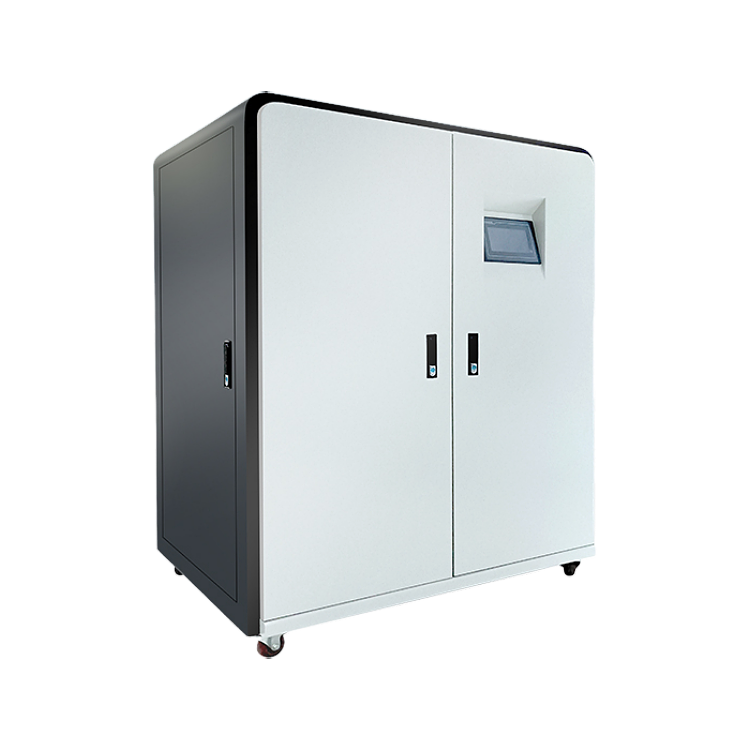
Advanced laboratory wastewater treatment equipment is a highly automated system with excellent treatment performance, minimal land requirement, simple operation and management, and does not require constant supervision. It is specifically designed for comprehensive wastewater treatment in laboratories across various industries both domestically and internationally. Highly praised by users, it is widely used in research institutions, universities, environmental monitoring, product inspection, food and drug inspection, entry-exit inspection and quarantine, disease control centers, geological and mining testing centers, analytical testing centers, water resource monitoring, and grain and oil quality inspection.
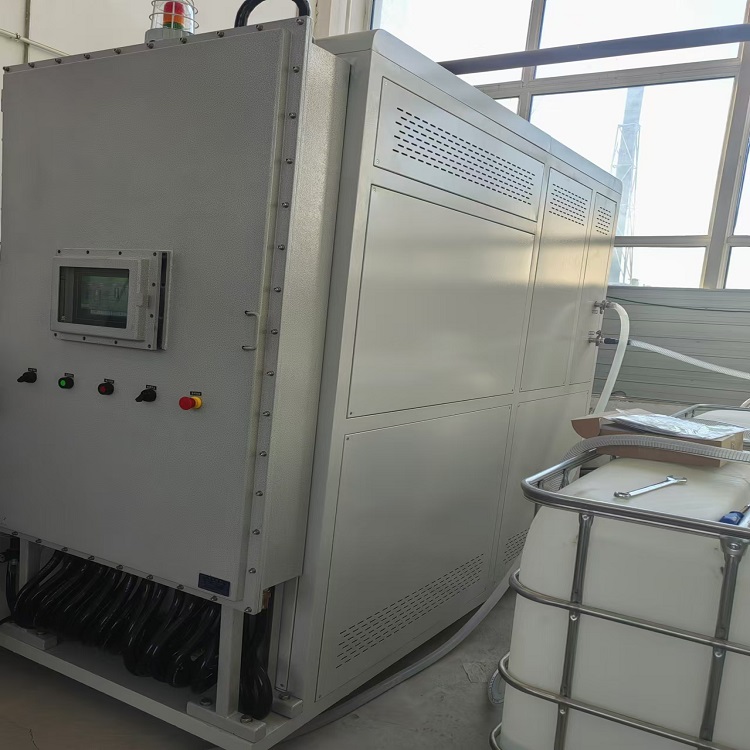
Laboratory wastewater treatment process:
Laboratory waste water, after being collected by the collection system, first enters the regulating pond to adjust water volume and homogenize water quality. Once the water level in the regulating pond reaches a certain height, it is quantitatively lifted to the integrated laboratory wastewater treatment equipment by a lifting pump.
In an integrated wastewater treatment system, the acidic and alkaline neutralization and adjustment system is first accessed, where acidic and alkaline neutralization occurs. Here, using a pH controller, a precise amount of NaOH aqueous solution is accurately added by a metering pump to adjust the pH value between 8 and 9. Under alkaline conditions, the acid in the wastewater is neutralized. If the wastewater contains heavy metal ions such as iron, cadmium, copper, manganese, nickel, lead, and chromium, they can undergo a chemical reaction with OH- to form hydroxide precipitates.
The effluent from the acid-base neutralization pond then flows into the flocculation sedimentation pond. After acid-base neutralization, the settled sludge and other suspended solids in the wastewater are separated from the water through the hetero-directional flow between the sludge and water in the sedimentation pond.
The wastewater from the sedimentation pond then flows into a multimedia filter. Fine suspended particles, trace metals, and organic matter that were not removed are partly eliminated through the physical and chemical processes of adsorption and retention by the quartz sand in the school's laboratory wastewater treatment equipment and the activated carbon with its large pore structure and high specific surface area. The rest are decomposed and removed by anaerobic, aerobic, and facultative bacteria in the microbial film attached to the activated carbon. The process of activated carbon adsorption and retention alternates with microbial degradation and desorption in an interlaced, alternating, and cyclic manner. At this point, the wastewater meets the standards for discharge.
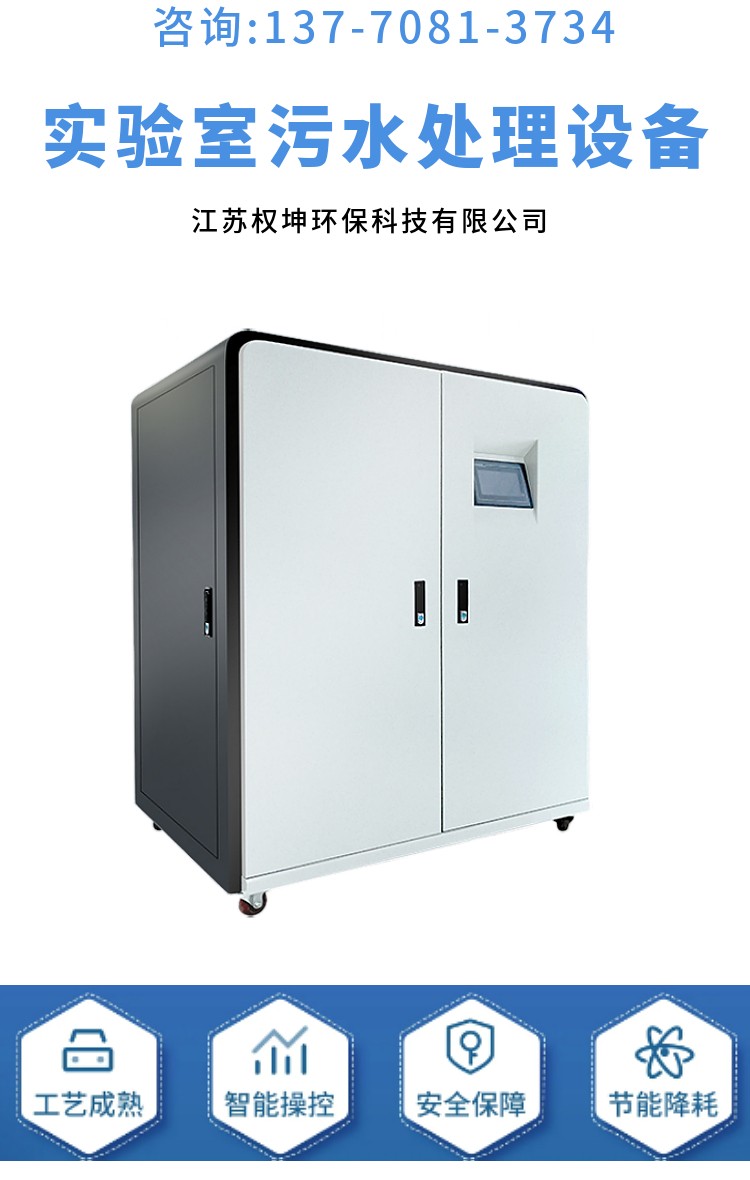
Features of Laboratory Water Treatment Equipment:
Capable of denitrification and phosphorus removal, it can meet the requirements for treating industrial wastewater, domestic wastewater, and urban wastewater by adjusting the equipment structure.
2. The equipment has strong resistance to impact loads, with an average residence time in the contact oxidation process exceeding 6 hours.
3. The equipment produces stable water quality with low sludge output and easy handling.
4. The equipment in the contact oxidation pond is equipped with an aeration blower for air injection, which keeps the fibers continuously floating and evenly aerated. This promotes the growth and maturation of microorganisms within the tank, exhibiting characteristics of the activated sludge process.
5. Water treatment equipment can be placed above ground or buried underground. This reduces the occupied land area, saving on land use. When buried underground, the top can be covered with a layer of greenery.
6. The equipment not only employs conventional exhaust fan noise reduction measures but also features newly installed sound-absorbing materials on the interior walls of the exhaust fan room, ensuring the operating noise is below 50 decibels, thereby minimizing its impact on the surrounding environment.
7. Submersible pumps can be installed within the equipment, saving costs.
8. Simple and convenient to operate, saving labor, manual operation available as well as automatic operation.
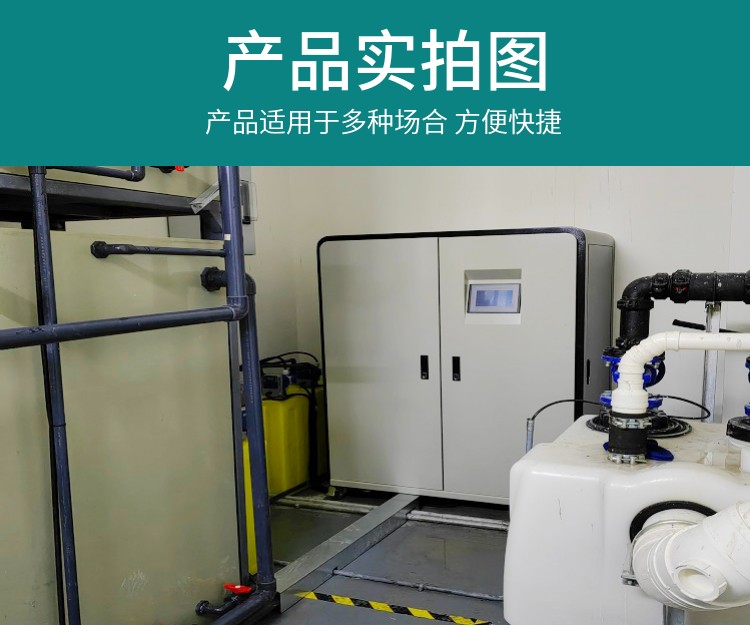
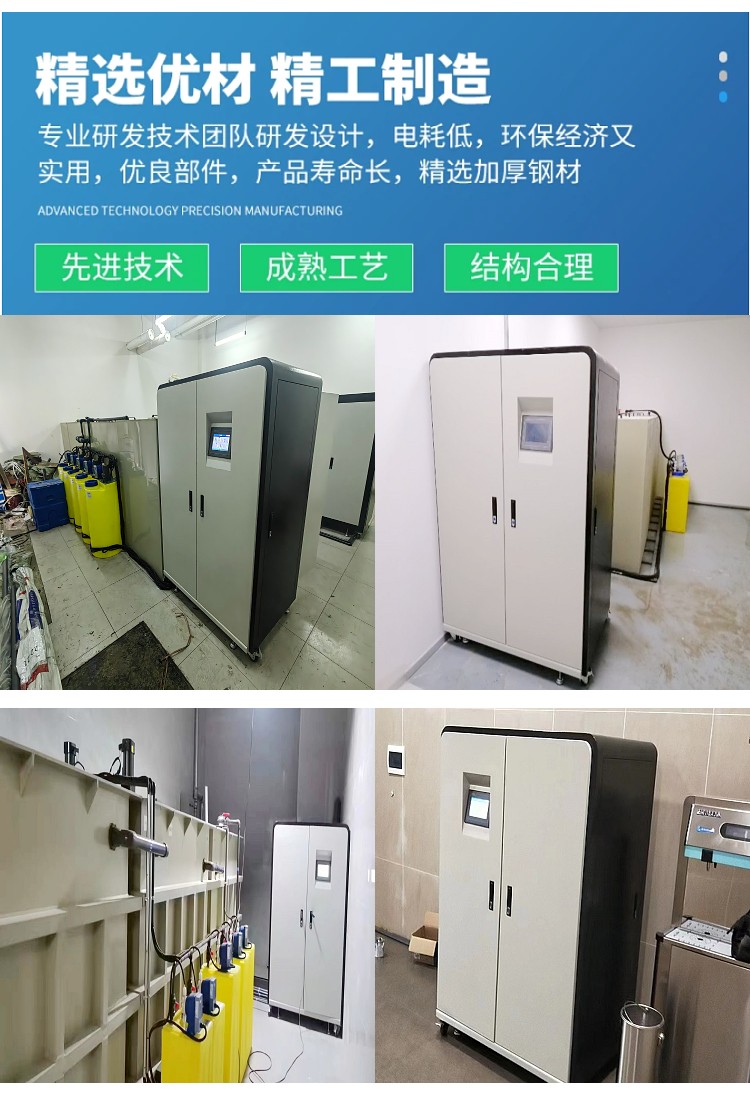
Miniaturized wastewater treatment equipment - Zero discharge - Customized wastewater treatment solutions for clients - Quankun
Features:
1. Broad applicability, adaptable to comprehensive waste liquid treatment in various laboratories
2. Utilize multiple advanced technologies for multi-stage treatment and purification of wastewater, meeting discharge standards.
3. Centralized control via midpoint, with high level of automation, easy operation, fully automatic operation, no need for dedicated staff on duty.
4. Automatic water and electricity leakage protection, high and low voltage automatic protection, no wastewater protection, and liquid storage tank level protection.
5. Modular integrated technology with excellent processing effects, no secondary pollution such as waste residue or wastewater, and low operation costs.
6. Resistant to acid and alkali corrosion, low noise, low power, and multiple safety protections.
7. With a "one-stop" integrated design, it boasts an aesthetically pleasing appearance, minimal land occupation, quick processing speed, cost-effective investment, easy installation and mobility, high processing capacity, excellent processing results, low energy consumption, noiseless operation, no leaks, and environmental friendliness, truly achieving engineering equipmentization. No need for multiple treatment ponds, and it does not produce secondary pollution such as waste, exhaust, and wastewater.


