



- AllProduct Category
-
Lab Wastewater Treatment Equipment
Lab Wastewater Treatment Equipment
Ultra-Pure Water Equipment
Membrane Separation Equipment
Pure Water Equipment
Low-Temperature Evaporator
Ultra-Pure Water System
Integrated Wastewater Treatment Equipment
Reverse Osmosis Equipment
Pure Water Equipment
Ceramic Membrane Equipment



Recommended Products
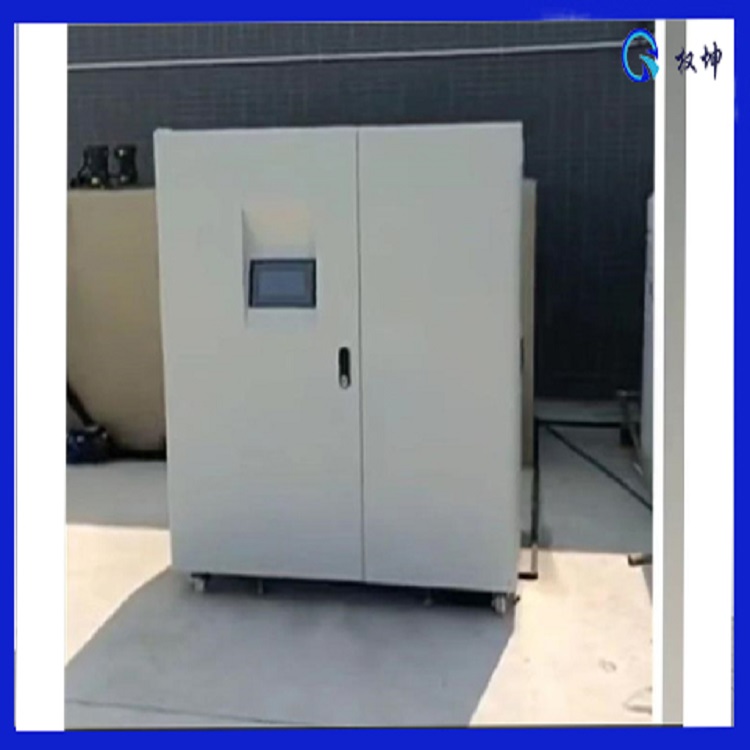
Quan Kun - Comprehensive Laboratory Waste Water Treatment Equipment - Remote Monitoring - Automated Control
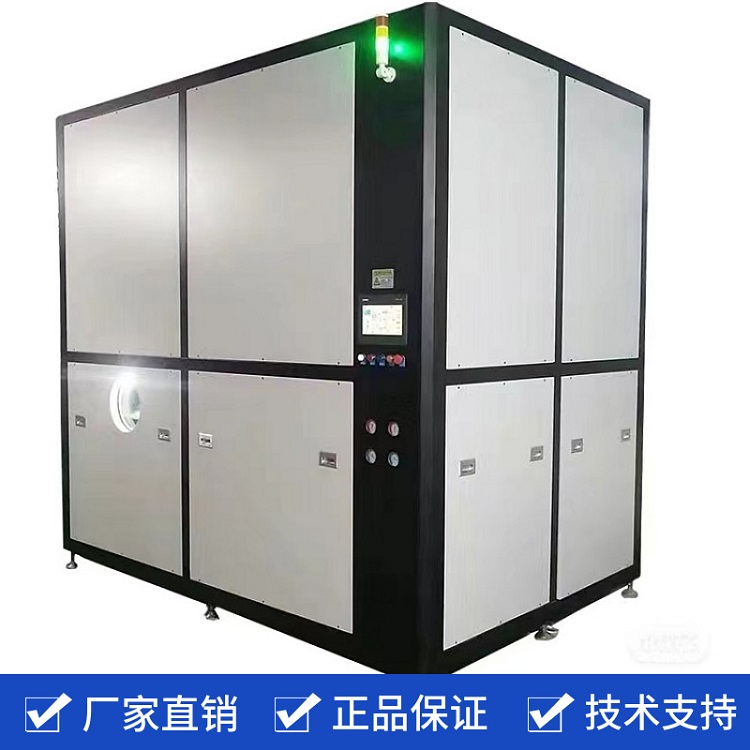
Sodium Chloride Wastewater Low-Temperature Evaporator - Intelligent Automatic - Quankun - Integrated Design
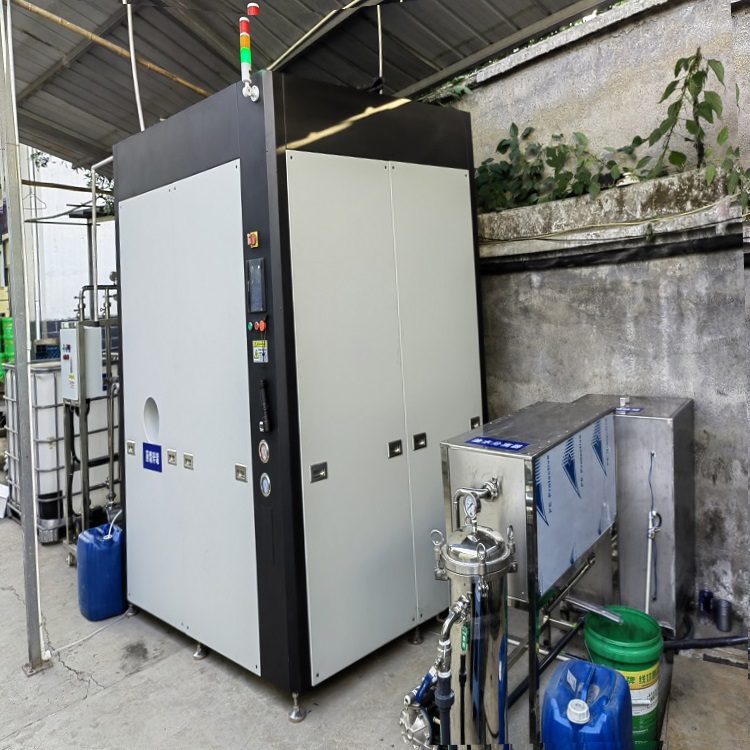
High-Concentration Oil Emulsion Waste Water Treatment Equipment - Quankun - Evaporator Unit - High Concentration Ratio
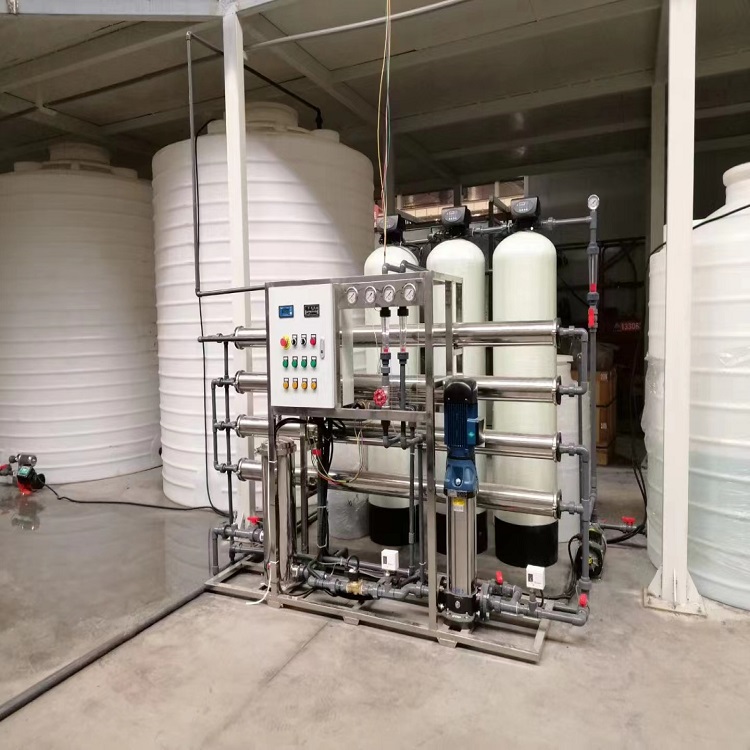
Industrial Pure Water Equipment EDI Ultra-Pure Water System Fully Automatic Control Quankun Environmental Protection
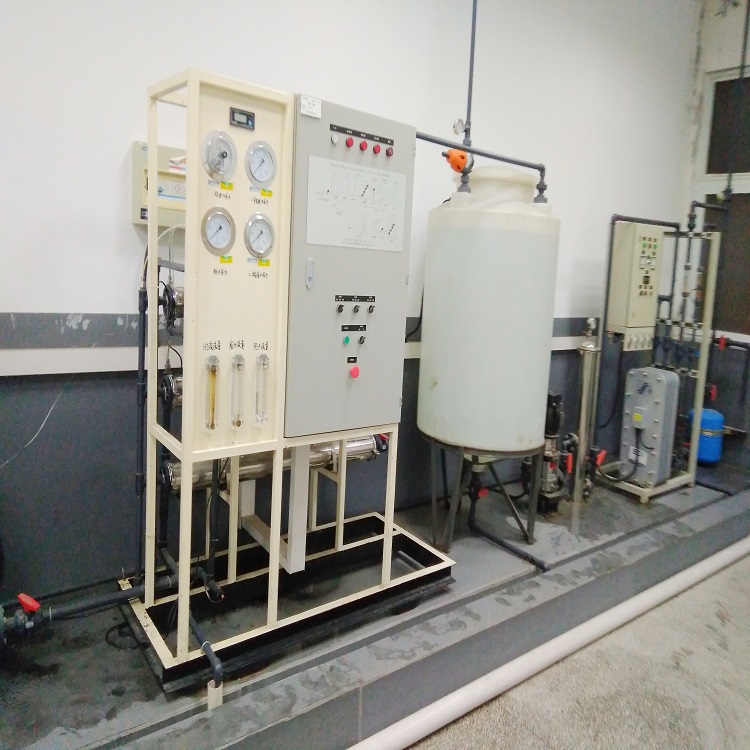
Shenzhen Industrial Ultra-Pure Water Equipment, equipped with EDI system, features low energy consumption and high degree of automation.
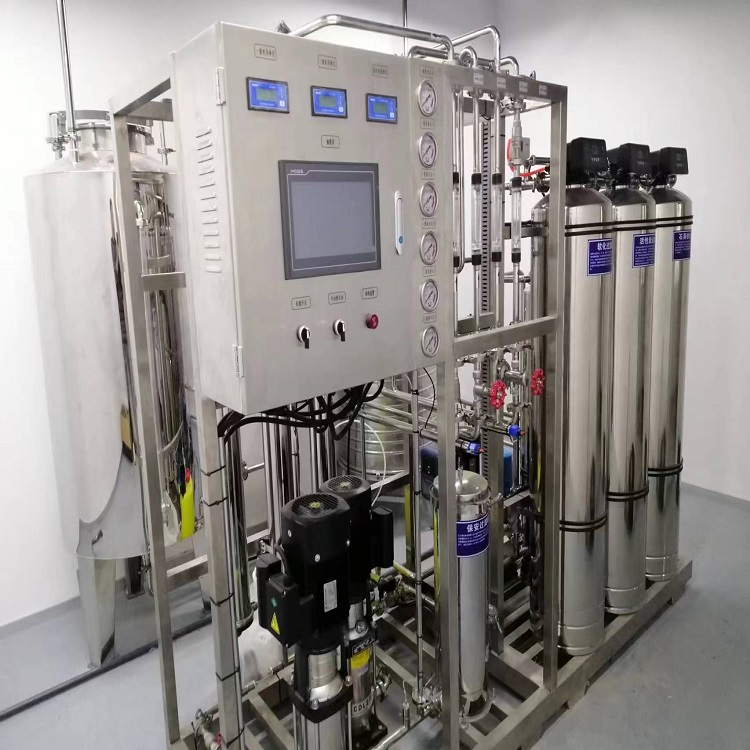
Shanghai industrial pure water production equipment reverse osmosis filtration system with high yield and customizable options, Quankun brand.
详情描述
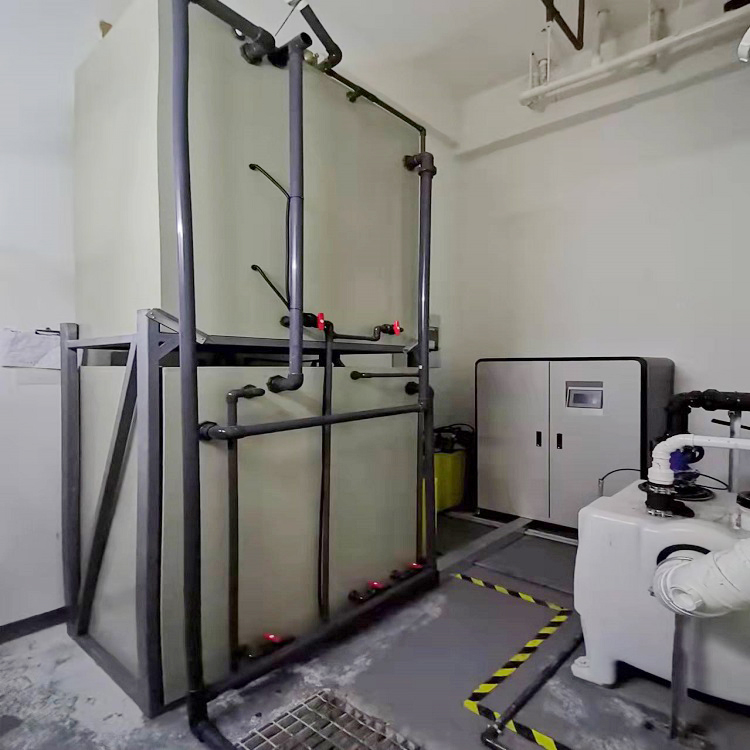
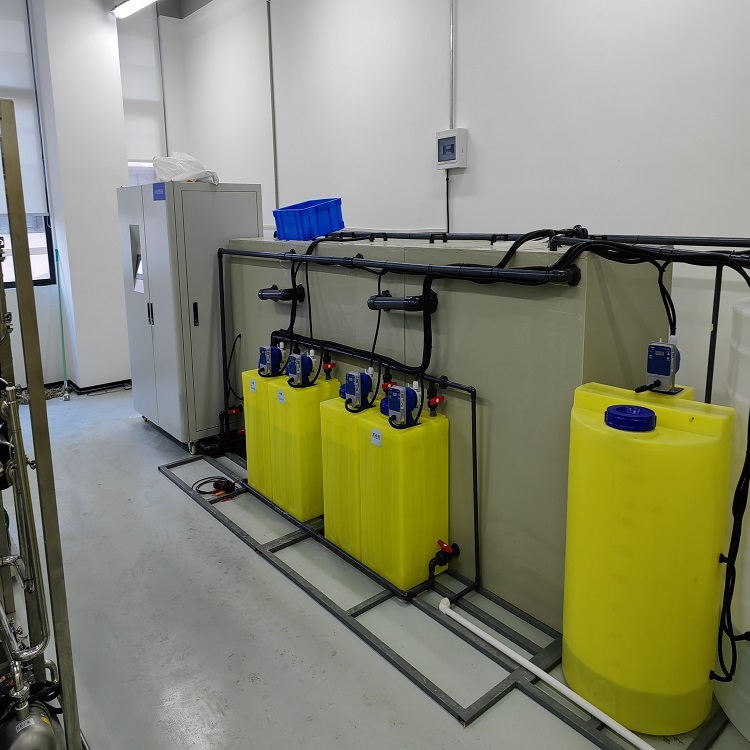
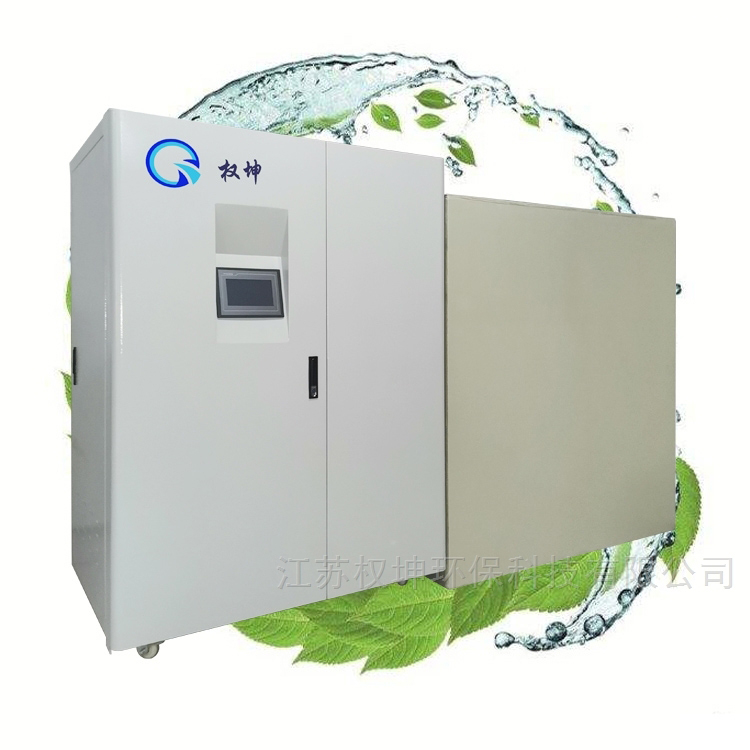
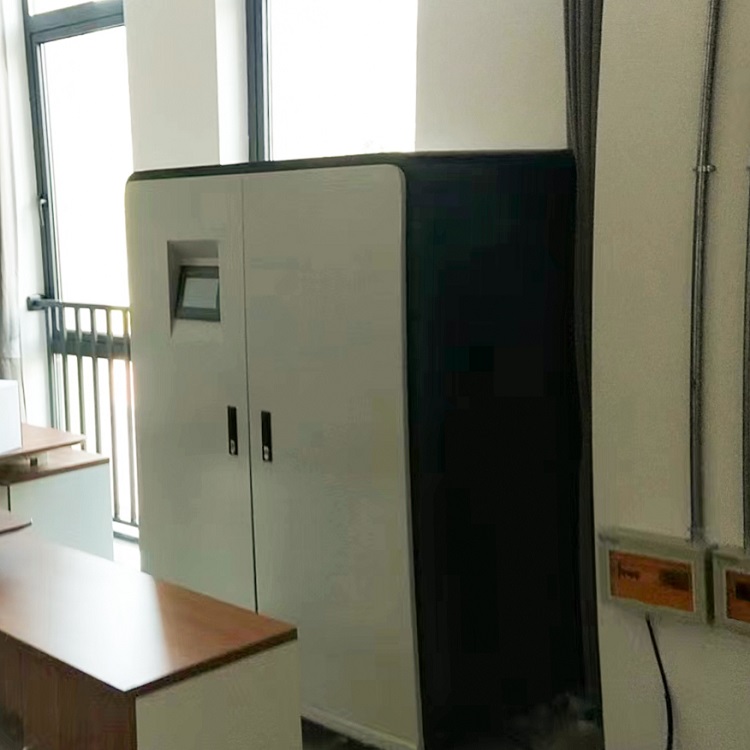
High Concentration Laboratory Wastewater Treatment Equipment - Heavy Metal Cutting Machine Wastewater Treatment Unit
Equipment Overview:
Wastewater primarily originates from external sampling by the owner's research, testing, and monitoring departments. The wastewater discharge volume is relatively small and varies significantly over time. It is complex and unstable in terms of pollution composition, mainly including various waste acids and alkalis, toxic organic compounds, heavy metals, pathogenic microorganisms, and more.
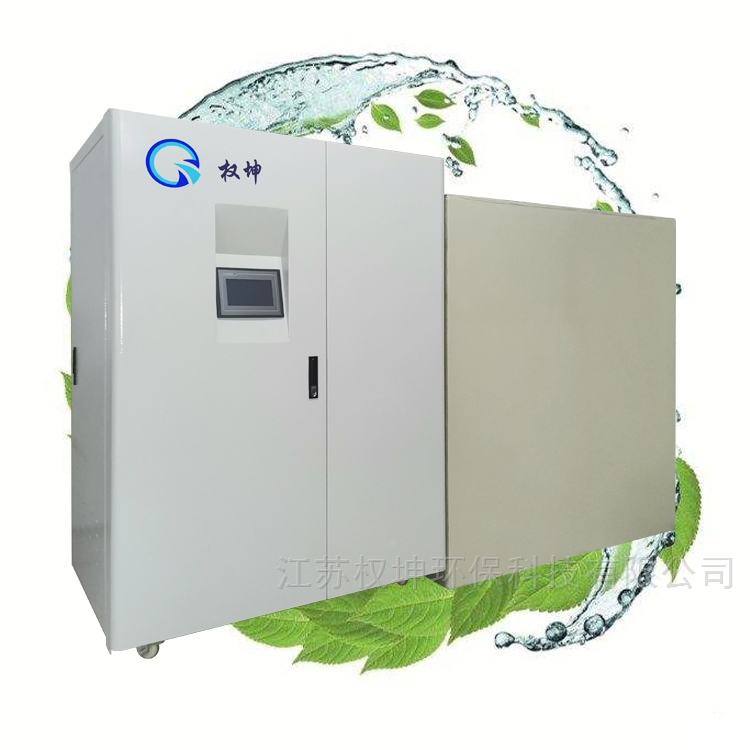
Operating Principle:
Laboratory wastewater treatment equipment primarily utilizes coagulation, sedimentation, oxidation, and high-efficiency sterilization to remove and kill bacteria, heavy metals, COD, viruses, and other contaminants in biological wastewater. Within a certain pH range, it can sterilize all microorganisms, including bacterial propagules, bacterial spores, fungi, mycobacteria, and various infectious viruses like hepatitis viruses. The wastewater treatment process employs automatic control, requiring no dedicated supervision throughout the entire procedure.
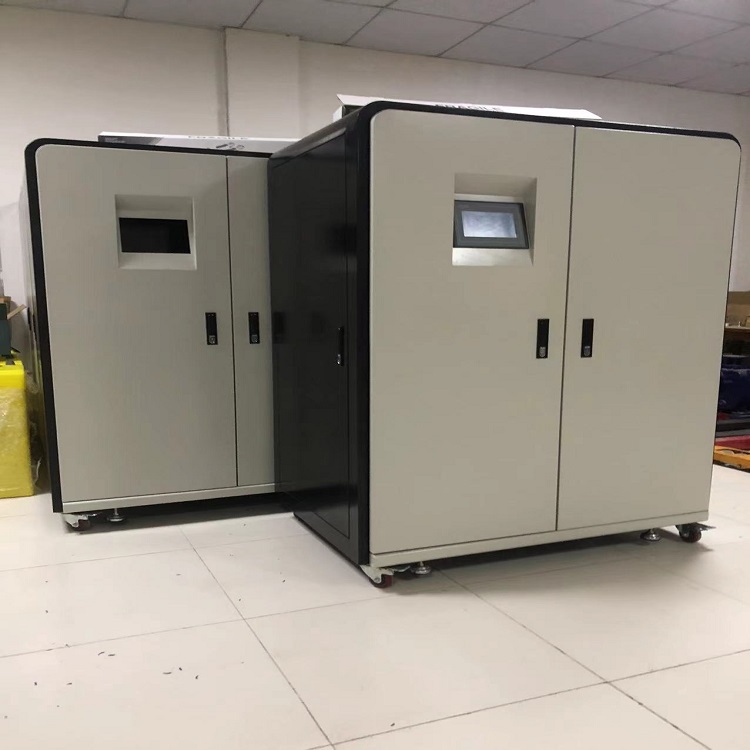
Equipment Features:
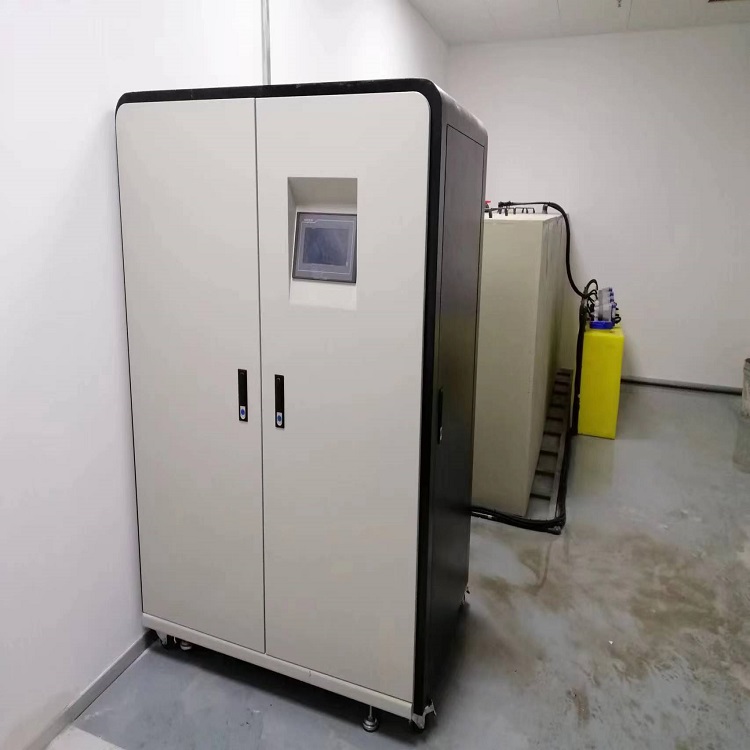
Our "one-stop small wastewater treatment equipment" is designed for small institutions and units with a daily treatment capacity under 25 cubic meters. Tailored to different characteristics of wastewater, it features a variety of small-scale integrated treatment processes with the following characteristics:
(1) Based on the characteristics of different wastewater, select practical and simple wastewater treatment processes to reduce the complexity of the technology.
(2) Tailored to the unique characteristics of various wastewater, we reduce the number of equipment, investment in equipment, and land area required, constructing a one-stop wastewater treatment facility for our clients.
(3) Advanced technology with high automation, easy to operate, simple to manage, and long lifespan.
(4) Our company is a specialized expert in small-volume wastewater treatment, offering environmental process solutions.
Process Features:
The process utilizes a combination of conventional activated sludge method and membrane filtration, which is mature and reliable. It features a high MLSS concentration and excellent effluent quality.
2-mil material is made of PVDF, which is resistant to contamination and easy to clean, particularly suitable for wastewater treatment.
The 3MBR membrane reactor material boasts stable chemical properties, strong antioxidant capabilities, a long service life, and a wide range of cleaning agents available for membrane cleaning.
4 Utilize aeration from the biochemical pond to clean the membrane, maintaining a stable water output.
Sludge accumulated during the .5 process is regularly discharged into a sludge pond for further digestion, thus minimizing the remaining sludge volume in the system.
The operational procedures of main control equipment such as fans and submersible污水pumps in the .6 system are input into the PC to reduce operational workload, achieve automatic operation, and minimize unnecessary human damage.
The equipment body is made of concrete anti-corrosion structure, enhancing the effective service life of the equipment.
.8 By employing a membrane filtration process primarily for removing organic pollutants using activated sludge technology, effectively prevents sludge bulking, thereby enhancing the removal rate of pollutants and ensuring the effluent meets the standards for reclaimed water; what's more, due to the return nitrification process, it also converts NH3-N while removing organic pollutants.
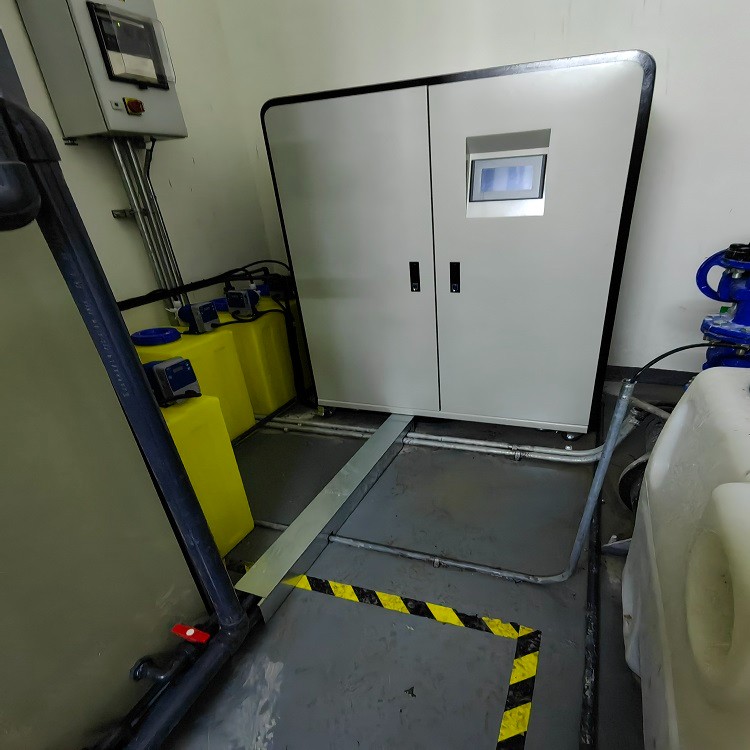
High-Concentration Laboratory Waste Water Treatment Equipment - Heavy Metal Cutting Machine Waste Water Treatment Unit
Product Features:
Utilizing dissolution method, automatic controlled release, and pressure chlorination process design, the disinfectant produced by the rational mixing of water and a solid reagent containing over 80% CL as the main ingredient is released slowly. This disinfectant is then introduced into the required pool (well) for thorough contact and sterilization.


