



- AllProduct Category
-
Lab Wastewater Treatment Equipment
Lab Wastewater Treatment Equipment
Ultra-Pure Water Equipment
Membrane Separation Equipment
Pure Water Equipment
Low-Temperature Evaporator
Ultra-Pure Water System
Integrated Wastewater Treatment Equipment
Reverse Osmosis Equipment
Pure Water Equipment
Ceramic Membrane Equipment



Recommended Products
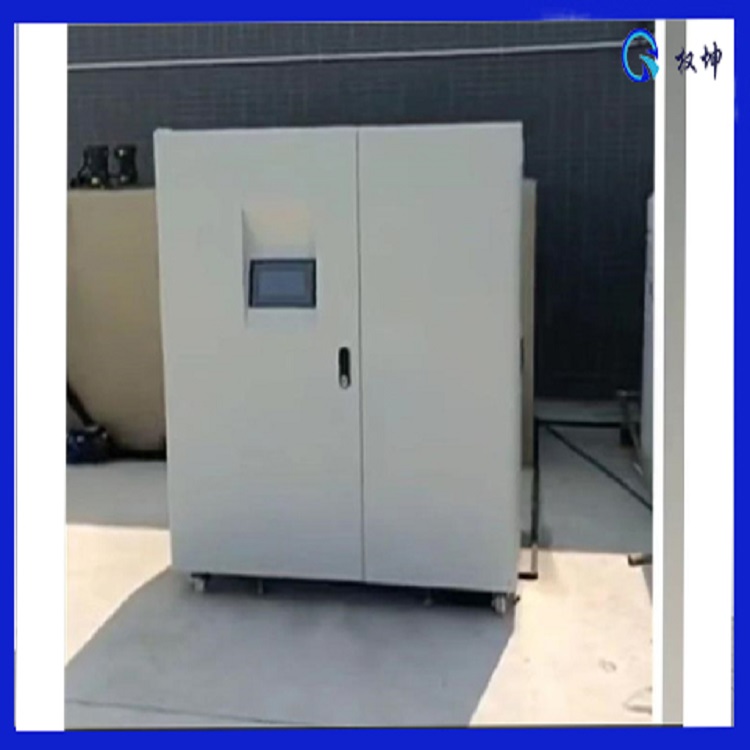
Quan Kun - Comprehensive Laboratory Waste Water Treatment Equipment - Remote Monitoring - Automated Control
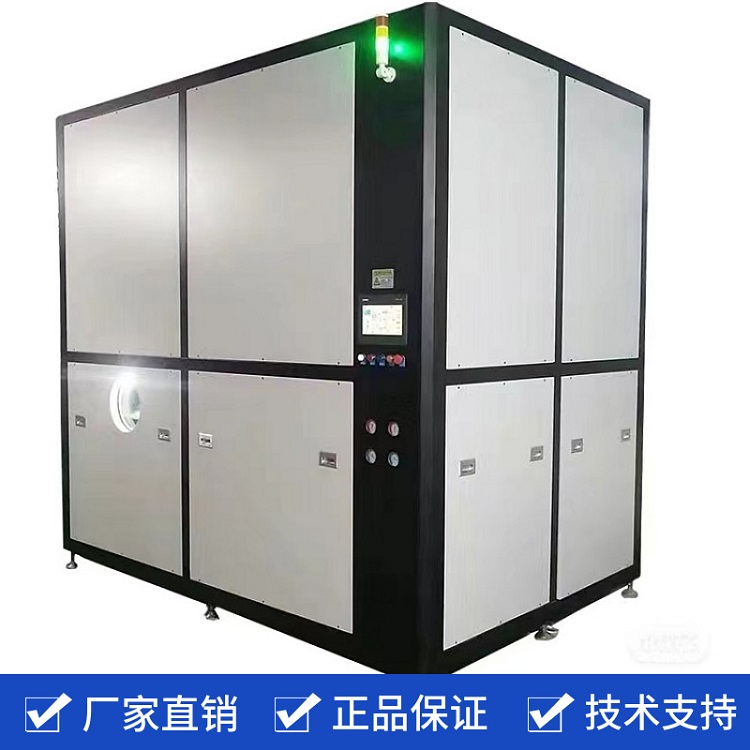
Sodium Chloride Wastewater Low-Temperature Evaporator - Intelligent Automatic - Quankun - Integrated Design
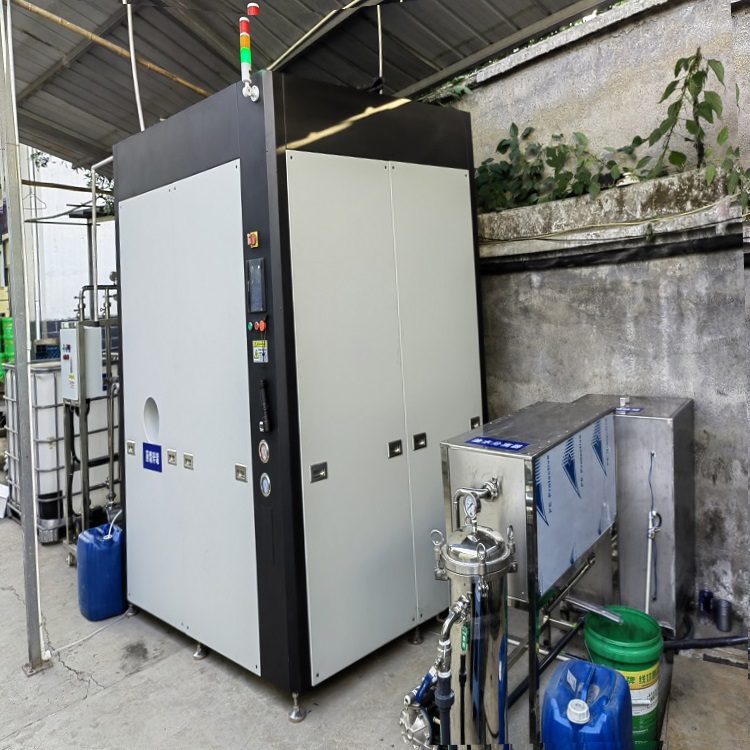
High-Concentration Oil Emulsion Waste Water Treatment Equipment - Quankun - Evaporator Unit - High Concentration Ratio
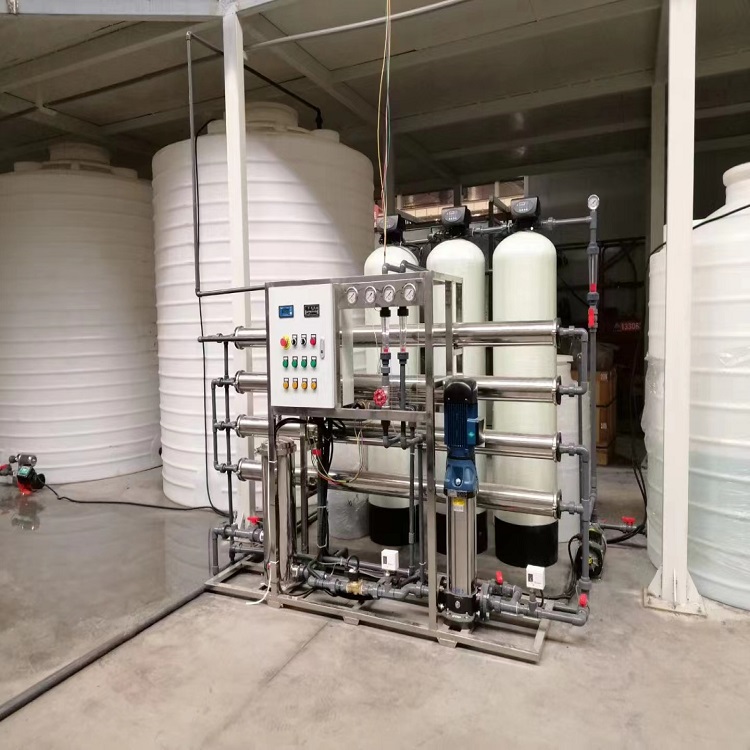
Industrial Pure Water Equipment EDI Ultra-Pure Water System Fully Automatic Control Quankun Environmental Protection
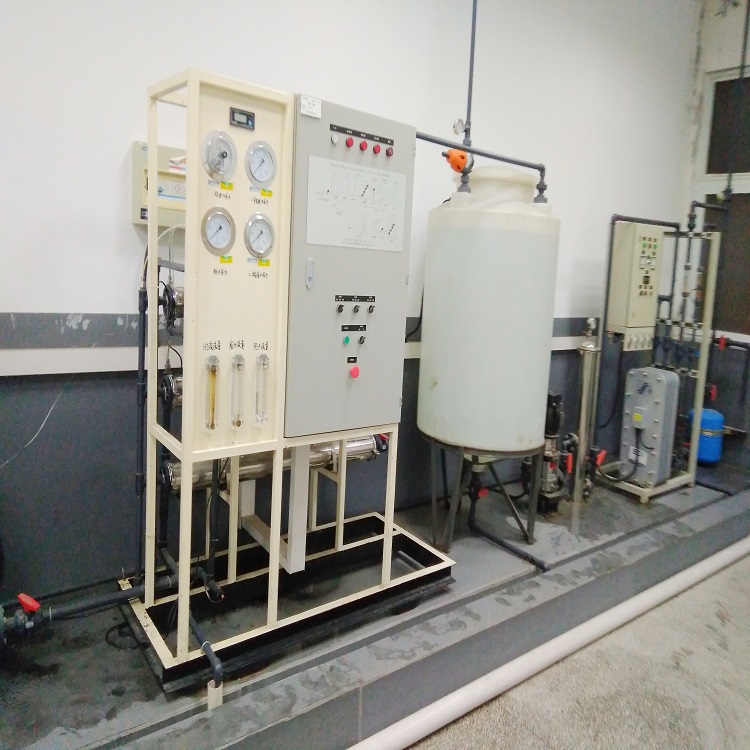
Shenzhen Industrial Ultra-Pure Water Equipment, equipped with EDI system, features low energy consumption and high degree of automation.
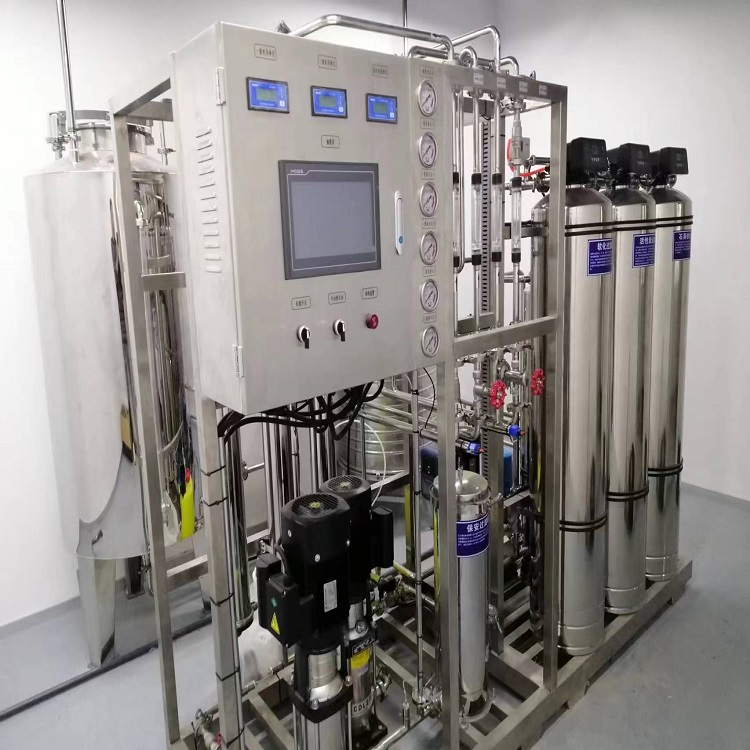
Shanghai industrial pure water production equipment reverse osmosis filtration system with high yield and customizable options, Quankun brand.
详情描述
Chip wastewater treatment and reuse equipment_Excellent treatment effect_Simple operation_Quankun
The wastewater from laboratories is complex, potentially containing organic pollutants, inorganic salts, microorganisms and their metabolic products, radioactive isotopes, and more. These substances pose a threat to the environment and may accumulate through the food chain, ultimately affecting human health. Moreover, as scientific research activities deepen, the difficulty in treating laboratory wastewater increases gradually. Therefore, employing scientifically sound wastewater treatment methods to remove or reduce harmful substances in laboratory wastewater to below safety standards is an essential requirement for the smooth conduct of research activities and environmental protection.
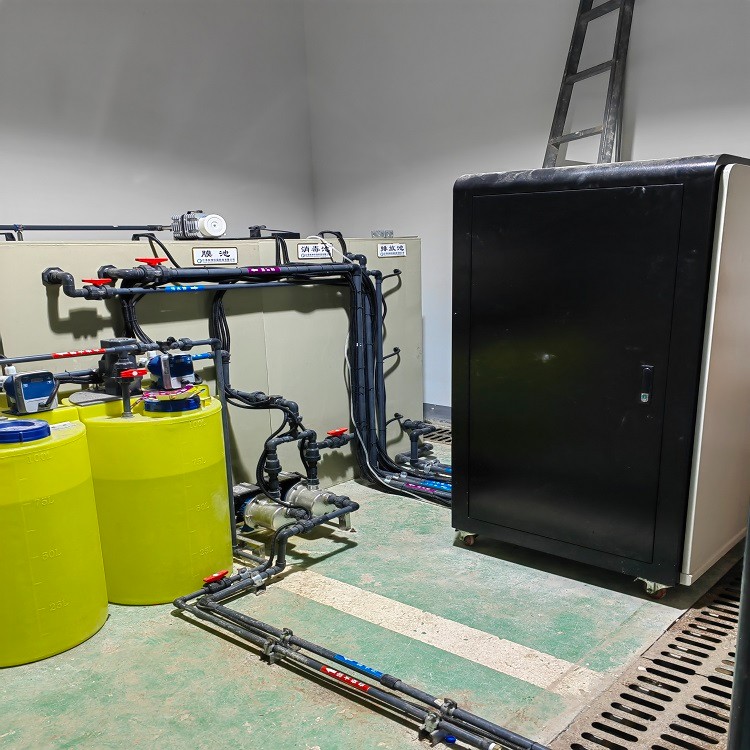
The working principle of the laboratory wastewater treatment equipment:
Remove large suspended solids from wastewater through格栅 and regulating ponds, adjust water quality and volume, creating favorable conditions for subsequent treatment.
Removal of suspended solids, colloids, organic matter, and some heavy metal ions from wastewater is achieved through methods such as coagulation, sedimentation, and filtration. For wastewater containing refractory organic matter, advanced oxidation techniques like ozonation and Fenton oxidation may also be employed.
Utilizing the metabolic action of microorganisms, organic matter in wastewater is converted into stable inorganic substances. Common biological treatment methods include activated sludge process and biofilm process. The biological treatment stage typically also involves nitrification-denitrification processes to remove ammonia nitrogen and total nitrogen from the wastewater.
For laboratories with high requirements for water quality, additional deep treatment is necessary, such as sand filtration, activated carbon adsorption, ultrafiltration, and reverse osmosis, to further remove suspended particles, dissolved organic matter, microorganisms, and heavy metal ions from the water.
Eliminate pathogenic microorganisms in wastewater using UV sterilization, ozone sterilization, or chlorine disinfection methods to ensure safe effluent.
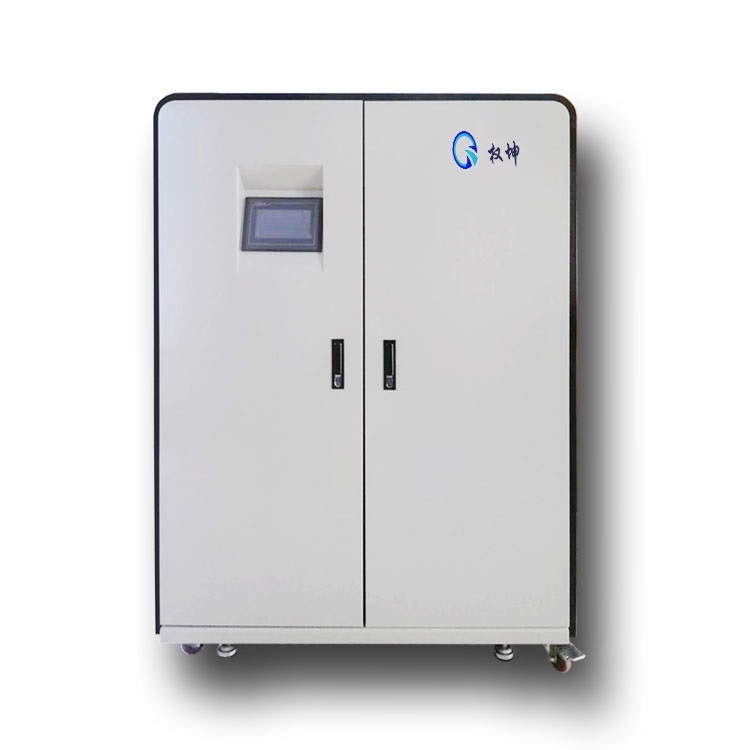
Basics of Laboratory Wastewater Treatment Equipment Design
1. Laboratory wastewater sources: Comprehensive laboratory wastewater generated from activities such as pharmaceuticals, reagents, solutions, and instrument cleaning.
2. Comprehensive laboratory wastewater composition: inorganic substances, organic substances, biological wastewater, etc.
1) Inorganic wastewater: heavy metal ions, acid-base pH values, halogen ions, and other non-metallic ions.
2) Organic Waste Water: Organic solvents, ammonia nitrogen, organic phosphorus drugs, etc.
3) Biological Wastewater: viruses, chlamydiae, mycoplasmas, spirilla, fungi, Brucella, anthrax bacteria, etc.
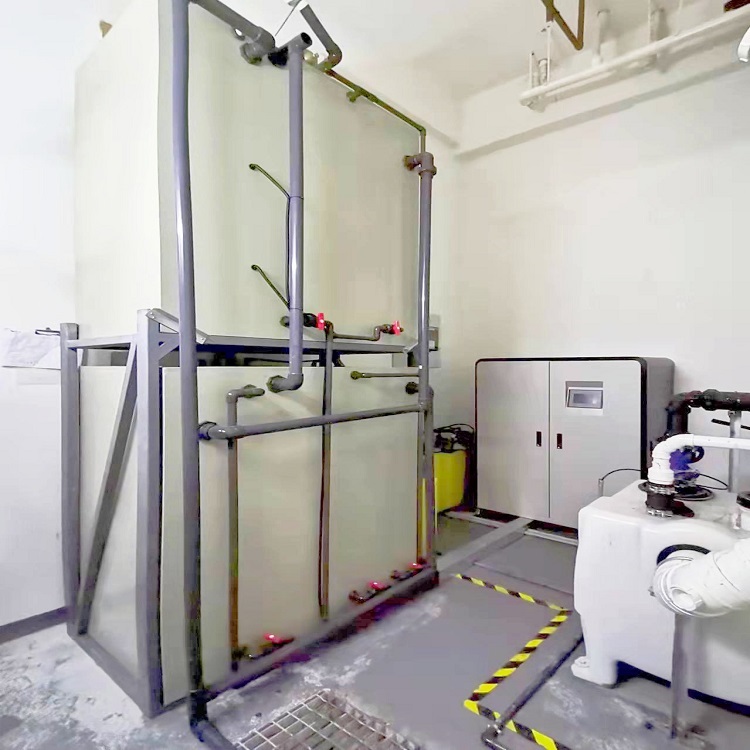
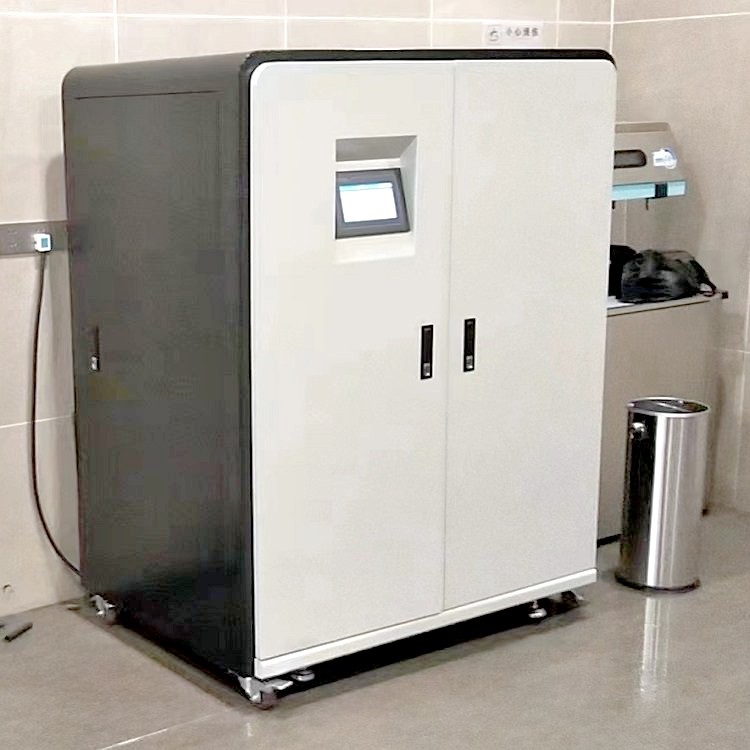
The laboratory wastewater treatment facility consists of units for wastewater classification collection, wastewater adjustment, advanced wastewater treatment, sedimentation separation, physical treatment, biological treatment, and comprehensive wastewater purification. It utilizes various treatment processes such as chemical pretreatment, chemical advanced treatment, inclined tube sedimentation, multi-stage disinfection and sterilization, filtration sedimentation separation, micro-electrolysis technology with high and low potential differences, electrochemical oxidation-reduction technology, two-stage organic biofilm purification, novel packed bed photo-catalytic reaction technology for organic wastewater, selective mass transfer of fresh liquid, and molecular imprinting technology on fungal hyphae surfaces to comprehensively treat organic, inorganic, and biological wastewater generated in the lab. This effectively removes COD, BOD, SS, color, and heavy metal ions from the wastewater. Different treatment technologies and control systems are employed based on the composition of various experimental wastewater types.
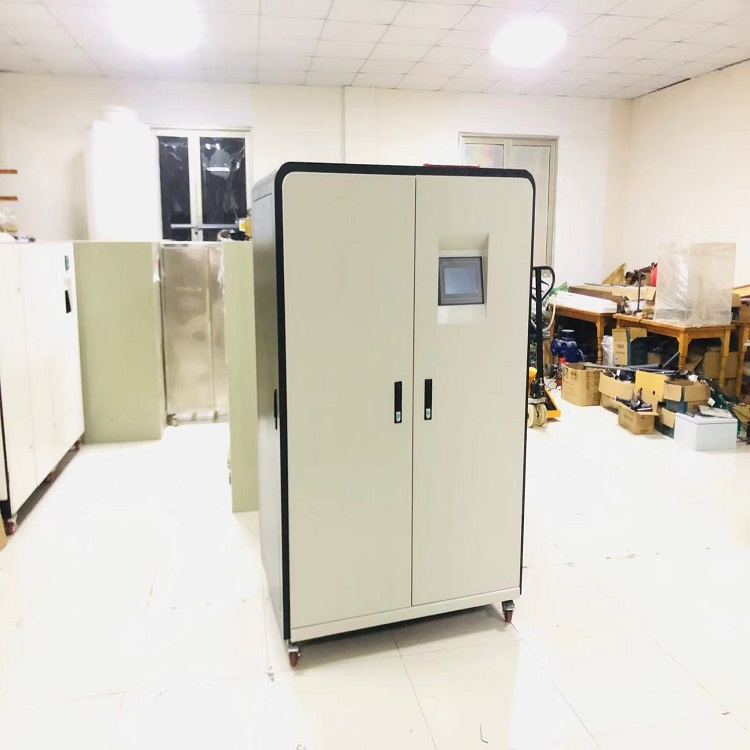
Chip wastewater treatment and reuse equipment_Excellent treatment effect_Simple operation_Quankun
Laboratory wastewater treatment unit features:
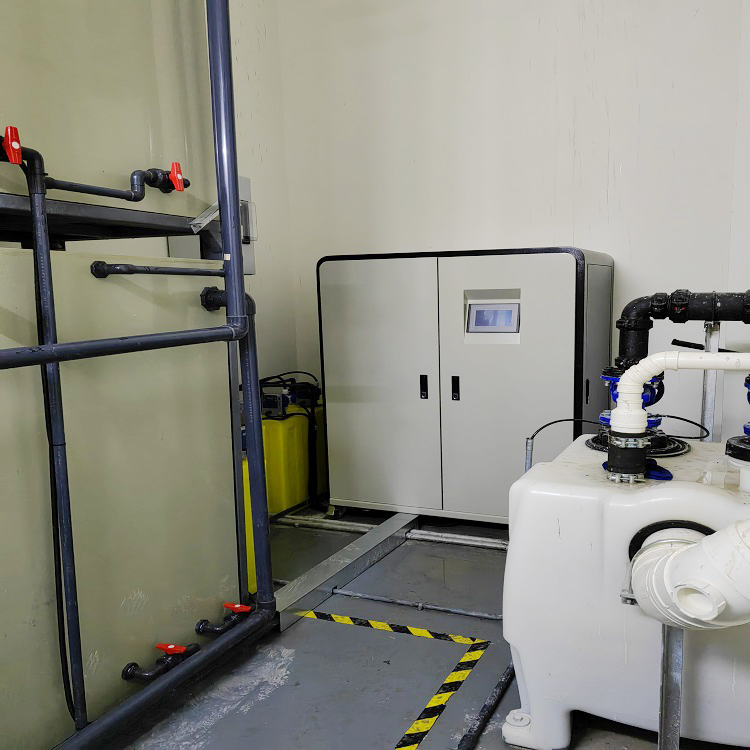
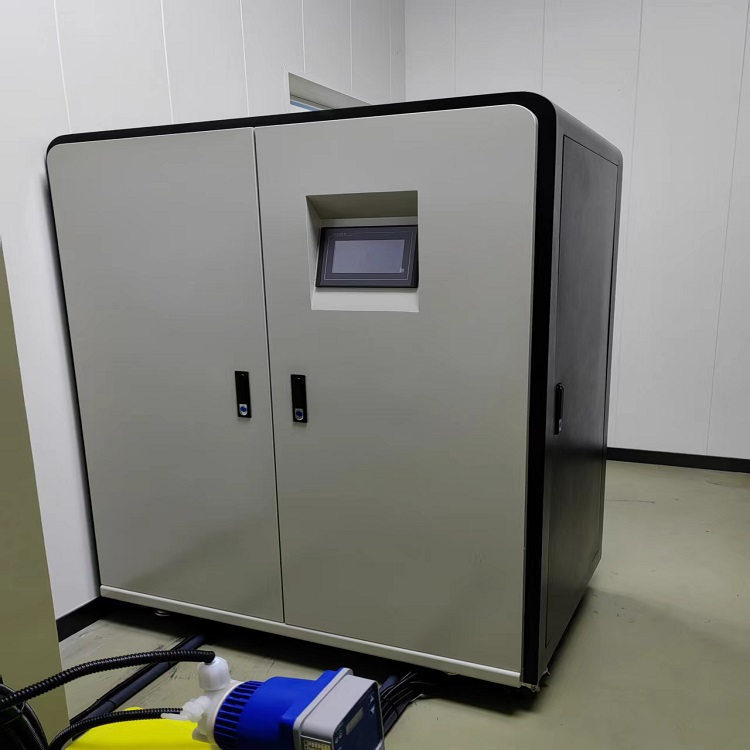
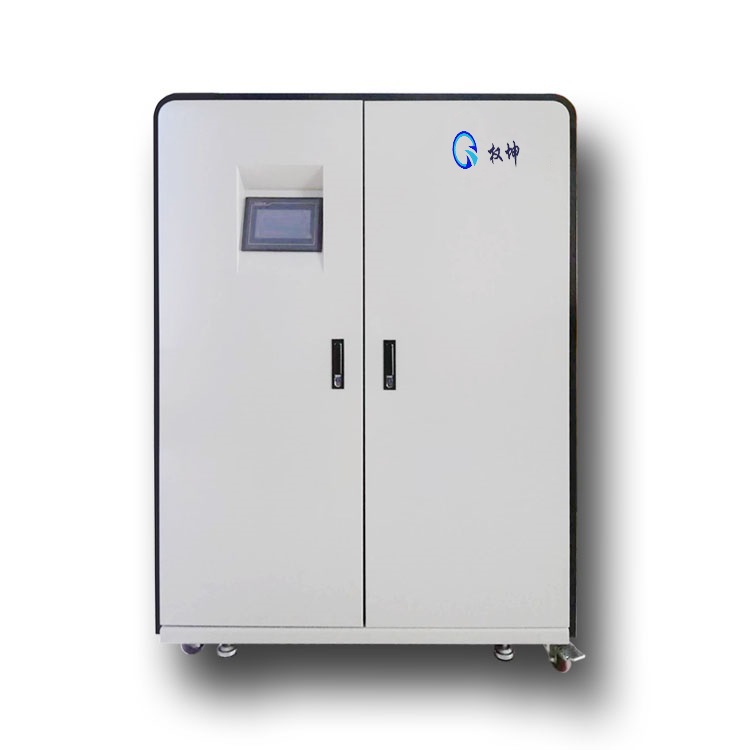
The laboratory wastewater treatment system features an integrated, modular design with a compact structure and minimal footprint; all system components are connected with quick-release fittings for easy maintenance and repair.
Pre-filter for easy cleaning and replacement.
The equipment controls the operation and shutdown of the dosing pump through an online pH meter, featuring a hysteresis volume setting function.


