



- AllProduct Category
-
Lab Wastewater Treatment Equipment
Lab Wastewater Treatment Equipment
Ultra-Pure Water Equipment
Membrane Separation Equipment
Pure Water Equipment
Low-Temperature Evaporator
Ultra-Pure Water System
Integrated Wastewater Treatment Equipment
Reverse Osmosis Equipment
Pure Water Equipment
Ceramic Membrane Equipment



Recommended Products
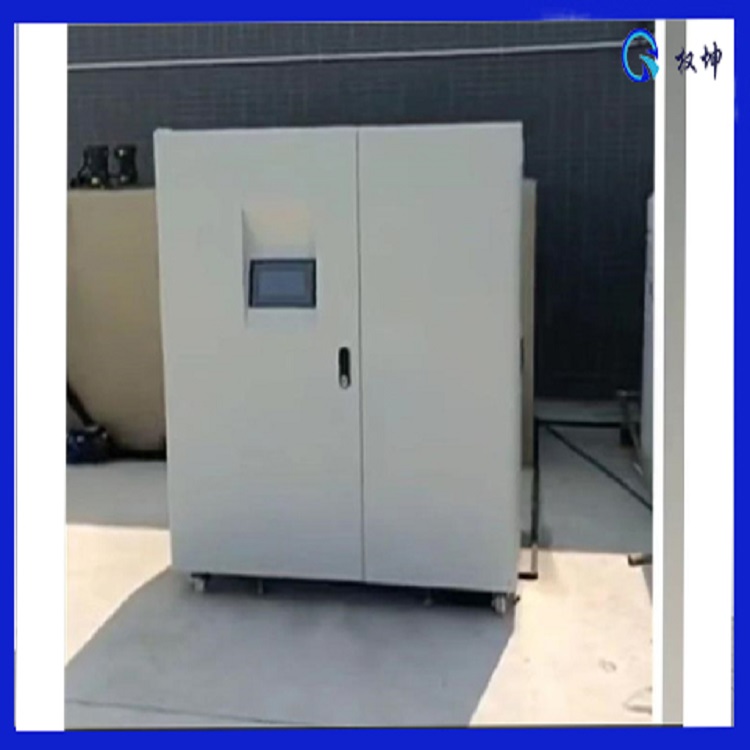
Quan Kun - Comprehensive Laboratory Waste Water Treatment Equipment - Remote Monitoring - Automated Control
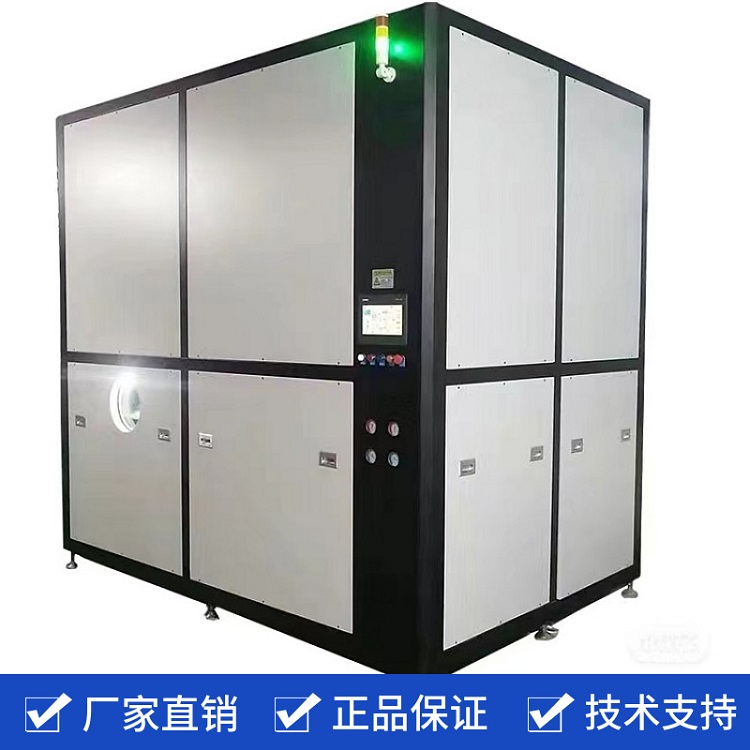
Sodium Chloride Wastewater Low-Temperature Evaporator - Intelligent Automatic - Quankun - Integrated Design
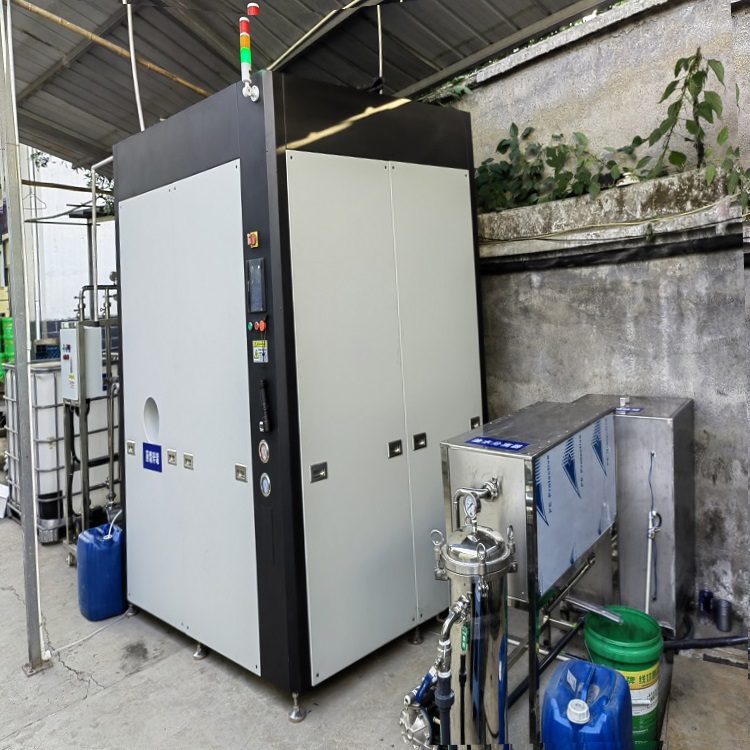
High-Concentration Oil Emulsion Waste Water Treatment Equipment - Quankun - Evaporator Unit - High Concentration Ratio
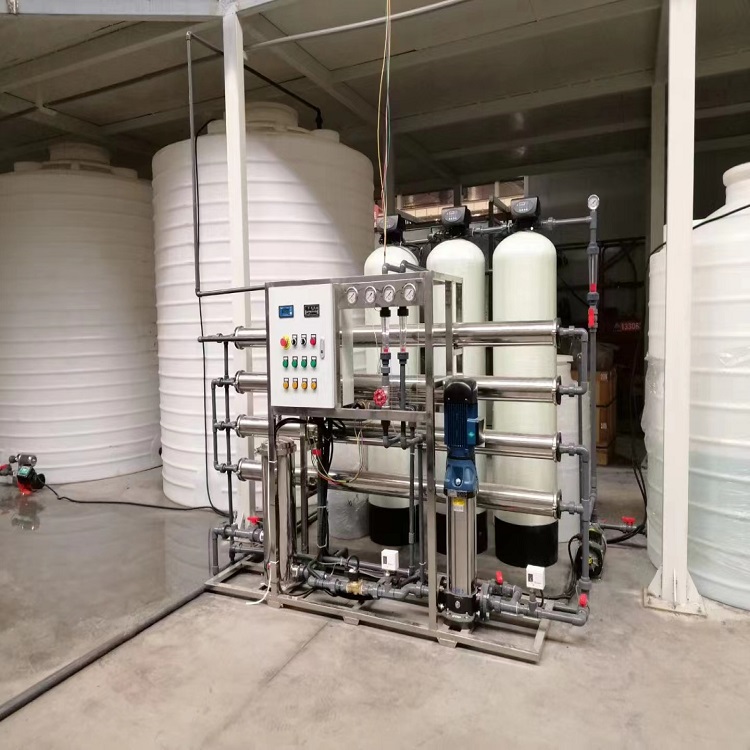
Industrial Pure Water Equipment EDI Ultra-Pure Water System Fully Automatic Control Quankun Environmental Protection
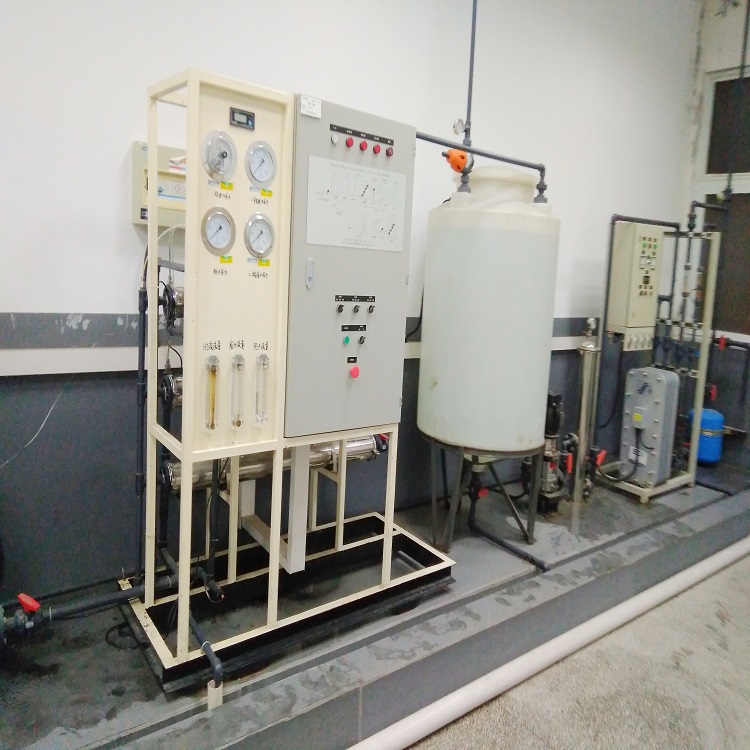
Shenzhen Industrial Ultra-Pure Water Equipment, equipped with EDI system, features low energy consumption and high degree of automation.
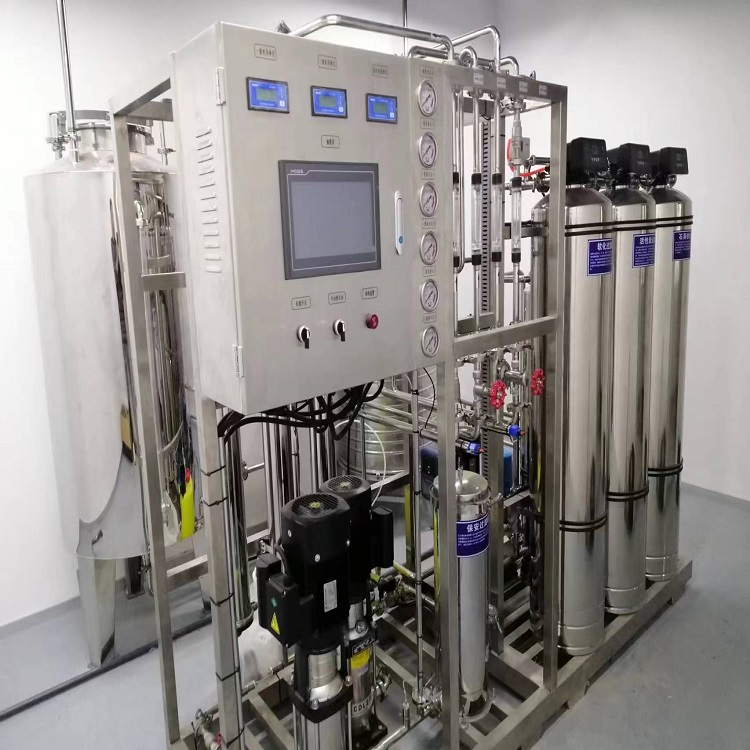
Shanghai industrial pure water production equipment reverse osmosis filtration system with high yield and customizable options, Quankun brand.
详情描述
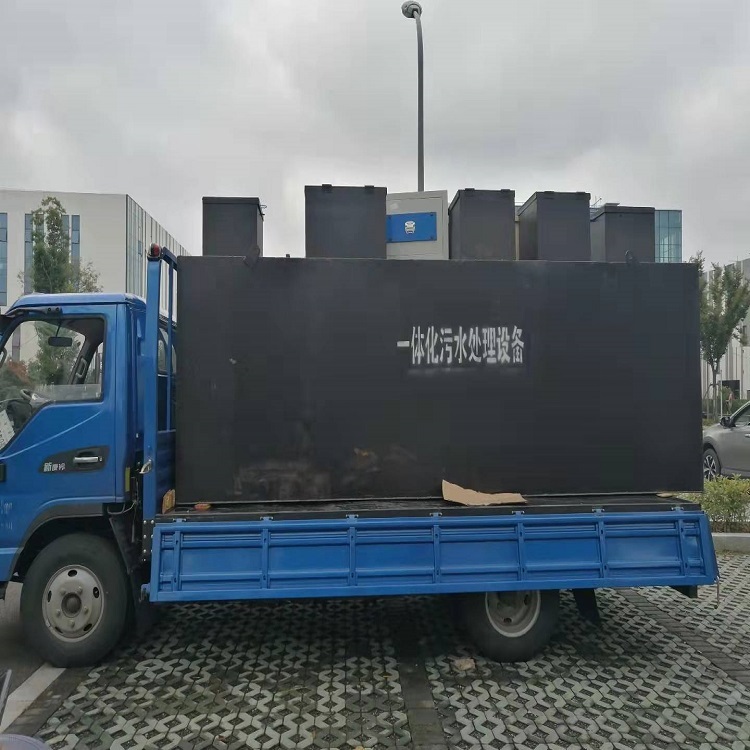
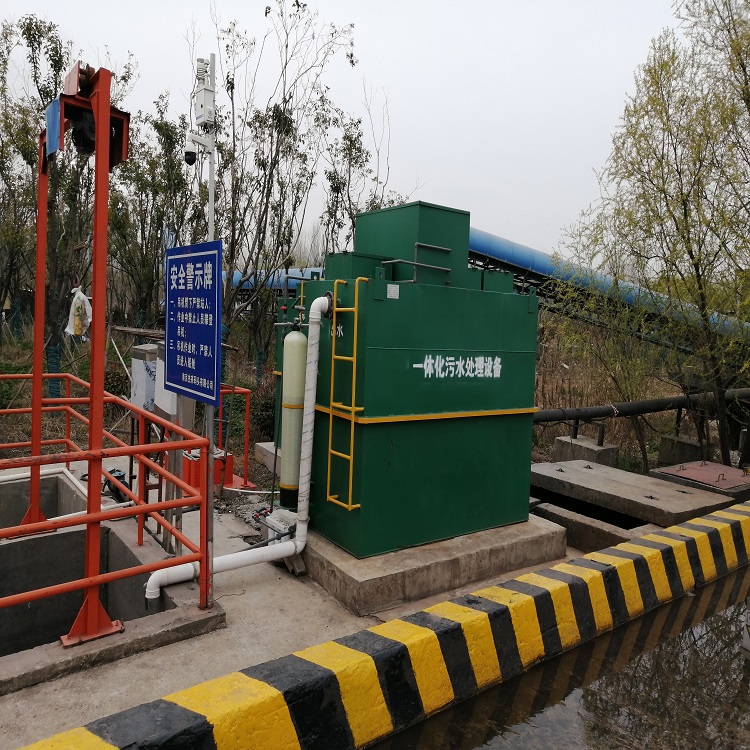
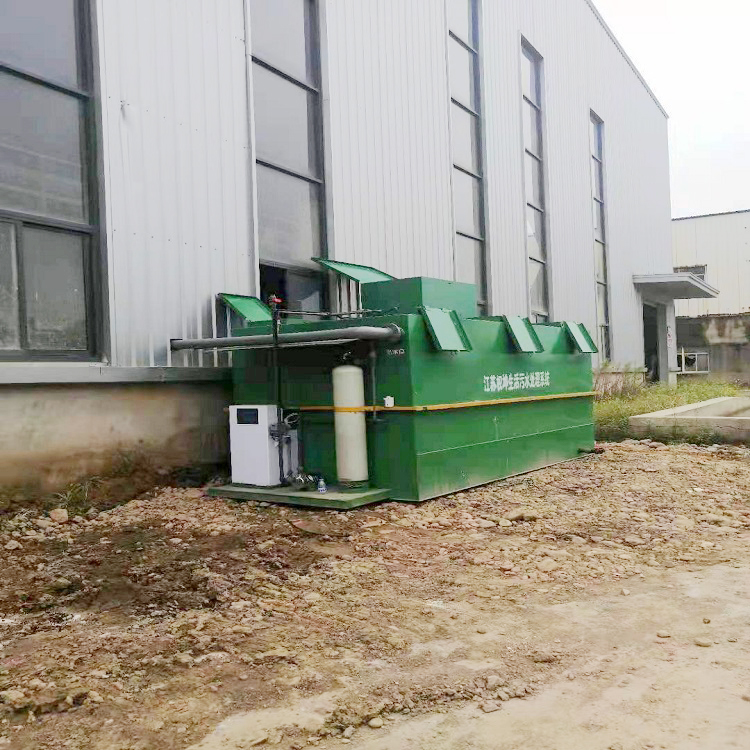
Medical Laboratory Wastewater Treatment Equipment - Quankun - Simple Operation - Stable Operation
Laboratory organic wastewater treatment methods can be借鉴 from other organic wastewater treatments. Generally, organic wastewater treatment technologies include biological and physical-chemical methods. For laboratory wastewater with high organic concentration, strong toxicity, and unstable water quality and volume, the biological method is not effective, while the physical-chemical method shows a clear advantage in treating such wastewater. Recycling of laboratory chemicals, classification and treatment of laboratory waste, and recycling for reuse not only reduce environmental pollution but also minimize the waste of chemicals. For high-concentration laboratory organic wastewater, organic solvents like alcohols, esters, organic acids, ketones, and ethers are recovered and recycled before being treated chemically; for high-concentration, highly toxic organic wastewater that cannot be recycled, centralized incineration treatment is required.
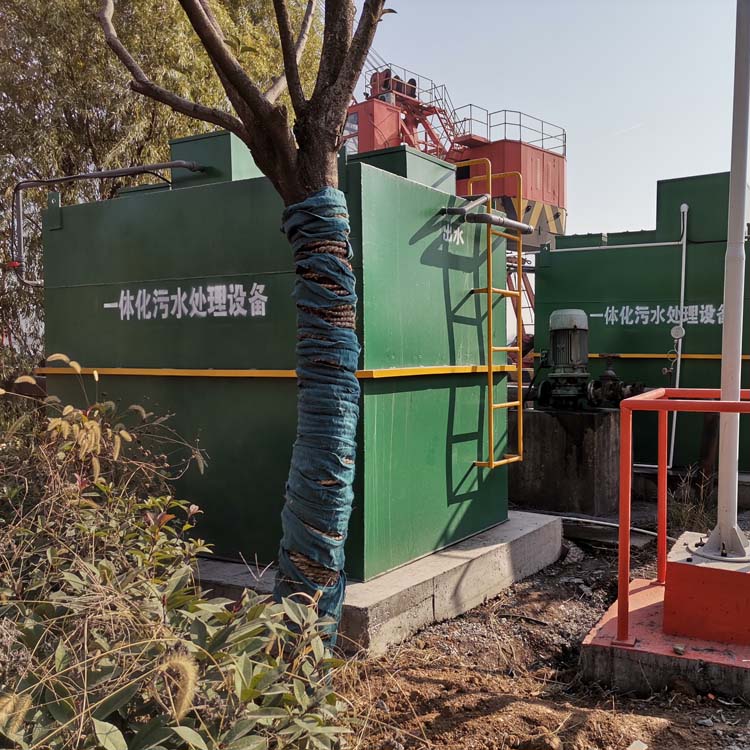
Based on the composition and concentration of the laboratory wastewater, the control system automatically calculates and then dispenses medication proportionally, ensuring a more scientific and rational treatment, while saving on medication usage and requiring no human supervision.

Based on the composition and concentration of organic, inorganic, and biological wastewater produced by different laboratories, the comprehensive laboratory wastewater treatment equipment employs various treatment technologies and processes, effectively removing COD, BOD, SS, color, viruses, organic solvents, and heavy metal ions from the laboratory's comprehensive wastewater. After treatment, the wastewater meets the first, second, and third levels of the National Integrated Wastewater Discharge Standard [GB8978-1996], the National Standard for Wastewater Discharged into Urban Sewerage Systems [CJ343-2010], and the Beijing Municipal Standard for Water Pollutant Emission [DB11/307-2013], or the relevant standards of the National Standard for Water Pollutant Emission from Medical Institutions [2005].
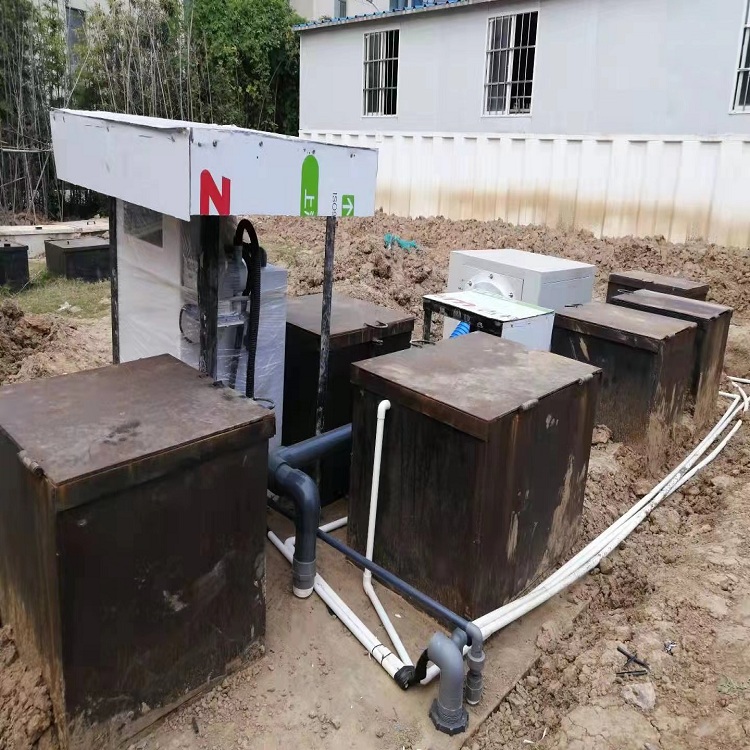
Laboratory Water Treatment Equipment Features:
1. Capable of denitrification and phosphorus removal, it can meet the requirements for treating industrial wastewater, domestic wastewater, and urban wastewater by adjusting the structure of the equipment.
2. The equipment boasts strong impact load resistance, with an average residence time in the contact oxidation process exceeding 6 hours.
3. Equipment produces stable water quality with low sludge output and easy handling.
4. The oxidation pond is equipped with an aeration system for blowing air, which keeps the fibers continuously floating and ensures even aeration. This facilitates the growth and maturation of microorganisms within the tank, exhibiting characteristics of the activated sludge process.
5. Water treatment equipment can be placed above ground level or buried underground. Reduces land occupation and conserves land usage area. When buried, the top can be covered with greenery.
6. The equipment not only employs conventional muffler measures with blowers but also incorporates new sound-absorbing materials on the interior walls of the blower room, ensuring the noise level during operation is below 50 decibels, thereby minimizing its impact on the surrounding environment.
7. Submersible pumps can be installed within the equipment, saving costs.
8. Easy to operate, convenient, labor-saving, with both manual and automatic operation options.
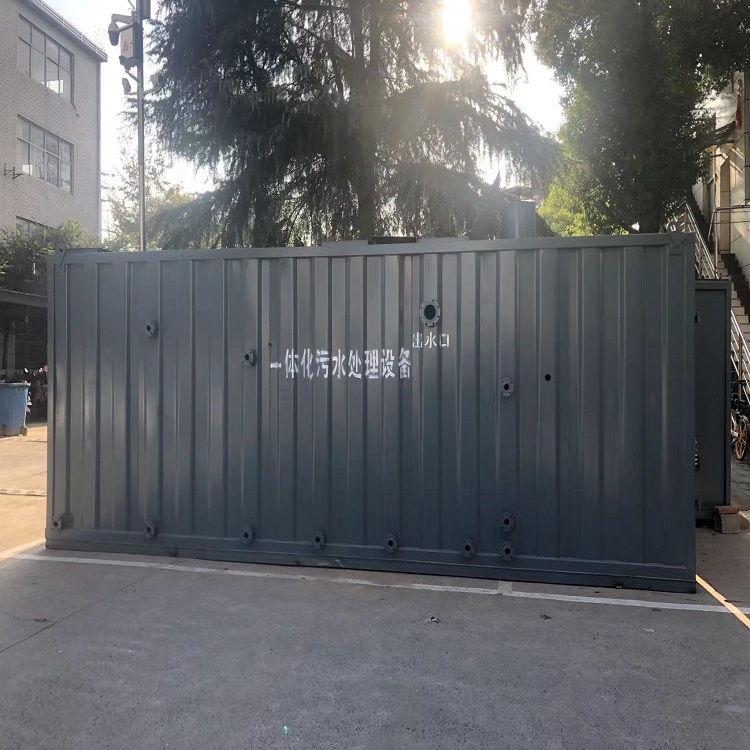
Medical Laboratory Wastewater Treatment Equipment - Quankun - Easy Operation - Stable Operation
Equipment Process:
Wastewater is collected through sewage pipes and stored in an external storage tank for uniform water quality regulation and preliminary sedimentation of large particles. The internal float ball detects water level; upon reaching the set high water level, it is pumped to the main equipment via an external lift pump. It first enters the pH adjustment tank, controlled by a pH meter (parameters are factory-set, adjustable based on actual conditions), automatically adjusting the pH by adding acid or alkali as needed. After pH adjustment, it flows into the micro-electrolysis tank, where electrolysis occurs through internal potential differences, reducing COD and removing some heavy metal ions. It then sequentially enters the flocculation sedimentation tank, where flocculation and sedimentation are achieved by adding PAC or PAM, reducing SS. The water flows into a clear water tank, and once a certain water level is reached, an automatic suction pump sends it to a multi-media filter for adsorption filtration. It then proceeds to a slow-release disinfection unit for treatment. After processing, the wastewater meets the first, second, and third standards of the Comprehensive Wastewater Discharge Standard (GB8978-1996). Treated wastewater can be discharged into the municipal sewage network or surface and river water. Alternatively, it can be reused through further treatment processes.


