





- AllProduct Category
-
Lab Wastewater Treatment Equipment
Lab Wastewater Treatment Equipment
Ultra-Pure Water Equipment
Membrane Separation Equipment
Pure Water Equipment
Low-Temperature Evaporator
Ultra-Pure Water System
Integrated Wastewater Treatment Equipment
Reverse Osmosis Equipment
Pure Water Equipment
Ceramic Membrane Equipment



Recommended Products
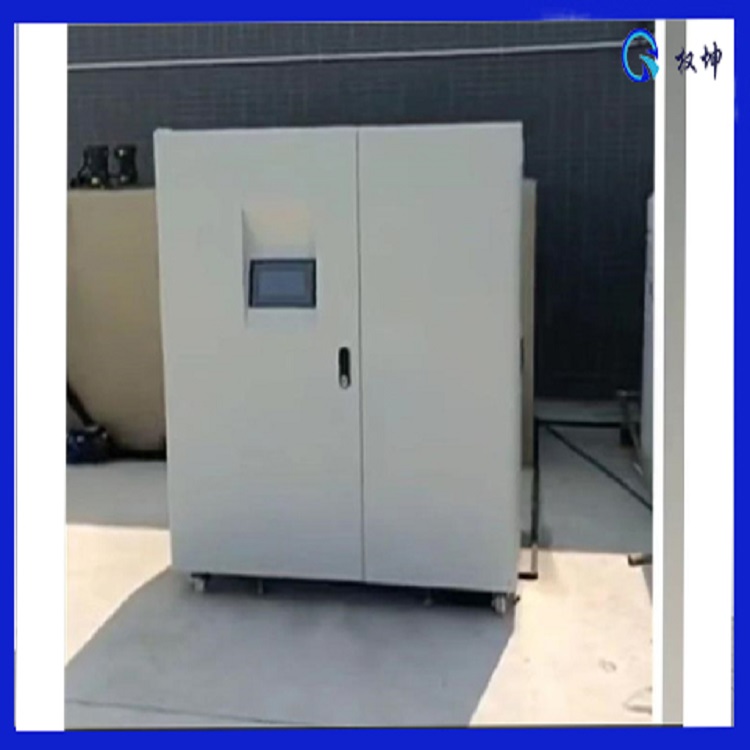
Quan Kun - Comprehensive Laboratory Waste Water Treatment Equipment - Remote Monitoring - Automated Control
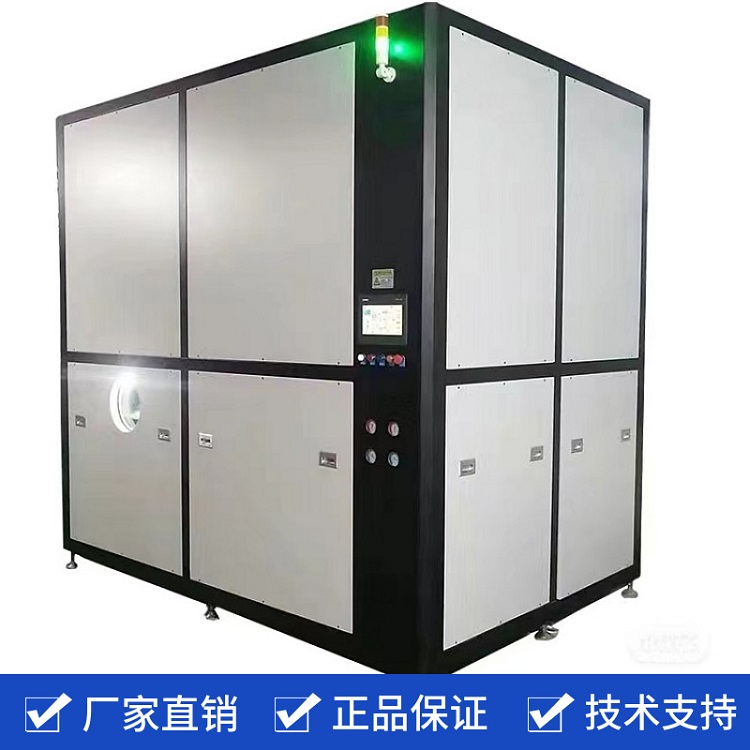
Sodium Chloride Wastewater Low-Temperature Evaporator - Intelligent Automatic - Quankun - Integrated Design
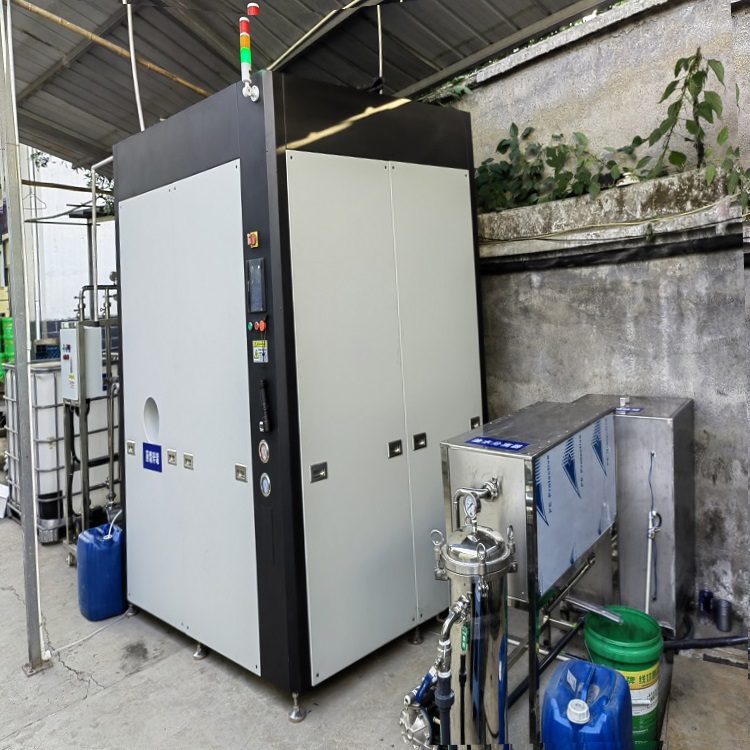
High-Concentration Oil Emulsion Waste Water Treatment Equipment - Quankun - Evaporator Unit - High Concentration Ratio
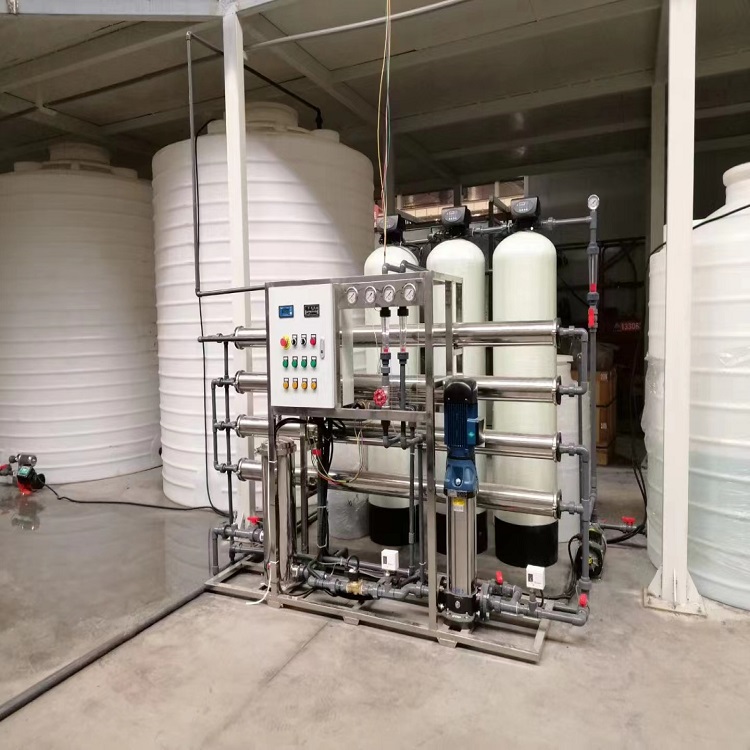
Industrial Pure Water Equipment EDI Ultra-Pure Water System Fully Automatic Control Quankun Environmental Protection
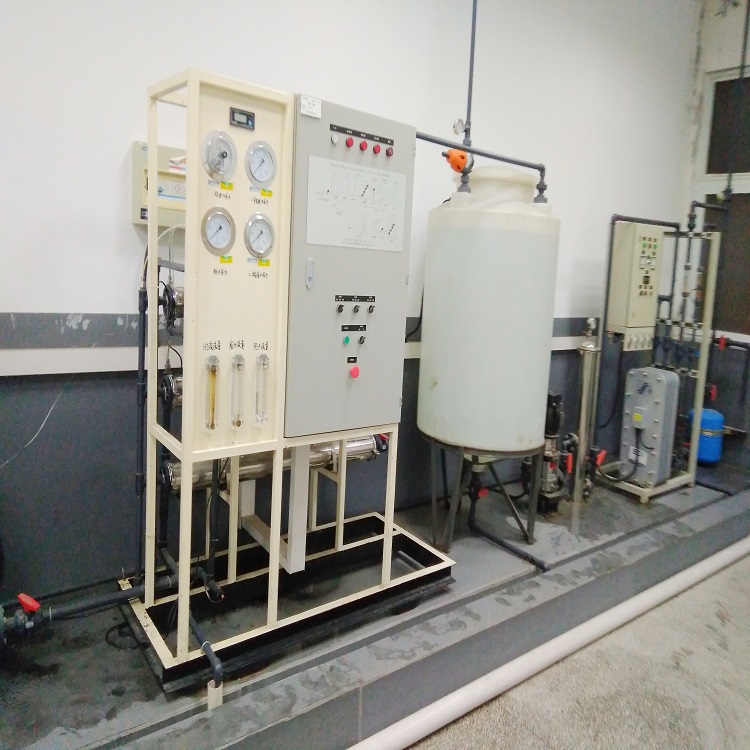
Shenzhen Industrial Ultra-Pure Water Equipment, equipped with EDI system, features low energy consumption and high degree of automation.
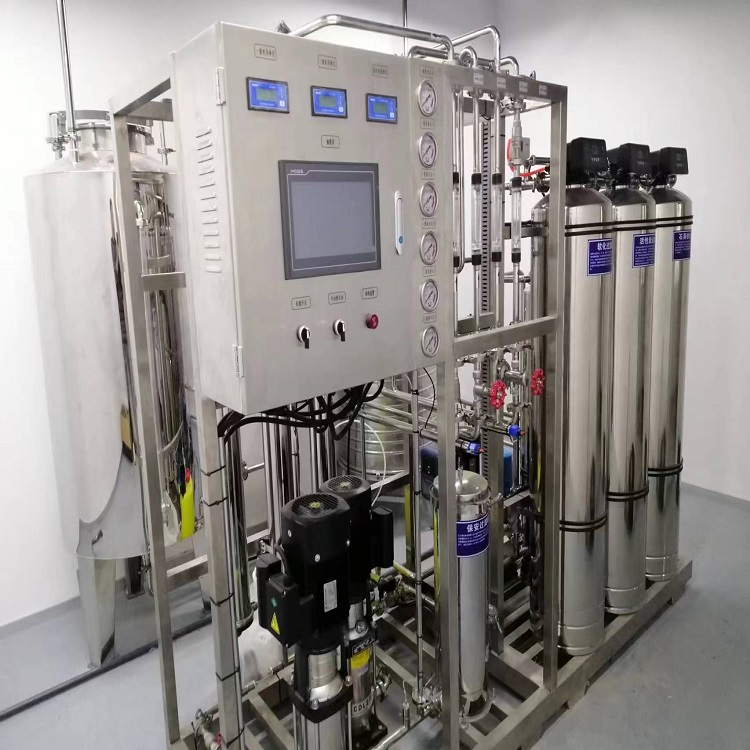
Shanghai industrial pure water production equipment reverse osmosis filtration system with high yield and customizable options, Quankun brand.
详情描述
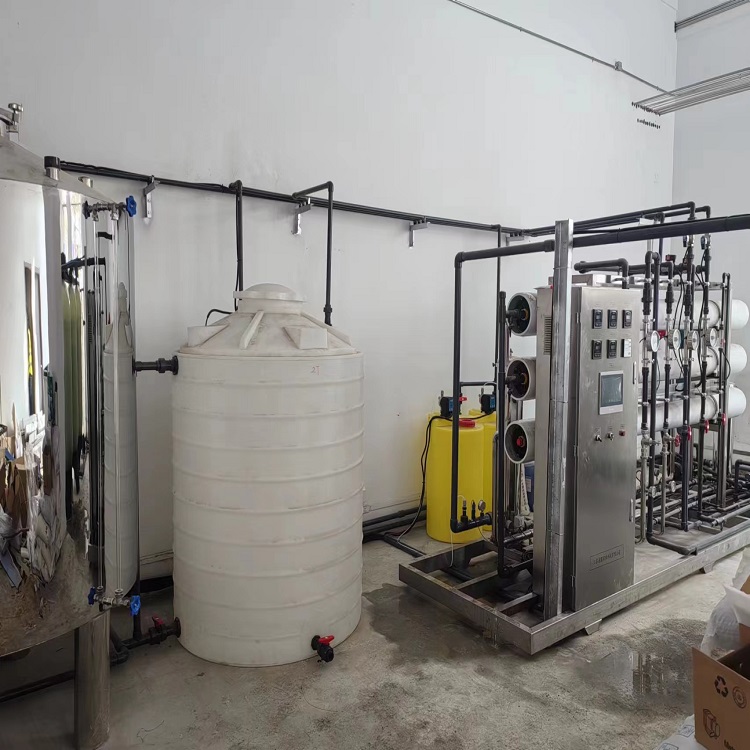
Large-scale Ultra-Pure Water Equipment - EDI Medical Purified Water Equipment - Quankun Custom Made to Order
Basic Principle of Ultra-Pure Water Equipment:
The basic principle of ultra-pure water equipment is to utilize physical methods, such as sand filtration, activated carbon adsorption, resin ion exchange, and ultraviolet sterilization, to remove various impurities and harmful substances from water, resulting in high-purity water. Ultra-pure water equipment typically includes a pretreatment system, a refining system, and a post-treatment system.
The pretreatment system primarily includes sand filters, activated carbon adsorbers, and resin ion exchangers, which are used for the preliminary removal of suspended matter, organic substances, heavy metal ions, and other impurities from water.
The refined system primarily includes reverse osmosis membranes, EDI modules, and ultraviolet sterilization lamps, designed to further remove ions and microorganisms, etc., from the water.
The post-treatment system primarily includes mixed bed and polishing resin columns, used to enhance water purity and resistivity.
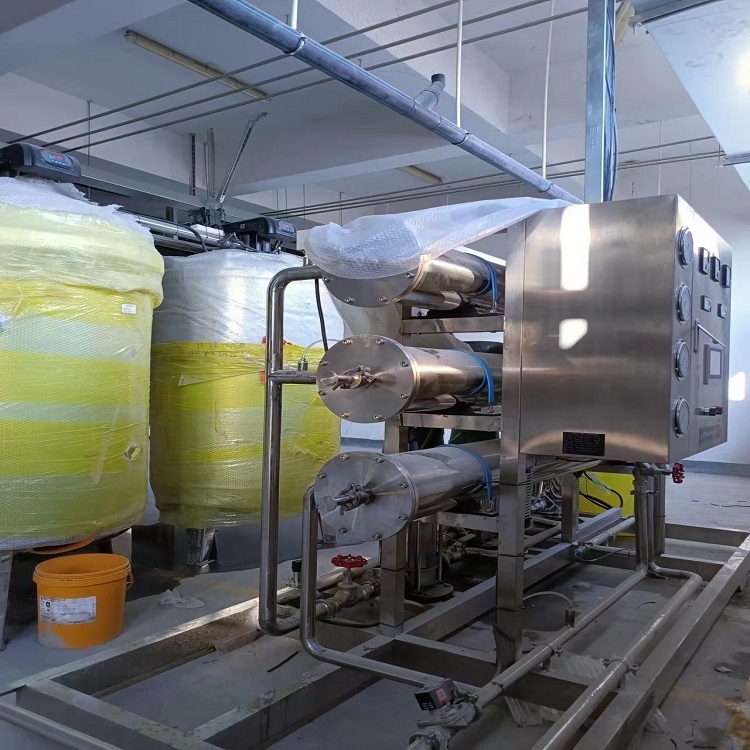
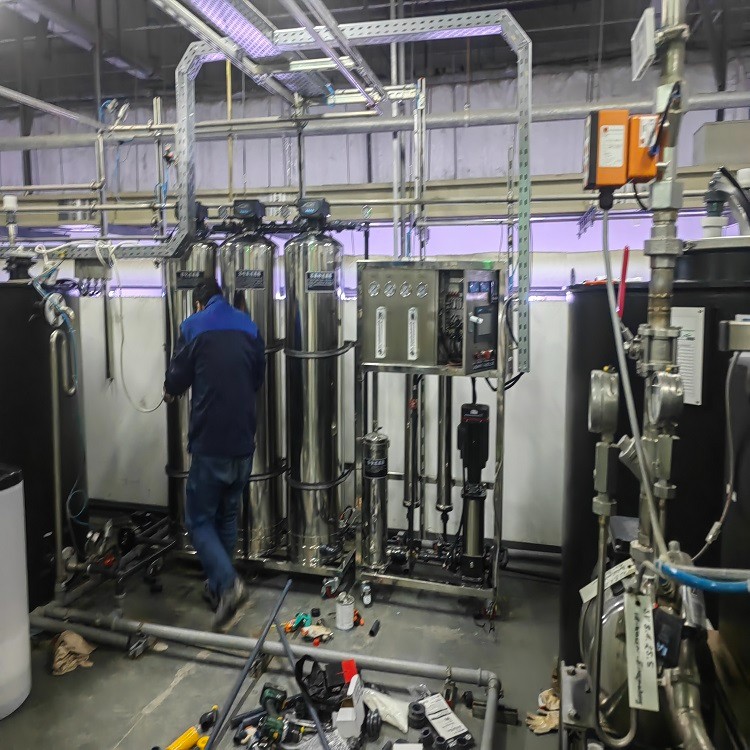
High Purity Water Production Equipment - QKC Large Type is a device used for producing ultra-pure water, featuring rational structure and low operating costs. The following is an introduction to this equipment:
1. Reasonable Structure: The QKC Large Ultra-Pure Water Equipment utilizes advanced technology and practical considerations in its design and manufacturing, resulting in a compact system with minimal floor space, stable operation, and easy maintenance. Additionally, the equipment is equipped with an efficient pretreatment system that effectively removes impurities and pollutants from the raw water, ensuring the smooth operation of the subsequent purification system.
2. Low operation cost: This equipment combines reverse osmosis technology with EDI, efficiently removing impurities and ions from water to produce high-quality ultra-pure water. Compared to traditional distillation methods, reverse osmosis and EDI technology consume less energy and are more cost-effective in operation. Moreover, the equipment is equipped with an automatic control system, enabling unattended operation and intelligent management, further reducing operation costs.
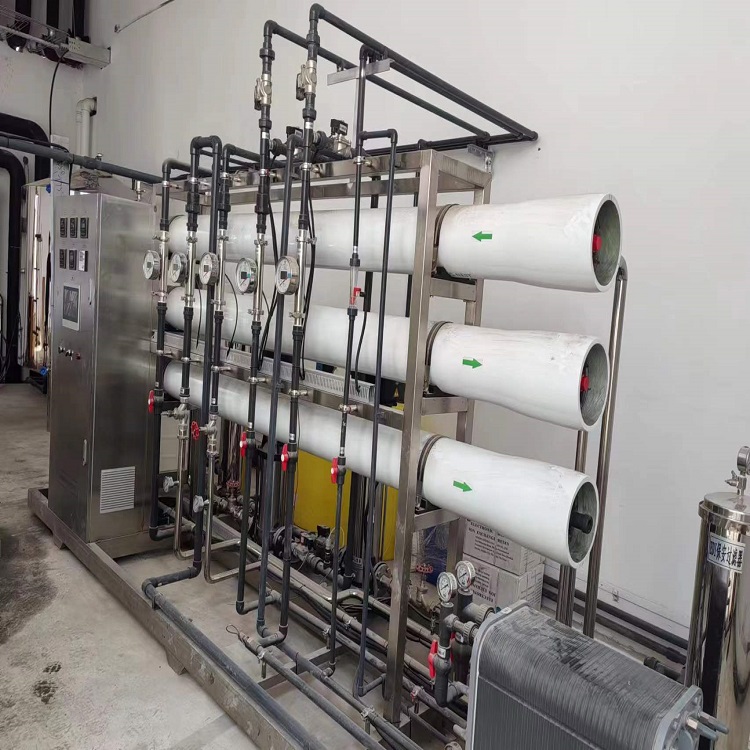
Large Ultra-Pure Water Equipment - EDI Medical Pure Water Equipment - Quankun Custom Made on Demand
Maintenance Methods for Ultra-Pure Water Equipment:
Regular inspections and maintenance
Ultra-pure water equipment requires regular inspections and maintenance, typically recommended monthly. Inspection items include whether the equipment is damaged, if all parts are functioning properly, and if the water quality meets standards. During the inspection process, any anomalies found should be addressed and repaired promptly.
2. Replace filter cores and resins
The filter cores and resins of ultra-pure water equipment should be replaced regularly, generally recommended every 6 months. Replacing the filter cores and resins can remove impurities and harmful substances from the water, ensuring the normal operation of the equipment and the stability of water quality. During the replacement process, attention should be paid to operational safety and hygiene to avoid secondary contamination of the equipment.
3. Cleaning and Disinfection
Ultra-pure water equipment requires regular cleaning and disinfection, typically recommended once a month. Cleaning and disinfection help remove bacteria and microorganisms from the equipment's interior, ensuring the water's hygiene and quality. During the cleaning and disinfection process, it's important to use appropriate cleaning and disinfecting agents to avoid corrosion and damage to the equipment.
4. Water Quality Monitoring
Ultra-pure water equipment requires regular water quality monitoring, typically recommended on a weekly basis. Monitoring the water quality helps to understand the content of various impurities and harmful substances, ensuring the water quality meets usage requirements. During the monitoring process, it is important to use accurate testing methods and equipment to avoid errors in the test results.


