




- AllProduct Category
-
Lab Wastewater Treatment Equipment
Lab Wastewater Treatment Equipment
Ultra-Pure Water Equipment
Membrane Separation Equipment
Pure Water Equipment
Low-Temperature Evaporator
Ultra-Pure Water System
Integrated Wastewater Treatment Equipment
Reverse Osmosis Equipment
Pure Water Equipment
Ceramic Membrane Equipment



Recommended Products
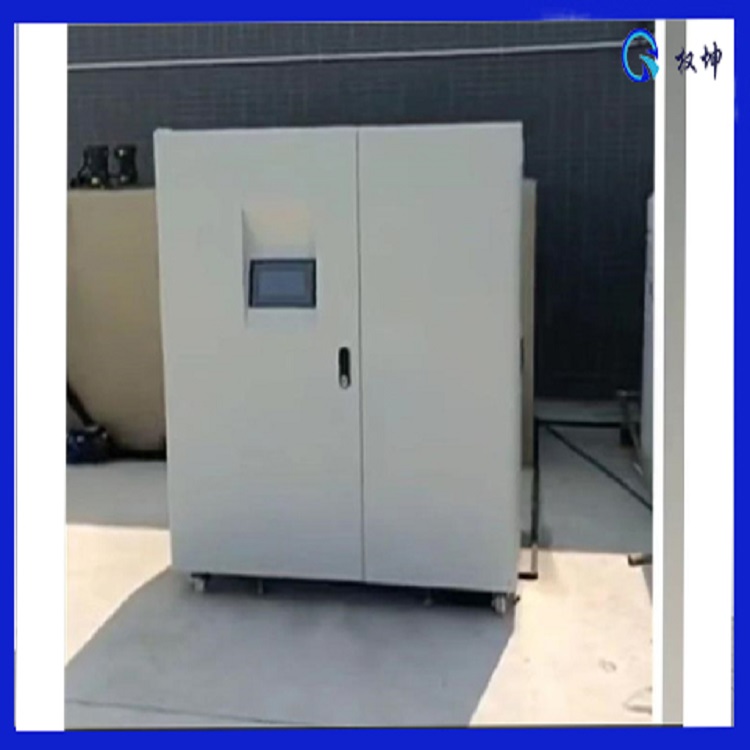
Quan Kun - Comprehensive Laboratory Waste Water Treatment Equipment - Remote Monitoring - Automated Control
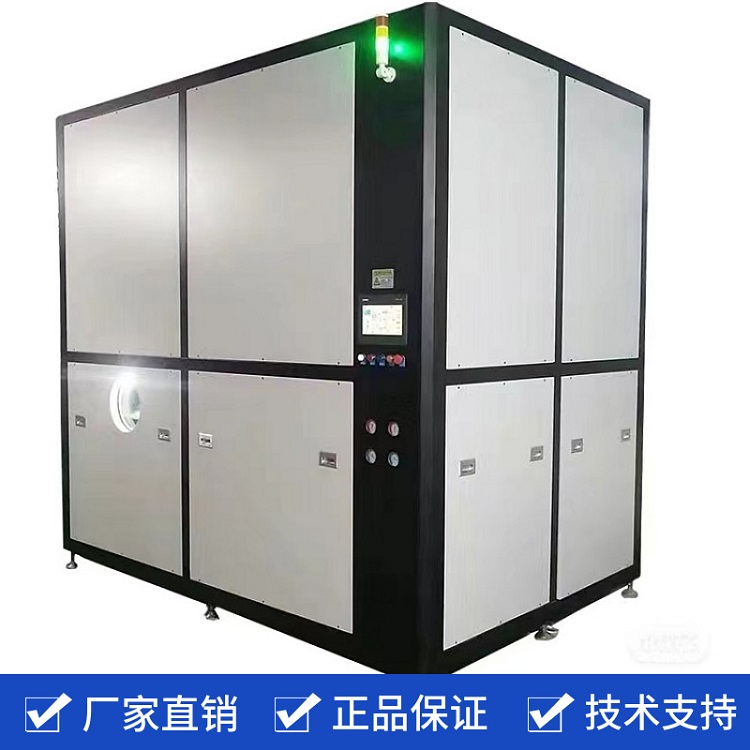
Sodium Chloride Wastewater Low-Temperature Evaporator - Intelligent Automatic - Quankun - Integrated Design
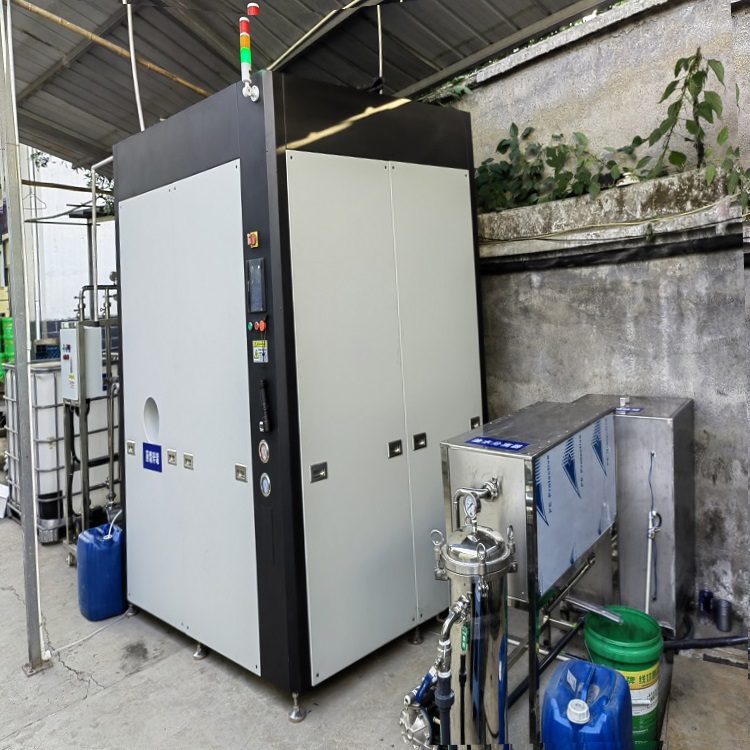
High-Concentration Oil Emulsion Waste Water Treatment Equipment - Quankun - Evaporator Unit - High Concentration Ratio
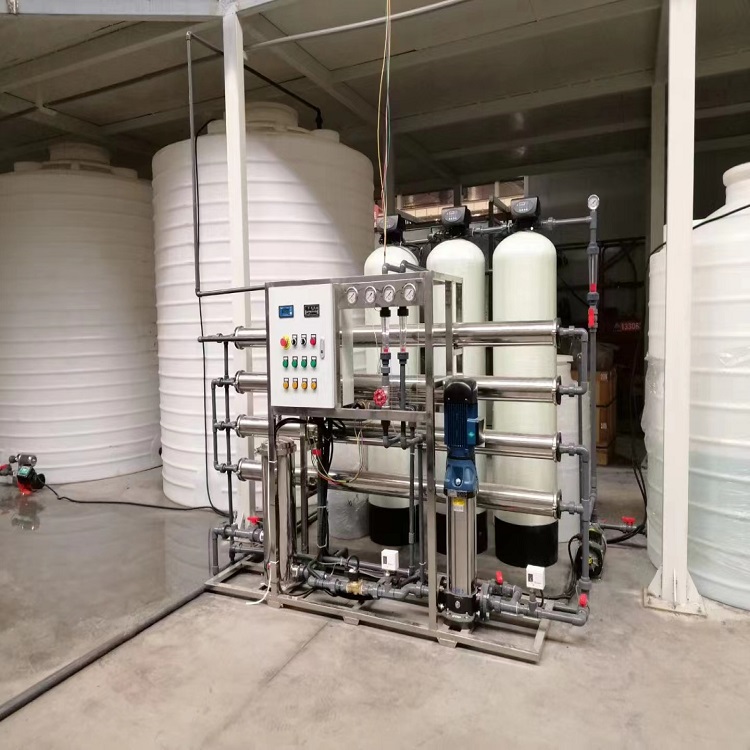
Industrial Pure Water Equipment EDI Ultra-Pure Water System Fully Automatic Control Quankun Environmental Protection
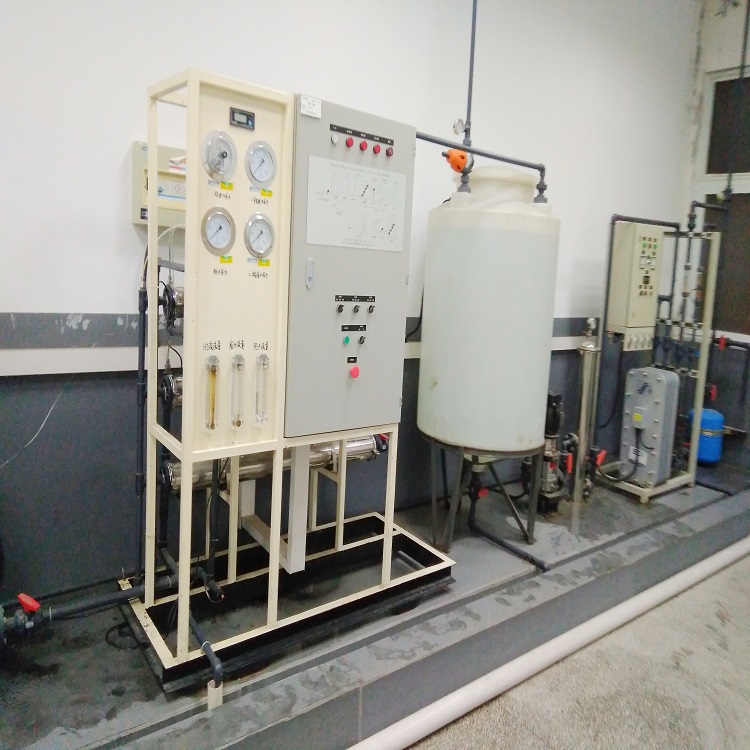
Shenzhen Industrial Ultra-Pure Water Equipment, equipped with EDI system, features low energy consumption and high degree of automation.
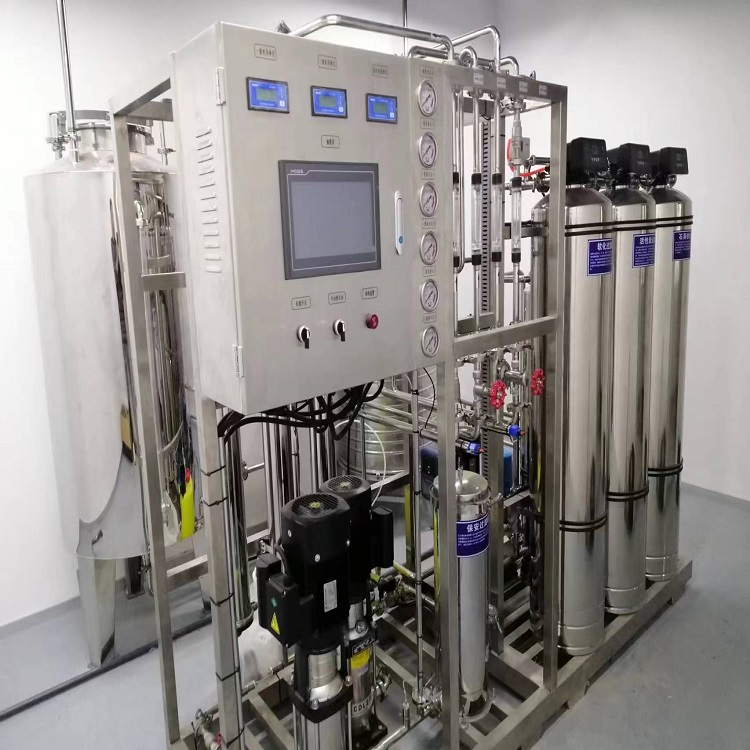
Shanghai industrial pure water production equipment reverse osmosis filtration system with high yield and customizable options, Quankun brand.
详情描述
Quankun Environmental Protection specializes in the production of water treatment equipment.
Resistance exists during the nanofiltration process. The effect of the NF membrane varies when filtering different feed solutions under the same operating conditions. As the driving force pressure applied to the membrane increases, the membrane is compacted, and its own resistance increases. With the increase in pressure on both sides of the membrane, a concentration polarization phenomenon is formed on both sides of the solution, creating a reverse osmotic pressure. Therefore, the flux through the membrane does not necessarily increase monotonically as the operating pressure increases. Many researchers point out that within a certain operating pressure range, increasing the operating pressure can enhance the water flux of the nanofiltration membrane, and it tends to stabilize when it reaches a certain pressure. Filter membranes can remove organic matter, trihalomethanes, disinfection by-products, volatile organic compounds, and are applicable in direct drinking water pipelines, etc.

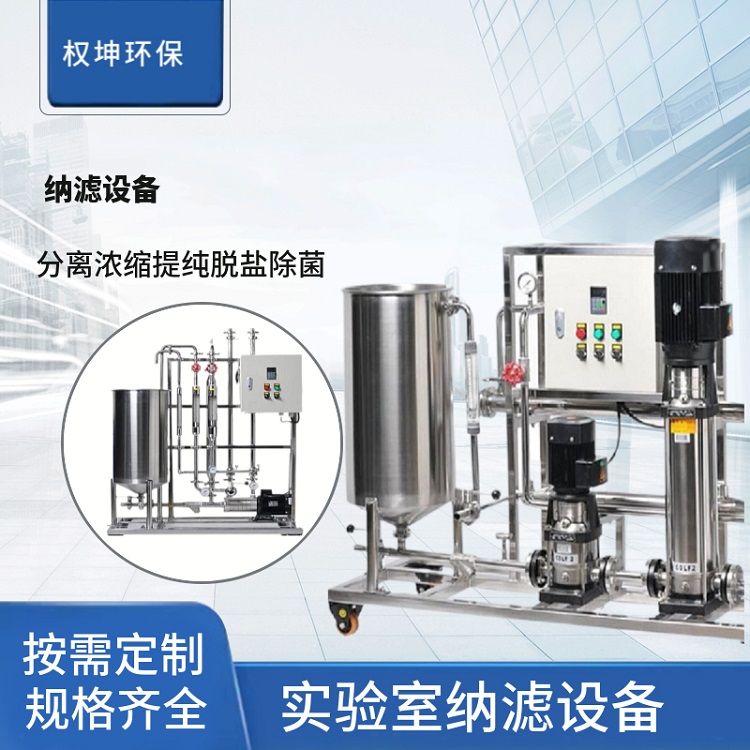
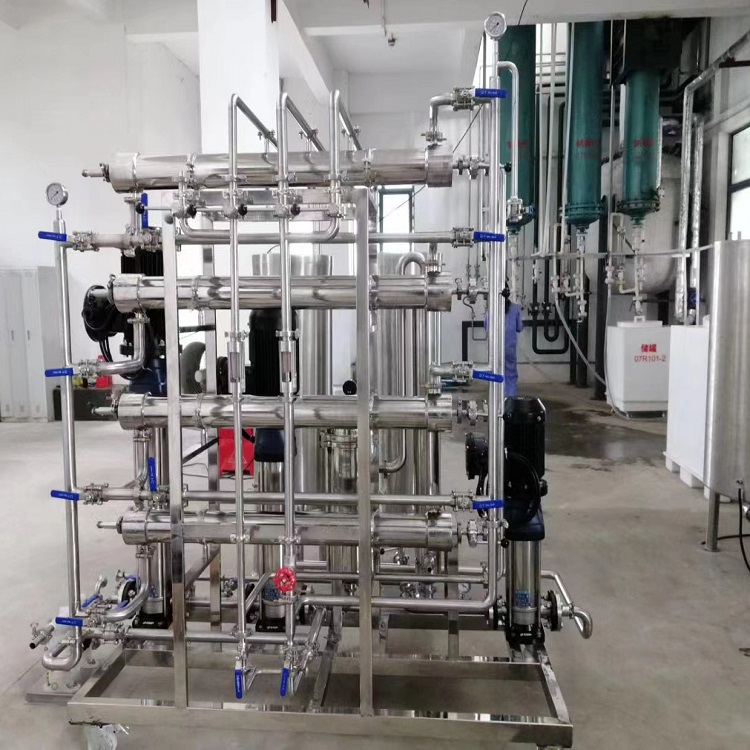
The system is widely used in fields such as biology, pharmaceuticals, food, chemicals, and environmental protection. This multi-functional membrane separation experimental system is a high-pressure device, capable of withstanding higher pressure than standard membrane separation systems. It offers excellent retention for liquids with high viscosity and maintains a stable flux. It can be used for experiments like clarification and purification of feedstocks, recovery of organic solvents, and concentration and desalination, yielding good experimental results. The equipment is highly stable and provides accurate experimental outcomes.
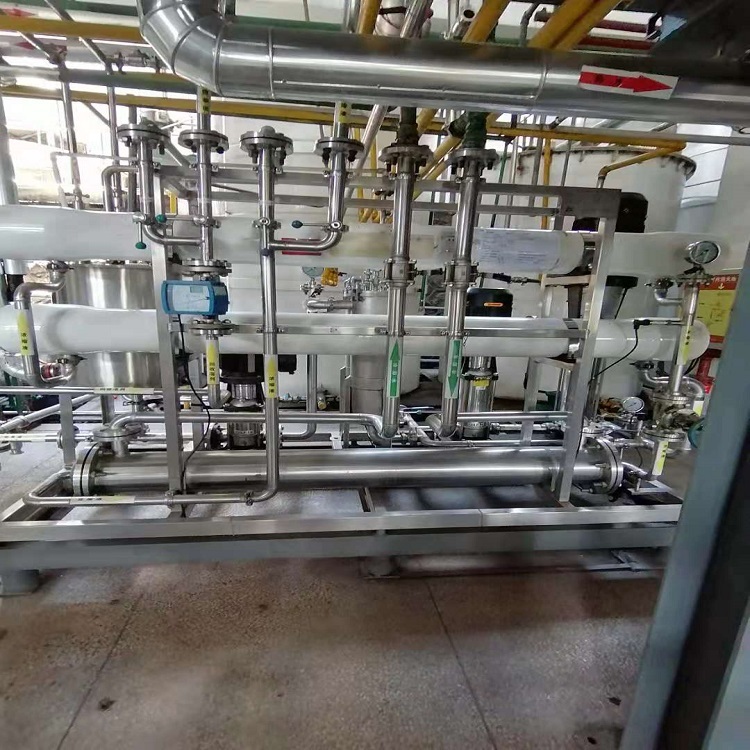
Component of the equipment:
The Multi-functional Membrane Separation Experimental System is composed of membrane elements, stainless steel membrane shells, brand supply pumps, stainless steel circulating drums, shockproof pressure gauges, pressure regulating valves, pipe connectors, and sanitary silicone tubes.
2. The multifunctional membrane separation experimental system can be equipped with various standard rolled membrane elements such as ultrafiltration, nanofiltration, and reverse osmosis.
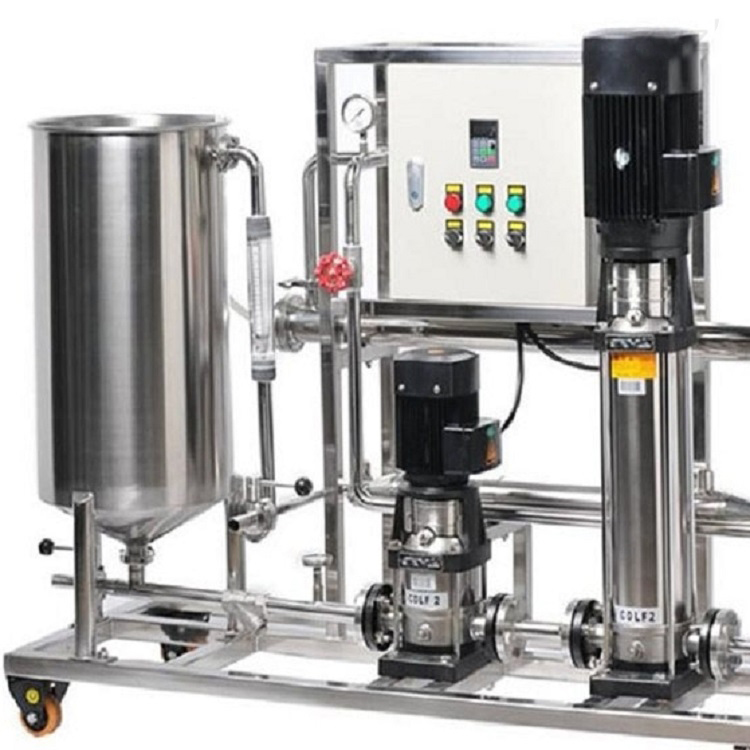
Key Features:
1. Utilizes cross-flow technology, less prone to clog, with strong anti-pollution capabilities.
2. Uniform aperture distribution, high separation accuracy, and stable filtration.
3. No auxiliary filter agent required; the system operates stably.
4. Acid and alkali resistant, easy to operate, with excellent regeneration properties.
5. Long service life, comprehensive low equipment cost, high cost-performance ratio.

Quan Kun Environmental N-Filtration Equipment: Professional Manufacturer of Water Treatment Equipment
Nanofiltration equipment is widely used in industries such as electronics, food, and pharmaceuticals, for processes like ultra-pure water production, high concentration of fruit juice, separation of peptides and amino acids, concentration and purification of antibiotics, whey protein concentration, and nanofiltration membrane-bioreactor coupling in actual separation processes. Compared to ultrafiltration units or reverse osmosis equipment, the nanofiltration process has poorer retention of monovalent ions and organic compounds with molecular weights below 200. However, it exhibits higher removal rates for divalent or multivalent ions and organic compounds with molecular weights between 200 and 500. Based on this characteristic, nanofiltration is primarily used for water softening and purification, separation, grading, and concentration of substances with molecular weights in the hundreds (such as grading and concentration of dyes, antibiotics, peptides, polysaccharides, etc. in chemical and bioengineering products), decolorization, and odor removal. Nanofiltration equipment is mainly used to remove hardness components like Ca and Mg ions from drinking water, intermediates, odors, color, pesticides, synthetic detergents, soluble organic matter, and residual substances after evaporation.


