




- AllProduct Category
-
Lab Wastewater Treatment Equipment
Lab Wastewater Treatment Equipment
Ultra-Pure Water Equipment
Membrane Separation Equipment
Pure Water Equipment
Low-Temperature Evaporator
Ultra-Pure Water System
Integrated Wastewater Treatment Equipment
Reverse Osmosis Equipment
Pure Water Equipment
Ceramic Membrane Equipment



Recommended Products
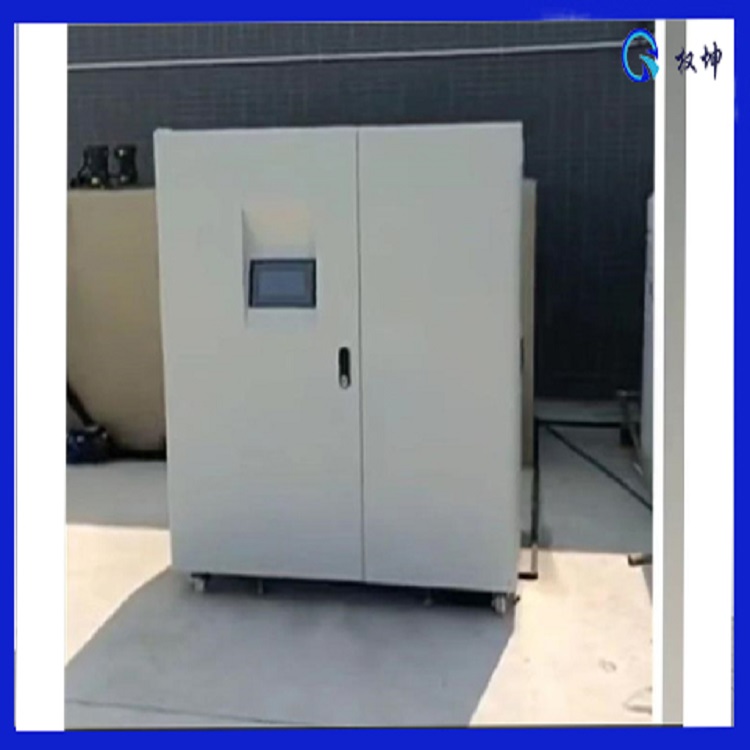
Quan Kun - Comprehensive Laboratory Waste Water Treatment Equipment - Remote Monitoring - Automated Control
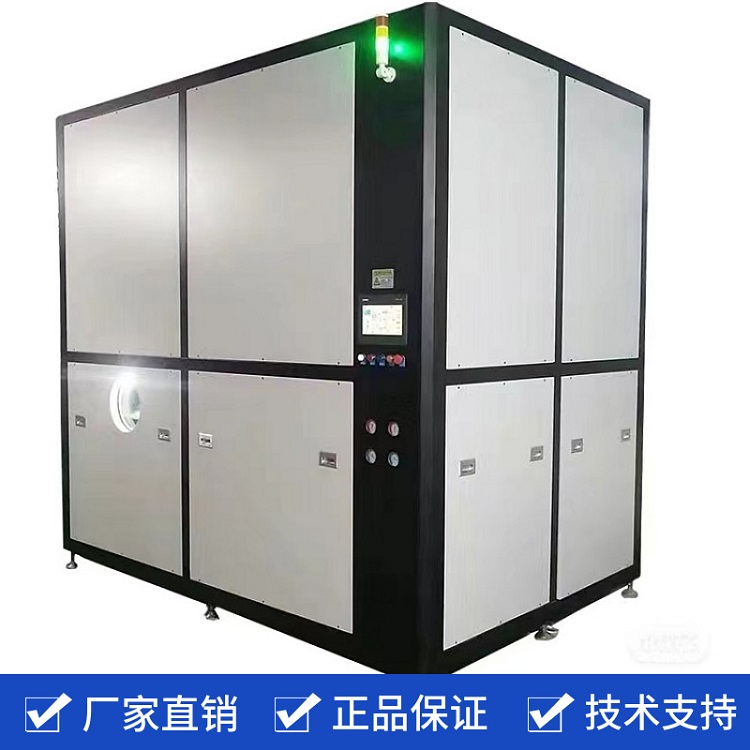
Sodium Chloride Wastewater Low-Temperature Evaporator - Intelligent Automatic - Quankun - Integrated Design
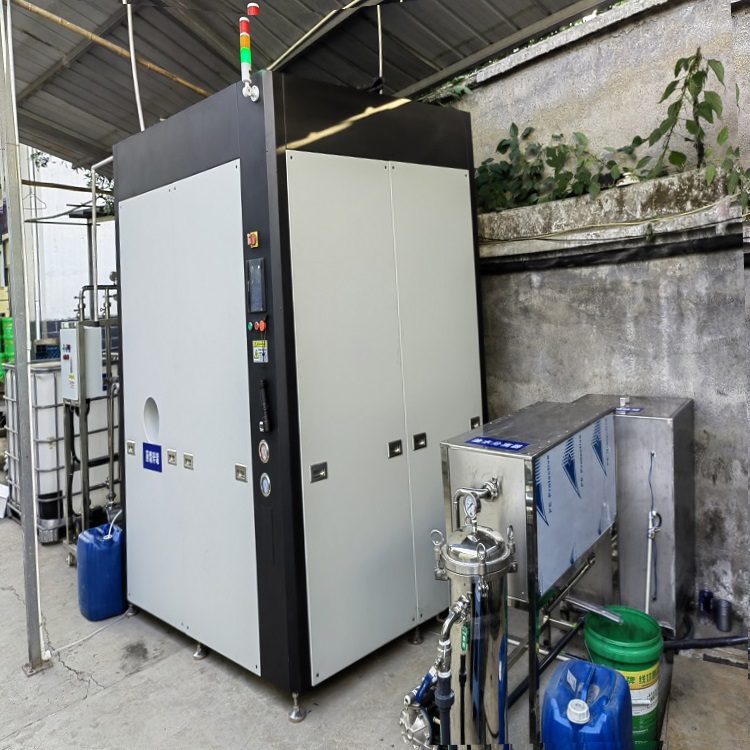
High-Concentration Oil Emulsion Waste Water Treatment Equipment - Quankun - Evaporator Unit - High Concentration Ratio
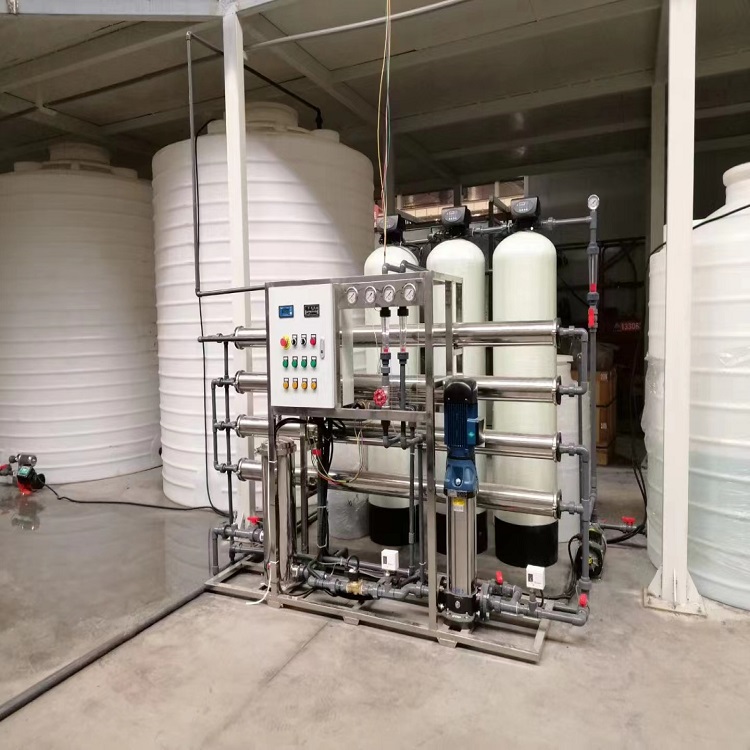
Industrial Pure Water Equipment EDI Ultra-Pure Water System Fully Automatic Control Quankun Environmental Protection
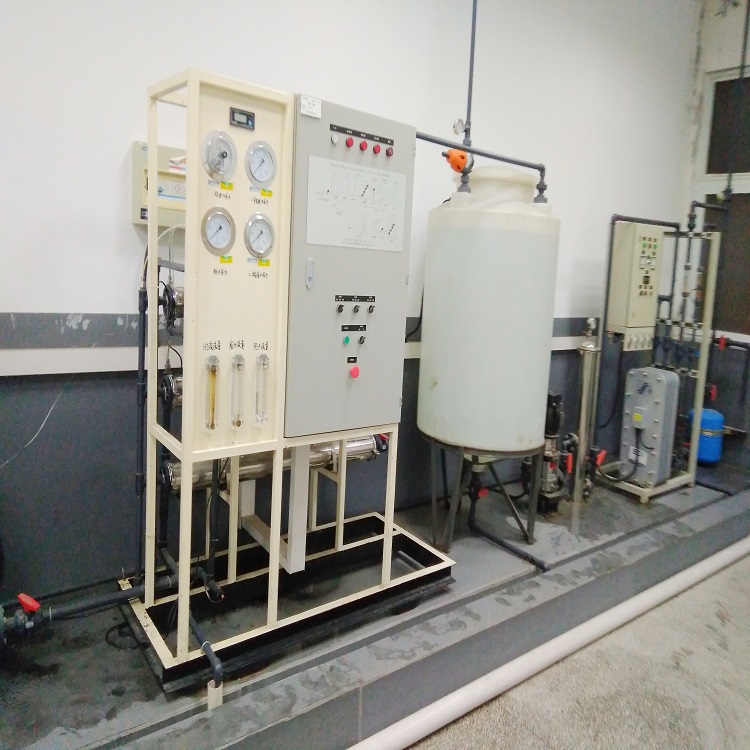
Shenzhen Industrial Ultra-Pure Water Equipment, equipped with EDI system, features low energy consumption and high degree of automation.
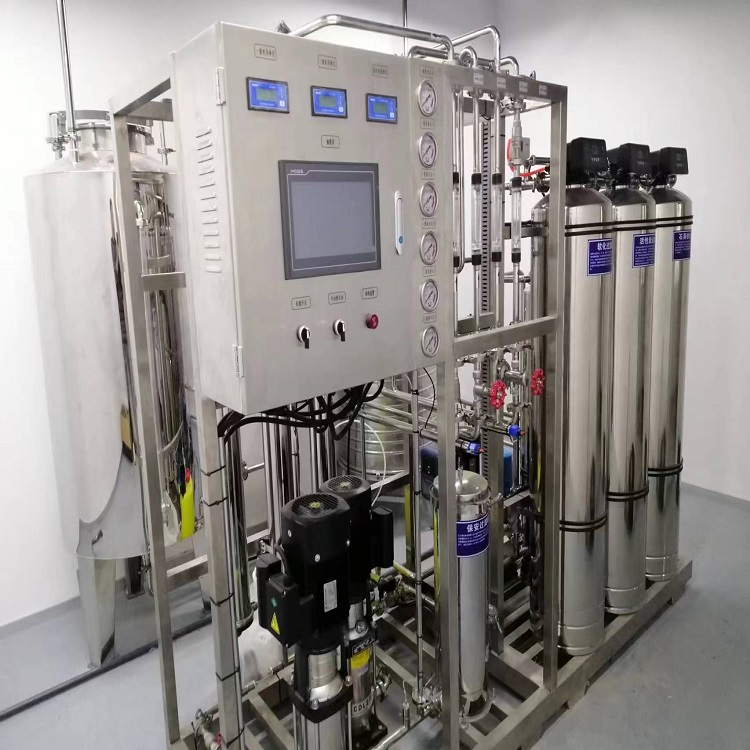
Shanghai industrial pure water production equipment reverse osmosis filtration system with high yield and customizable options, Quankun brand.
详情描述
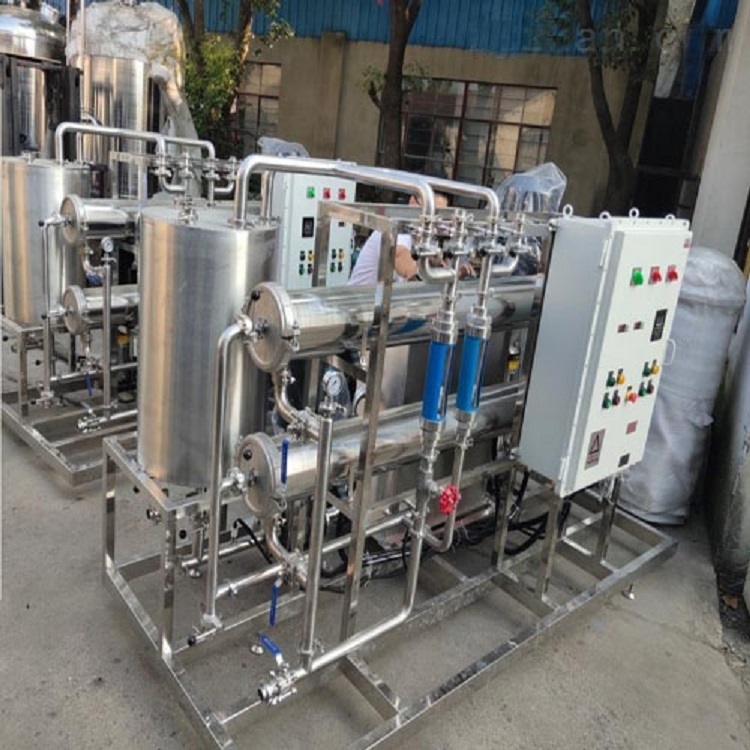
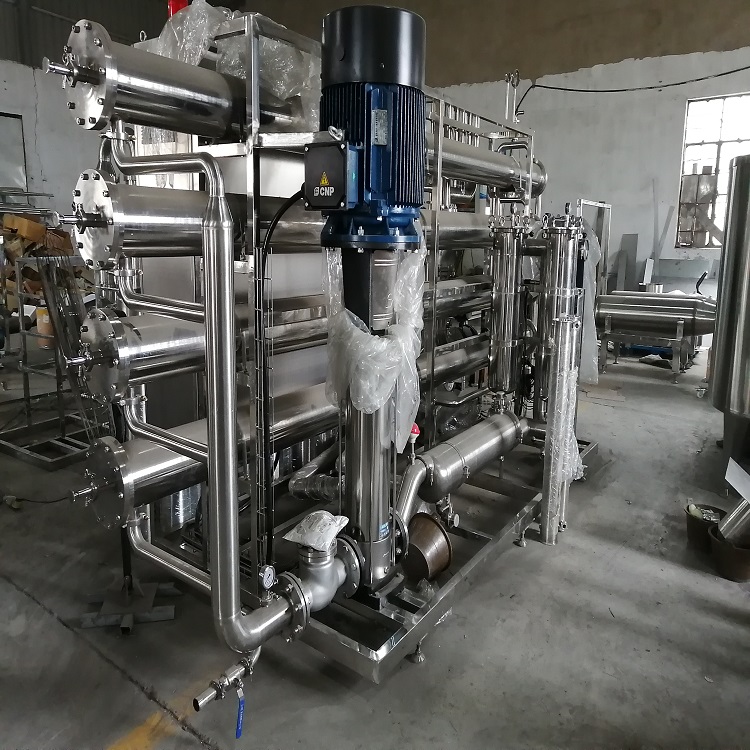
Nanofiltration Membrane Separation System - Quankun
Nanofiltration (NF) is a pressure-driven membrane separation technology that falls between reverse osmosis and ultrafiltration. It features two characteristics: 1) it can separate organic small molecules with a molecular weight of a few hundred in water; 2) the Donnan effect is present with anions of different valence states. The charged nature of the material, the ionic valence, and concentration significantly impact the separation efficiency of the membrane.
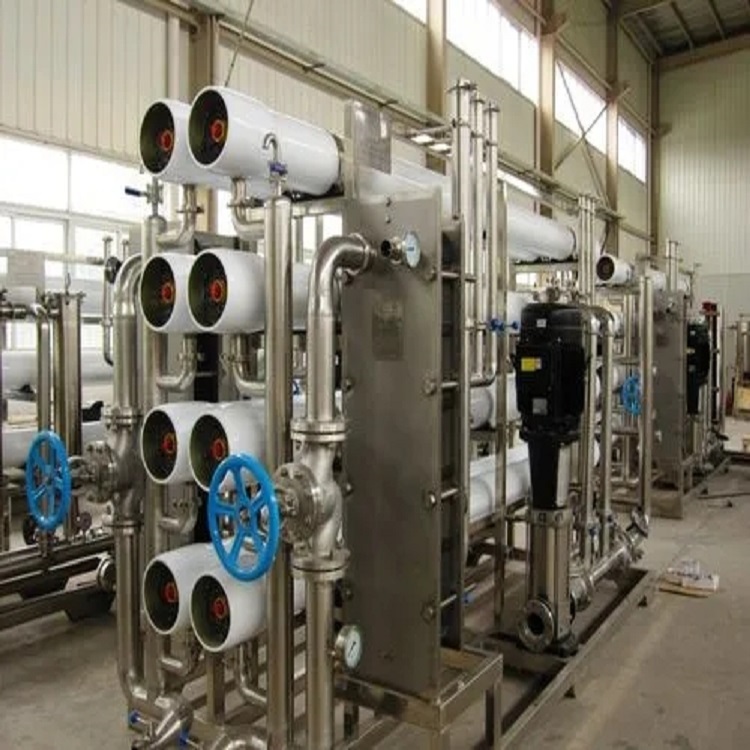
Pureification for drinking and industrial water, waste water treatment, concentration of valuable components in process fluids, and separation of dissolved components with a molecular size of 1nm, with an operating pressure difference of 0.5 to 2.0 MPa (or 0.345 to 1.035 MPa), and a molecular weight cut-off range of 200 to 1000 (or 200 to 500). Since the pressure difference required to achieve the same permeate flux in NF membranes is 0.5 to 3 MPa lower than that in RO membranes, NF membrane filtration is also called "loose RO" or "low-pressure reverse osmosis."
NF and RO membranes are both porous-free membranes, generally considered to operate through a dissolution-diffusion mechanism. However, NF membranes are typically charged, and their separation behavior of inorganic salts is not only controlled by chemical potential gradients but also influenced by electrical potential gradients. This means the behavior of NF membranes is related to their charged properties, as well as the charged state and interactions of the solutes.
Product Features:
Good chemical stability, resistant to acids, alkalis, oxidation, and organic solvents, etc.
2. Withstanding high temperatures; capable of sterilization and disinfection under high temperatures.
3. Easy to clean, long-lasting.
4. Narrow aperture distribution, high separation accuracy;
5. Non-leachable, suitable for food and pharmaceutical process separations.
6. Complete sets of equipment occupy less space, have a high level of automation, and low labor costs.
7. Low water or material intake requirements, suitable for use in extreme environments.
8. The ceramic membrane system features high integration of technology, enabling full automatic control with continuous feeding, and the ability to continuously discharge the filtrate and filter cake.
9. Compared to traditional technologies, inorganic ceramic membrane separation technology can enhance product yield and purity, shorten production cycles, boost economic benefits, and contribute to energy conservation and emission reduction.
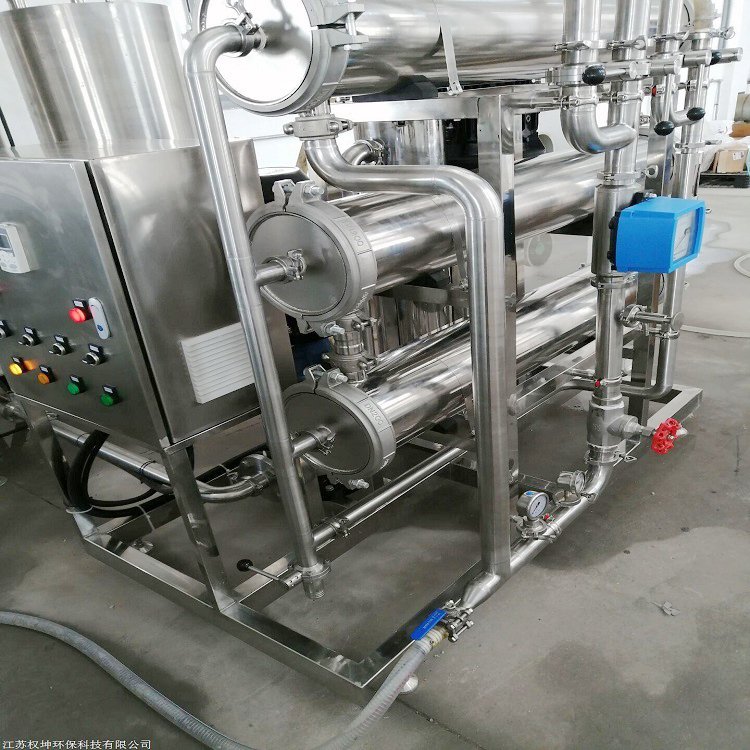
Membrane separation equipment features the following characteristics:
High processing efficiency, equipment easy to scale up.
B. The separation process is conducted at room temperature or low temperature, suitable for concentrating and separating thermosensitive materials.
C. Simple process, no phase change, high separation coefficient.
D. The equipment occupies a small footprint, is easy to operate, simple to control, and can run continuously.
E. Energy-efficient, high-performance, and free of secondary pollution.
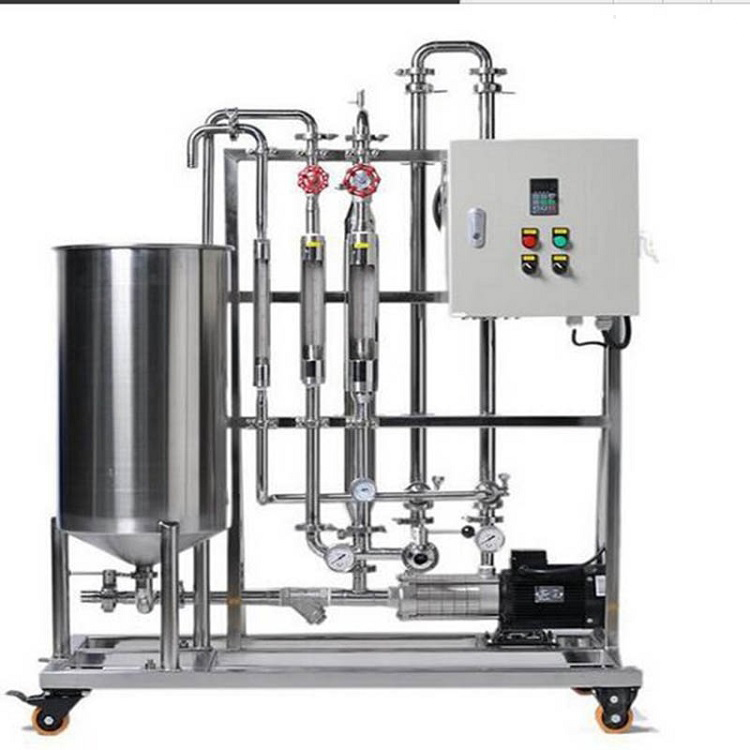
Nanofiltration membrane separation unit - Quankun
Application Fields for Membrane Separation Equipment:
Membrane separation technology is widely applied in fields such as chemicals, environmental protection, food, biology, medicine, electronics, power, metallurgy, light industry and textiles, as well as desalination of sea water.


