



- AllProduct Category
-
Lab Wastewater Treatment Equipment
Lab Wastewater Treatment Equipment
Ultra-Pure Water Equipment
Membrane Separation Equipment
Pure Water Equipment
Low-Temperature Evaporator
Ultra-Pure Water System
Integrated Wastewater Treatment Equipment
Reverse Osmosis Equipment
Pure Water Equipment
Ceramic Membrane Equipment



Recommended Products
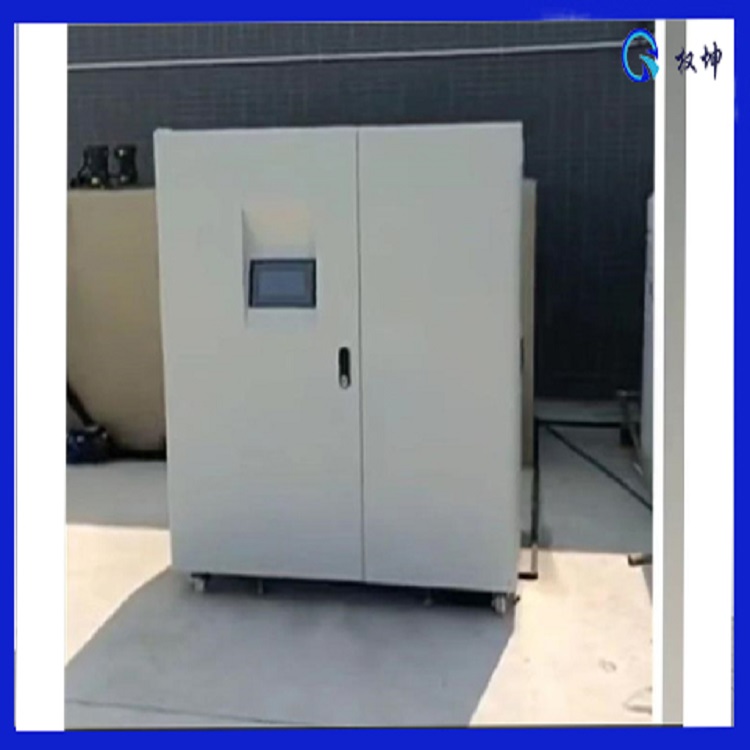
Quan Kun - Comprehensive Laboratory Waste Water Treatment Equipment - Remote Monitoring - Automated Control
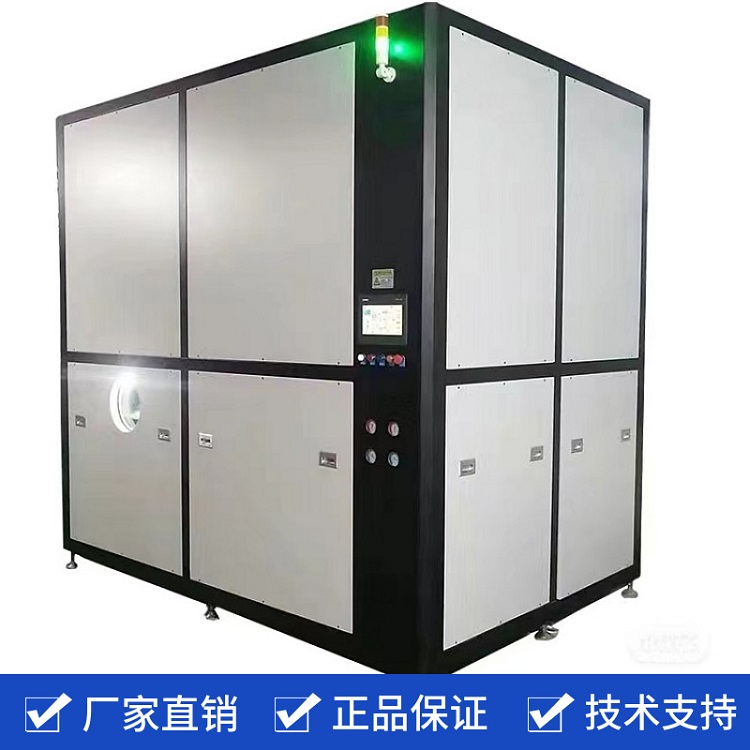
Sodium Chloride Wastewater Low-Temperature Evaporator - Intelligent Automatic - Quankun - Integrated Design
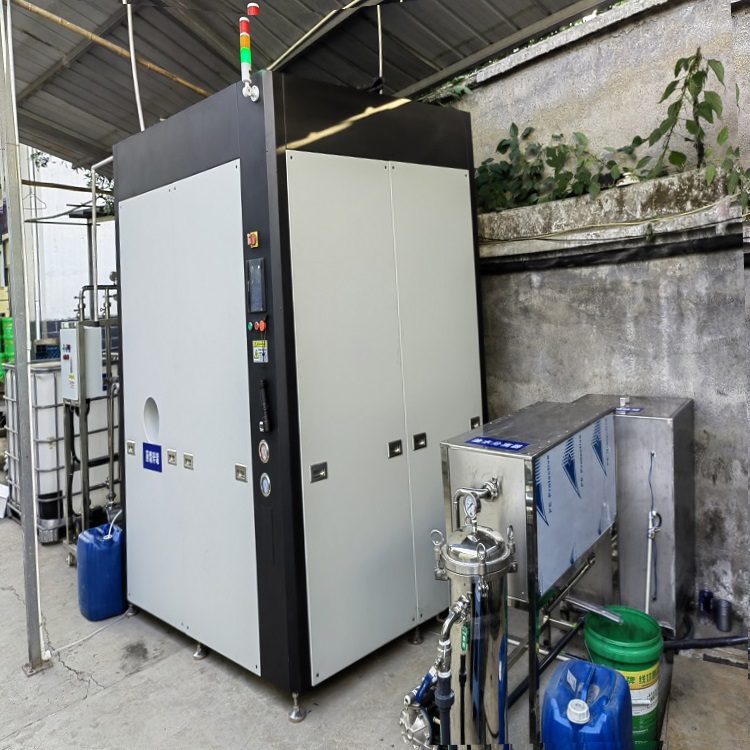
High-Concentration Oil Emulsion Waste Water Treatment Equipment - Quankun - Evaporator Unit - High Concentration Ratio
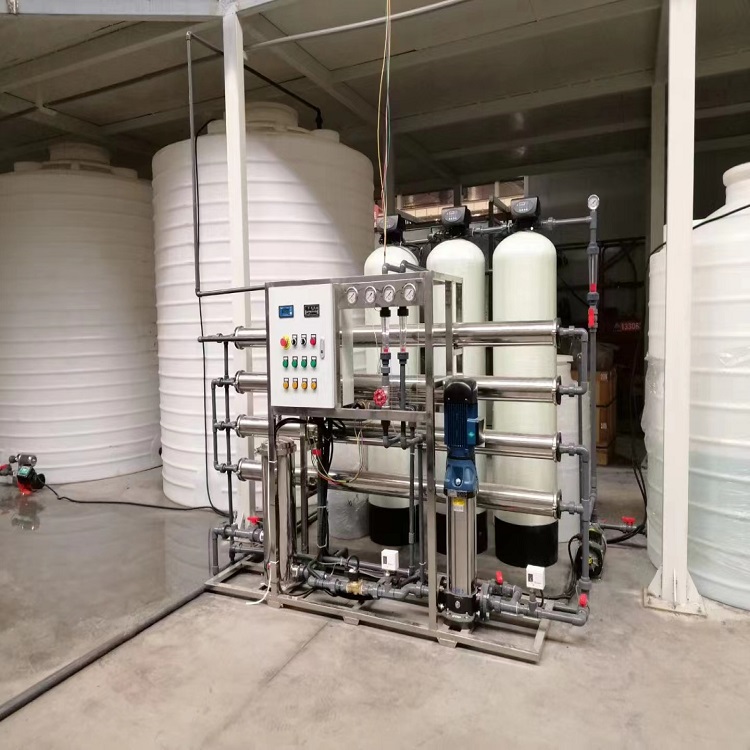
Industrial Pure Water Equipment EDI Ultra-Pure Water System Fully Automatic Control Quankun Environmental Protection
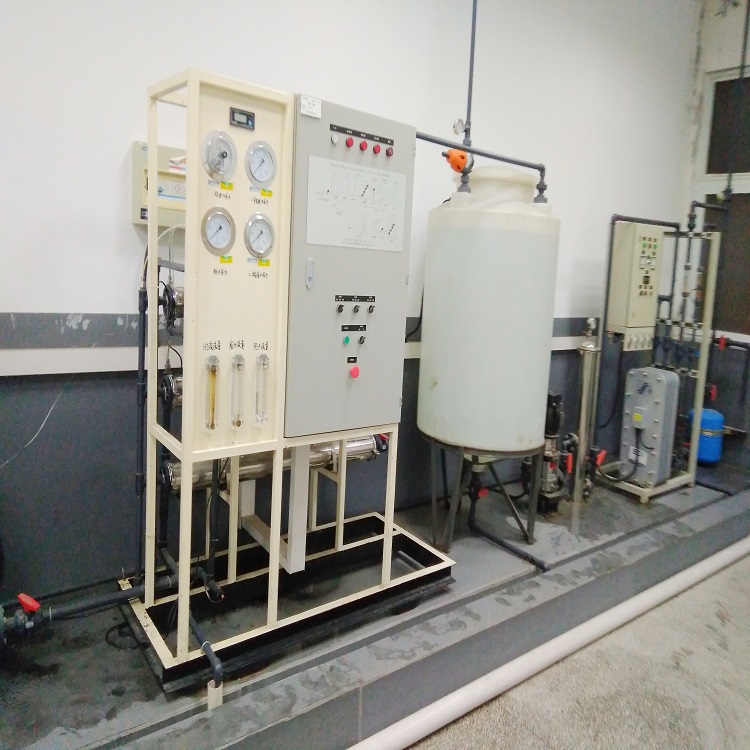
Shenzhen Industrial Ultra-Pure Water Equipment, equipped with EDI system, features low energy consumption and high degree of automation.
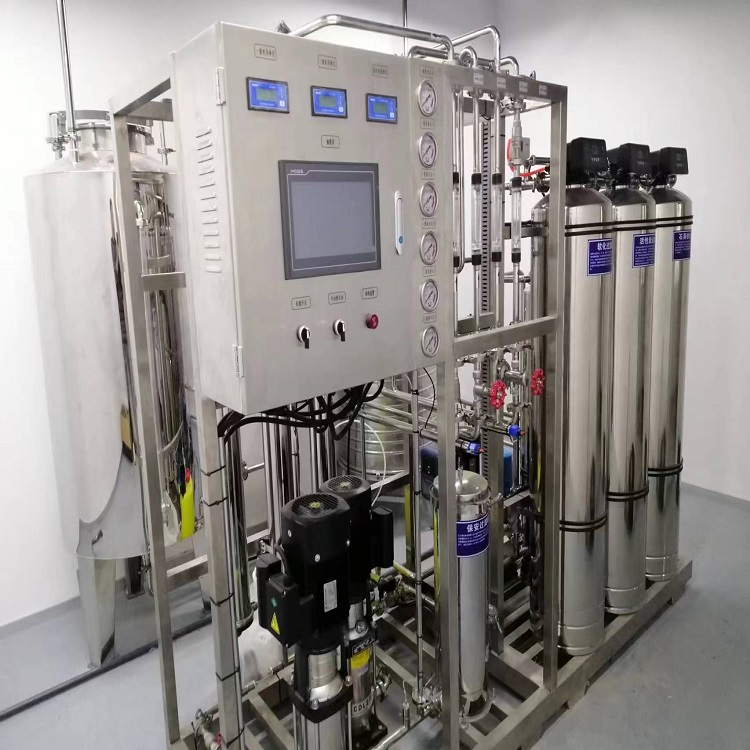
Shanghai industrial pure water production equipment reverse osmosis filtration system with high yield and customizable options, Quankun brand.
详情描述
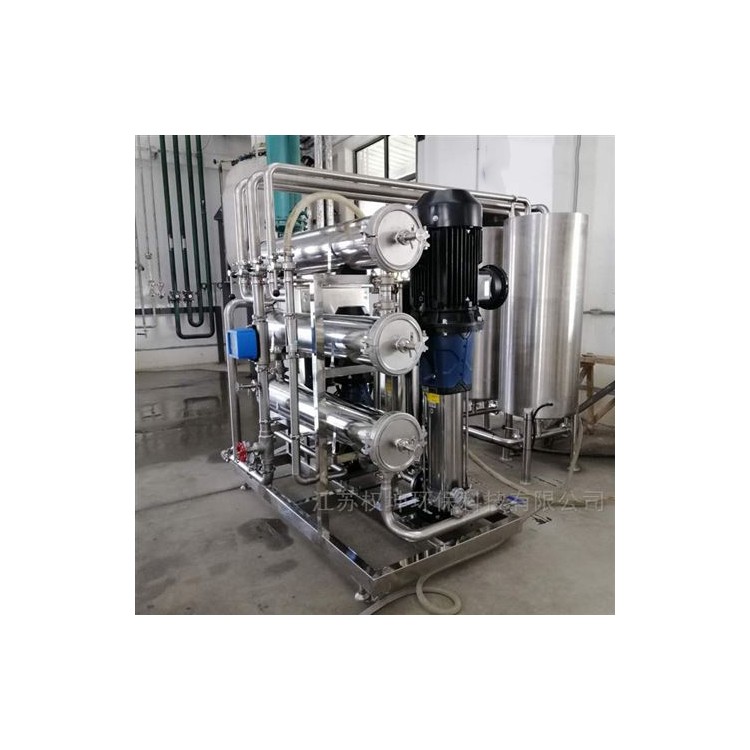
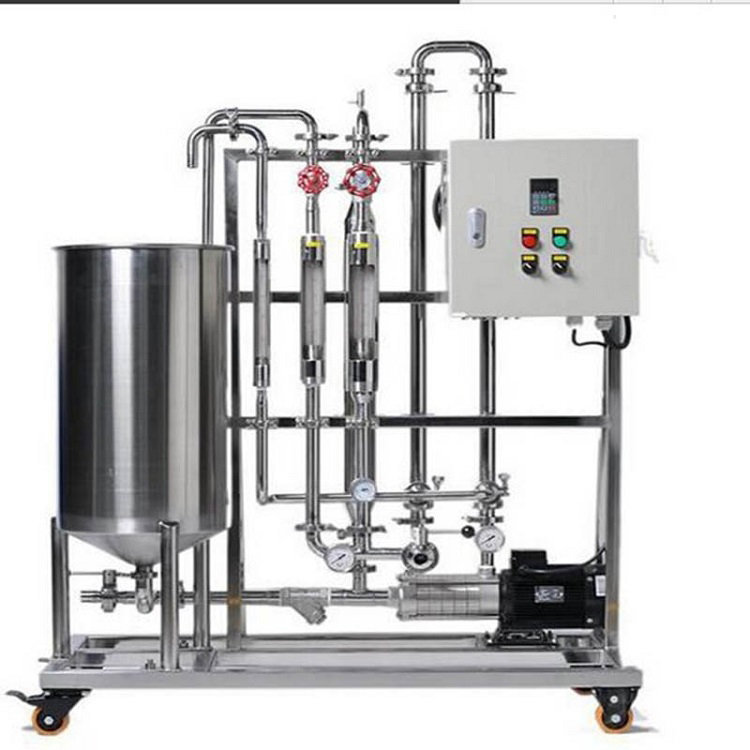
Laboratory Ceramic Membrane Apparatus
Product Introduction:
Ceramic membrane industrial equipment encompasses three main categories: ceramic microfiltration equipment, ceramic ultrafiltration equipment, and ceramic composite membrane equipment. This series of equipment has been highly successful in industrial applications. It can replace traditional clarification filtration, sterilization filtration, and separation processes, as well as some concentration techniques. Different from small-scale ceramic membrane experimental equipment is the capacity for treatment, primarily used in large-scale industrial production. Specifications and models can be selected according to requirements.
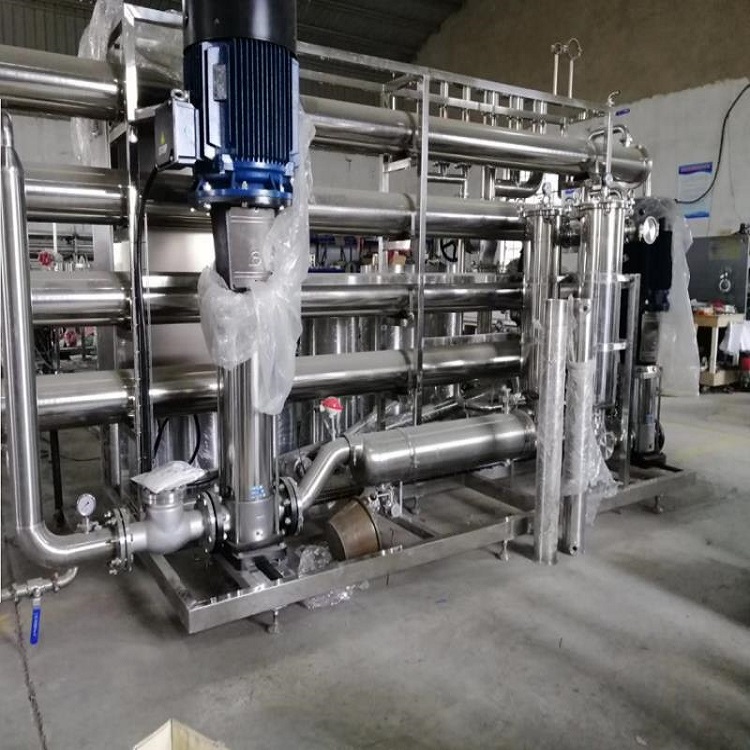
Product Features:
Filter Grade
High separation accuracy, optional filtration levels, very stable processing effects, and no change in retention performance after long-term operation. Ceramic membrane tubes with different filtration levels can be selected according to varying customer needs.
Flow Rate and Quality
Maintains long-term stable operation under high-throughput conditions, yielding products of excellent quality. It overcomes the drawbacks of traditional filtration methods, such as low clarity, incomplete sterilization, inability to run continuously, high labor intensity, and poor product quality.
◇ Resistance to pollution and retention performance
Highly resistant to contamination, no secondary leachables are produced during the separation process, ensuring product quality. The ceramic membrane tubes are prepared through a special process at high temperatures, thus the ceramic membrane pores will not swell in the membrane itself or the pores due to long-term exposure to high temperatures or acidic/basic systems.
High temperature resistance, wide pH tolerance range, excellent antioxidant properties
The ceramic membrane tubes have excellent high-temperature resistance, capable of processing high-temperature liquids, and can be regenerated by steam backflushing and disinfected in situ at high temperatures. They possess high mechanical strength, a broad pH range, and good resistance to acids, alkalis, organic solvents, and strong oxidizers. In contrast, some inorganic membrane materials (such as stainless steel) are particularly susceptible to acid corrosion, making their long-term industrial use in acidic systems challenging. Even if industrialized, their service life and retention performance cannot be guaranteed for an extended period.
◇ Misflow filtration method, with low membrane contamination and stable membrane performance
The ceramic membrane utilizes a novel crossflow filtration method different from traditional tangential flow filtration, which prevents easy contamination on the membrane surface. This method effectively alleviates the common phenomenon of concentration polarization in the membrane field, maintaining a high processing flux for the system over an extended period.
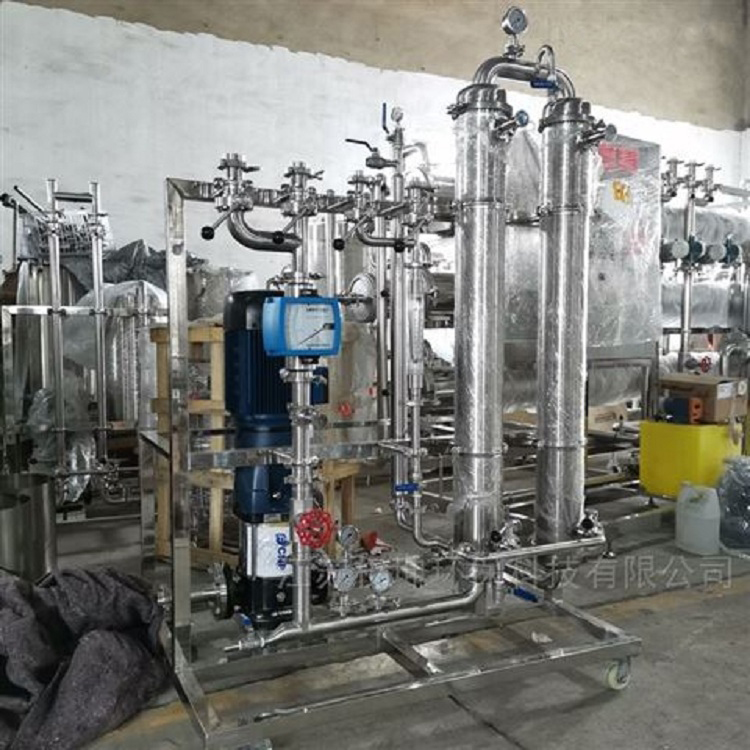
◇ Film regeneration performance and service life
The ceramic membrane system can fully restore the membrane performance in a short time with simple cleaning, featuring excellent membrane regeneration properties and low cleaning costs. The lifespan of ceramic membranes is several to even dozens of times longer than that of membrane elements made from organic materials.
Equipment Investment and Overall Costs
The initial investment and long-term maintenance costs for the ceramic membrane system are significantly lower compared to other inorganic membrane equipment. The system is highly integrated with advanced technology, easy to operate and maintain. Each operational unit is a standalone system, making membrane tube replacement convenient. The operation cost, running cost, labor intensity, and membrane replacement cost are all very low. The use of ceramic membrane equipment will greatly reduce the overall cost of the product.
System Energy Consumption and Operation Stability
The system processing is always free of phase changes, with low energy consumption. Compared to traditional manufacturing methods, it not only effectively reduces costs but also enables long-term, stable, and continuous industrial production. The use of ceramic membrane equipment can enhance quality and reduce costs, alleviate operational stress in subsequent stages, create favorable working conditions for subsequent stages, and lay a solid foundation for the stable operation of equipment in this and subsequent stages.
◇ Material and Specification Requirements
The film and auxiliary materials are all non-polluting, the site is clean and hygienic, which can effectively reduce the labor intensity of workers and meet FDA (or GMP) regulatory requirements.
Craftsmanship Design and Control
Process design is standardized, crafted by experienced process designers, engineers, and professional 3D designers. The system can achieve full automatic control and also allows for easy switching between manual and automatic control according to specific user requirements.
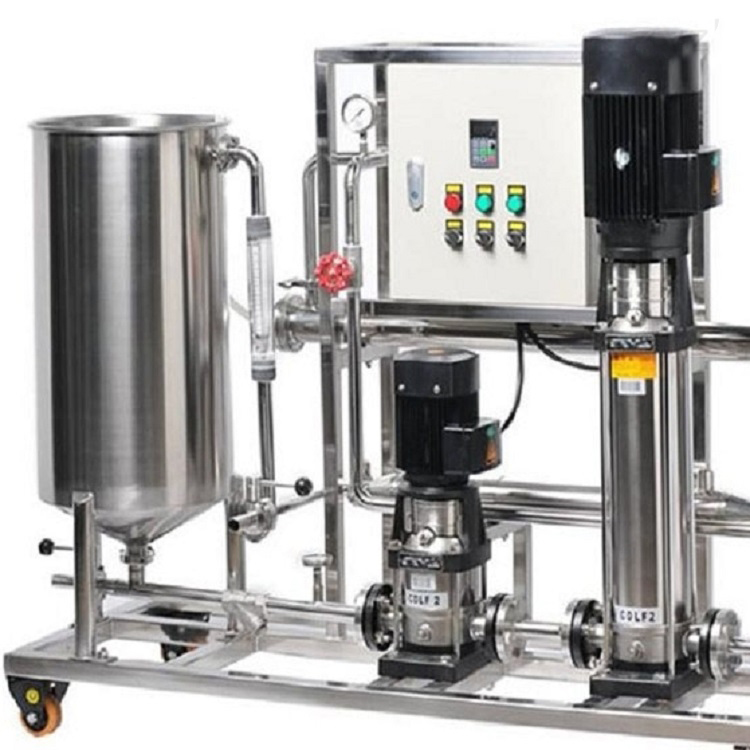
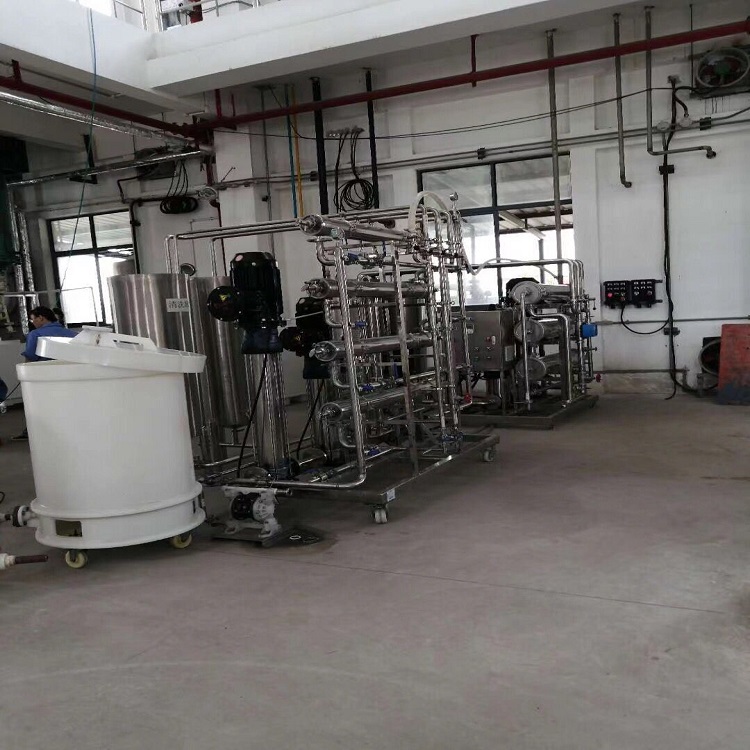
Laboratory Ceramic Membrane Device
Application Areas:
1. Application in the medical device industry: sterilization, extraction, separation, purification, concentration, desalination, solvent replacement for medical device products, etc.
2. Food Industry Applications: Clarification and concentration of beverages and juices; sterilization and clarification for fruit wines, acid removal; production of dairy products, sugar industry, soy sauce, vinegar clarification, etc.
3. Applications in the Health Product Industry: Production of animal and plant peptides; clarification and concentration of health tea and coffee powder; separation of weishengwu, purification of health wine, etc.
4. Applications in the biotechnology industry: plant extract concentration, natural pigment filtration and concentration, honeysuckle impurity removal and filtration, fermentation broth concentration and refinement, enzyme preparation purification and concentration, amino acid filtration and concentration, etc.
5. Applications in the blood product industry: plasma protein concentration, purification of antiviral immunoglobulins, and production of artificial blood.
6. Applications in the Cosmetics Industry: Collagen Grading, Hyaluronic Acid Purification, Plant Essential Oil Production, Natural Pigment Refinement, Pureification of Plant Aromatics, Antioxidant Decontamination.


