




- AllProduct Category
-
Lab Wastewater Treatment Equipment
Lab Wastewater Treatment Equipment
Ultra-Pure Water Equipment
Membrane Separation Equipment
Pure Water Equipment
Low-Temperature Evaporator
Ultra-Pure Water System
Integrated Wastewater Treatment Equipment
Reverse Osmosis Equipment
Pure Water Equipment
Ceramic Membrane Equipment



Recommended Products
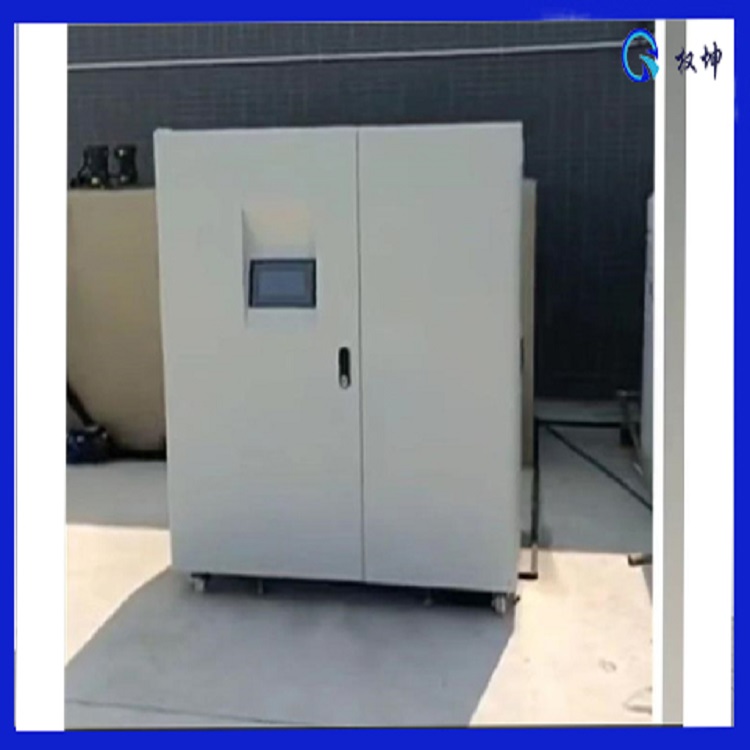
Quan Kun - Comprehensive Laboratory Waste Water Treatment Equipment - Remote Monitoring - Automated Control
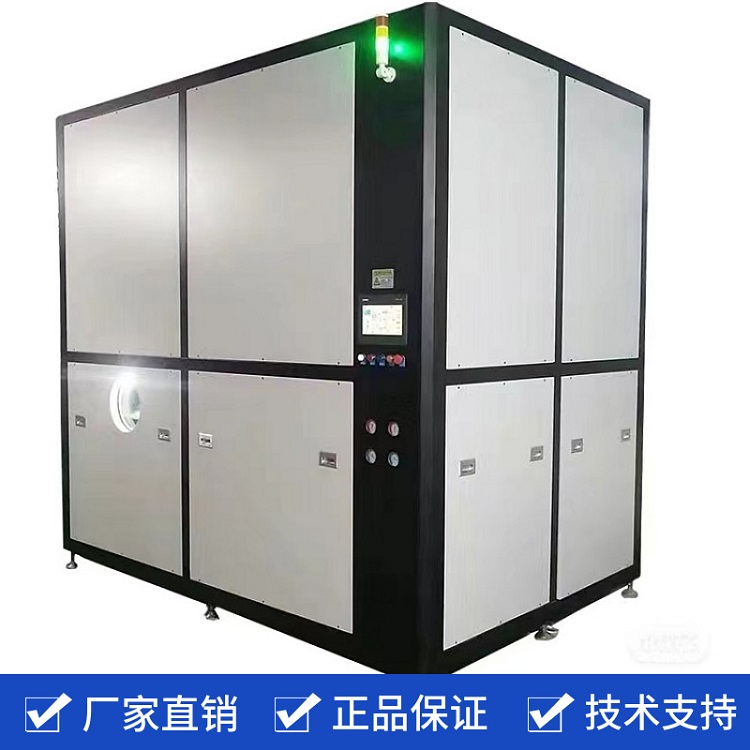
Sodium Chloride Wastewater Low-Temperature Evaporator - Intelligent Automatic - Quankun - Integrated Design
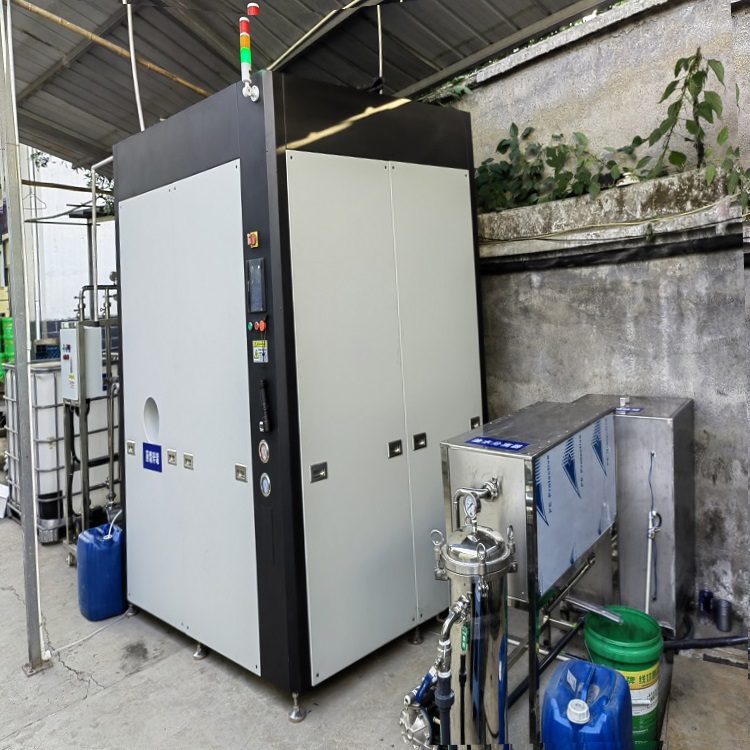
High-Concentration Oil Emulsion Waste Water Treatment Equipment - Quankun - Evaporator Unit - High Concentration Ratio
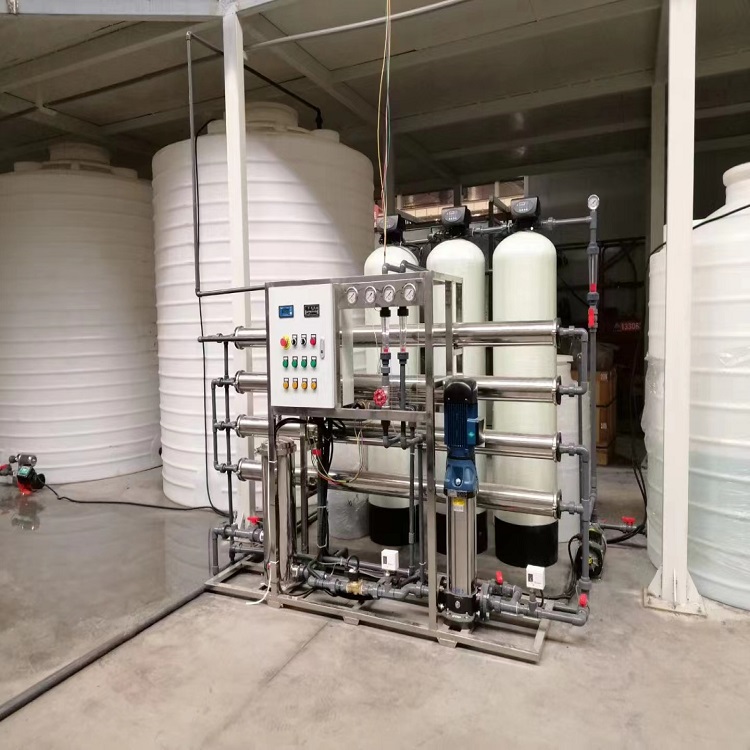
Industrial Pure Water Equipment EDI Ultra-Pure Water System Fully Automatic Control Quankun Environmental Protection
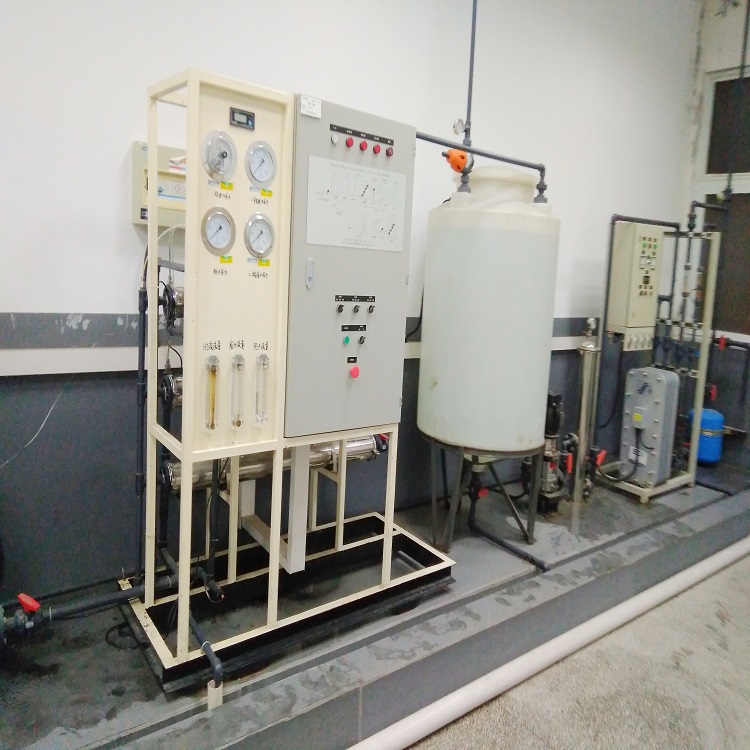
Shenzhen Industrial Ultra-Pure Water Equipment, equipped with EDI system, features low energy consumption and high degree of automation.
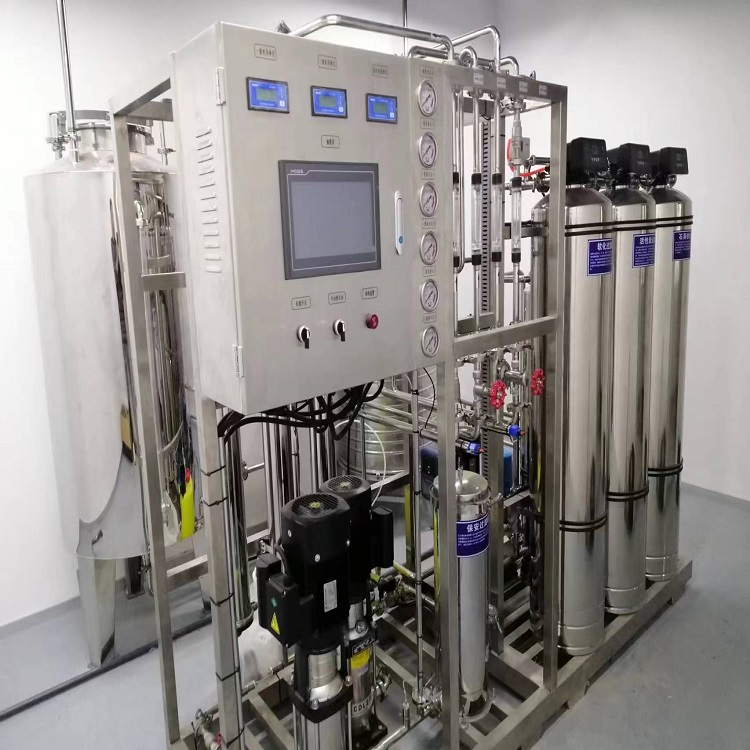
Shanghai industrial pure water production equipment reverse osmosis filtration system with high yield and customizable options, Quankun brand.
详情描述
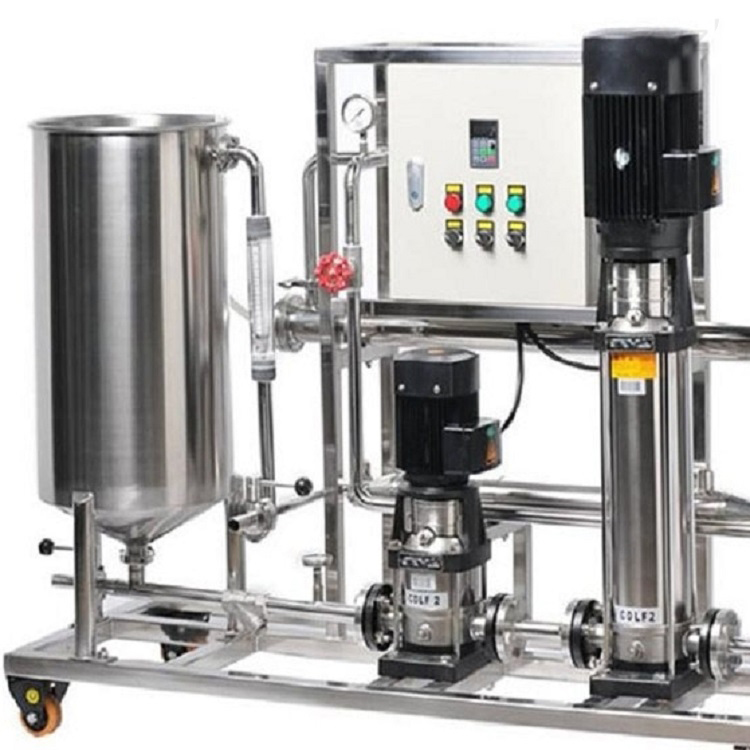
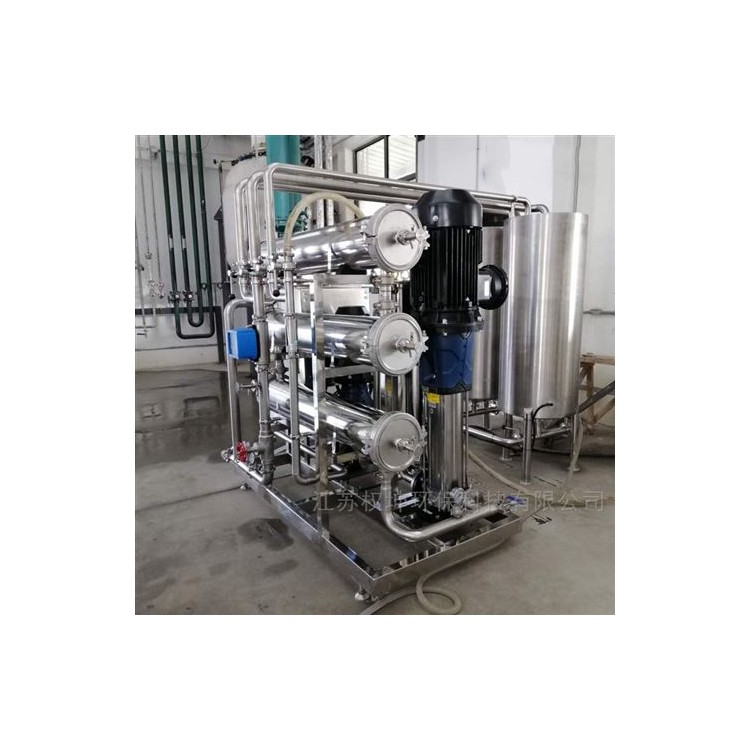
Nanjing Nanofiltration Equipment
Nanofiltration equipment is an advanced liquid separation technology, widely used in water treatment, food processing, pharmaceuticals, biotechnology, and other fields. Its core lies in the use of nanometer-scale filtration membranes, which can effectively separate and remove large molecules, colloids, particulates, and other impurities from solutions, thereby purifying and concentrating the target substances. Known for its high efficiency, energy-saving, and environmental-friendly features, nanofiltration equipment has gradually become an indispensable and important piece of equipment in modern industrial production.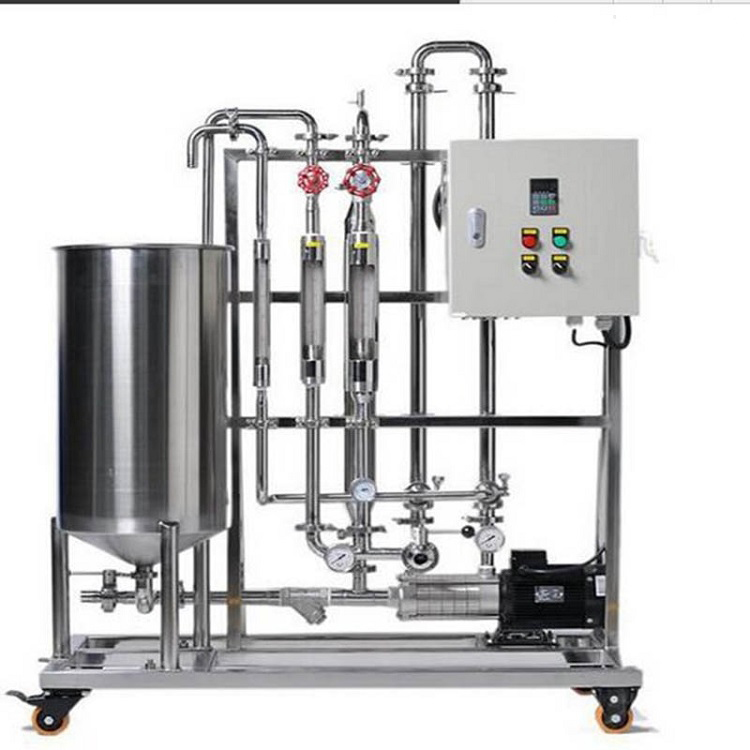
The Working Principle of Reverse Osmosis Equipment:
Primarily based on size exclusion and charge exclusion mechanisms. Size exclusion refers to the nanoscale pore size of the filter membrane, which only allows molecules or ions smaller than its size to pass through, while those larger than the pore size are blocked on one side of the membrane. Charge exclusion refers to the membrane surface carrying a certain charge, which repels ions with opposite charges, thereby achieving ion separation. The synergistic effect of these two mechanisms allows nanofiltration equipment to efficiently remove impurities from solutions, achieving purification and concentration of the target substances.
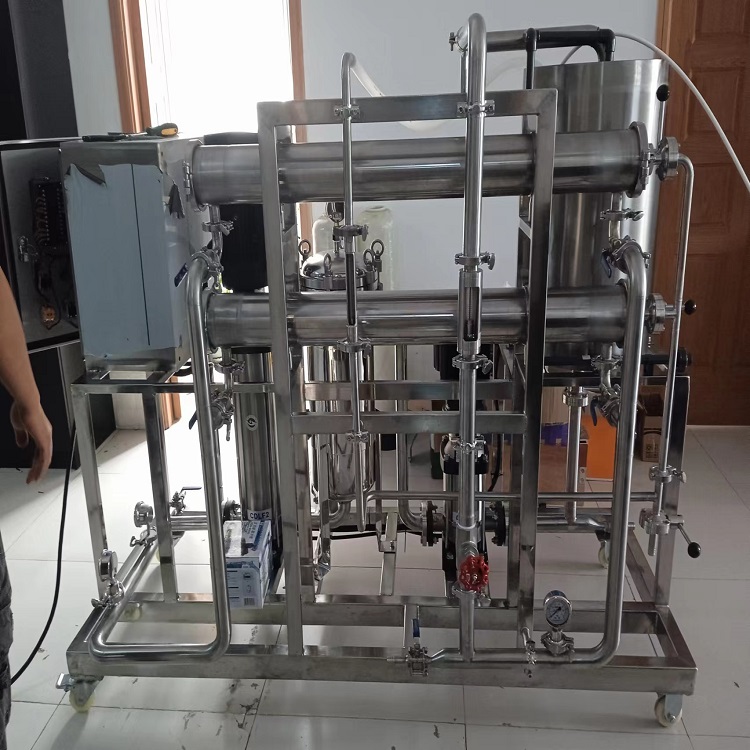
Application Scope:
Nanofiltration equipment has a wide range of applications. In the water treatment field, nanofiltration systems can be used to remove heavy metals, organics, bacteria, and other contaminants from water, enhancing its purity and safety. In the food processing industry, nanofiltration equipment can be employed to separate and concentrate juice, proteins, sugars, and other components, improving the taste and nutritional value of food. In the pharmaceutical field, nanofiltration systems can be utilized to produce high-purity drugs and biological products, ensuring the quality and efficacy of medications. In the biotechnology sector, nanofiltration equipment can separate and purify proteins, nucleic acids, and other biomolecules, providing robust support for research and production in biotechnology.
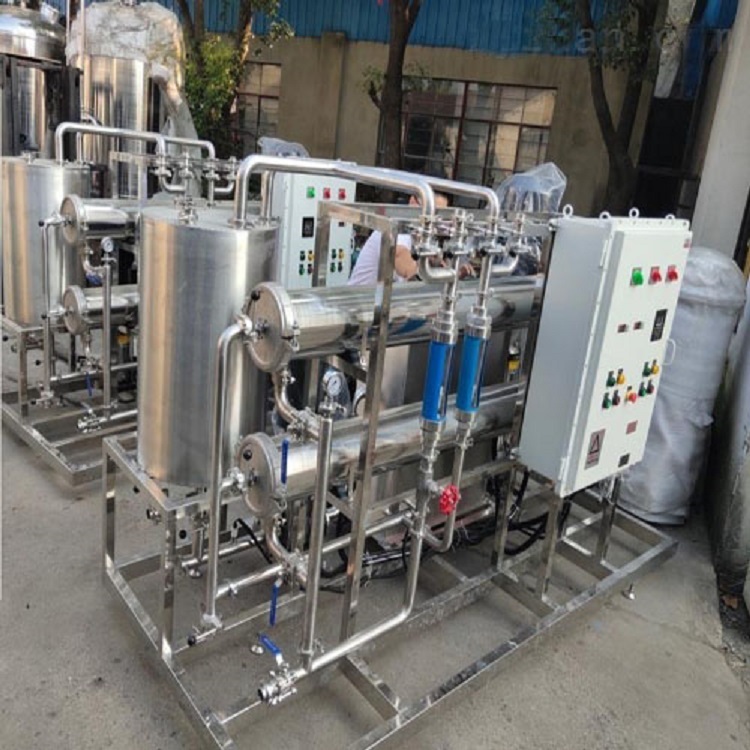
Nanofiltration membranes are widely used in the removal of salts and organic matter from various types of wastewater. These membranes have a molecular weight cut-off of 200~1,000, operate at low pressure, exhibit ionic selectivity, have high flux, and are highly resistant to fouling. This article introduces the characteristics and separation mechanism of nanofiltration membranes, and reviews the research progress in the removal of organic pollutants in recent years, including from drinking water, dyeing wastewater, landfill leachate, acrylic wastewater, and the removal of benzene organic compounds and pharmaceutical organic compounds from wastewater.
Nanjing Nanofiltration Equipment
Process Flow:
1. Raw Water Tank (Optional)
2. Boost pump
3. Multi-media Filter
4. Activated Carbon Filter
5. Ion Softening System/Chemical Dosing System
6. Precision Filter
7. High-pressure pump
8. Reverse Osmosis System
9. Storage Tank
10. Ozone sterilizer (optional)


