



- AllProduct Category
-
Lab Wastewater Treatment Equipment
Lab Wastewater Treatment Equipment
Ultra-Pure Water Equipment
Membrane Separation Equipment
Pure Water Equipment
Low-Temperature Evaporator
Ultra-Pure Water System
Integrated Wastewater Treatment Equipment
Reverse Osmosis Equipment
Pure Water Equipment
Ceramic Membrane Equipment



Recommended Products
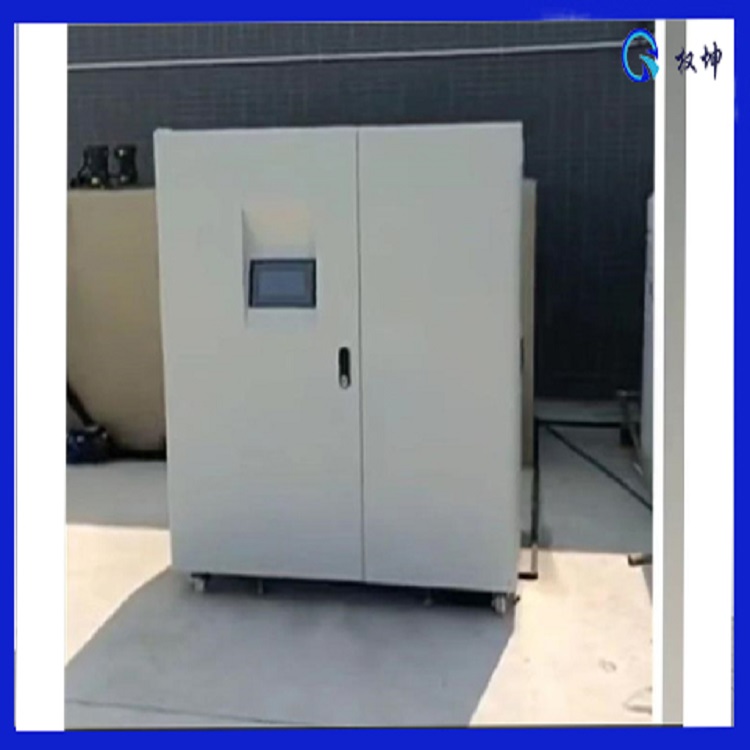
Quan Kun - Comprehensive Laboratory Waste Water Treatment Equipment - Remote Monitoring - Automated Control
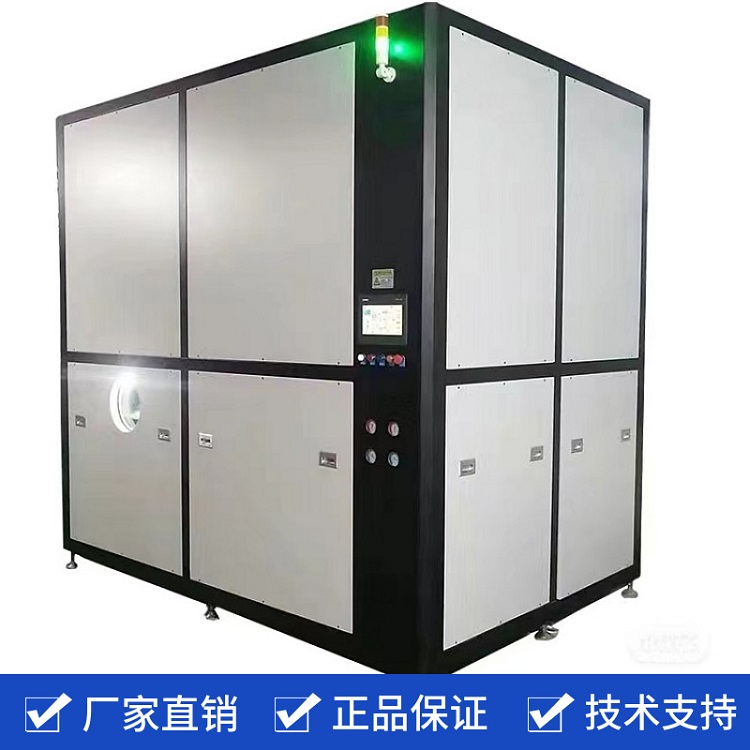
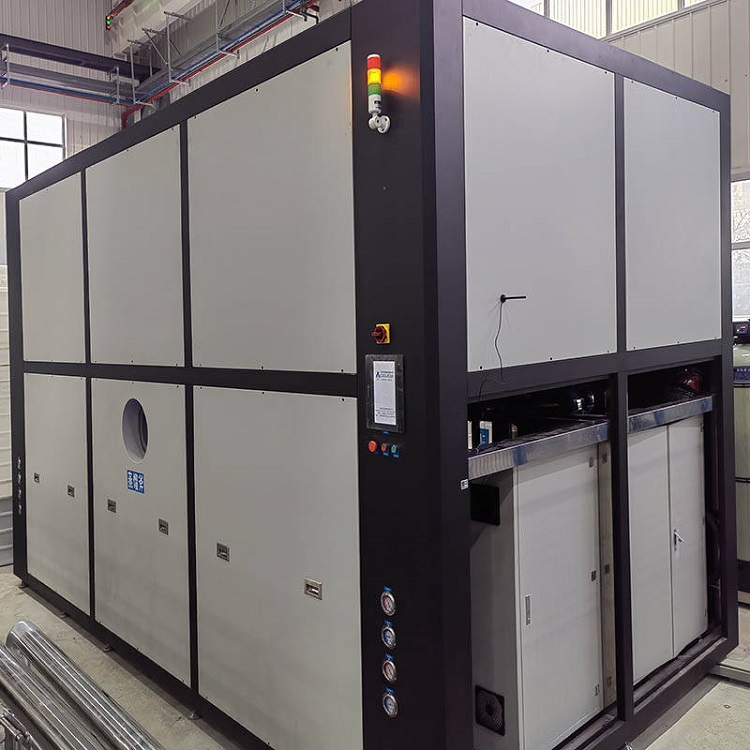
Sodium Chloride Wastewater Low-Temperature Evaporator - Intelligent Automatic - Quankun - Integrated Design
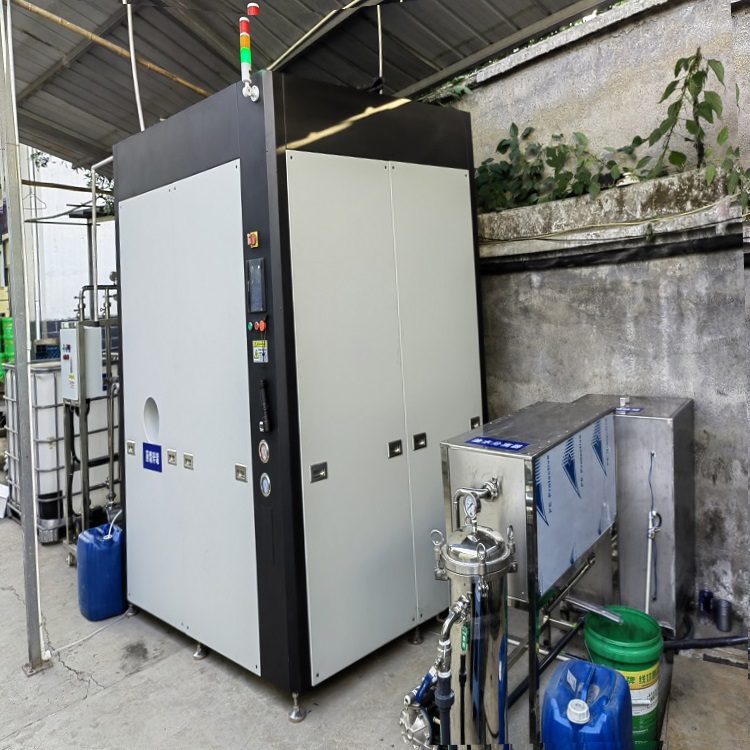
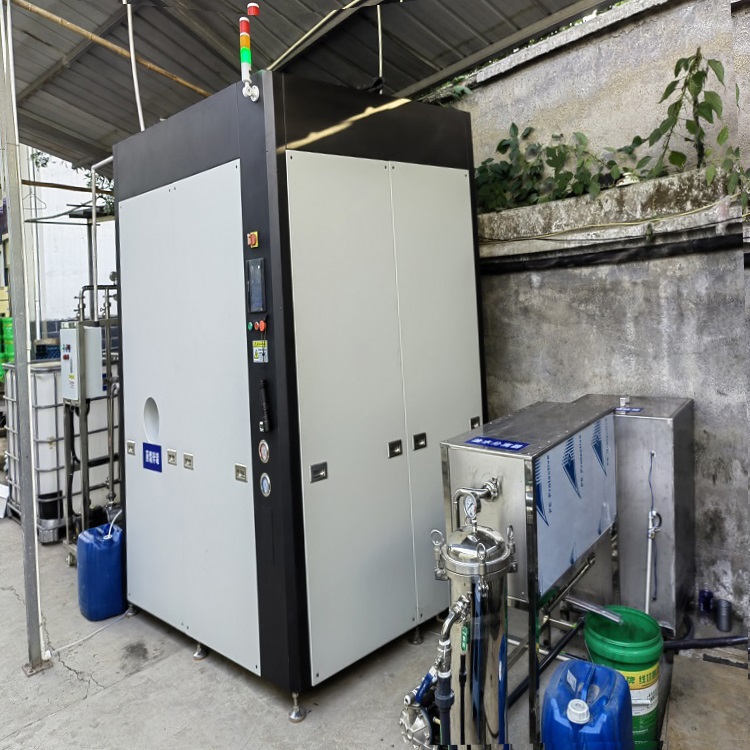
High-Concentration Oil Emulsion Waste Water Treatment Equipment - Quankun - Evaporator Unit - High Concentration Ratio
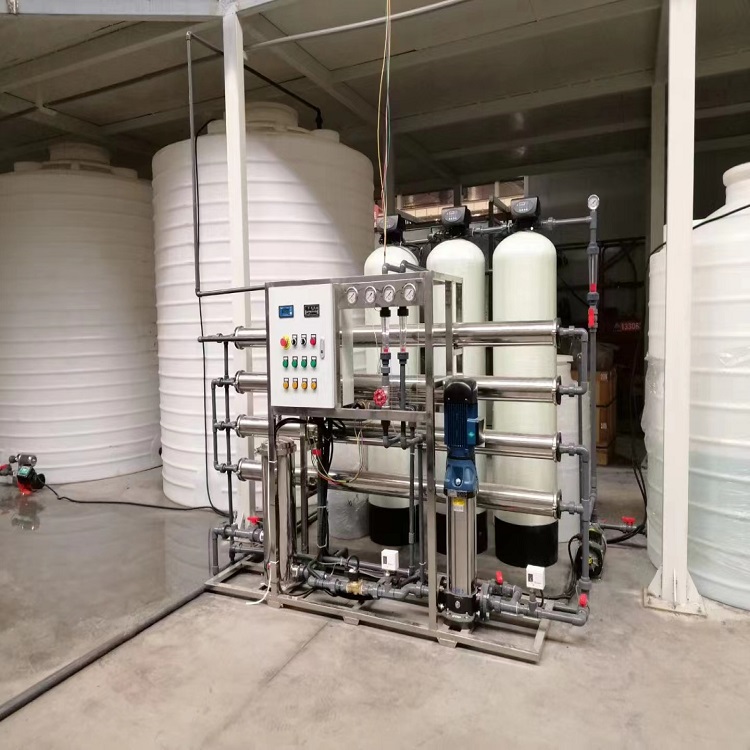
Industrial Pure Water Equipment EDI Ultra-Pure Water System Fully Automatic Control Quankun Environmental Protection
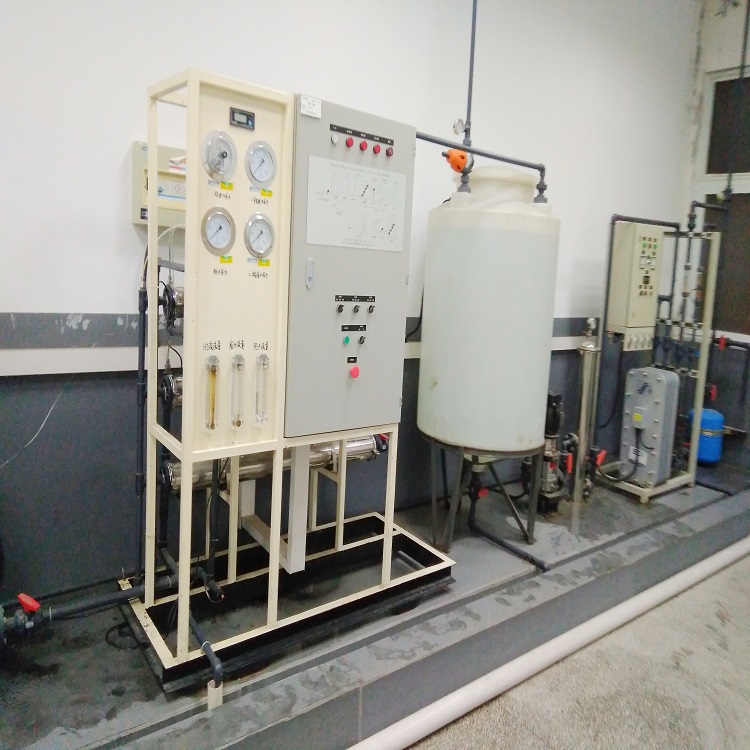
Shenzhen Industrial Ultra-Pure Water Equipment, equipped with EDI system, features low energy consumption and high degree of automation.
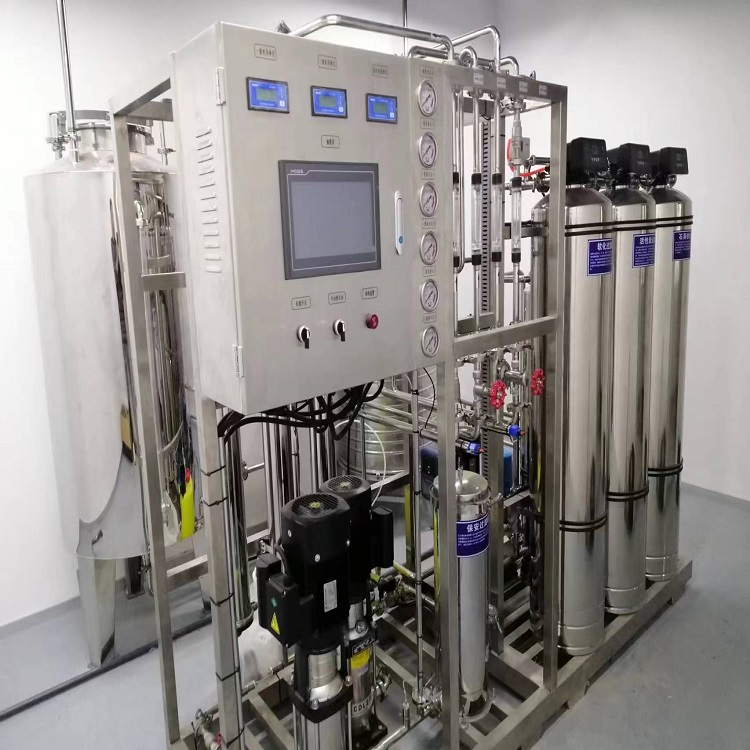
Shanghai industrial pure water production equipment reverse osmosis filtration system with high yield and customizable options, Quankun brand.
详情描述
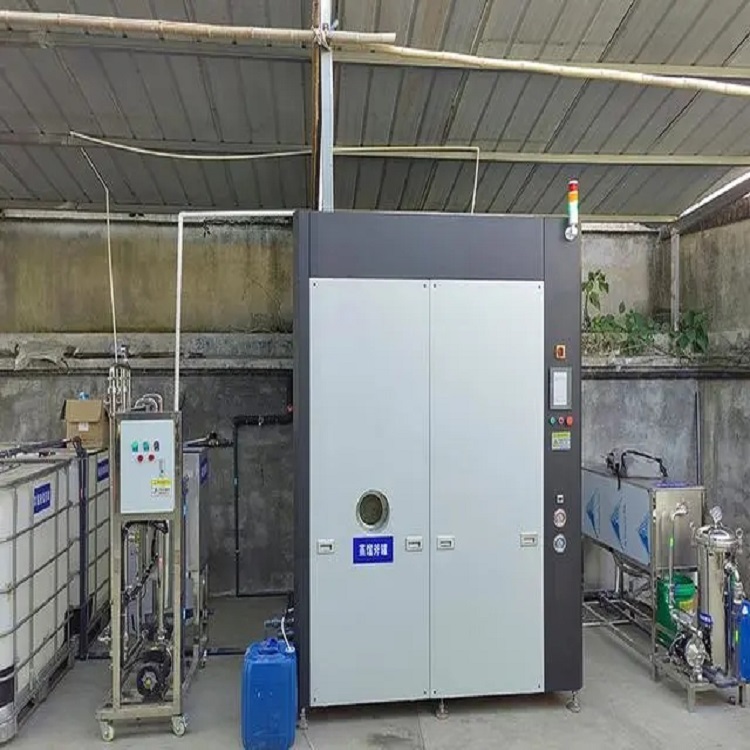
Electroplating Industry Wastewater Treatment Equipment - Low Energy Consumption - Low-Temperature Heat Pump Crystallization System - No Consumables
Electroplating wastewater treatment equipment is a device used for treating and purifying wastewater generated during the electroplating process. Electroplating is a widely used technology in industrial production, but the heavy metal ions and organic matter pollutants in its wastewater pose potential hazards to the environment and human health. Therefore, effectively treating electroplating wastewater is one of the necessary measures to protect the environment and achieve sustainable development.
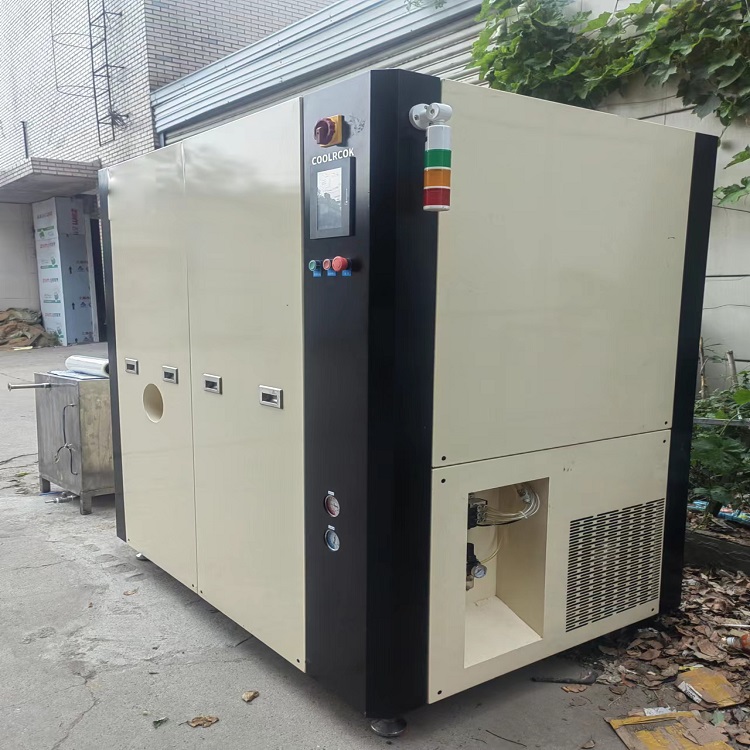
Electroplating wastewater treatment equipment can be processed in three stages: physical, chemical, and biological.
During the physical treatment phase, methods such as sedimentation, filtration, and adsorption are commonly employed to remove suspended solids and large particles from wastewater. Sedimentation involves adjusting the pH and adding chemicals to cause suspended particles in the wastewater to clump together and settle, thereby achieving solid-liquid separation. Filtration retains fine particles through a filtering medium, resulting in purification. Adsorption utilizes adsorbents like activated carbon to absorb organic matter from the wastewater, reducing the concentration of pollutants.
The chemical treatment stage primarily involves adding chemicals to precipitate and remove heavy metal ions and other pollutants from the coagulated wastewater. Common chemical treatment methods include complex precipitation, oxidation-reduction, and complex precipitation. For instance, by adding sodium oxalate, sodium sulfite, and other chemicals, they can react with heavy metal ions like iron and copper in the wastewater to form precipitates, thereby removing pollutants.
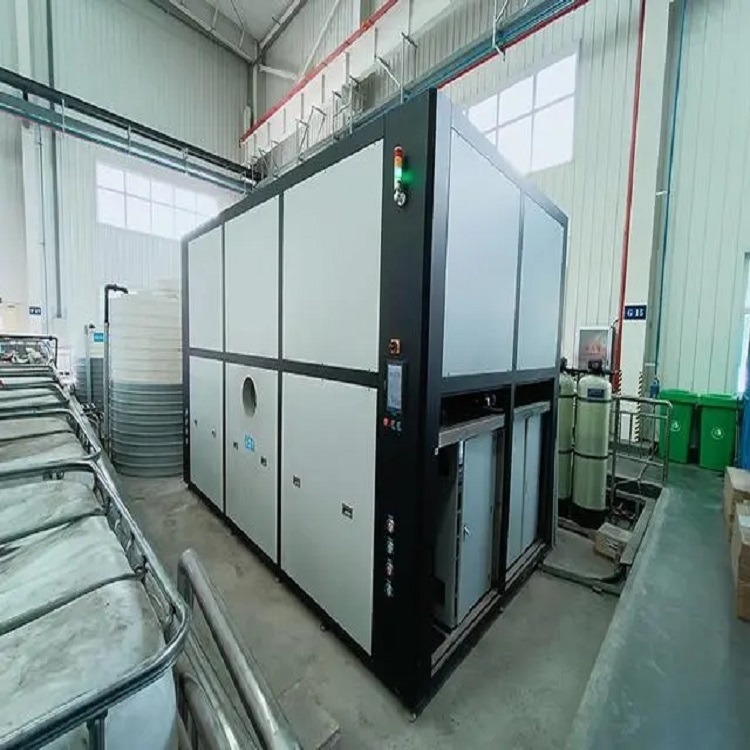
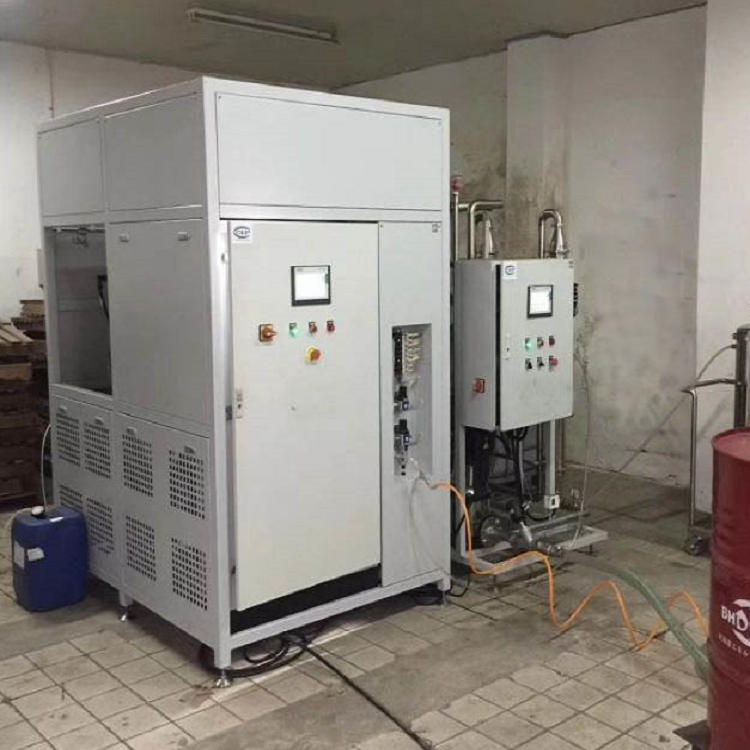
The biological treatment phase involves the degradation and transformation of organic matter in wastewater using microorganisms. Typically, aerobic and anaerobic methods are employed. Under aerobic conditions, by providing ample oxygen and suitable environmental temperatures, the metabolic activity of microorganisms is accelerated, allowing them to effectively decompose the organic matter in the wastewater. In anaerobic conditions, the synergistic action of microbial communities converts organic matter into renewable energy sources such as biogas.

Equipment Features:
1. Customizable fully automatic equipment, no need for dedicated supervision.
2. User-friendly operation with excellent wastewater treatment results (optional semi-automatic operation design).
3. Low operating noise, no impact on the equipment. Environment.
4. Purify waste liquid and recycle reclaimed water to reduce production costs.
5. Operates at low physical temperatures, no consumables required, energy-efficient and cost-saving.
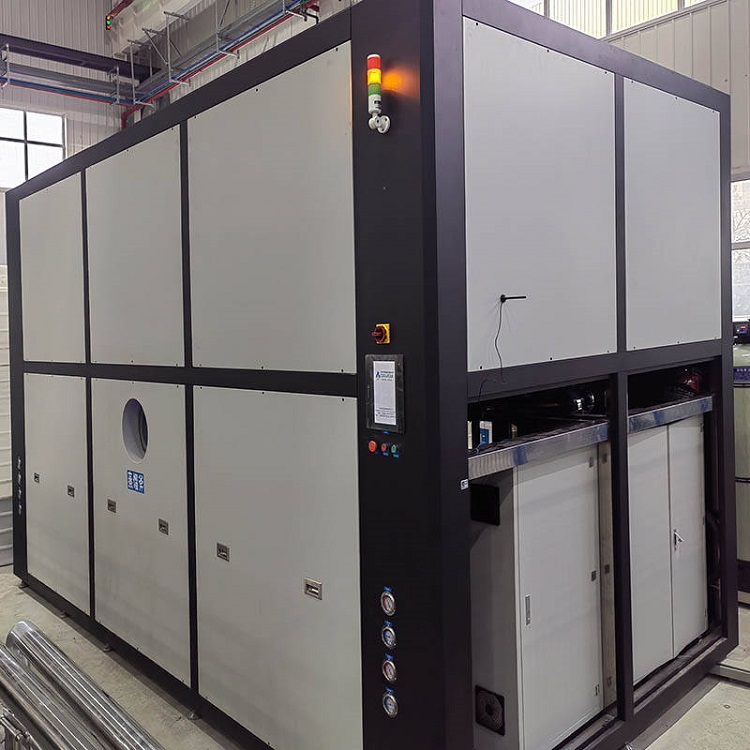
Electroplating Industry Wastewater Treatment Equipment - Low Energy Consumption - Low-Temperature Heat Pump Crystallization System - No Consumables
Equipment Advantages:
1. Economically, it can significantly reduce the cost of outsourcing wastewater treatment, with the cost of industrial wastewater treatment outsourcing potentially reduced by up to 90%.
2. Reduce COD evaporation and lower processing quality. High water content.
3. When using conventional MVR evaporator equipment, the operator detected a COD of 2000, while the COD content of the waste liquid low-temperature evaporation system is less than 300, which meets the HJ-T399-2007 standard. Manual operation and labor force have evolved from manual to fully automated and mechanized.
4. The equipment operates smoothly and can handle large quantities of wastewater.


