




- AllProduct Category
-
Lab Wastewater Treatment Equipment
Lab Wastewater Treatment Equipment
Ultra-Pure Water Equipment
Membrane Separation Equipment
Pure Water Equipment
Low-Temperature Evaporator
Ultra-Pure Water System
Integrated Wastewater Treatment Equipment
Reverse Osmosis Equipment
Pure Water Equipment
Ceramic Membrane Equipment



Recommended Products
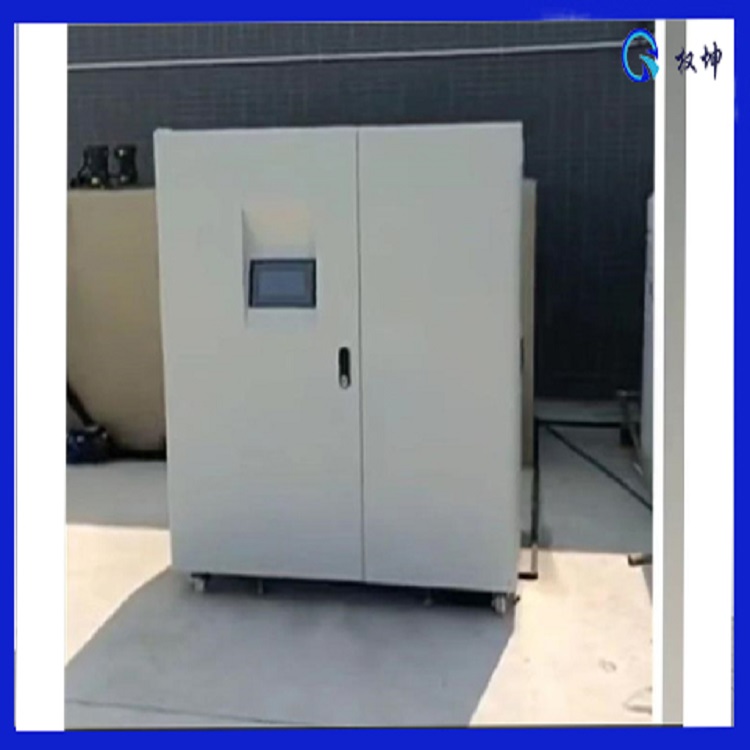
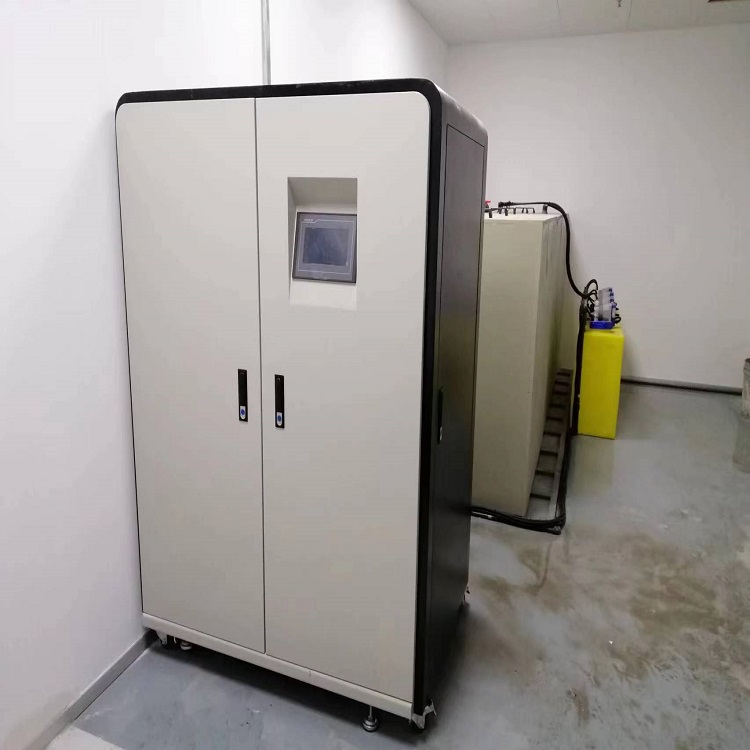
Quan Kun - Comprehensive Laboratory Waste Water Treatment Equipment - Remote Monitoring - Automated Control
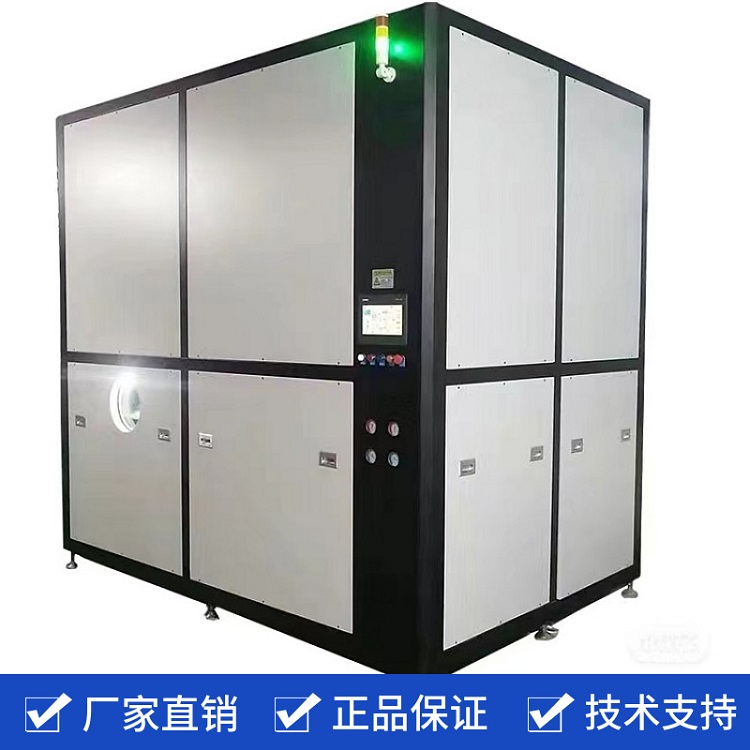
Sodium Chloride Wastewater Low-Temperature Evaporator - Intelligent Automatic - Quankun - Integrated Design
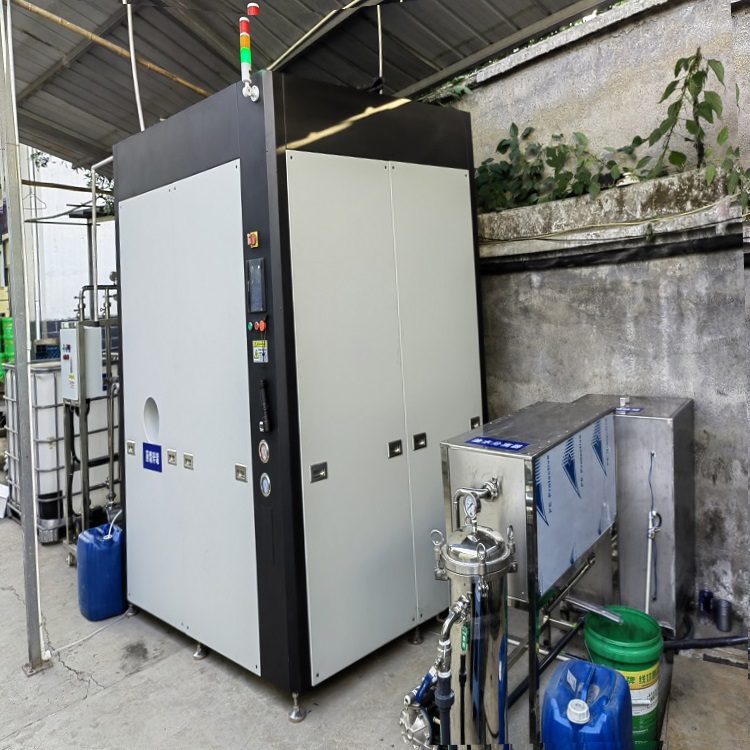
High-Concentration Oil Emulsion Waste Water Treatment Equipment - Quankun - Evaporator Unit - High Concentration Ratio
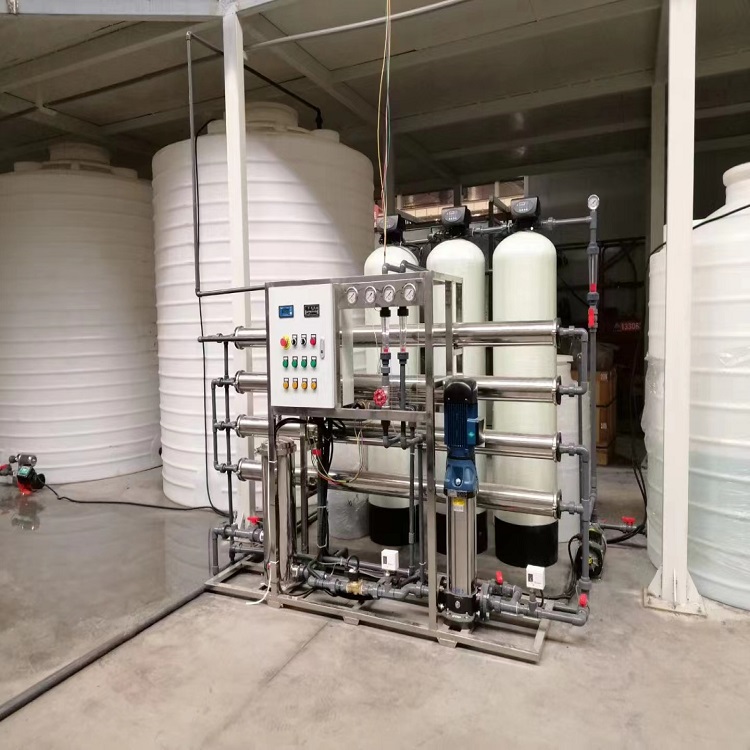
Industrial Pure Water Equipment EDI Ultra-Pure Water System Fully Automatic Control Quankun Environmental Protection
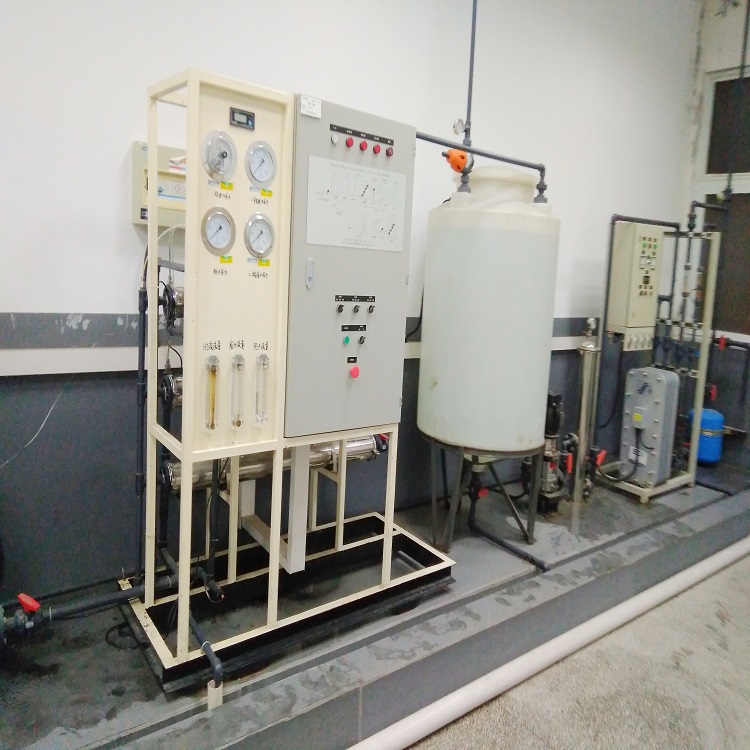
Shenzhen Industrial Ultra-Pure Water Equipment, equipped with EDI system, features low energy consumption and high degree of automation.
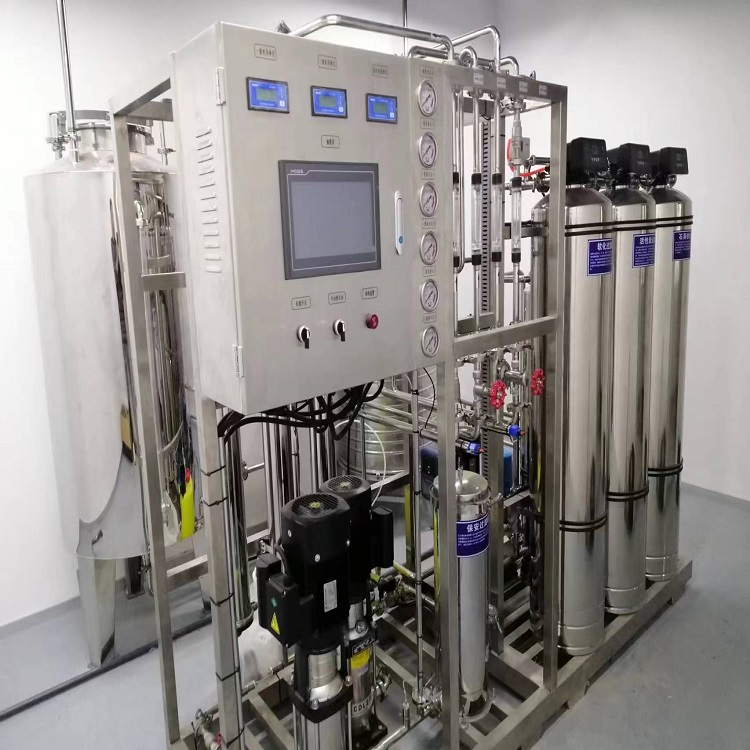
Shanghai industrial pure water production equipment reverse osmosis filtration system with high yield and customizable options, Quankun brand.
详情描述
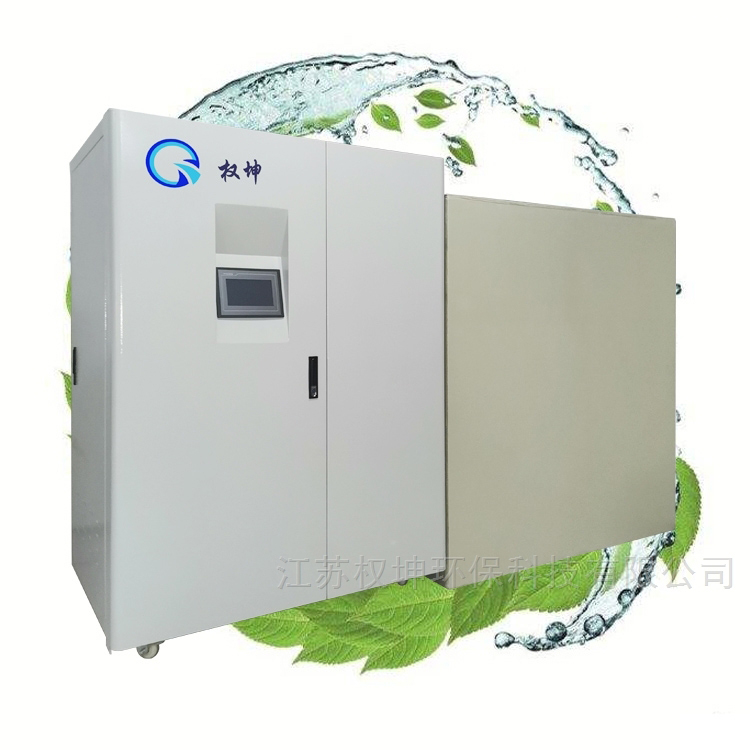
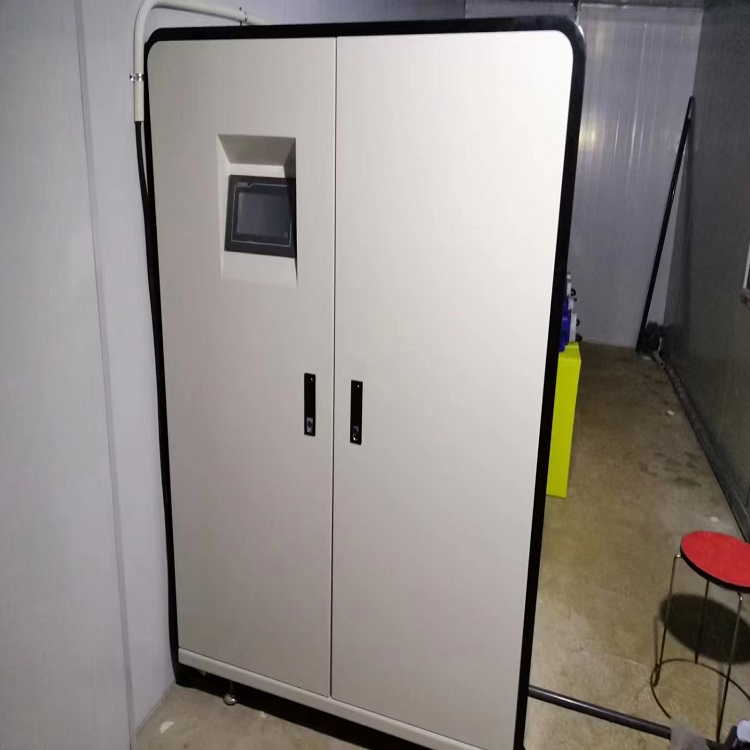
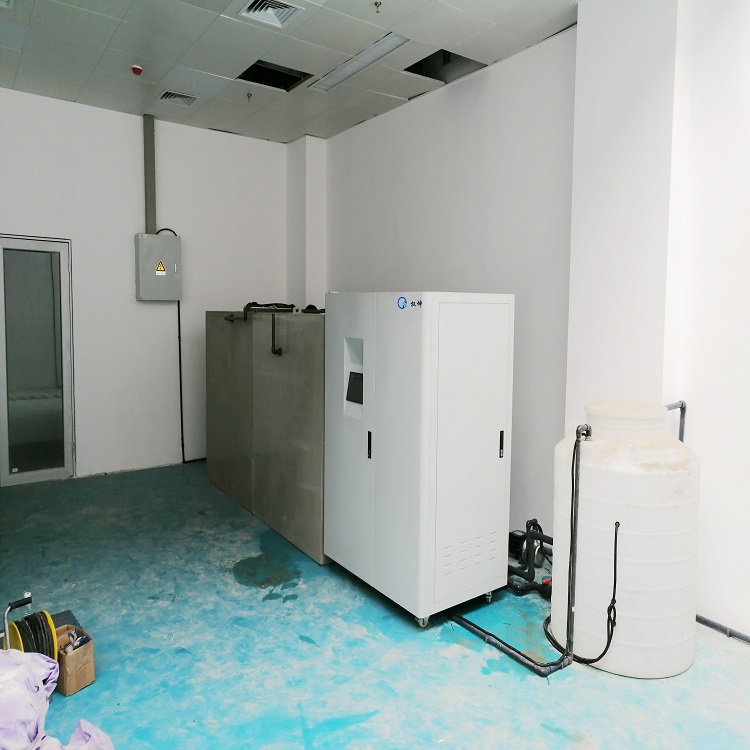
Low-temperature Evaporation Wastewater Treatment Equipment - Ultrasonic Cleaning Wastewater System - Zero Discharge System - Quankun
Ultrasonic cleaning wastewater primarily originates from the cleaning process of components and is a commonly used technique in industrial cleaning. Under the action of ultrasound, the microbubbles in the cleaning liquid rapidly collapse under the influence of acoustic pressure, generating shockwaves that quickly strip away dirt and oil from the surface of the parts. The wastewater after cleaning contains a large amount of organic matter, oils, suspended solids, and other pollutants. These pollutants mainly come from the cleaning agents used (such as surfactants, corrosion inhibitors, defoamers, etc.), dirt and oil on the surfaces of the items being cleaned, as well as particulate matter and other impurities. Due to the presence of various organic matter and oils in the wastewater, its Chemical Oxygen Demand (COD) and Biochemical Oxygen Demand (BOD) are typically high, and its biodegradability is poor.
Firstly, treating ultrasonic cleaning wastewater requires a pretreatment stage to remove large particle debris and some oil fractions. Pretreatment typically involves two steps: a grate and a sedimentation pond. The grate is used to intercept larger solid impurities, such as metal shavings and granular matter. The sedimentation pond then separates out a portion of the solid suspended particles and oil fractions through natural sedimentation. This step effectively reduces the turbidity of the wastewater, laying the groundwork for subsequent treatment.
After pretreatment, the wastewater enters the demulsification and flocculation stage. This step promotes the aggregation and settling of emulsified oil, surfactants, and other suspended particles by adding specific demulsifiers and flocculants, achieving oil-water separation and removal of suspended solids. Demulsifiers can disrupt the stability of emulsified oil droplets, causing them to quickly coalesce into larger oil droplets, which are easier to separate. Flocculants, on the other hand, cause suspended particles to coalesce into larger flocs through electro-neutrality and adsorption bridging, making them easier to settle and remove. This process effectively reduces the COD and SS (suspended solids) concentrations in the wastewater.
Operating Principle:
The low-temperature vacuum evaporator is a device designed based on the vacuum principle, capable of converting liquid substances into gas at lower temperatures. It operates by reducing the pressure within the system to lower the liquid's boiling point. The evaporator features a heater that supplies energy to accelerate the boiling rate of the liquid, quickly transforming it into gas and expelling it from the equipment. Simultaneously, impurities in the air are removed through the vacuum evaporation process, ensuring the material is purified.
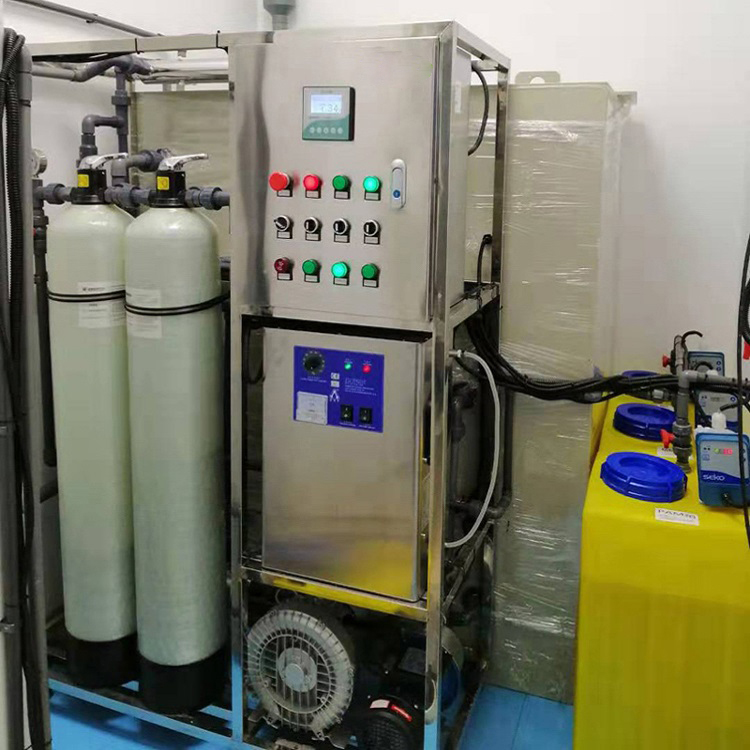
Low-temperature Evaporation Wastewater Treatment Equipment - Ultrasonic Cleaning Wastewater System - Zero Discharge System - Quankun
Component Composition:
Pressure Reduction System: The pressure reduction system in the low-temperature vacuum evaporator includes vacuum pumps, vacuum gauges, and other equipment. The vacuum pump's function is to extract the gas inside the system, thereby lowering the pressure and creating conditions for rapid water evaporation.
2. Heating System: This is a crucial component of the entire low-temperature vacuum evaporator. The heating system provides sufficient heat through electric heaters, causing the liquid to rapidly boil and transform into gas, thereby achieving the evaporation of the substance.
3. Condensation System: In the low-temperature vacuum evaporator, the condensation system cools the gas into liquid through the condenser and collects it via pipes.
4. Control System: The control system of the low-temperature vacuum evaporator includes a temperature control system and a pressure control system. The temperature control system can automatically adjust according to the set temperature to maintain a constant temperature of the heating system. The pressure control system, on the other hand, automatically adjusts the operational state of the vacuum pump based on the set pressure value to maintain the pressure within the system.


