




- AllProduct Category
-
Lab Wastewater Treatment Equipment
Lab Wastewater Treatment Equipment
Ultra-Pure Water Equipment
Membrane Separation Equipment
Pure Water Equipment
Low-Temperature Evaporator
Ultra-Pure Water System
Integrated Wastewater Treatment Equipment
Reverse Osmosis Equipment
Pure Water Equipment
Ceramic Membrane Equipment



Recommended Products
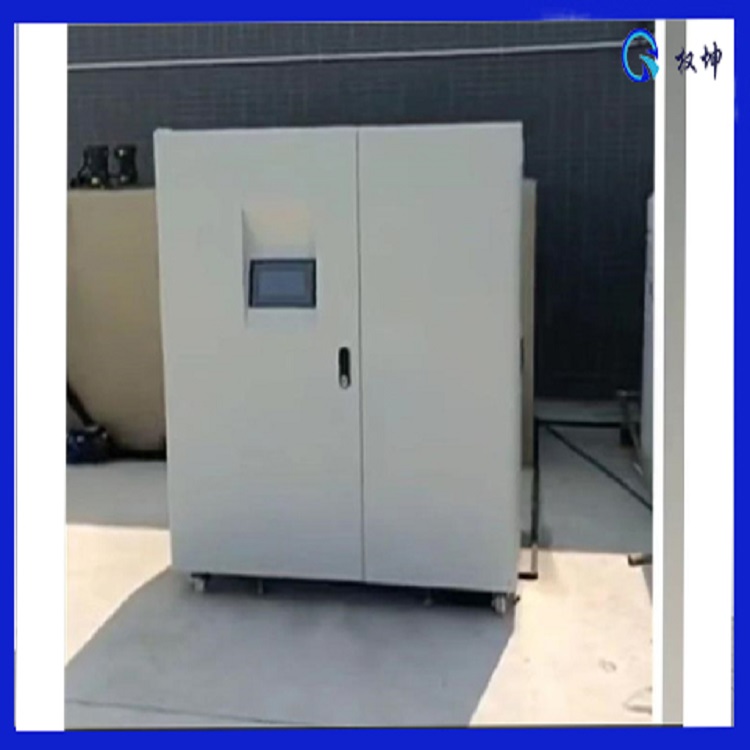
Quan Kun - Comprehensive Laboratory Waste Water Treatment Equipment - Remote Monitoring - Automated Control
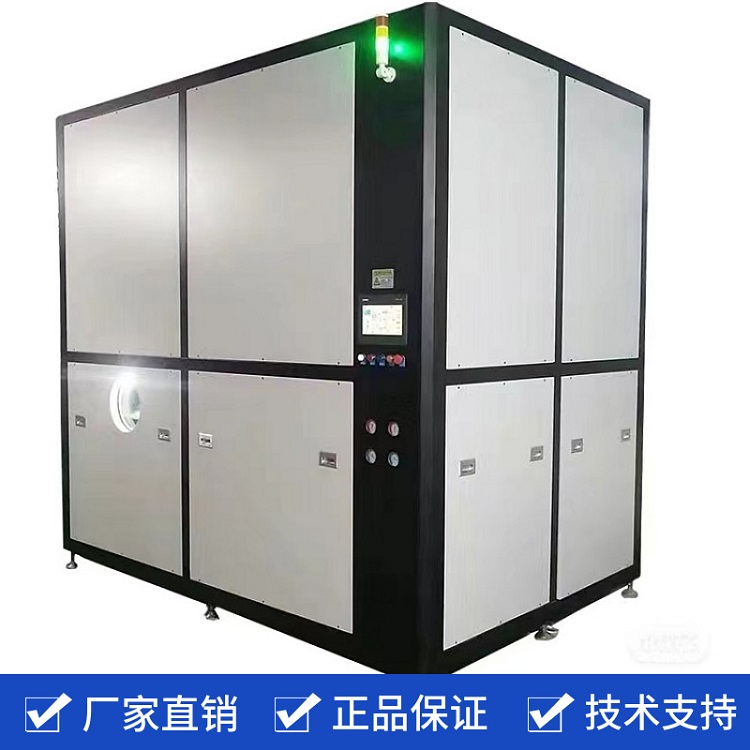
Sodium Chloride Wastewater Low-Temperature Evaporator - Intelligent Automatic - Quankun - Integrated Design
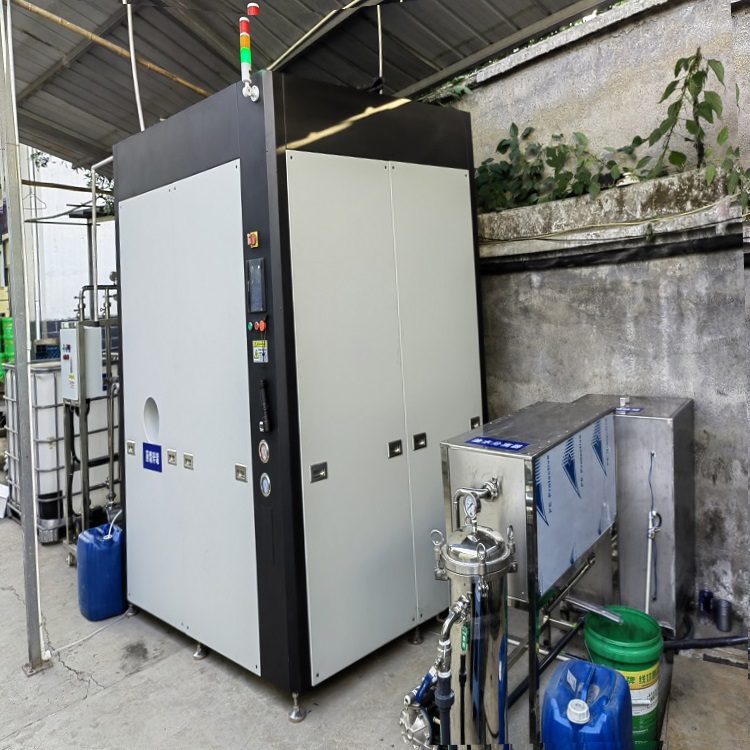
High-Concentration Oil Emulsion Waste Water Treatment Equipment - Quankun - Evaporator Unit - High Concentration Ratio
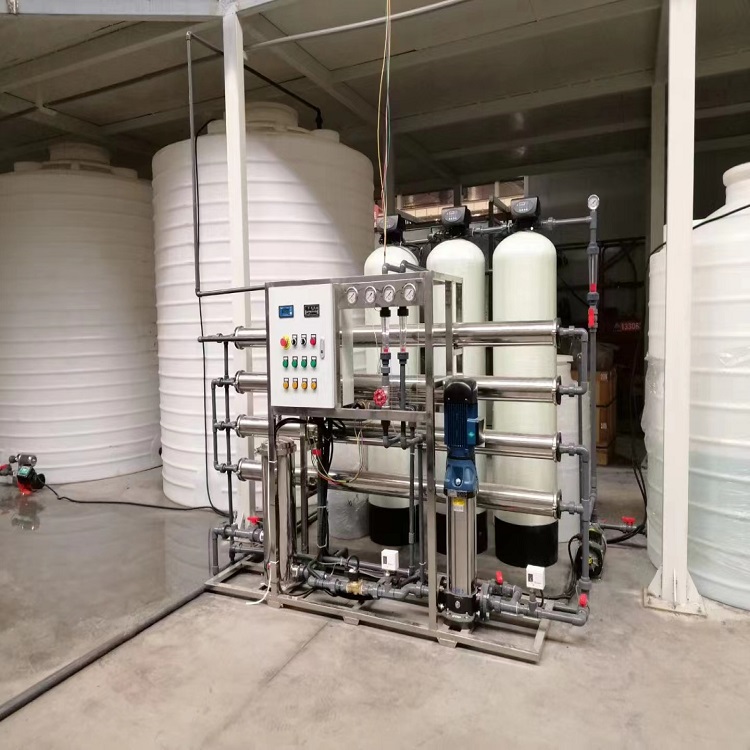
Industrial Pure Water Equipment EDI Ultra-Pure Water System Fully Automatic Control Quankun Environmental Protection
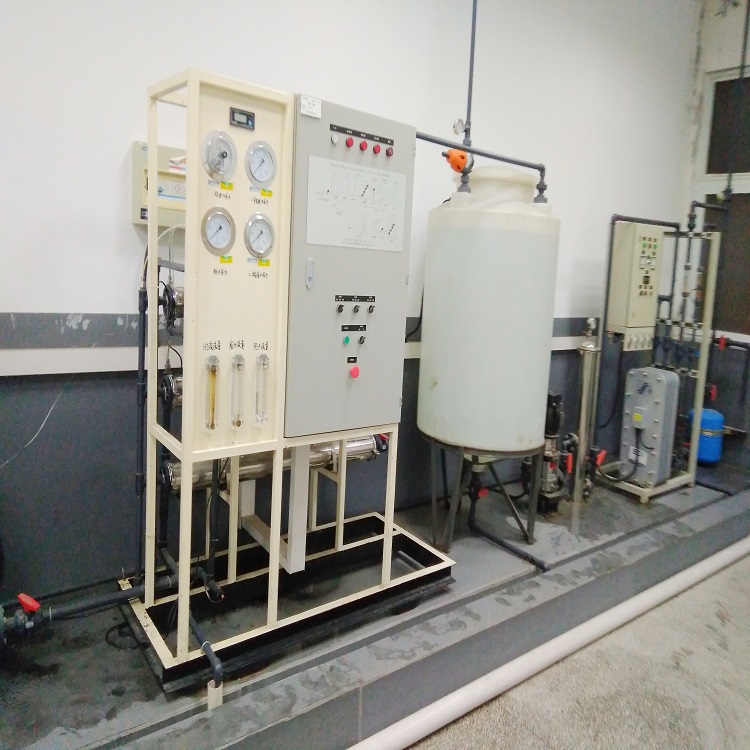
Shenzhen Industrial Ultra-Pure Water Equipment, equipped with EDI system, features low energy consumption and high degree of automation.
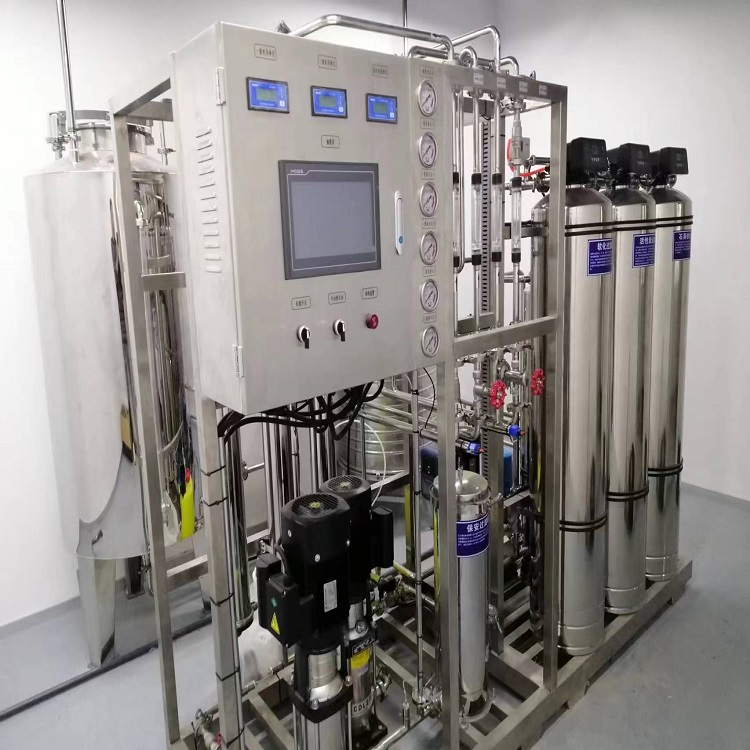
Shanghai industrial pure water production equipment reverse osmosis filtration system with high yield and customizable options, Quankun brand.
详情描述
Cutting Machine Wastewater Recycling Equipment Manufacturer - Quankun Environmental Protection
Waste water from cutting machines is unique due to its diverse sources and complex composition. Firstly, it contains a large amount of metal shavings and suspended solids. If these solid particles are discharged untreated, they can block waterways, contaminate soil, and impact the ecological environment. Secondly, the wastewater often contains oil pollutants like lubricants and coolants, which are difficult to degrade naturally and pose a threat to aquatic life. Moreover, some cutting processes use chemical additives, such as acidic and alkaline wastewater produced during processes like pickling and passivation. Improper treatment of this wastewater can severely disrupt the water's pH balance, affecting water quality safety.

Technical Features & Application Advantages:
Utilizing advanced membrane separation technology, we achieve high-efficiency water purification with lower energy consumption, significantly reducing processing costs.
Efficiently removes harmful substances from wastewater, reduces environmental pollution risks, while ensuring stable recycled water quality for production safety.
Achieve high proportions of wastewater recycling to reduce fresh water consumption and alleviate water scarcity issues, in line with green manufacturing principles.
Integrated automation control system, enabling real-time monitoring and intelligent adjustment of equipment operation status, enhancing management efficiency.
Tailored equipment design and solutions are provided based on the actual needs of the company and the characteristics of the wastewater, meeting the application requirements in various scenarios.

The wastewater recycling equipment for wafer cutting machines primarily integrates various treatment technologies such as physical, chemical, and biological methods, achieving efficient purification and reuse of wastewater. Specifically, the equipment processes and recycles wastewater through the following steps:
Wastewater first enters the pretreatment unit, where it is stripped of large particles and uniformed in quality through facilities such as gratings and adjusting pools, laying the groundwork for subsequent treatment.
2. Pretreated wastewater enters the physical treatment unit, which primarily includes stages such as coagulation, sedimentation, and filtration. By adding coagulants, suspended solids and colloidal substances in the wastewater are aggregated into larger particles, which are then removed in the sedimentation pond. The filtration step further eliminates tiny particles and suspended solids from the water, enhancing its quality.
3. Wastewater treated through physical processes then enters the membrane separation unit, which is the core step for wastewater reuse. The membrane separation technology includes ultrafiltration, nanofiltration, reverse osmosis, and various other types, with suitable membrane types chosen based on the characteristics of the wastewater and treatment requirements. Through membrane separation technology, harmful substances such as dissolved organic matter, heavy metal ions, and bacteria can be effectively removed from the wastewater, achieving water quality standards for reuse.
4. Wastewater treated by membrane separation is then fed into the post-treatment unit, where it undergoes pH adjustment and disinfection to ensure water quality meets reuse standards. The treated wastewater is recycled back to the production line for processes such as cooling and cleaning of the wafer cutting machine, achieving water resource recycling.

After large particle impurities are removed from the wastewater through a grid, it is directed to an equalization pond for homogenization and quantification treatment to stabilize the water quality. Next, the wastewater flows into a flotation pond where suspended solids and oils are removed by the adhesion of microbubbles. In the chemical treatment stage, appropriate precipitants and oxidizers are added based on water quality analysis results to separately remove heavy metal ions and organic pollutants. The biological treatment unit further degrades organic matter to ensure that the effluent meets discharge standards or reuse requirements.
Cutting Machine Waste Water Reuse Equipment Manufacturer Quankun Environmental Protection
The system's performance is remarkable, significantly reducing the concentration of pollutants in wastewater while achieving the recycling of water resources, thereby cutting the company's environmental protection expenses and water consumption. Additionally, the system is highly automated, easy to operate, and has low maintenance costs, delivering both good economic and environmental benefits to the company.


