



- AllProduct Category
-
Lab Wastewater Treatment Equipment
Lab Wastewater Treatment Equipment
Ultra-Pure Water Equipment
Membrane Separation Equipment
Pure Water Equipment
Low-Temperature Evaporator
Ultra-Pure Water System
Integrated Wastewater Treatment Equipment
Reverse Osmosis Equipment
Pure Water Equipment
Ceramic Membrane Equipment



Recommended Products
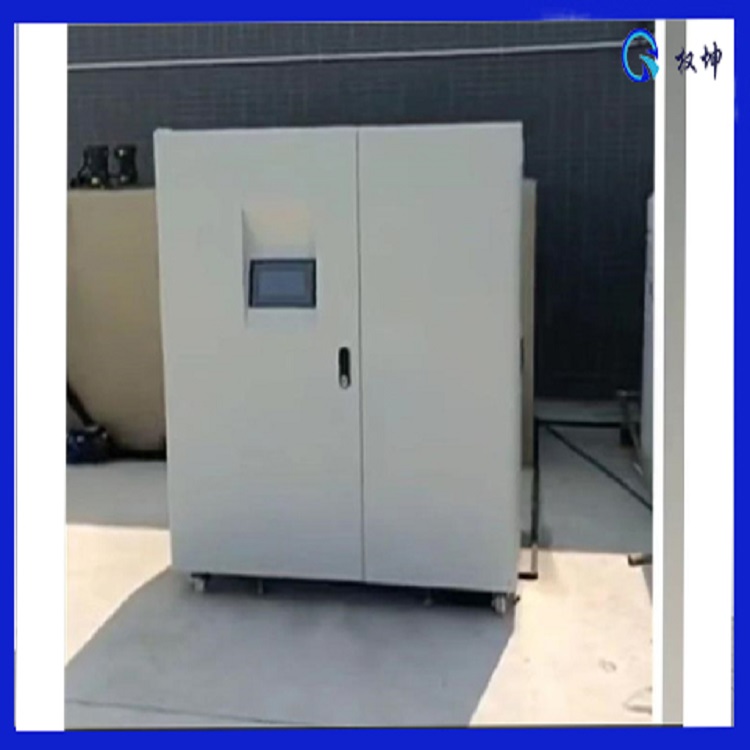
Quan Kun - Comprehensive Laboratory Waste Water Treatment Equipment - Remote Monitoring - Automated Control
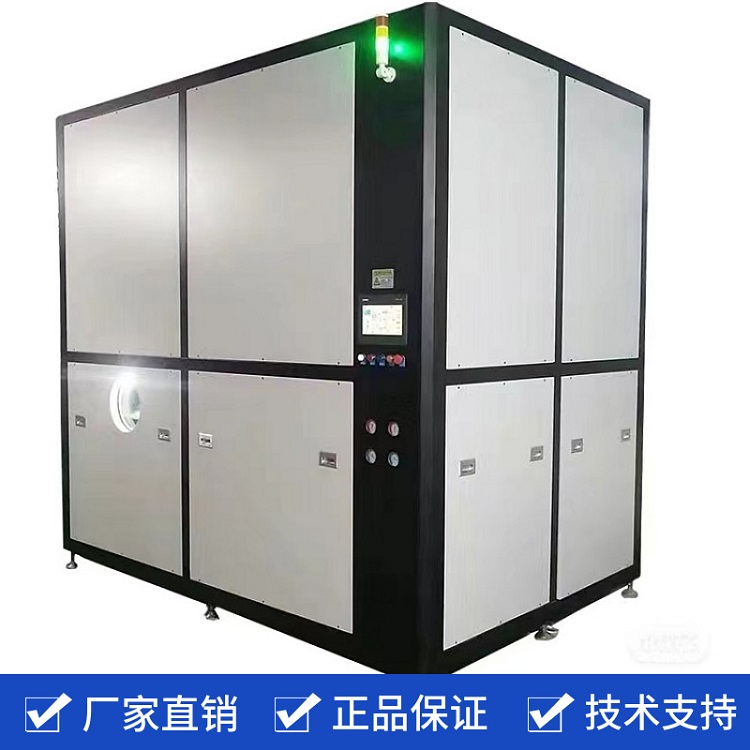
Sodium Chloride Wastewater Low-Temperature Evaporator - Intelligent Automatic - Quankun - Integrated Design
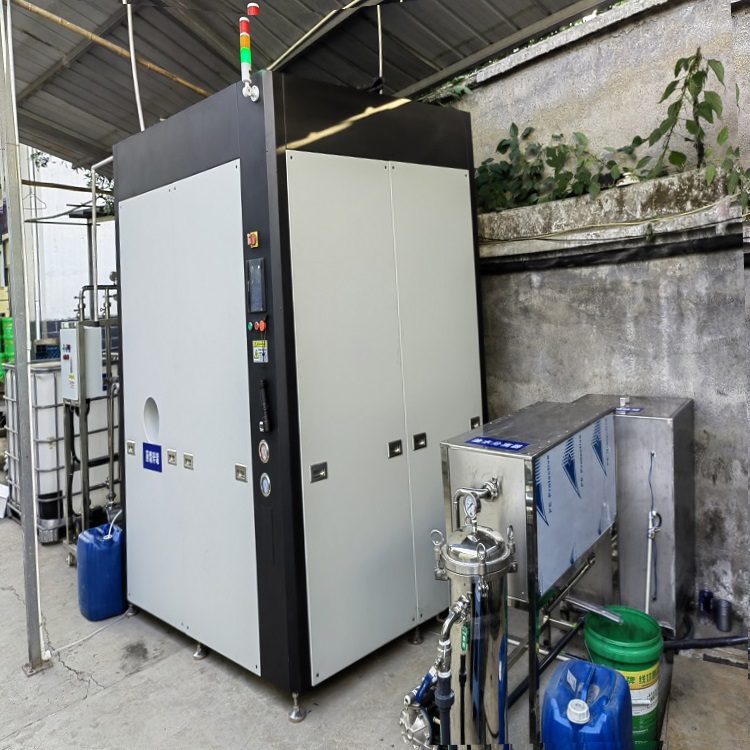
High-Concentration Oil Emulsion Waste Water Treatment Equipment - Quankun - Evaporator Unit - High Concentration Ratio
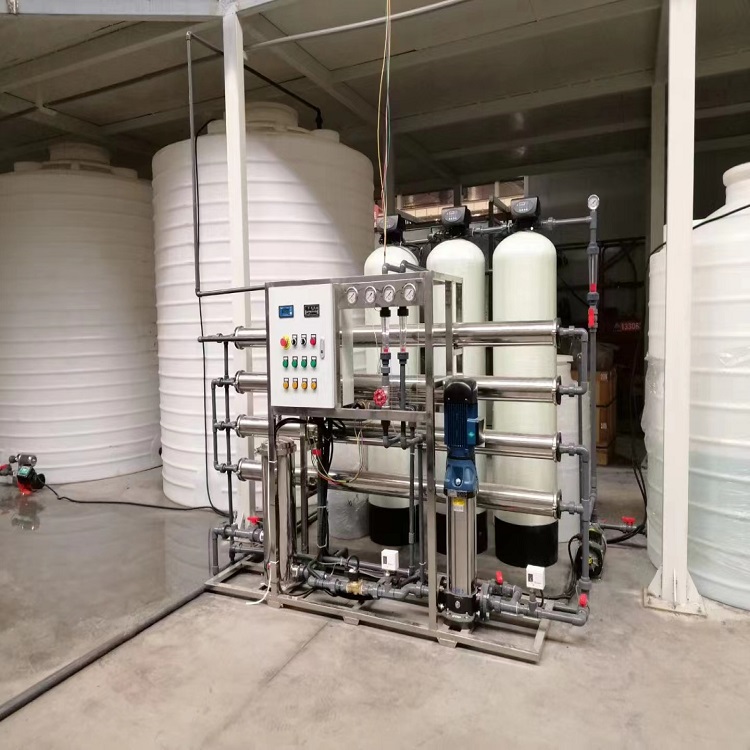
Industrial Pure Water Equipment EDI Ultra-Pure Water System Fully Automatic Control Quankun Environmental Protection
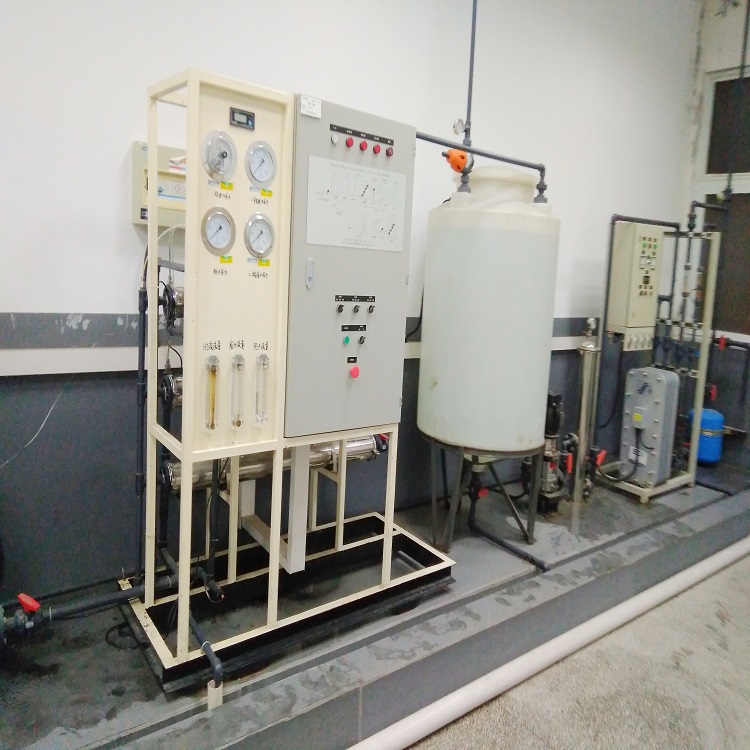
Shenzhen Industrial Ultra-Pure Water Equipment, equipped with EDI system, features low energy consumption and high degree of automation.
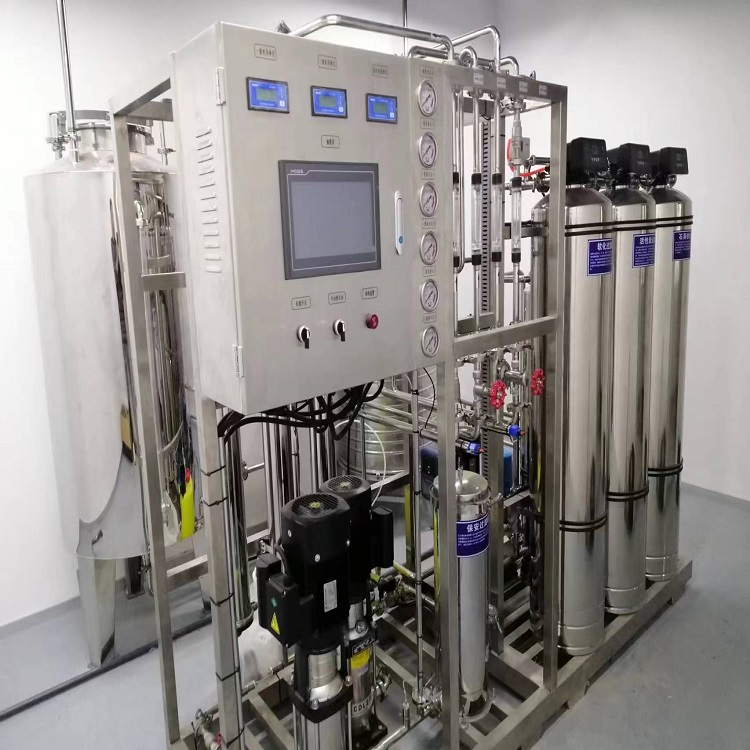
Shanghai industrial pure water production equipment reverse osmosis filtration system with high yield and customizable options, Quankun brand.
详情描述
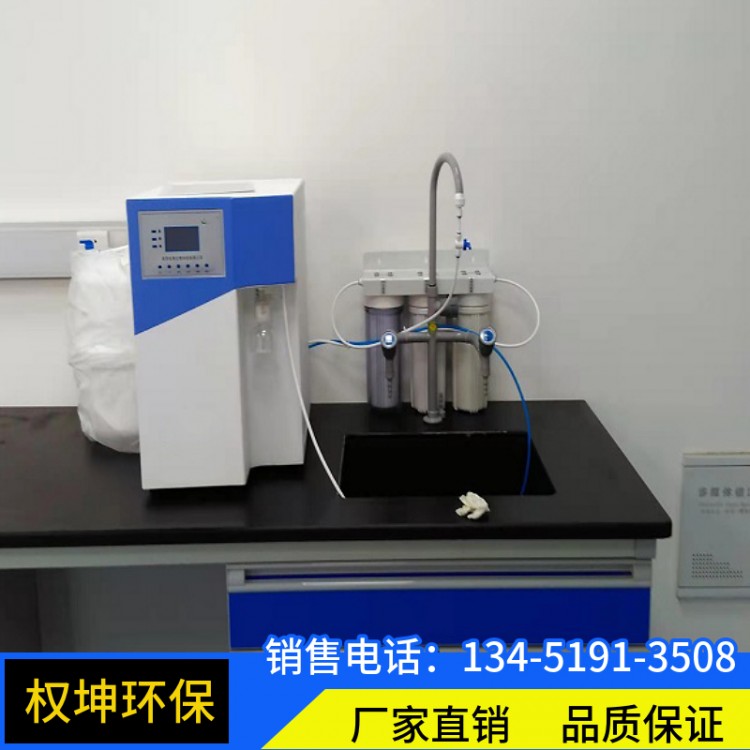
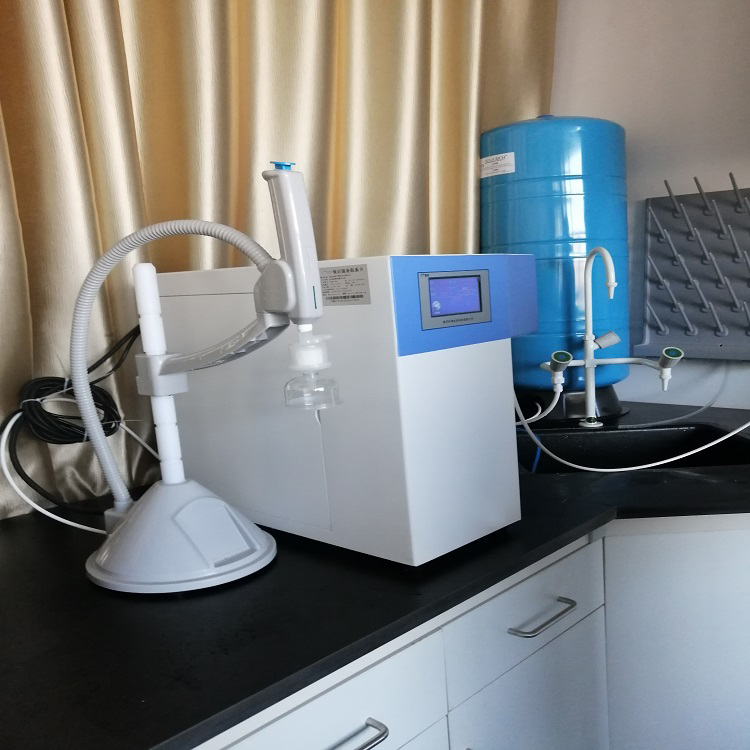
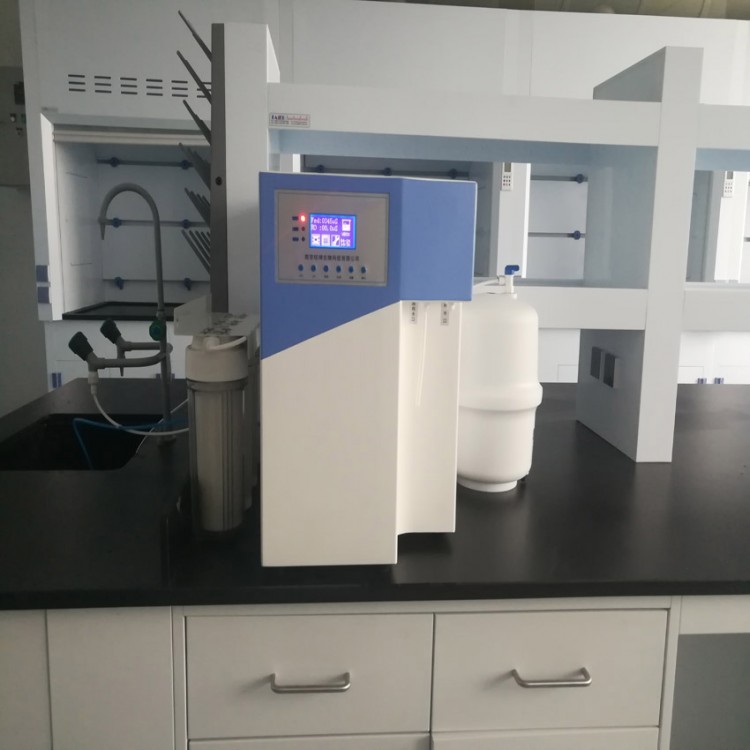
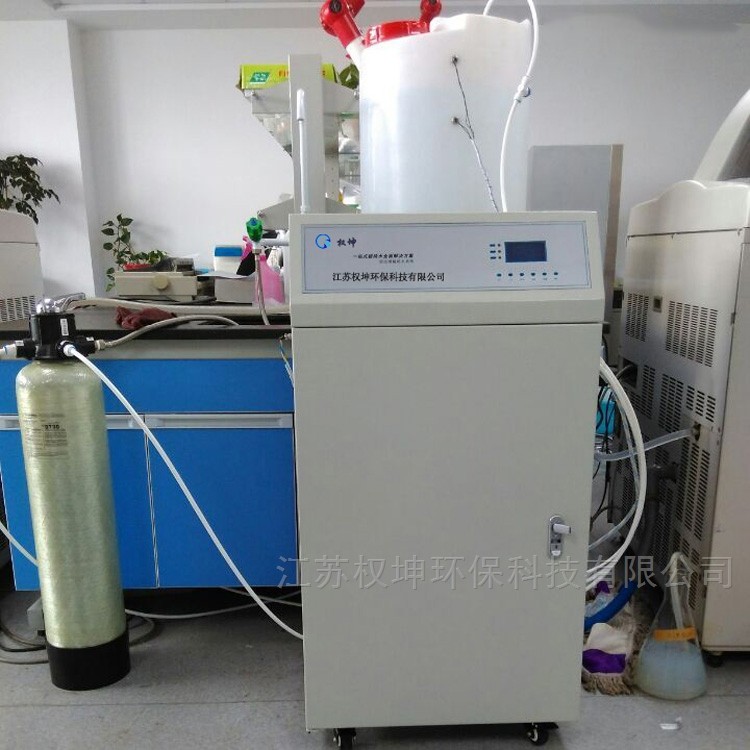
Laboratory Ultra-Pure Water System, Biochemical Analyzer Ultra-Pure Water Equipment, Quankun, Microcomputer Control
Laboratory ultra-pure water systems typically employ advanced reverse osmosis technology to produce pure water. The working principle of laboratory ultra-pure water systems is essentially to apply pressure to the water, allowing water molecules and ionic minerals to pass through the reverse osmosis membrane. Most inorganic salts (including heavy metals), organic matter, and bacteria, viruses, etc., which are dissolved in the water, cannot pass through the reverse osmosis membrane, thus strictly separating the pure water that has passed through and the concentrated water that has not. The pore size of the reverse osmosis membrane is only 0.0001 micrometers, while the diameter of viruses is generally 0.02-0.4 micrometers, and the diameter of common bacteria is 0.4-1 micrometers. The water from laboratory ultra-pure water systems meets drinking water standards. Some models also incorporate ion exchange and terminal treatment technologies on top of reverse osmosis. Certain models feature additional deep ion removal, ultra-filtration, and UV photo-oxidation equipment, producing water quality that exceeds the requirements of GB/T 6682-2008 for laboratory grade 1 water.
Water Quality Requirements:
Select an ultra-pure water system based on the required water quality. For laboratory-grade ultra-pure water, the quality standards are lower but must include: water resistivity of 18.2MΩ.cm, TOC < 10ppb, and filtration of particles as small as 0.1μm or smaller, with bacterial content below 1 CFU/ml.
Laboratory pure water quality requirements: conductivity < 1.0 μS/cm (resistivity > 1.0 MΩ.cm), total organic carbon (TOC) content less than 50 ppb, and bacterial count below 1 CFU/ml.
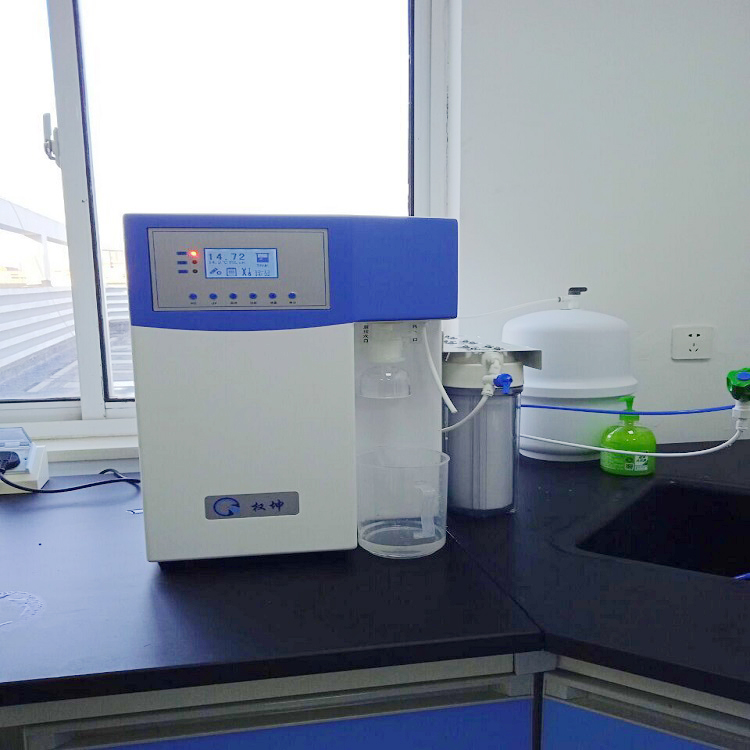
Performance Features:
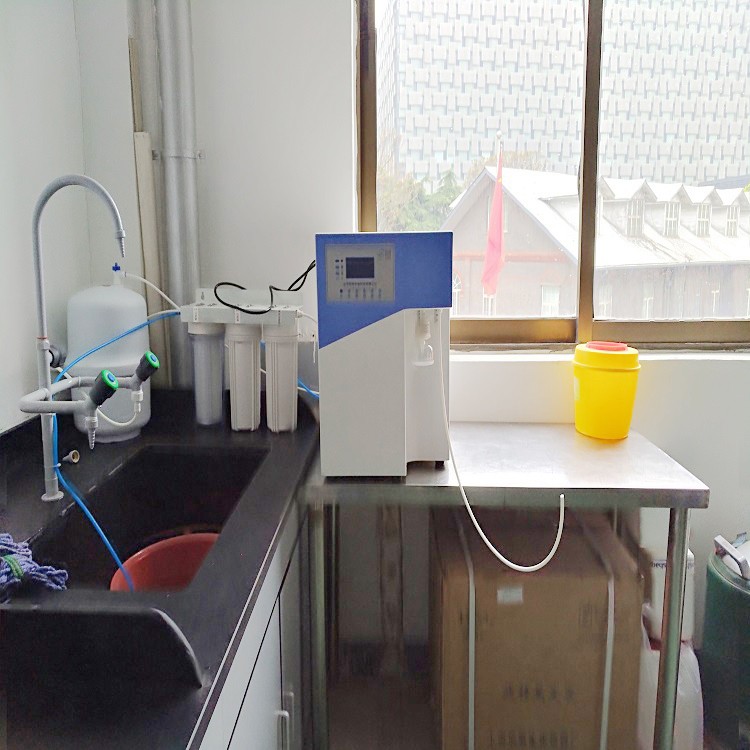
Directly usable city tap water can be processed into ordinary laboratory water and high-purity water, dual-purpose with one machine, catering to various water quality requirements, practical and convenient.
Produced using reverse osmosis water, distilled water, or deionized water as the source, high purity water is manufactured.
Complimentary pure water storage tank, providing users with the convenience of large-volume water retrieval.
High-resistance meter (or conductivity meter) conducts online water quality testing for produced water to ensure water quality.
Fully automatic control, ready to use at any time, no need for dedicated supervision, easy to operate.
Exquisite appearance, scientifically designed, and upgradeable functionality.
Ultra-pure treatment unit, featuring imported nuclear-grade polishing mixed bed resin.
Post-processing unit, equipped with imported special wavelength UV lamps.
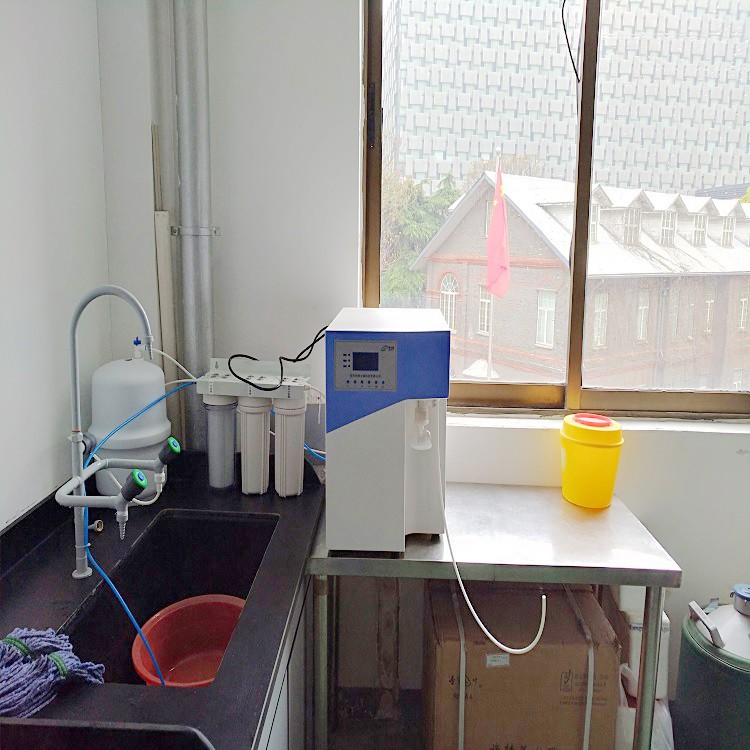
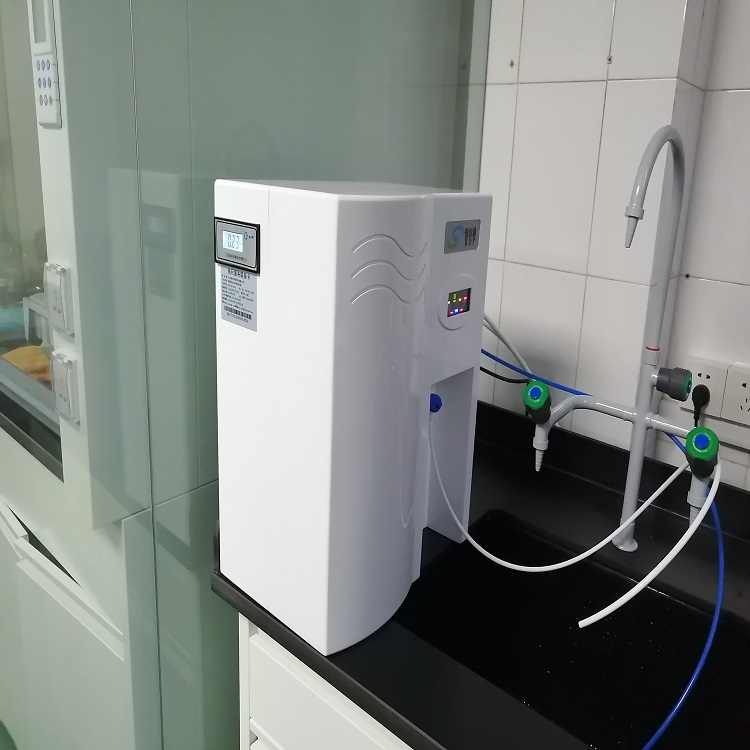
Laboratory Ultra-Pure Water Systems, Biochemical Analyzer Ultra-Pure Water Equipment, Quankun, Microcomputer Control
Features of Ultra-Pure Water Machines:
① The water storage桶 is a sealed, non-pressurized type, allowing the fully automatic biochemical analyzer to directly draw water into the machine.
② The water tanks are all large-sized for convenience during peak water usage in departments.
③ The reverse osmosis membranes and purification tanks are larger than standard ultra-pure water specifications (most domestic pure water machines are equipped with purification columns).
④ Due to the frequent replacement of consumables caused by high water output, biochemical analysis ultra-pure water equipment usually incorporates designs for cost-saving.
⑤ Biochemical analyzers are widely used in the laboratory department. The working hours of medical departments have certain peculiarities, requiring easy and quick consumables replacement for biochemical analyzers, as well as timely after-sales service. These requirements make the ultra-pure water machines for biochemical analysis simpler in user maintenance and consumables replacement.
⑥ Biochemical analysis ultra-pure water systems are typically floor-standing, increasing the internal space to accommodate more consumables, thereby reducing the frequency of consumable replacement.


