




- AllProduct Category
-
Lab Wastewater Treatment Equipment
Lab Wastewater Treatment Equipment
Ultra-Pure Water Equipment
Membrane Separation Equipment
Pure Water Equipment
Low-Temperature Evaporator
Ultra-Pure Water System
Integrated Wastewater Treatment Equipment
Reverse Osmosis Equipment
Pure Water Equipment
Ceramic Membrane Equipment



Recommended Products
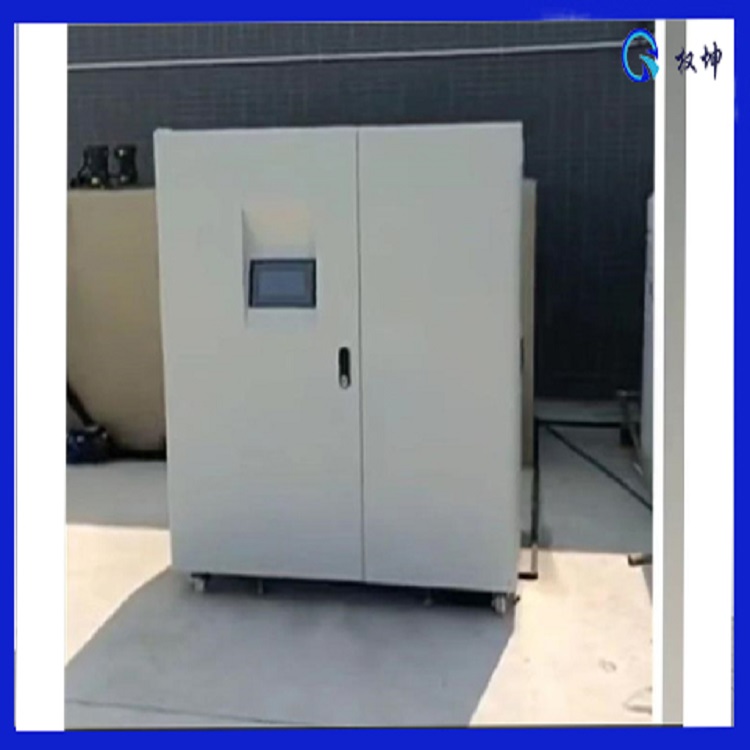
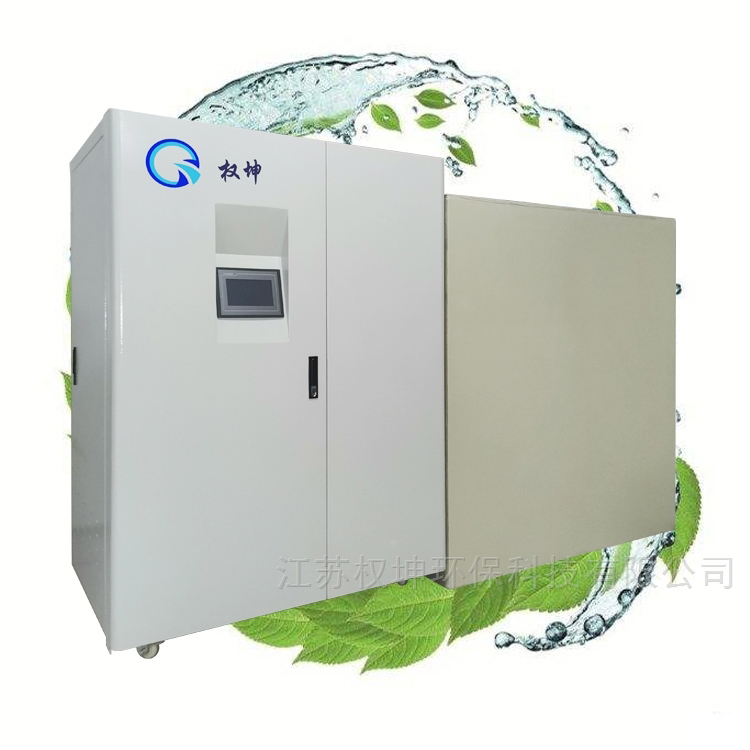
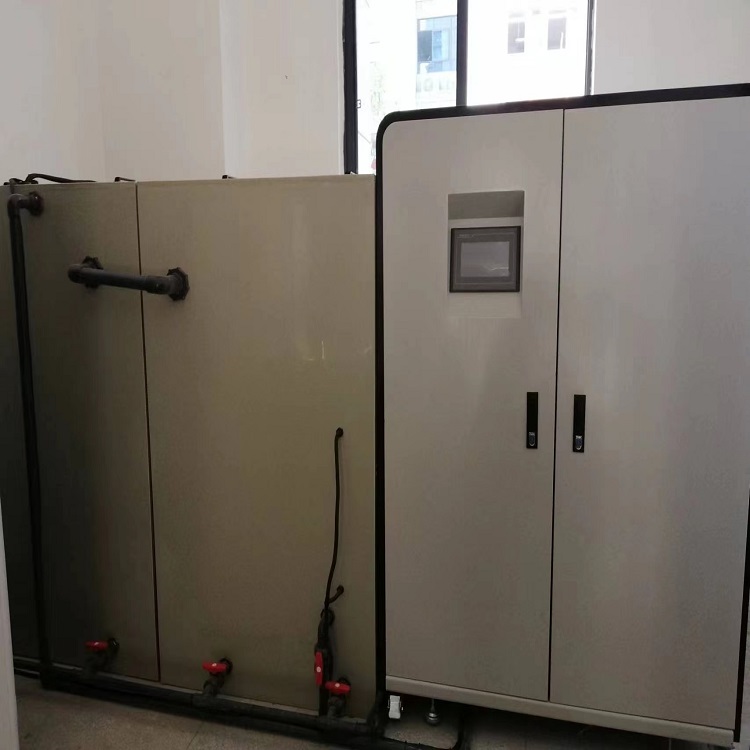
Quan Kun - Comprehensive Laboratory Waste Water Treatment Equipment - Remote Monitoring - Automated Control
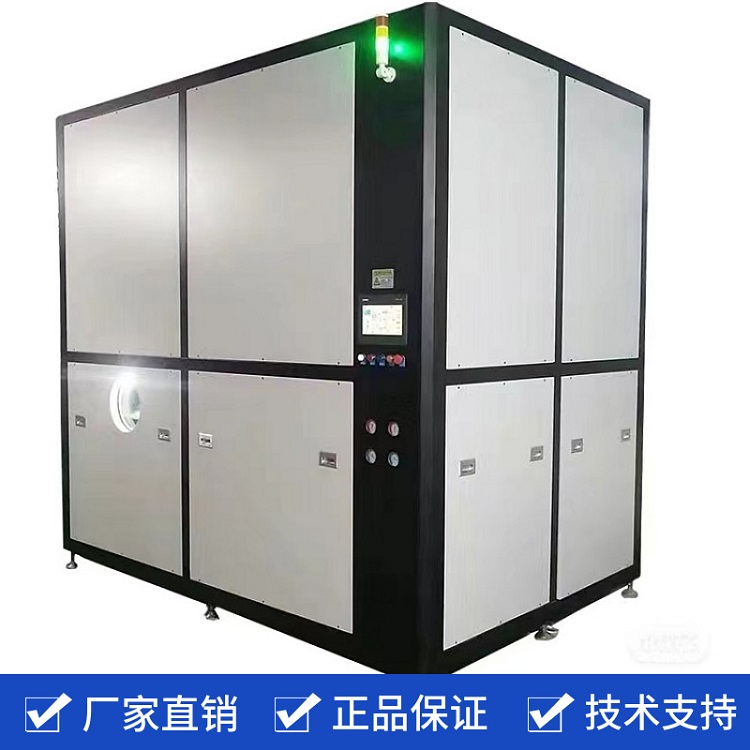
Sodium Chloride Wastewater Low-Temperature Evaporator - Intelligent Automatic - Quankun - Integrated Design
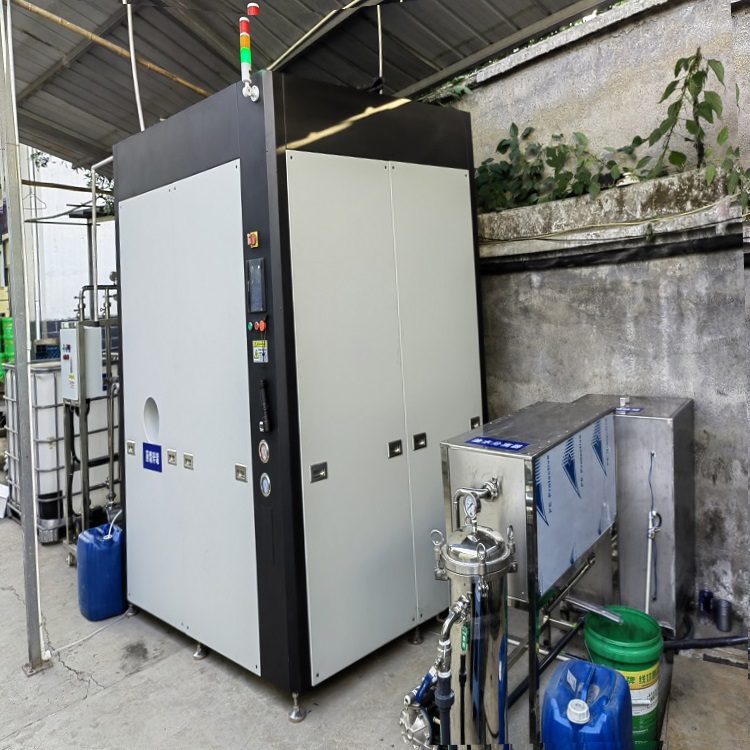
High-Concentration Oil Emulsion Waste Water Treatment Equipment - Quankun - Evaporator Unit - High Concentration Ratio
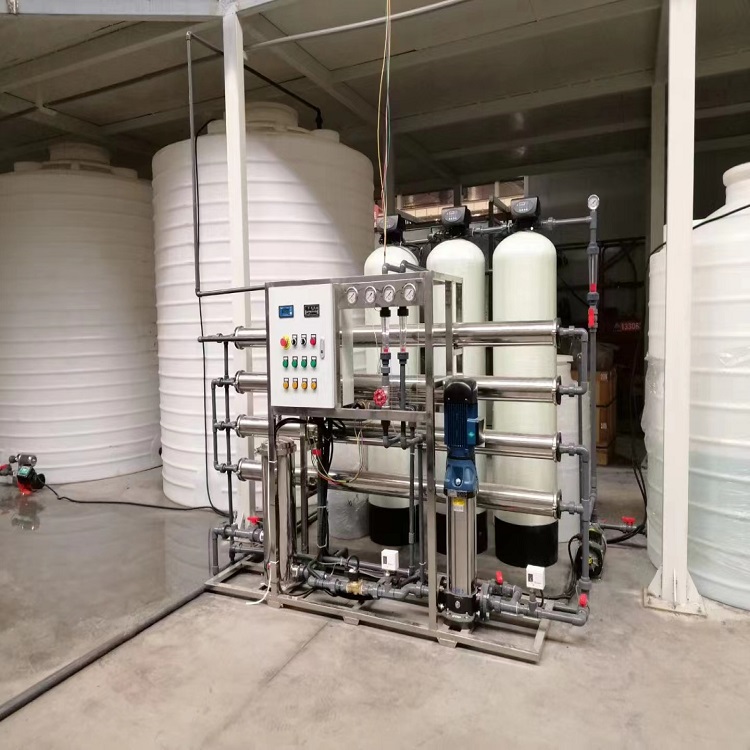
Industrial Pure Water Equipment EDI Ultra-Pure Water System Fully Automatic Control Quankun Environmental Protection
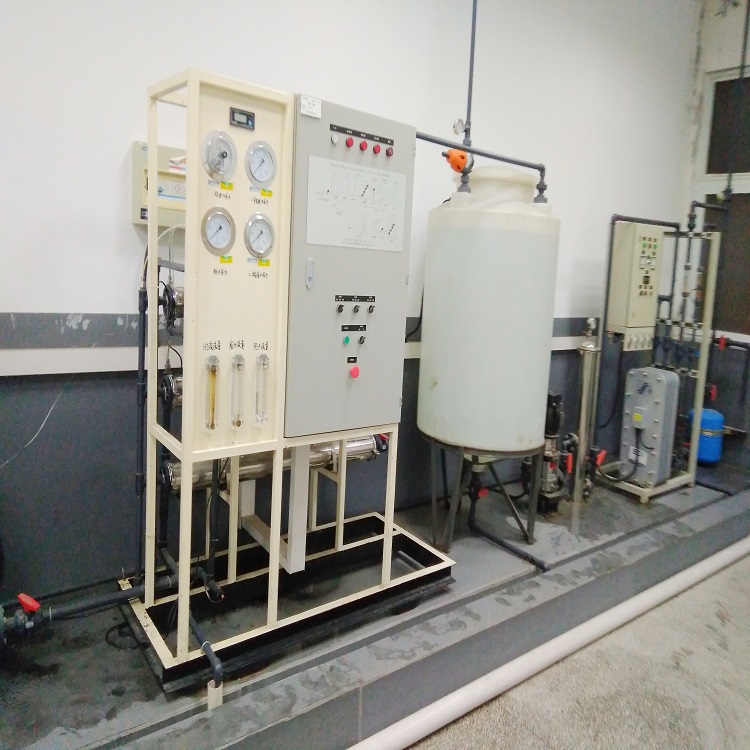
Shenzhen Industrial Ultra-Pure Water Equipment, equipped with EDI system, features low energy consumption and high degree of automation.
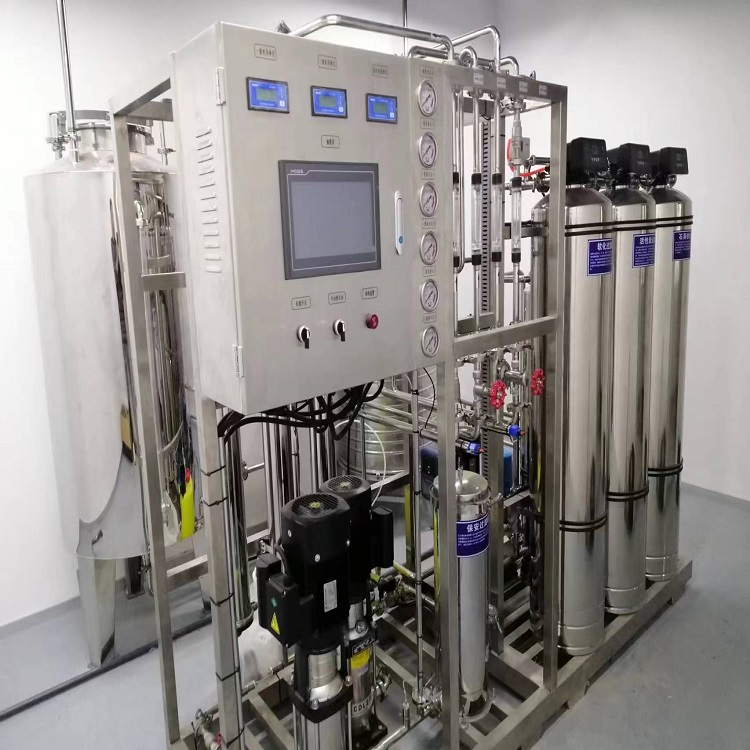
Shanghai industrial pure water production equipment reverse osmosis filtration system with high yield and customizable options, Quankun brand.
详情描述
Quankun Environmental Protection Bio-Laboratory Wastewater Treatment Equipment - Custom-Made from the Source Manufacturer
Experimental wastewater exhibits characteristics such as low volume, strong intermittency, high hazard, and complex and variable composition. Based on the nature of the main pollutants in the wastewater, it can be divided into two major categories: organic and inorganic wastewater. Inorganic wastewater primarily contains heavy metals, metal complexes, acids and bases, sulfides, halogen ions, and other inorganic ions. Organic wastewater includes common organic solvents, organic acids, ethers, organic phosphorus compounds, phenols, petroleum products, and fatty substances. Generally, due to strict collection and storage methods for experimental wastewater and waste materials during the experimental process, the concentration of pollutants entering the experimental wastewater system can be controlled within a certain range after storage and regulation. However, it still possesses certain corrosiveness and biological toxicity.
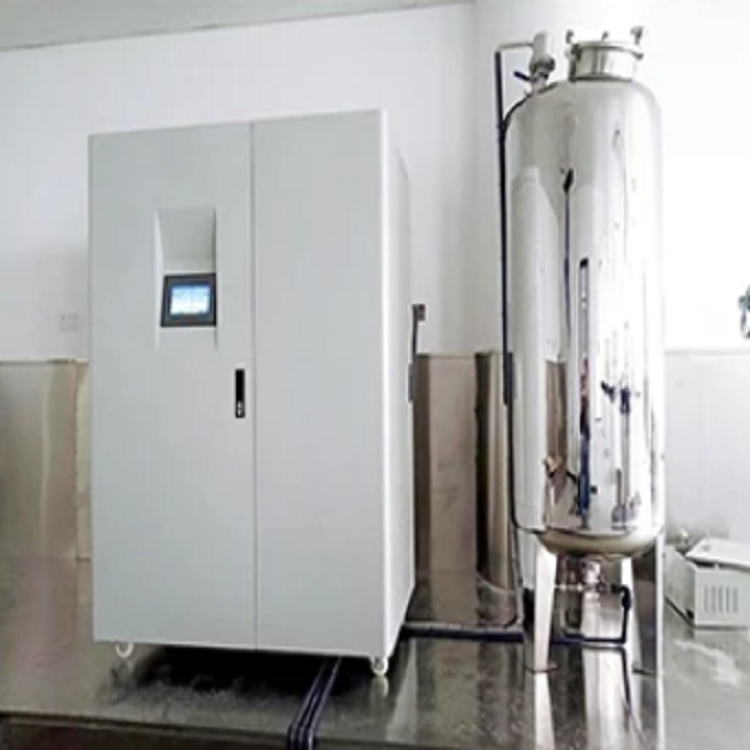
Traditional laboratory wastewater treatment processes mainly employ physical-chemical methods, which are effective for treating acidic and alkaline wastewater, oxidizing and reducing wastewater, and toxic and harmful wastewater. However, these methods are insufficient in terms of cost-effectiveness and their ability to remove low-concentration organic matter, nitrogen, and phosphorus when used for treating laboratory domestic wastewater.
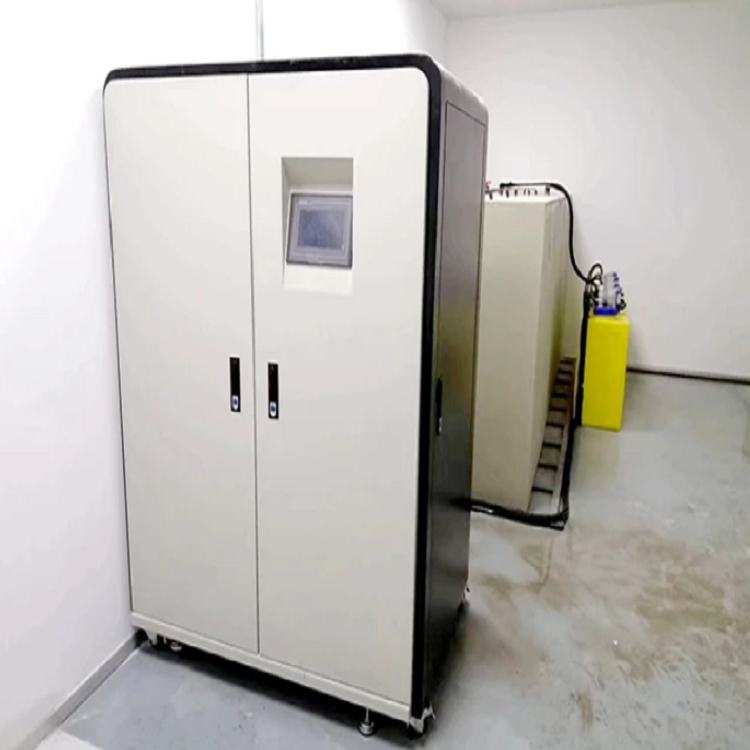
Laboratory wastewater treatment equipment, including a series of interconnected components such as a regulating pond, an integrated experimental wastewater pretreatment system, a septic tank, a regulating sedimentation tank, an anaerobic-aerobic contact biofilm reactor, and a slotted sedimentation tank. The experimental wastewater is first treated in the regulating pond and the integrated experimental wastewater pretreatment system, then combined with the laboratory's domestic wastewater and discharged into the septic tank. Afterward, it undergoes treatment in the regulating sedimentation tank, the anaerobic-aerobic contact biofilm reactor, and the slotted sedimentation tank before being discharged in compliance with standards.
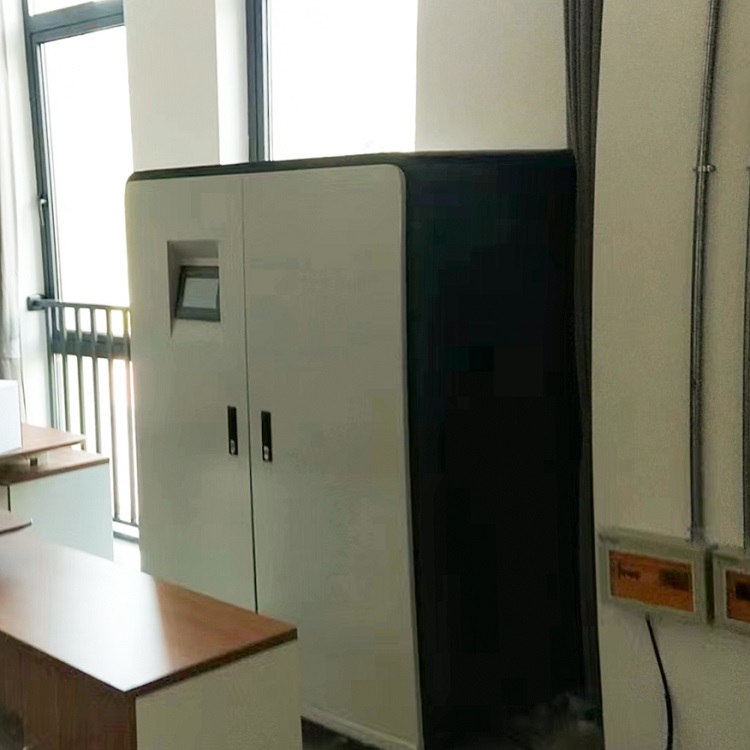
Working Principle:
This equipment is a modular, high-efficiency biological wastewater treatment unit, a wastewater biological treatment system that primarily utilizes biofilm for purification. It maximizes the features of biofilm reactors such as anaerobic biofilter, contact oxidation bed, including high biomass density, strong tolerance to pollutants, low energy consumption, stable operation, and easy maintenance, making the system highly applicable and valuable for promotion.
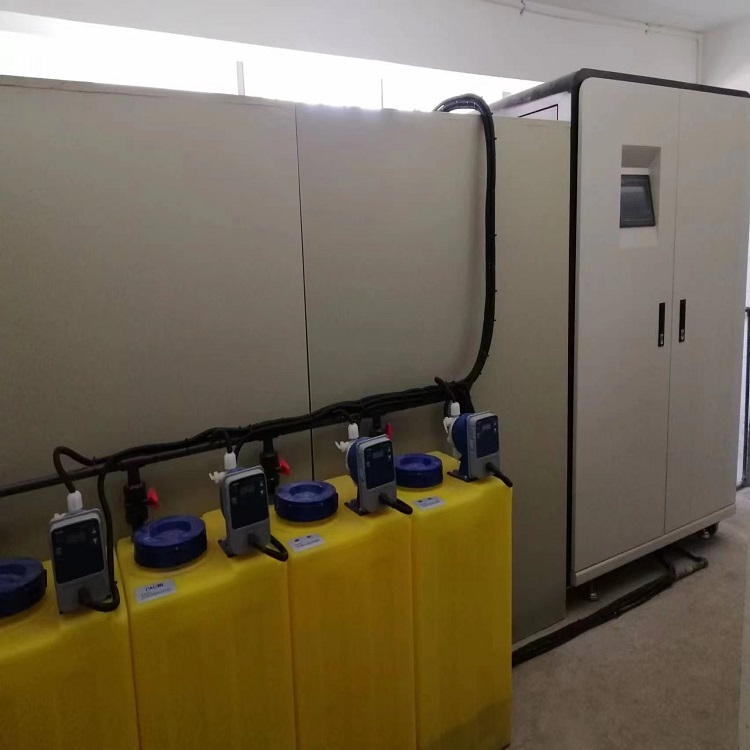
Quankun Environmental Protection Bio-Laboratory Wastewater Treatment Equipment, Custom Made from the Source Manufacturer
Craftsmanship Features:
1. Ideal static sedimentation, yielding superior treated effluent water quality.
2. Alternating aerobic and anaerobic operations successfully achieve nitrogen removal from wastewater.
3. No use of blowers for aeration, thus avoiding noise pollution from blowers and the difficulties associated with replacing and maintaining aeration heads.
4. Utilizes a unique construction method to minimize the spread of odors.
5. A well-designed sludge residue solution minimizes manual operations, ensuring stable and reliable system performance.
6. Programmable automatic control with simple operation and management, allowing for easy adjustments based on actual conditions to achieve optimal operational results.
7. Integrated manufacturing maximizes system integration and minimizes land usage.


