



- AllProduct Category
-
Lab Wastewater Treatment Equipment
Lab Wastewater Treatment Equipment
Ultra-Pure Water Equipment
Membrane Separation Equipment
Pure Water Equipment
Low-Temperature Evaporator
Ultra-Pure Water System
Integrated Wastewater Treatment Equipment
Reverse Osmosis Equipment
Pure Water Equipment
Ceramic Membrane Equipment



Recommended Products
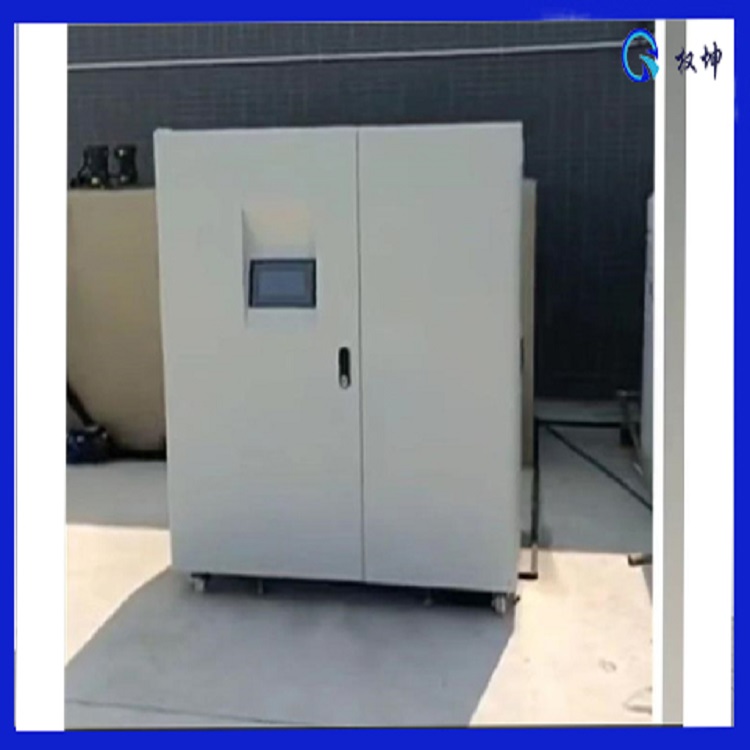
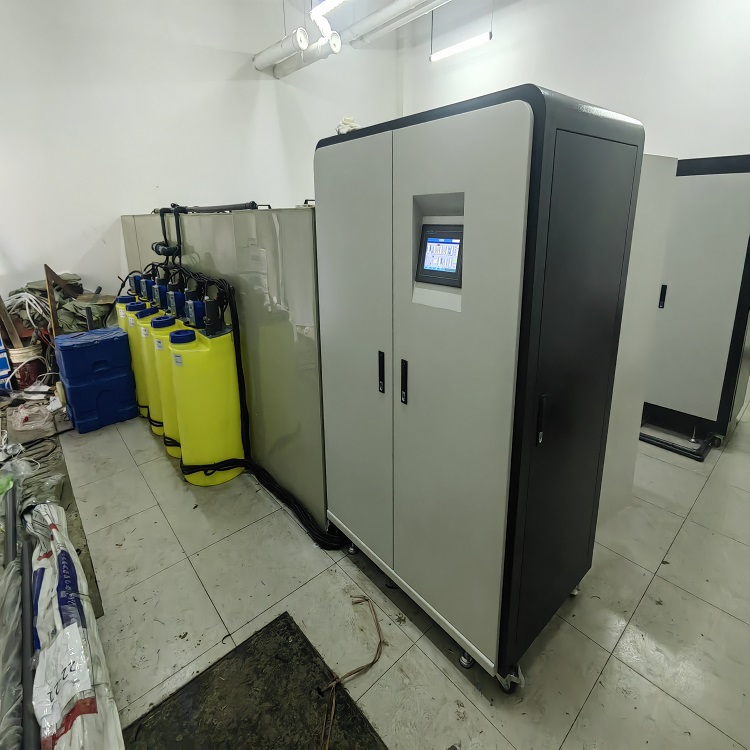
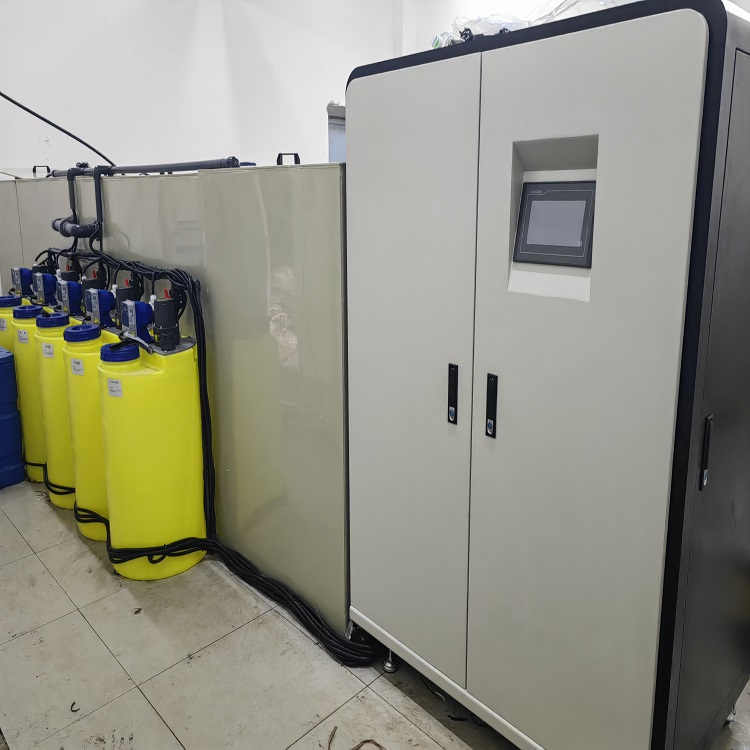
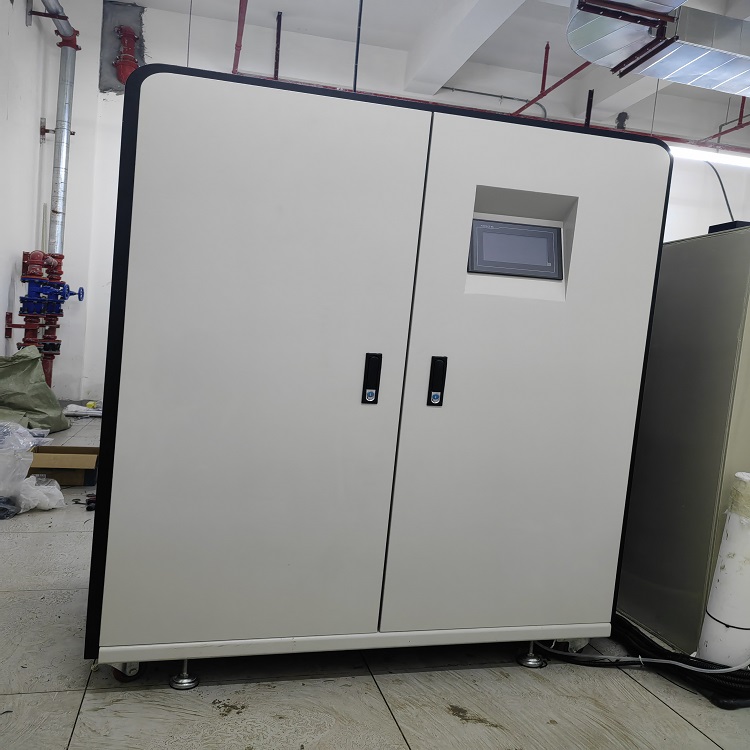
Quan Kun - Comprehensive Laboratory Waste Water Treatment Equipment - Remote Monitoring - Automated Control
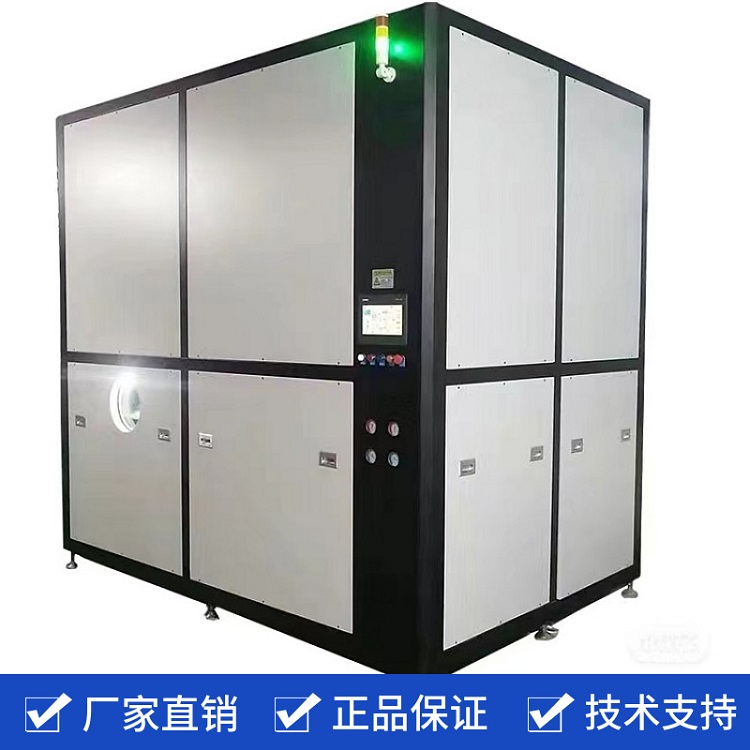
Sodium Chloride Wastewater Low-Temperature Evaporator - Intelligent Automatic - Quankun - Integrated Design
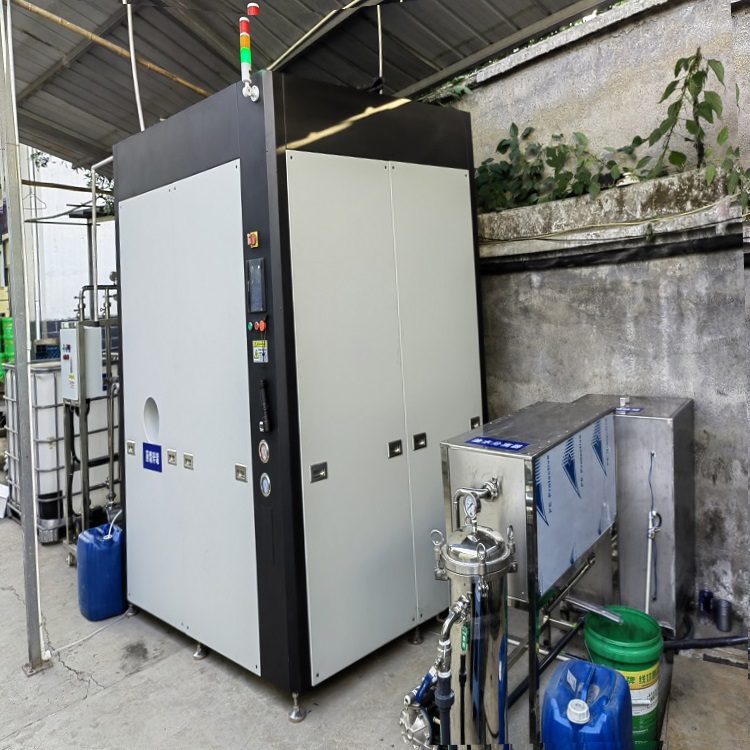
High-Concentration Oil Emulsion Waste Water Treatment Equipment - Quankun - Evaporator Unit - High Concentration Ratio
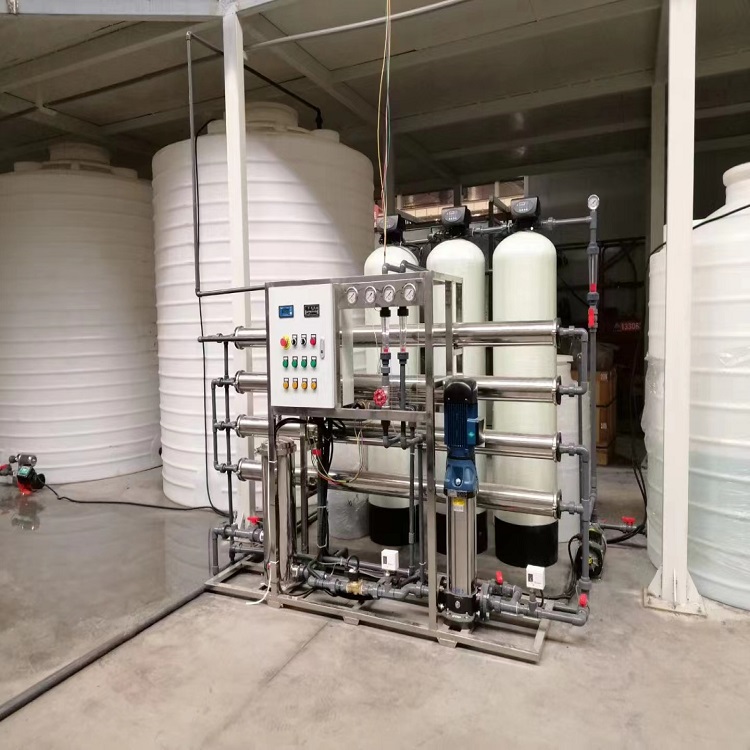
Industrial Pure Water Equipment EDI Ultra-Pure Water System Fully Automatic Control Quankun Environmental Protection
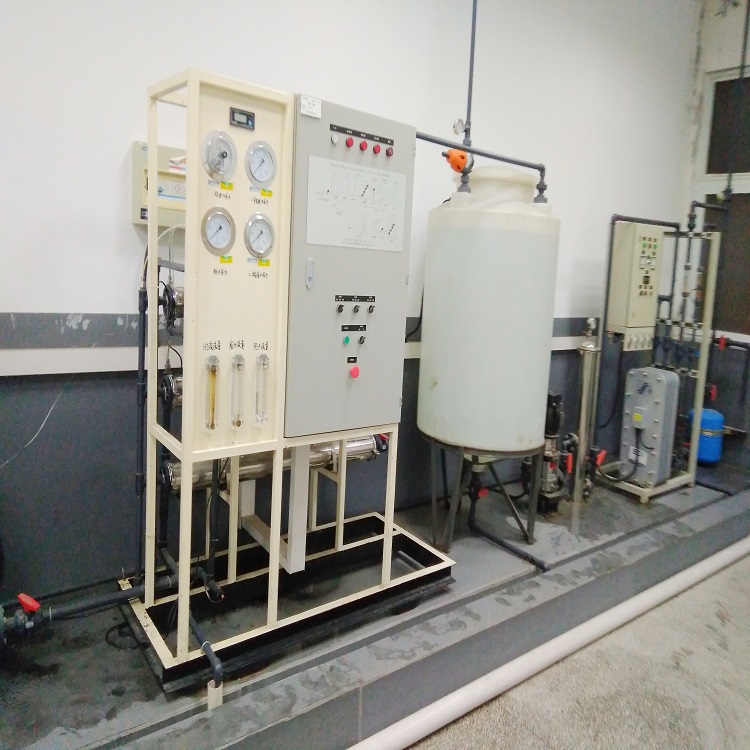
Shenzhen Industrial Ultra-Pure Water Equipment, equipped with EDI system, features low energy consumption and high degree of automation.
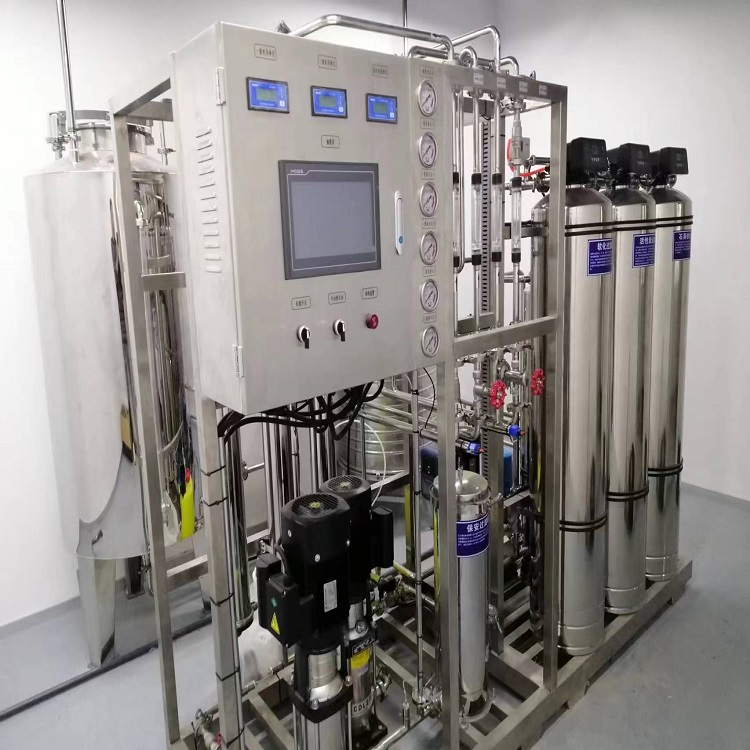
Shanghai industrial pure water production equipment reverse osmosis filtration system with high yield and customizable options, Quankun brand.
详情描述
Medical Facility Wastewater Treatment Equipment - Comprehensive Treatment Equipment for Chemical Laboratory Wastewater - Process Flow
Reagents and pharmaceuticals used in the lab range from nearly a hundred to over a thousand types. Currently, experimental courses cover a variety of experiments such as verifying the properties of substances, quantitative analysis, organic synthesis, and extraction of organic compounds. The chemicals used include common acids, bases, heavy metal salts, phenols, and other organic compounds. Most of these can cause serious environmental pollution. Many reagents and their reaction by-products, such as various acids, bases, heavy metal salts, and organic compounds, are harmful to both the environment and human health. Some of these substances can persist in the environment for a long time and are difficult to degrade; others accumulate in the food chain and cause toxicity in the human body; and some even cause secondary pollution during the degradation process.
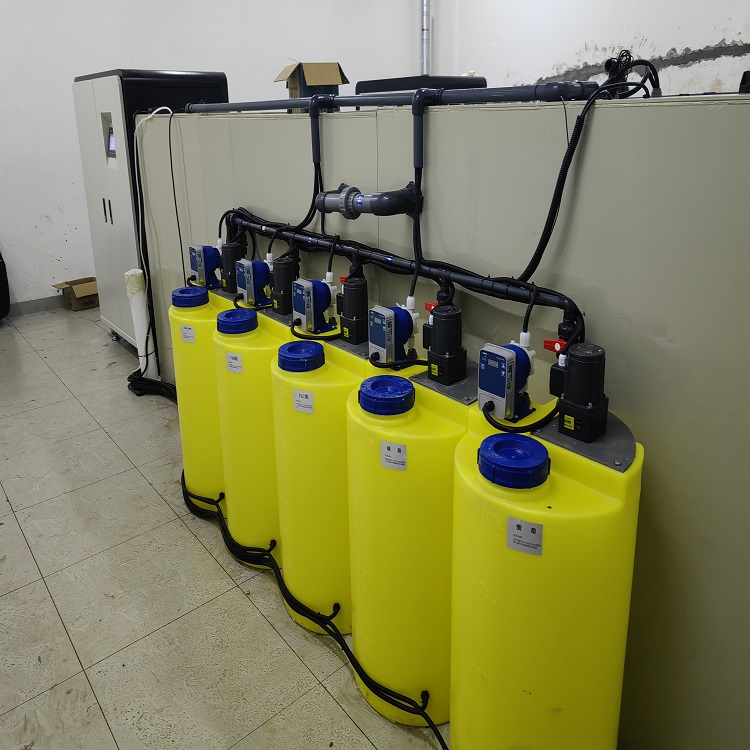
Design Fundamentals for Laboratory Wastewater Treatment Equipment
1. Laboratory Wastewater Sources: Comprehensive laboratory wastewater generated from activities such as pharmaceuticals, reagents, solutions, and instrument cleaning.
2. Comprehensive wastewater composition of the laboratory: inorganic substances, organic substances, biological wastewater, etc.
1) Inorganic waste water: heavy metal ions, acid-base pH values, halogen ions, and other non-metallic ions.
2) Organic Wastewater: Organic solvents, ammonia nitrogen, benzene, benzene, organic phosphorus drugs, etc.
3) Biological Waste: Viruses, Chlamydia, Mycoplasma, Spirochetes, Fungi, Brucella, Anthrax Bacilli, etc.
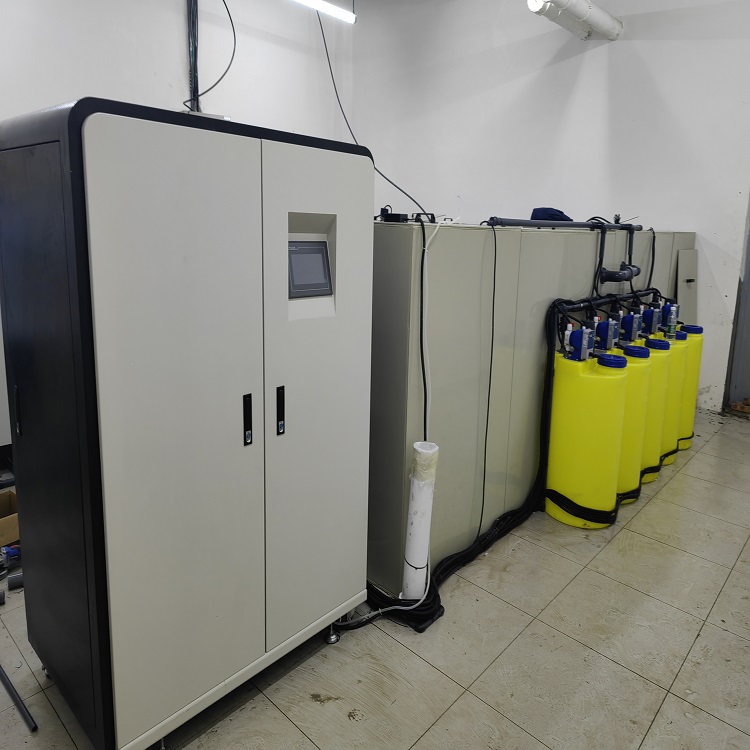
Product Features:
Utilizing dissolution method, automatic sustained-release, and pressure-chlorination process design, primarily using solid CL medication containing over 80% as the main raw material. After being mixed with water in a rational proportion, the disinfectant produced through sustained-release is introduced into the required pool (well) for full contact and sterilization disinfection.
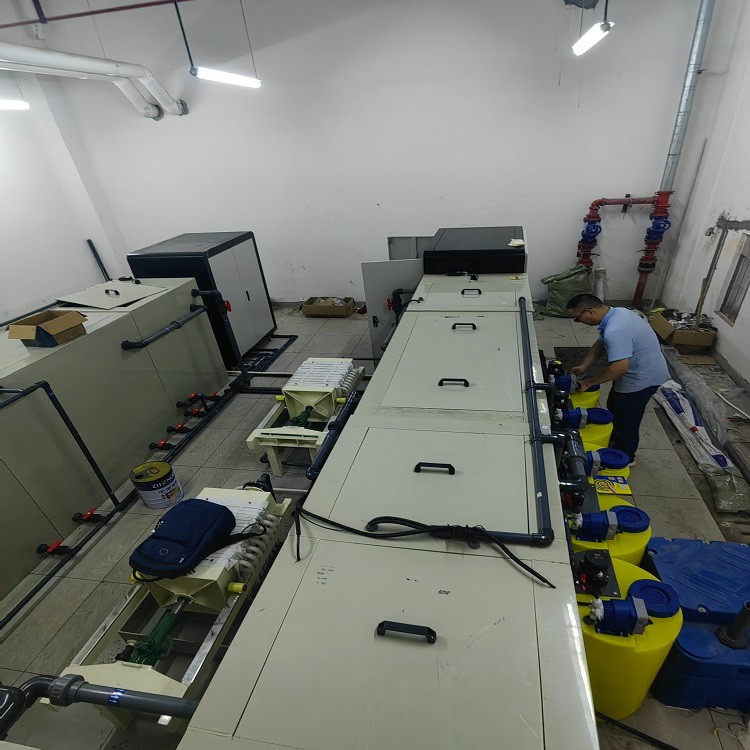
The laboratory wastewater treatment system consists of units for wastewater classification collection, wastewater adjustment, advanced wastewater treatment, sedimentation separation, physical treatment, biological treatment, and comprehensive wastewater purification. It employs various treatment processes such as chemical pretreatment, chemical advanced treatment, inclined tube sedimentation, multi-stage disinfection and sterilization, filtration sedimentation separation, microelectrolysis technology with high and low potential differences, electrochemical oxidation-reduction technology, two-stage organic biological membrane purification, novel packed bed photo-catalytic reaction technology for organic wastewater, selective mass transfer of fresh liquid, and molecular imprinting technology on hyphal surface, to comprehensively treat organic, inorganic, and biological wastewater generated in the laboratory. This effectively removes COD, BOD, SS, color, and heavy metal ions from the wastewater. Different treatment technologies and control systems are used for wastewater treatment based on the composition of different experimental wastewater.
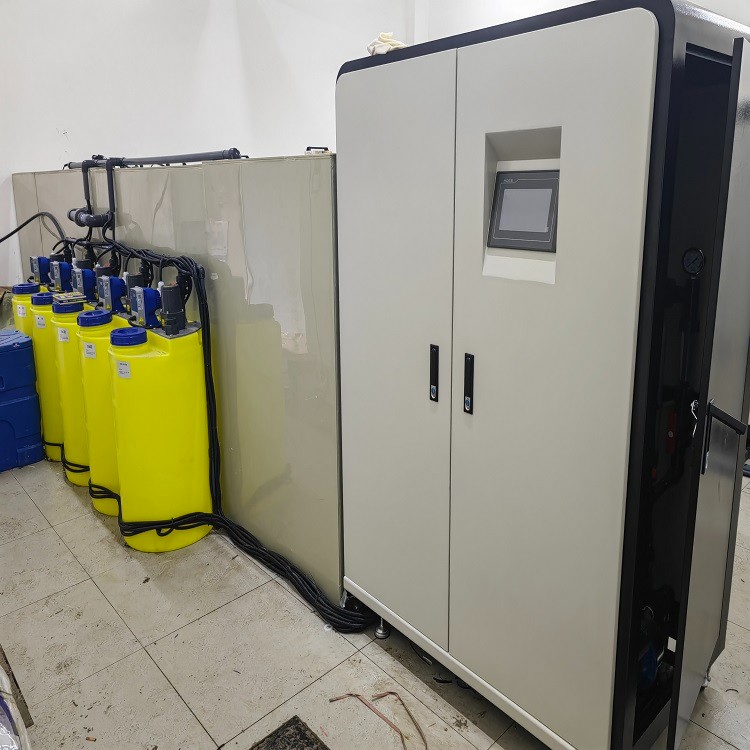
Operating Principle:
Laboratory wastewater treatment equipment primarily utilizes coagulation, sedimentation, oxidation, and high-efficiency sterilization to remove and kill bacteria, heavy metals, COD, viruses, and other contaminants in biological wastewater. Within a certain pH range, it can destroy all microorganisms, including bacterial spores, bacterial endospores, fungi, mycobacteria, and various infectious viruses such as hepatitis viruses. The wastewater treatment process employs automatic control, requiring no dedicated supervision throughout the entire procedure.
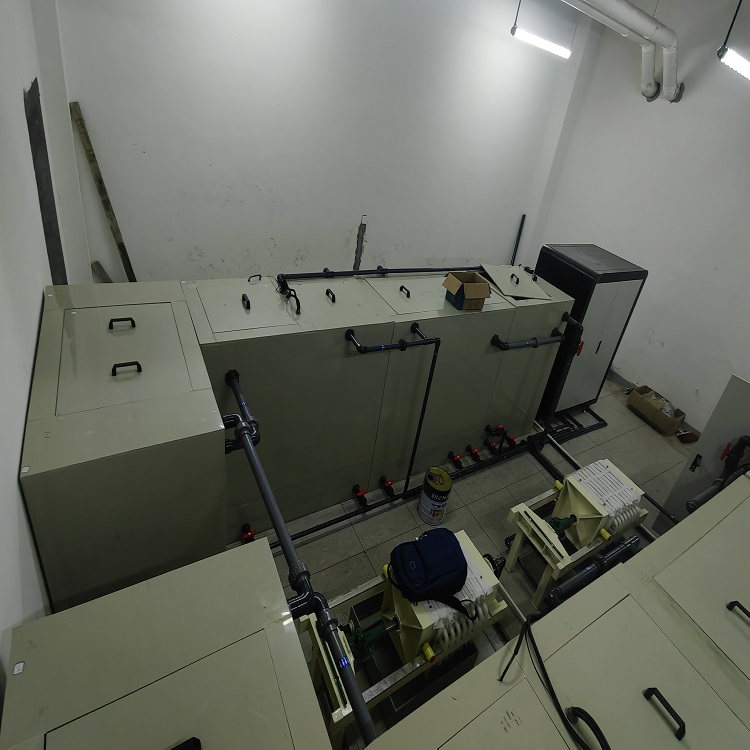
Medical Waste Water Treatment Equipment - Comprehensive Treatment Equipment for Chemical Laboratory Wastewater - Process Flow
Design Principles:
① For the characteristics of high-concentration organic wastewater, this scheme employs a combined physical-chemical and aerobic biochemical treatment process, which is relatively advanced, mature, and reliable both domestically and internationally, ensuring that the effluent meets the design requirements for all indicators.
② The wastewater treatment facility offers significant flexibility and adjustability in operation to accommodate changes in water quality and quantity.
③ Thoroughly consider measures such as vibration reduction, noise reduction, and odor control for the wastewater treatment system to prevent secondary environmental pollution.
④ Wastewater treatment primarily uses aerobic biochemical treatment, with main structures made of steel and concrete. The layout is rationally designed according to the treatment processes, offering practicality, reliability, compact arrangement, minimal land use, cost-effective engineering investment, and a short construction period.
⑤Easy to operate and manage, with simple technical requirements, capable of full automation control.


