



- AllProduct Category
-
Lab Wastewater Treatment Equipment
Lab Wastewater Treatment Equipment
Ultra-Pure Water Equipment
Membrane Separation Equipment
Pure Water Equipment
Low-Temperature Evaporator
Ultra-Pure Water System
Integrated Wastewater Treatment Equipment
Reverse Osmosis Equipment
Pure Water Equipment
Ceramic Membrane Equipment



Recommended Products
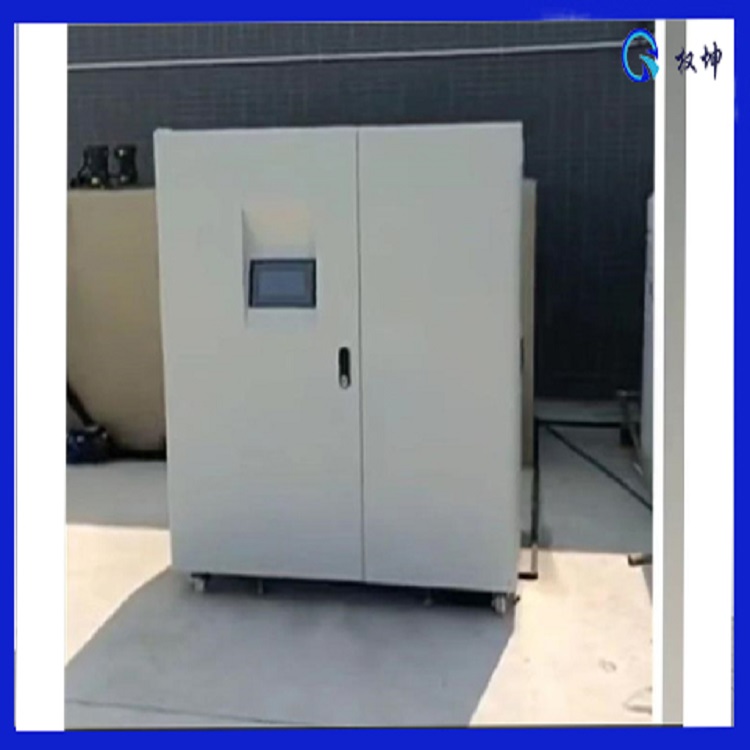
Quan Kun - Comprehensive Laboratory Waste Water Treatment Equipment - Remote Monitoring - Automated Control
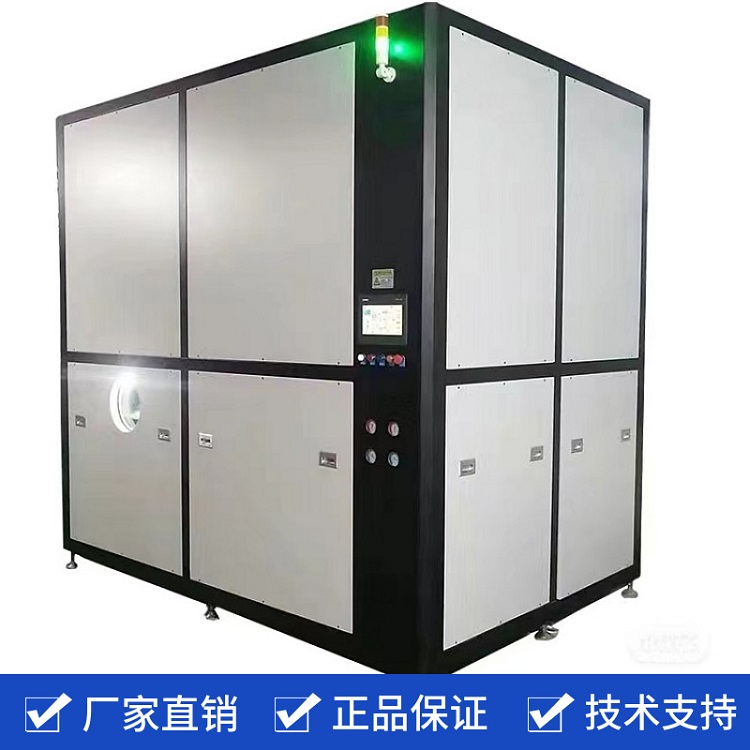
Sodium Chloride Wastewater Low-Temperature Evaporator - Intelligent Automatic - Quankun - Integrated Design
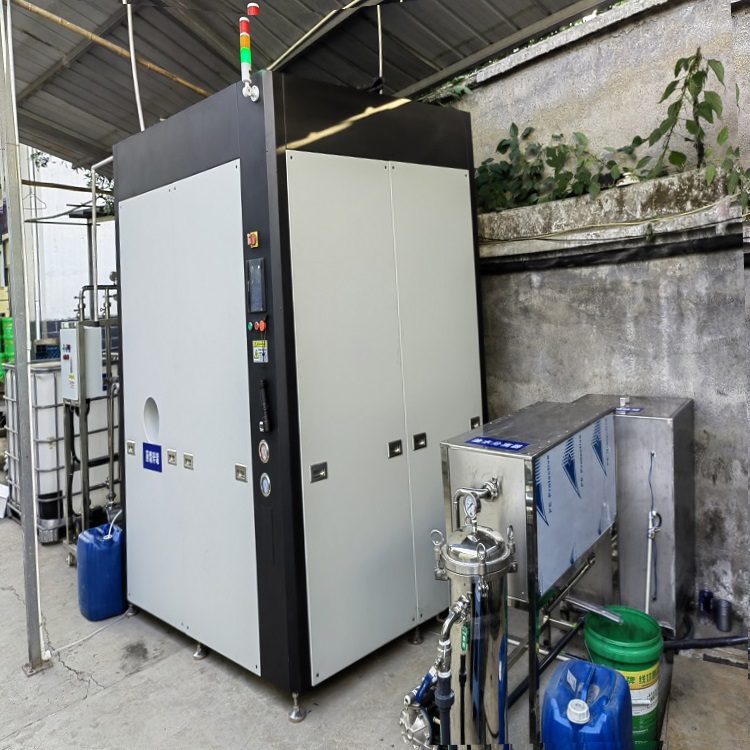
High-Concentration Oil Emulsion Waste Water Treatment Equipment - Quankun - Evaporator Unit - High Concentration Ratio
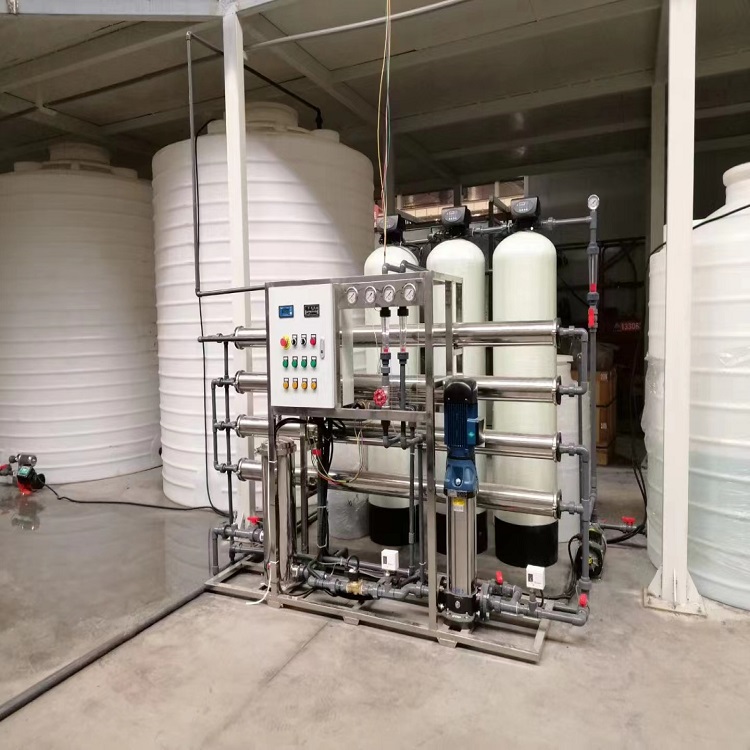
Industrial Pure Water Equipment EDI Ultra-Pure Water System Fully Automatic Control Quankun Environmental Protection
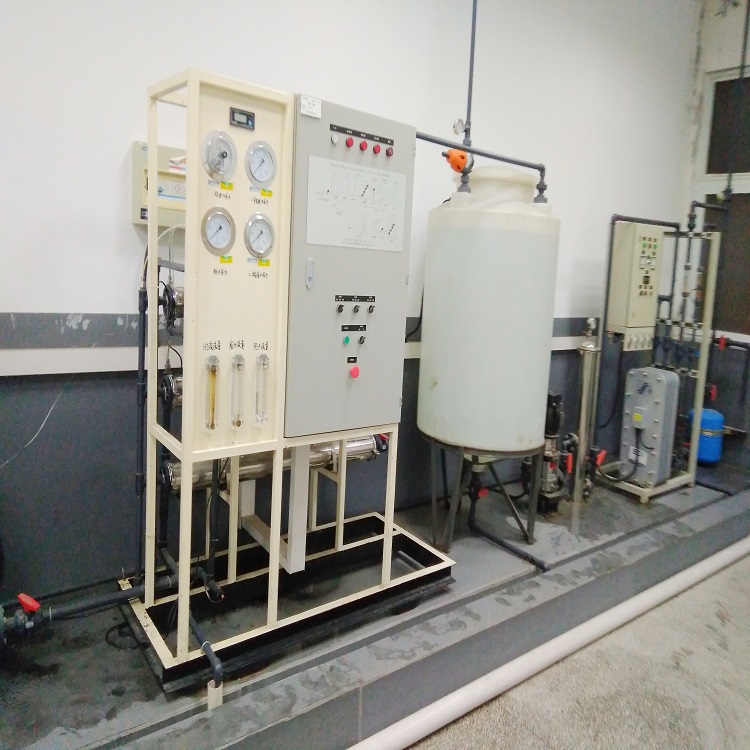
Shenzhen Industrial Ultra-Pure Water Equipment, equipped with EDI system, features low energy consumption and high degree of automation.
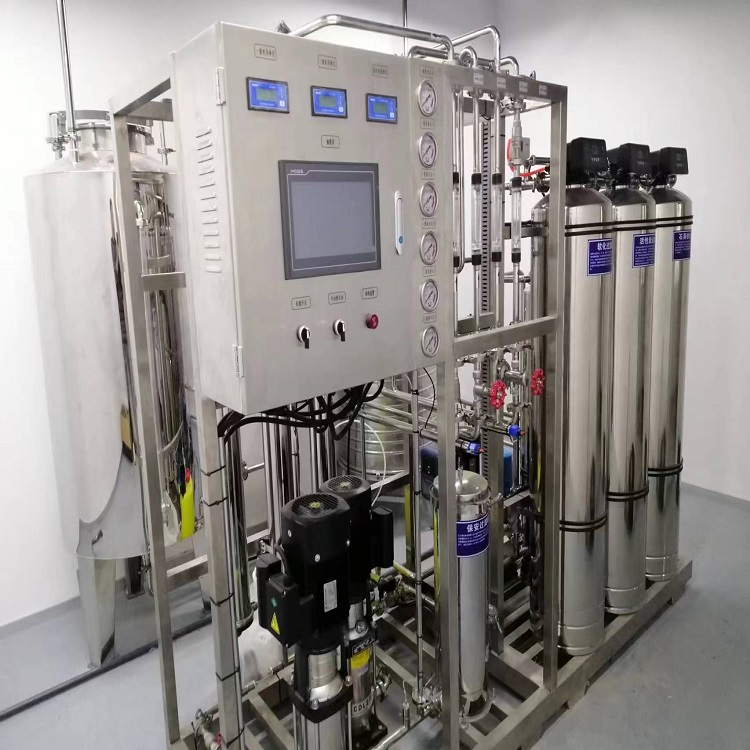
Shanghai industrial pure water production equipment reverse osmosis filtration system with high yield and customizable options, Quankun brand.
详情描述
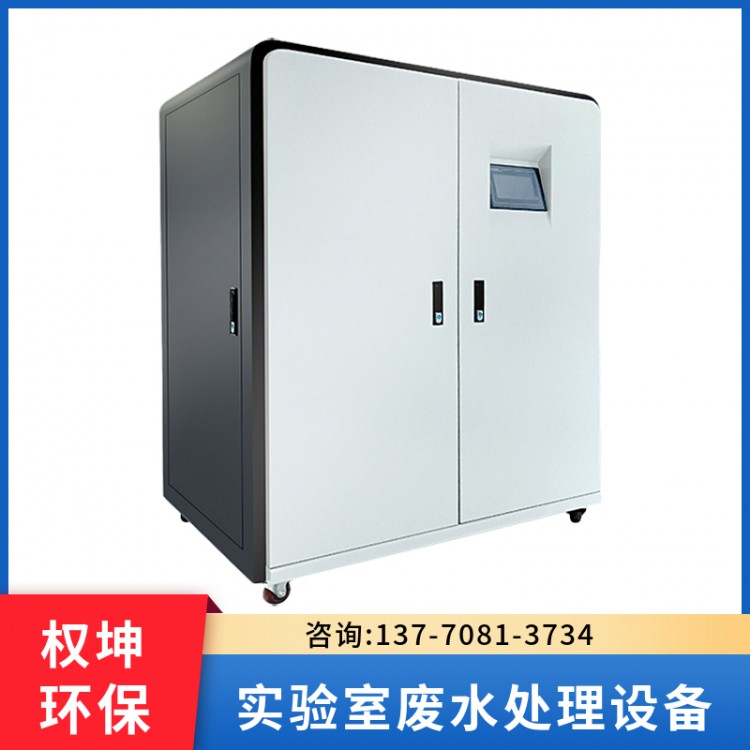
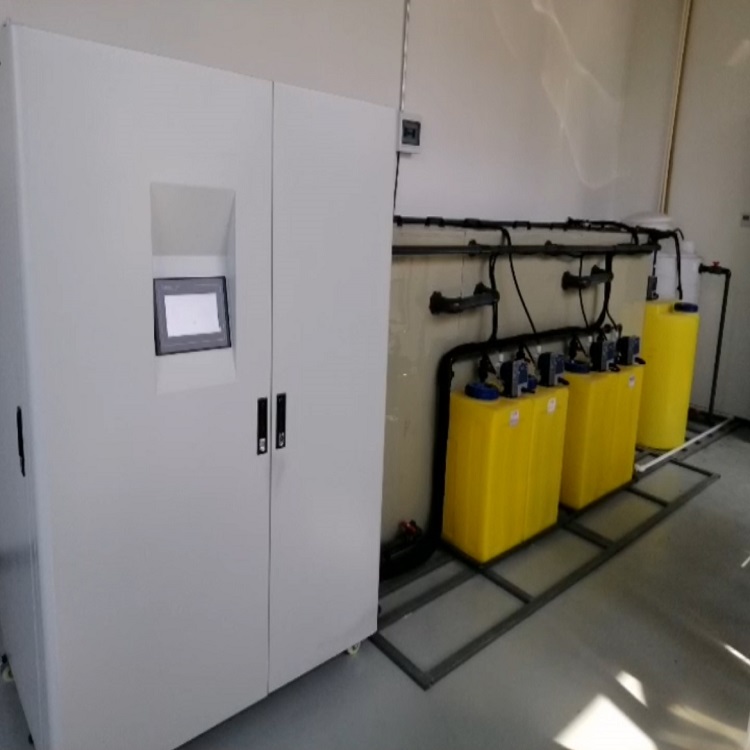
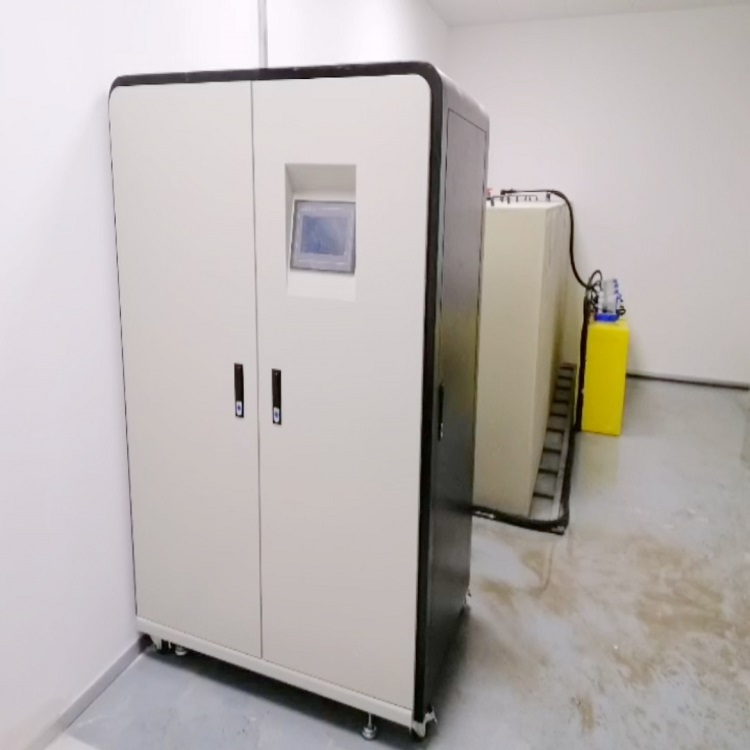
School Laboratory Wastewater Treatment Equipment - Physical and Chemical Laboratory Sewage Treatment System
Introduction to Laboratory Wastewater Treatment Equipment
Laboratory wastewater treatment equipment includes wastewater collection unit, automatic adjustment unit, pretreatment unit, automatic dosing unit, coagulation and air flotation mixing unit, flocculation and sedimentation unit, sedimentation and separation unit, solid-liquid separation unit, sludge drying unit, heavy metal capture unit, filtration and adsorption unit, new catalytic micro-electrolysis treatment unit, high and low potential difference micro-electrolysis technology treatment unit, electrochemical catalytic oxidation-reduction proprietary technology treatment unit, photocatalytic reaction technology treatment unit, multi-stage deep decomposition and degradation treatment unit, two-stage organic biological activity treatment unit, new biological reaction treatment unit, composite disinfection treatment unit, and new organic wastewater packed bed photocatalytic reaction special technology. This forms a complete laboratory comprehensive wastewater treatment system. The system operates automatically with a PLC programmable control system, human-machine interface operating system, remote monitoring, and operation system, following the program set by the PLC controller and the parameters set by the pH/ORP automatic controller, featuring multi-level automatic on-line monitoring.
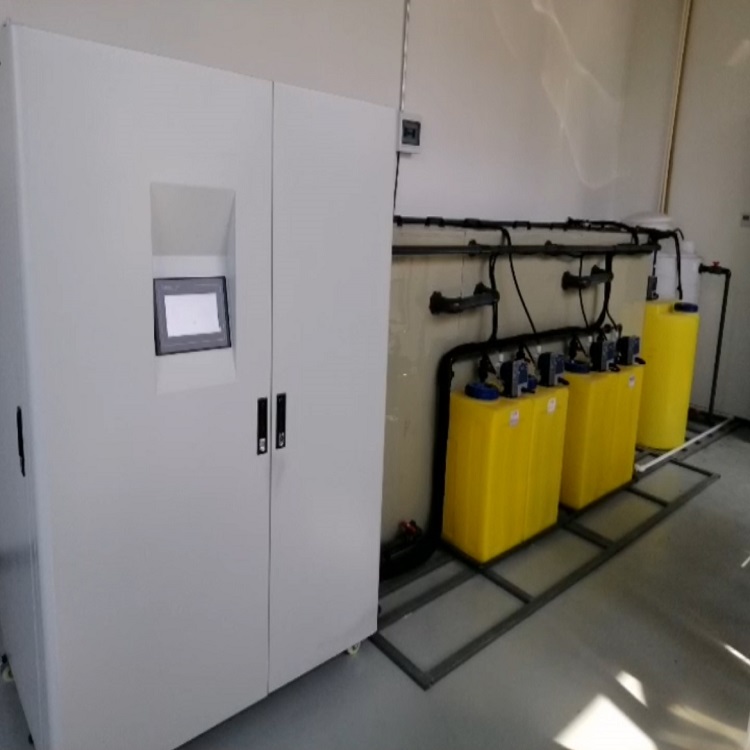
Product Features:
1. Buried below ground level, the surface above the equipment can be used for landscaping or other purposes, without the need for construction or heating and insulation.
2. The secondary biological contact oxidation process utilizes a plug flow design for biological contact oxidation, offering superior treatment effects compared to mixed or two-stage serial mixed biological contact oxidation pools. It also boasts a smaller volume than an activated sludge pool, strong adaptability to water quality, excellent resistance to shock loads, and stable effluent water quality without sludge expansion. The pool incorporates new elastic three-dimensional media, which have a larger surface area, facilitate easy biofilm formation and removal by microorganisms, and under the same organic load conditions, achieve a high removal rate of organic matter. Additionally, it enhances the solubility of oxygen in water.
3. The biochemical pool employs the biological contact oxidation method, with a relatively low volume load of fillers. Microorganisms are in their self-oxidation phase, resulting in a minimal sludge production. A sludge discharge is only required every 90 days (or more) — either by using a manure truck for suction or by dewatering into sludge cakes for external transport.
4. The deodorization method not only employs conventional high-altitude exhaust, but also includes soil deodorization measures.
5. The entire equipment processing system is equipped with an automatic electrical control system and a device fault alarm system, ensuring safe and reliable operation. Generally, no dedicated personnel management is required on a daily basis; only timely maintenance and care for the equipment are needed.
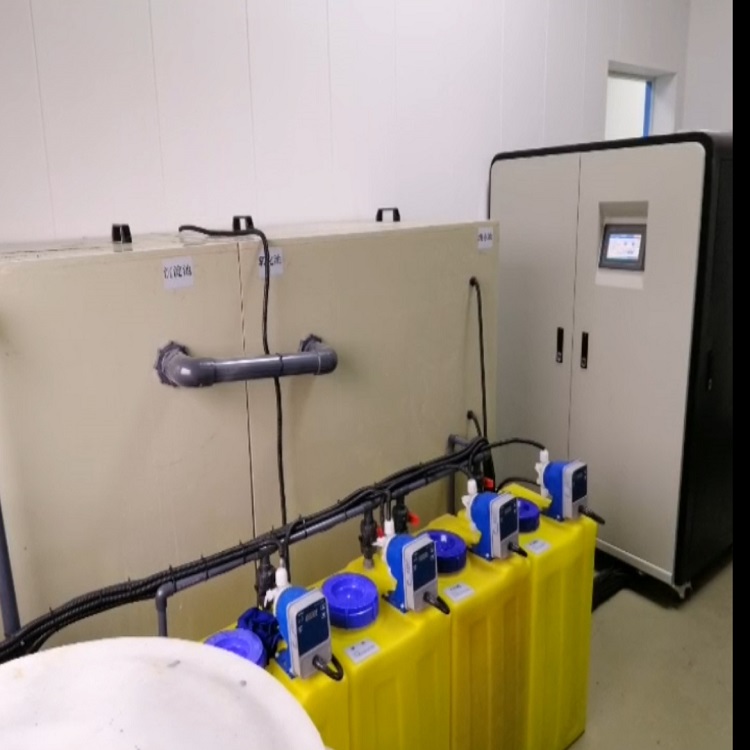
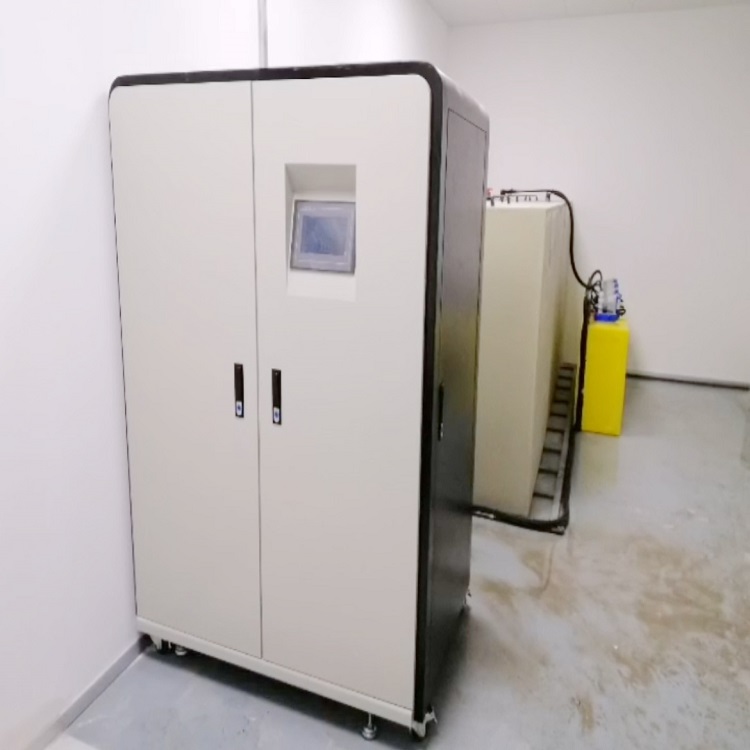
Laboratory Water Treatment Equipment Features:
1. Capable of denitrification and phosphorus removal, able to meet the requirements for treating industrial wastewater, domestic wastewater, and urban wastewater by adjusting the equipment structure.
2. The equipment has strong impact load resistance, and the average residence time in the contact oxidation process is over 6 hours.
3. The equipment produces stable effluent quality with minimal sludge generation and easy disposal.
4. The equipment in contact with the oxidation pond is equipped with an aeration blower for aeration, which allows the fibers to continuously float and ensures uniform aeration. This promotes the growth and maturation of microorganisms within the tank, exhibiting characteristics of the activated sludge process.
5. Water treatment equipment can be placed above ground level or buried underground. It reduces the land footprint and conserves land area. When buried, the top can be covered with green vegetation.
6. In addition to conventional muffler measures with blowers, we've installed new noise-absorbing materials on the interior walls of the blower room, ensuring the equipment's operation noise is below 50 decibels, thereby reducing its impact on the surrounding environment.
7. Submersible pumps can be installed within the equipment, saving costs.
8. Easy to operate, convenient, labor-saving, with both manual and automatic operation options.
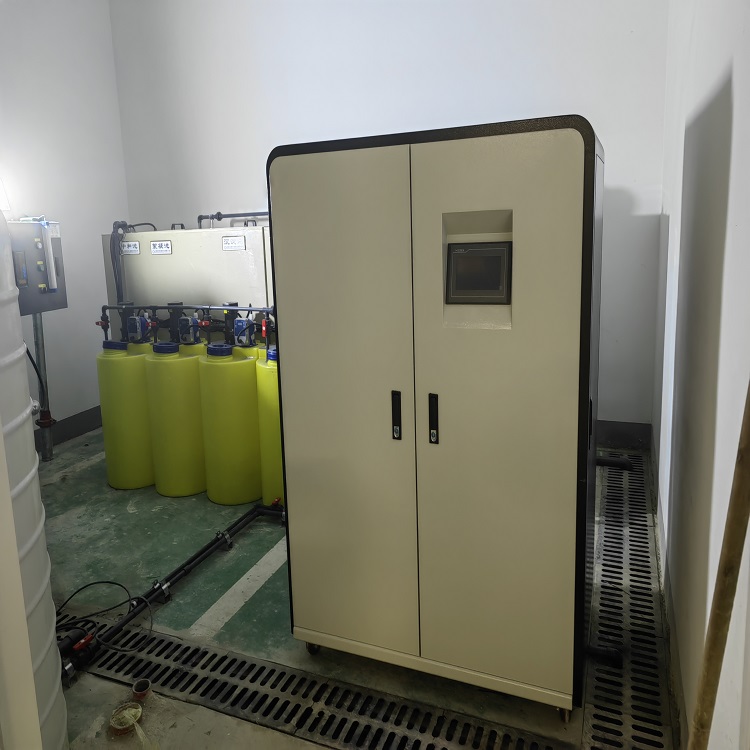 School Laboratory Wastewater Treatment Equipment - Physical and Chemical Laboratory Sewage Treatment System
Application Scope:
Laboratory wastewater treatment equipment is a technologically advanced, highly automated system with excellent treatment effects, minimal land occupation, simple operation and management, and does not require dedicated staff to be on duty. It is specifically designed for comprehensive wastewater treatment in laboratories across various industries both domestically and internationally. It has received high praise from users and is widely used in scientific research institutions, universities, environmental monitoring, product inspection, food and drug inspection, entry and exit inspection and quarantine, disease control centers, geological and mineral detection centers, analysis and testing centers, water resource monitoring, and grain and oil quality inspection.


