




- AllProduct Category
-
Lab Wastewater Treatment Equipment
Lab Wastewater Treatment Equipment
Ultra-Pure Water Equipment
Membrane Separation Equipment
Pure Water Equipment
Low-Temperature Evaporator
Ultra-Pure Water System
Integrated Wastewater Treatment Equipment
Reverse Osmosis Equipment
Pure Water Equipment
Ceramic Membrane Equipment



Recommended Products
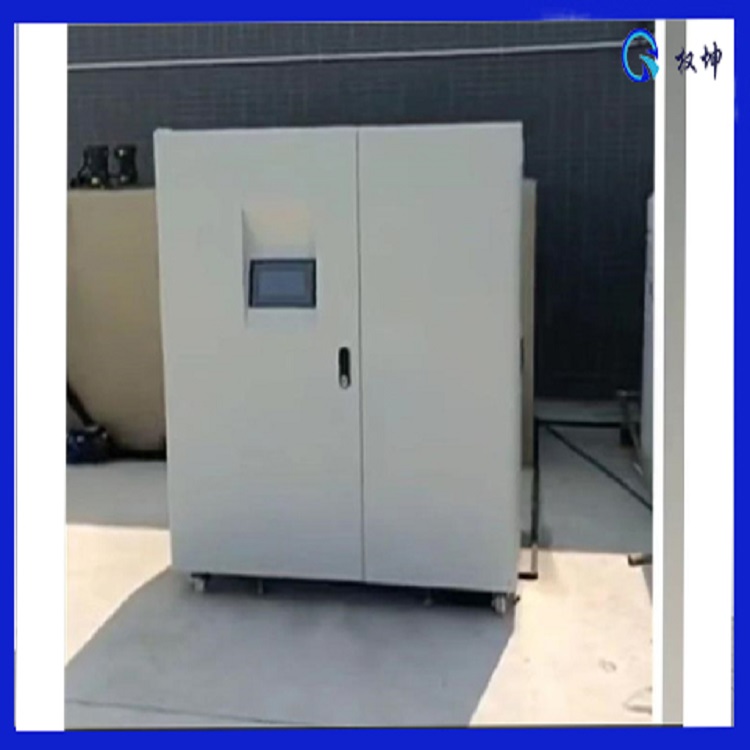
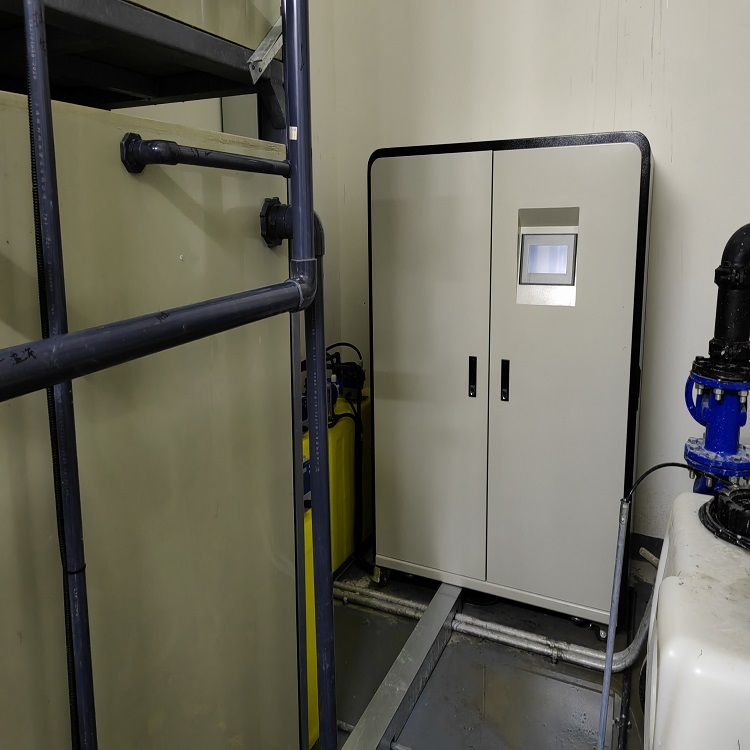
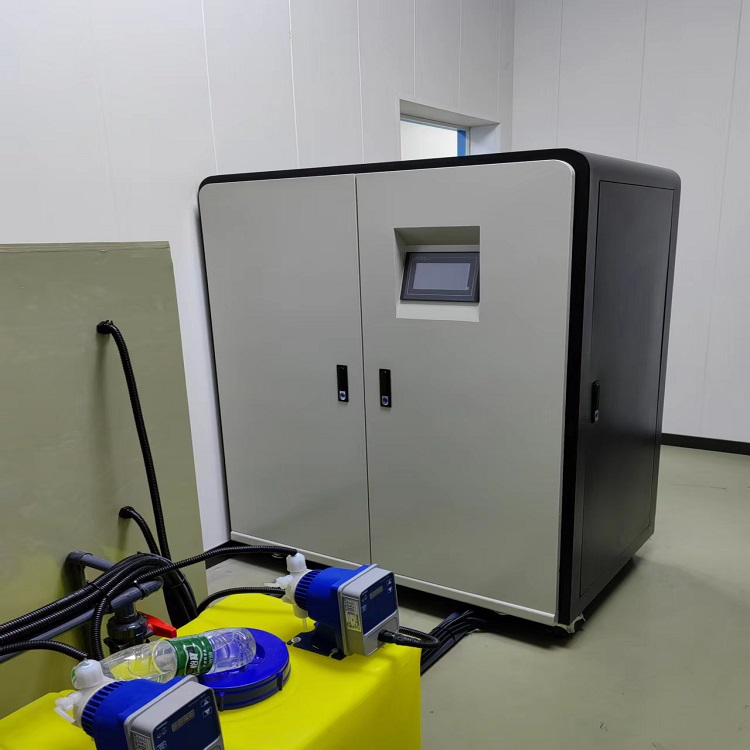
Quan Kun - Comprehensive Laboratory Waste Water Treatment Equipment - Remote Monitoring - Automated Control
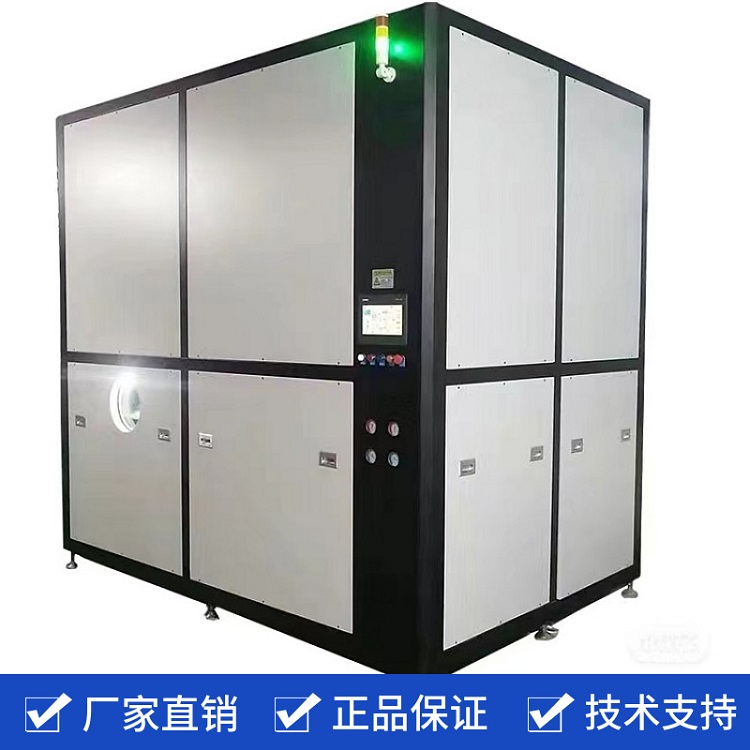
Sodium Chloride Wastewater Low-Temperature Evaporator - Intelligent Automatic - Quankun - Integrated Design
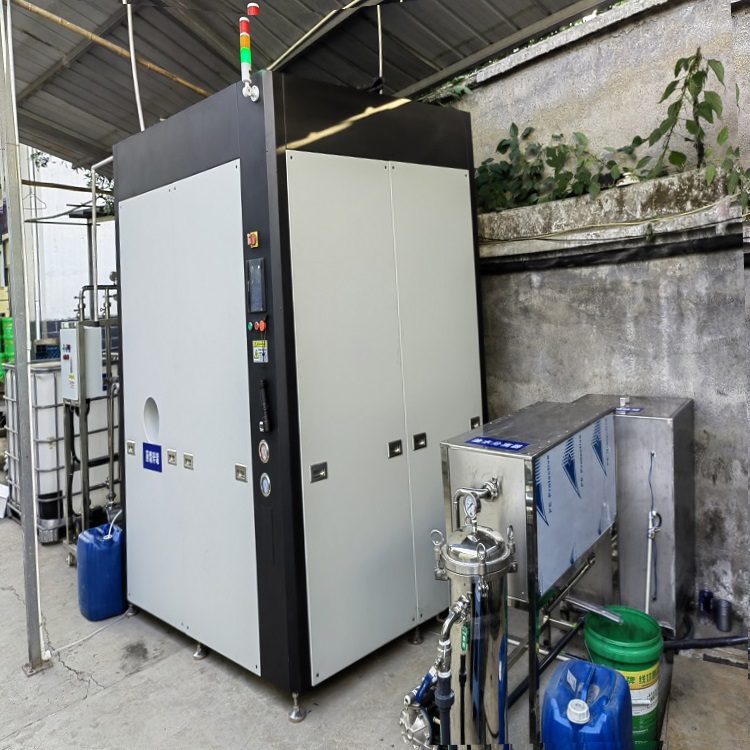
High-Concentration Oil Emulsion Waste Water Treatment Equipment - Quankun - Evaporator Unit - High Concentration Ratio
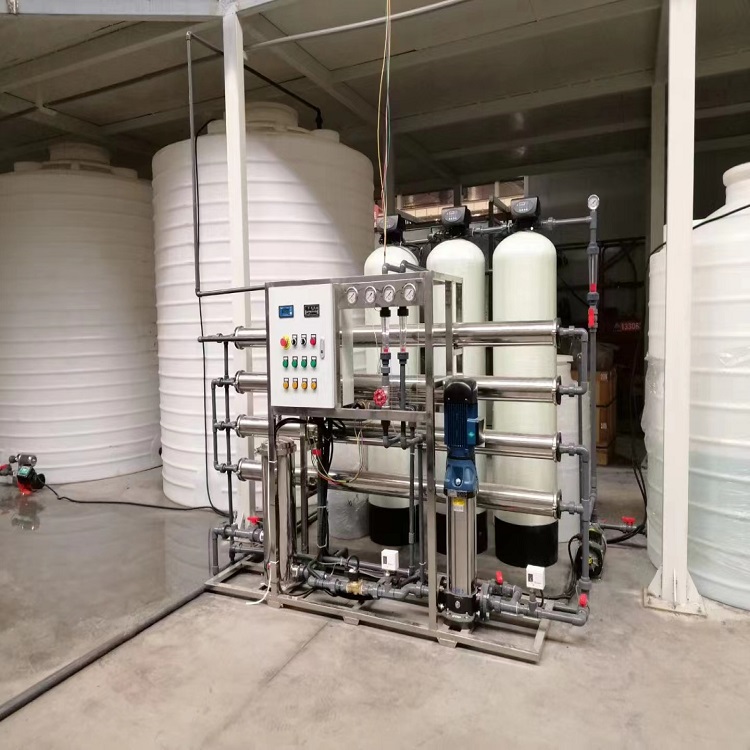
Industrial Pure Water Equipment EDI Ultra-Pure Water System Fully Automatic Control Quankun Environmental Protection
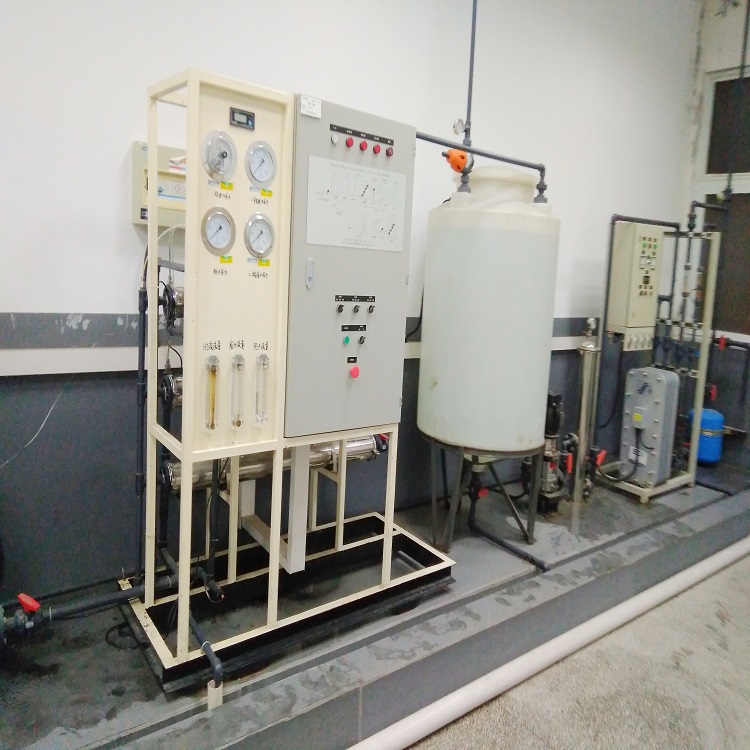
Shenzhen Industrial Ultra-Pure Water Equipment, equipped with EDI system, features low energy consumption and high degree of automation.
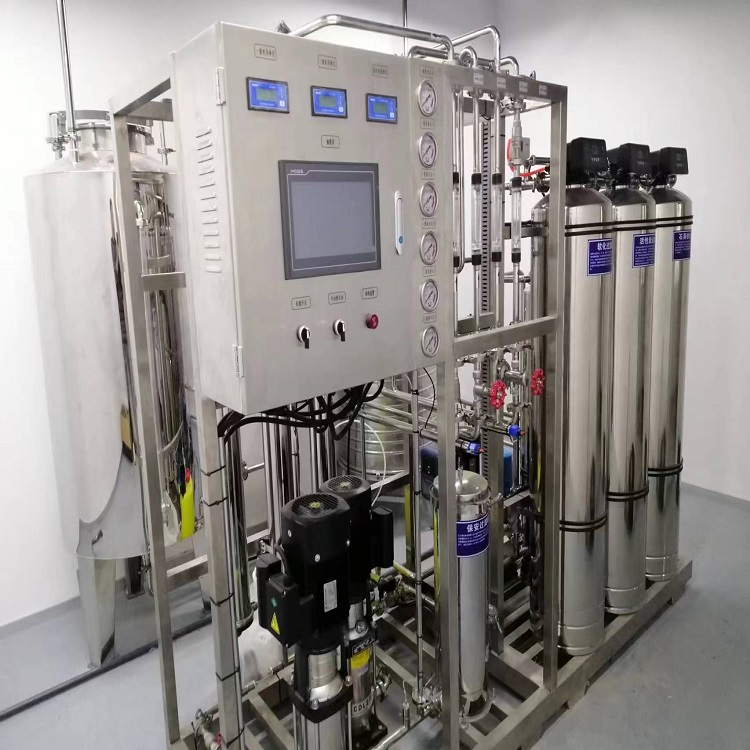
Shanghai industrial pure water production equipment reverse osmosis filtration system with high yield and customizable options, Quankun brand.
详情描述
Chemical Laboratory Wastewater Treatment Equipment Direct from Manufacturer
Laboratory wastewater treatment is based on the principles of classification, collection, on-site treatment, and timely disposal, with simple operation, waste-to-waste management, and cost reduction. Laboratory wastewater treatment should not be equated with industrial wastewater treatment; instead, it employs a multi-unit treatment process system or targeted classification treatment to minimize treatment complexity, thereby reducing costs and ensuring relatively simple operation.

Principles of Wastewater Treatment Equipment:
1. The principle of on-site treatment. In order to prevent pollution and hazards during the conveyance of wastewater, on-site treatment is necessary.
2. Principle of Full Process Control. Control the entire process of wastewater generation, treatment, and discharge.
3. Classification Guidance Principles. Categorize wastewater treatment guidance based on nature, scale, destination of effluent discharge, and regional differences.
4. Minimization Principle. Implement a strict internal hygiene and safety management system, exercising strict control and separation at the source of wastewater and waste. Separate the domestic wastewater from the wastewater in the infected areas, i.e., source control and separation of clean and polluted water. Strictly prohibit the arbitrary disposal of wastewater and waste into the sewage system.
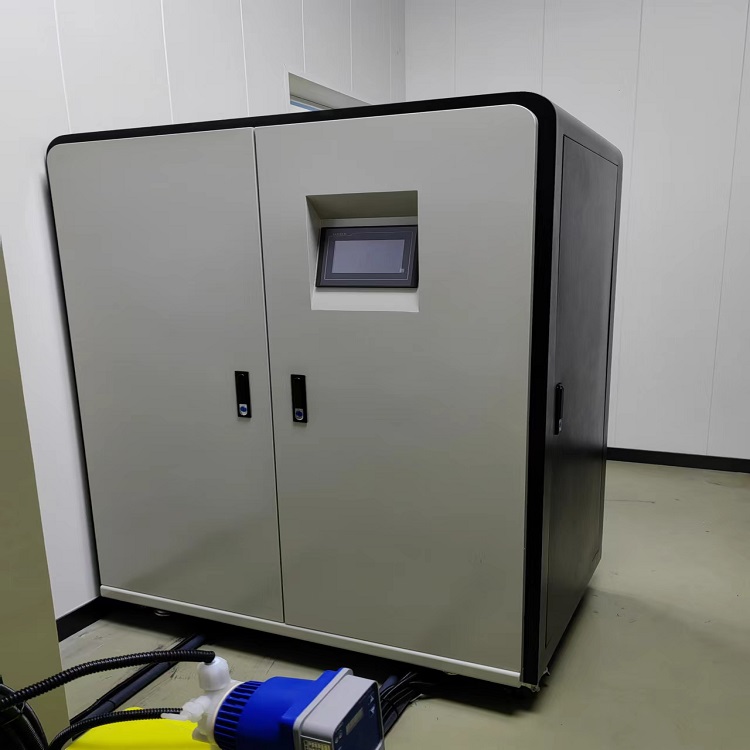
Categorized by pollution level:
High concentration laboratory wastewater and low concentration laboratory wastewater can be categorized based on pollution levels. High concentration laboratory wastewater includes general liquid spent reagents (waste acids, bases, organic solvents, etc.), liquid waste products or by-products from experiments (sample analysis residues, liquid products and by-products, etc.), and washwater from highly toxic substances. Low concentration laboratory wastewater includes low concentration washwater from laboratory equipment and products, general chemical reaction products, low-toxicity and low-concentration waste reagents, water for laboratory cleaning and hygiene, as well as cooling water.

Equipment Advantages:
Treat inorganic pollutants in wastewater using neutralization coagulation, flocculation, natural sedimentation, fine filtration, and activated carbon adsorption techniques.
2. Achieves 24/7 operation without the need for constant staff supervision, fully automated.
3. Accurately control the dosage of medication using pH levels and a metering pump.
4. User-friendly, stable operation, long service life, and low maintenance costs.
5. Small footprint, suitable for indoor or outdoor placement as needed.
6. Custom design and manufacturing according to customer requirements and operating volume.

Chemical Laboratory Wastewater Treatment Equipment Direct from Manufacturer
General Principles for Laboratory Wastewater Treatment:
1. Upon demonstrating that waste is sufficiently scarce and safe, it can be discharged into the atmosphere or drainage; strive to concentrate the liquid waste to reduce its volume and store it in a safe, isolated location; use methods like distillation, filtration, and adsorption to separate hazardous materials, discarding only the safe portions; regardless of whether liquid or solid, anything that can be safely burned should be, but in moderate quantities to avoid residual harmful gases or residues; if incineration is not possible, opt for a secure disposal site for burial, ensuring nothing is left exposed on the ground.
2. Generally, toxic gases can be removed by ventilation cabinets or ducts after being diluted by air. Large quantities of toxic gases must be processed through complete combustion with oxygen or adsorption before being discharged.
3. Wastewater should be stored in appropriate containers and locations based on its chemical properties, using sealed containers, and should not be mixed. Label with the type, storage duration, and schedule for regular disposal.


