



- AllProduct Category
-
Lab Wastewater Treatment Equipment
Lab Wastewater Treatment Equipment
Ultra-Pure Water Equipment
Membrane Separation Equipment
Pure Water Equipment
Low-Temperature Evaporator
Ultra-Pure Water System
Integrated Wastewater Treatment Equipment
Reverse Osmosis Equipment
Pure Water Equipment
Ceramic Membrane Equipment



Recommended Products
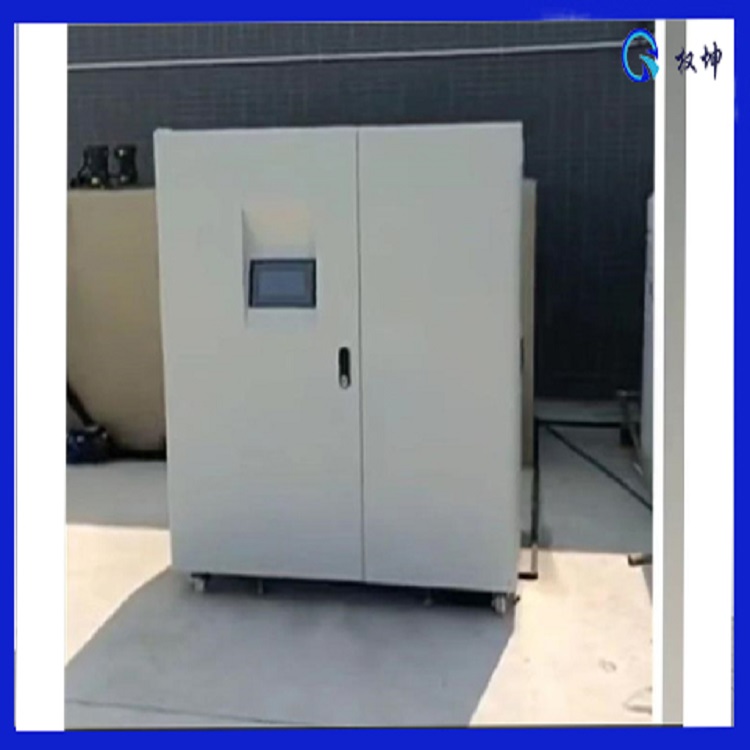
Quan Kun - Comprehensive Laboratory Waste Water Treatment Equipment - Remote Monitoring - Automated Control
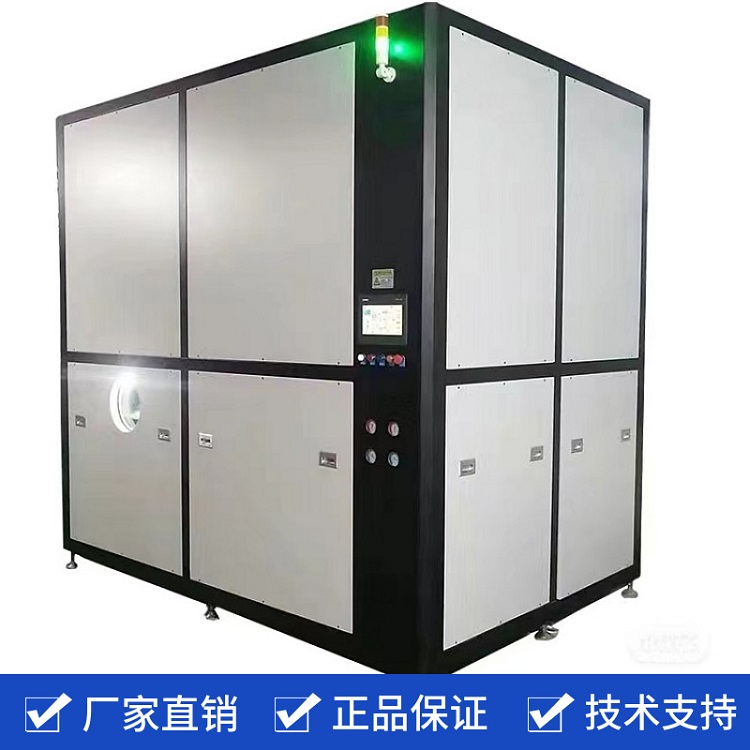
Sodium Chloride Wastewater Low-Temperature Evaporator - Intelligent Automatic - Quankun - Integrated Design
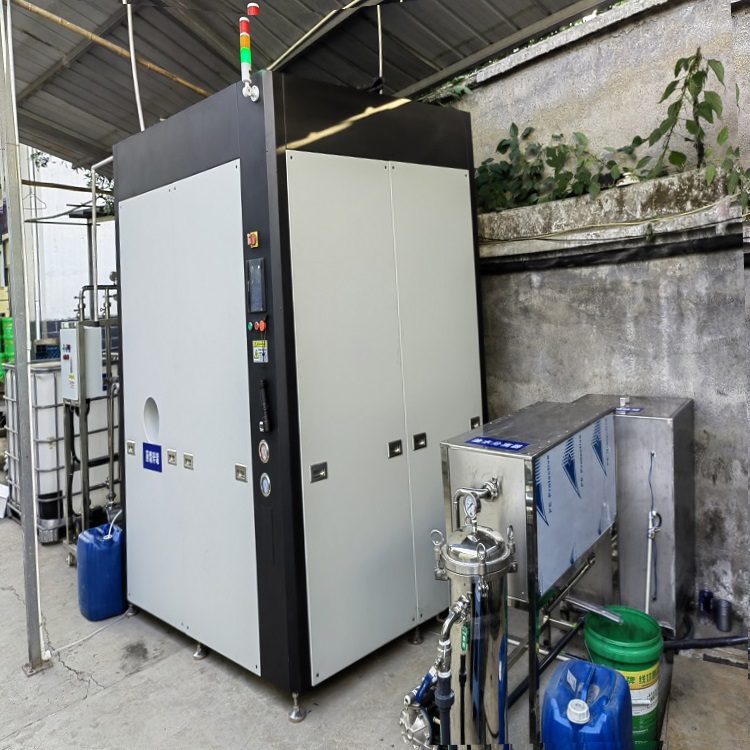
High-Concentration Oil Emulsion Waste Water Treatment Equipment - Quankun - Evaporator Unit - High Concentration Ratio
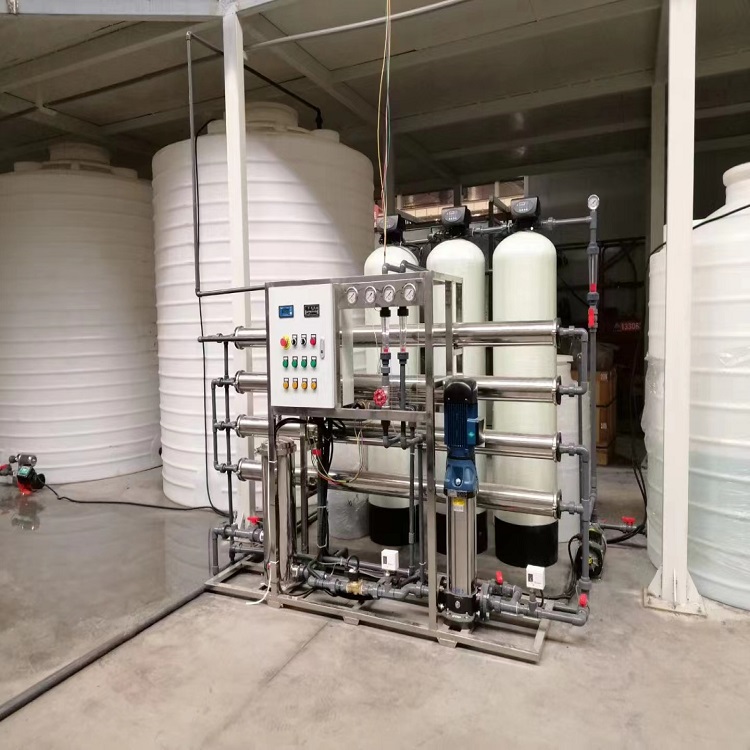
Industrial Pure Water Equipment EDI Ultra-Pure Water System Fully Automatic Control Quankun Environmental Protection
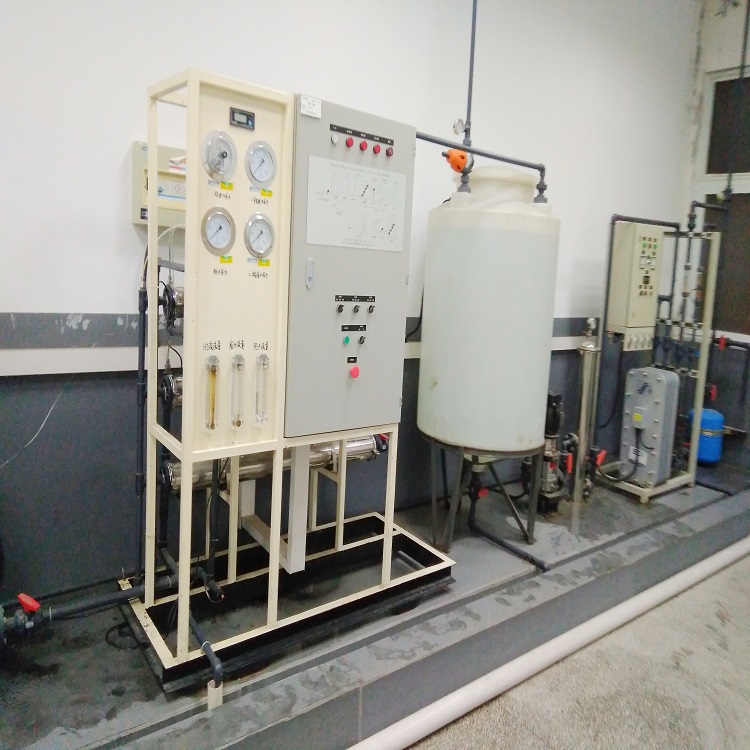
Shenzhen Industrial Ultra-Pure Water Equipment, equipped with EDI system, features low energy consumption and high degree of automation.
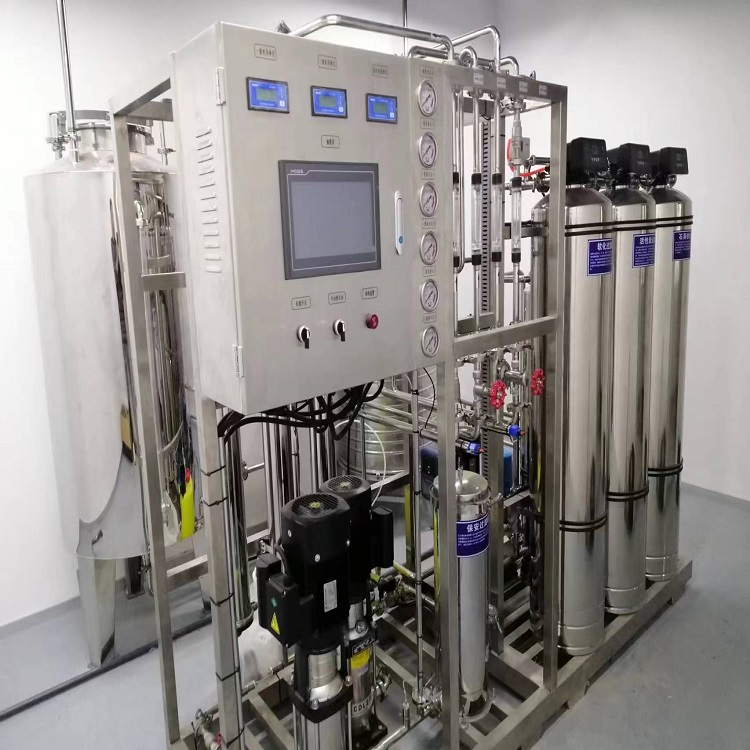
Shanghai industrial pure water production equipment reverse osmosis filtration system with high yield and customizable options, Quankun brand.
详情描述
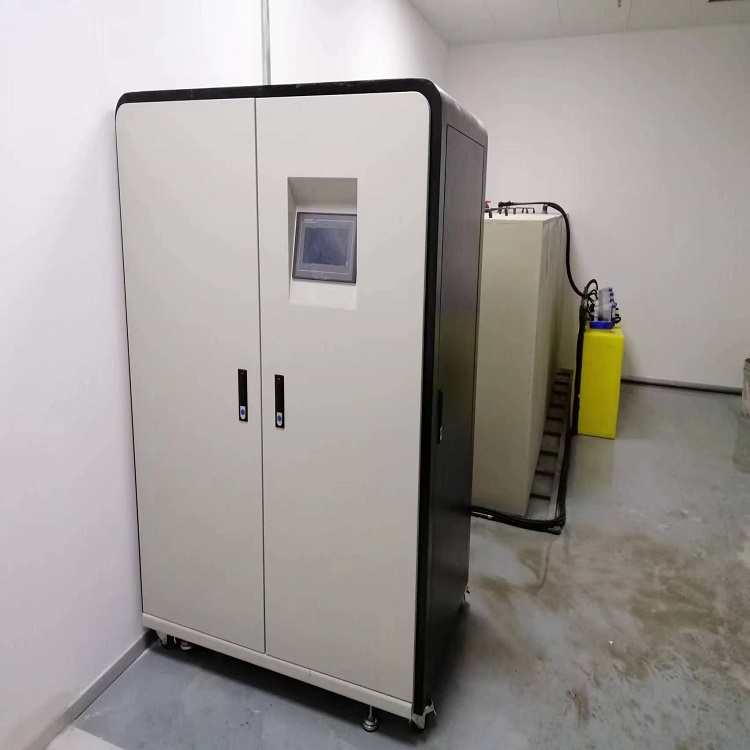
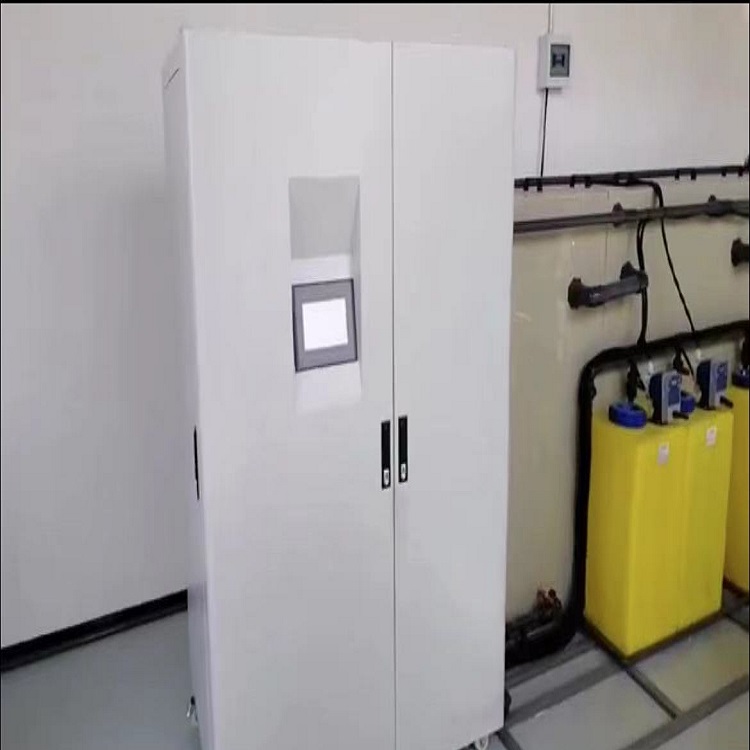
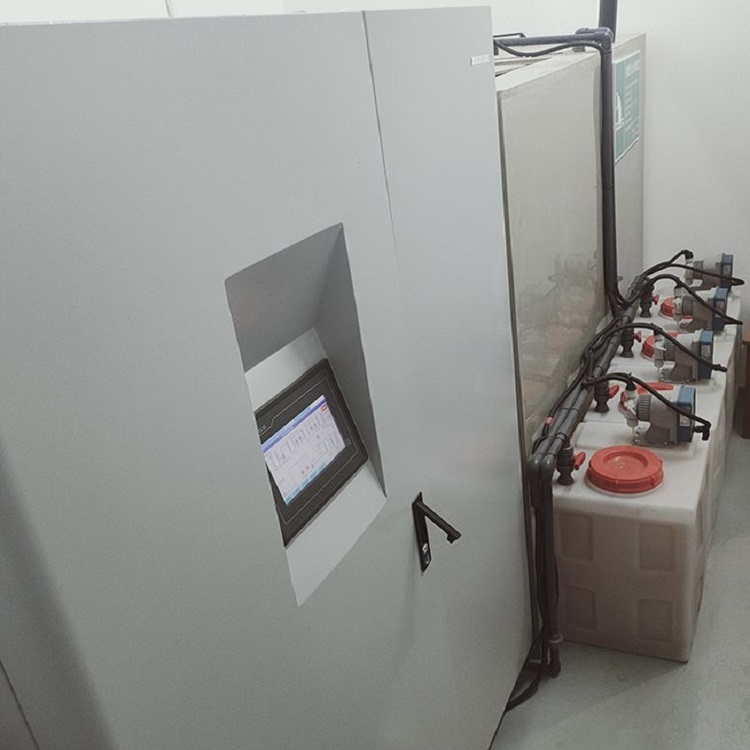
Pharmaceutical Laboratory Wastewater Treatment Equipment - Residential Comprehensive Sewage Treatment Equipment - Quankun Customized
Experimental wastewater is characterized by its low volume, strong intermittency, high toxicity, and complex and variable composition. Based on the nature of the main pollutants in the wastewater, it can be divided into two major categories: organic and inorganic wastewater. Inorganic wastewater mainly contains heavy metals, metal complexes, acids and bases, sulfides, halide ions, and other inorganic ions. Organic wastewater includes common organic solvents, organic acids, ethers, organic phosphorus compounds, phenols, petrochemicals, and oils and fats. Generally, due to strict collection and storage methods for wastewater and waste materials generated during the experimental process, the pollutant concentrations entering the experimental wastewater system can be controlled within a certain range after storage and regulation. However, they still possess certain corrosive and biological toxicities.
Design Principles:
For the characteristics of high-concentration organic wastewater, this solution employs a combined physical-chemical and aerobic biochemical treatment process, which is relatively advanced, mature, and reliable both domestically and internationally, ensuring that the effluent quality meets the design requirements.
② The wastewater treatment facility operates with significant flexibility and adjustability to accommodate changes in water quality and volume.
③ Fully consider measures such as vibration reduction, noise reduction, and odor removal for the wastewater treatment system to prevent secondary environmental pollution.
④ Wastewater treatment primarily utilizes aerobic biochemical treatment, with the main structures built using steel and concrete. The layout is rational based on the treatment processes, offering practicality, reliability, compact arrangement, minimal land use, cost-effective investment, and a short construction period.
⑤Easy to operate and manage, with simple technical requirements, full automation control is achievable.
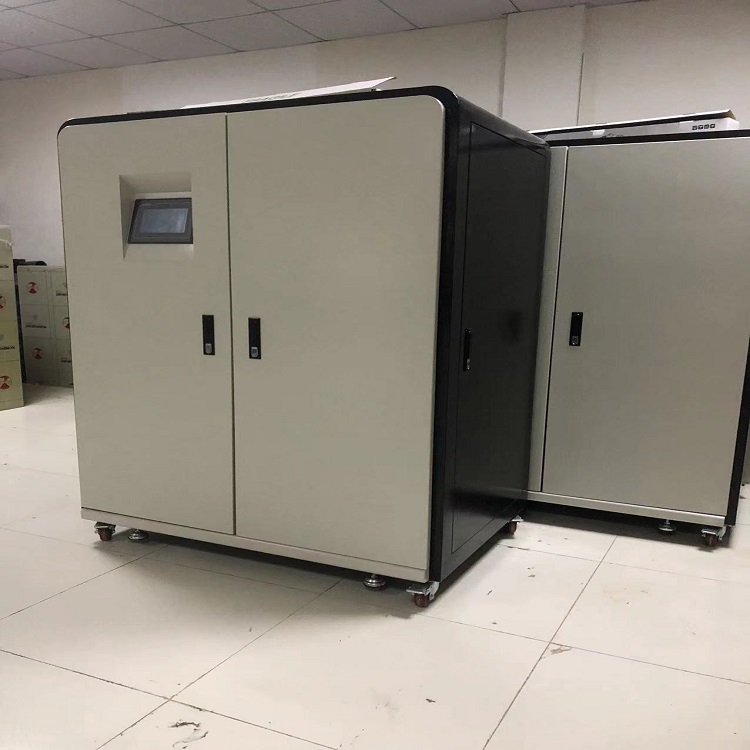
Operating Principle:
Laboratory wastewater treatment equipment primarily utilizes coagulation, sedimentation, oxidation, and high-efficiency sterilization to remove and kill bacteria, heavy metals, COD, viruses, and other contaminants in biological wastewater. Within a certain pH range, it can eliminate all microorganisms, including bacterial propagules, bacterial spores, fungi, mycobacteria, and various infectious viruses such as hepatitis viruses. The wastewater treatment process employs automatic control, with the entire procedure requiring no constant supervision.
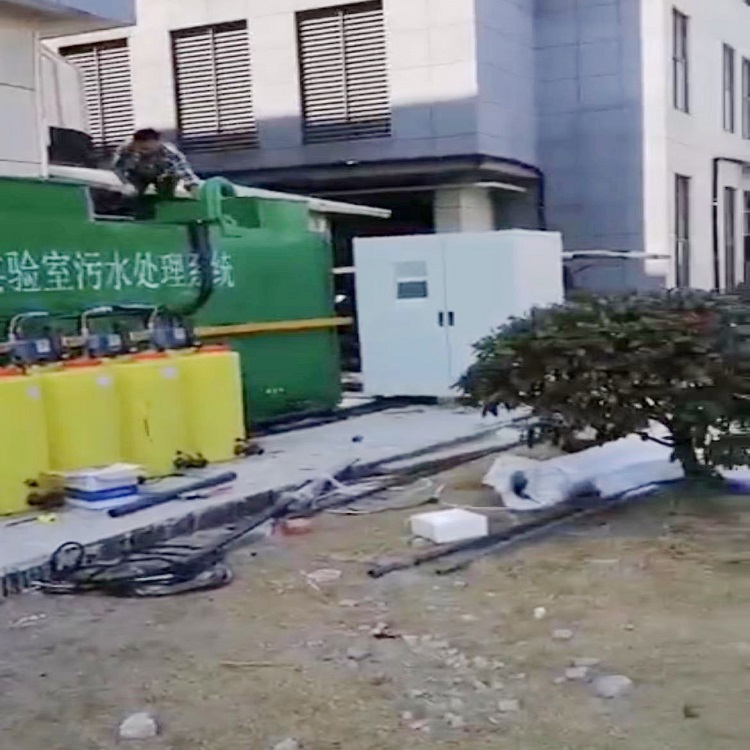
Equipment Features:
Our "one-stop small wastewater treatment equipment" is designed for small institutions and units with a daily treatment capacity of less than 25 cubic meters. Tailored to different characteristics of wastewater, it features various treatment processes in a compact integrated unit. Its key features include:
(1) Based on the characteristics of different wastewater, select practical and simple wastewater treatment processes to reduce the complexity of the technology.
(2) Tailored to the unique characteristics of different wastewater, we have reduced the number of equipment, minimized equipment investment, and decreased the land area required, constructing a one-stop wastewater treatment facility for our clients.
(3) Utilizes advanced technology with high automation, easy operation, simple management, and long service life.
(4) We are specialized in small-volume wastewater treatment, offering environmental process solutions.
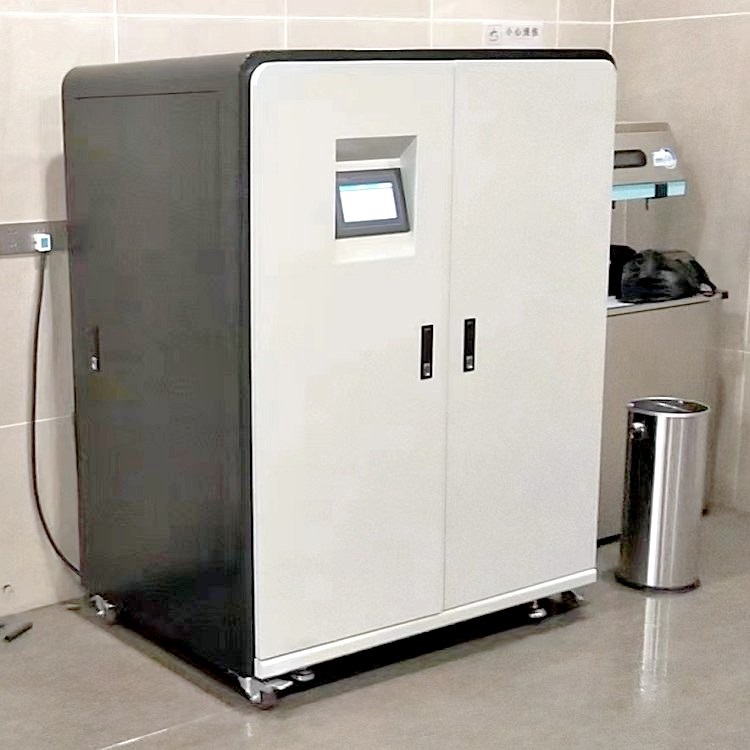
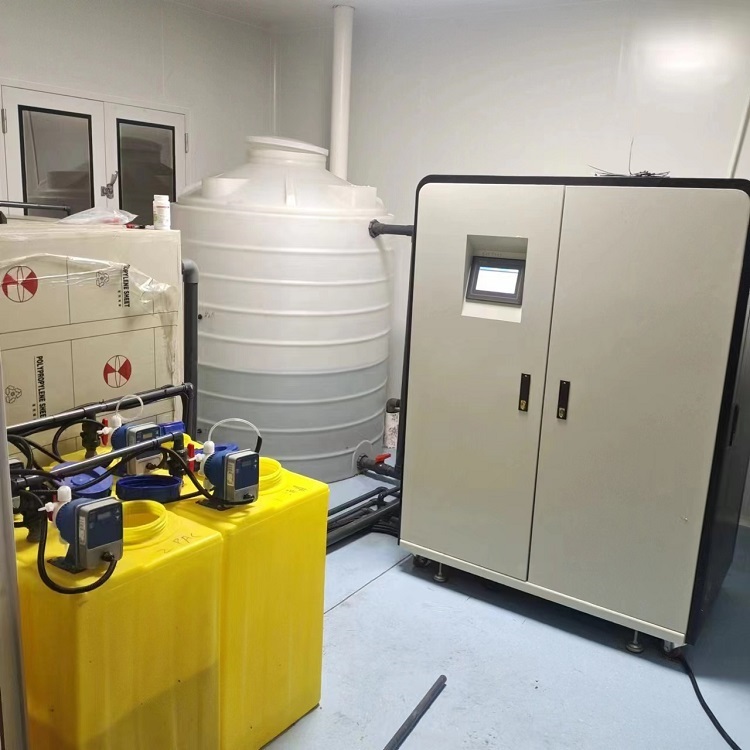
Pharmaceutical Lab Waste Water Treatment Equipment - Comprehensive Residential Sewage Treatment Equipment - Quankun Customized
Process Description:
Wastewater is collected in a sedimentation tank and homogenized before flowing into a neutralization reactor, where a measured amount of acid (or base) solution is added based on the water quality characteristics to undergo neutralization reactions. The neutralized wastewater is then pumped into a filter tank for filtration. While pumping the wastewater, a measured amount of净水剂 solution is also introduced to promote flocculation reactions in the pollutants, thereby enhancing filtration efficiency. The filtered clean water passes through an ozone sterilization unit before being transferred to a biological activated carbon tank, where fine pollutants are further intercepted and adsorbed for decomposition. The treated clean water is then directly discharged into the city's sewage network.


