



- AllProduct Category
-
Lab Wastewater Treatment Equipment
Lab Wastewater Treatment Equipment
Ultra-Pure Water Equipment
Membrane Separation Equipment
Pure Water Equipment
Low-Temperature Evaporator
Ultra-Pure Water System
Integrated Wastewater Treatment Equipment
Reverse Osmosis Equipment
Pure Water Equipment
Ceramic Membrane Equipment



Recommended Products
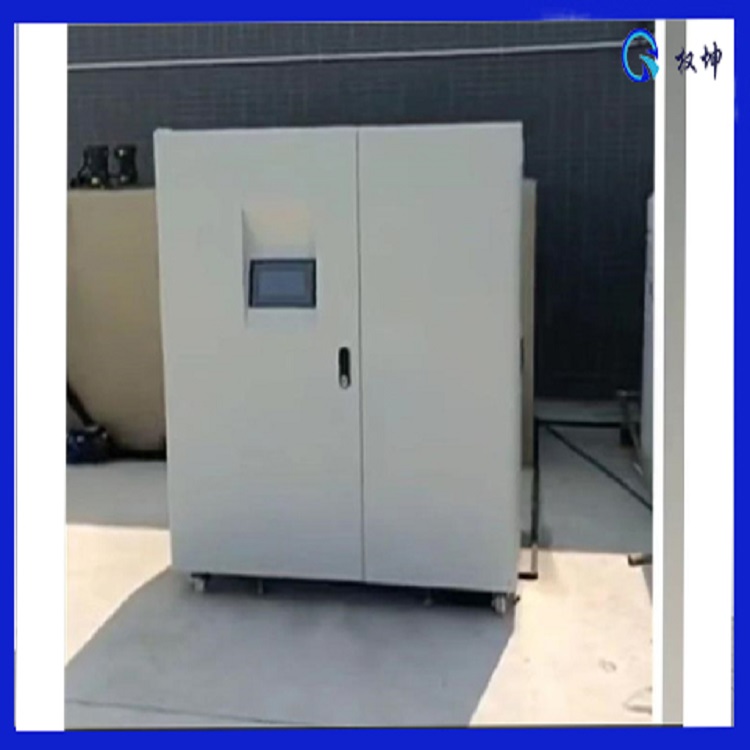
Quan Kun - Comprehensive Laboratory Waste Water Treatment Equipment - Remote Monitoring - Automated Control
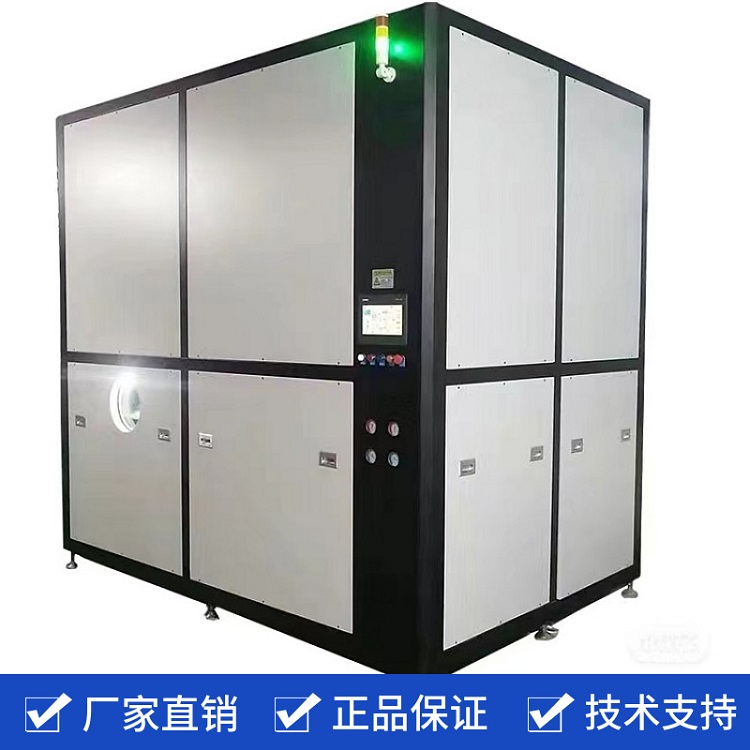
Sodium Chloride Wastewater Low-Temperature Evaporator - Intelligent Automatic - Quankun - Integrated Design
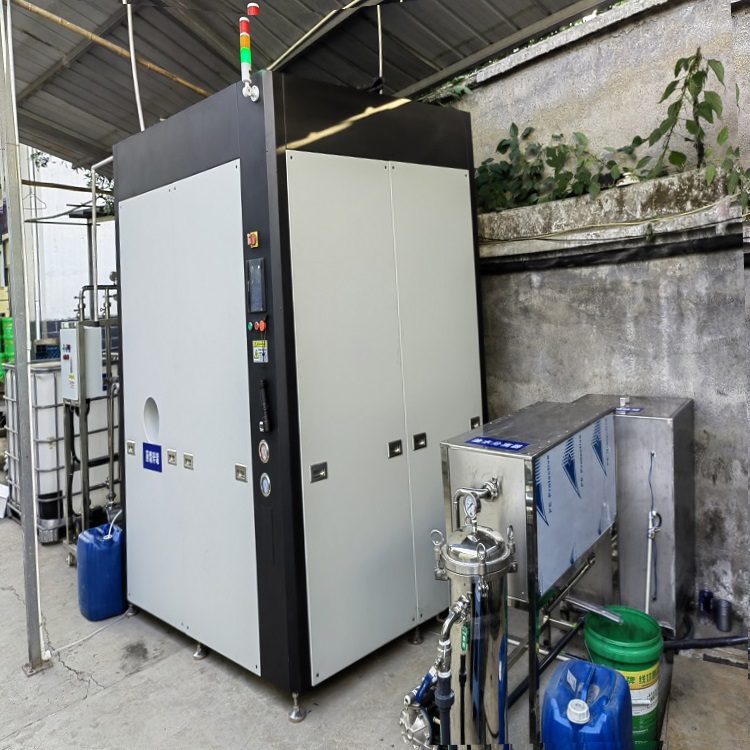
High-Concentration Oil Emulsion Waste Water Treatment Equipment - Quankun - Evaporator Unit - High Concentration Ratio
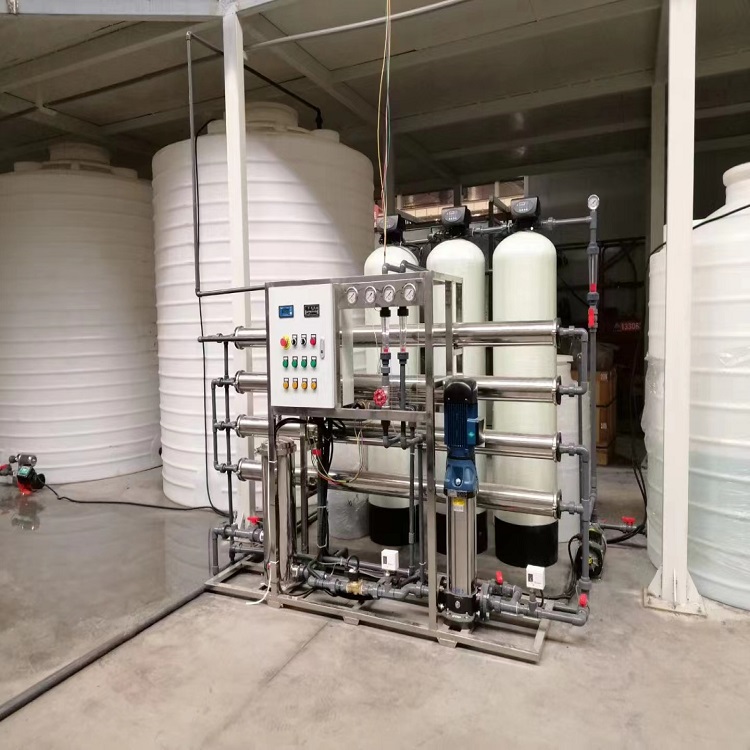
Industrial Pure Water Equipment EDI Ultra-Pure Water System Fully Automatic Control Quankun Environmental Protection
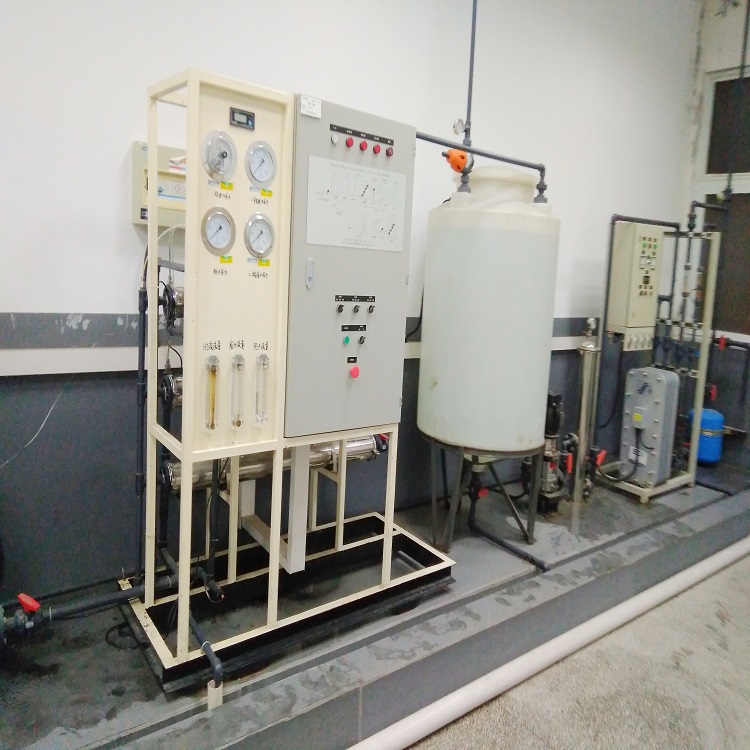
Shenzhen Industrial Ultra-Pure Water Equipment, equipped with EDI system, features low energy consumption and high degree of automation.
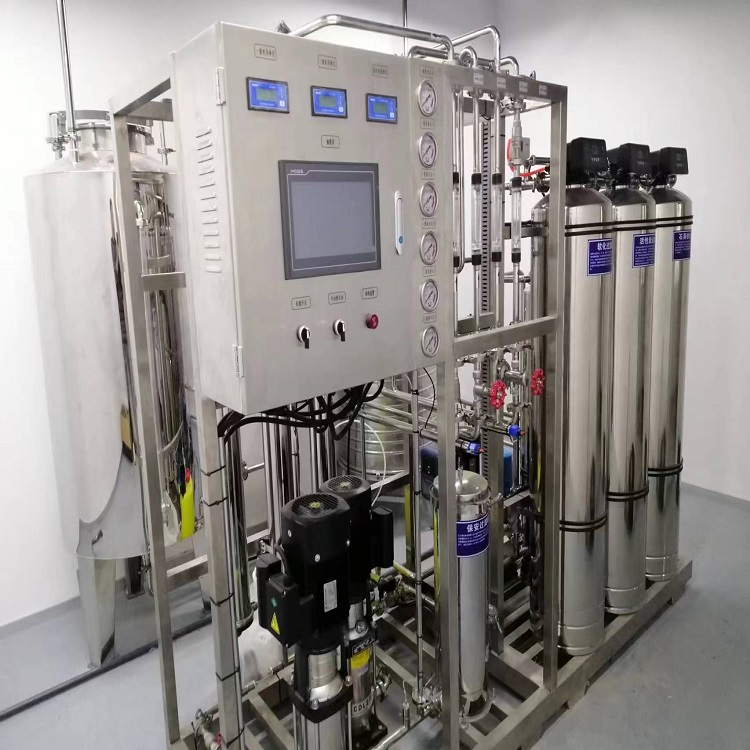
Shanghai industrial pure water production equipment reverse osmosis filtration system with high yield and customizable options, Quankun brand.
详情描述
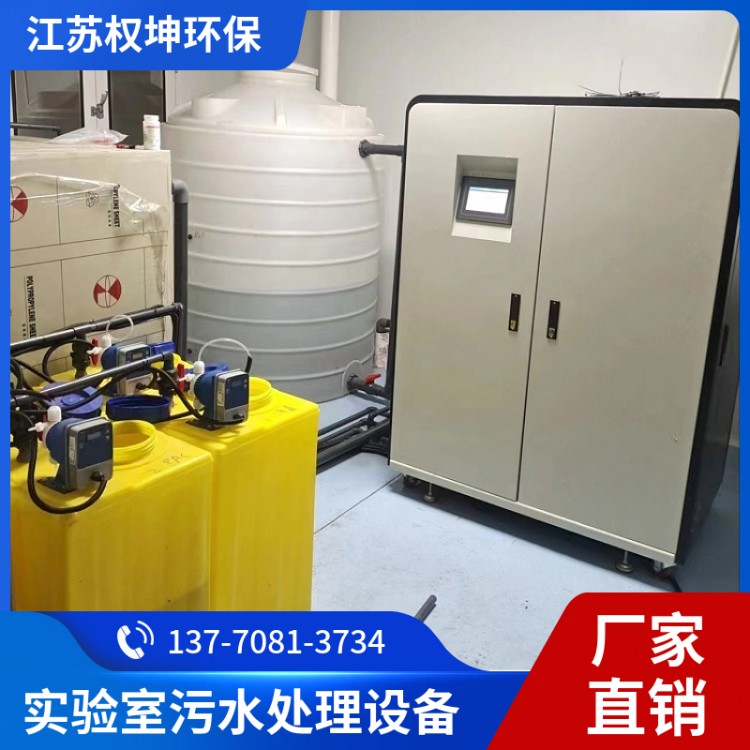
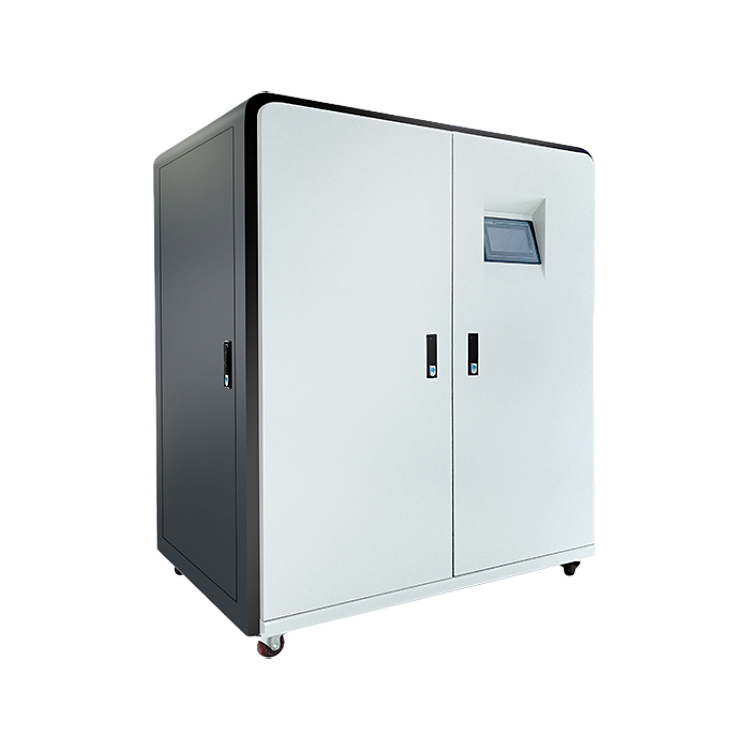
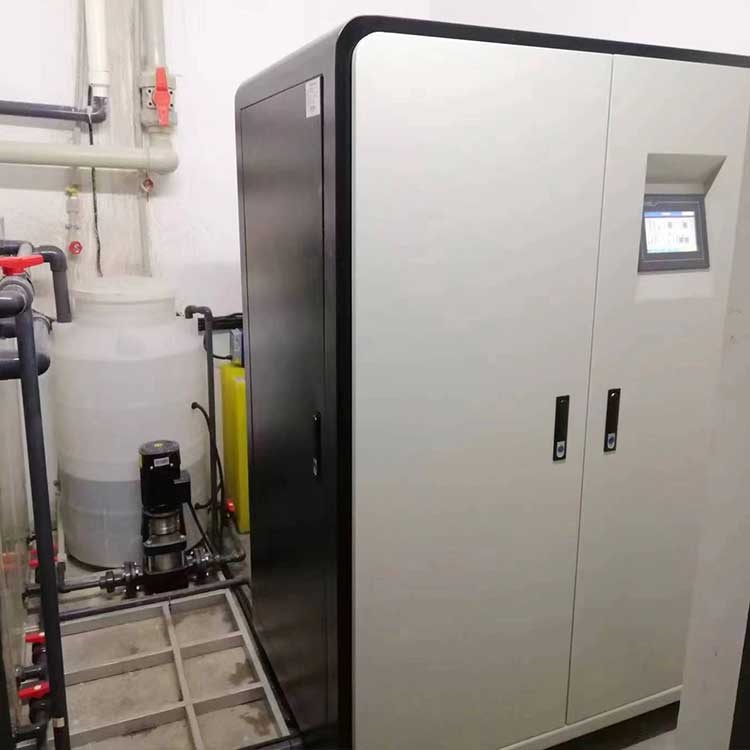
Chemical Laboratory Wastewater Treatment Equipment - Quankun Environmental Protection - Industrial Sewage Treatment System - Low Energy Consumption
Laboratory organic wastewater treatment methods can be借鉴 from other organic wastewater treatments. Generally, organic wastewater treatment technologies mainly include biological and physical-chemical methods. For laboratory wastewater with high organic concentration, strong toxicity, and unstable water quality and volume, the biological method is not effective, while the physical-chemical method shows a clear advantage in treating such wastewater. Recycling experimental chemicals, categorizing and treating laboratory waste, and recycling for reuse not only reduce environmental pollution but also minimize the waste of chemical substances.
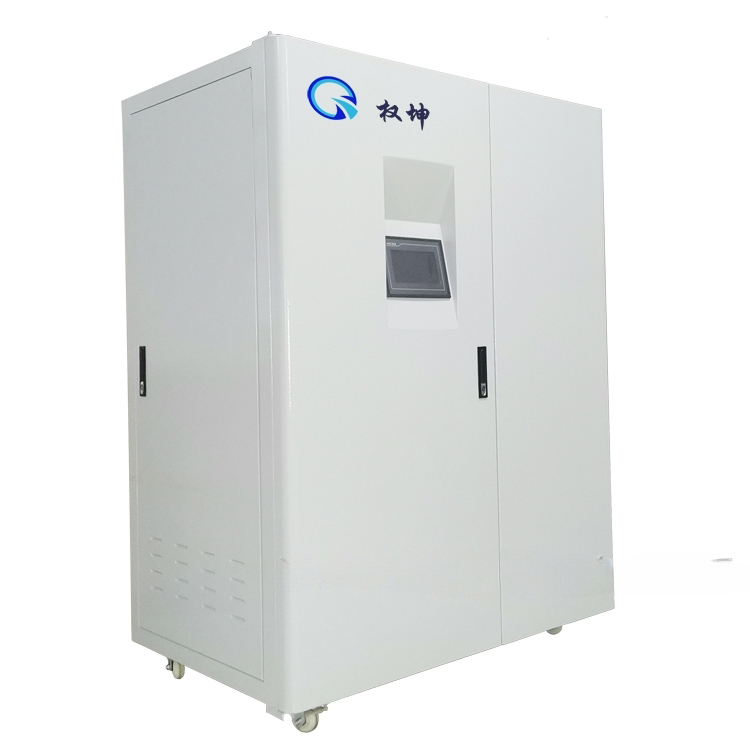
The generation of laboratory wastewater primarily stems from chemical experiments and scientific research in universities. The uncertainty, variability, and complexity of experimental wastewater are its inherent characteristics. Laboratory wastewater is categorized into high-concentration and low-concentration types. High-concentration wastewater mainly includes unlabeled effervescent reagents after label peeling, expired liquid reagents, by-products and by-products from scientific research and experiments, washwater after handling dangerous drugs, and it poses severe environmental pollution, warranting sufficient attention. Low-concentration wastewater mainly consists of washwater from chemical laboratory utensils, general acid, alkali, and salt reaction products, low-toxic chemical waste solutions, and experimental water.
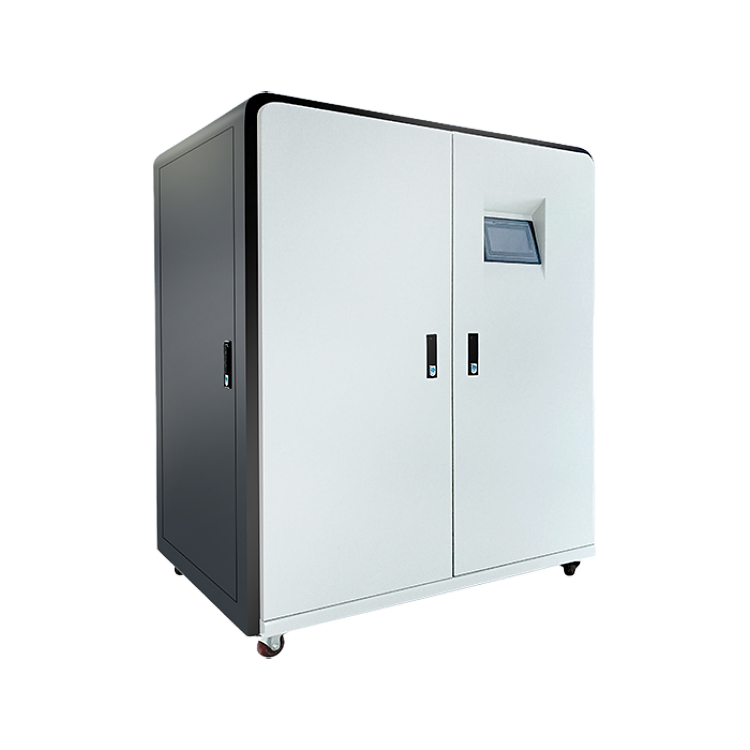
Laboratory water treatment equipment features:
1. Capable of denitrifying and dephosphorizing, the equipment can be adjusted in structure to meet the treatment requirements for industrial wastewater, domestic wastewater, and urban wastewater.
2. The equipment has strong impact load resistance, with an average retention time in the contact oxidation process exceeding 6 hours.
3. The equipment produces stable water quality with minimal sludge output and easy handling.
4. The contact oxidation tank is equipped with an aeration blower for air injection, allowing the fibers to continuously float and ensuring even aeration. This facilitates the growth and maturation of microorganisms within the tank, exhibiting characteristics of the activated sludge process.
5. Water treatment equipment can be placed above ground or buried underground. Reduces land footprint and conserves land usage. When buried, the top can be covered with greenery.
6. The equipment not only employs conventional silencing measures like exhaust fans but also includes the installation of advanced sound-absorbing materials on the interior walls of the fan room, ensuring the noise level during operation is below 50 decibels, thereby minimizing the impact on the surrounding environment.
7. Submersible pumps can be incorporated into the equipment, saving costs.
8. Easy to operate, convenient, labor-saving, with both manual and automatic operation options.
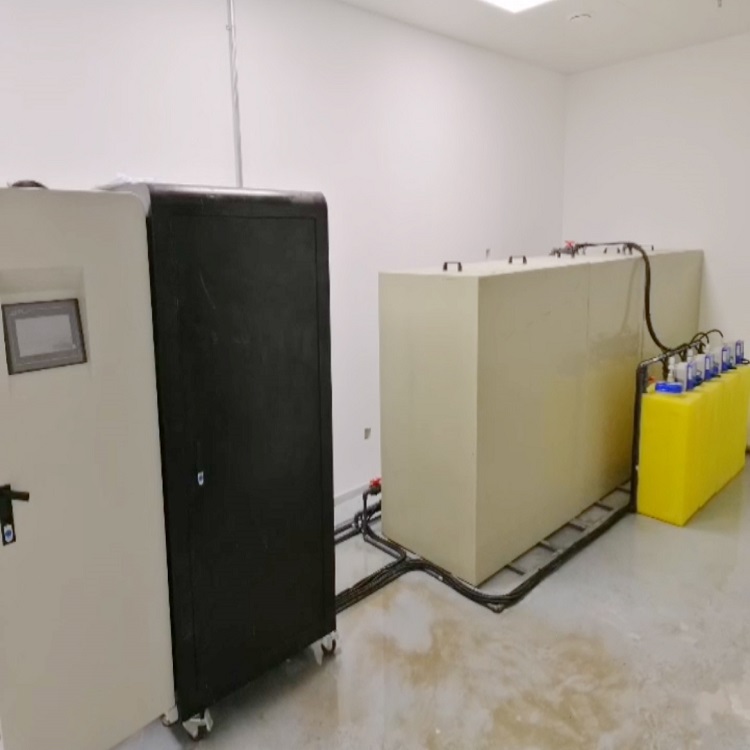
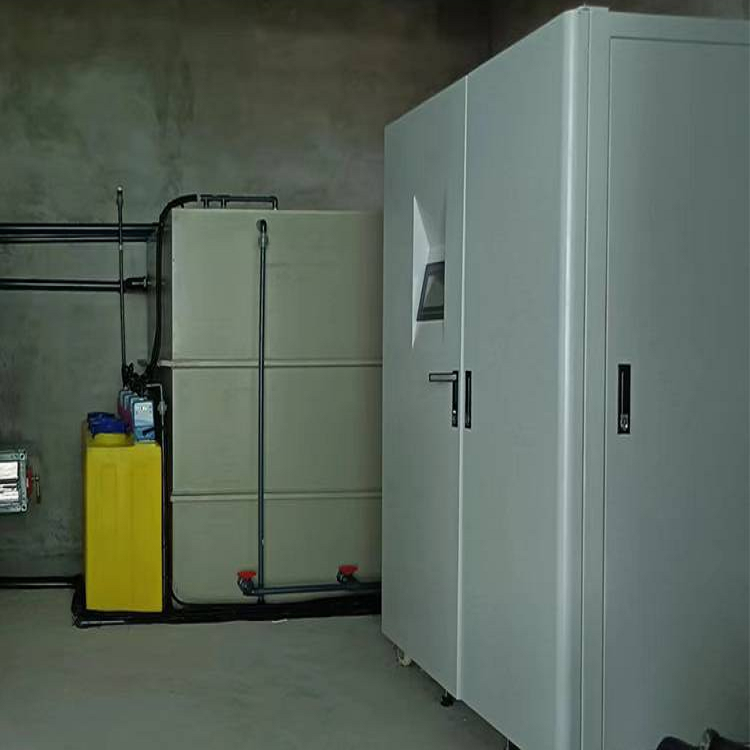
Chemical Laboratory Wastewater Treatment Equipment - Quankun Environmental Protection - Industrial Sewage Treatment System - Low Energy Consumption
Laboratory Wastewater Treatment Equipment Features:
1. Broadly practical, adaptable to the comprehensive waste liquid treatment in various laboratories.
2. Utilize multiple advanced technologies for multi-stage treatment and purification of wastewater, achieving the discharge standards.
3. Centralized control at the midpoint with high automation, simple operation, fully automatic operation, no need for dedicated staff.
4. Automatic water and electricity leakage protection, high and low voltage automatic protection, no wastewater protection, and liquid storage tank level protection.
5. Modular integrated technology offers excellent processing effects, without generating secondary pollution like waste residue or wastewater, and boasts low operational costs.
6. Resistant to acid and alkali corrosion, low noise, low power consumption, and multiple safety protections.
7. With a "one-stop" integrated design, it boasts an attractive appearance, minimal land occupation, quick processing speed, cost-effective investment, easy installation and mobility, high processing capacity, excellent processing results, low energy consumption, noiseless operation, no leaks, and environmental friendliness, truly achieving engineering equipmentization. No need for multiple treatment ponds, and it does not produce secondary pollution such as waste, exhaust, and wastewater.


