




- AllProduct Category
-
Lab Wastewater Treatment Equipment
Lab Wastewater Treatment Equipment
Ultra-Pure Water Equipment
Membrane Separation Equipment
Pure Water Equipment
Low-Temperature Evaporator
Ultra-Pure Water System
Integrated Wastewater Treatment Equipment
Reverse Osmosis Equipment
Pure Water Equipment
Ceramic Membrane Equipment



Recommended Products
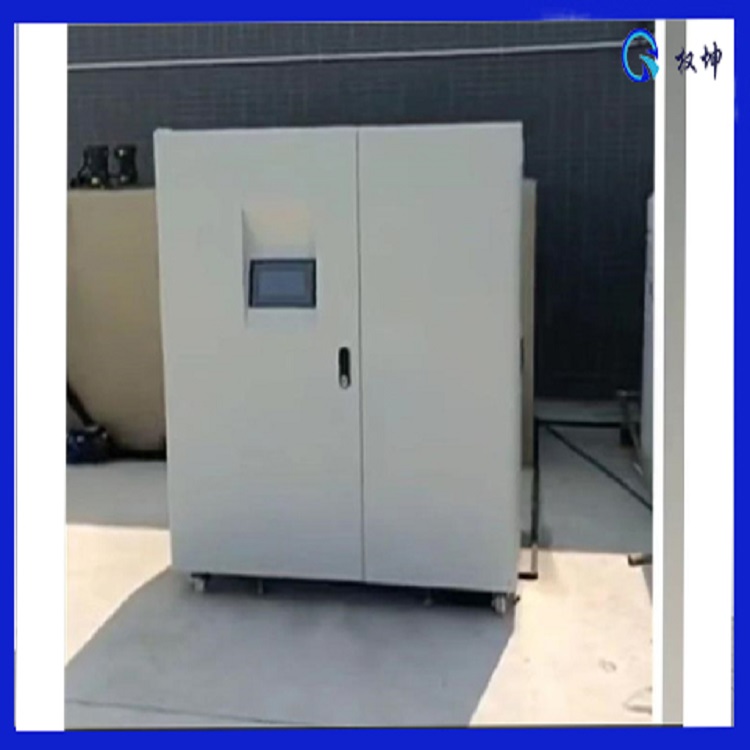
Quan Kun - Comprehensive Laboratory Waste Water Treatment Equipment - Remote Monitoring - Automated Control
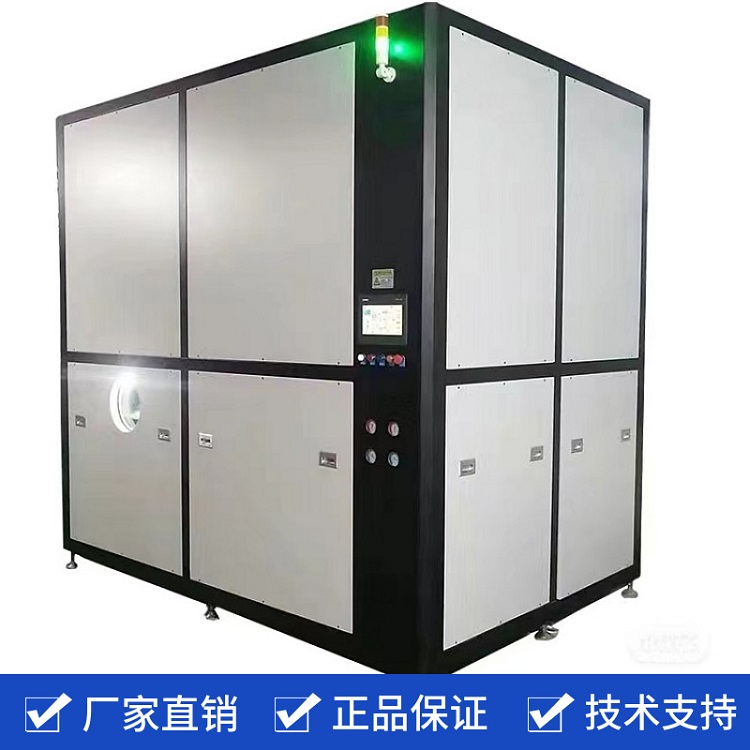
Sodium Chloride Wastewater Low-Temperature Evaporator - Intelligent Automatic - Quankun - Integrated Design
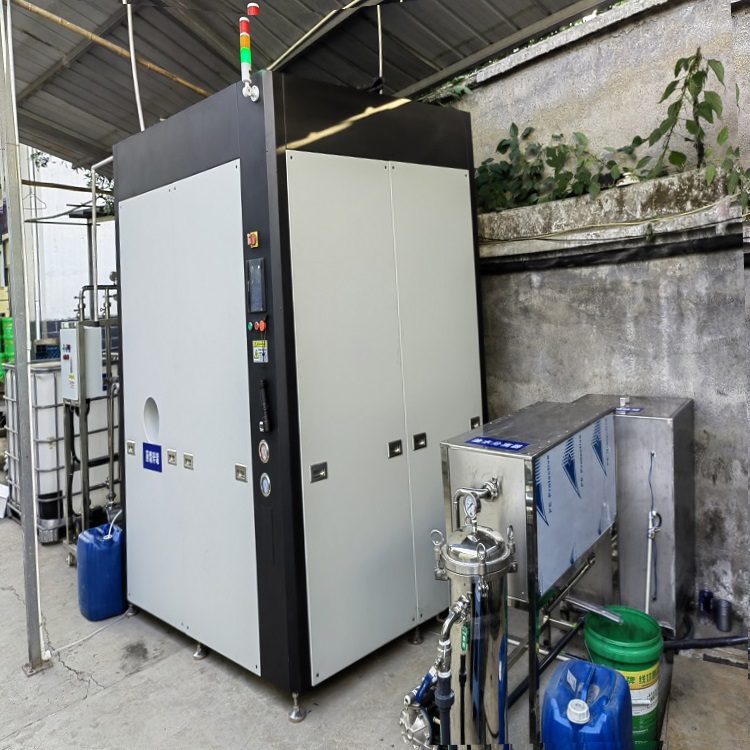
High-Concentration Oil Emulsion Waste Water Treatment Equipment - Quankun - Evaporator Unit - High Concentration Ratio
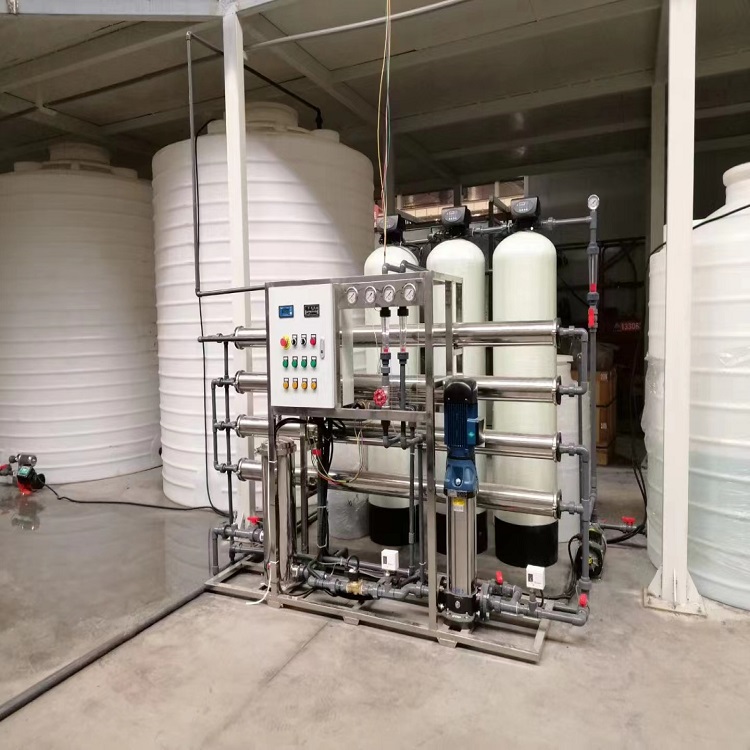
Industrial Pure Water Equipment EDI Ultra-Pure Water System Fully Automatic Control Quankun Environmental Protection
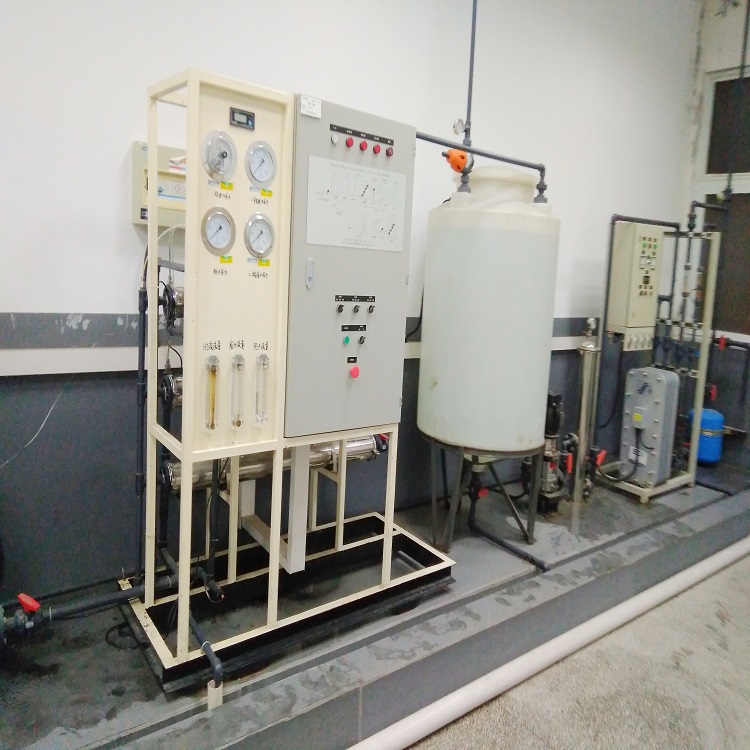
Shenzhen Industrial Ultra-Pure Water Equipment, equipped with EDI system, features low energy consumption and high degree of automation.
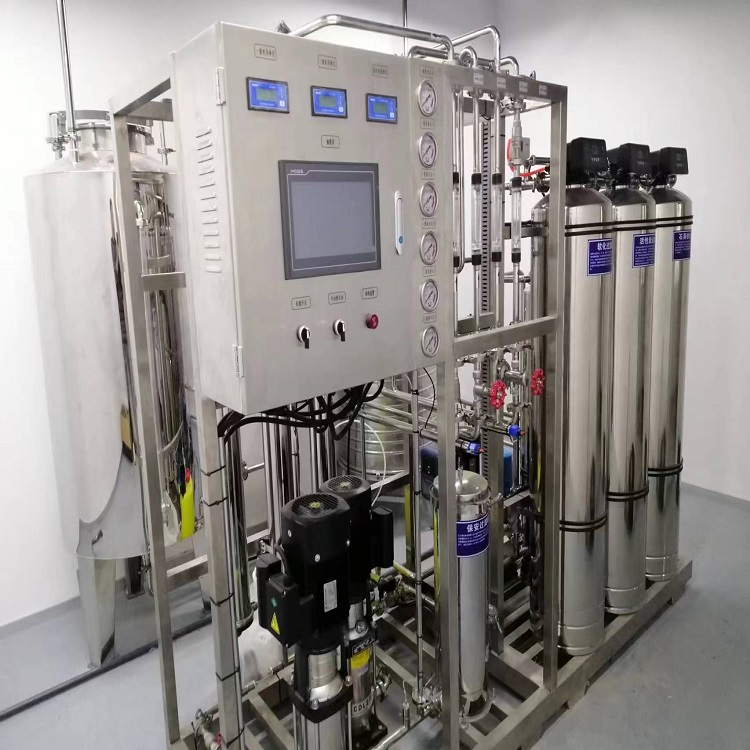
Shanghai industrial pure water production equipment reverse osmosis filtration system with high yield and customizable options, Quankun brand.
详情描述
Mechanical Cutting Fluid Waste Treatment Equipment - Quankun Offers Full Specifications - Customization Available - Sewage Treatment
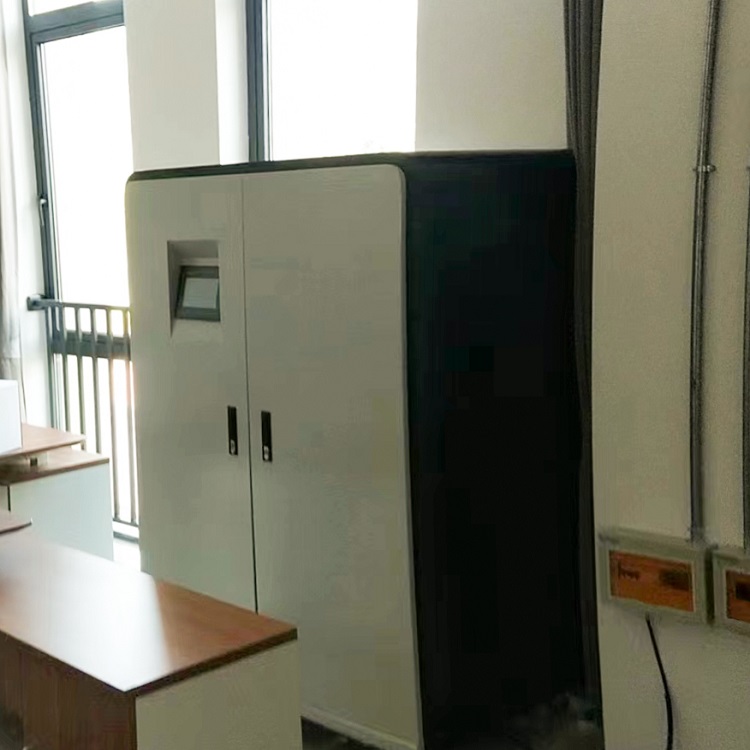
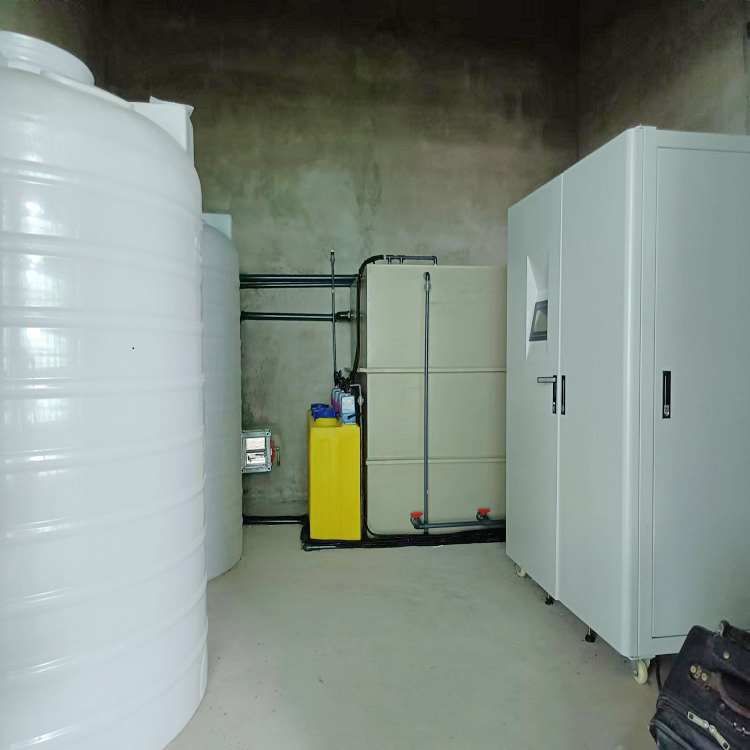
Laboratory wastewater treatment equipment operates through a human-machine interface operating system. The equipment runs automatically, following the program set by the PLC controller and parameters set by the pH/ORP meter. It features multi-level online monitoring, which automatically calculates and proportionally dosages based on the composition and concentration of different wastewater. The school's laboratory wastewater treatment equipment is more scientific and rational, ensuring effective wastewater treatment while saving consumption and eliminating the need for constant supervision.
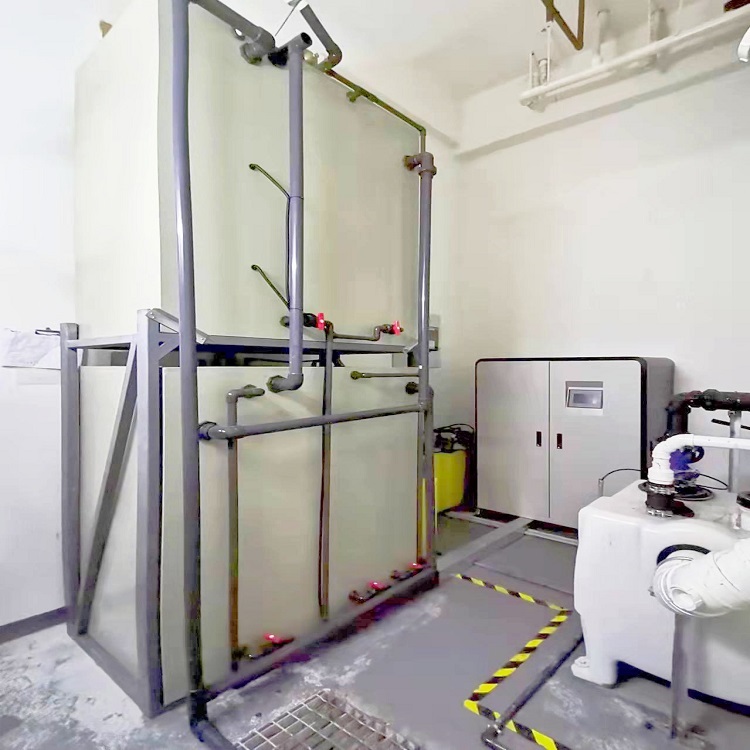
Mature technology for laboratory wastewater treatment equipment:
1. Considering all factors, the school's laboratory wastewater treatment equipment employs a mature technology that requires low investment, stable operation, low operating costs, and excellent treatment results.
2. In response to the characteristics of wastewater, the school's laboratory wastewater treatment equipment employs specific countermeasures to ensure the removal of harmful components, while fully considering anti-corrosion measures for pipelines, equipment, and structures.
3. Choose equipment for school laboratory wastewater treatment that offers stable performance, easy maintenance, reasonable pricing, durability, and high treatment efficiency.
Building arrangement is reasonable and compact, aesthetically pleasing, and strives to minimize land usage space.
5. The school laboratory wastewater treatment equipment has a certain capacity to withstand water quality and quantity shock loads.
6. The design takes full consideration of noise and odor, preventing the generation of secondary pollution. The school laboratory wastewater treatment equipment does not cause any new pollution to the surrounding environment.
7. Achieve automated control to enhance stability; ensure the effluent quality of school laboratory wastewater treatment equipment meets standards.
The basic requirements for the three waste emissions of the laboratory are:
1. Non-toxic, or to reduce emissions to below the allowable concentrations specified by national or relevant departments.
3. Corrosive substances for drainage pipes should be converted into non-corrosive substances, such as converting sulfuric acid into sodium sulfate or calcium sulfate.
4. Will not react violently with water or air or form harmful substances.
5. Free of pathogens, carcinogens, mutagens, teratogens, or any substance that would cause emissions to fall below the permissible concentration levels set by national or relevant authorities.
6. Radioactive waste must particularly comply with the national emission requirements.
7. Highly reactive chemicals should first be diluted with appropriate inert materials before undergoing the necessary treatment. For example, tin tetrachloride can be diluted with sand or soil, and then processed as described in the next section.
8. Some substances, whether in their pure form or as compounds, are highly toxic. They should be recycled and not discharged, such as mercury and its salts.
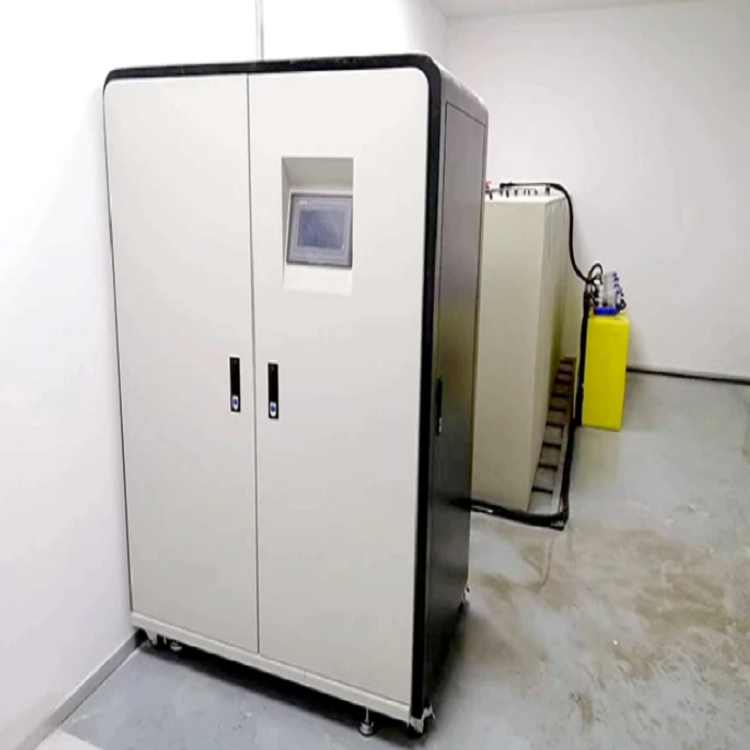
General Principles for Laboratory Treatment of Wastewater:
1. When waste has become sufficiently scarce and safe, it can be discharged into the atmosphere or drainage; strive to concentrate the liquid waste to reduce volume and store it in a safe, isolated location; use methods like distillation, filtration, and adsorption to separate hazardous materials, discarding only the safe portion; regardless of liquid or solid, anything that can be safely burned should be, but in moderate quantities, ensuring no harmful gases or residue remain during combustion; if incineration is not possible, choose a safe site for burial, ensuring it is not left exposed on the ground.
2. Toxic gases can generally be exhausted through fume hoods or ventilation ducts after being diluted by air. Large quantities of toxic gases must be combusted with oxygen or adsorbed before being released.
3. Waste liquids should be stored in appropriate containers and locations based on their chemical properties, using sealed containers, not mixed stored, and clearly marked with **type, storage time, and scheduled disposal.
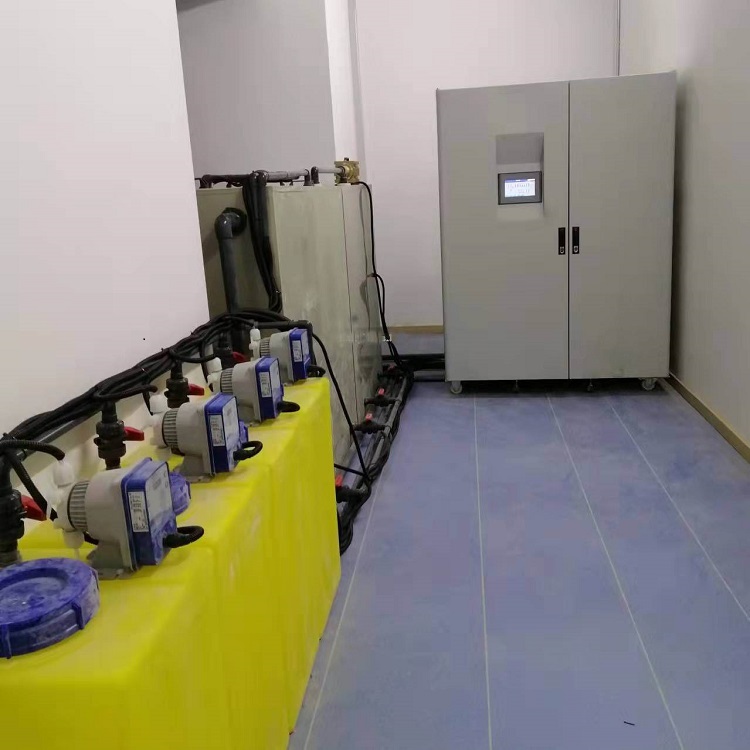
Mechanical Cutting Fluid Waste Treatment Equipment - Quankun Offers Full Specifications - Customization Available - Sewage Treatment
Laboratory wastewater treatment equipment is widely used in universities, colleges, research institutions, medical facilities, pharmaceuticals, disease control centers, environmental supervision, product quality inspection, inspection and quarantine, drug inspection, blood stations, animal husbandry, hospitals, petrochemical industries, and various company laboratories and chemical laboratories for wastewater treatment. After treatment, the wastewater meets the first, second, and third standards of the Comprehensive Wastewater Discharge Standard [GB8978-1996]. The treated wastewater can be discharged into the municipal wastewater pipeline network or further utilized through additional treatment processes.


