



- AllProduct Category
-
Lab Wastewater Treatment Equipment
Lab Wastewater Treatment Equipment
Ultra-Pure Water Equipment
Membrane Separation Equipment
Pure Water Equipment
Low-Temperature Evaporator
Ultra-Pure Water System
Integrated Wastewater Treatment Equipment
Reverse Osmosis Equipment
Pure Water Equipment
Ceramic Membrane Equipment



Recommended Products
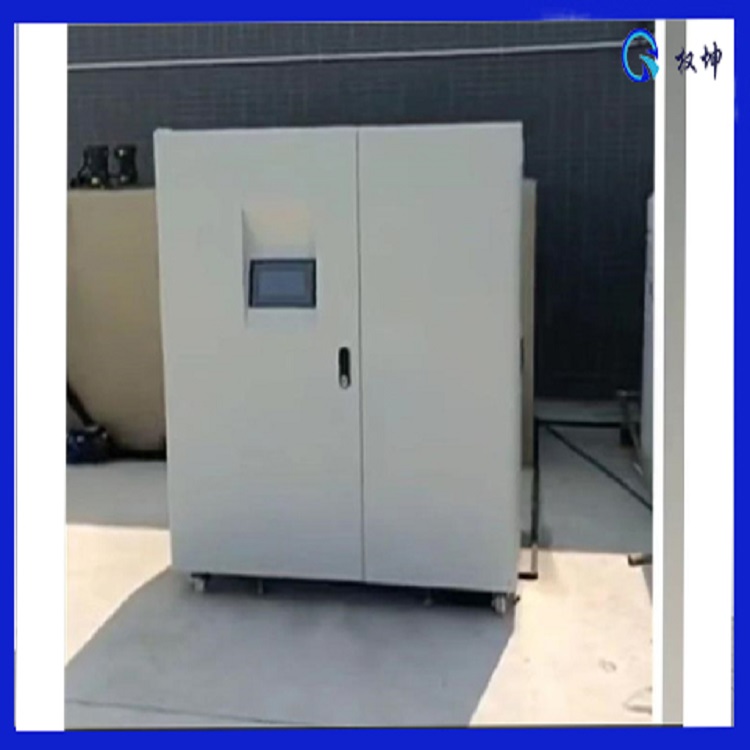
Quan Kun - Comprehensive Laboratory Waste Water Treatment Equipment - Remote Monitoring - Automated Control
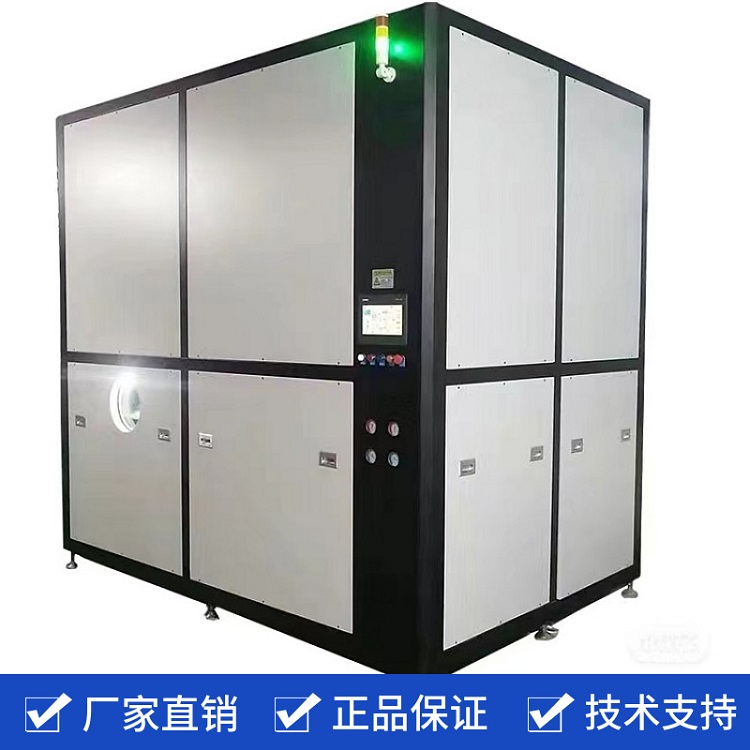
Sodium Chloride Wastewater Low-Temperature Evaporator - Intelligent Automatic - Quankun - Integrated Design
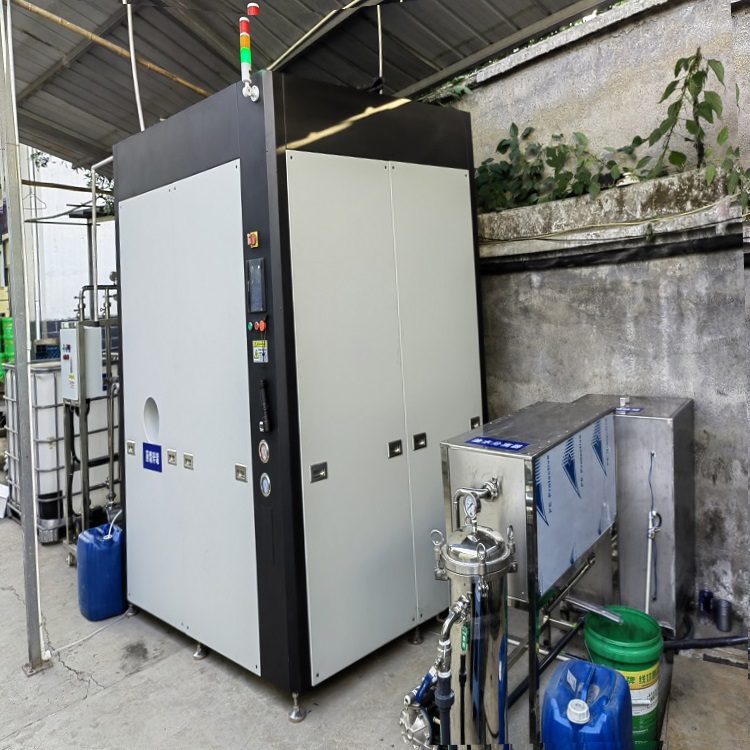
High-Concentration Oil Emulsion Waste Water Treatment Equipment - Quankun - Evaporator Unit - High Concentration Ratio
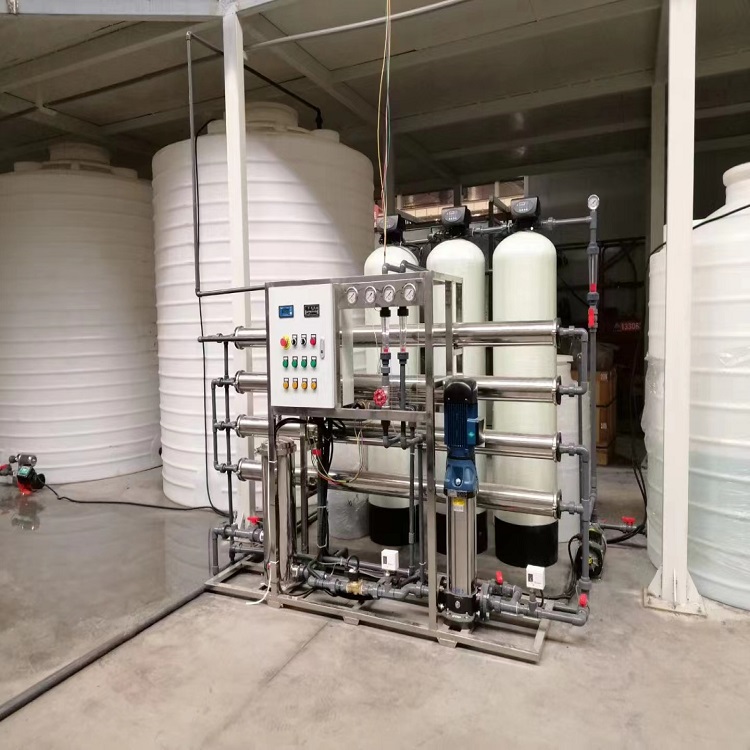
Industrial Pure Water Equipment EDI Ultra-Pure Water System Fully Automatic Control Quankun Environmental Protection
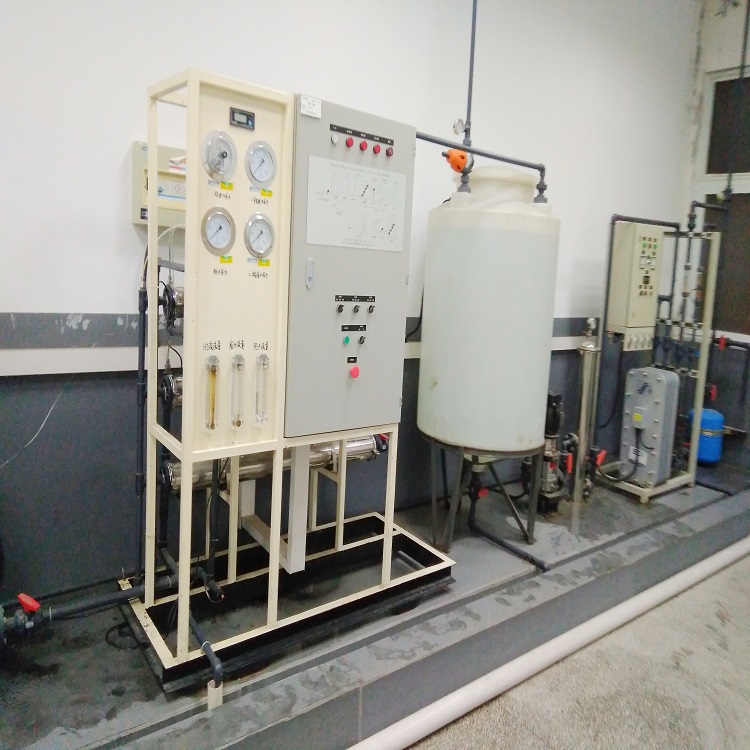
Shenzhen Industrial Ultra-Pure Water Equipment, equipped with EDI system, features low energy consumption and high degree of automation.
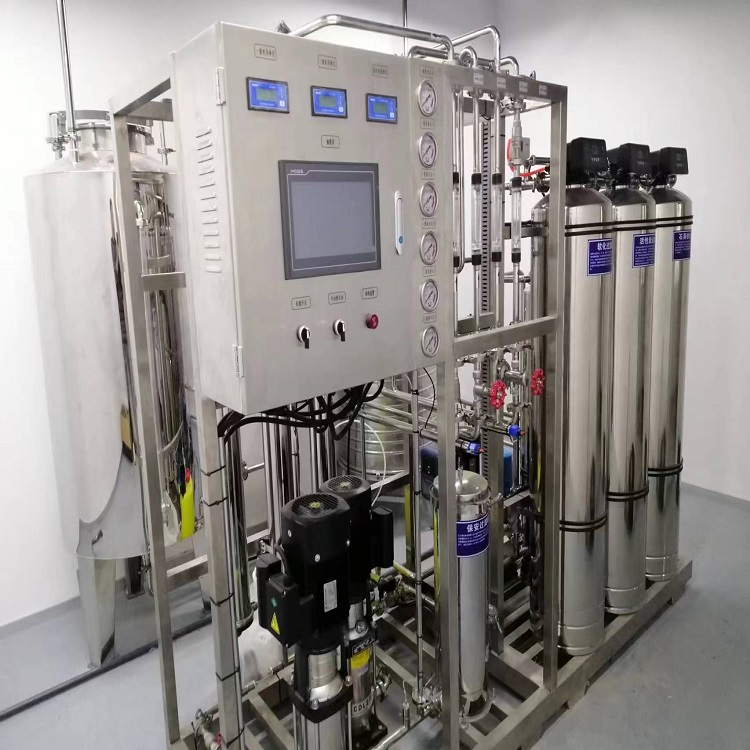
Shanghai industrial pure water production equipment reverse osmosis filtration system with high yield and customizable options, Quankun brand.
详情描述
University Lab Sewage Treatment Equipment - Complete Laboratory Waste Water Treatment System - Qual坤 Compliant Discharge
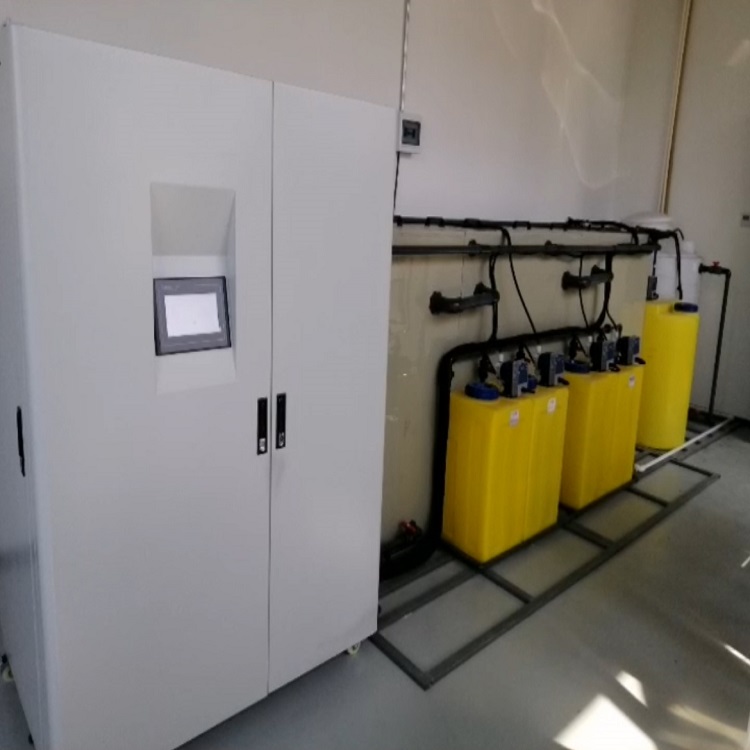
Wastewater generated from experiments is first collected by the collection system and then enters the equalization pond and laboratory wastewater treatment equipment to adjust water volume and homogenize water quality. Once the water level in the equalization pond reaches a certain height, it is pumped quantitatively to the post-treatment unit. In the integrated wastewater treatment equipment, it first enters the acid-base neutralization equalization system for acid-base neutralization. In the laboratory biological wastewater treatment equipment, pH is accurately adjusted to 8-9 by adding sodium hydroxide solution or citric acid solution using a metering pump, as measured by a pH meter. Under alkaline conditions, if heavy metals such as iron, cadmium, copper, manganese, nickel, lead, and chromium are present in the wastewater, they react with OH- to form hydroxide precipitates. The effluent from the acid-base neutralization pond is then flowed into a sedimentation pond, where PAC/PAM flocculant aids are added.
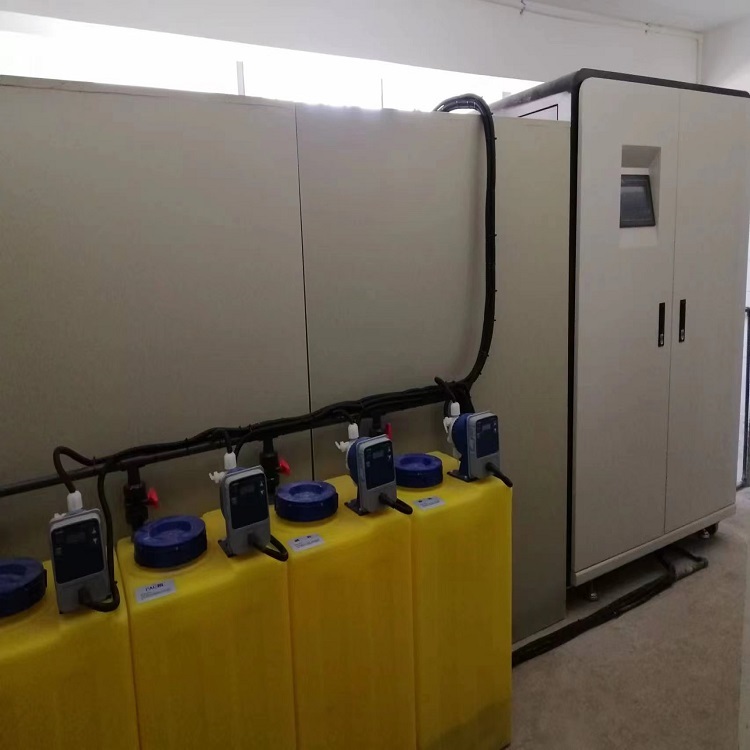
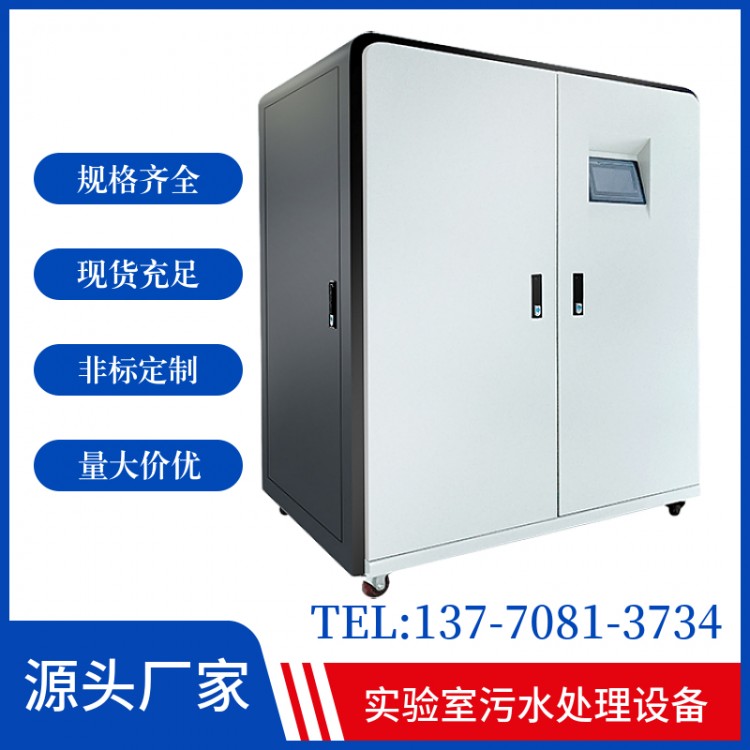
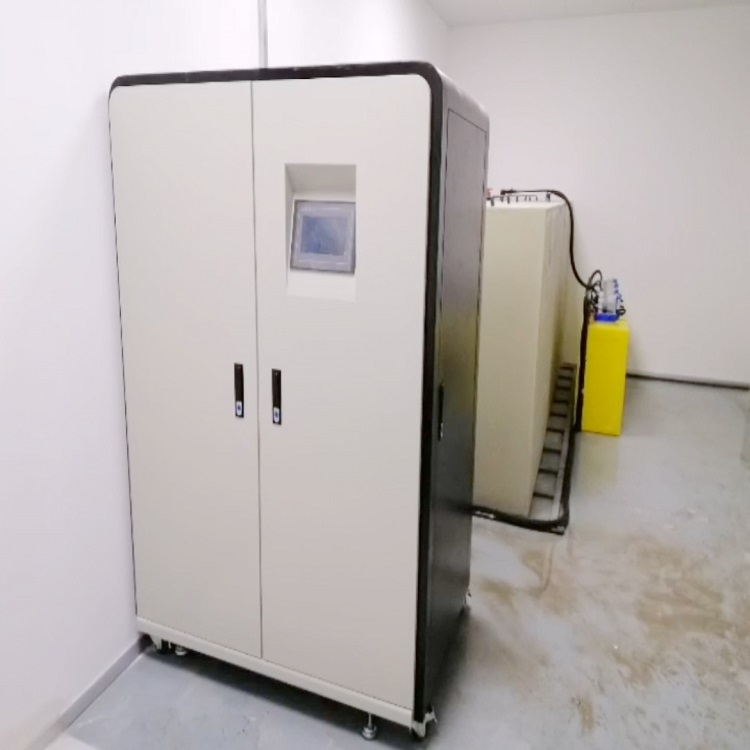
Our Laboratory Waste Treatment Machine is a newly developed equipment based on our years of experience in treating organic wastewater. Designed for compact laboratory spaces with low wastewater flow, this unit combines neutralization, multi-stage filtration, and sterilization processes. It boasts small size, low noise, no secondary pollution, no release of irritating gases, and easy installation and maintenance. It is widely used in research institutions, university and college chemistry laboratories, petrochemical enterprises, and major quarantine and inspection departments.

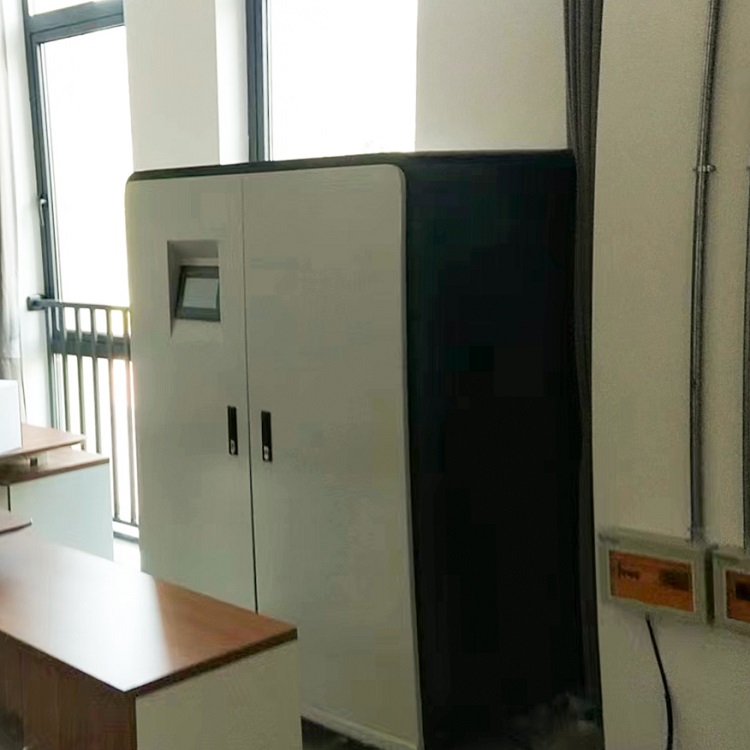
Process Description:
Wastewater is collected and homogenized in a collection tank, then flows into a neutralization reaction tank where a measured amount of acid (or alkali) solution is added based on the water quality characteristics for neutralization. The neutralized wastewater is then pumped to a filter tank for filtration. During the wastewater pumping, a measured amount of净水剂 solution is also introduced to cause flocculation reactions in the pollutants, thereby enhancing the filtration efficiency. The filtered clean water is sterilized by an ozone sterilizer and then flows into a bioactive carbon tank, where fine pollutants are further intercepted and adsorbed for decomposition. The treated clean water is then directly discharged into the urban sewage network.

Product Features:
Treat wastewater inorganic pollutants by means of neutralization coagulation, natural sedimentation, fine fiber filtration, and activated carbon adsorption technologies.
2. Features around-the-clock, fully automated operation; no need for dedicated staff supervision.
3. Precisely control the dosage with a pH meter and an imported metering pump.
4. Easy to operate, stable performance, long service life, and low operation and maintenance costs.
5. Compact in size, can be installed indoors or outdoors as needed.
6. Tailor-made design and manufacturing according to various customer requirements.
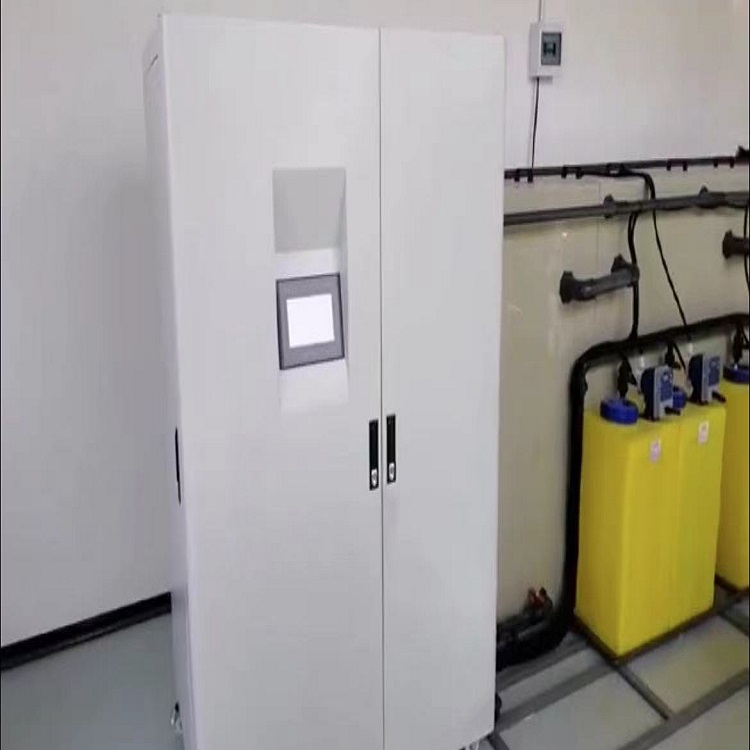
University Lab Wastewater Treatment Equipment - Complete Set for Laboratory Waste Water Treatment - Quankun Standard Discharge
General Principles for Laboratory Treatment of Wastewater:
1. When waste has become sufficiently scarce and safe, it can be released into the atmosphere or drainage. Aim to concentrate the liquid waste to reduce volume and store it in a safe, isolated location; use distillation, filtration, and adsorption methods to separate hazardous materials, discarding only the safe portions; burn any liquid or solid that can be safely combusted, but in moderate quantities, ensuring no harmful gases or residue remain; if incineration is not possible, choose a safe location for burial, ensuring that it is not exposed to the ground.
2. Generally, toxic gases can be removed by exhaust hoods or ventilation ducts after being diluted by air. Large quantities of toxic gases must be emitted only after being sufficiently combusted with oxygen or treated by adsorption.
3. Wastewater should be stored in appropriate containers and locations based on its chemical properties, using sealed containers, and should not be mixed. Clearly label the type, storage duration, and schedule for regular disposal.


