




- AllProduct Category
-
Lab Wastewater Treatment Equipment
Lab Wastewater Treatment Equipment
Ultra-Pure Water Equipment
Membrane Separation Equipment
Pure Water Equipment
Low-Temperature Evaporator
Ultra-Pure Water System
Integrated Wastewater Treatment Equipment
Reverse Osmosis Equipment
Pure Water Equipment
Ceramic Membrane Equipment



Recommended Products
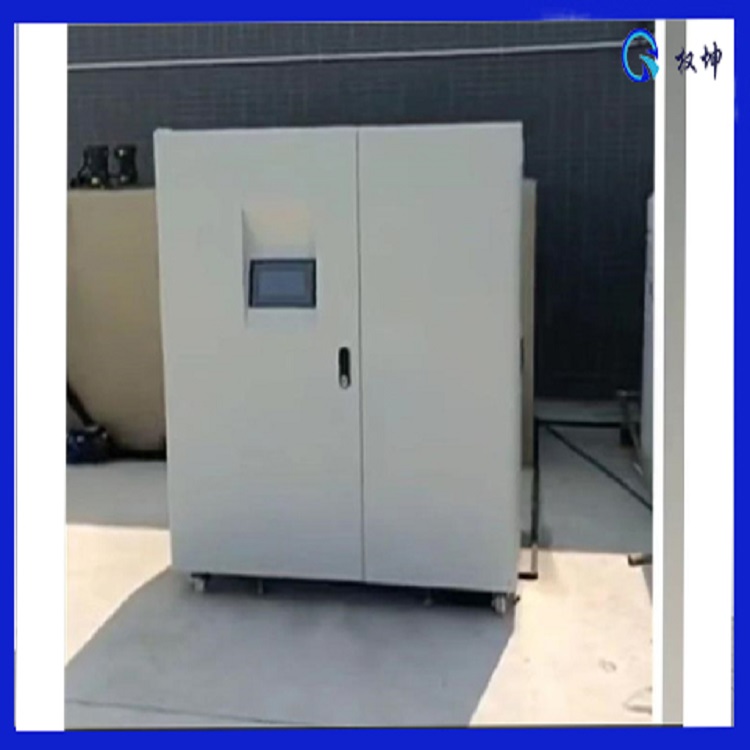
Quan Kun - Comprehensive Laboratory Waste Water Treatment Equipment - Remote Monitoring - Automated Control
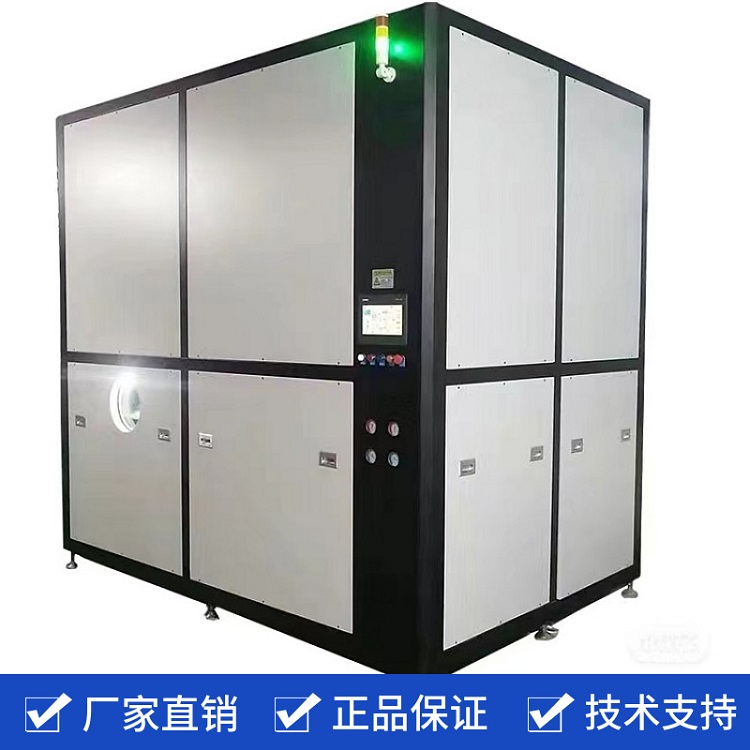
Sodium Chloride Wastewater Low-Temperature Evaporator - Intelligent Automatic - Quankun - Integrated Design
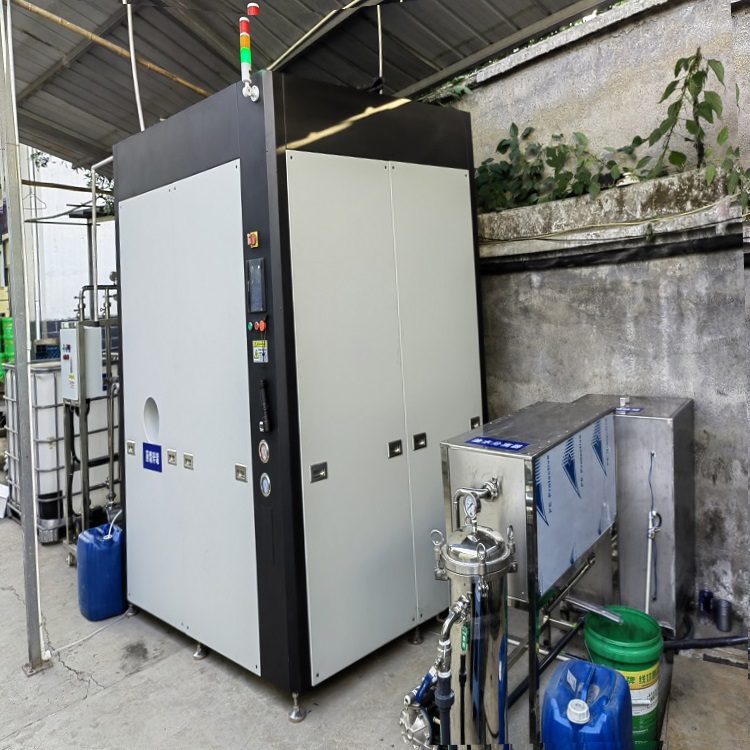
High-Concentration Oil Emulsion Waste Water Treatment Equipment - Quankun - Evaporator Unit - High Concentration Ratio
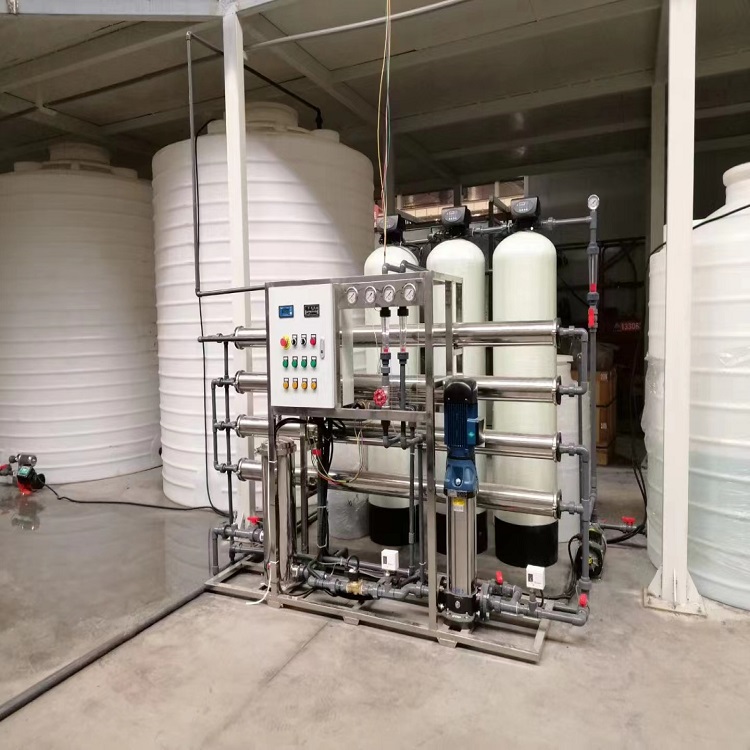
Industrial Pure Water Equipment EDI Ultra-Pure Water System Fully Automatic Control Quankun Environmental Protection
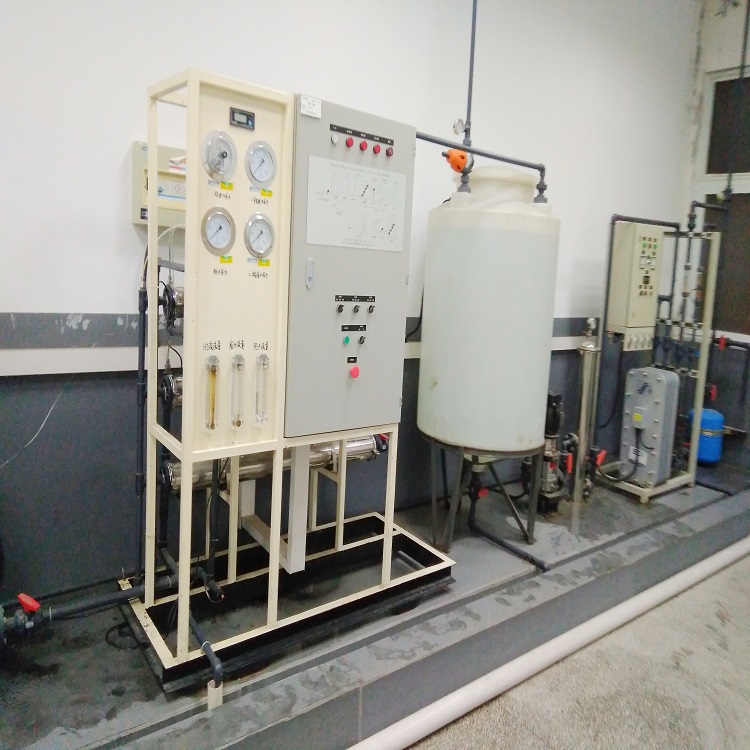
Shenzhen Industrial Ultra-Pure Water Equipment, equipped with EDI system, features low energy consumption and high degree of automation.
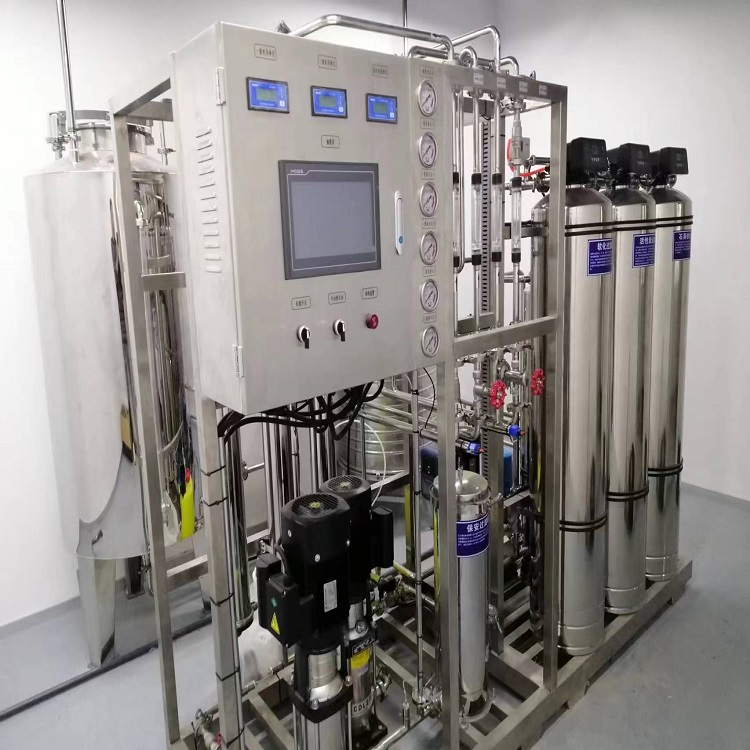
Shanghai industrial pure water production equipment reverse osmosis filtration system with high yield and customizable options, Quankun brand.
详情描述
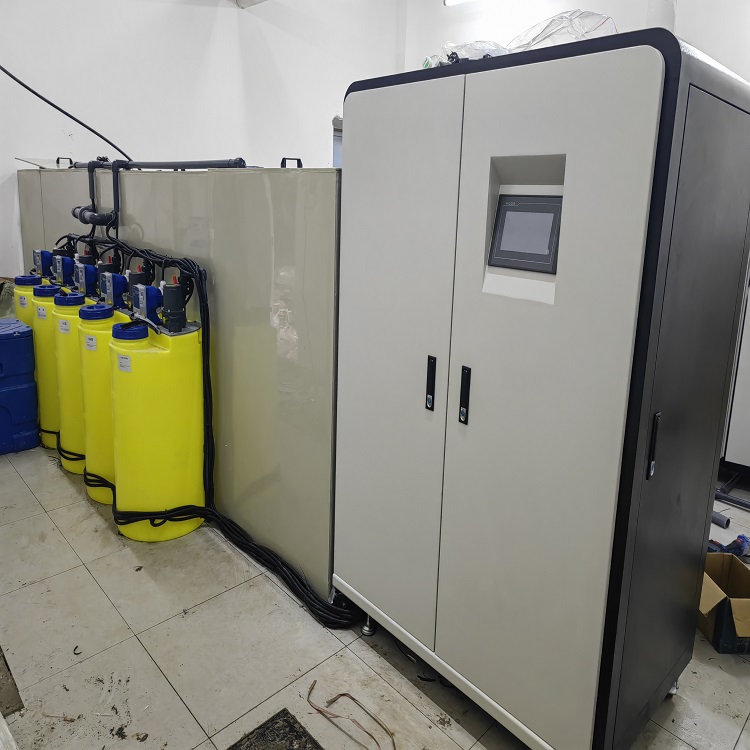
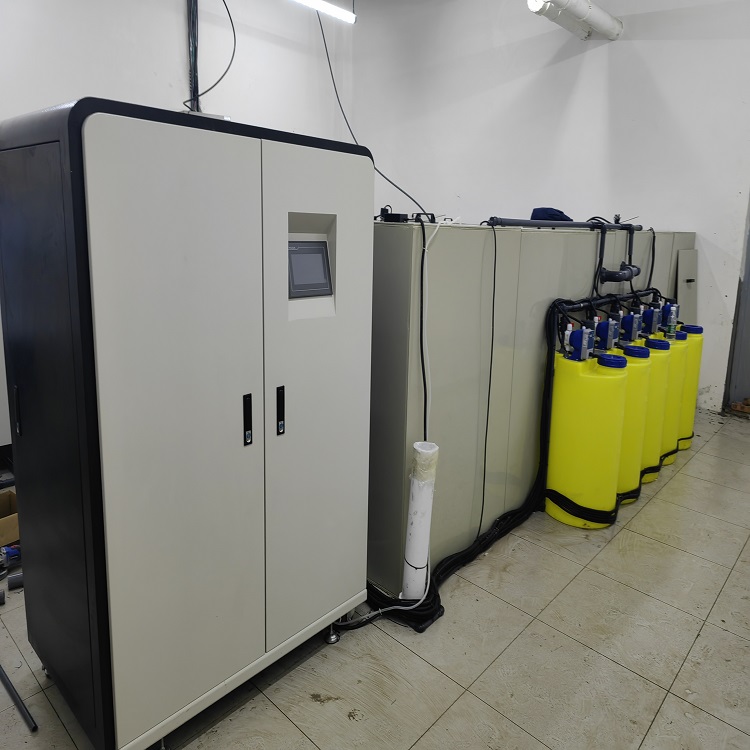
Quankun Environmental Protection - Low Temperature Evaporation Waste Water Treatment Equipment - Comprehensive Sewage Treatment Plant Maintenance
Equipment Introduction:
The comprehensive wastewater treatment equipment for laboratories, equipped with wastewater collection, automatic adjustment, coagulation-air flotation automatic mixing, flocculation-assisted sedimentation reaction, sedimentation separation, multi-stage high-level oxidation treatment, multi-stage decomposition degradation treatment, high-low potential difference micro-electrolysis technology, electrochemical oxidation-reduction, two-stage agricultural production system biological activity treatment technology, and new biochemical reaction treatment technology, comprehensively processes agricultural production system, inorganic, and biological wastewater generated in laboratories. It effectively removes COD, BOD, SS, color, and heavy metal ions from wastewater. Different treatment technologies and control systems are adopted for the treatment of wastewater based on the composition of different laboratory waste waters.

Process Features:
1. Treat various pollutants in wastewater with technologies such as neutralization and precipitation, chemical oxidation, heavy metal capture, photocatalytic reactions, micro-electrolysis, ozone oxidation, and multi-media filtration; 2. Monitor and control the quality changes and treatment process of wastewater in real-time using a microcomputer program, ensuring 24/7 automatic operation without the need for constant supervision; 3. Accurately control the dosage of chemicals using a pH meter and imported metering pumps, with additional features such as liquid level control, medication shortage alarms, and automatic sludge discharge; 4. Utilize advanced aeration equipment for thorough gas-water contact and complete reactions; 5. Easy to operate, stable performance, long service life, and low operation and maintenance costs; 6. Takes up minimal space, can be installed indoors or outdoors based on different conditions; 7. Tailor-made design and manufacturing to meet the specific requirements of customers.
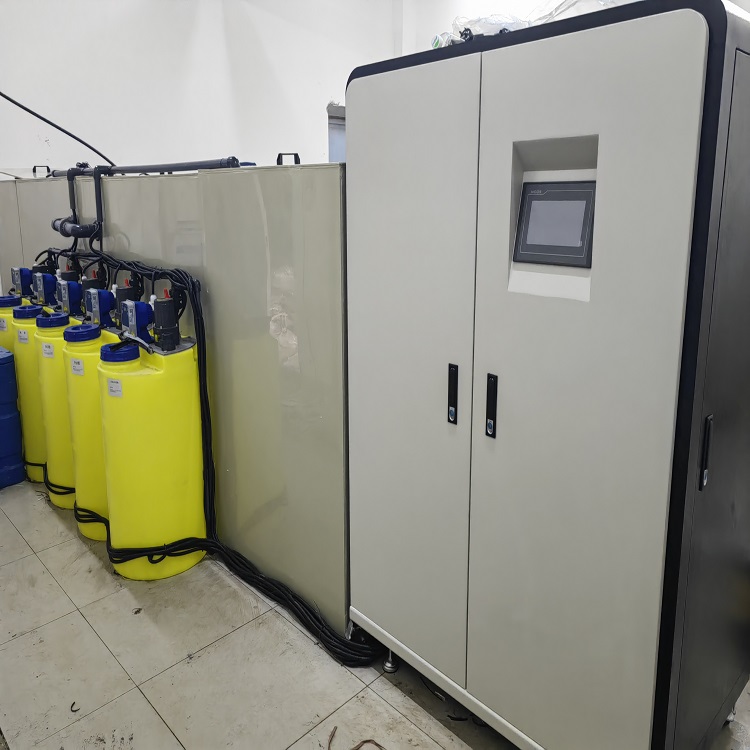
Laboratory water treatment equipment features:
1. Capable of denitrification and phosphorus removal, it can meet the requirements for treating industrial wastewater, domestic wastewater, and urban wastewater by adjusting the structure of the equipment.
2. The equipment has strong impact load resistance, with an average residence time in the contact oxidation process exceeding 6 hours.
3. Equipment discharge water quality is stable, with minimal sludge production and easy handling.
4. The contact oxidation tank is equipped with an aeration device for blowing air, which allows the fibers to continuously float and ensures even aeration. This promotes the growth and maturation of microorganisms within the tank, exhibiting characteristics of the activated sludge process.
5. Water treatment equipment can be placed above ground or buried underground. Reduces land footprint and conserves land usage. When buried, the top can be covered with greenery.
6. The equipment, in addition to the conventional silencing measures using blowers, also features the installation of new sound-absorbing materials on the interior walls of the blower room. This ensures the noise level during operation is below 50 decibels, thereby minimizing the impact on the surrounding environment.
7. Submersible pumps can be installed within the equipment, saving costs.
8. Simple and convenient to operate, saves labor, can be manually operated or automatically operated.

Equipment Process:
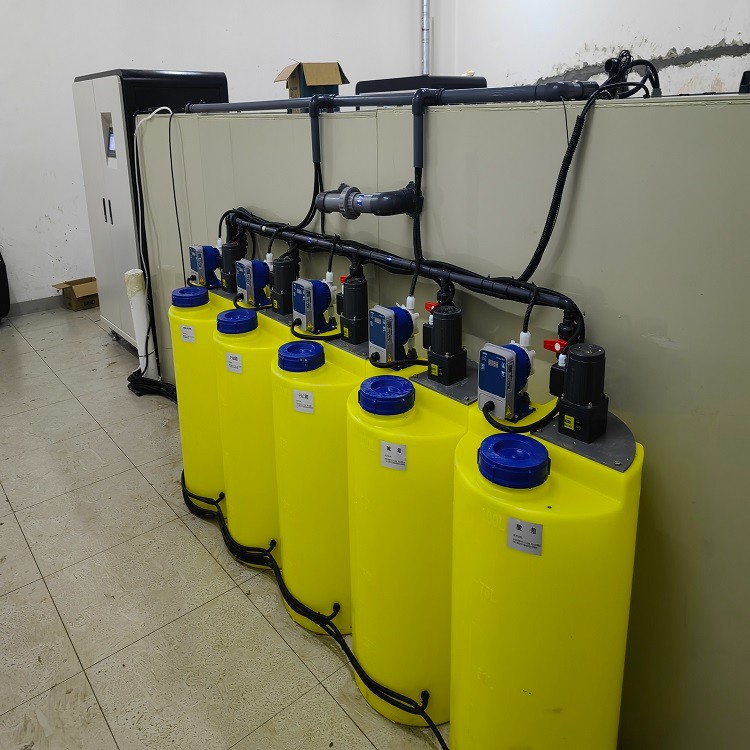
Wastewater is collected through the sewage pipes and stored in an external storage tank to regulate water quality uniformly and initially settle out large particles. The internal float ball sensor detects water level; upon reaching the set high level, it is pumped to the main equipment via an external lifting pump. It first enters the PH adjustment tank, where it is automatically controlled by a PH tester (parameters are factory-set, but can be adjusted according to actual conditions) to add acid or alkali as needed. After adjusting the PH, it flows into the micro-electrolysis tank, where it undergoes electrolysis due to internal potential differences, reducing COD and removing some heavy metal ions. It then enters the flocculation and sedimentation tank, where flocculation and sedimentation are achieved by adding PAC or PAM, thereby lowering SS. The water flows into a clean water tank, and once a certain water level is reached, it is automatically pumped to a multi-media filter for adsorption filtration. It then proceeds to a controlled release disinfection unit for disinfection. After treatment, the wastewater meets the standards of the Comprehensive Discharge Standard for Wastewaters (GB8978-1996) at levels one, two, and three, and can be discharged into the municipal sewage system or surface water bodies. Alternatively, the treated wastewater can be reused through further treatment processes.
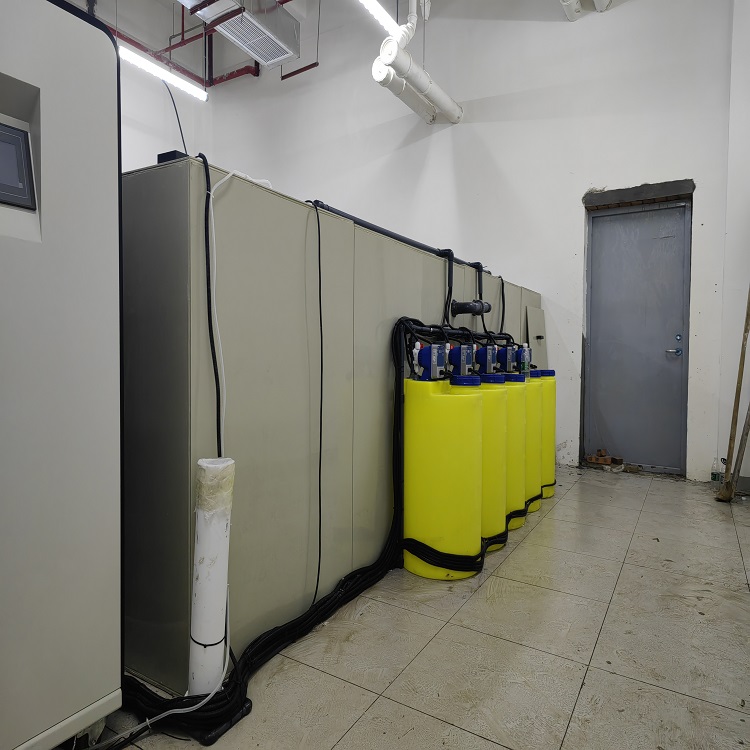
Quan Kun Environmental Protection - Low Temperature Evaporation Waste Water Treatment Equipment - Complete Sewage Treatment System Maintenance
Application Range:
Custom-designed laboratory wastewater treatment units based on actual on-site conditions.


