



- AllProduct Category
-
Lab Wastewater Treatment Equipment
Lab Wastewater Treatment Equipment
Ultra-Pure Water Equipment
Membrane Separation Equipment
Pure Water Equipment
Low-Temperature Evaporator
Ultra-Pure Water System
Integrated Wastewater Treatment Equipment
Reverse Osmosis Equipment
Pure Water Equipment
Ceramic Membrane Equipment



Recommended Products
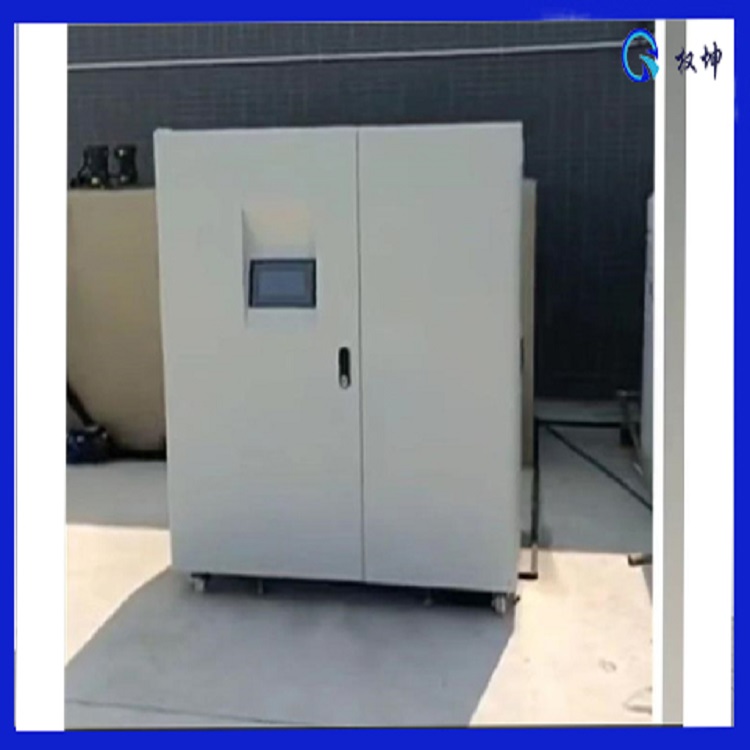
Quan Kun - Comprehensive Laboratory Waste Water Treatment Equipment - Remote Monitoring - Automated Control
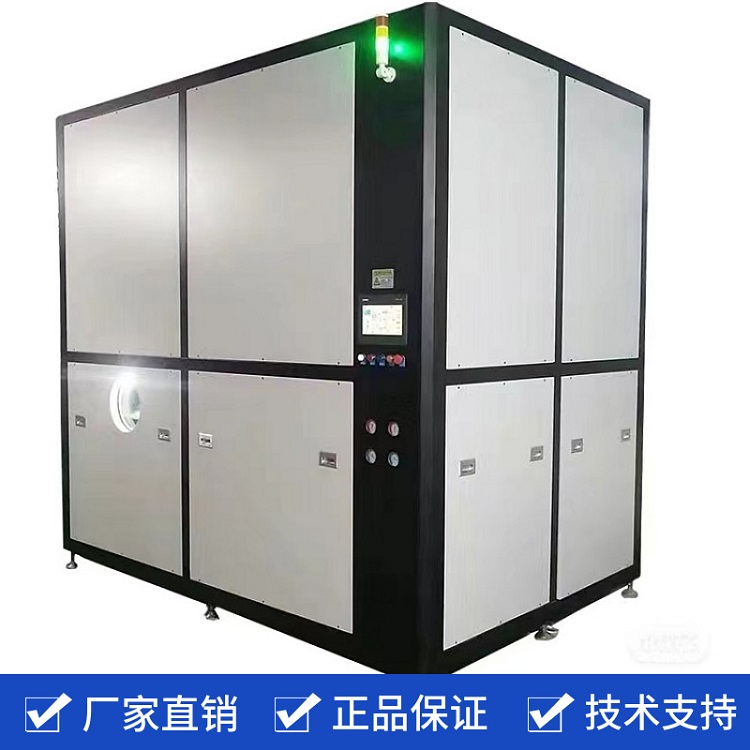
Sodium Chloride Wastewater Low-Temperature Evaporator - Intelligent Automatic - Quankun - Integrated Design
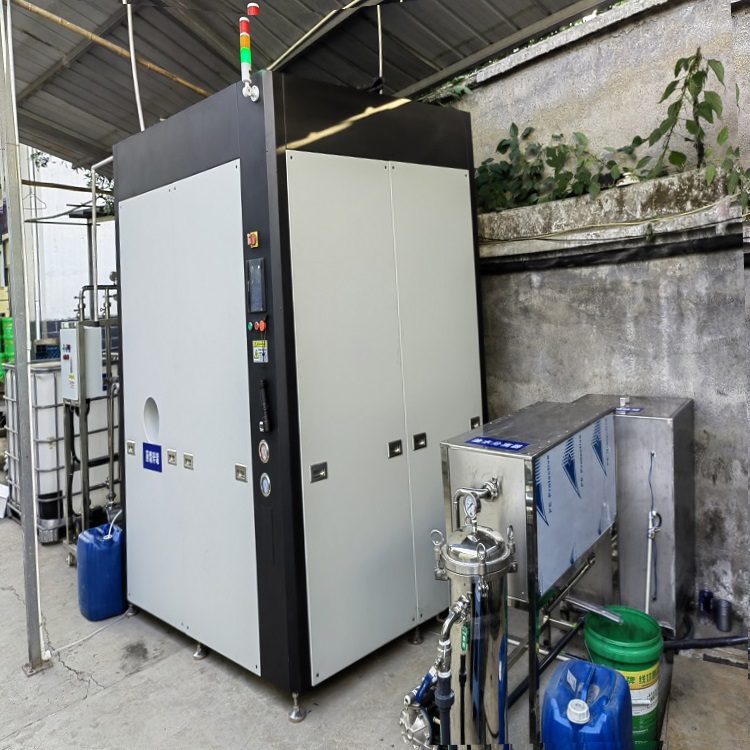
High-Concentration Oil Emulsion Waste Water Treatment Equipment - Quankun - Evaporator Unit - High Concentration Ratio
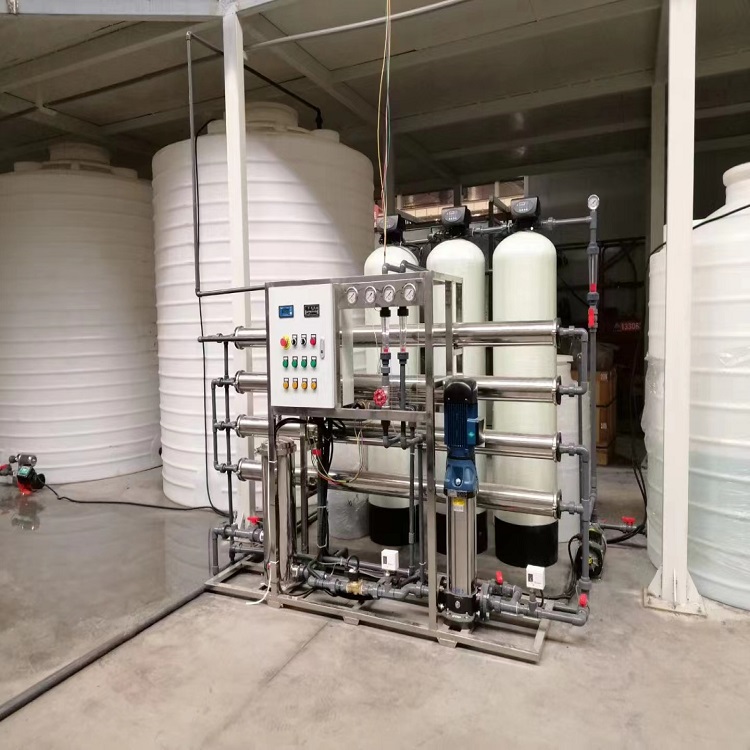
Industrial Pure Water Equipment EDI Ultra-Pure Water System Fully Automatic Control Quankun Environmental Protection
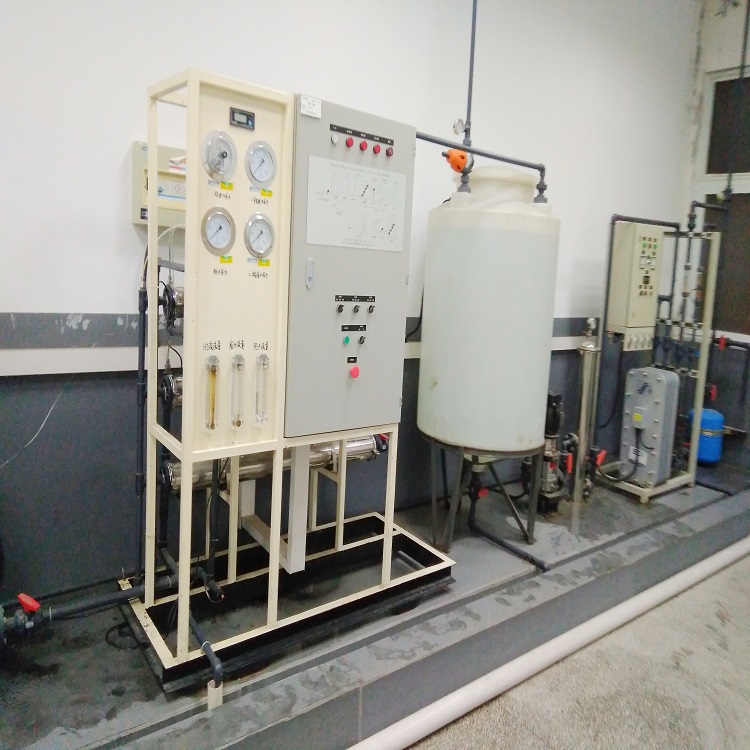
Shenzhen Industrial Ultra-Pure Water Equipment, equipped with EDI system, features low energy consumption and high degree of automation.
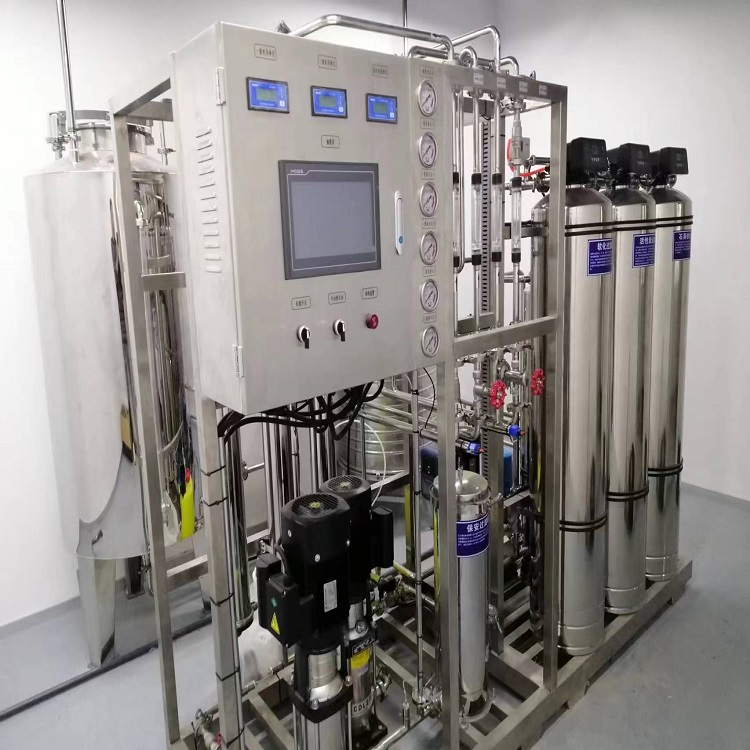
Shanghai industrial pure water production equipment reverse osmosis filtration system with high yield and customizable options, Quankun brand.
详情描述
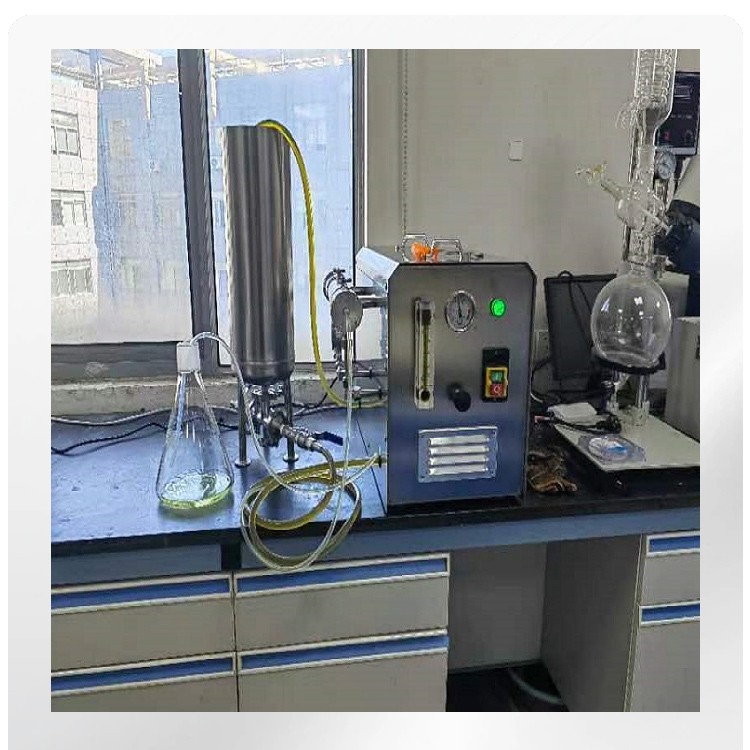
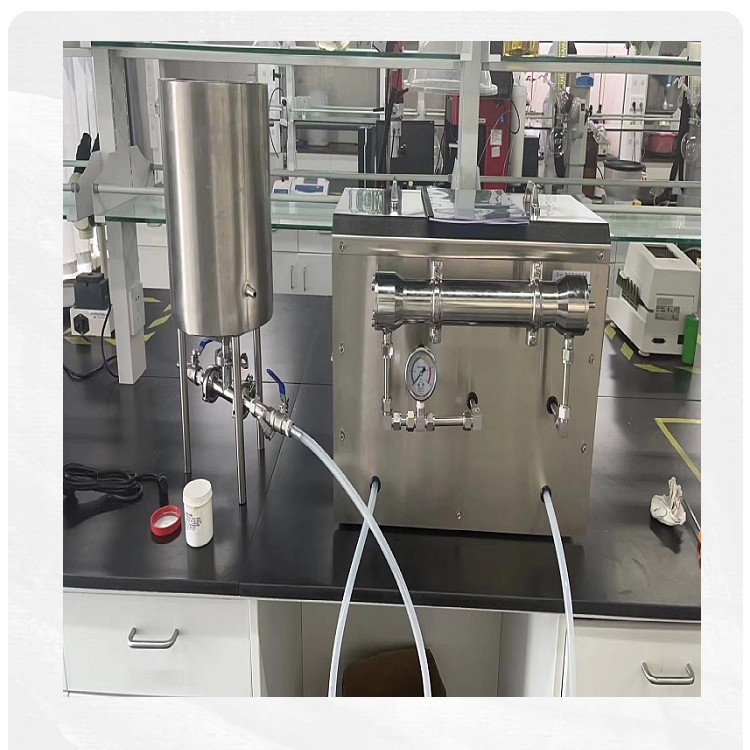
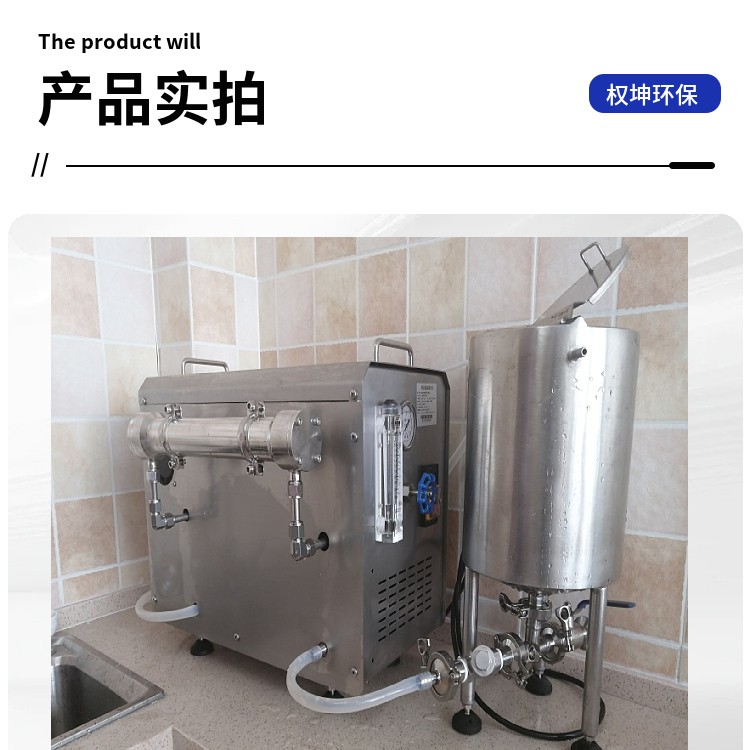
Nanofiltration equipment - high efficiency, energy-saving, simple operation, eco-friendly, pure water treatment technology - Quankun
Nanofiltration is a liquid-liquid separation method that allows salts and small molecule substances to pass through a nanofiltration membrane under pressure differential, while retaining large molecule substances, also known as selective reverse osmosis. Nanofiltration membranes have a relatively small retention molecular weight of 150-1000 MWCO, lying between ultrafiltration and reverse osmosis, and can be used for the concentration and purification of large molecule substances in solutions.
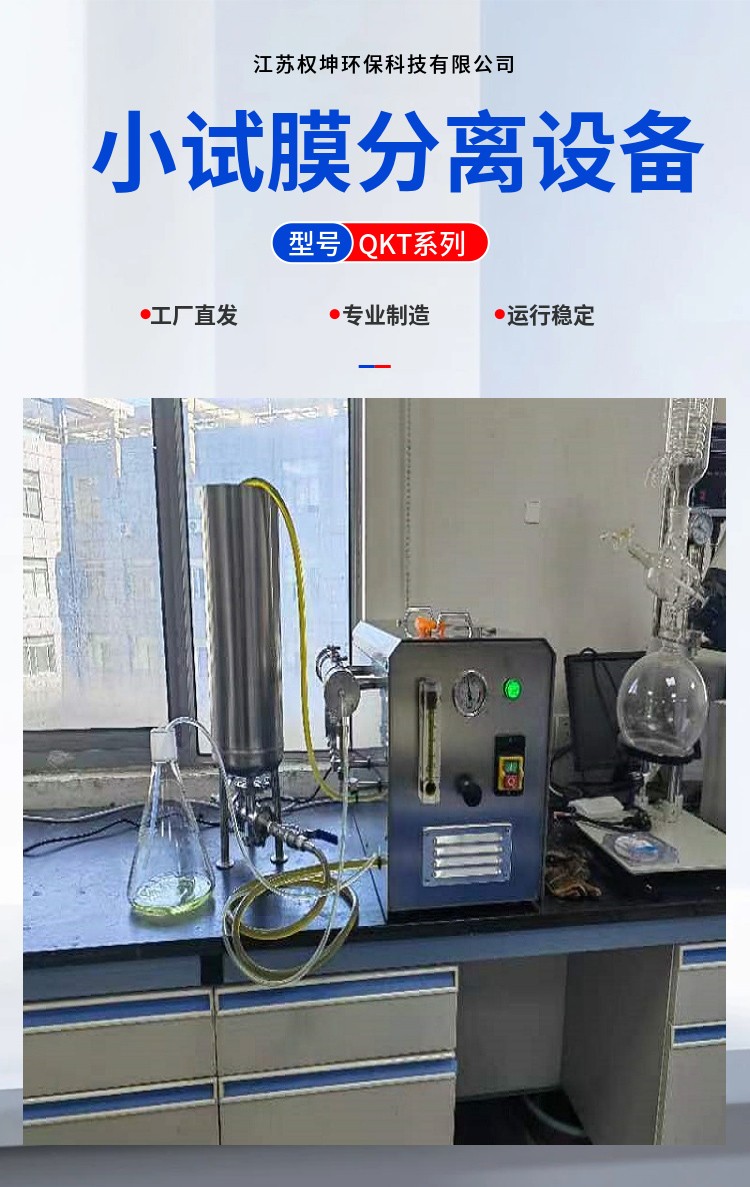
The nanofiltration membrane filtering mostly employs crossflow filtration. Crossflow method avoids the clogging phenomenon in dead-end filtration: as the feed liquid flows over the membrane surface, under the pressure, the liquid and small molecule substances permeate through the membrane, while colloids and large molecule substances are retained; with sufficient flow rate of the feed liquid, the substances retained by the membrane can be stripped off the membrane surface, and the continuous stripping reduces membrane pollution, thus maintaining a higher membrane permeation flux for a longer time. Crossflow filtration has been proven to be an effective, reliable, and economically beneficial membrane separation method.
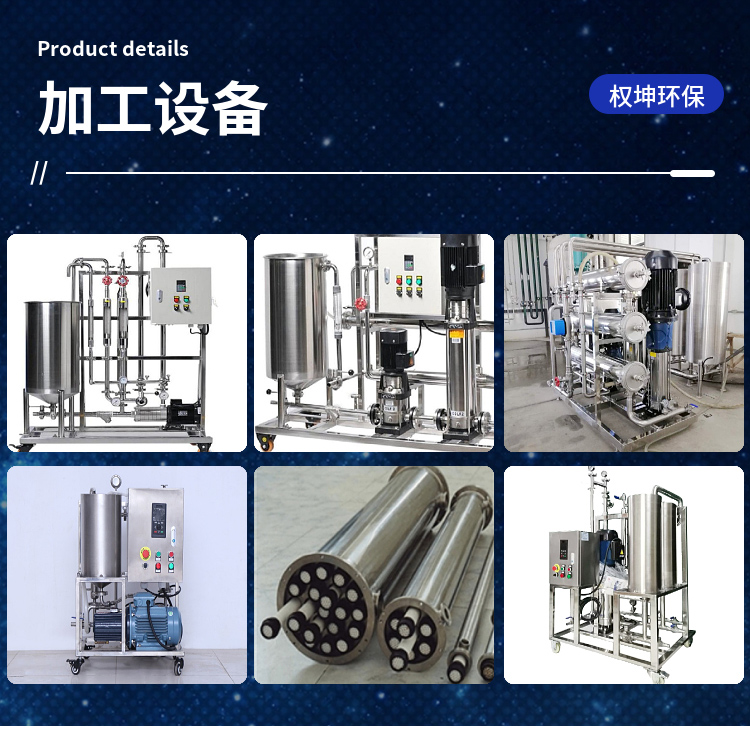
Structure of the nanofiltration membrane:
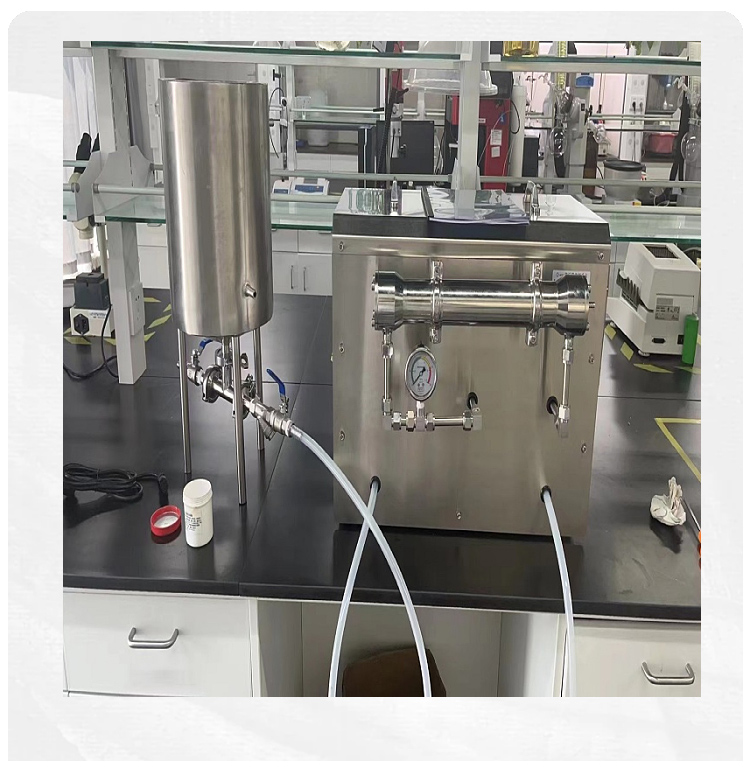
The rolled nanofiltration membrane module features a simple design, high packing density, and an internal structure formed by multiple "membrane bags" rolled around a porous central tube. The three sides of the membrane bags are sealed, while the fourth side is sealed onto the porous central tube. Inside, the membrane bags are formed with a porous support material to create a permeate物流 path. Between the membrane bags, a mesh material forms a feed fluid物流 path, with the feed fluid flowing parallel to the central collection tube. The permeate entering the membrane bags rotates towards the central collection tube and is then discharged through it.
Nanofiltration membrane definition:
To date, the understanding of the precise definition, mechanism, and characteristics of nanofiltration membranes is far from sufficient. The academic community generally agrees on the following seven aspects to define nanofiltration membranes:
① Nanofiltration membranes are between reverse osmosis and ultrafiltration membranes, with the membrane surface separation layer possibly having a nanoporous structure.
② Compared to reverse osmosis membranes, the NaCI rejection rate is all above 95%. Generally, membranes with a NaCI rejection rate of less than 90% can be called nanofiltration membranes.
③ Reverse osmosis membranes have a high rejection rate for almost all solutes, whereas nanofiltration membranes only have a rejection rate for specific solutes.
④ Nanofiltration membrane pore size is above 1nm, generally 1-2nm.
⑤Primarily removes solute particles around one nanometer in size, retaining molecules with a molecular weight of 200 to 1000 daltons.
⑥ Reverse osmosis membranes are almost all made of polyamide materials, while nanofiltration membranes can be made from various materials, such as cellulose acetate, cellulose acetate-triacetate, sulfonated polysulfone, sulfonated polyether sulfone, aromatic polyamide composite materials, and inorganic materials, etc.
⑦ Generally, the surface of nanofiltration membranes forms polymeric electrolytes, hence they often exhibit a strong negative charge.
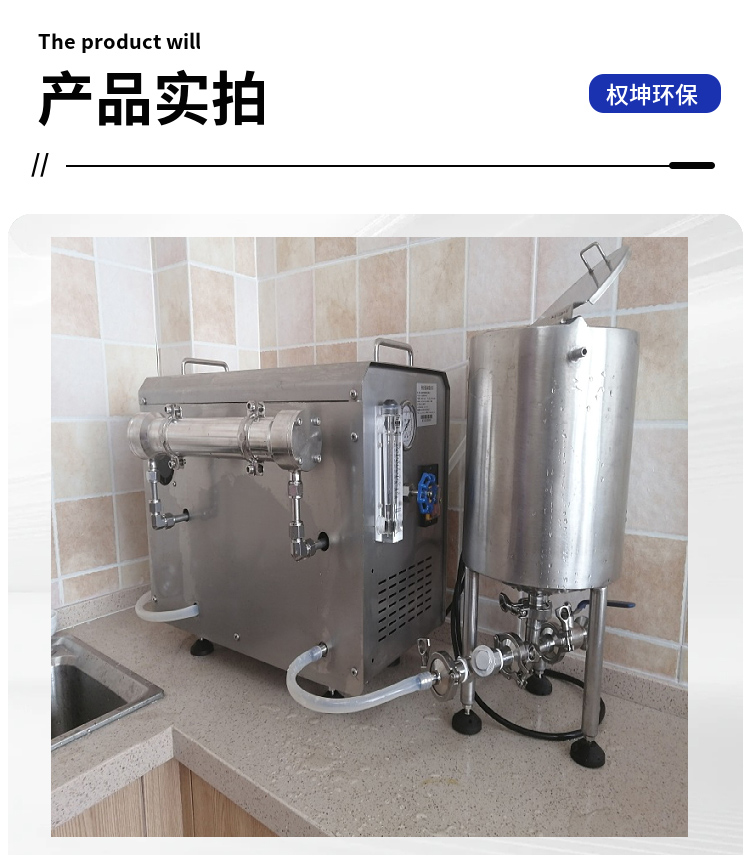
Nanofiltration equipment with high efficiency, energy-saving operation, simple use, environmental protection, and pure water treatment technology. Qiankun
Applications of Nanofiltration Membranes:
(1) Water Treatment: Utilizing the charged characteristics of the membrane surface, it can remove high-valence ions while allowing single-valent ions to pass through. Applied in water softening and deep treatment of drinking water, the prepared safe drinking water has biological activity.
(2) Wastewater Treatment: Combined with biochemical methods, it achieves the recycling of reclaimed water, wastewater, and sewage, as well as the recovery of chemicals. Such as alkali recovery from papermaking wastewater; decolorization treatment of dye wastewater, etc.
(3) Concentration and Purification of Chemicals and Pharmaceutical Products: Concentration and purification of dye products; Concentration and purification of polysaccharide products; Concentration and purification of antibiotic and synthetic pharmaceutical products.
(4) Separation, purification, and concentration of animal and plant products: purification and concentration of plant extracts; desalination and purification of resin eluates; biological protein concentration;


