




- AllProduct Category
-
Lab Wastewater Treatment Equipment
Lab Wastewater Treatment Equipment
Ultra-Pure Water Equipment
Membrane Separation Equipment
Pure Water Equipment
Low-Temperature Evaporator
Ultra-Pure Water System
Integrated Wastewater Treatment Equipment
Reverse Osmosis Equipment
Pure Water Equipment
Ceramic Membrane Equipment



Recommended Products
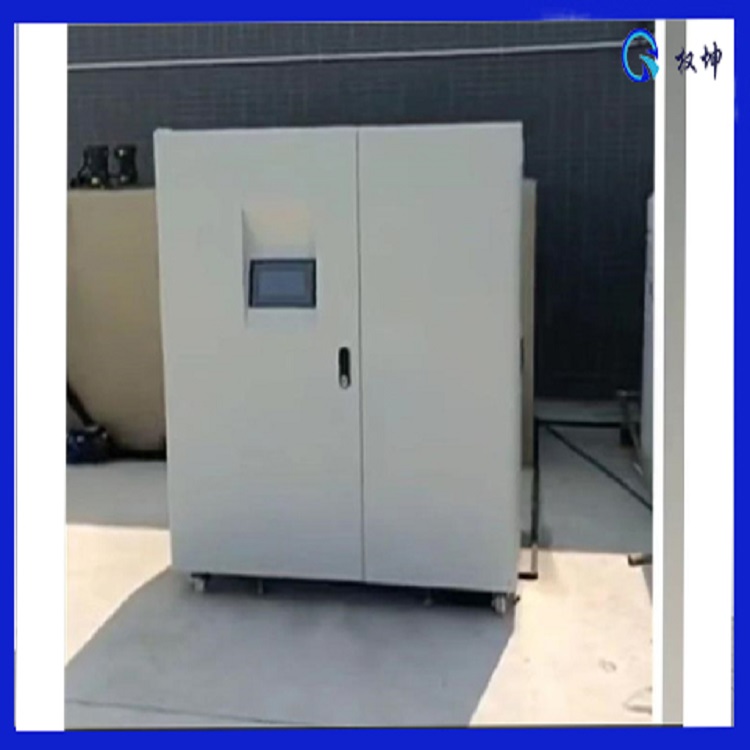
Quan Kun - Comprehensive Laboratory Waste Water Treatment Equipment - Remote Monitoring - Automated Control
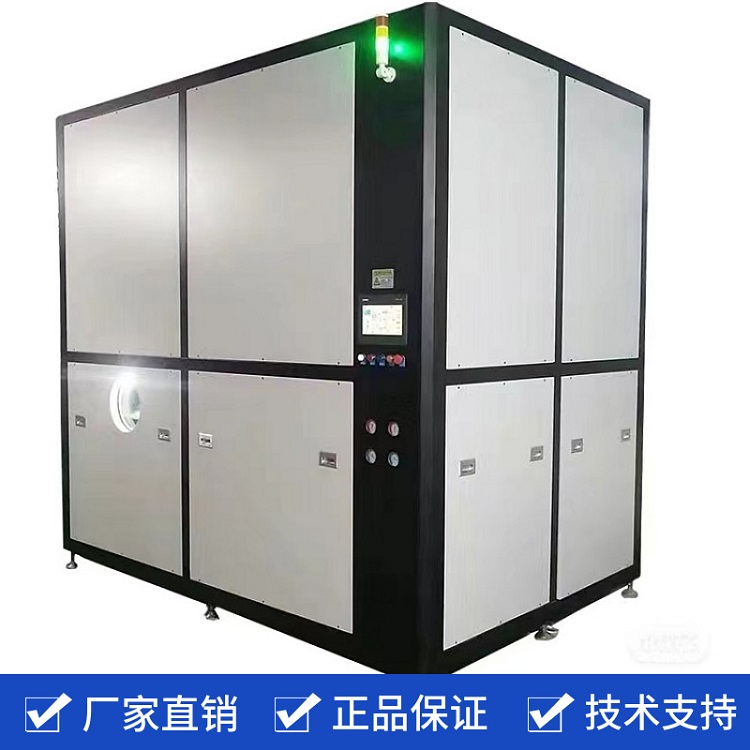
Sodium Chloride Wastewater Low-Temperature Evaporator - Intelligent Automatic - Quankun - Integrated Design
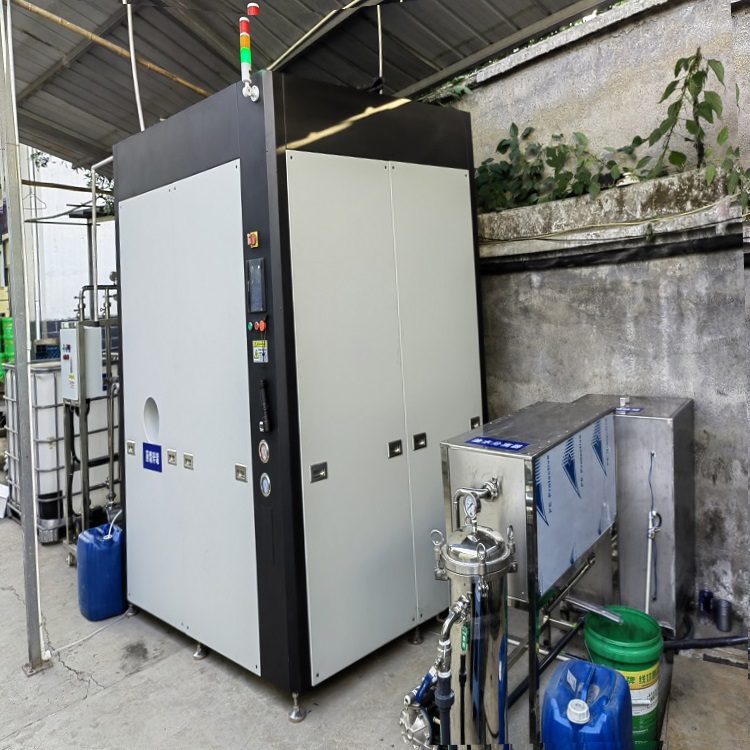
High-Concentration Oil Emulsion Waste Water Treatment Equipment - Quankun - Evaporator Unit - High Concentration Ratio
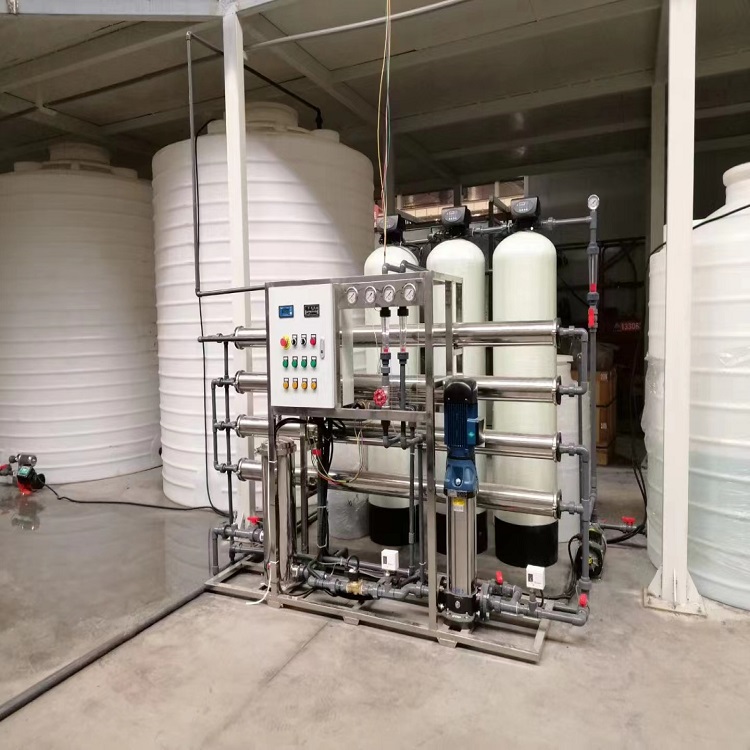
Industrial Pure Water Equipment EDI Ultra-Pure Water System Fully Automatic Control Quankun Environmental Protection
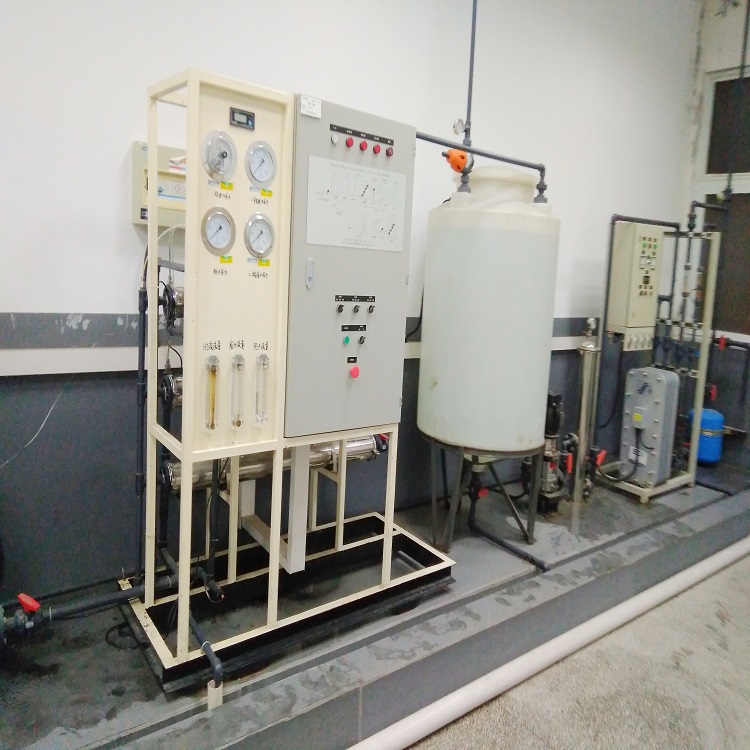
Shenzhen Industrial Ultra-Pure Water Equipment, equipped with EDI system, features low energy consumption and high degree of automation.
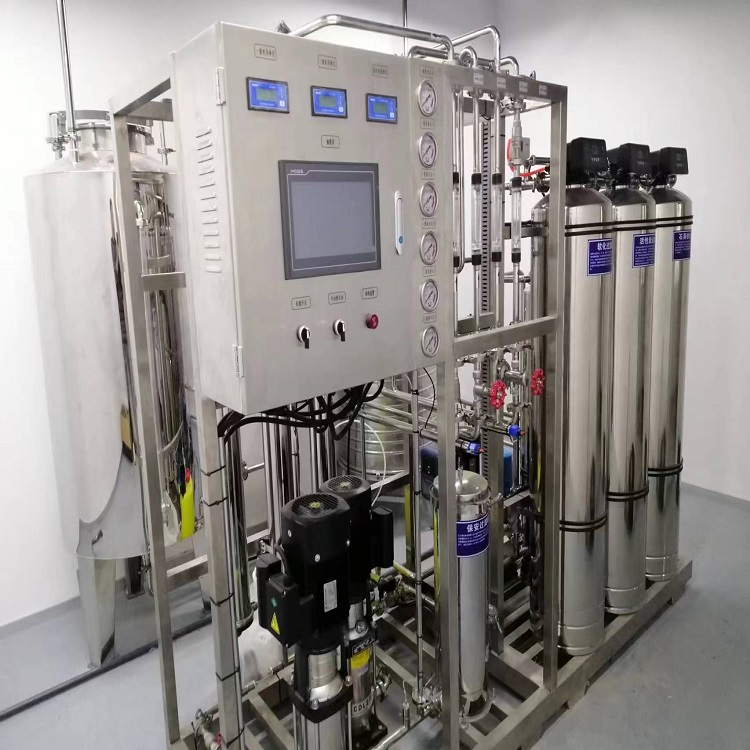
Shanghai industrial pure water production equipment reverse osmosis filtration system with high yield and customizable options, Quankun brand.
详情描述
Low-temperature Evaporation Wastewater Treatment Equipment - Quankun - Machining Processing Cleaning Wastewater Treatment Unit
Low-temperature heat pump evaporators, as an efficient, energy-saving, and environmentally friendly refrigeration and heating equipment, hold broad application prospects. While tackling technical challenges and continuously advancing innovation, low-temperature heat pump evaporators are expected to continue to develop, providing people with more cost-effective and eco-friendly refrigeration and heating solutions.
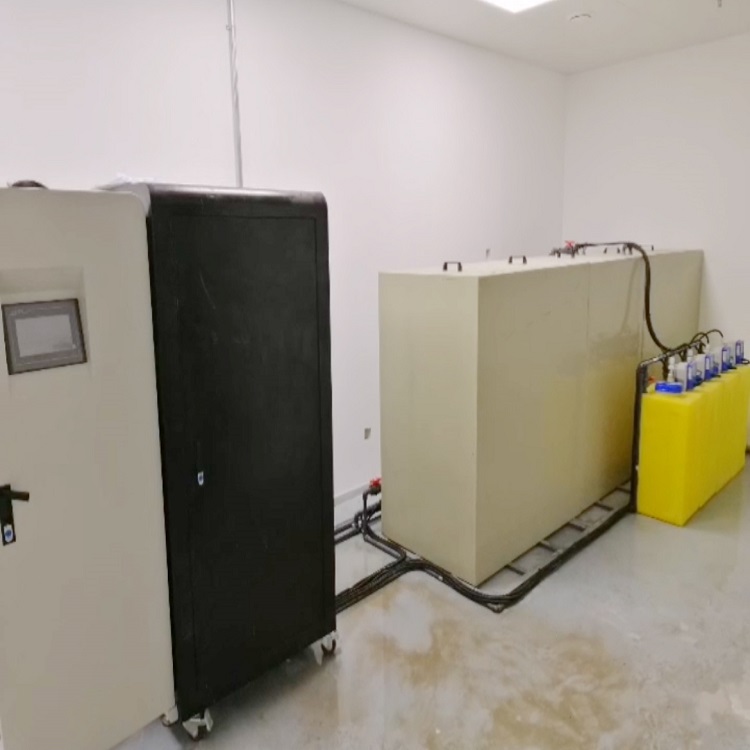
The primary function of the low-temperature evaporator is to reduce the boiling point under vacuum pressure, causing the original liquid to heat up and boil at over thirty degrees. The steam produced is condensed into liquid water by the condensation system and then drained out through a drain channel. Depending on the specific gravity of the water, the concentration and reduction rate of the effluent can reach 70% to 95%.
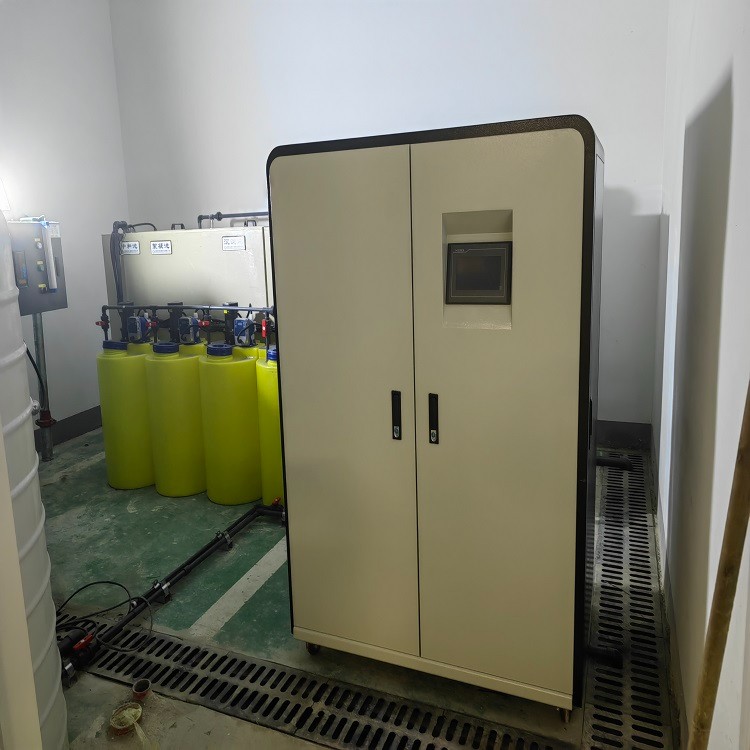
By concentrating and reducing waste liquid through a low-temperature evaporator, businesses can significantly reduce the cost of waste liquid treatment. The equipment occupies minimal space, is portable, highly automated, and requires no external steam source or peripheral cooling water. Simply provide electricity and a small amount of compressed air.
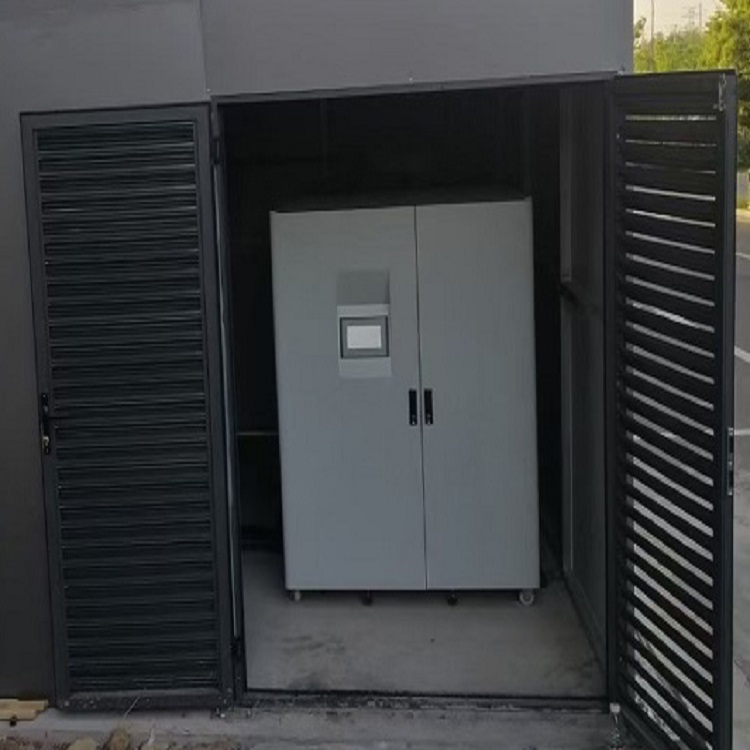
Equipment Design:
For high-oil concentration wastewater treatment equipment, low energy consumption and high efficiency are critical requirements. Traditional wastewater treatment systems often require high-energy consuming equipment and substantial amounts of chemicals, which not only increase costs but also pose risks of secondary pollution. Therefore, the development of low-energy, high-efficiency equipment designs is necessary, such as utilizing biological degradation, electrochemical oxidation, and photocatalysis to enhance the energy utilization efficiency of wastewater treatment.
Operating Principle:
A low-temperature heat pump evaporator is a device used for refrigeration and heating, operating on the principle of the heat pump cycle. Its primary function is to convert low-temperature, high-humidity evaporative refrigerant into a saturated liquid for the subsequent compression and condensation processes. The low-temperature heat pump evaporator helps improve energy utilization efficiency, reduce energy consumption, and protect the environment.
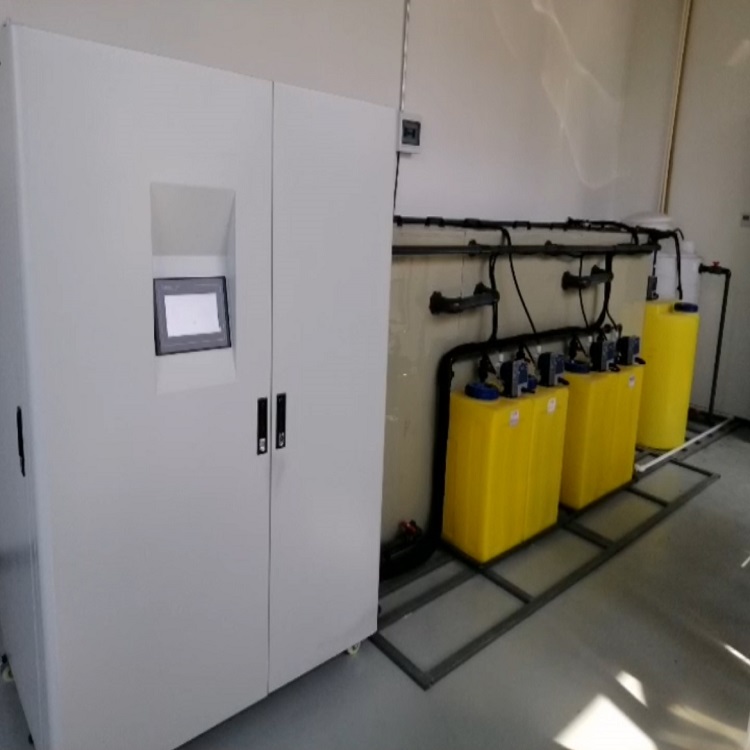
Low-Temperature Evaporation Waste Water Treatment Equipment - Quankun - Machining Cleaning Sewage Treatment Unit
The working process of a low-temperature heat pump evaporator primarily includes two stages: evaporation and condensation. During the evaporation stage, the refrigerant absorbs heat from an external heat source and vaporizes into steam. At this point, indoor air passes through the evaporator, comes into contact with the low-temperature refrigerant, and transfers heat to the refrigerant, causing it to evaporate. In the condensation stage, the evaporated refrigerant enters the compressor, is compressed into a high-temperature, high-pressure gas, and releases heat through the condenser, transferring the heat from the air to the outside. Afterward, the refrigerant flows back into the evaporator to continue the cycle.


