



- AllProduct Category
-
Lab Wastewater Treatment Equipment
Lab Wastewater Treatment Equipment
Ultra-Pure Water Equipment
Membrane Separation Equipment
Pure Water Equipment
Low-Temperature Evaporator
Ultra-Pure Water System
Integrated Wastewater Treatment Equipment
Reverse Osmosis Equipment
Pure Water Equipment
Ceramic Membrane Equipment



Recommended Products
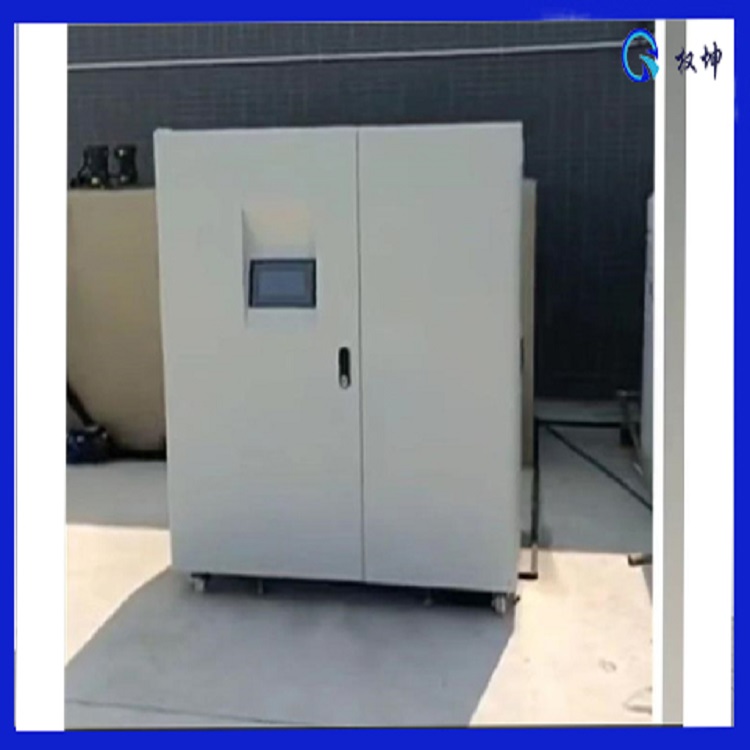
Quan Kun - Comprehensive Laboratory Waste Water Treatment Equipment - Remote Monitoring - Automated Control
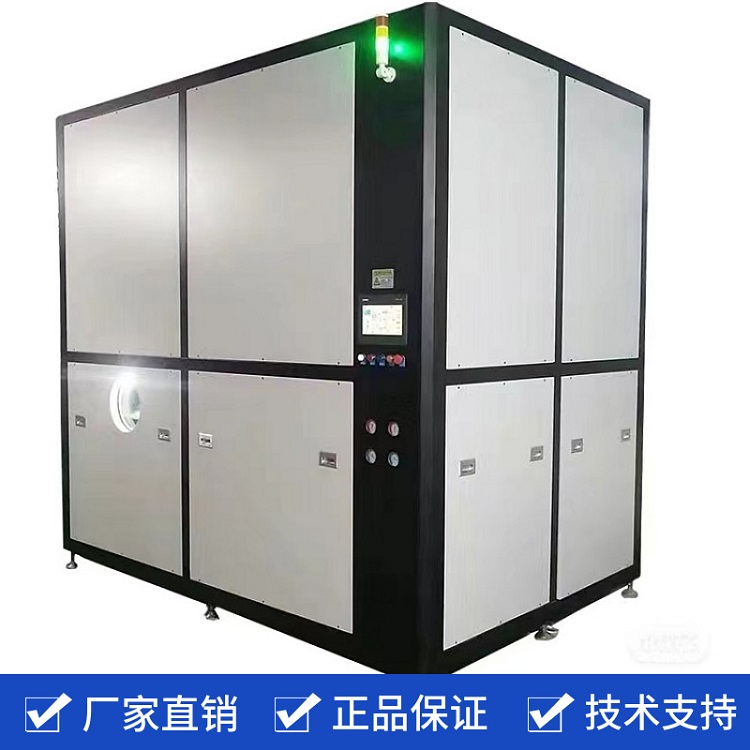
Sodium Chloride Wastewater Low-Temperature Evaporator - Intelligent Automatic - Quankun - Integrated Design
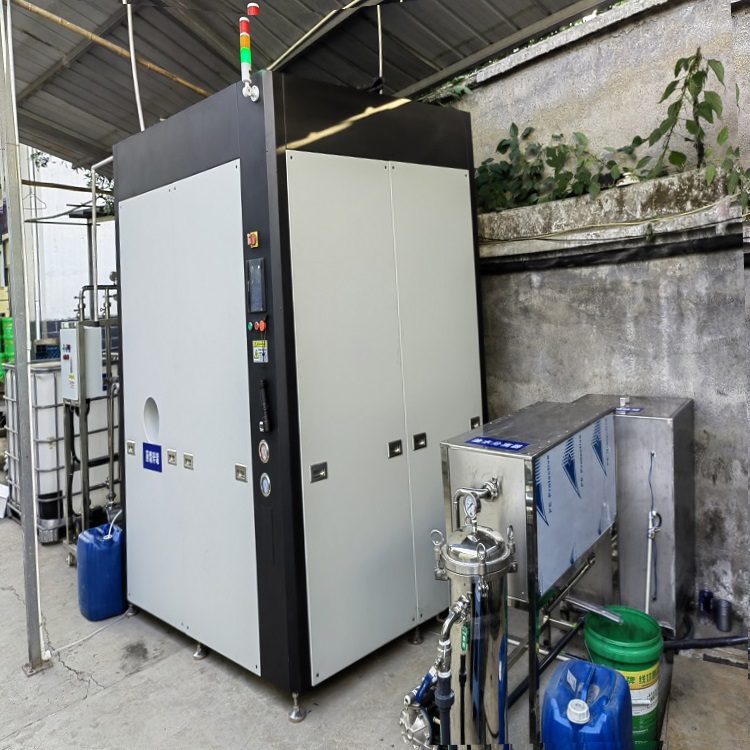
High-Concentration Oil Emulsion Waste Water Treatment Equipment - Quankun - Evaporator Unit - High Concentration Ratio
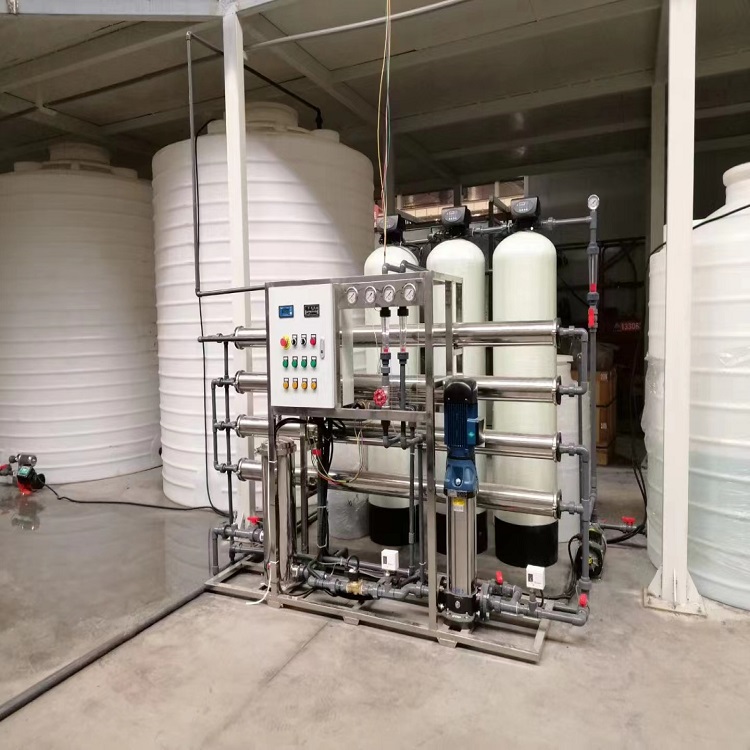
Industrial Pure Water Equipment EDI Ultra-Pure Water System Fully Automatic Control Quankun Environmental Protection
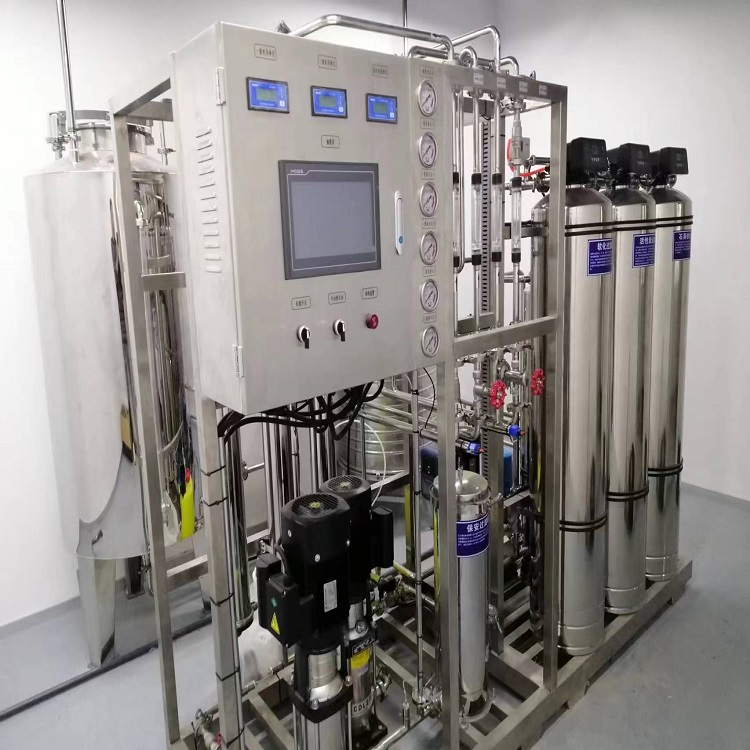
Shenzhen Industrial Ultra-Pure Water Equipment, equipped with EDI system, features low energy consumption and high degree of automation.
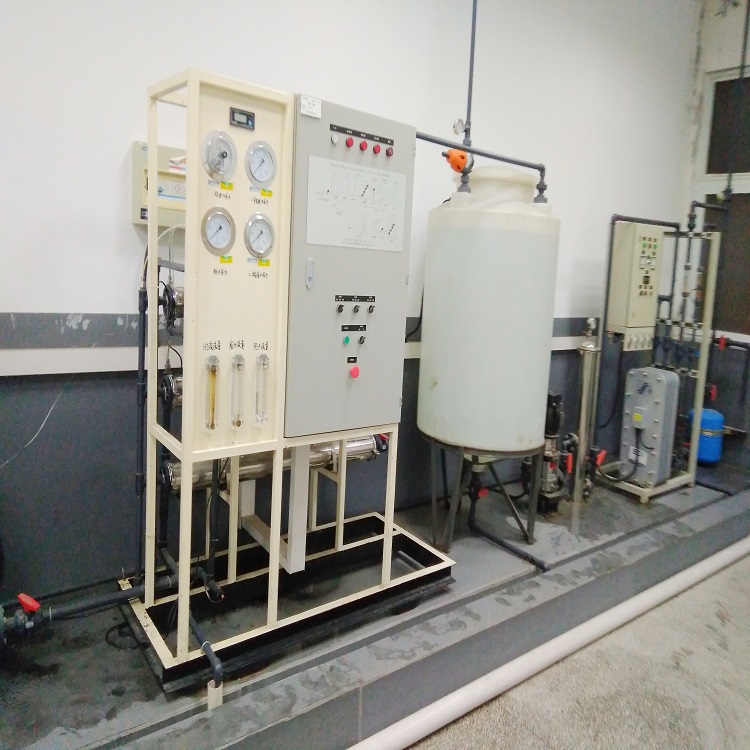
Shanghai industrial pure water production equipment reverse osmosis filtration system with high yield and customizable options, Quankun brand.
详情描述
Quankun offers pricing for integrated septic tank treatment equipment and laboratory wastewater treatment units.
The indoor microclimate of a laboratory varies due to differences in size, architectural layout, surrounding environment, internal divisions, and ventilation conditions. The quality of the indoor microclimate significantly impacts the health of laboratory staff. Additionally, the types, quantities, and forms of potentially infectious microorganisms hidden within the laboratory differ based on the specimens processed and tested, as well as the detection purposes and methods. Unlike research or clinical laboratories, the potential pathogenic microorganisms carried by specimens or biological materials are often unknown and diverse.
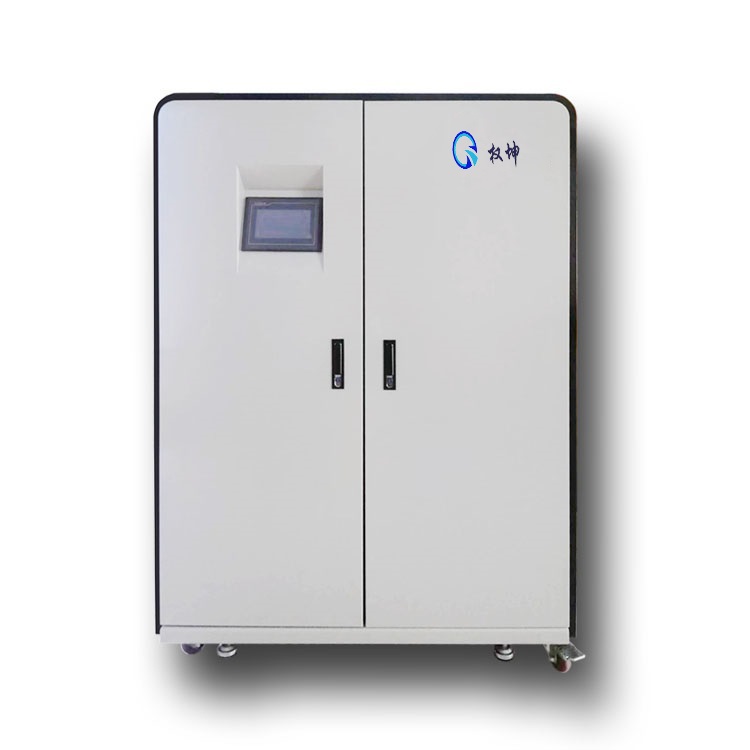
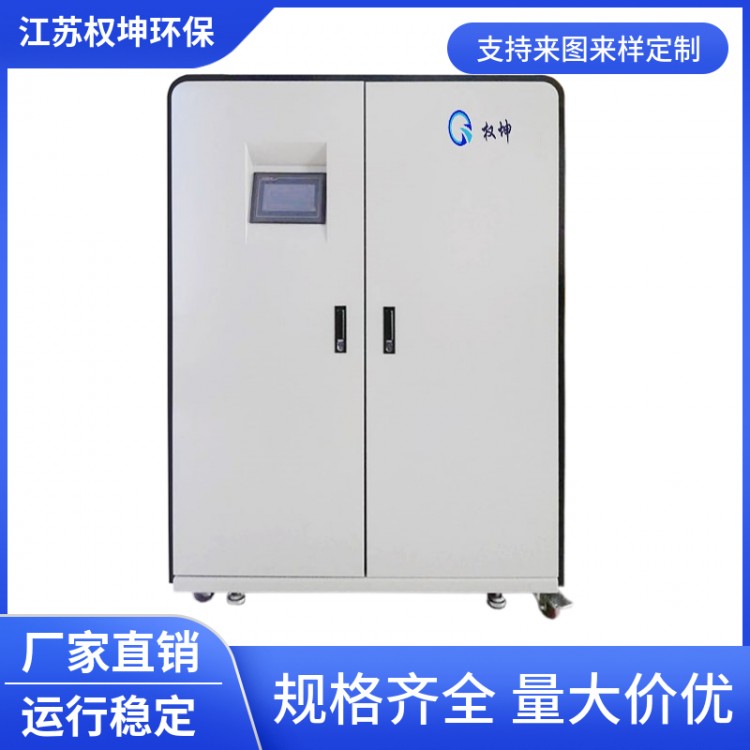
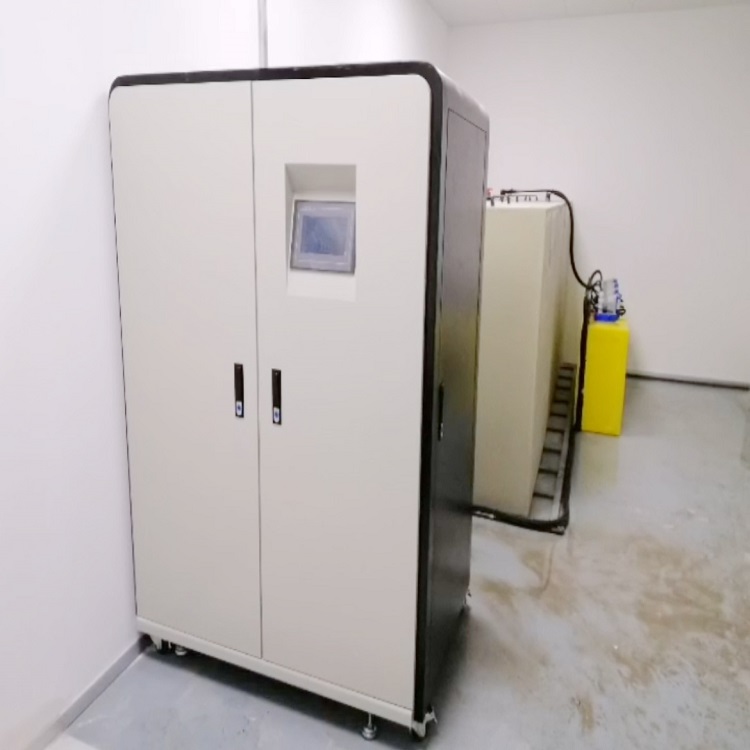
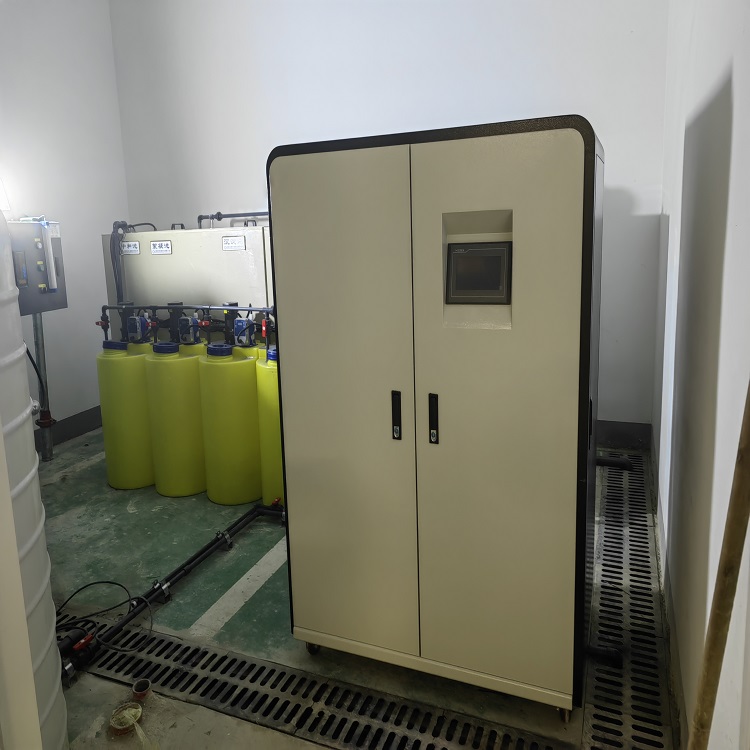
Laboratory wastewater treatment equipment can effectively remove COD, BOD, SS, color, and heavy metal ions from wastewater. Tailored to the composition of different types of laboratory wastewater, various treatment technologies and control systems are employed for wastewater treatment. The equipment boasts advanced technology, high level of automation, no need for dedicated staff, excellent treatment results, small footprint, and easy operation and management.
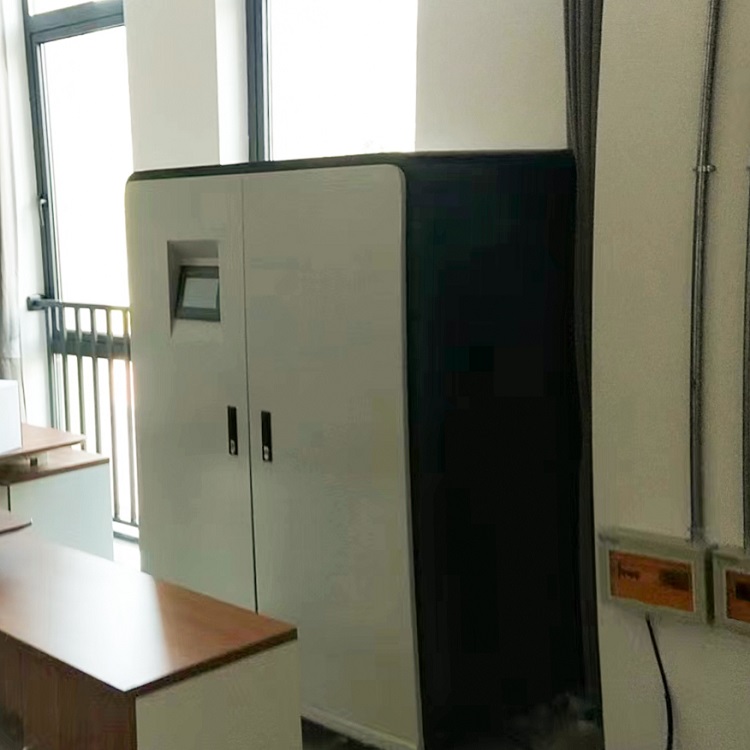
Wastewater treatment equipment comes in various types. Depending on the treatment process, it can be categorized into physical treatment equipment, chemical treatment equipment, biological treatment equipment, and advanced treatment equipment.
Physical Treatment Equipment: Primarily includes sedimentation tanks and grease interceptors. Sedimentation tanks utilize the force of gravity to settle suspended solids from wastewater; grease interceptors, on the other hand, separate oils from wastewater by exploiting the density difference between oil and water, either through natural floatation or by the action of a skimmer.
2. Chemical Treatment Equipment: Such as neutralizers, which adjust the pH level of wastewater by adding chemicals like acids and alkalis, making it neutral or nearly neutral to create favorable conditions for subsequent treatment.
3. Biological Treatment Equipment: Including activated sludge process equipment and anaerobic digestion ponds. The activated sludge process equipment utilizes microorganisms to degrade organic matter in wastewater; anaerobic digestion ponds, on the other hand, decompose organic matter using anaerobic microorganisms, achieving dual effects of energy recovery and organic matter degradation.
4. Advanced Treatment Equipment: Including membrane separation technology, such as ultrafiltration and reverse osmosis, capable of efficiently removing dissolved solids, organic matter, and salts from wastewater, suitable for advanced wastewater treatment and recycling.
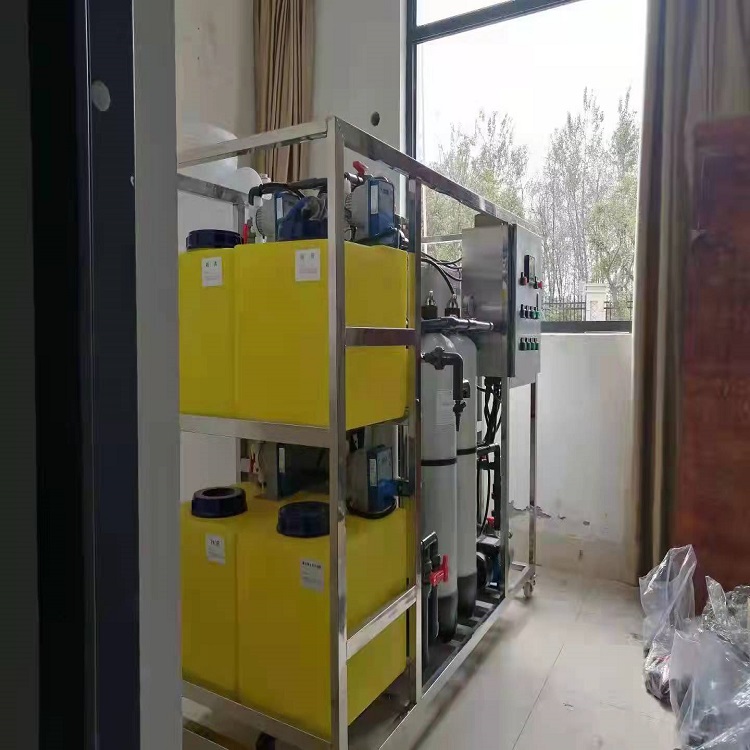
Quan Kun offers a septic tank integrated treatment equipment and laboratory wastewater treatment unit price quotation.
Working Principle:
Wastewater Collection System: The equipment features a dedicated wastewater collection container capable of collecting various types of acidic and alkaline wastewater.
2. Wastewater Pretreatment System: This system can remove large particles and some harmful microorganisms from wastewater.
3. Neutralization Reaction System: Equipped with a neutralization reactor internally, the system can neutralize acidic and alkaline substances, converting them into neutral matter.
4. Filtration System: Through filters, it can further remove fine particles and various harmful substances from the wastewater.
5. Emission System: Treated wastewater is discharged into the public drainage system after meeting the emission standards through the emission system.


