




- AllProduct Category
-
Lab Wastewater Treatment Equipment
Lab Wastewater Treatment Equipment
Ultra-Pure Water Equipment
Membrane Separation Equipment
Pure Water Equipment
Low-Temperature Evaporator
Ultra-Pure Water System
Integrated Wastewater Treatment Equipment
Reverse Osmosis Equipment
Pure Water Equipment
Ceramic Membrane Equipment



Recommended Products
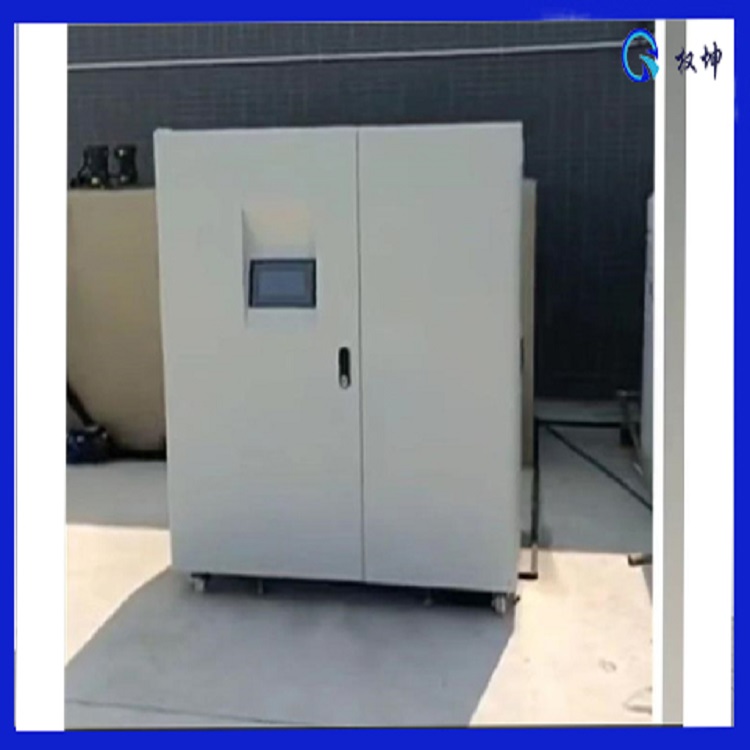
Quan Kun - Comprehensive Laboratory Waste Water Treatment Equipment - Remote Monitoring - Automated Control
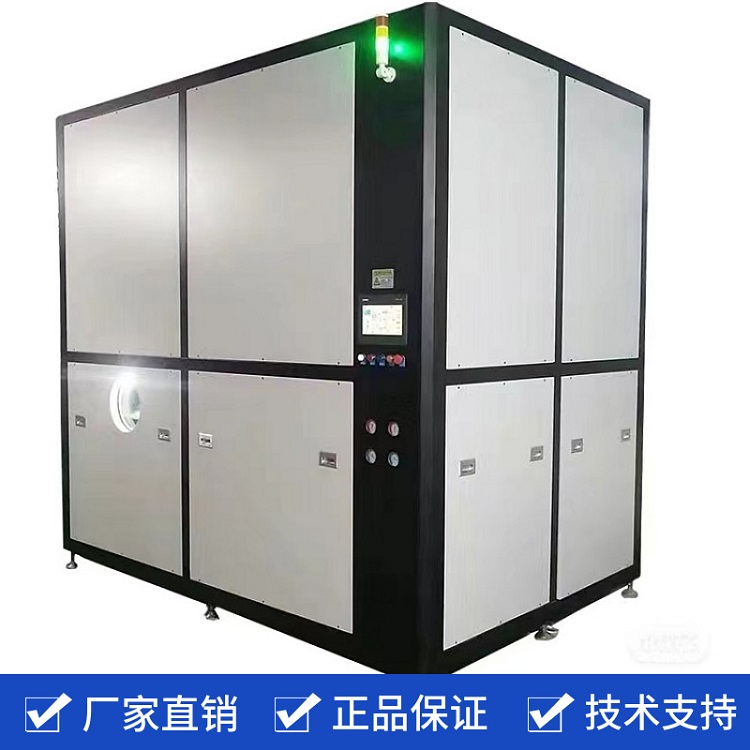
Sodium Chloride Wastewater Low-Temperature Evaporator - Intelligent Automatic - Quankun - Integrated Design
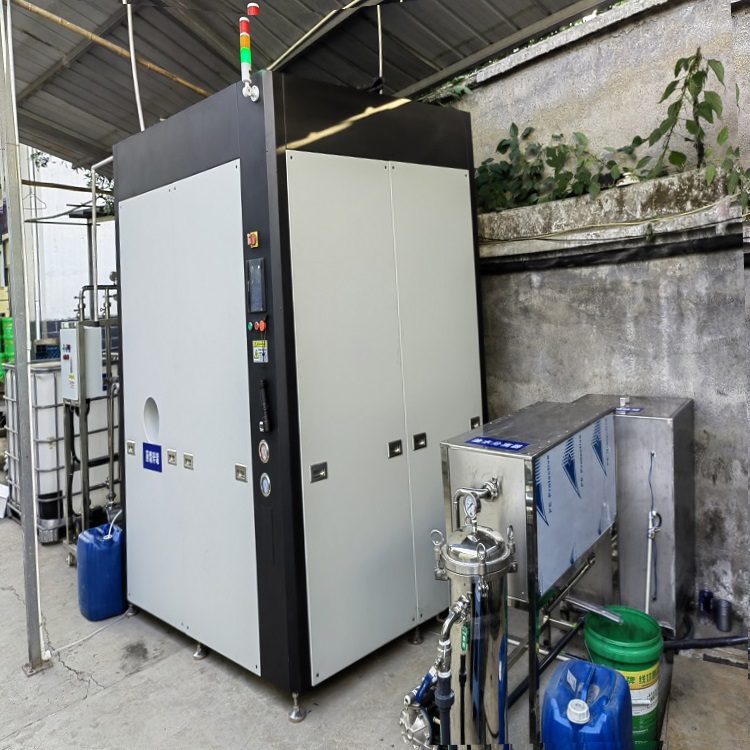
High-Concentration Oil Emulsion Waste Water Treatment Equipment - Quankun - Evaporator Unit - High Concentration Ratio
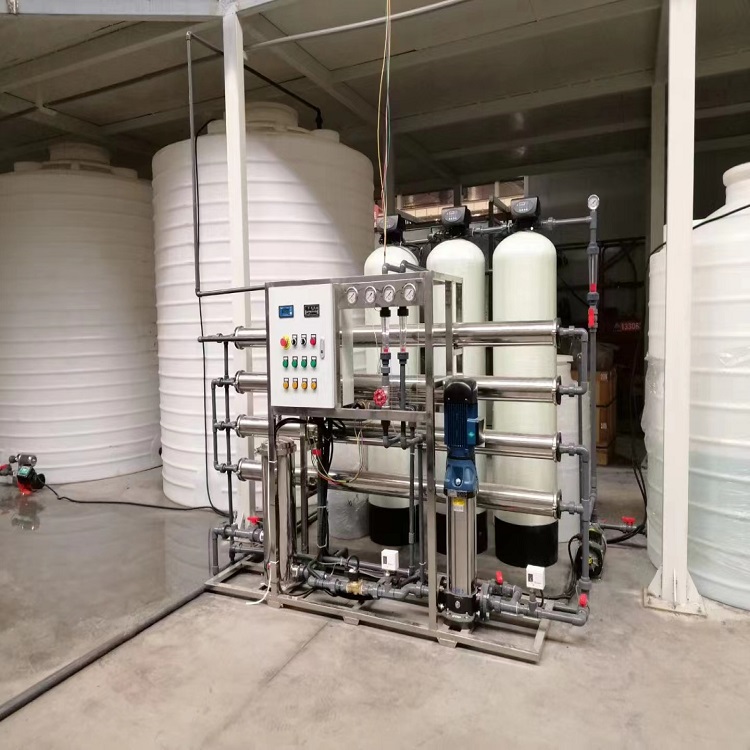
Industrial Pure Water Equipment EDI Ultra-Pure Water System Fully Automatic Control Quankun Environmental Protection
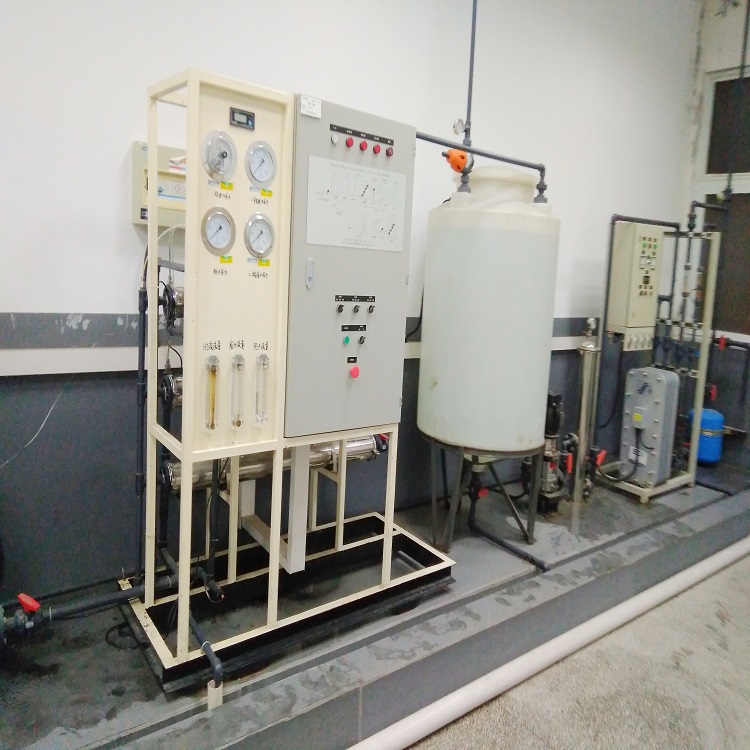
Shenzhen Industrial Ultra-Pure Water Equipment, equipped with EDI system, features low energy consumption and high degree of automation.
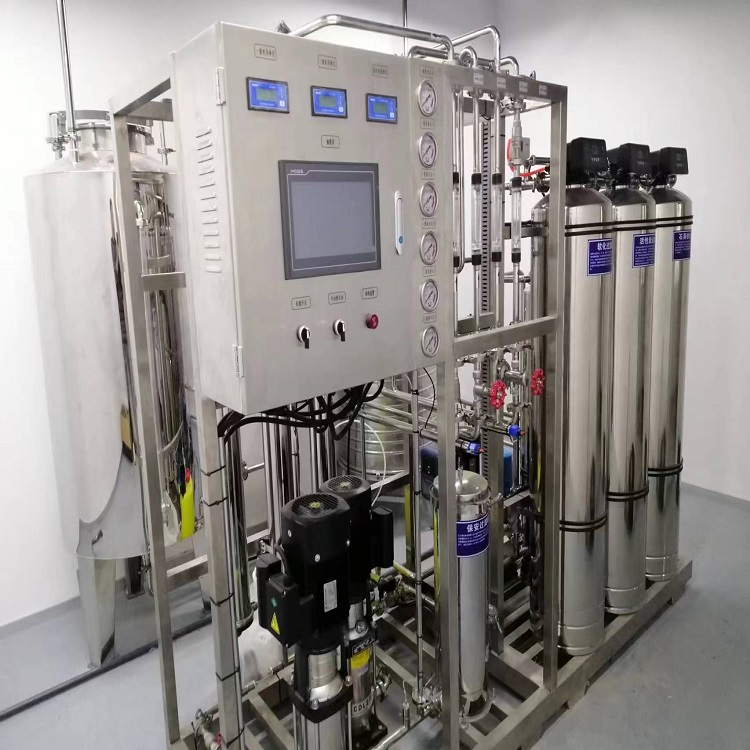
Shanghai industrial pure water production equipment reverse osmosis filtration system with high yield and customizable options, Quankun brand.
详情描述
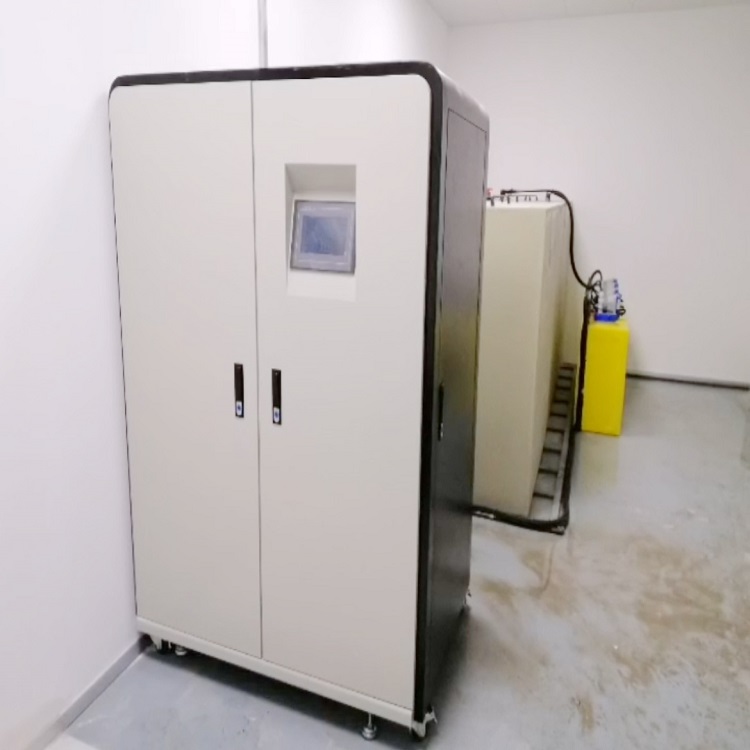
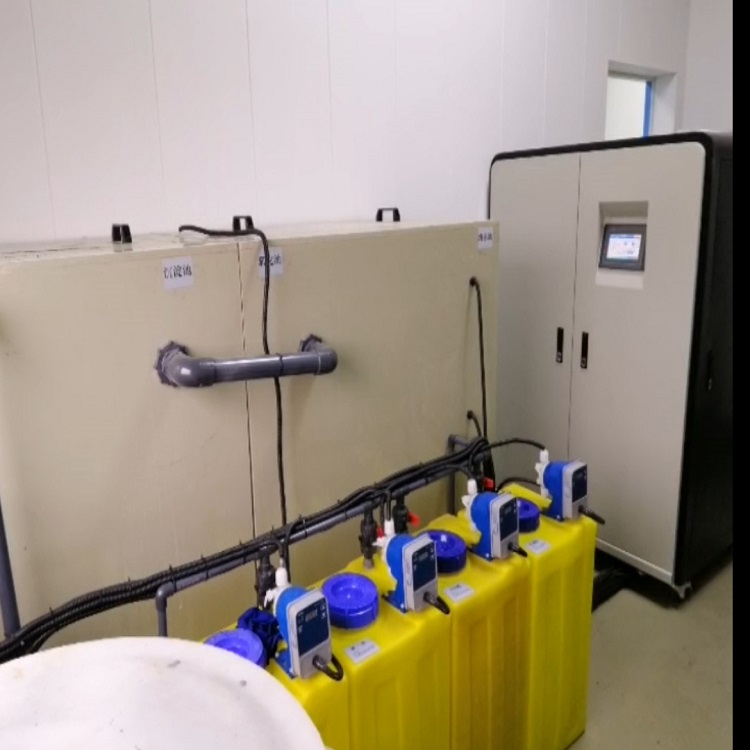
Integrated Laboratory Wastewater Treatment Equipment - Organic and Inorganic Biological Waste Water Treatment System
Equipment Overview:
Wastewater primarily originates from the external sampling of the owner's scientific research, laboratory, and monitoring departments. The wastewater discharge volume is relatively small and varies significantly over time. It is also complex and unstable in terms of pollution composition, mainly including various waste acids and alkalis, toxic organic compounds, heavy metals, pathogenic microorganisms, and more.
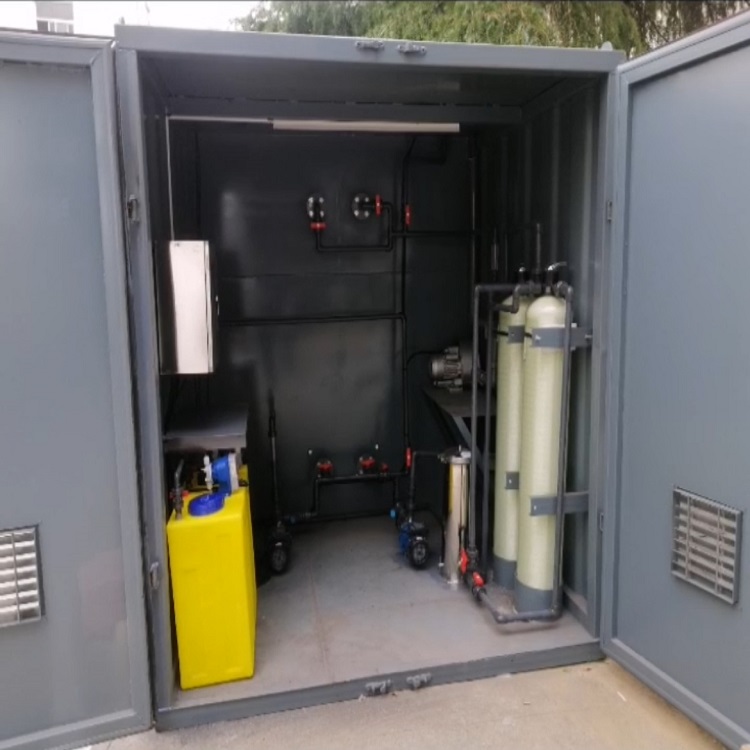
Operating Principle:
Laboratory wastewater treatment equipment primarily utilizes coagulation, sedimentation, oxidation, and high-efficiency sterilization to remove and kill bacteria, heavy metals, COD, viruses, and other contaminants in biological wastewater. Within a certain pH range, it can eliminate all microorganisms, including bacterial spores, bacterial endospores, fungi, mycobacteria, and various infectious viruses such as hepatitis viruses. The wastewater treatment process employs automatic control, requiring no constant supervision by personnel throughout the entire procedure.
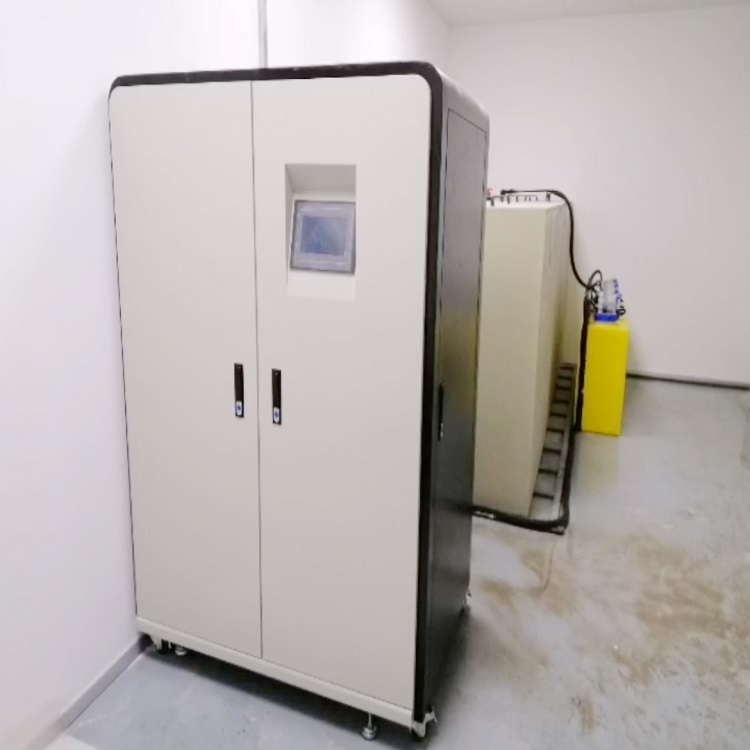
There are various subterranean wastewater treatment processes. Among their prominent advantages, assuming the effluent meets the standards, are:
The equipment is buried underground, allowing for landscaping above to enhance the aesthetic appeal of the environment.
2. The entire equipment generally does not require a dedicated person to manage.
3. Reduces land occupation, allowing for the construction of parking lots above the equipment without the need for factory buildings or similar facilities.
4. No impact on surrounding environment, minimal sludge generation, and noise levels below the standard of Class II areas.
5. Easy to operate, innovative technology, superior results, and long service life.
6. Equipment can be arranged according to standard layouts or specially tailored to the terrain's needs.
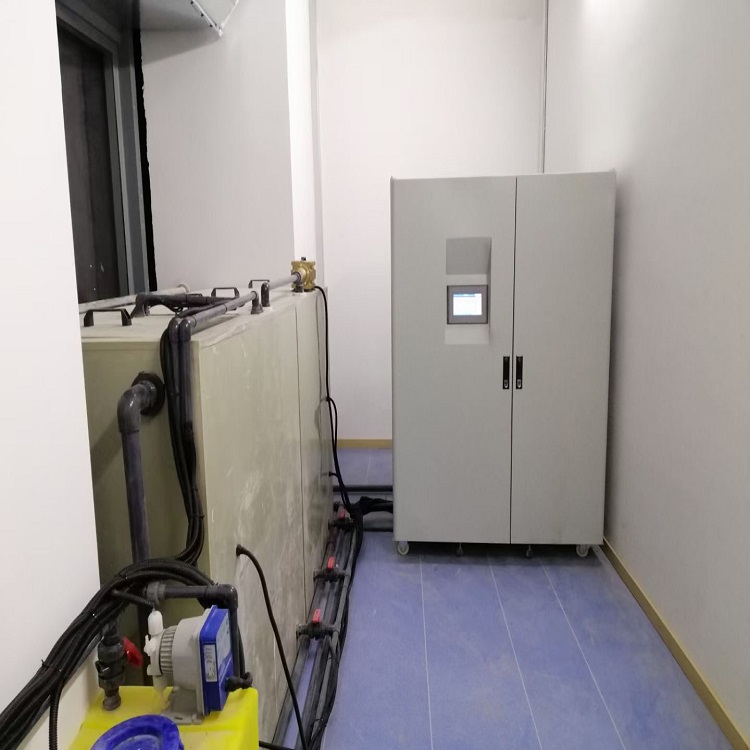
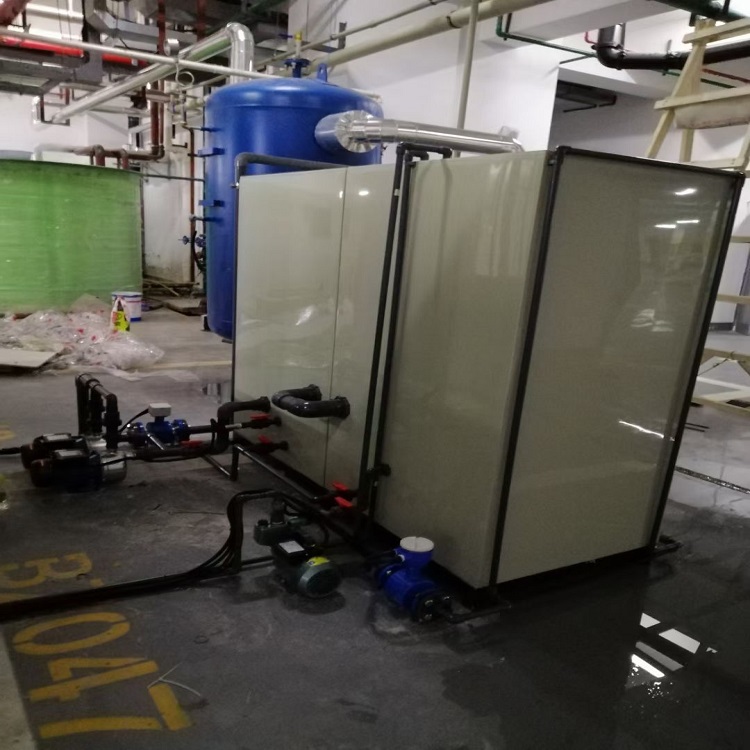
Integrated Laboratory Sewage Treatment Equipment - Organic and Inorganic Biological Waste Water Treatment System
Process Description:
Wastewater is collected and homogenized in a collection tank, then flows into a neutralization reaction tank where a measured amount of acid (or alkali) solution is added based on the water quality characteristics for neutralization. The neutralized wastewater is then pumped to a filtration tank for filtration. Simultaneously, a measured amount of净水剂 solution is also introduced to promote flocculation of pollutants in the wastewater, enhancing the filtration efficiency. The filtered clean water is disinfected by an ozone sterilizer before flowing into a bioactive carbon tank, where fine pollutants are further intercepted and adsorbed for decomposition. The treated clean water is then directly discharged into the urban sewage pipeline network.
Laboratory wastewater treatment equipment is widely used in universities, colleges, research institutions, medical institutions, pharmaceuticals, disease control centers, environmental supervision, product quality inspection, inspection and quarantine, drug inspection, blood stations, animal husbandry, hospitals, petrochemical companies, and various laboratories and testing rooms. After treatment, the wastewater meets the first, second, and third-level standards of the Comprehensive Wastewater Discharge Standard [GB8978-1996]. The treated wastewater can be discharged into the municipal wastewater pipeline or reused through further treatment processes.


