



- AllProduct Category
-
Lab Wastewater Treatment Equipment
Lab Wastewater Treatment Equipment
Ultra-Pure Water Equipment
Membrane Separation Equipment
Pure Water Equipment
Low-Temperature Evaporator
Ultra-Pure Water System
Integrated Wastewater Treatment Equipment
Reverse Osmosis Equipment
Pure Water Equipment
Ceramic Membrane Equipment



Recommended Products
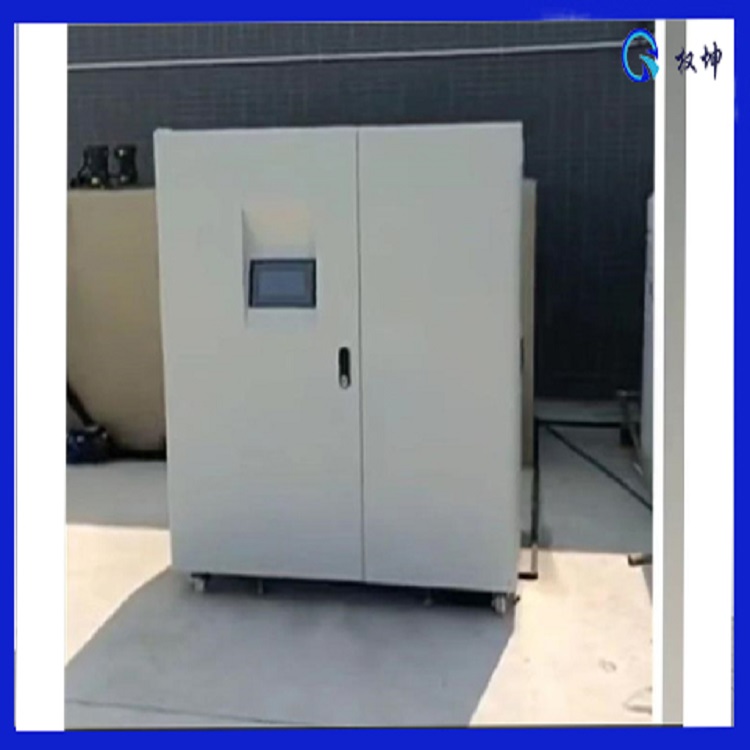
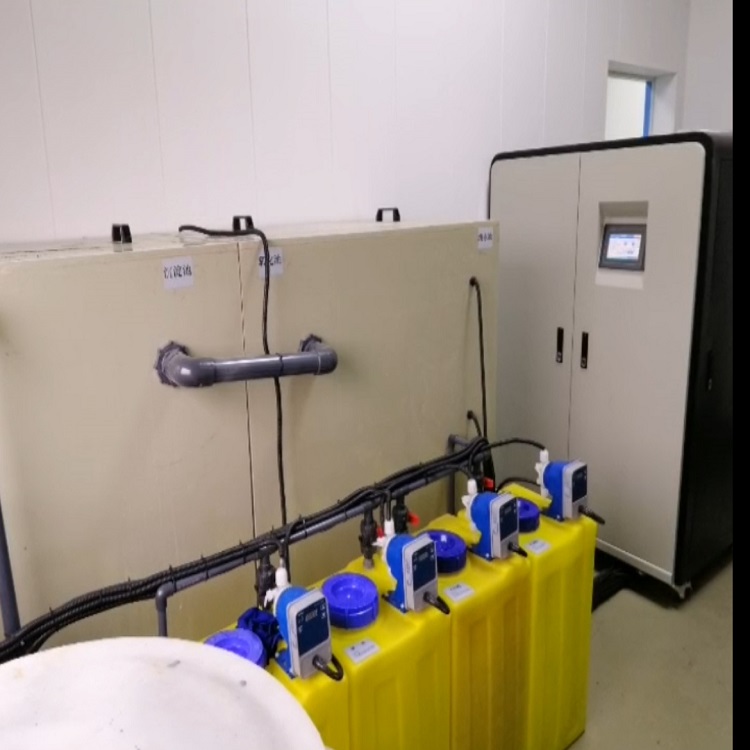
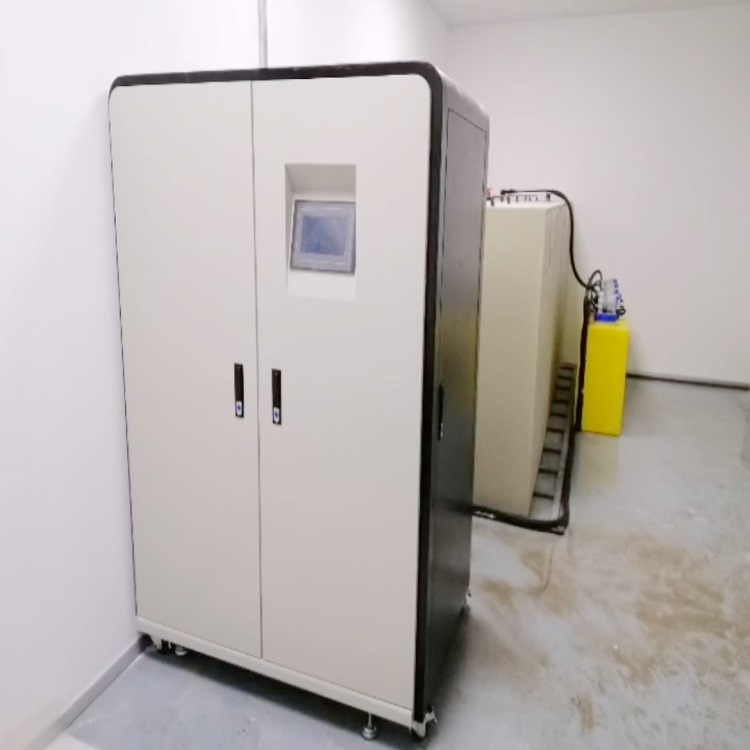
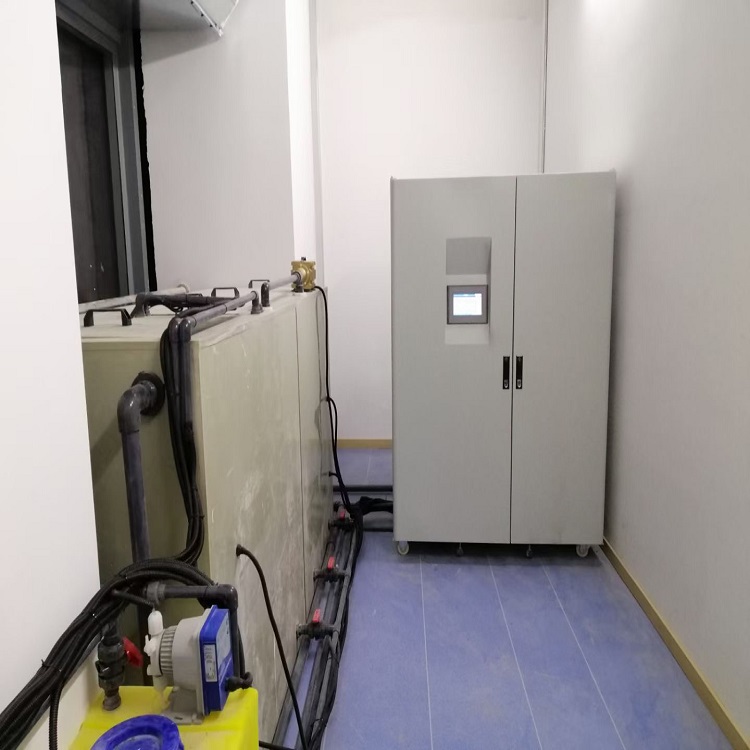
Quan Kun - Comprehensive Laboratory Waste Water Treatment Equipment - Remote Monitoring - Automated Control
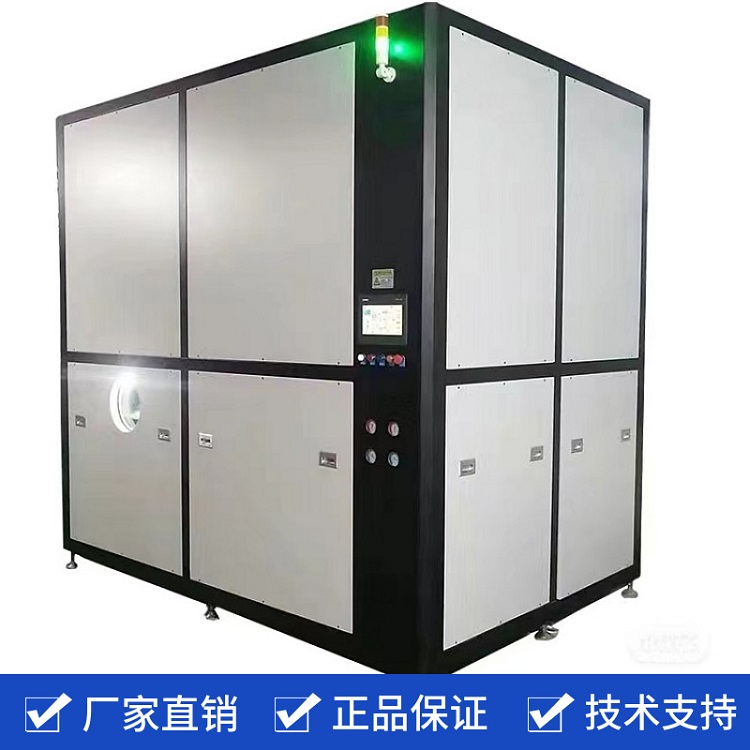
Sodium Chloride Wastewater Low-Temperature Evaporator - Intelligent Automatic - Quankun - Integrated Design
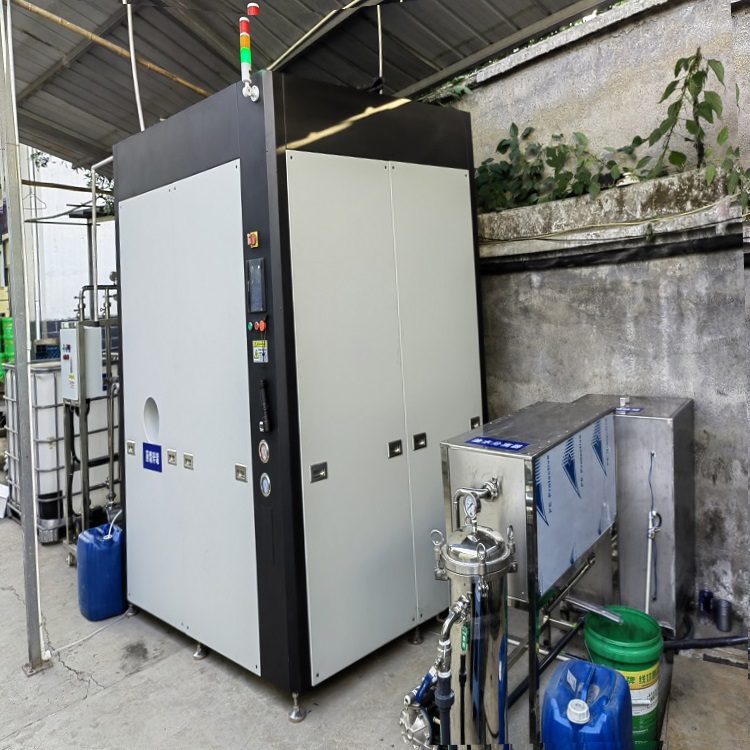
High-Concentration Oil Emulsion Waste Water Treatment Equipment - Quankun - Evaporator Unit - High Concentration Ratio
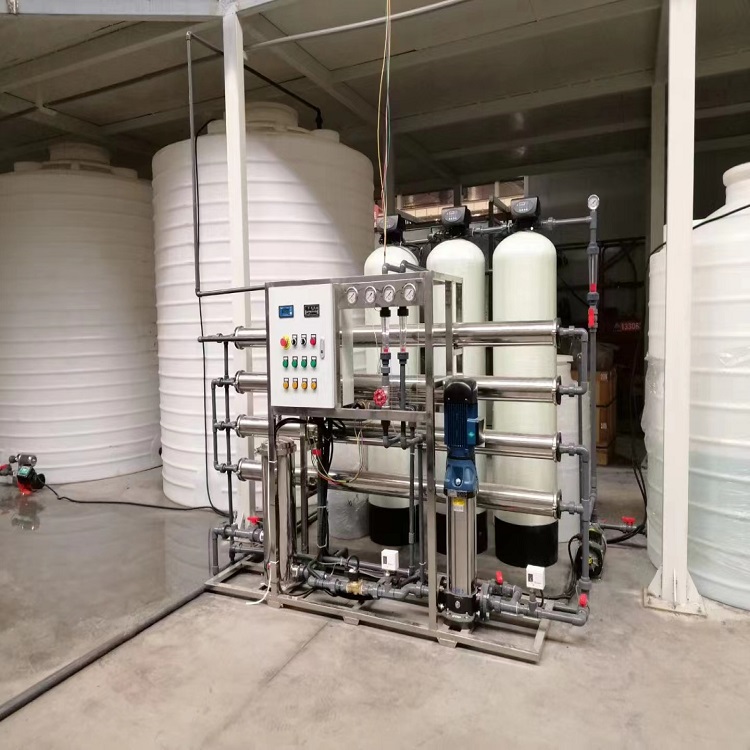
Industrial Pure Water Equipment EDI Ultra-Pure Water System Fully Automatic Control Quankun Environmental Protection
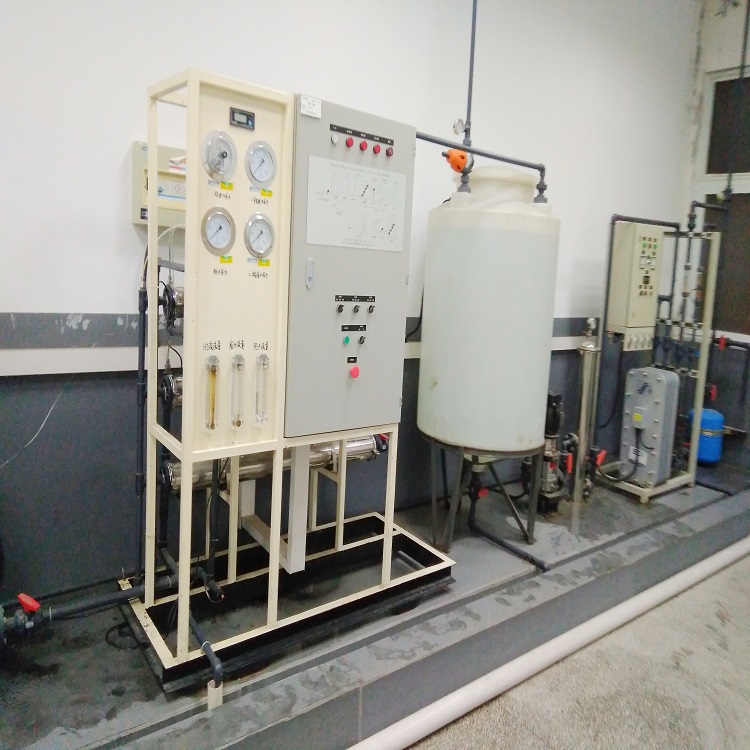
Shenzhen Industrial Ultra-Pure Water Equipment, equipped with EDI system, features low energy consumption and high degree of automation.
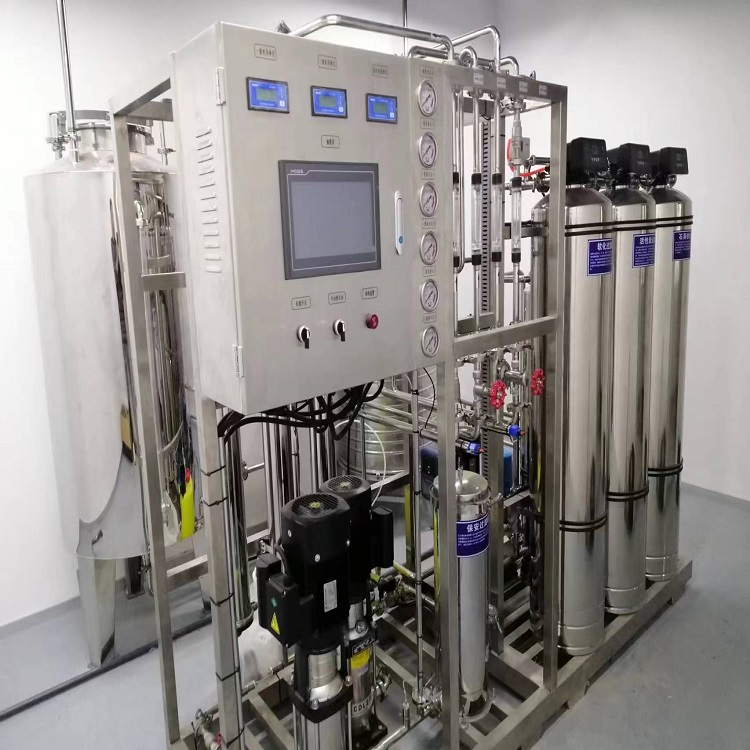
Shanghai industrial pure water production equipment reverse osmosis filtration system with high yield and customizable options, Quankun brand.
详情描述
Food waste water treatment equipment boasts high automation, exceeding water quality standards for environmental protection compliance.
The generation of laboratory wastewater primarily stems from chemical experiments and scientific research in universities. The uncertainty, variability, and complexity of laboratory wastewater are its inherent characteristics. Laboratory wastewater is categorized into high and low concentration types. High concentration wastewater mainly consists of unlabeled effervescent reagents after label peeling, expired liquid reagents, by-products and by-products from scientific research and experiments, washing water from potent drug experiments, and it poses severe environmental pollution, thus deserves sufficient attention. Low concentration wastewater primarily includes washing water from chemical laboratory utensils, general acid, alkali, and salt reaction products, low-toxic chemical waste solutions, and experimental water.
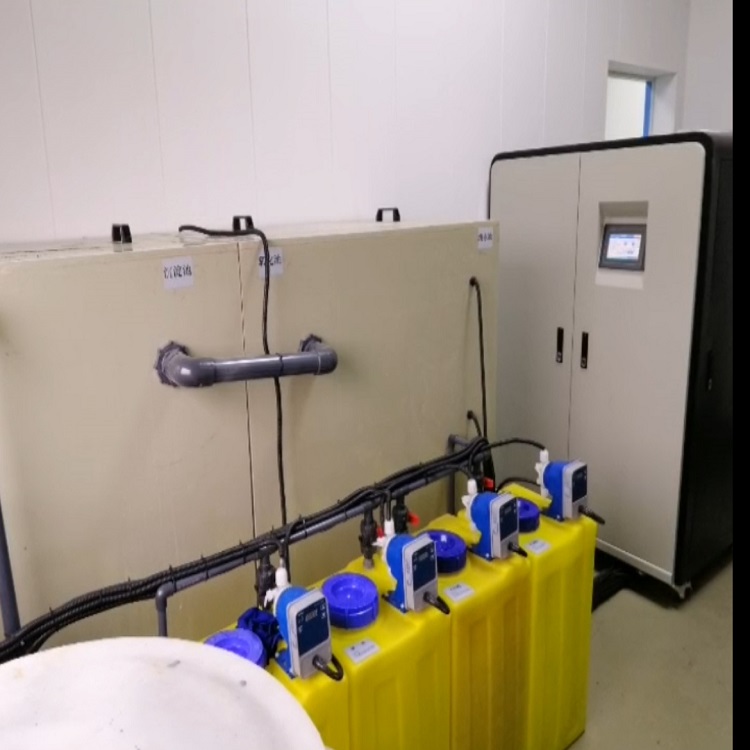
Equipment Features:
1. Fully Automatic Control
2. Compact structure, minimal land footprint
3. Low total cost, corrosion-resistant, and long service life
4. Low handling costs, stable water quality upon discharge
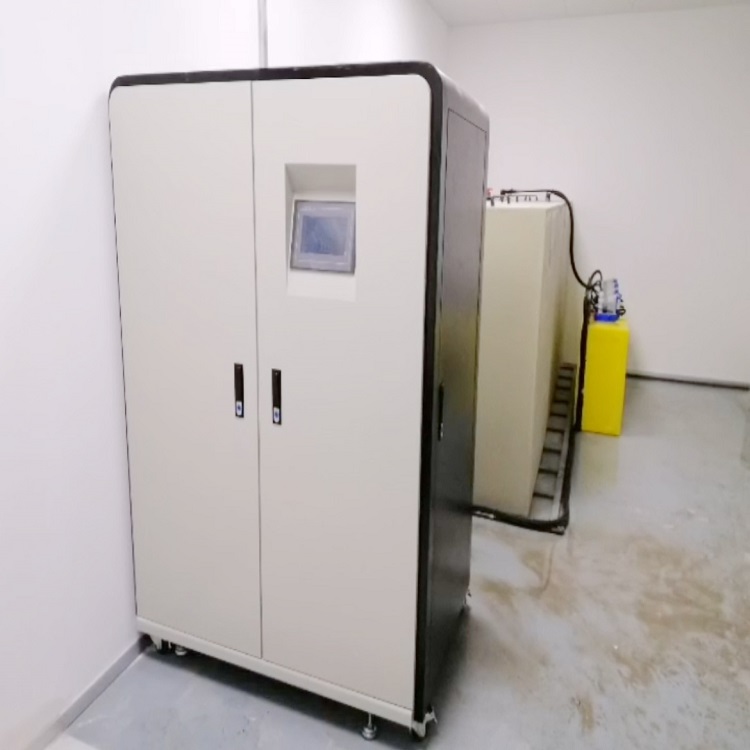
Process Features:
1. Utilizes technologies such as neutralization precipitation, chemical oxidation, heavy metal capture, photocatalytic reaction, micro-electrolysis, ozone oxidation, and multi-media filtration to treat various pollutants in wastewater; 2. Equipped with a microcomputer program for real-time monitoring and control of wastewater quality and treatment processes, ensuring around-the-clock automatic operation without the need for constant supervision; 3. Accurately controls dosing with pH meters and imported metering pumps, featuring liquid level control, medication shortage alarms, and automatic sludge discharge systems; 4. Utilizes advanced aeration equipment for thorough gas-water contact and complete reaction; 5. User-friendly, stable operation, long service life, with low operation and maintenance costs; 6. Takes up minimal space, can be installed indoors or outdoors based on different situations; 7. Tailor-made design and manufacturing to meet customer-specific requirements.

Operating Principle:
Laboratory wastewater treatment equipment primarily utilizes coagulation, sedimentation, oxidation, and high-efficiency sterilization to remove and kill bacteria, heavy metals, COD, viruses, and other contaminants in biological wastewater. Within a certain pH range, it can eliminate all microorganisms, including bacterial propagules, bacterial spores, fungi, mycobacteria, and various infectious viruses like hepatitis viruses. The wastewater treatment process employs automatic control, requiring no dedicated supervision throughout the entire operation.
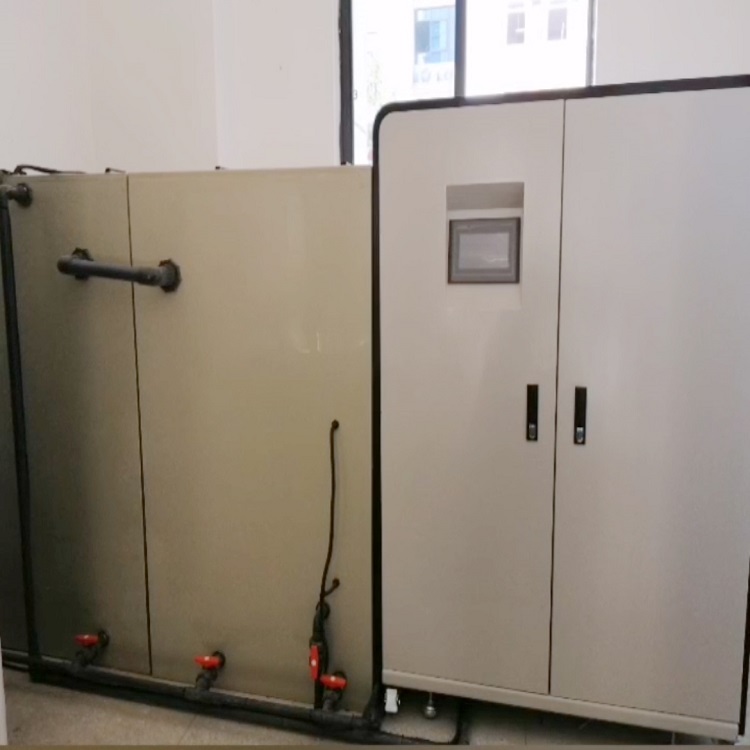
Food waste water treatment equipment boasts high automation levels, exceeding water quality standards for environmental protection compliance.
Equipment Features:
Our "one-stop small wastewater treatment equipment" is designed for small institutions and units with a daily treatment capacity under 25 cubic meters. Tailored to different characteristics of wastewater, we offer a range of small-scale integrated wastewater treatment systems with the following features:
(1) Select practical and simple wastewater treatment processes based on the characteristics of different wastewater, reducing the complexity of the processes.
(2) Tailored to the characteristics of various wastewater, we reduce the number of equipment, investment in equipment, and land area required, constructing a one-stop wastewater treatment plant for our clients.
(3) Utilizes cutting-edge technology with high automation, easy operation, simple management, and a long service life.
(4) Our company is a specialized expert in small-scale wastewater treatment, offering environmental process solutions.


