





- AllProduct Category
-
Lab Wastewater Treatment Equipment
Lab Wastewater Treatment Equipment
Ultra-Pure Water Equipment
Membrane Separation Equipment
Pure Water Equipment
Low-Temperature Evaporator
Ultra-Pure Water System
Integrated Wastewater Treatment Equipment
Reverse Osmosis Equipment
Pure Water Equipment
Ceramic Membrane Equipment



Recommended Products
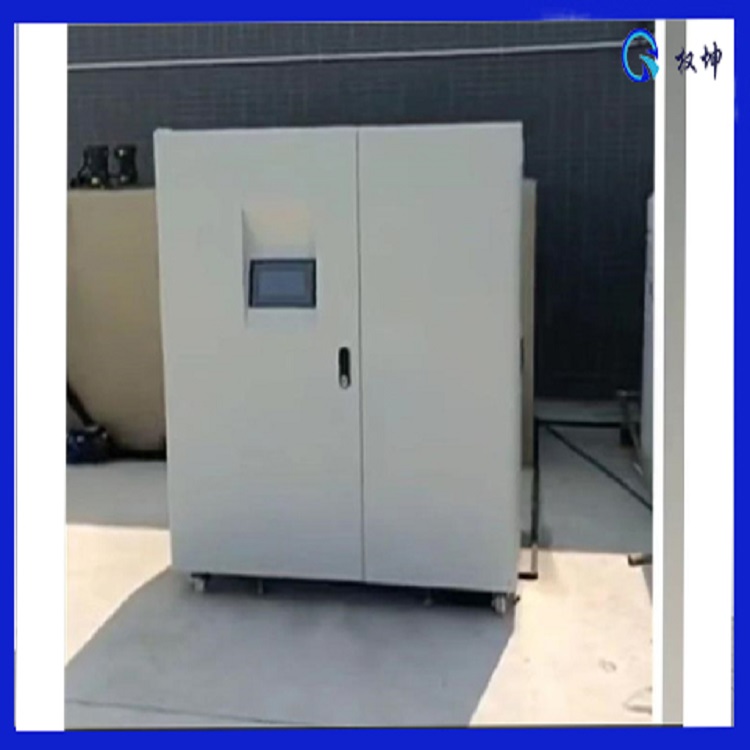
Quan Kun - Comprehensive Laboratory Waste Water Treatment Equipment - Remote Monitoring - Automated Control
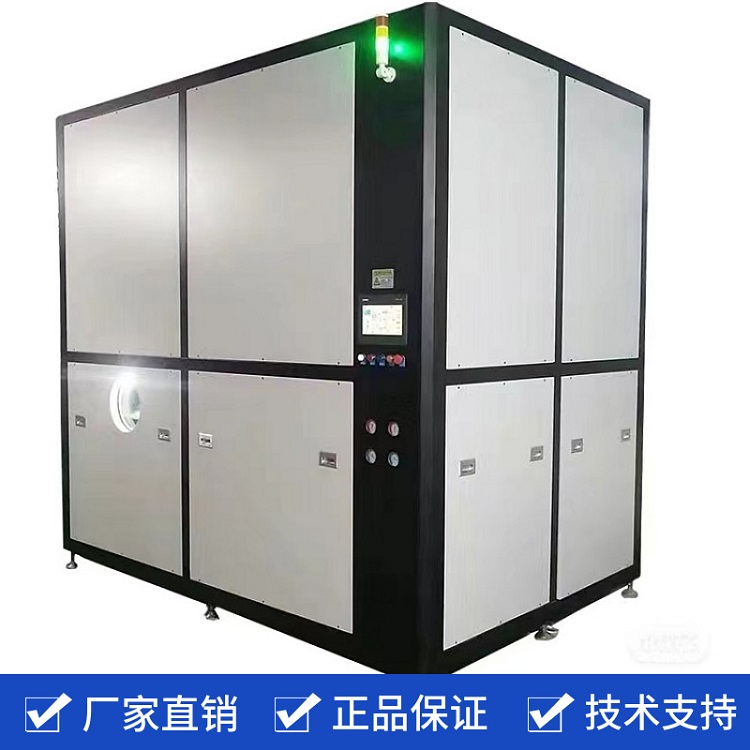
Sodium Chloride Wastewater Low-Temperature Evaporator - Intelligent Automatic - Quankun - Integrated Design
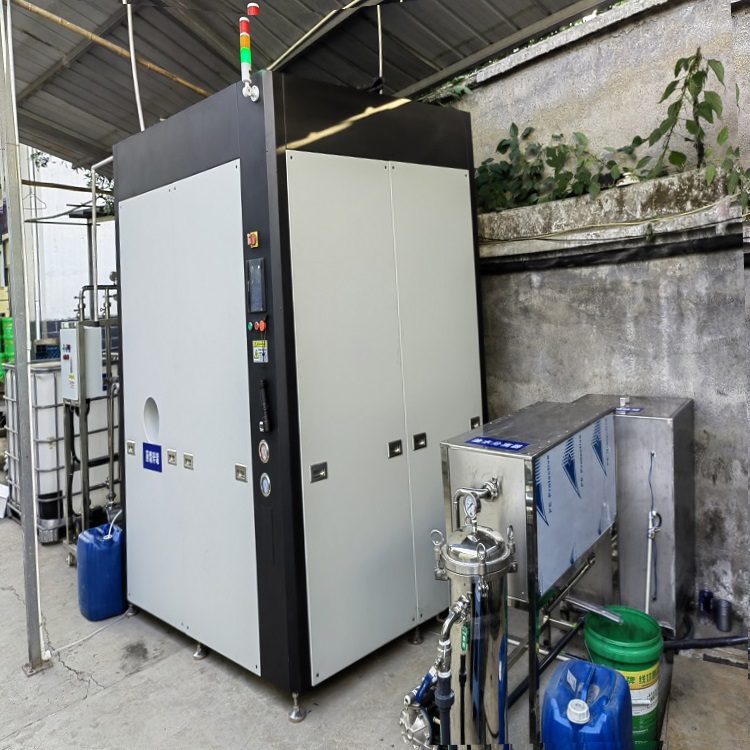
High-Concentration Oil Emulsion Waste Water Treatment Equipment - Quankun - Evaporator Unit - High Concentration Ratio
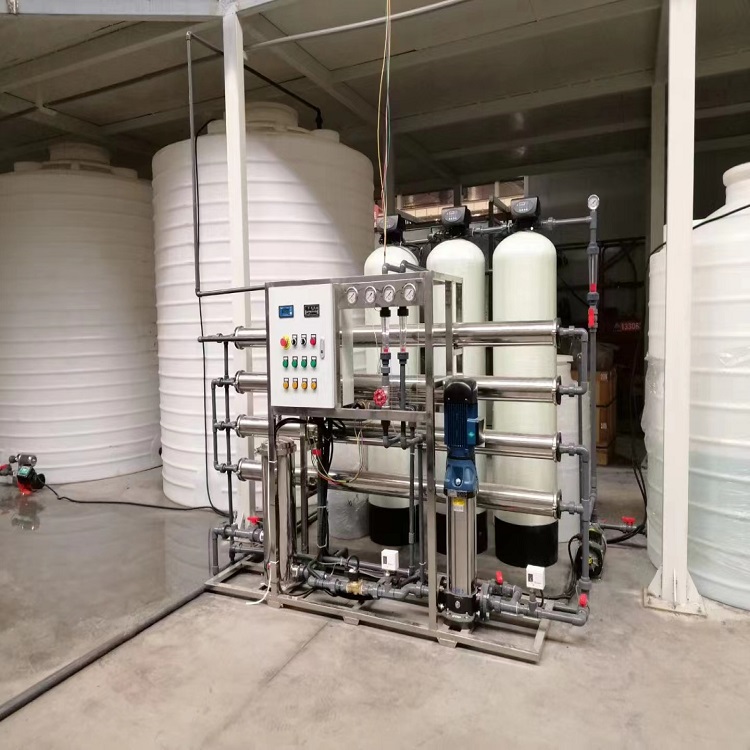
Industrial Pure Water Equipment EDI Ultra-Pure Water System Fully Automatic Control Quankun Environmental Protection
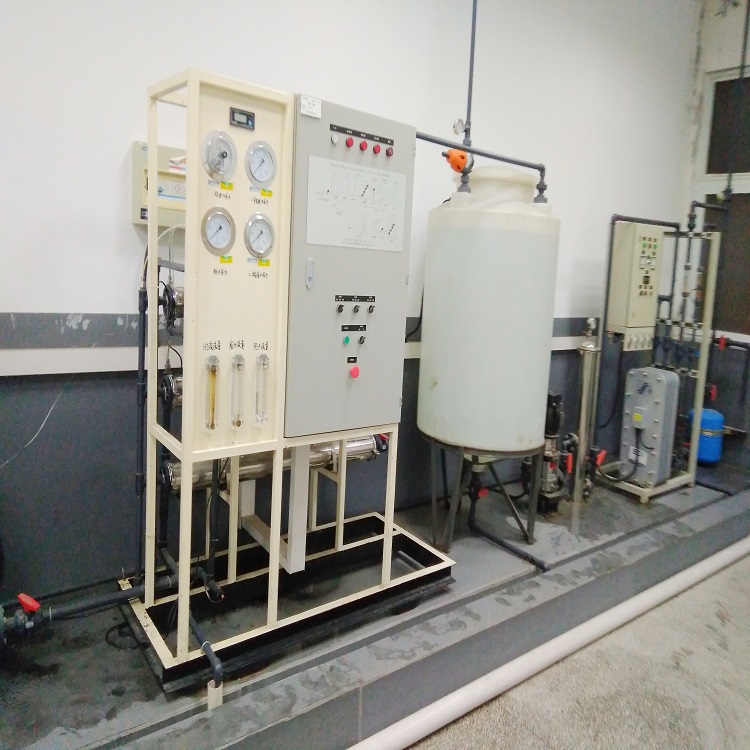
Shenzhen Industrial Ultra-Pure Water Equipment, equipped with EDI system, features low energy consumption and high degree of automation.
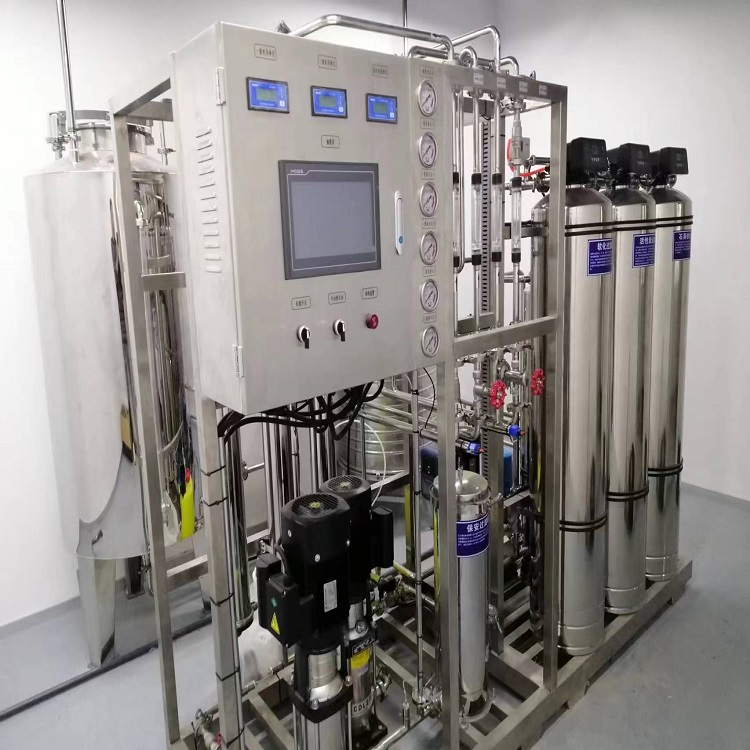
Shanghai industrial pure water production equipment reverse osmosis filtration system with high yield and customizable options, Quankun brand.
详情描述
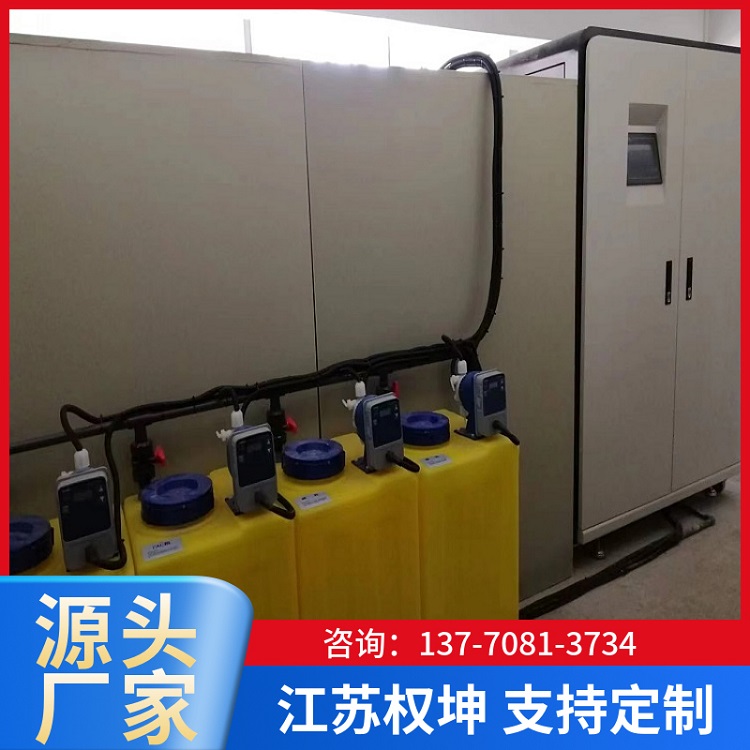
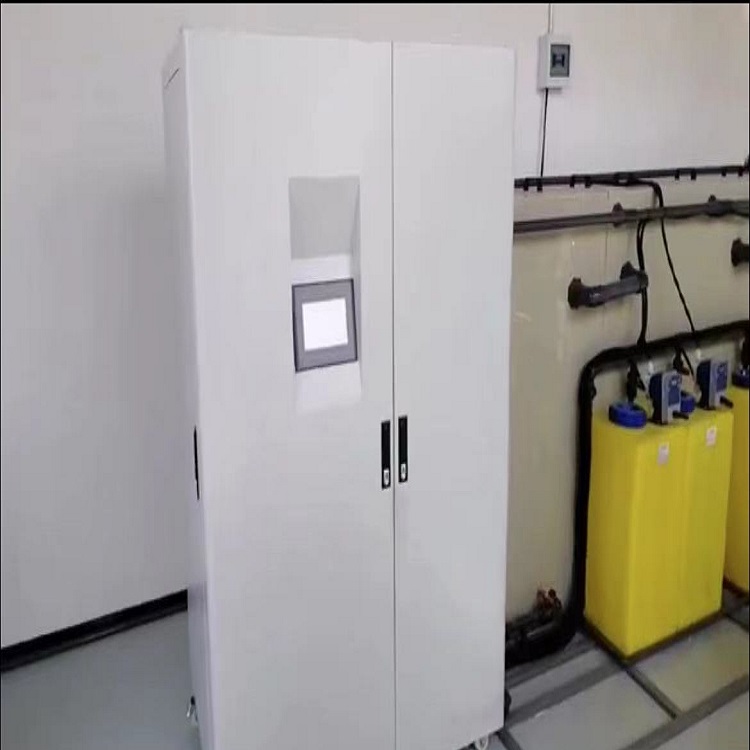
Nanjing High School's laboratory wastewater treatment equipment meets the effluent standards for environmental protection acceptance.
Primary Source of Experimental Waste Water:
Laboratory wastewater originates from teaching and research experiments, as well as from the waste water discharged after the use of various laboratory and office domestic water supplies. Teaching and research laboratory wastewater refers to the waste water generated during various experimental processes with the aim of skill teaching and research. Due to the varying experimental projects conducted by different laboratories and personnel, and the frequent changes in the content of experiments for the same individual, the total amount of waste water emitted from different types of experiments is generally low but can vary significantly over time. The discharge is intermittent, with concentrations and compositions being highly variable and complex, posing diverse hazards to both people and the environment. The pollutants in the laboratory's cleaning wastewater also vary in composition depending on the teaching and research wastewater, although the relative pollutant concentrations are lower. The laboratory's office and domestic wastewater has simpler污染物, primarily consisting of COD, BOD, and suspended solids.
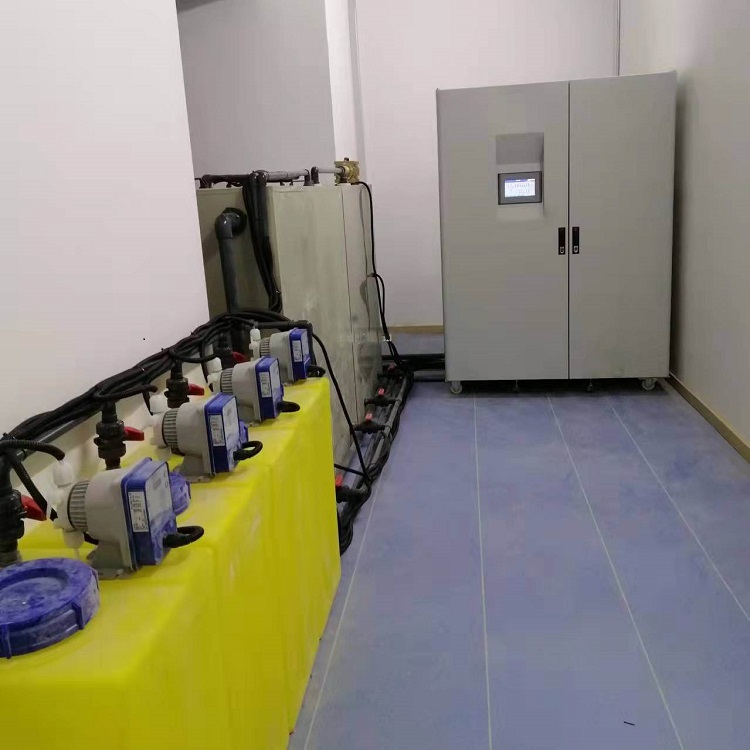
Treatment Methods for Laboratory Wastewater
Laboratory wastewater is generated during testing operations, including the washing of various containers, instruments, tools, and clothing, as well as cooling equipment. This wastewater should be treated differently based on its nature and composition. Some can be recycled to recover useful substances, some can be directly discharged into the external drainage network, and others must be treated appropriately before being discharged into the external network.
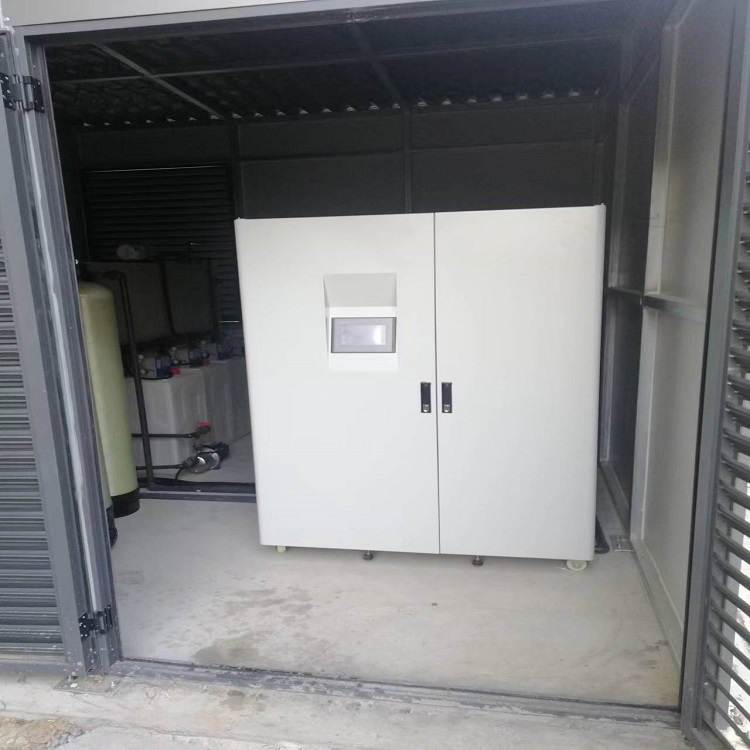
Wastewater collection, automatic pH adjustment, automatic dosing systems, coagulation-flocculation flotation units, heavy metal removal devices, new micro-electrolysis units, electrochemical catalytic oxidation treatment systems, ozone catalytic oxidation treatment systems, photo-catalytic oxidation treatment systems, new biological treatment units, adsorption filtration systems, new membrane filtration systems, and composite disinfection treatment systems, all integrated to form a complete comprehensive wastewater treatment system.
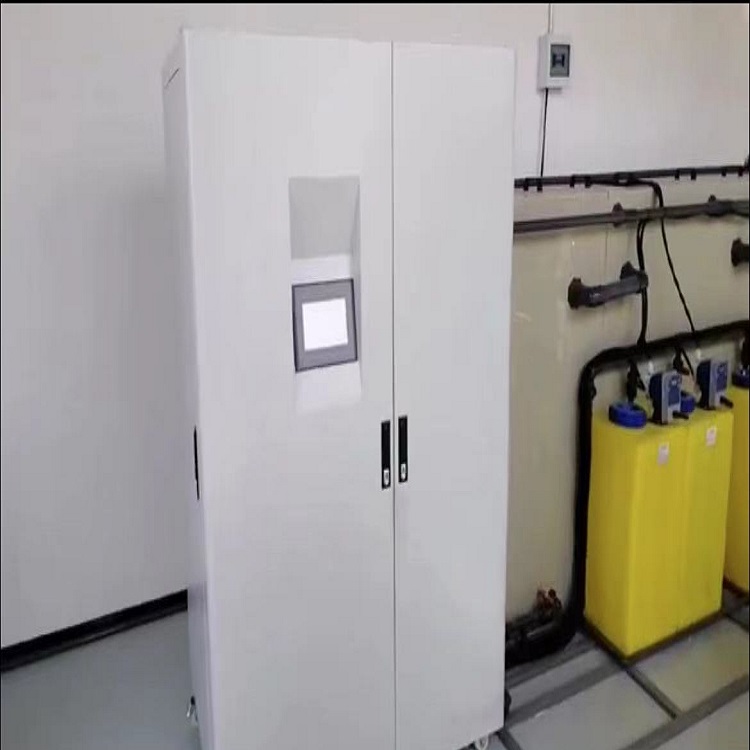
Equipment Features:
Our "one-stop small wastewater treatment equipment" is designed for small institutions and units with a daily treatment capacity of less than 25 cubic meters. Tailored to different characteristics of wastewater, it features small integrated wastewater treatment units with the following characteristics:
(1) Based on the characteristics of different wastewater, select practical and simple wastewater treatment processes to reduce the complexity of the technology.
(2) Tailored to the unique characteristics of various wastewater, we have reduced the number of equipment, minimized equipment investment, and decreased land area requirements, constructing a one-stop wastewater treatment plant solution for our clients.
(3) Advanced technology, high level of automation, easy operation, simple management, and long service life.
(4) We are specialized experts in small-volume wastewater treatment, offering environmental process solutions.
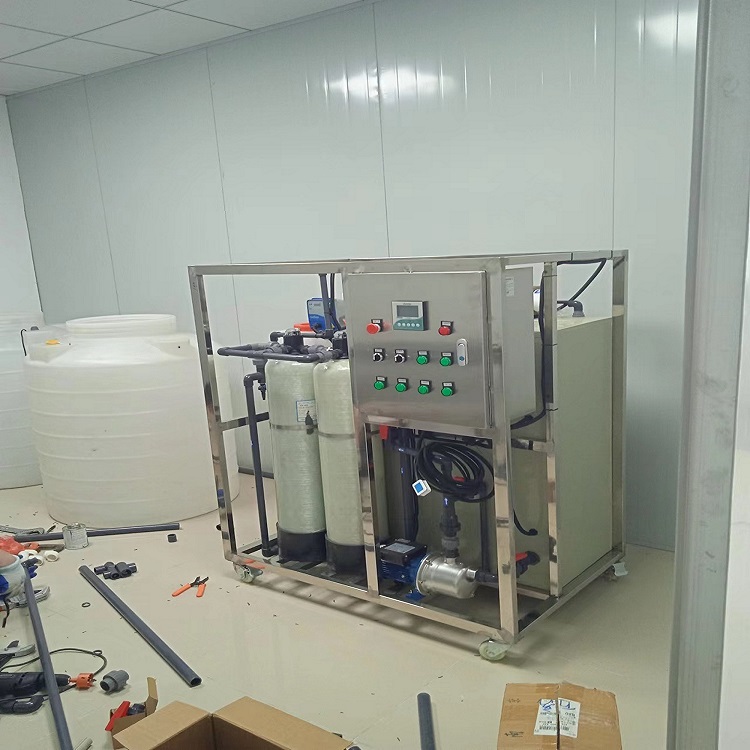
Principles for selecting wastewater treatment equipment:
1. Suitability: The wastewater treatment equipment should be adaptable to the characteristics of wastewater in high school laboratories, capable of effectively treating various harmful substances.
2. Safety: The equipment should be safe and reliable during operation, preventing secondary pollution.
3. Cost-effectiveness: The equipment should minimize costs as much as possible while meeting the required processing effects, enhancing economic benefits.
4. Ease of Operation: The equipment should be user-friendly and easy to maintain, convenient for laboratory staff to use.
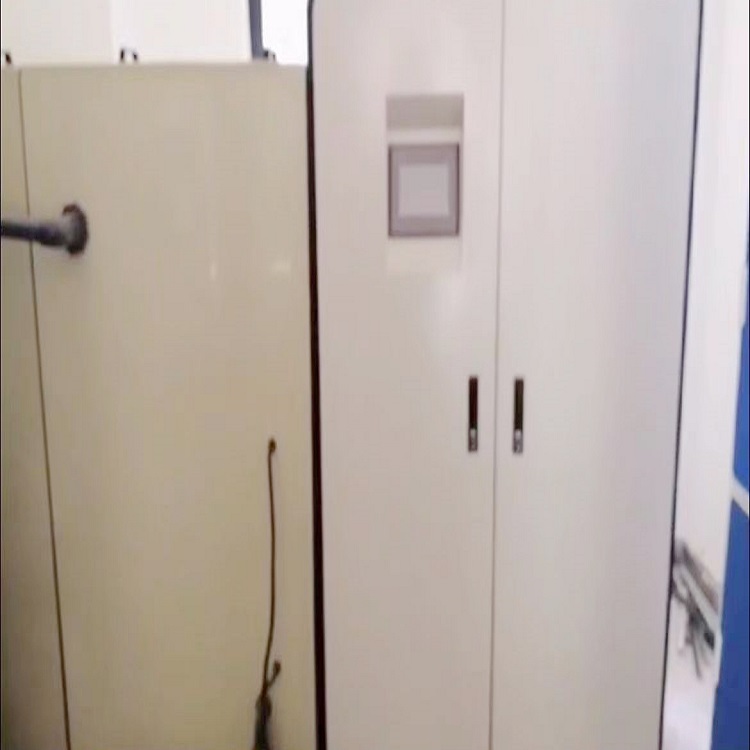
Nanjing High School's laboratory wastewater treatment equipment meets the environmental protection acceptance standards with its effluent.
Safety Precautions for Laboratory Equipment Operation:
Before operating the equipment, ensure that the electrical wiring is prepped for operation and the wiring method is appropriate. In case of any anomalies, adjust immediately to ensure safety.
2. Check if the windmill oil cup is functioning properly, if the rotation is smooth, if the grounding screws are loose, and if lubricant needs to be added to the specified amount before turning on the machine.
3. Inspect each valve body for integrity and ease of opening.
4. Verify that the pump rotates smoothly without any abnormalities, posing no safety risks to normal operation; eliminate any issues immediately upon observation.
5. Absolutely no touching of the equipment during operation; other devices cannot be freely adjusted. For instance, when the pump is on, to prevent various accidents from occurring due to unstable working pressure, it is strictly prohibited to adjust any other positions.
6. Do not immediately shut off all power switches and leave after each equipment operation.
7. In case of other common equipment malfunctions, staff should not disassemble or resolve them personally. Common malfunctions should be reported to the owner immediately, and the manufacturer's project engineer will handle the repairs.
8. Employ appropriate grade classification and disposal methods to address common issues in laboratory wastewater treatment equipment, enhancing application efficiency without disrupting continuous operation of the equipment.


