



- AllProduct Category
-
Lab Wastewater Treatment Equipment
Lab Wastewater Treatment Equipment
Ultra-Pure Water Equipment
Membrane Separation Equipment
Pure Water Equipment
Low-Temperature Evaporator
Ultra-Pure Water System
Integrated Wastewater Treatment Equipment
Reverse Osmosis Equipment
Pure Water Equipment
Ceramic Membrane Equipment



Recommended Products
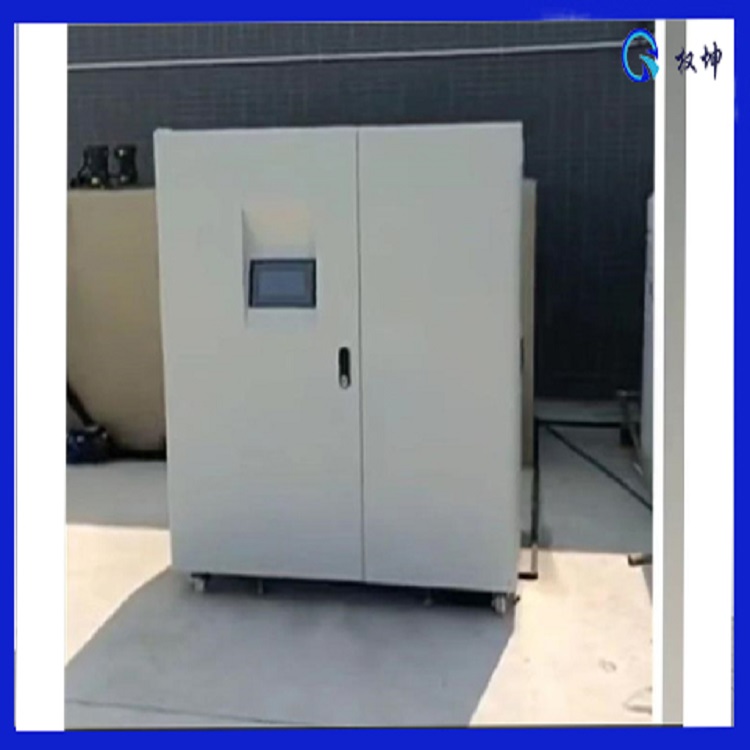
Quan Kun - Comprehensive Laboratory Waste Water Treatment Equipment - Remote Monitoring - Automated Control
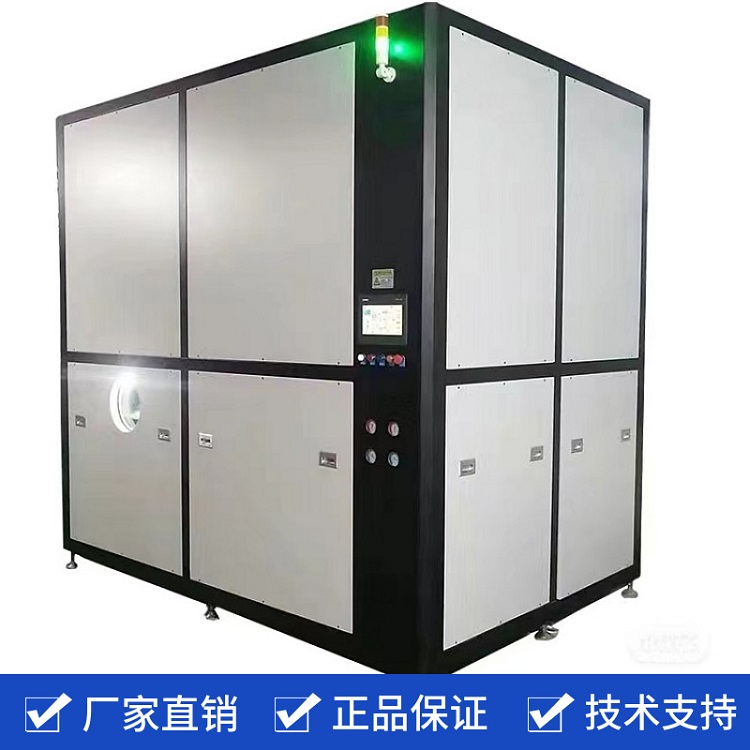
Sodium Chloride Wastewater Low-Temperature Evaporator - Intelligent Automatic - Quankun - Integrated Design
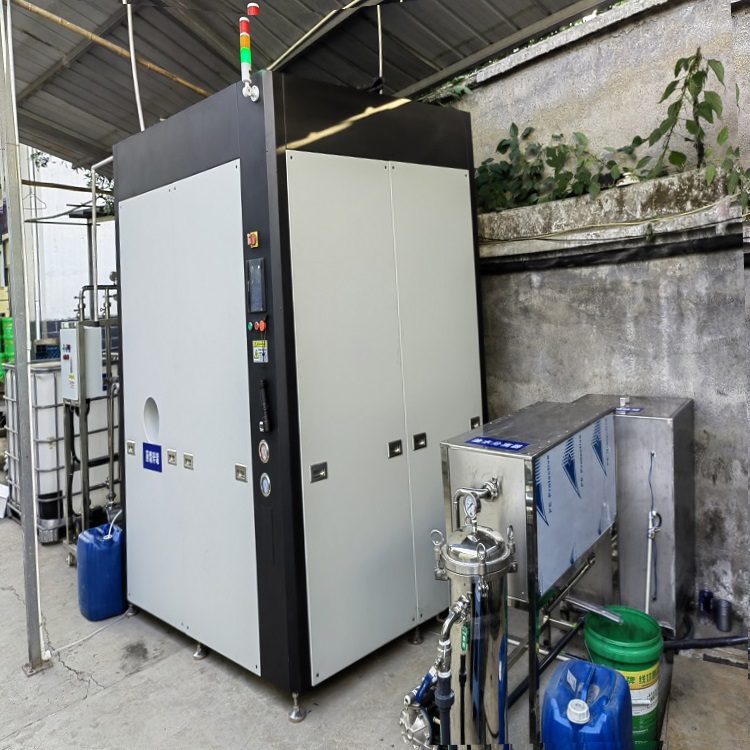
High-Concentration Oil Emulsion Waste Water Treatment Equipment - Quankun - Evaporator Unit - High Concentration Ratio
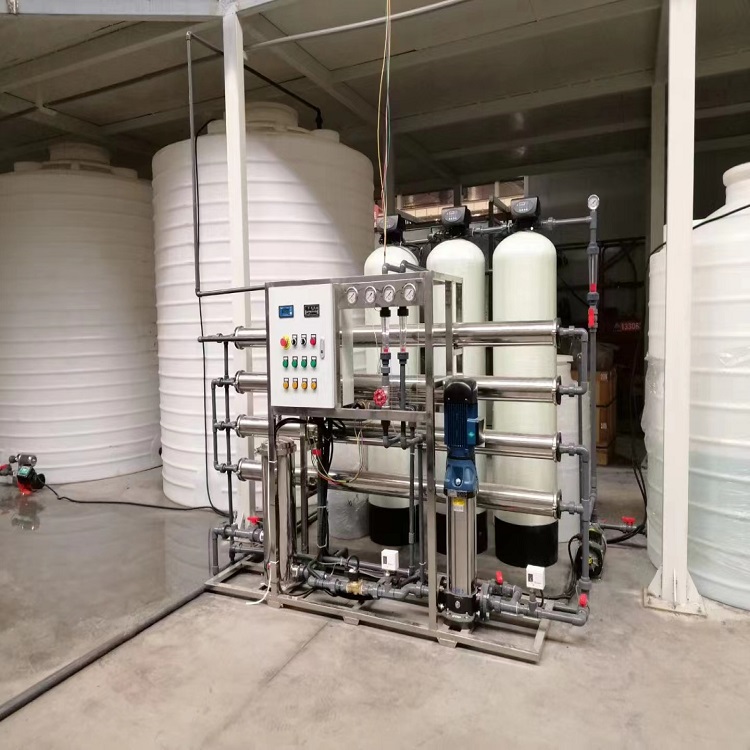
Industrial Pure Water Equipment EDI Ultra-Pure Water System Fully Automatic Control Quankun Environmental Protection
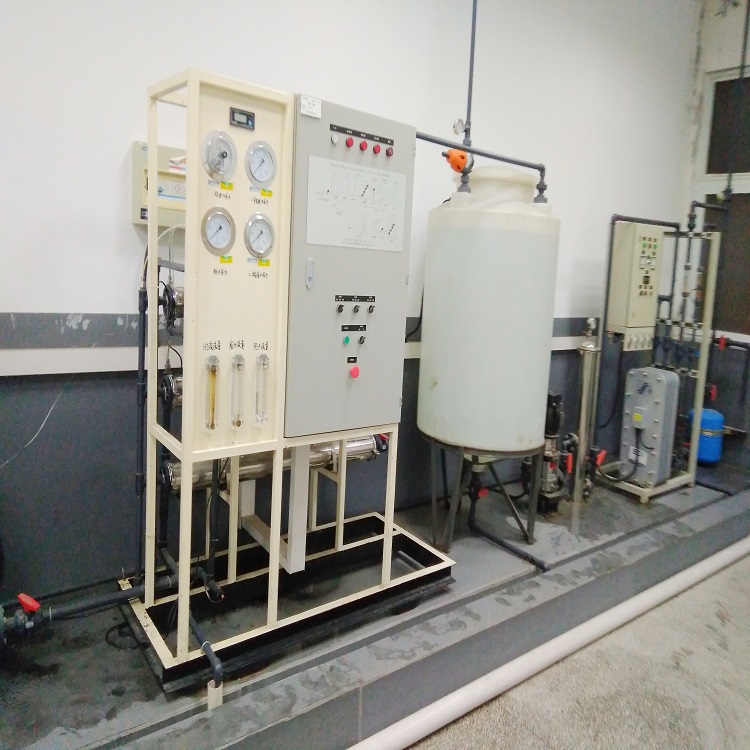
Shenzhen Industrial Ultra-Pure Water Equipment, equipped with EDI system, features low energy consumption and high degree of automation.
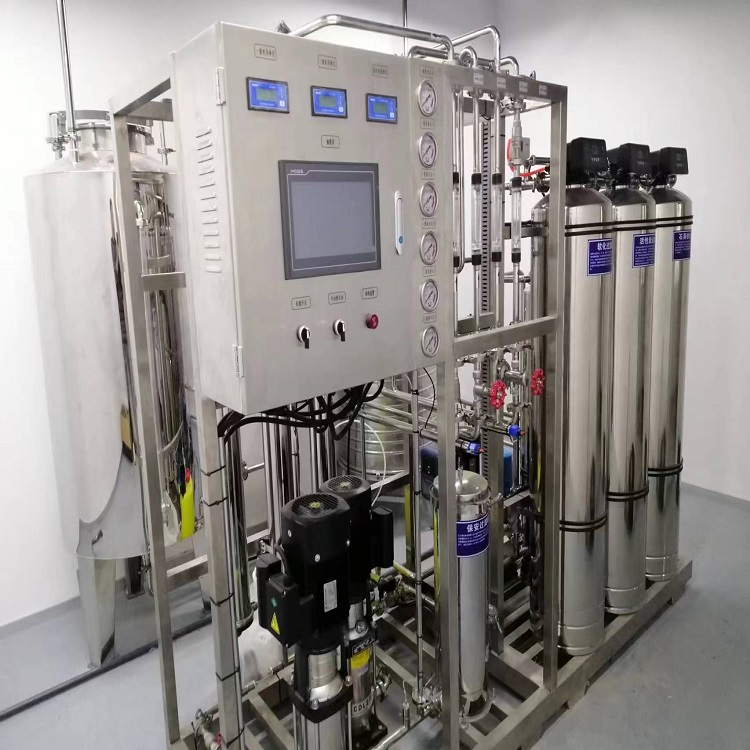
Shanghai industrial pure water production equipment reverse osmosis filtration system with high yield and customizable options, Quankun brand.
详情描述
Chemical and Physical Laboratory Wastewater Treatment Equipment Pricing
The generation of laboratory wastewater primarily originates from chemical laboratories in universities and scientific research experiments. The uncertainty, variability, and complexity of the wastewater volume are its inherent characteristics. Laboratory wastewater is categorized into high and low concentration types, with high concentration wastewater posing a severe environmental pollution threat and warranting sufficient attention. Low concentration wastewater mainly consists of rinsing water from chemical laboratory utensils, typical acid, alkali, and salt reaction products, low-toxic chemical waste solutions, and experimental water.

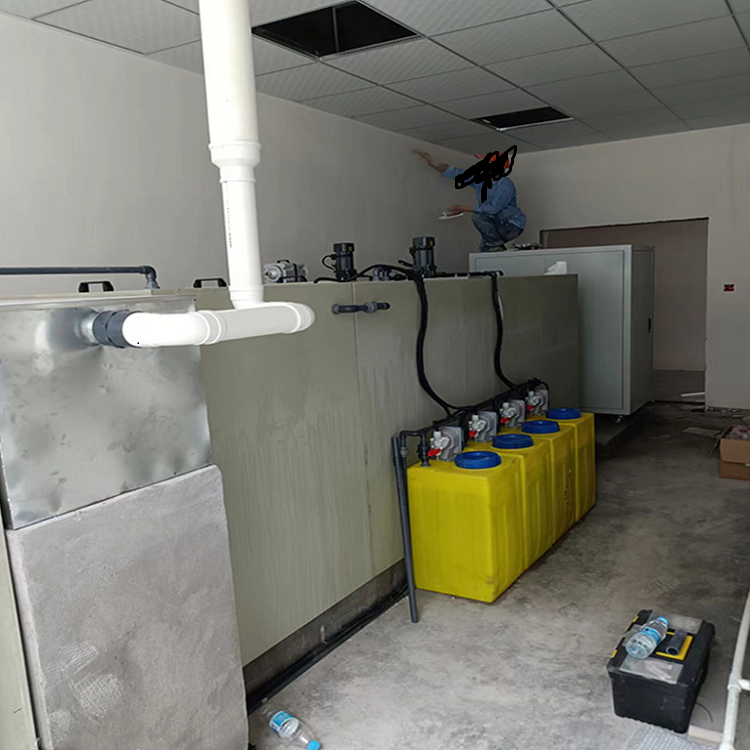
Mature technology for laboratory wastewater treatment equipment:
1. Considering all factors, the school's laboratory wastewater treatment equipment utilizes a mature technology that requires minimal investment, stable operation, low running costs, and excellent treatment results.
2. In response to the characteristics of wastewater, the school's laboratory sewage treatment equipment employs specialized measures to ensure the removal of harmful components, and fully considers anti-corrosion measures for pipelines, equipment, and structures.
3. Select equipment for school laboratory wastewater treatment that features stable performance, easy maintenance, reasonable pricing, durability, and high treatment efficiency.
4. Structures are arranged in a rational and compact manner, with an aesthetically pleasing and generous appearance, aiming to minimize land usage.
5. School laboratory wastewater treatment equipment has certain capacity to withstand water quality and volume shock loads.
6. Design takes full consideration of noise and odors to prevent secondary pollution, ensuring that the school laboratory wastewater treatment equipment does not cause new pollution to the surrounding environment.
7. Achieve automated control, enhance stability, and ensure the effluent quality meets standards for the school laboratory's wastewater treatment equipment.
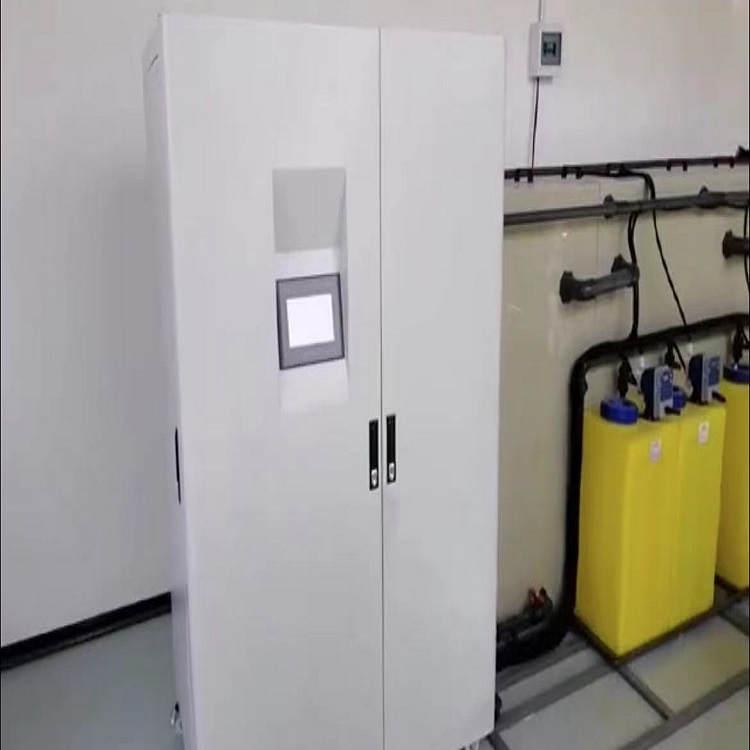
Proper Laboratory Waste Water Treatment Method:
Laboratory wastewater treatment adheres to the principles of classification, collection, on-site, and timely treatment, with simple operation, waste-to-waste management, and cost reduction. The treatment of laboratory wastewater cannot be equated to industrial wastewater treatment; instead, it employs a multi-unit treatment process system or targeted classification treatment to minimize treatment complexity, reduce costs, and simplify operations.
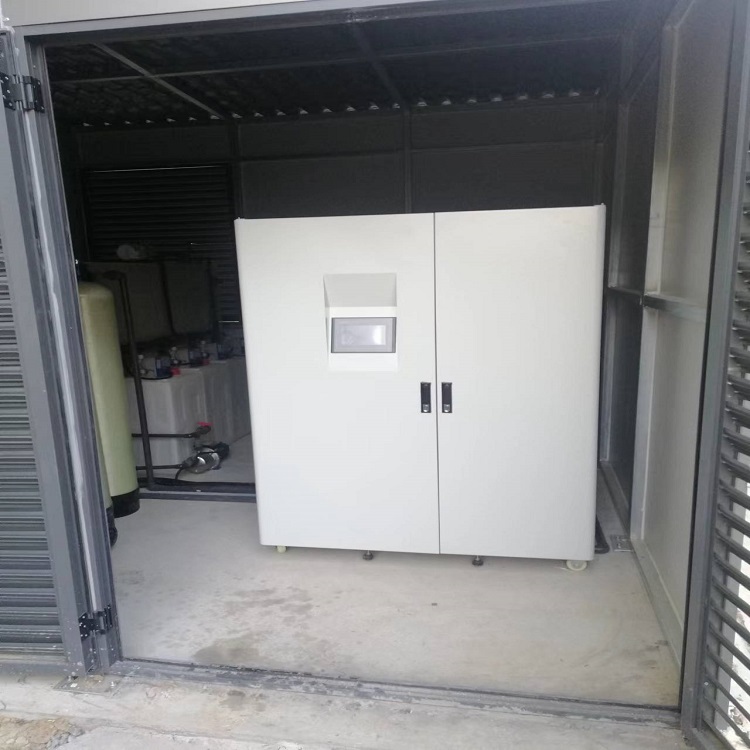
Generally, organic wastewater treatment equipment technology mainly includes biological and physical-chemical methods:
1. Biological Method: The biological method is less effective for laboratory wastewater with high organic concentration, strong toxicity, and unstable water quality and volume. The physicochemical method, however, shows a clear advantage in treating such wastewater. Recycling experimental chemicals, categorizing and treating laboratory waste, and recycling them for reuse not only reduces environmental pollution but also minimizes the waste of chemical substances.
2. Physical Method: For high-concentration laboratory organic wastewater, recover and recycle organic solvents like alcohols, esters, organic acids, ketones, etc., then treat them chemically; for high-concentration organic wastewater that cannot be recycled, centralized incineration treatment is required.
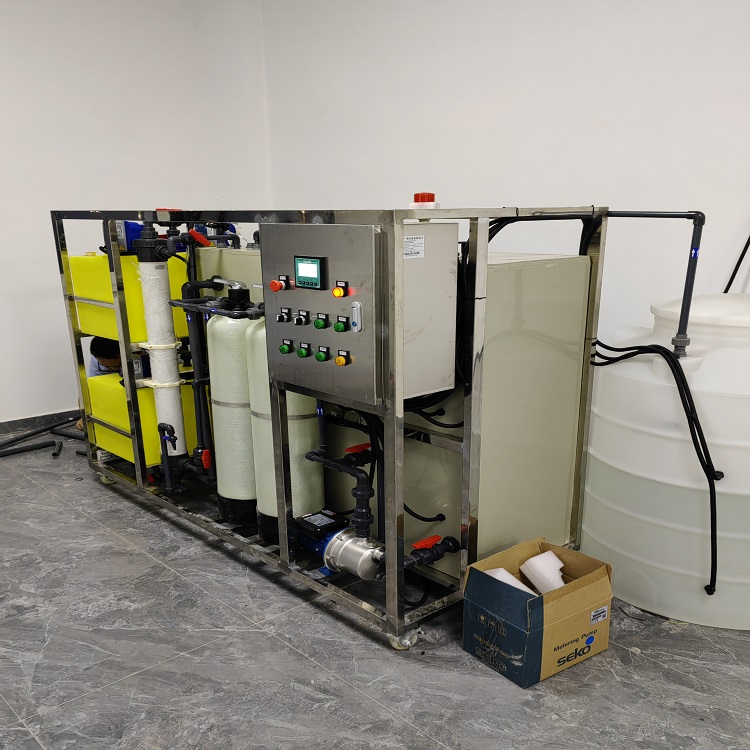
Price of waste water treatment equipment for physical and chemical laboratories
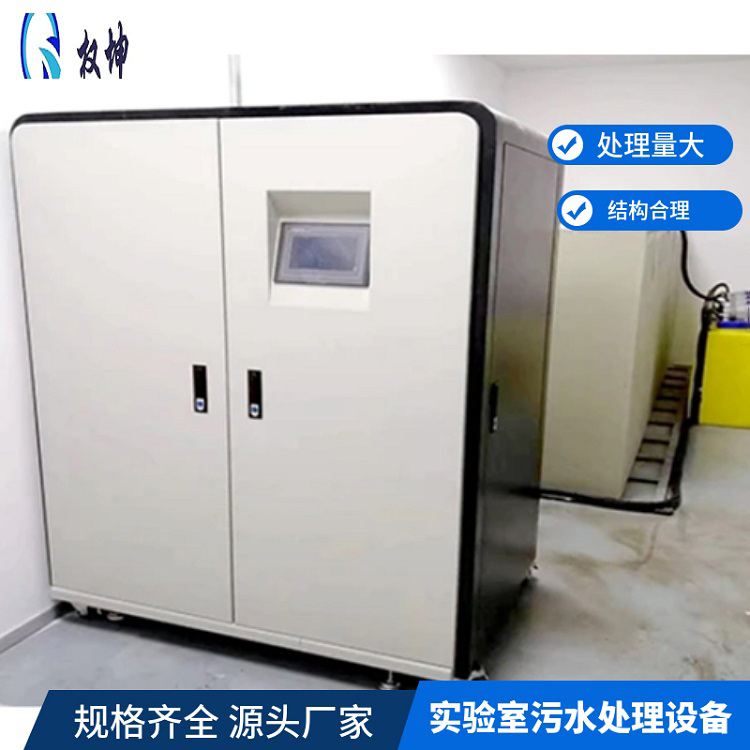
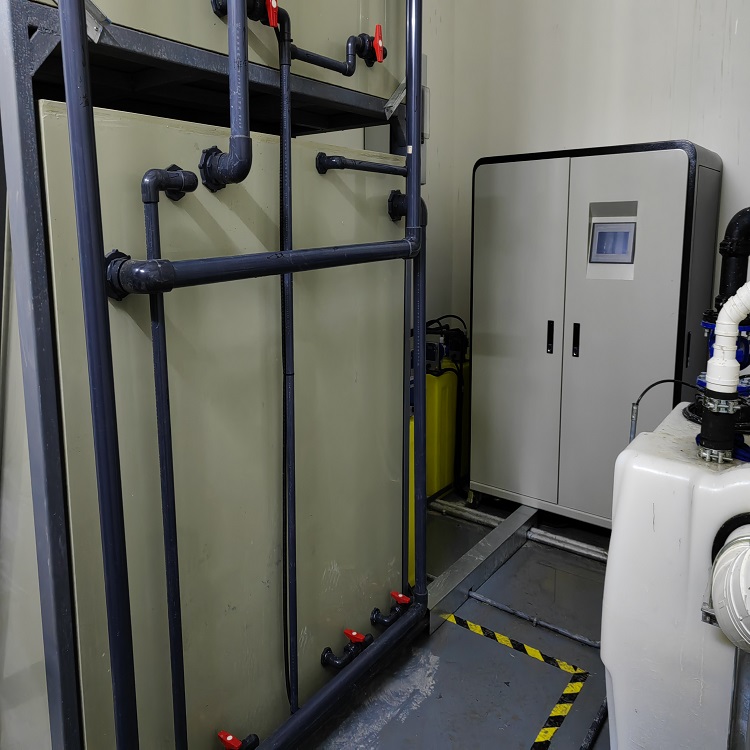
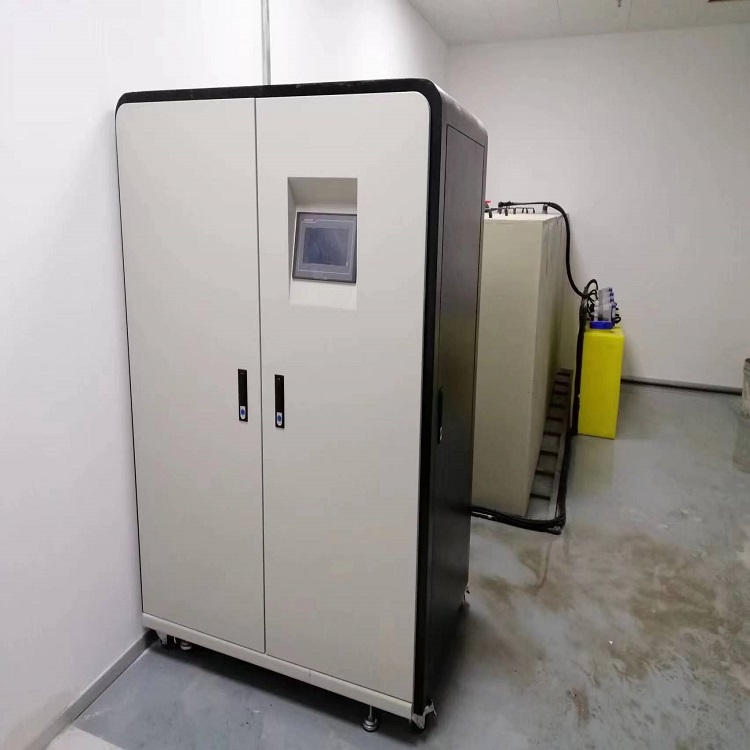
Laboratory wastewater treatment equipment features:
1. Broadly applicable, suitable for wastewater treatment in various laboratories.
2. High level of automation, central集中 control, user-friendly human-machine interface, simple operation, fully automatic operation, no need for dedicated staff.
3. Centralized control, high level of automation, easy operation, fully automatic operation, no need for dedicated staff.
4. Automatic leak and electric shock protection, high/low voltage automatic protection, no wastewater protection, liquid storage tank level protection.
5. Dynamic operation with digital LCD display for water quality indicators.
6. "One-stop" integrated design, featuring attractive appearance, small footprint, low operation costs, easy installation and mobility, high processing capacity, excellent processing effect, low energy consumption, acid and alkali resistance, low noise, and environmental friendliness, truly achieving engineering equipmentization. No need for multiple treatment ponds, no generation of waste sludge, waste gas, wastewater, etc., resulting in secondary pollution.


