



- AllProduct Category
-
Lab Wastewater Treatment Equipment
Lab Wastewater Treatment Equipment
Ultra-Pure Water Equipment
Membrane Separation Equipment
Pure Water Equipment
Low-Temperature Evaporator
Ultra-Pure Water System
Integrated Wastewater Treatment Equipment
Reverse Osmosis Equipment
Pure Water Equipment
Ceramic Membrane Equipment



Recommended Products
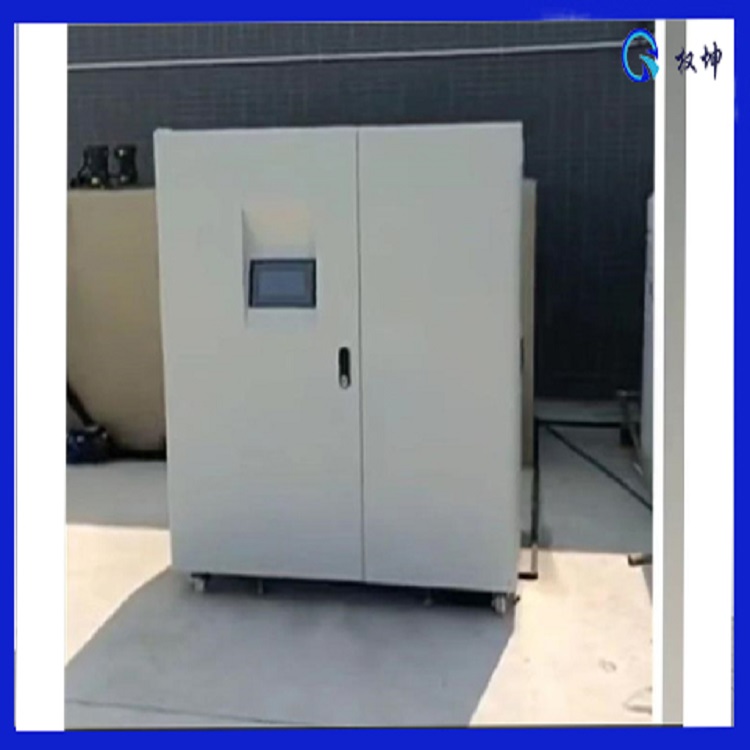
Quan Kun - Comprehensive Laboratory Waste Water Treatment Equipment - Remote Monitoring - Automated Control
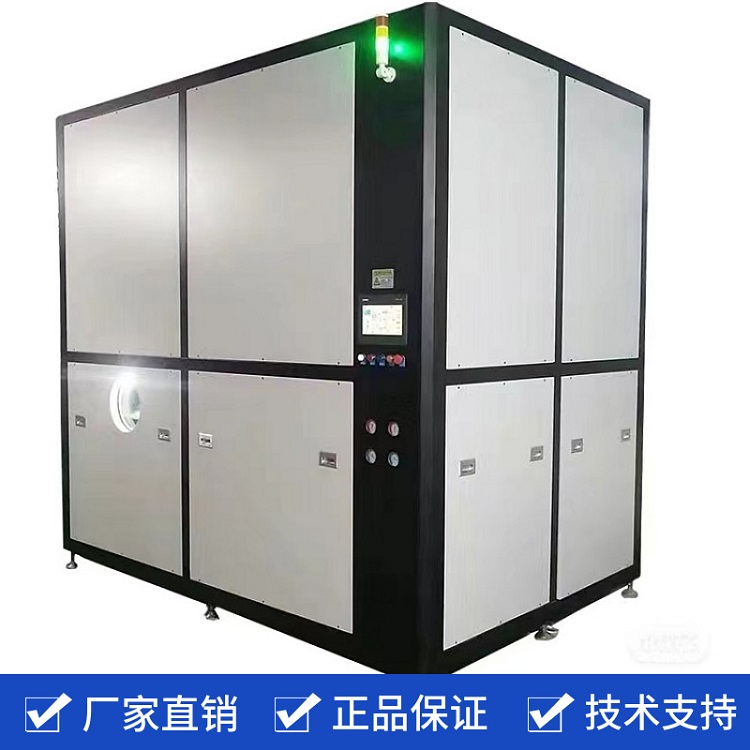
Sodium Chloride Wastewater Low-Temperature Evaporator - Intelligent Automatic - Quankun - Integrated Design
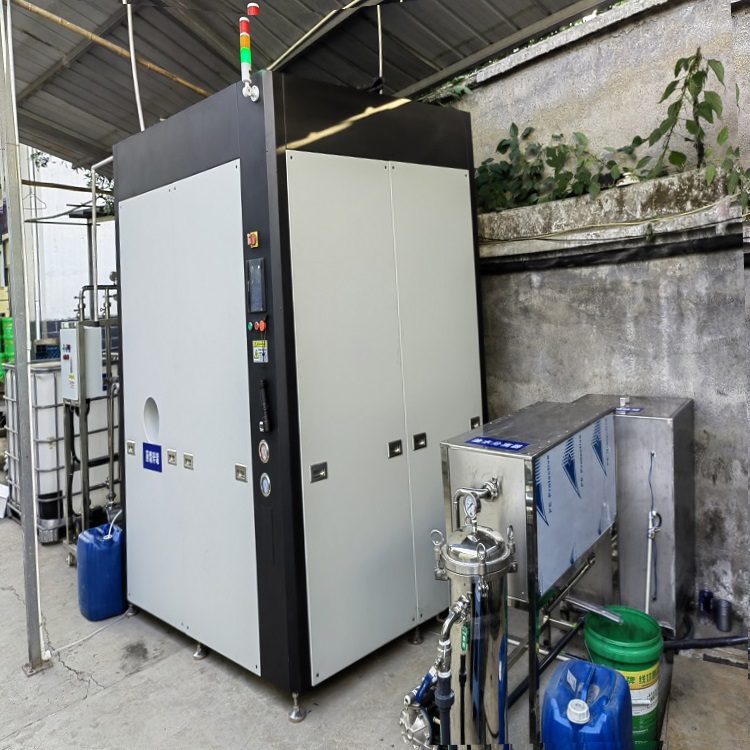
High-Concentration Oil Emulsion Waste Water Treatment Equipment - Quankun - Evaporator Unit - High Concentration Ratio
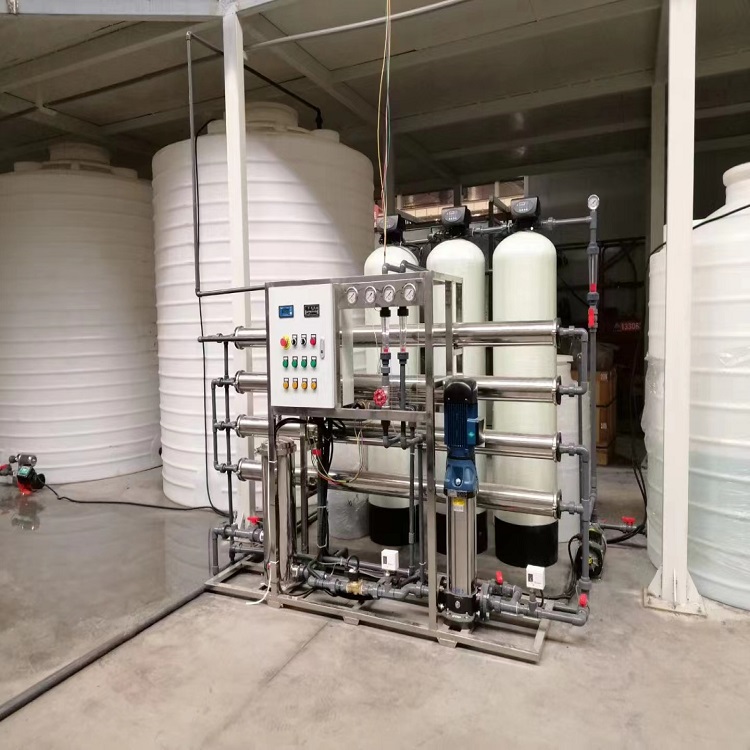
Industrial Pure Water Equipment EDI Ultra-Pure Water System Fully Automatic Control Quankun Environmental Protection
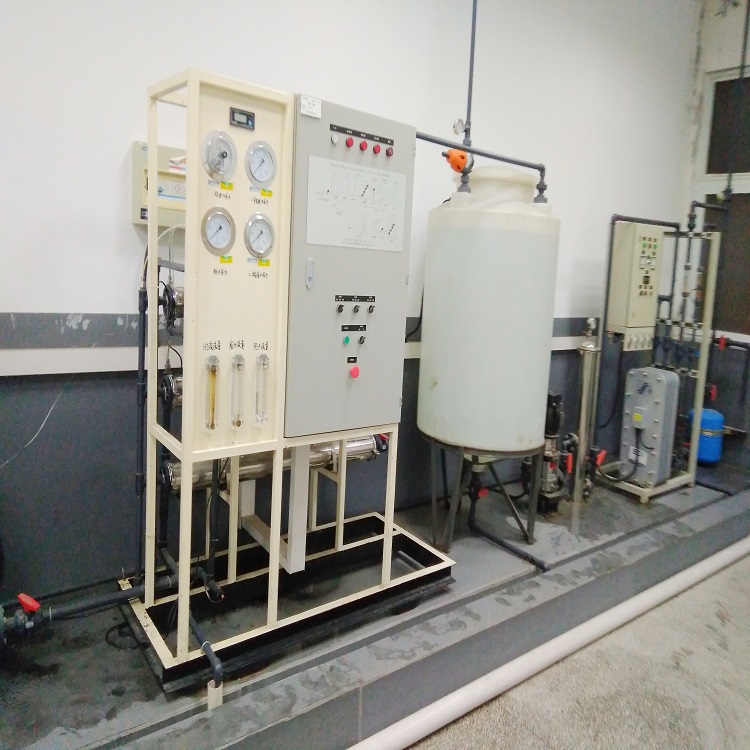
Shenzhen Industrial Ultra-Pure Water Equipment, equipped with EDI system, features low energy consumption and high degree of automation.
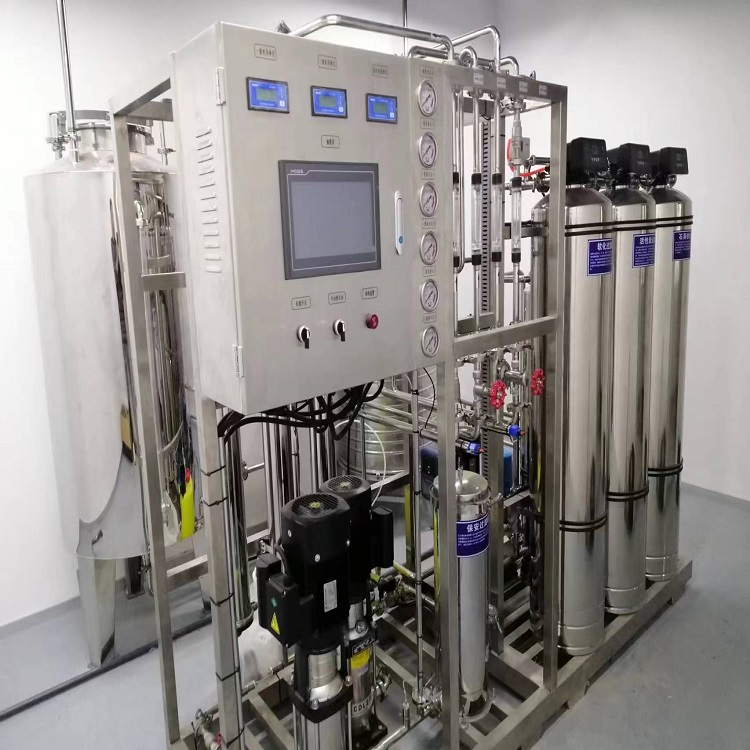
Shanghai industrial pure water production equipment reverse osmosis filtration system with high yield and customizable options, Quankun brand.
详情描述
Quankun Supplies - High Concentration COD Wastewater Treatment Equipment - Carbon Steel Material - Wastewater Reuse Equipment
The comprehensive waste liquid treatment device for laboratories also has some drawbacks. Firstly, the cost of the equipment may be high, which could be challenging for some small laboratories to afford. Secondly, due to the特殊性 of laboratory wastewater, the device may be affected by factors such as high concentration of pollutants in the wastewater, unstable water quality, fluctuating flow rates, and uneven operation loads, leading to stability issues.
Biological reagent laboratory wastewater contains a large amount of organic matter, inorganic salts, heavy metals, and other pollutants. If not properly treated and discharged directly, it can cause significant environmental damage. Therefore, the development of efficient and environmentally friendly biological reagent laboratory wastewater treatment equipment has become a hot topic in current research.
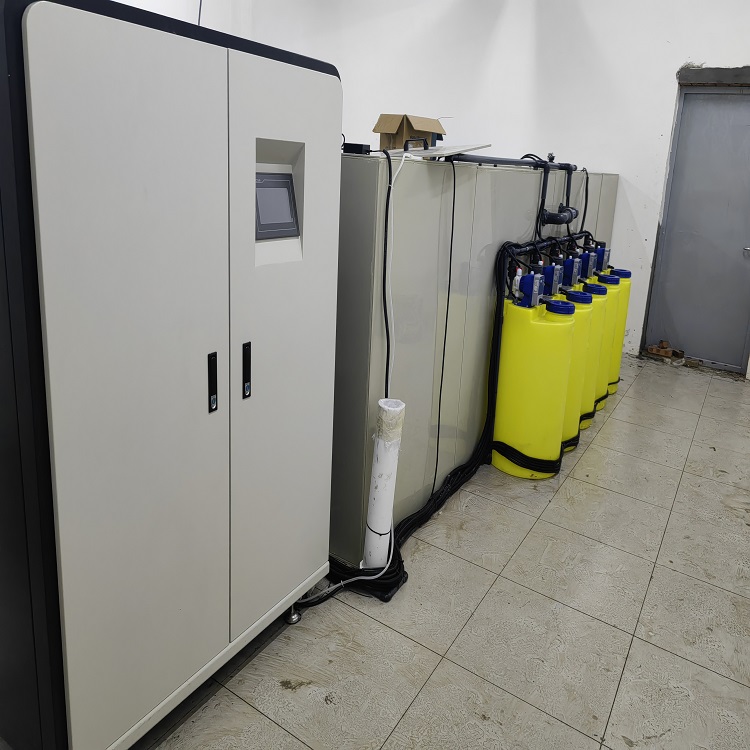
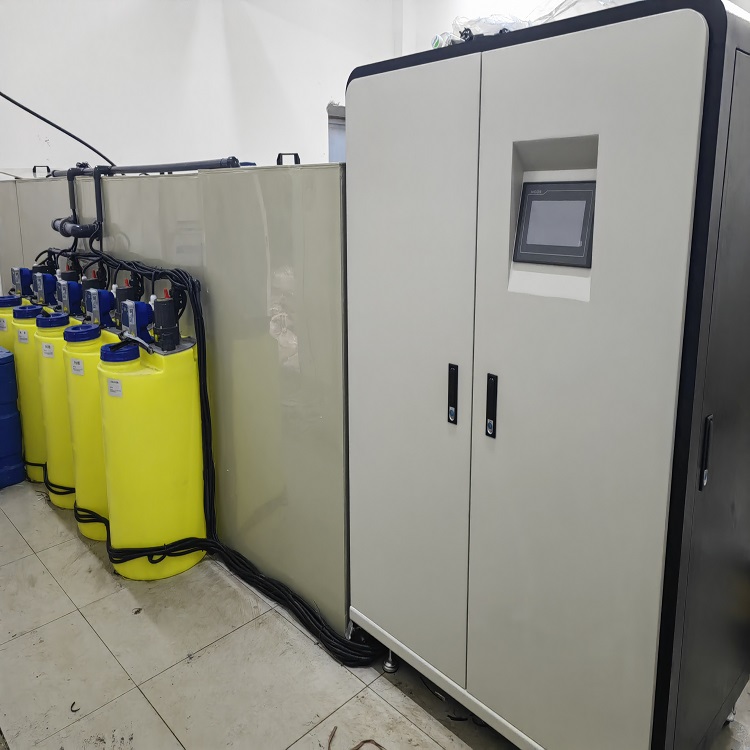
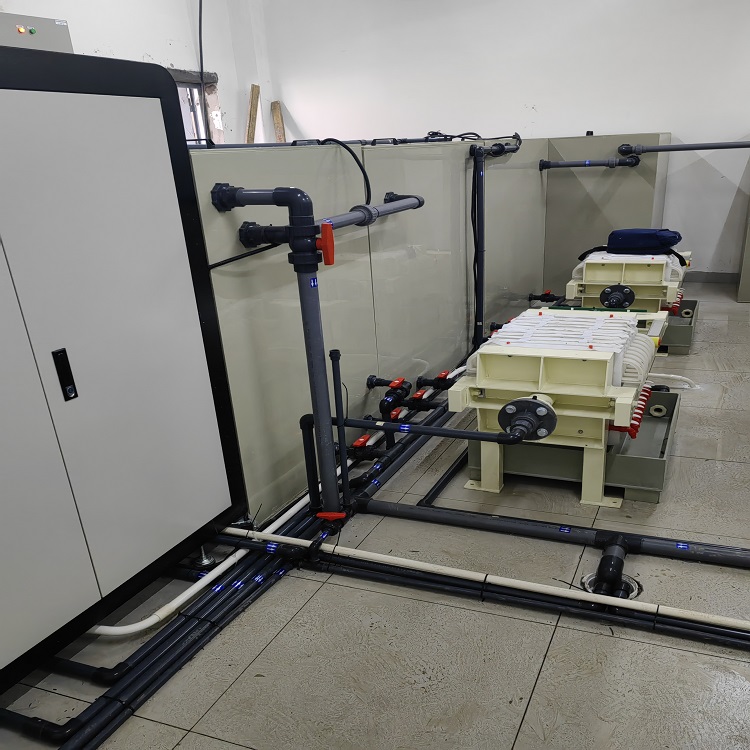
In terms of working principle, the laboratory comprehensive waste liquid treatment unit primarily utilizes coagulation, sedimentation, oxidation, and high-efficiency sterilization to remove and eliminate bacteria, heavy metals, COD, viruses, and other contaminants from wastewater. Within a certain pH range, the unit can kill all microorganisms, including bacterial spores, fungi, mycobacteria, and hepatitis viruses, among various infectious agents. The wastewater treatment process employs automatic control, with the entire process requiring no dedicated supervision.
Categorized by pollution level:
High and low concentration laboratory wastewater can be categorized by the degree of pollution. High concentration laboratory wastewater includes general liquid waste reagents (spent acids, bases, organic solvents, etc.), liquid waste products or by-products (sample analysis residues, liquid products and by-products, etc.), and washing liquids after the use of highly toxic substances. Low concentration laboratory wastewater includes low concentration washing water from laboratory utensils and products, general chemical reaction products, low-toxicity and low-concentration waste reagents, water for laboratory cleaning and hygiene, as well as cooling water.
By pollutant nature classification:
Based on the nature of the main pollutants in the wastewater, it can be categorized into organic, inorganic, and biological laboratory wastewater. Organic laboratory wastewater includes commonly used organic reagents and samples, such as phenols, benzene, and nitro compounds. Inorganic laboratory wastewater primarily contains strong acids, bases, heavy metals, and arsenic compounds. Biological wastewater often originates from biosecurity laboratories, with pollutants including culture media, growth media, and liquid biological specimens from laboratory tests, such as blood, urine, sputum, and vomit. There are also small amounts of wastewater from cleaning laboratory utensils and animal cages, with pollutants mainly being pathogenic bacteria, free of heavy metal ions, and having good biodegradability with a high content of pathogenic microorganisms.
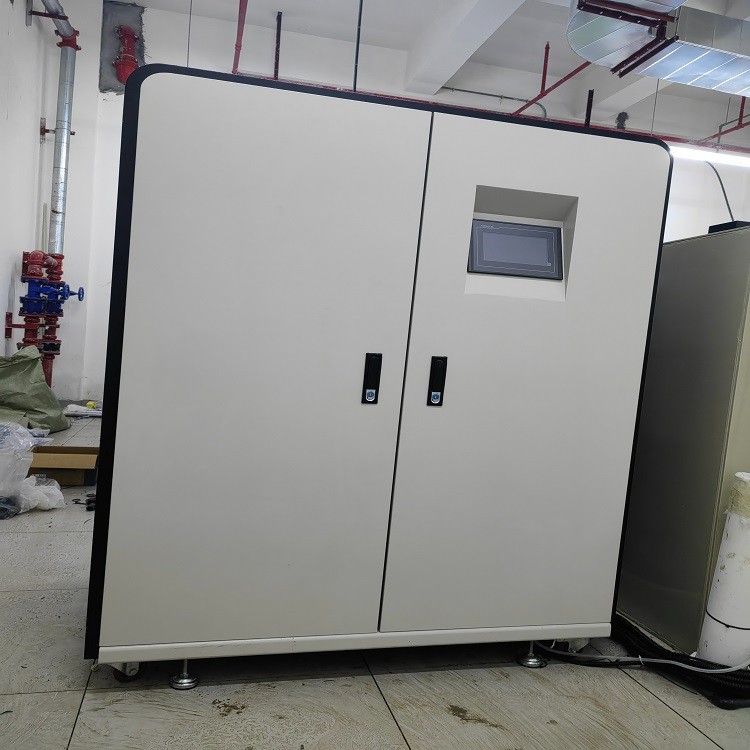
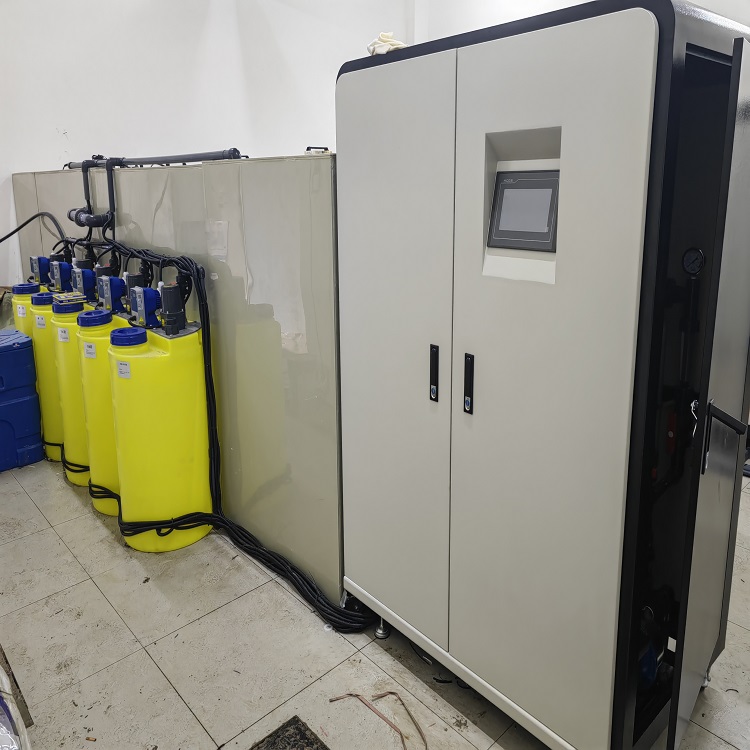
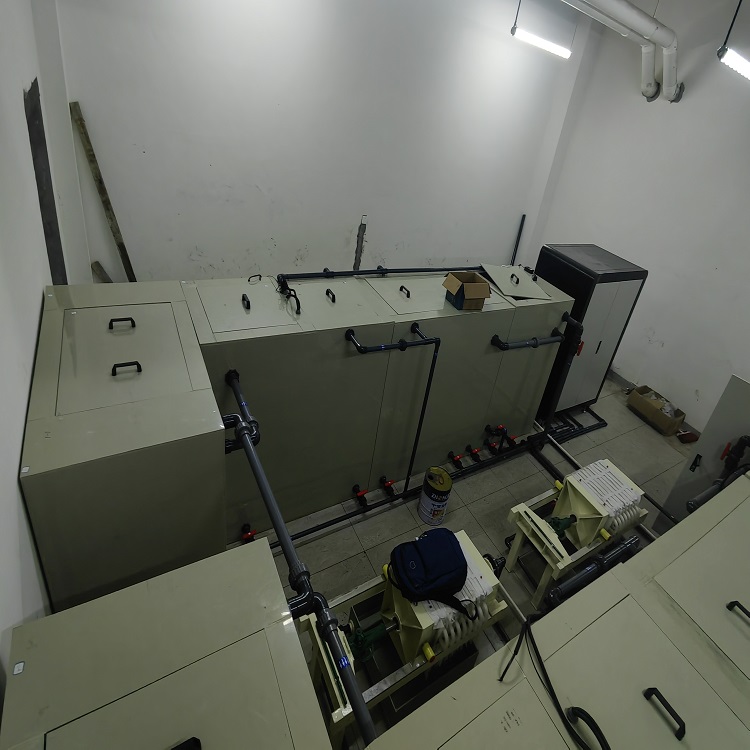
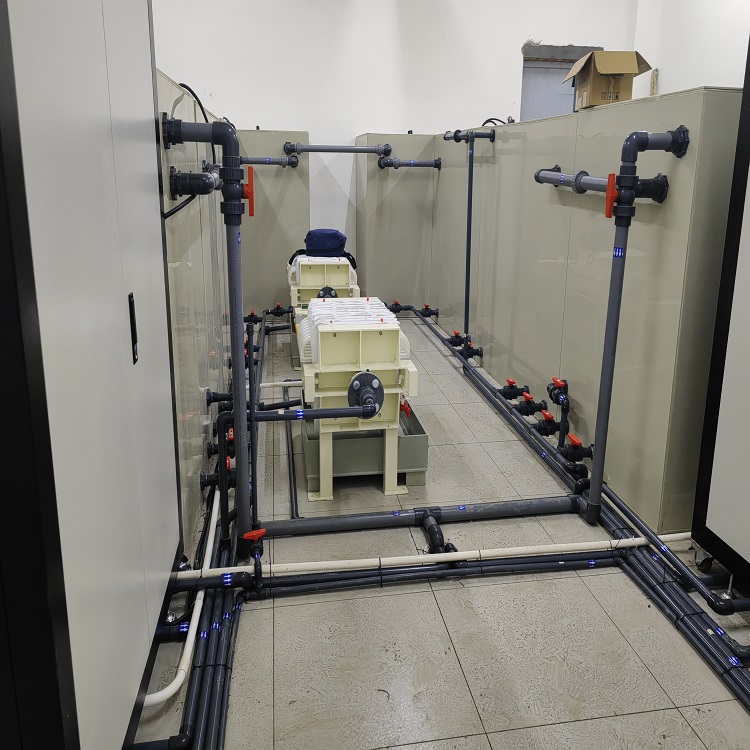
The comprehensive laboratory waste liquid treatment unit boasts multiple advantages. It can intelligently centralize the treatment of various experimental wastewater from different sources, achieving point-to-line pollution control and water recycling from small to large scales. Through internal and external circulation, it can reduce wastewater discharge and lower the cost of wastewater treatment.
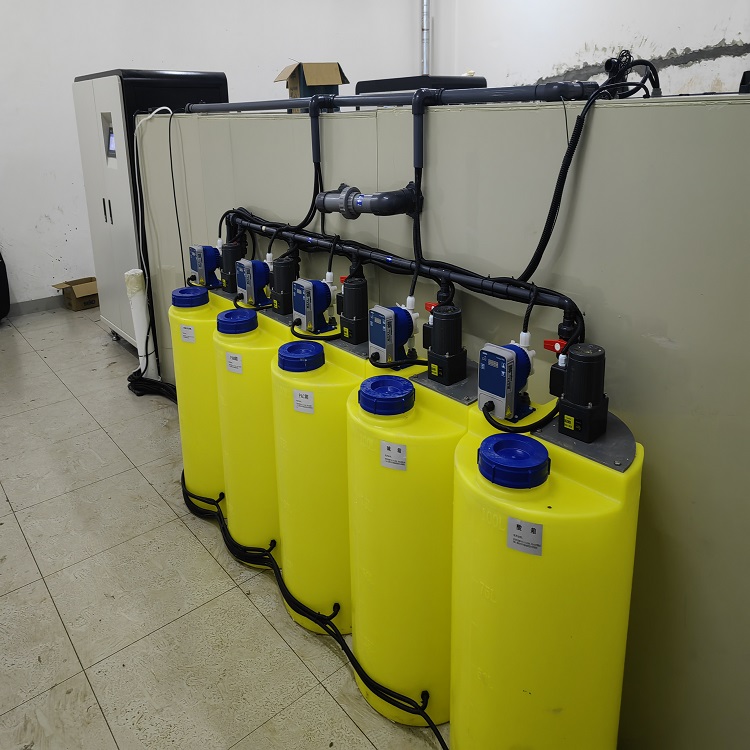
Quankun Offers - High Concentration COD Wastewater Treatment Equipment - Carbon Steel Material - Wastewater Reuse Equipment
Common reagents used in wastewater treatment include flocculants, coagulants, conditioners, demulsifiers, pH adjusters, oxidizers and reducers, and disinfectants. These reagents play various roles in the treatment process, such as flocculants for enhancing solid-liquid separation, coagulants aiding the flocculant's function, conditioners for sludge conditioning before dewatering, demulsifiers for treating oily wastewater, pH adjusters for regulating the acidity or alkalinity of wastewater, oxidizers and reducers for treating wastewater containing oxidizing or reducing substances, and disinfectants for post-treatment sterilization.


