



- AllProduct Category
-
Lab Wastewater Treatment Equipment
Lab Wastewater Treatment Equipment
Ultra-Pure Water Equipment
Membrane Separation Equipment
Pure Water Equipment
Low-Temperature Evaporator
Ultra-Pure Water System
Integrated Wastewater Treatment Equipment
Reverse Osmosis Equipment
Pure Water Equipment
Ceramic Membrane Equipment



Recommended Products
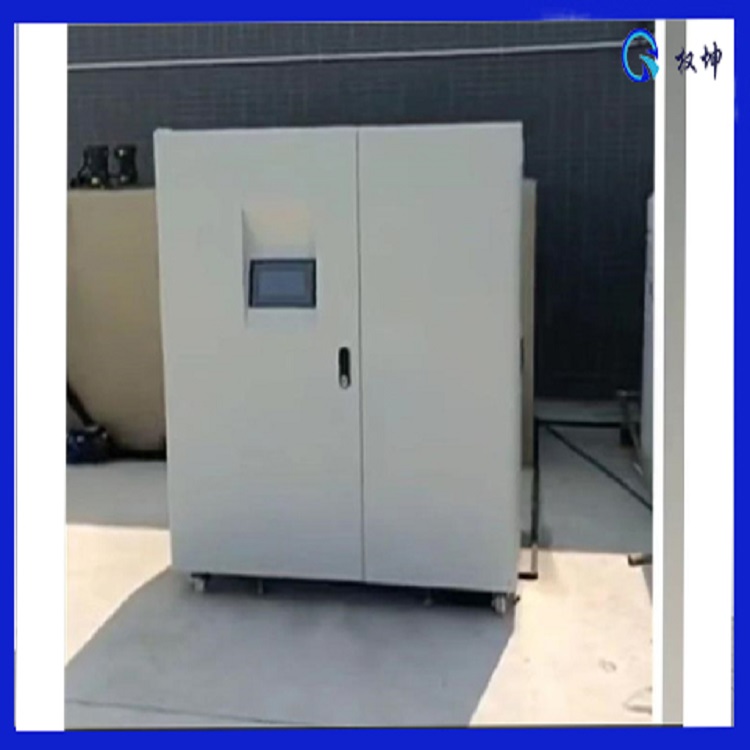
Quan Kun - Comprehensive Laboratory Waste Water Treatment Equipment - Remote Monitoring - Automated Control
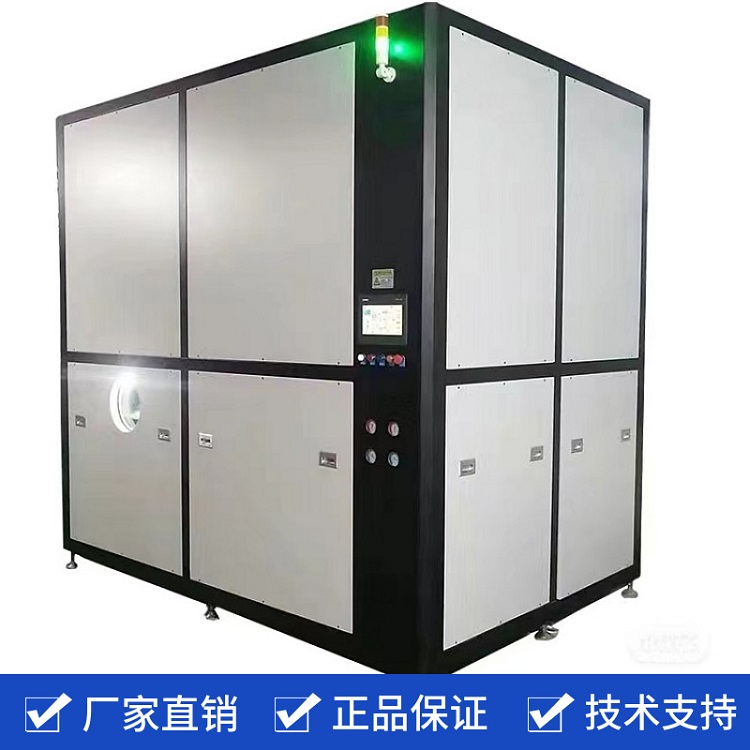
Sodium Chloride Wastewater Low-Temperature Evaporator - Intelligent Automatic - Quankun - Integrated Design
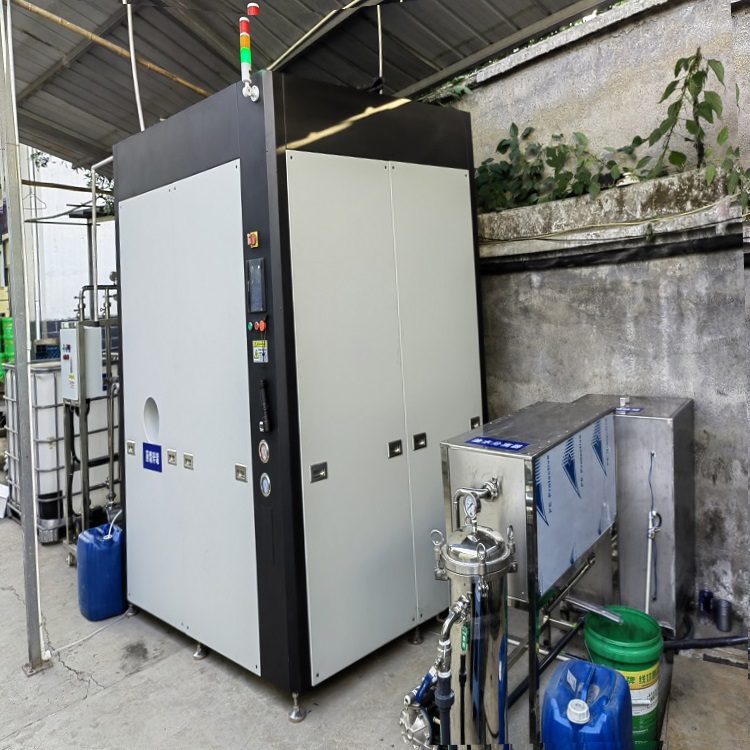
High-Concentration Oil Emulsion Waste Water Treatment Equipment - Quankun - Evaporator Unit - High Concentration Ratio
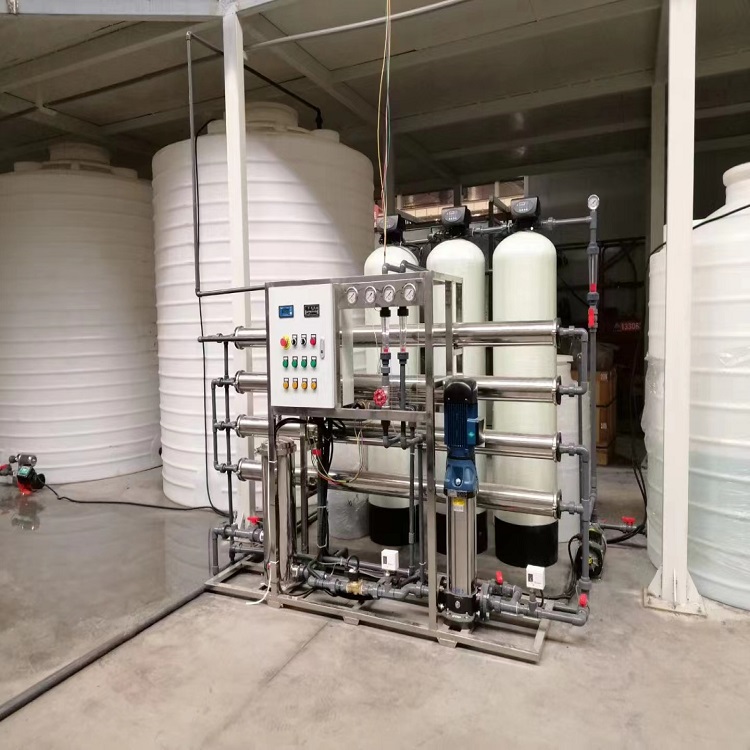
Industrial Pure Water Equipment EDI Ultra-Pure Water System Fully Automatic Control Quankun Environmental Protection
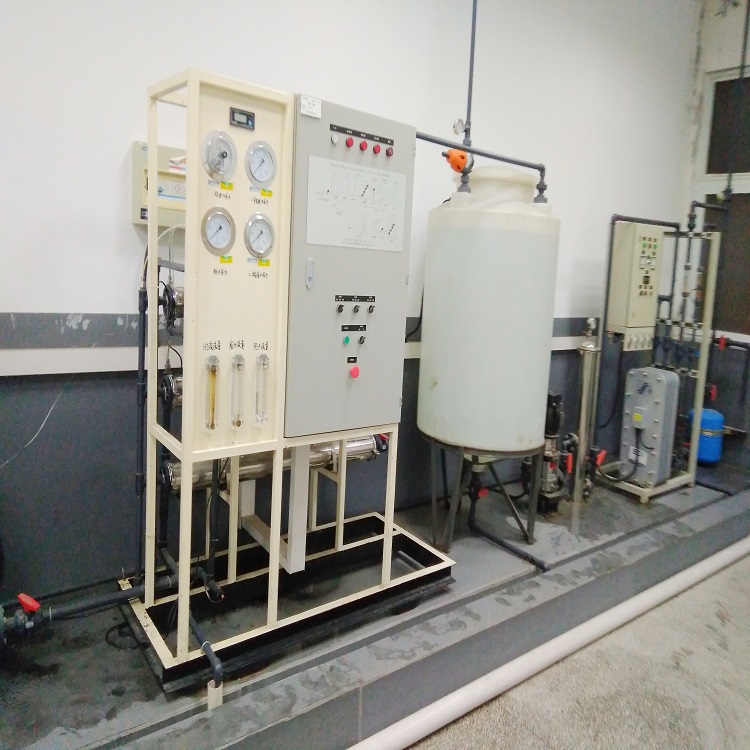
Shenzhen Industrial Ultra-Pure Water Equipment, equipped with EDI system, features low energy consumption and high degree of automation.
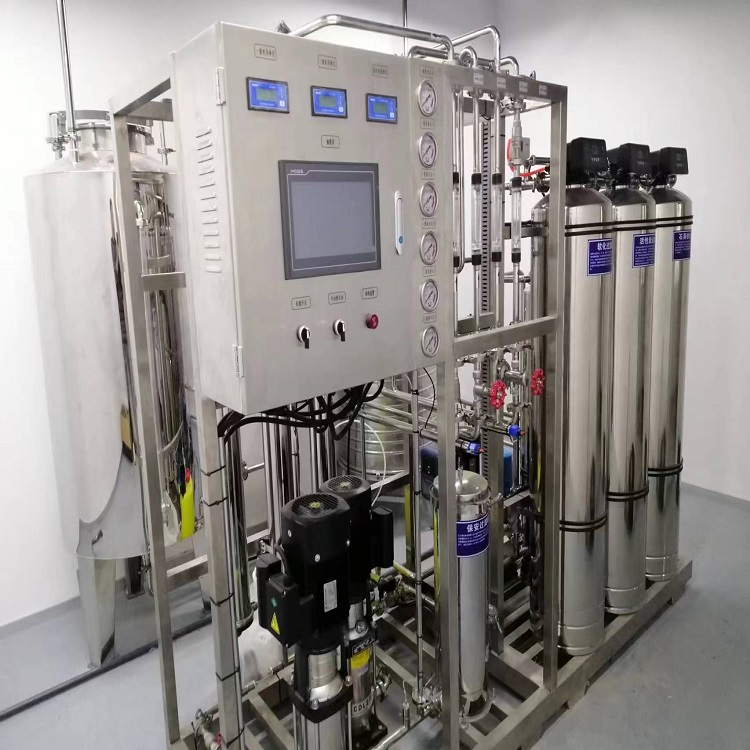
Shanghai industrial pure water production equipment reverse osmosis filtration system with high yield and customizable options, Quankun brand.
详情描述
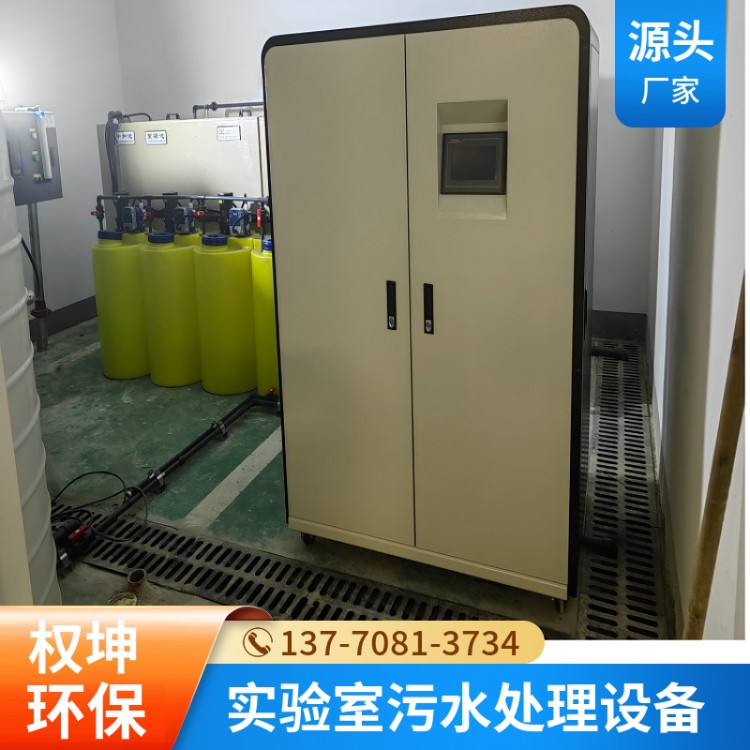
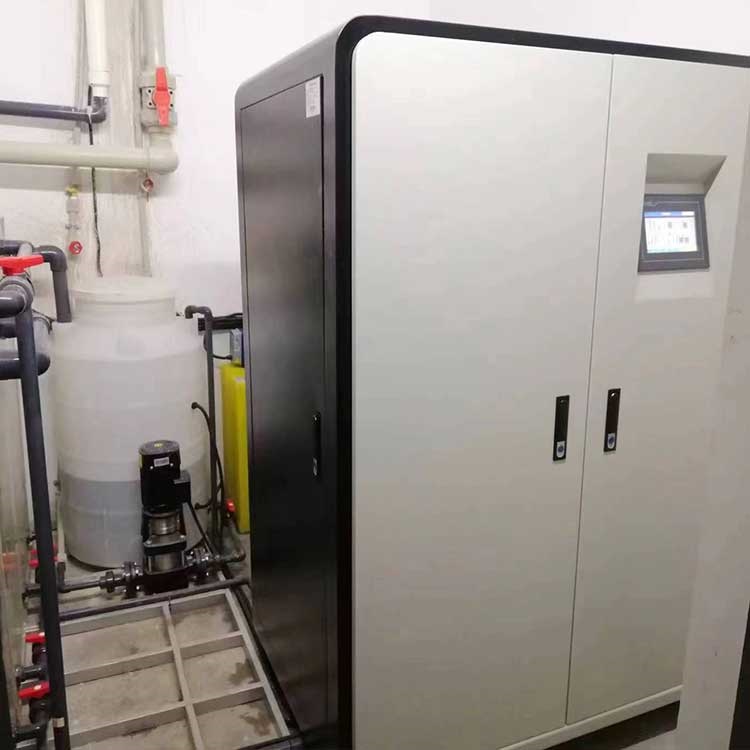
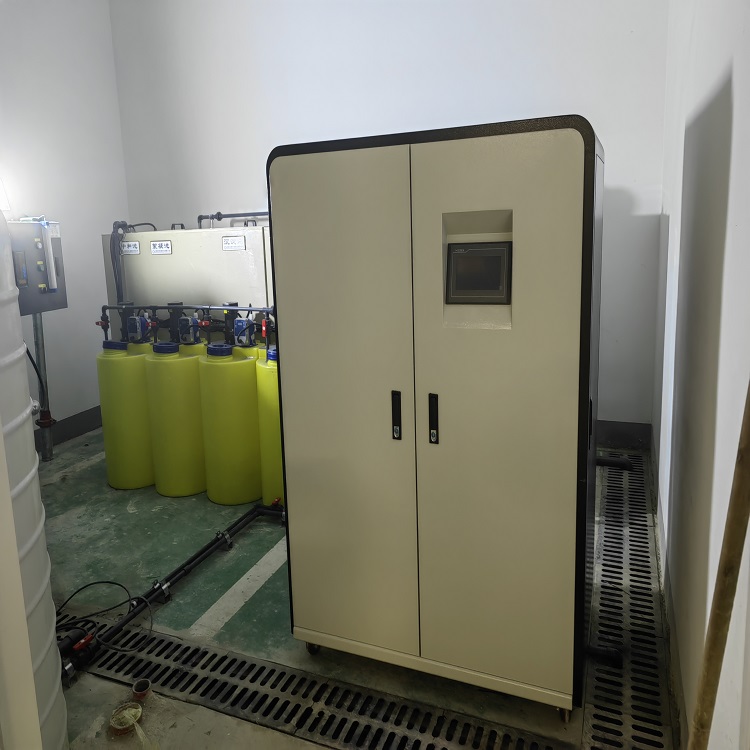
Laboratory Wastewater Treatment Equipment - Stable Output Compliant with Standards - Nationwide On-Site Installation
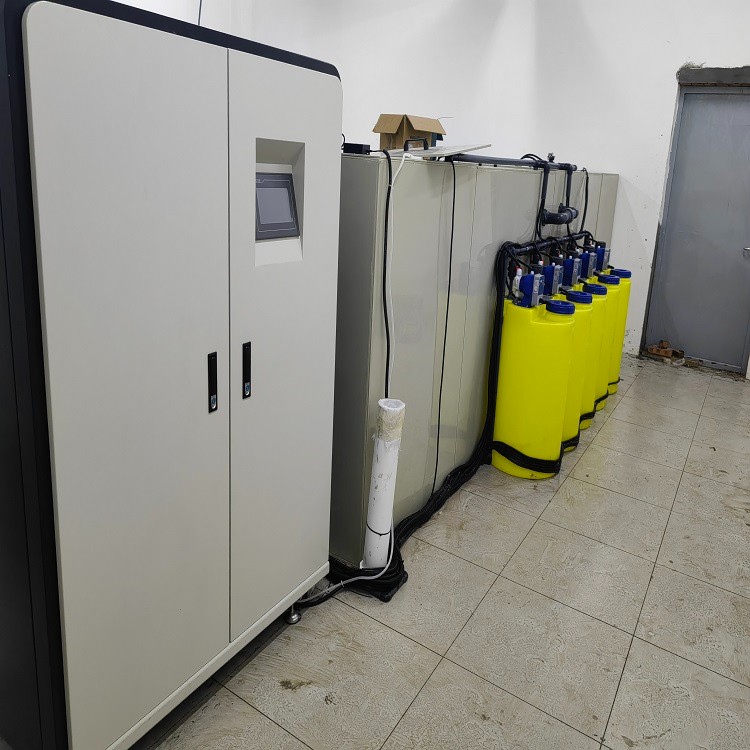
In the design of laboratory wastewater treatment systems, we adhere to the principles of advanced and applicable technology, strong process measures, reliable and stable systems, easy start-up and shutdown operation, comprehensive cost savings in initial investment and daily operation, and maximizing the reduction of site occupation area and the utilization of existing treatment facilities. After a comprehensive analysis of similar wastewater treatment technologies domestically and internationally, and in accordance with customer requirements, we adopt the "acid-base neutralization adjustment + ultraviolet disinfection + multi-media filtration for heavy metals" process for wastewater treatment. Equipment using this process can effectively kill bacteria, pathogens, and other high-risk pollutants in wastewater. The acid-base neutralization system ensures uniform water quality and meets national requirements for effluent pH to protect water quality. The multi-media filtration system filters out trace amounts of heavy metals, organic matter, inorganic matter, etc., reducing the composition of wastewater with low investment. The equipment operates automatically without the need for dedicated staff.
Equipment Advantages:
1. Treat various pollutants in wastewater using technologies such as acid-base neutralization precipitation, active adsorption, and ozone sterilization disinfection.
2. Utilizes a microcomputer program for real-time monitoring and control of wastewater quality and treatment process, ensuring around-the-clock automatic operation without the need for constant human supervision.
3. Accurately control dosing with a pH meter and imported metering pump, and is equipped with level control and other devices.
4. Utilize advanced oxygenators for thorough gas-water contact and complete reaction.
5. User-friendly, stable performance, long lifespan, low operation and maintenance costs.
6. Small land area required, can be installed indoors or outdoors as needed.
7. Tailored design and manufacturing to meet various customer requirements.
8. Equipment is electrostatic leak-proof, equipped with a built-in safety protection system.
Application Scope:
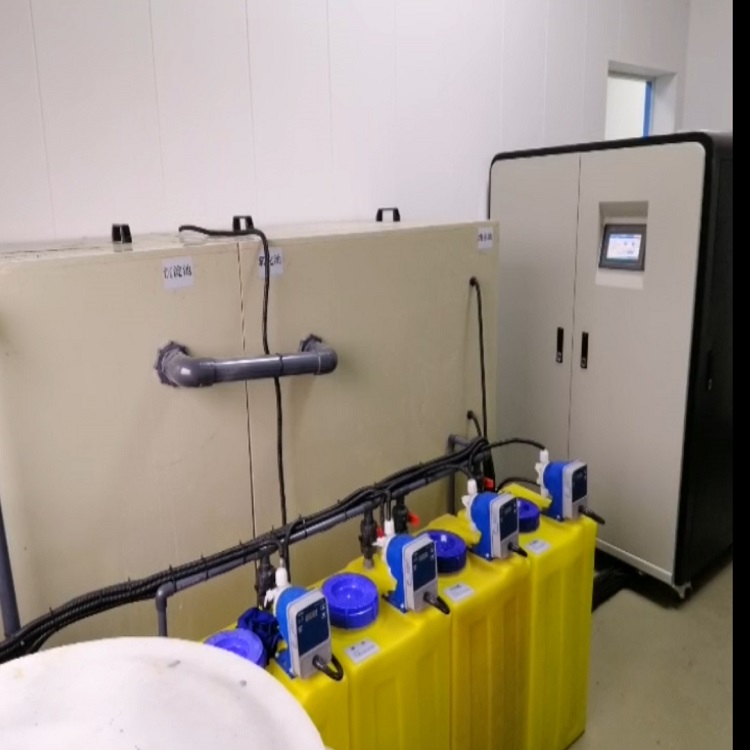
Laboratory wastewater treatment equipment is widely used in universities, colleges, research institutions, health organizations, pharmaceuticals, disease control centers, environmental supervision, product quality inspection, inspection and quarantine, drug inspection, blood stations, animal husbandry, hospitals, petrochemical industries, and various laboratories and chemical laboratories. After treatment, the wastewater meets the first, second, and third-grade standards of the Comprehensive Wastewater Discharge Standard [GB8978-1996]. The treated wastewater can be discharged into the municipal wastewater pipeline or reused through further treatment processes.
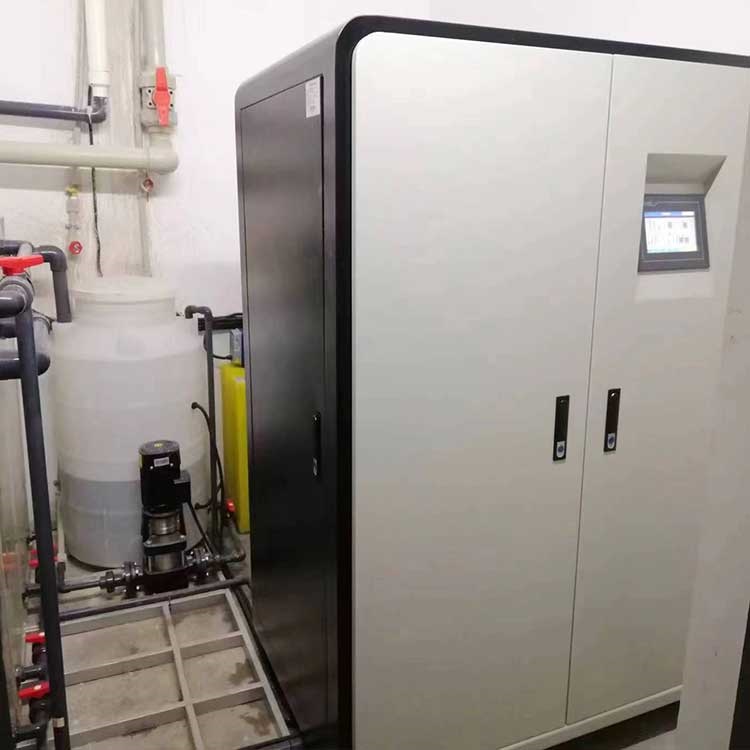
Laboratory wastewater contains acids, alkalis, organic pollutants, heavy metal ions, and pathogenic microorganisms, with a wide pH value fluctuation and high COD concentration. It is mainly divided into three categories:
1. Organic wastewater: Primarily derived from laboratory reagents and solvents.
2. Inorganic Waste Water: Primarily derived from acidic and alkaline reagents, as well as heavy metal reagents.
3. Biological Pathogenic Wastewater: Primarily originates from microbiological, blood biochemical experiments, blood stations, disease control centers, etc.
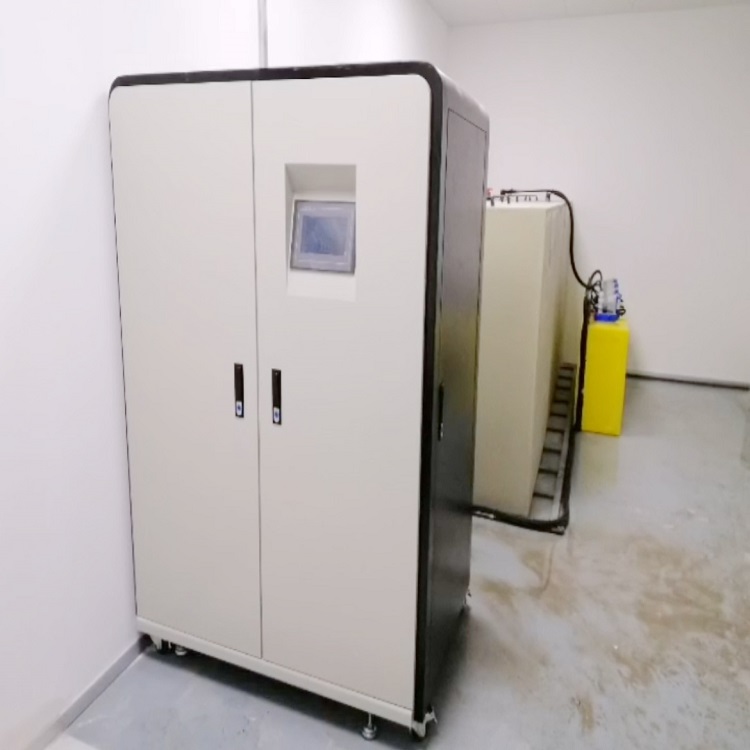
Laboratory wastewater treatment equipment - stable effluent meets standards - nationwide installation services
Laboratory wastewater treatment equipment process selection:
The effluent from the acid-base neutralization pond then flows into the sedimentation pond. After acid-base neutralization, the sediment produced and other suspended solids in the wastewater are separated from the sludge and water through the counterflow between the sludge and water in the sedimentation pond.
The effluent from the sedimentation pond sequentially enters the ozonation unit, where large, non-degradable organic molecules are oxidized into low-toxic or non-toxic small molecules. The organic pollutants and NH3-N in the wastewater are oxidized and decomposed into harmful substances such as CO2, N2, and H2O. The wastewater is then disinfected with UV ultraviolet light and chlorine dioxide. After this, the wastewater finally enters a multi-media filter. Fine suspended particles, trace metals, and organic matter that have not been removed are partially eliminated through the adsorption and retention of quartz sand and activated carbon with a large pore structure and high specific surface area. The other part is degraded and removed by anaerobic, aerobic, and facultative bacteria in the microbial film attached to the activated carbon. The process of activated carbon retention and adsorption is interwoven with the process of microbial degradation and desorption, alternating and cycling. At this point, the wastewater meets the standards for discharge into the sewage network.


