



- AllProduct Category
-
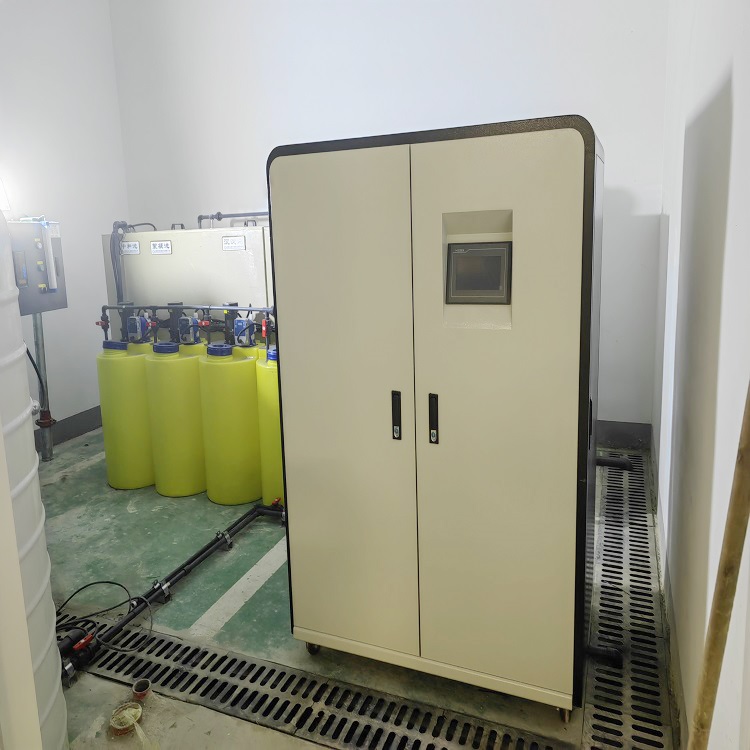
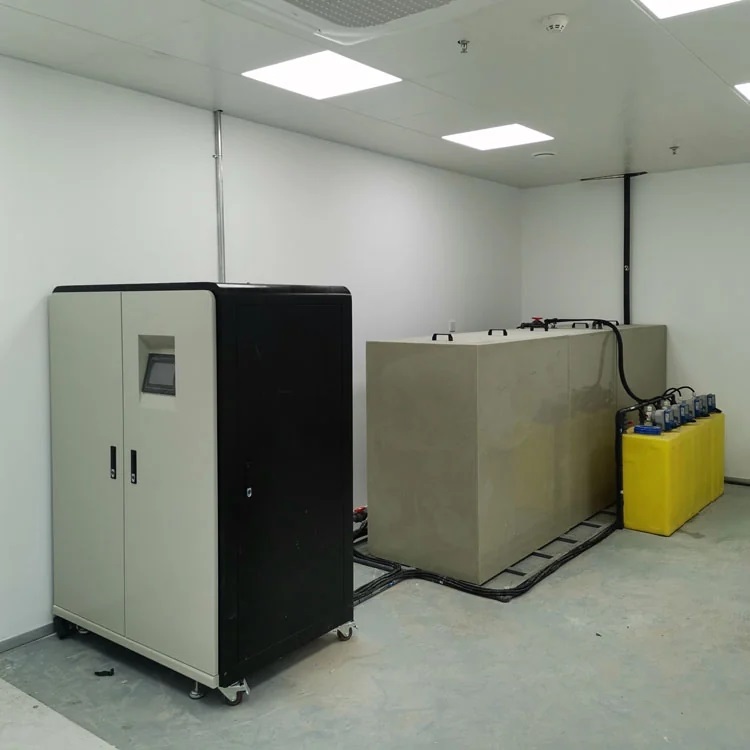
Lab Wastewater Treatment Equipment
Lab Wastewater Treatment Equipment
Ultra-Pure Water Equipment
Membrane Separation Equipment
Pure Water Equipment
Low-Temperature Evaporator
Ultra-Pure Water System
Integrated Wastewater Treatment Equipment
Reverse Osmosis Equipment
Pure Water Equipment
Ceramic Membrane Equipment



Recommended Products
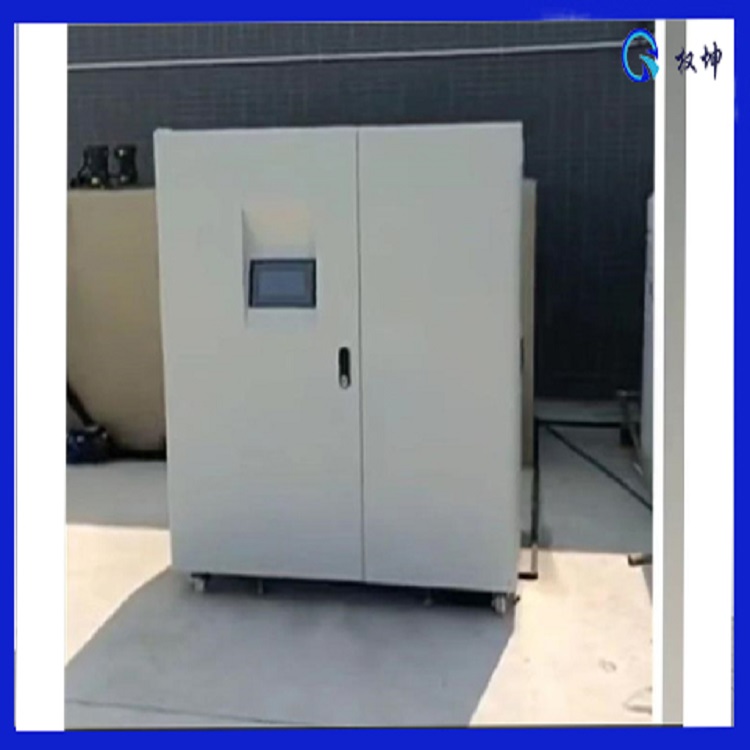
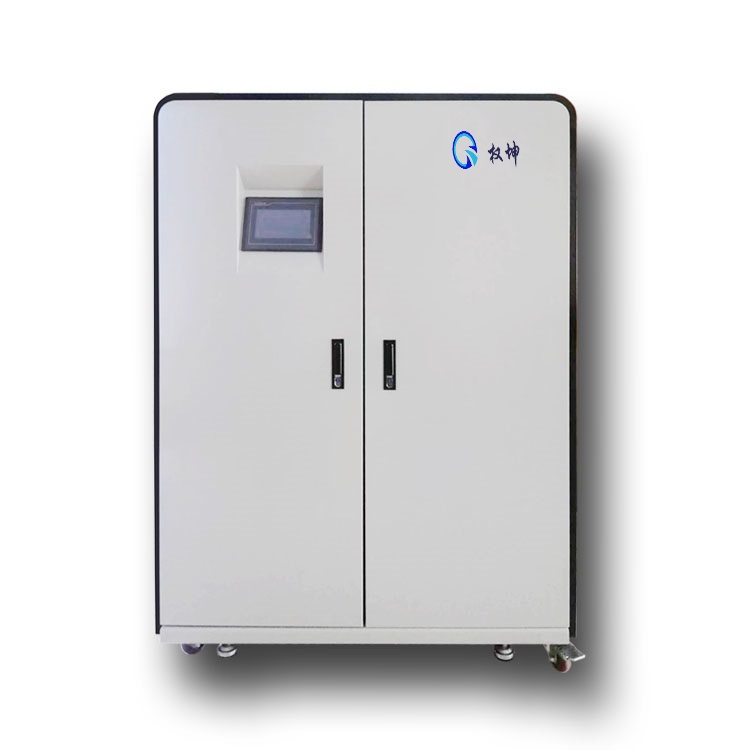
Quan Kun - Comprehensive Laboratory Waste Water Treatment Equipment - Remote Monitoring - Automated Control
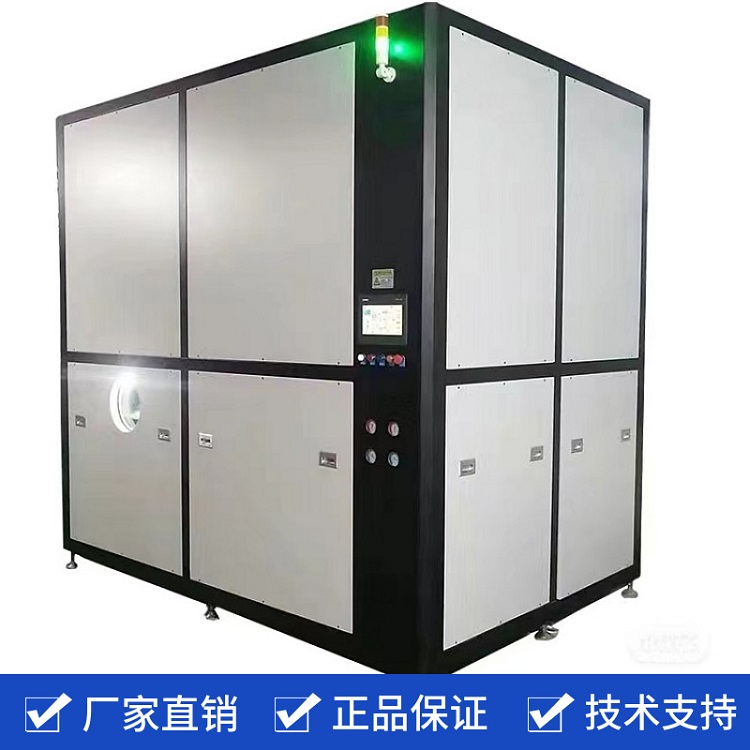
Sodium Chloride Wastewater Low-Temperature Evaporator - Intelligent Automatic - Quankun - Integrated Design
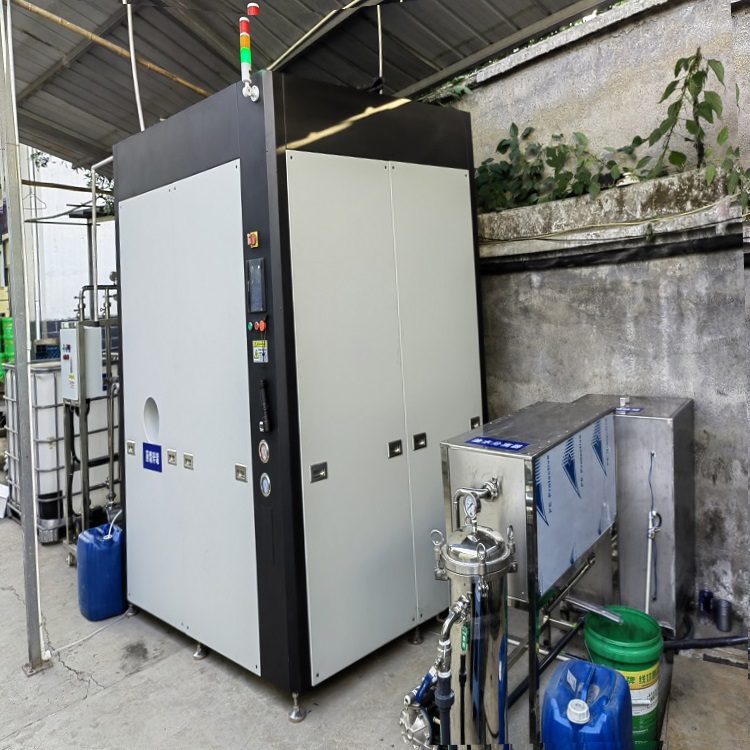
High-Concentration Oil Emulsion Waste Water Treatment Equipment - Quankun - Evaporator Unit - High Concentration Ratio
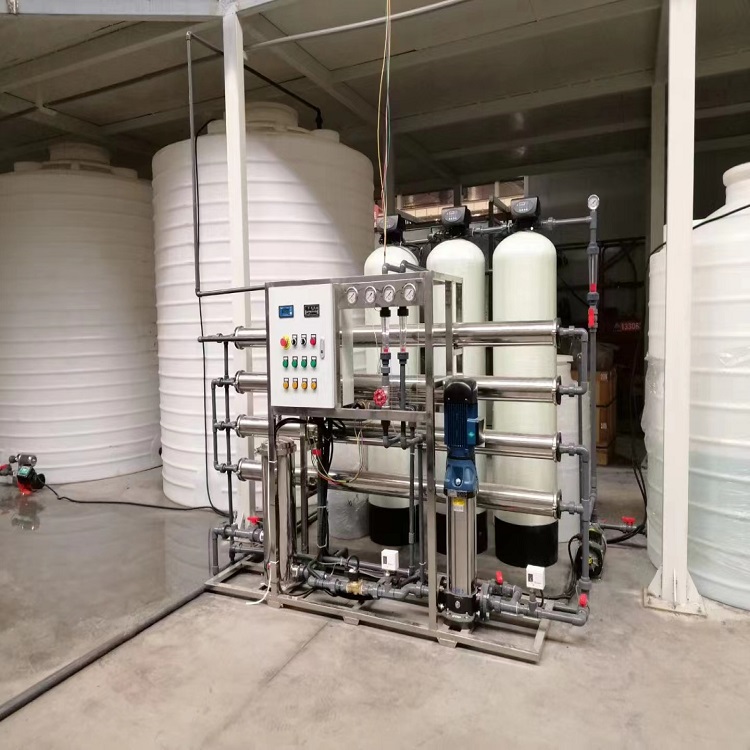
Industrial Pure Water Equipment EDI Ultra-Pure Water System Fully Automatic Control Quankun Environmental Protection
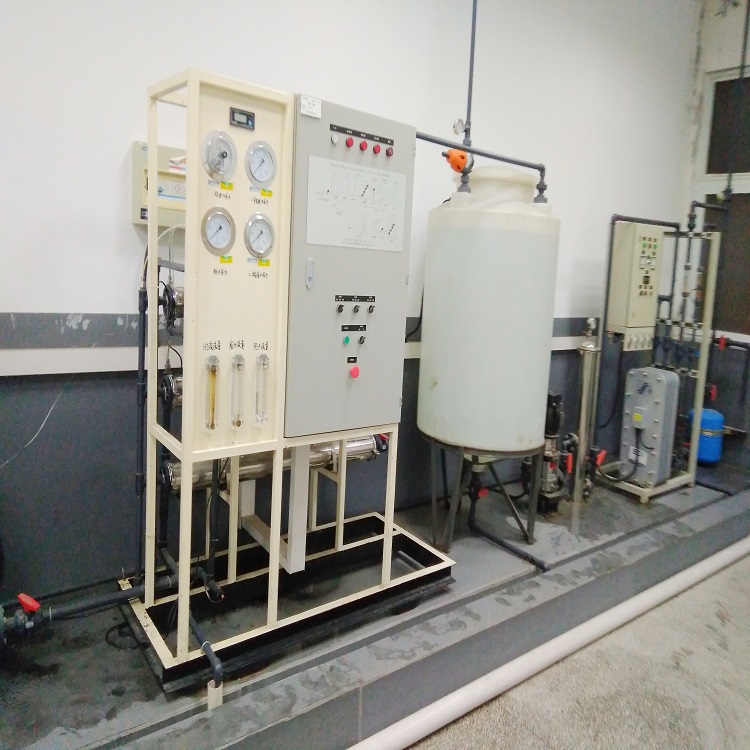
Shenzhen Industrial Ultra-Pure Water Equipment, equipped with EDI system, features low energy consumption and high degree of automation.
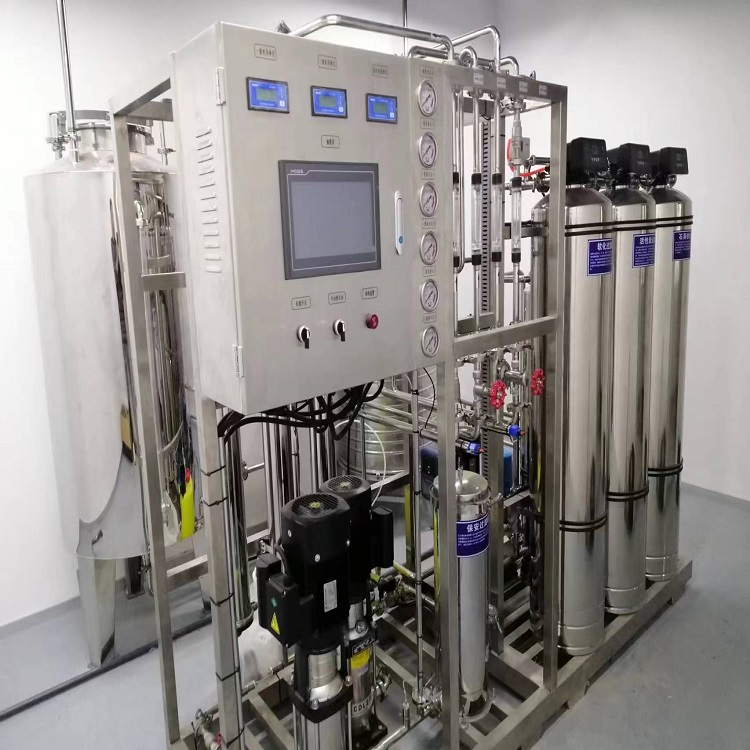
Shanghai industrial pure water production equipment reverse osmosis filtration system with high yield and customizable options, Quankun brand.
详情描述
Chemical Laboratory Waste Water Treatment Equipment
Chemical laboratories, as essential venues for scientific research and education, produce vast amounts of wastewater daily. This wastewater may contain a variety of chemicals, such as acidic and alkaline solutions, heavy metal ions, organic solvents, microbial culture mediums, and radioactive materials. If not properly treated and discharged directly into the environment, it can cause severe pollution and damage to the ecosystem. Therefore, the selection and correct operation of wastewater treatment equipment in chemical laboratories are of paramount importance.
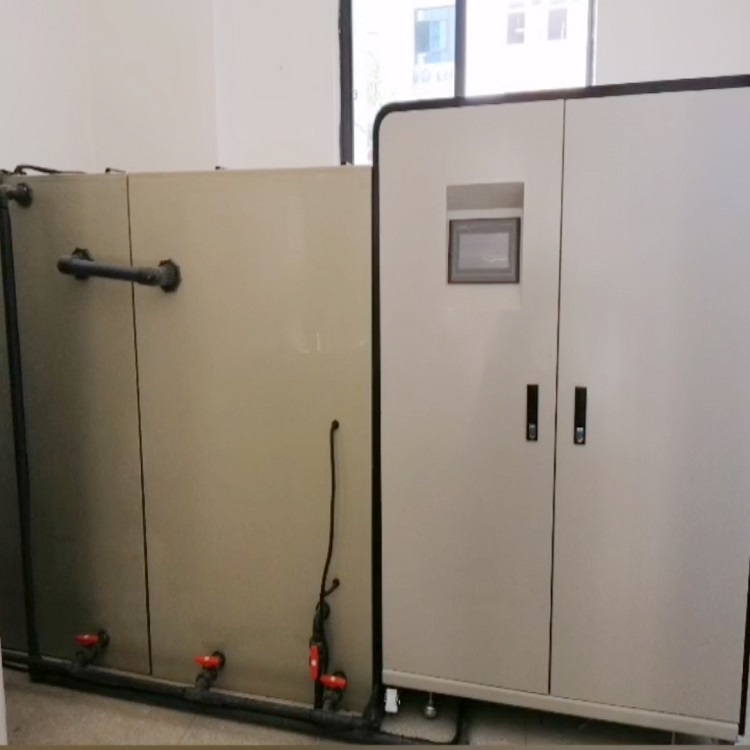
Chemical laboratory wastewater treatment equipment can be categorized into various types based on its treatment process and applicable scenarios. Here are several common types of equipment:
Primarily used for adjusting the pH level of wastewater, it achieves a neutral or nearly neutral state by adding an appropriate amount of acid or alkali, thereby reducing corrosion to subsequent treatment equipment and environmental pollution.
2. Typically, techniques such as chemical precipitation, ion exchange, and membrane separation are used to remove or convert heavy metal ions from wastewater into harmless substances, preventing their accumulation in the environment and bioaccumulation in organisms.
3. Employing biodegradation, chemical oxidation, and activated carbon adsorption methods to remove organic pollutants from wastewater, reducing eutrophication of water bodies and the discharge of organic toxins.
4. By cultivating specific microbial flora, we utilize the metabolic actions of microorganisms to decompose organic matter and harmful substances in wastewater, achieving purification of the effluent.
5. Incorporates membrane technologies such as reverse osmosis, ultrafiltration, and nanofiltration, separating dissolved solids, colloids, bacteria, and other contaminants from wastewater via the pore size and selectivity of the membranes, thereby improving water quality.
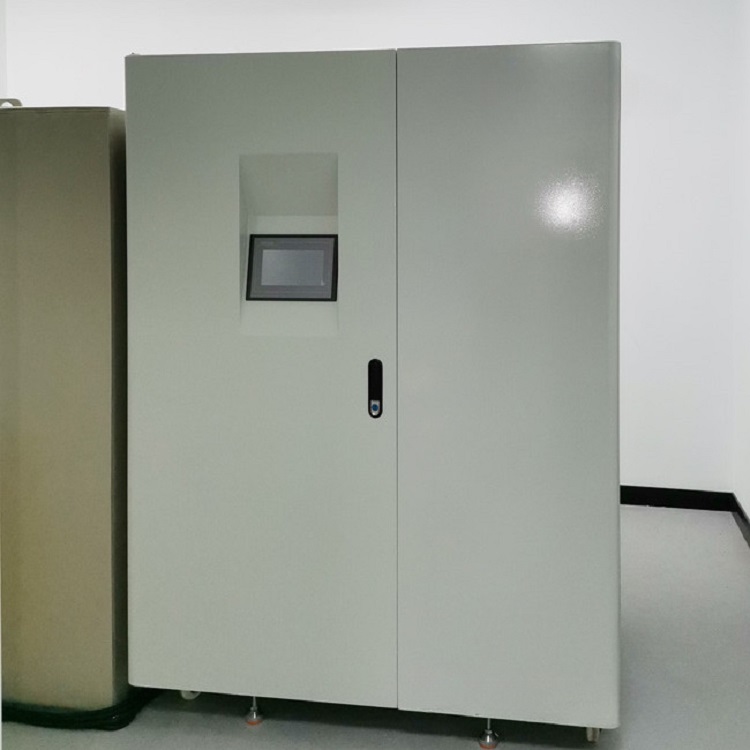
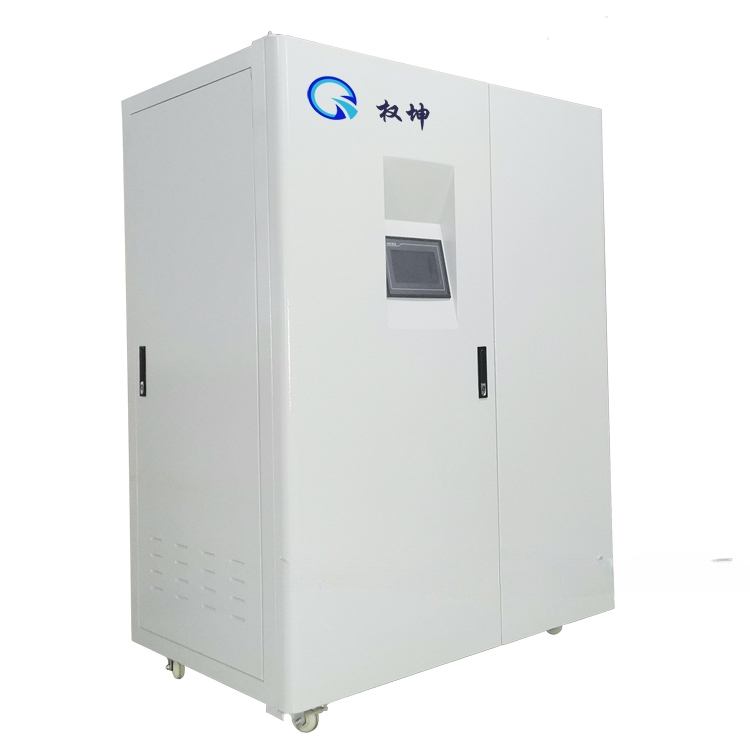
Laboratory wastewater treatment equipment and its functions:
Activated Carbon Adsorption Equipment: Utilizes the adsorption capability of activated carbon to remove organic pollutants from wastewater. Activated carbon, with its porous structure, can adsorb and immobilize harmful substances in wastewater, thereby purifying the water quality.
2. Membrane Separation Equipment: Utilizing membrane technology to separate solutes from wastewater via the selective permeability of the membrane. This equipment effectively removes microorganisms, suspended solids, dissolved substances, and heavy metals from wastewater.
3. Ozone Oxidation Equipment: Utilizes the strong oxidizing properties of ozone to oxidize organic matter in wastewater. When ozone comes into contact with organic matter, it rapidly oxidizes and decomposes it, thereby purifying the wastewater. This equipment is suitable for removing harmful substances such as organic matter, odors, and colors from wastewater.
4. Sludge Dewatering Machine: Used for treating sludge generated during the wastewater treatment process. It extracts moisture from the sludge through mechanical pressing or centrifugal methods, achieving dewatering and reduction in sludge volume.
5. Electric Control System and Wastewater Treatment Unit: Including sedimentation pond, internal electrolytic cell, and micro-electrolytic cell
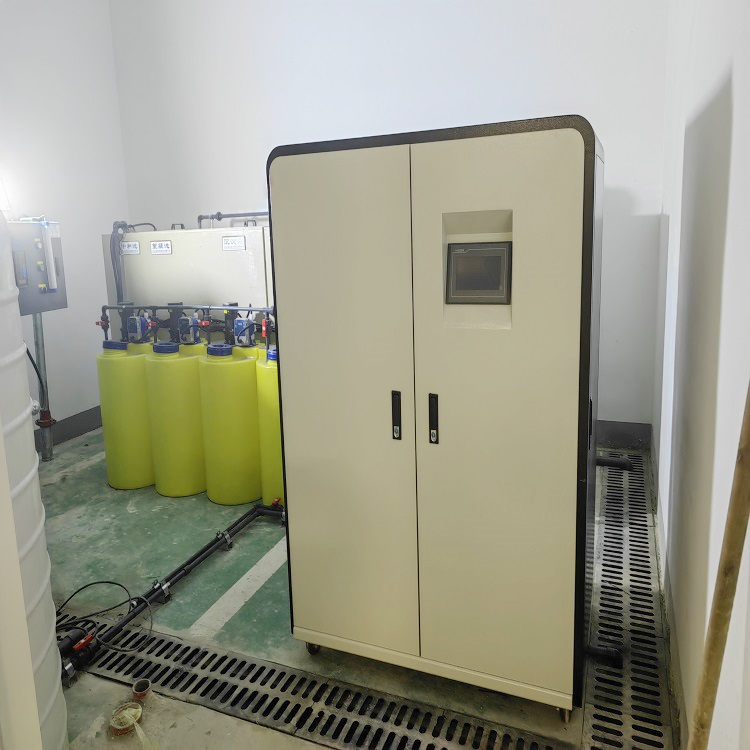
Chemical Laboratory Wastewater Treatment Equipment
The working principle of laboratory wastewater treatment equipment:
The waste water treatment equipment in the inspection laboratory primarily utilizes various methods such as physical, chemical, and biological to remove or convert harmful substances in the laboratory waste water, achieving discharge standards or reuse requirements. The specific working principles include processes like sedimentation, filtration, adsorption, oxidation-reduction, and biological degradation. These processes are combined through different treatment units and equipment to form a complete waste water treatment system.


