





- AllProduct Category
-
Lab Wastewater Treatment Equipment
Lab Wastewater Treatment Equipment
Ultra-Pure Water Equipment
Membrane Separation Equipment
Pure Water Equipment
Low-Temperature Evaporator
Ultra-Pure Water System
Integrated Wastewater Treatment Equipment
Reverse Osmosis Equipment
Pure Water Equipment
Ceramic Membrane Equipment



Recommended Products
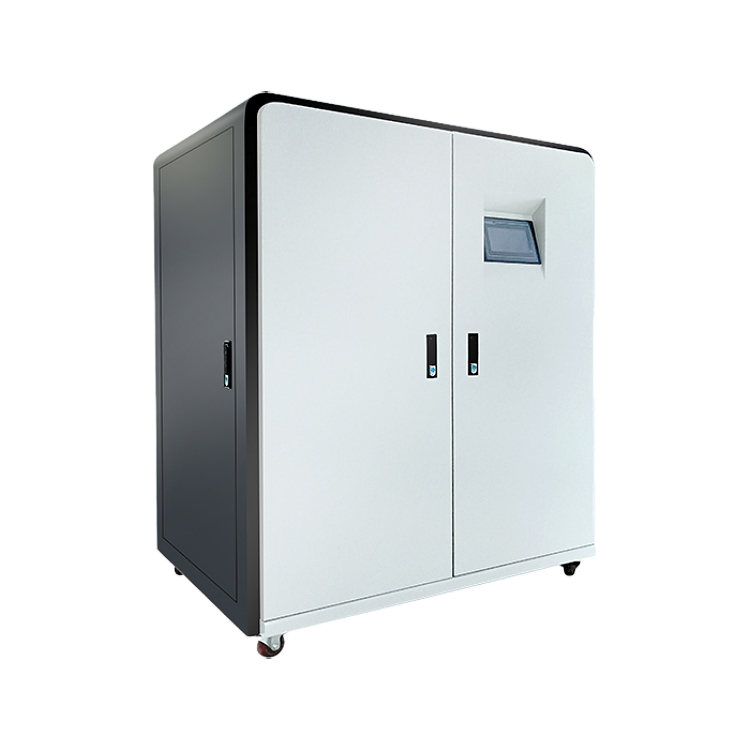
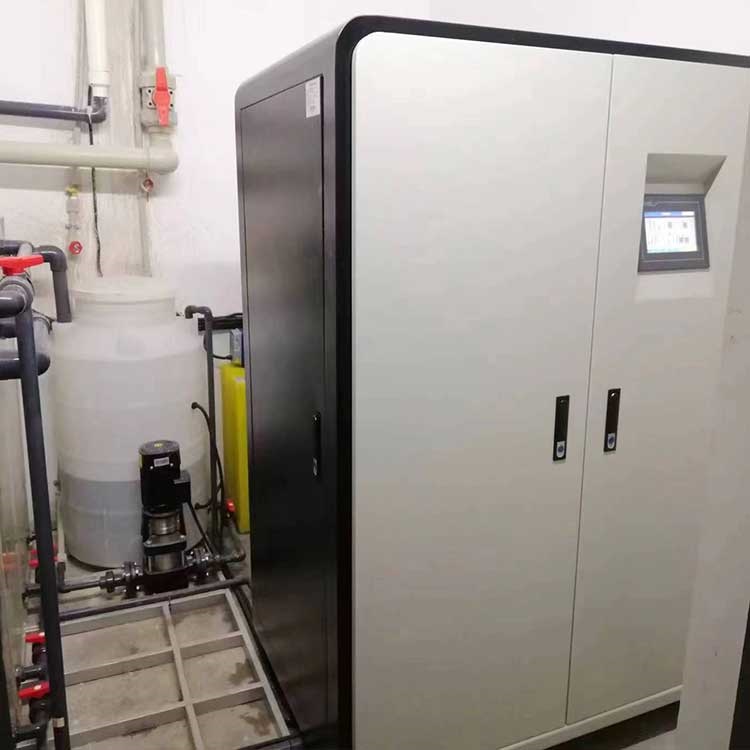
Quan Kun - Comprehensive Laboratory Waste Water Treatment Equipment - Remote Monitoring - Automated Control
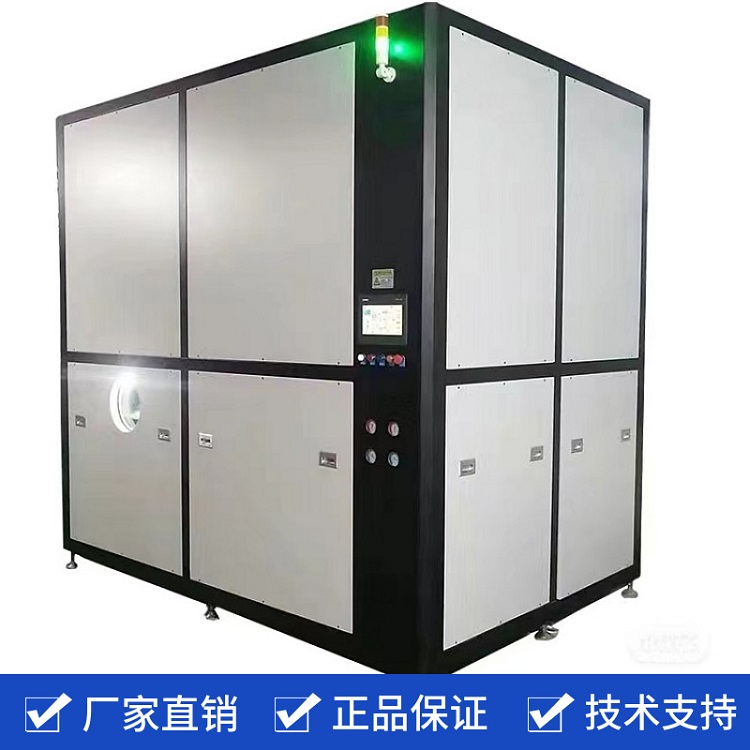
Sodium Chloride Wastewater Low-Temperature Evaporator - Intelligent Automatic - Quankun - Integrated Design
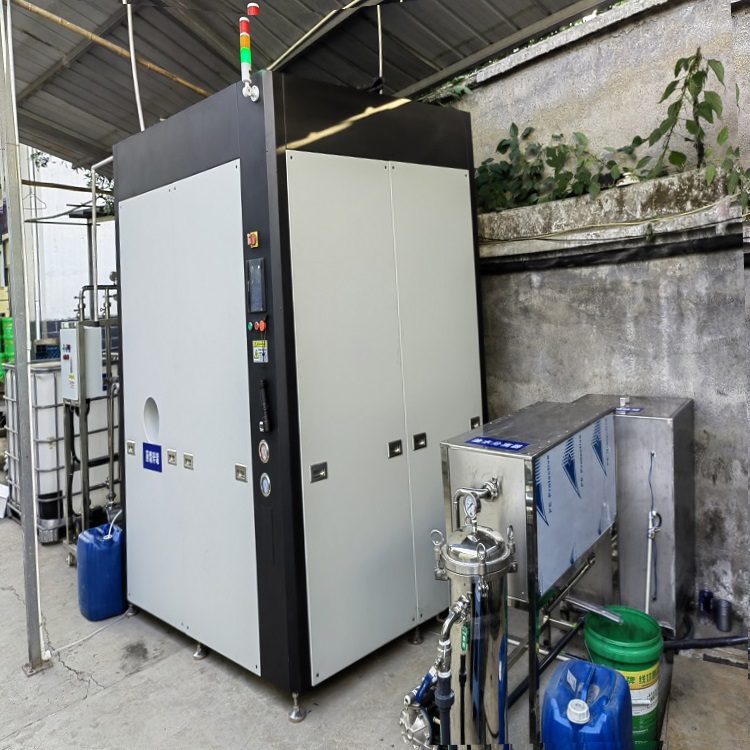
High-Concentration Oil Emulsion Waste Water Treatment Equipment - Quankun - Evaporator Unit - High Concentration Ratio
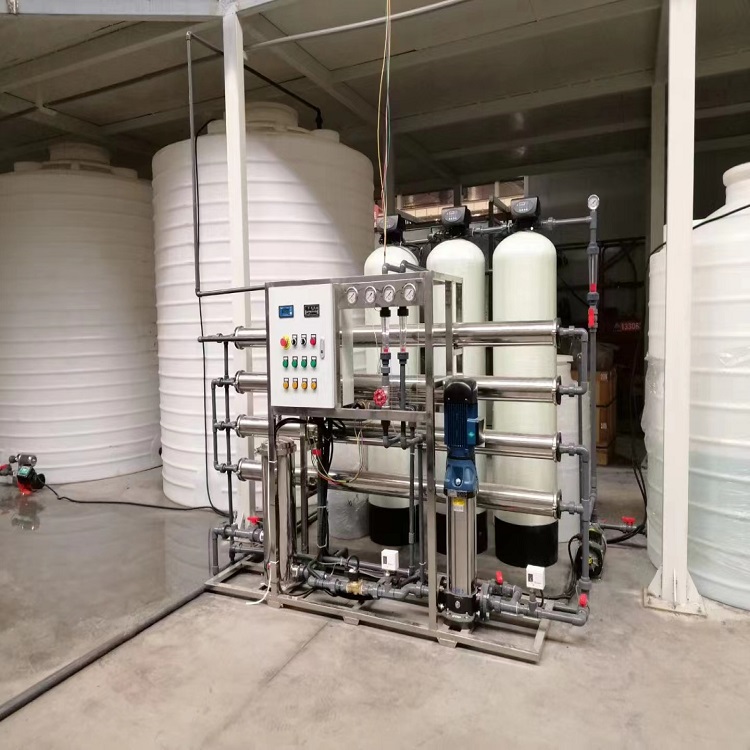
Industrial Pure Water Equipment EDI Ultra-Pure Water System Fully Automatic Control Quankun Environmental Protection
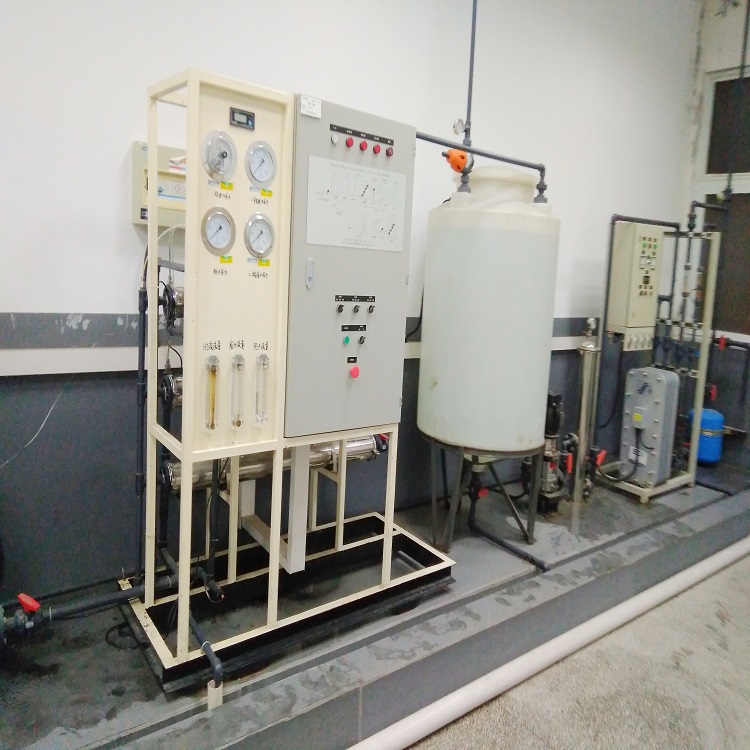
Shenzhen Industrial Ultra-Pure Water Equipment, equipped with EDI system, features low energy consumption and high degree of automation.
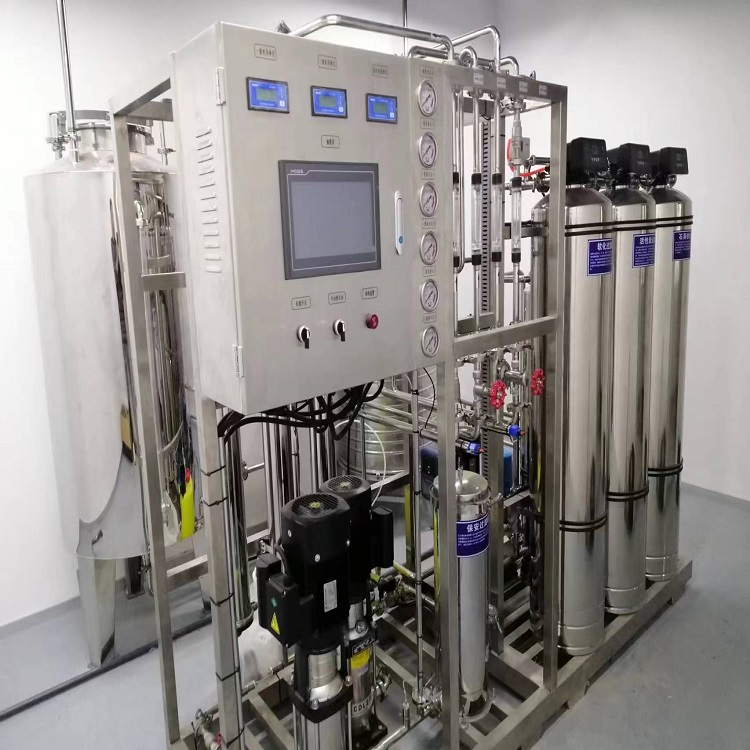
Shanghai industrial pure water production equipment reverse osmosis filtration system with high yield and customizable options, Quankun brand.
详情描述
Industrial wastewater MVR evaporator
Laboratory wastewater treatment equipment utilizes unique processes such as waste collection, automatic adjustment, coagulation and air flotation mixing, flocculation and coagulation precipitation reaction, sedimentation separation, multi-stage oxidation treatment, multi-level decomposition degradation treatment, high and low potential difference micro-electrolysis technology, electrochemical oxidation-reduction technology, two-stage organic biological activity treatment technology, new biochemical reaction treatment technology, novel packed bed photo-catalytic reaction technology for organic wastewater, and selective mass transfer and mycelium surface molecular imprinting technology. These processes comprehensively treat organic, inorganic, and biological wastewater generated in laboratories. School laboratory wastewater treatment equipment effectively removes COD, BOD, SS, color, and heavy metal ions from wastewater. Different treatment technologies and control systems are employed based on the composition of various experimental wastewater.
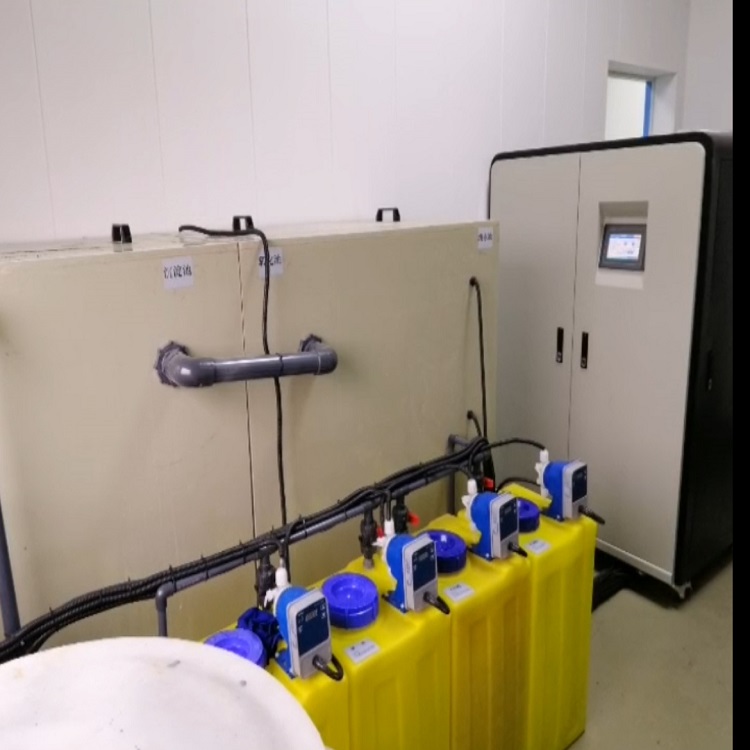
Mature technology for laboratory wastewater treatment equipment:
After considering all factors, the school laboratory wastewater treatment equipment adopts a mature technology with low investment, stable operation, low operating costs, and good treatment results.
2. In response to the characteristics of wastewater, the school's laboratory wastewater treatment equipment employs specific countermeasures to ensure the removal of harmful components, while fully considering anti-corrosion measures for pipelines, equipment, and structures.
3. Select equipment for school laboratory wastewater treatment that is stable in performance, easy to maintain, reasonably priced, durable, and highly efficient in treatment.
4. Structures are arranged in a logical and compact manner, with an aesthetically pleasing and generous appearance, aiming to minimize land usage.
5. The school laboratory wastewater treatment equipment has a certain capacity to withstand water quality and quantity shock loads.
6. Design fully considers noise and odors, preventing the generation of secondary pollution; the school laboratory's wastewater treatment equipment does not cause new pollution to the surrounding environment.
7. Achieve automated control to enhance stability; ensure the effluent quality meets standards for school laboratory wastewater treatment equipment.
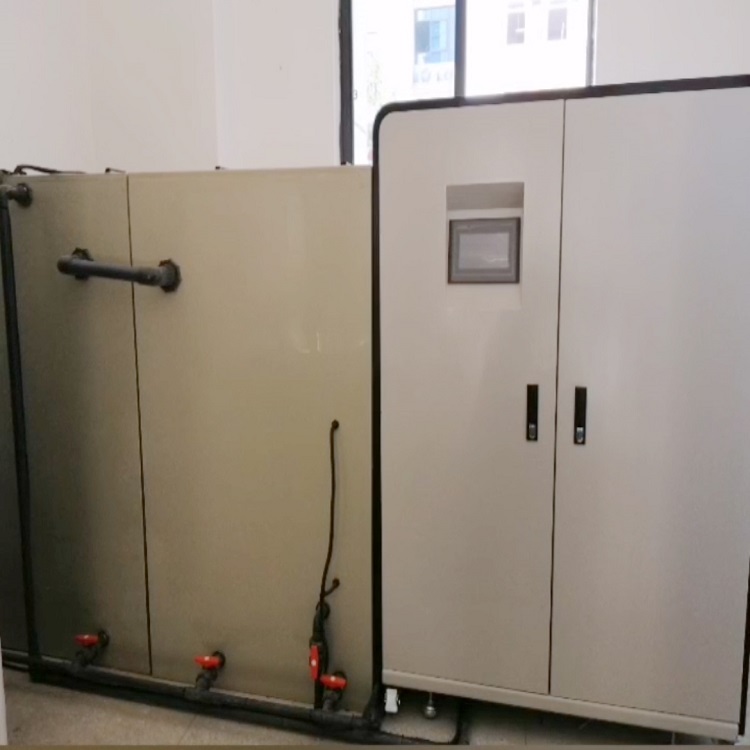
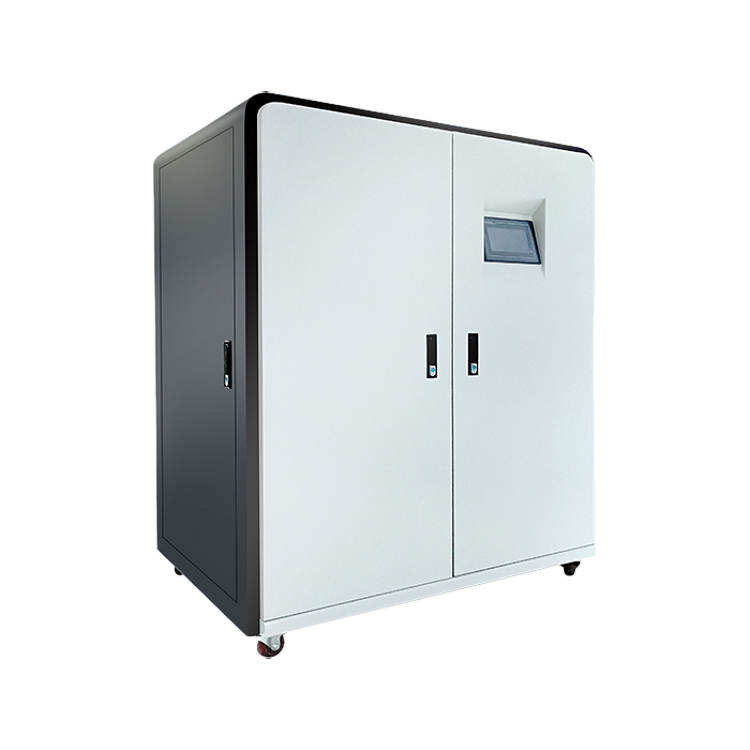
Generally, organic wastewater treatment equipment technology mainly includes biological and physical-chemical methods:
1. Biological Method: For laboratory wastewater with high organic concentration, strong toxicity, and unstable water quality and volume, the biological method is not very effective. However, the physical-chemical method shows a clear advantage in treating such wastewater. The recovery of experimental drugs, classification and treatment of laboratory waste, and recycling for reuse not only reduce environmental pollution but also minimize the waste of chemical substances.
2. Physical Method: For high-concentration laboratory organic wastewater, recover and recycle organic solvents like alcohols, esters, organic acids, ketones, etc., before treating them chemically; for organic wastewater that is too concentrated to recycle, a centralized incineration treatment is required.
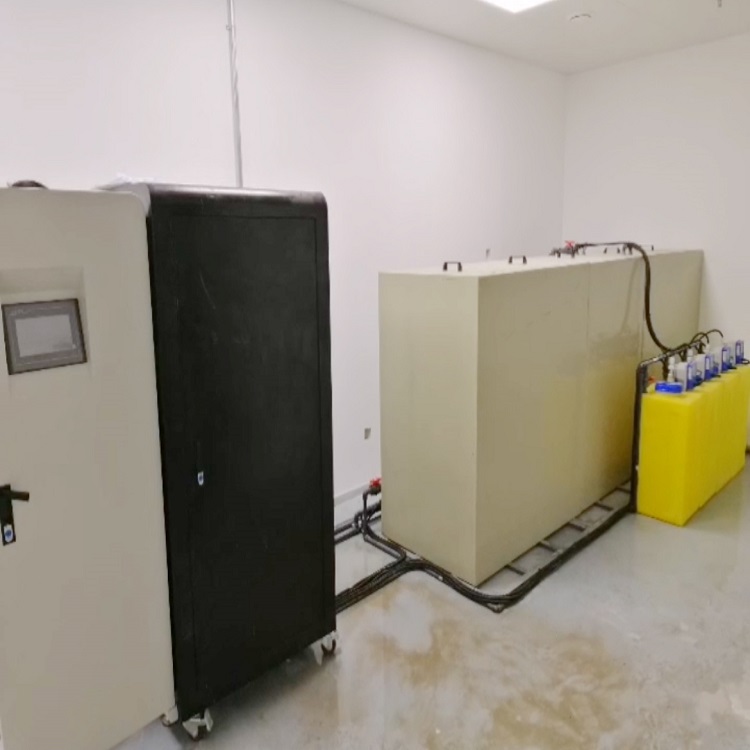
Laboratory wastewater treatment equipment features:
1. Wide applicability, adaptable to wastewater treatment in various laboratories.
2. High level of automation, central集中 control, user-friendly human-machine interface, simple operation, fully automatic operation, no need for专人 on duty.
3. Centralized control with high automation, simple operation, fully automatic operation, no need for dedicated staff.
4. Automatic leak and electric shock protection, high and low voltage automatic protection, no wastewater protection, and liquid storage tank level protection.
5. Dynamic operation with a digital LCD display for water quality indicators.
6. "One-stop" integrated design with aesthetic appearance, small footprint, low operating costs, easy installation and mobility, high processing capacity, excellent processing effect, low energy consumption, resistance to acidic and alkaline corrosion, low noise, and environmentally friendly—realizing true engineering equipmentization. No need for multiple treatment ponds, avoiding secondary pollution such as waste, exhaust, and wastewater.
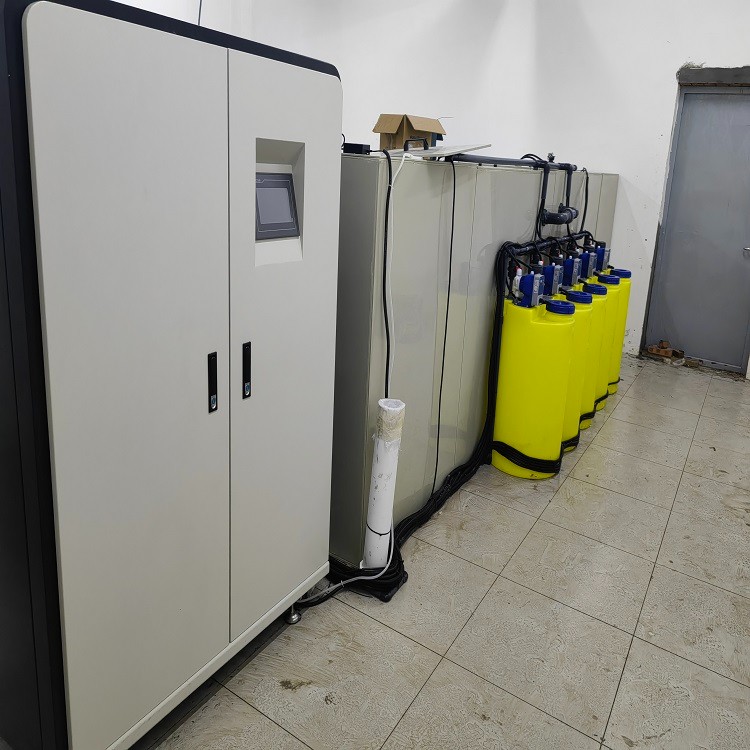
Industrial wastewater MVR evaporator
The lab generates a significant amount of hazardous waste liquids containing acids, bases, and organic substances daily. As a lab analyst, it is crucial to enhance personal safety awareness and avoid随意 disposing of chemical waste. This helps minimize the harm of toxic and harmful waste to humans and the environment. Therefore, laboratory wastewater treatment is also a very important task. Develop good lab habits, operate according to regulations, and strive to reduce the harm caused by experimental wastewater to the minimum, contributing to environmental protection.


