



- AllProduct Category
-
Lab Wastewater Treatment Equipment
Lab Wastewater Treatment Equipment
Ultra-Pure Water Equipment
Membrane Separation Equipment
Pure Water Equipment
Low-Temperature Evaporator
Ultra-Pure Water System
Integrated Wastewater Treatment Equipment
Reverse Osmosis Equipment
Pure Water Equipment
Ceramic Membrane Equipment



Recommended Products
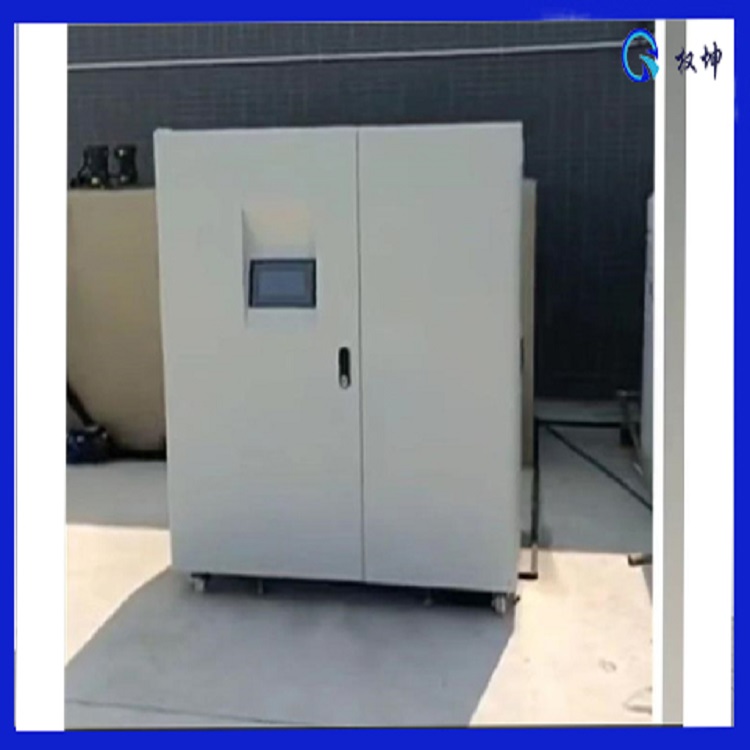
Quan Kun - Comprehensive Laboratory Waste Water Treatment Equipment - Remote Monitoring - Automated Control
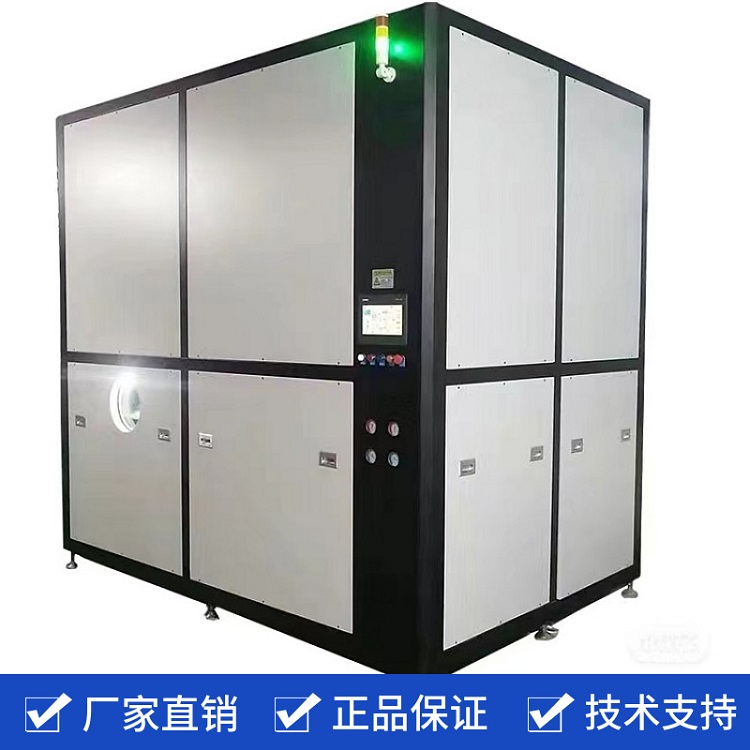
Sodium Chloride Wastewater Low-Temperature Evaporator - Intelligent Automatic - Quankun - Integrated Design
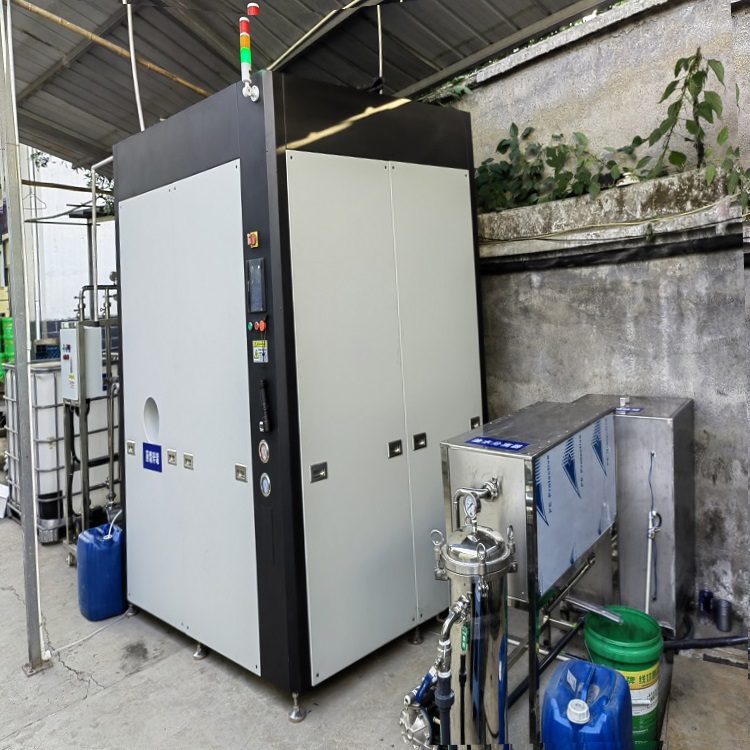
High-Concentration Oil Emulsion Waste Water Treatment Equipment - Quankun - Evaporator Unit - High Concentration Ratio
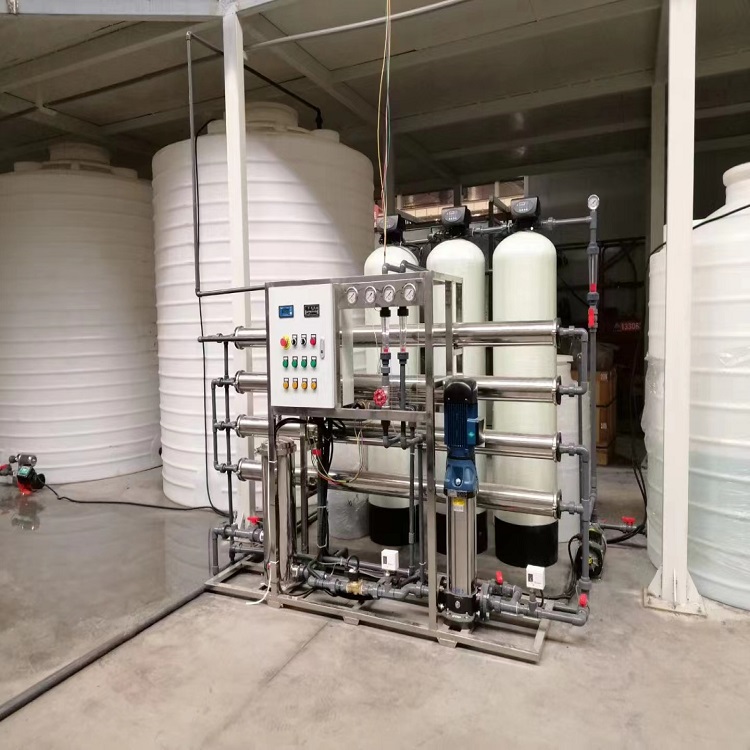
Industrial Pure Water Equipment EDI Ultra-Pure Water System Fully Automatic Control Quankun Environmental Protection
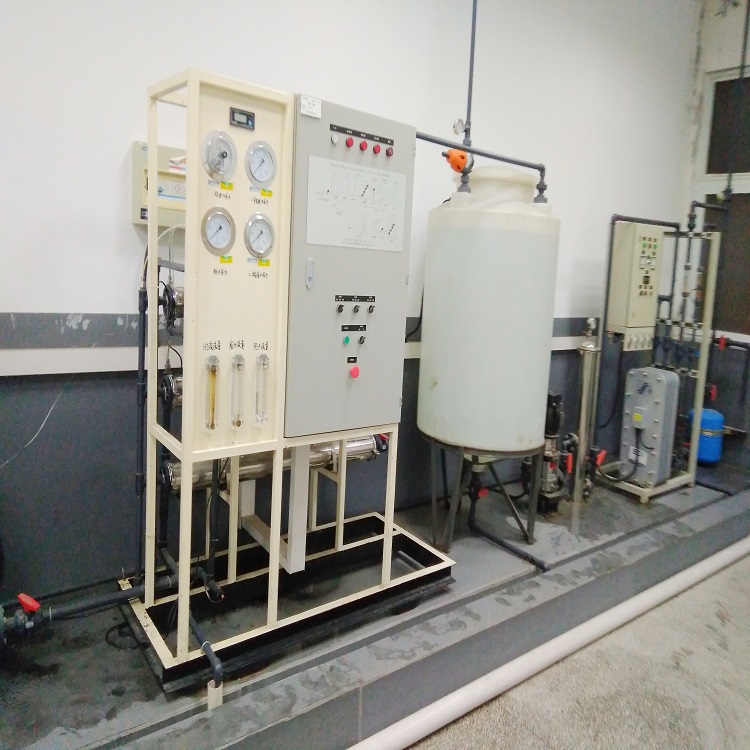
Shenzhen Industrial Ultra-Pure Water Equipment, equipped with EDI system, features low energy consumption and high degree of automation.
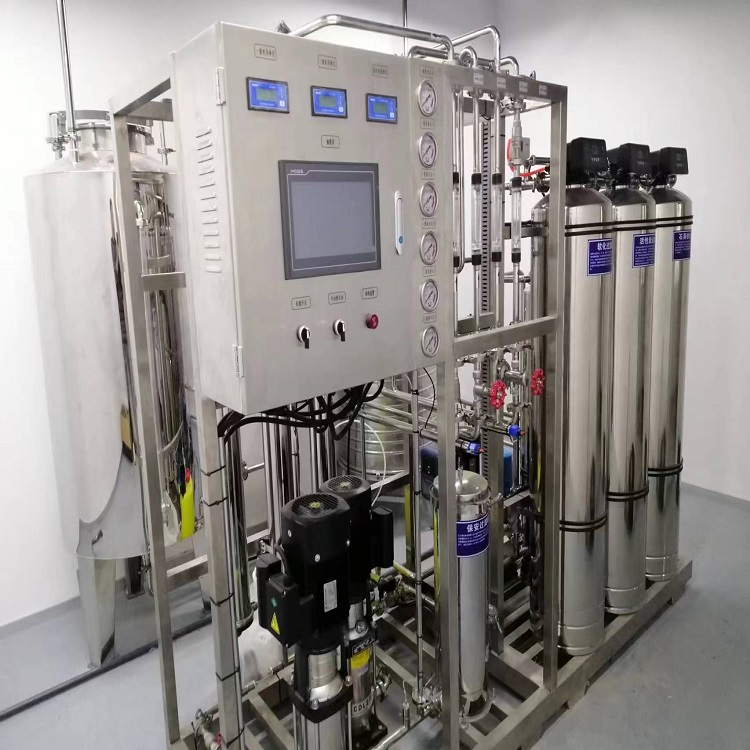
Shanghai industrial pure water production equipment reverse osmosis filtration system with high yield and customizable options, Quankun brand.
详情描述
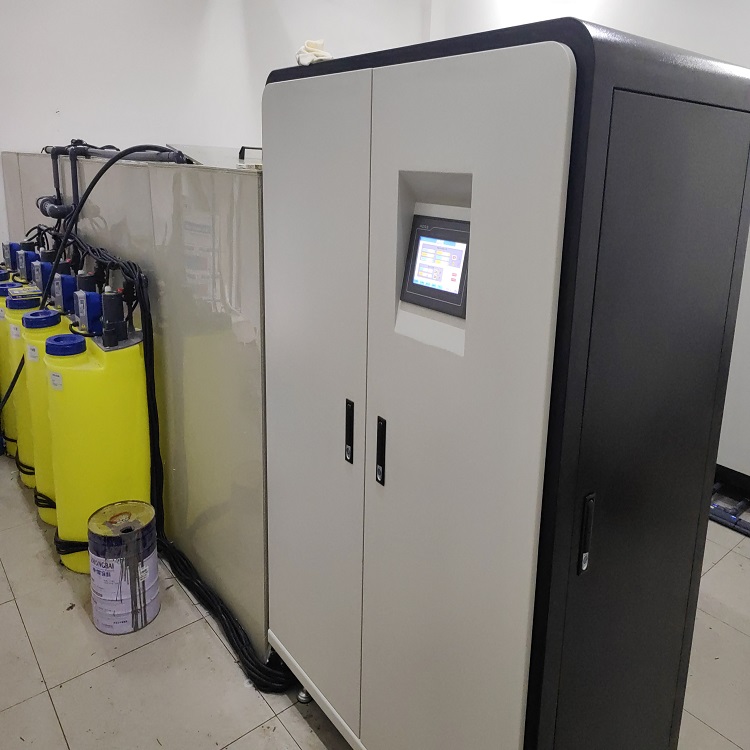
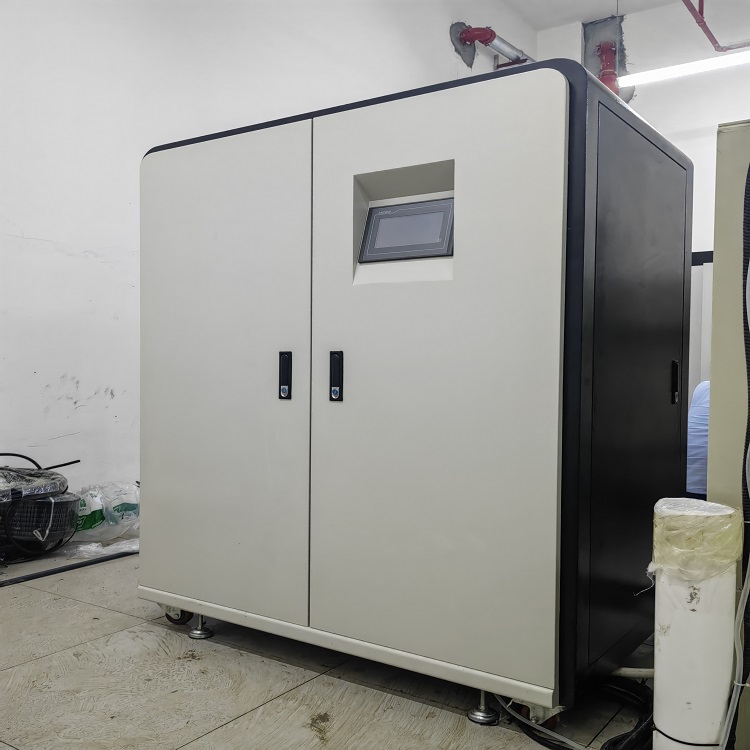
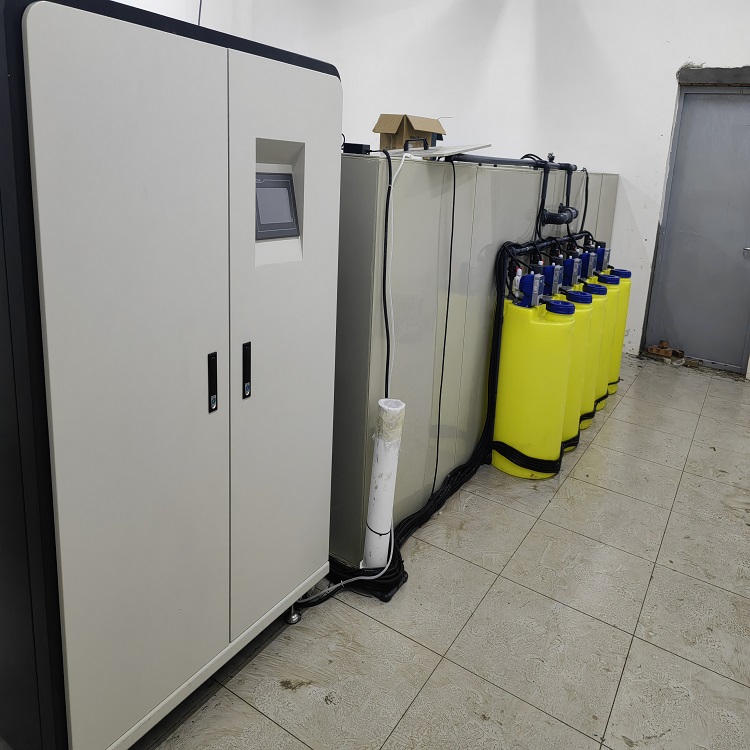
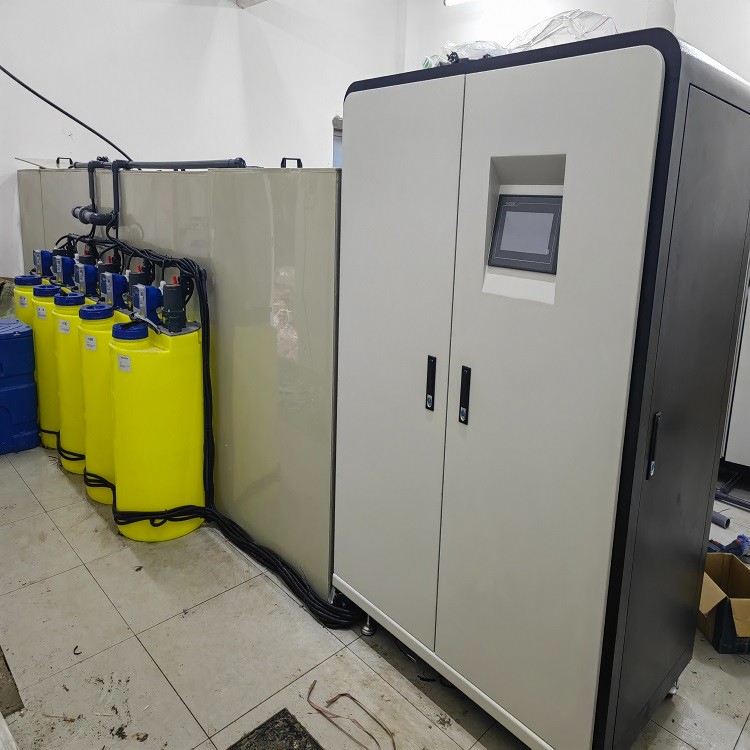
Lab Waste Water Treatment Integrated Machine - Quankun - Integrated Waste Water Treatment Equipment - Customizable
Equipment Overview:
Wastewater primarily originates from the external sampling of the owner's research, laboratory, and monitoring departments. The wastewater discharge volume is relatively small and varies significantly over time. Additionally, the pollution composition is complex and unstable, primarily including various waste acids and bases, toxic organic compounds, heavy metals, pathogenic microorganisms, and more.

Equipment Features:
1. Utilizes a biological contact oxidation treatment process, which is smaller in volume than an activated sludge pond, highly adaptable, and excellent in withstanding shock loads. The effluent water quality is stable, and sludge bulking is not produced.
2. The filling material has a large specific surface area, making it easy for microorganisms to form and shed biofilms. Under the same organic load conditions, it achieves a high removal rate of organic matter, providing stability and reliability. Additionally, it does not require the addition of chemicals, saving subsequent costs and reducing operational expenses.
3. Hydrolysis and acidification can effectively decolorize wastewater, break down large-molecule organic matter, and reduce the subsequent treatment burden.
4. Ideal sedimentation effect, resulting in better effluent water quality.
5. Disinfection treatment with a removal rate exceeding 99.4%;
6. Properly handle the remaining sludge to ensure stable and reliable operation of the system, facilitate mud discharge, and minimize manual operation.
7. Unique construction method significantly reduces odor dispersion.
8. Simple operational management allows for adjustments to the running status based on actual conditions to achieve better performance.
9. High purification efficiency, BOD removal rate of 85% to 90%, and effluent quality meets the 2nd or 1st class discharge standards.
10. Capable of treating wastewater from the屠宰 industry and similar industrial organic wastewater.
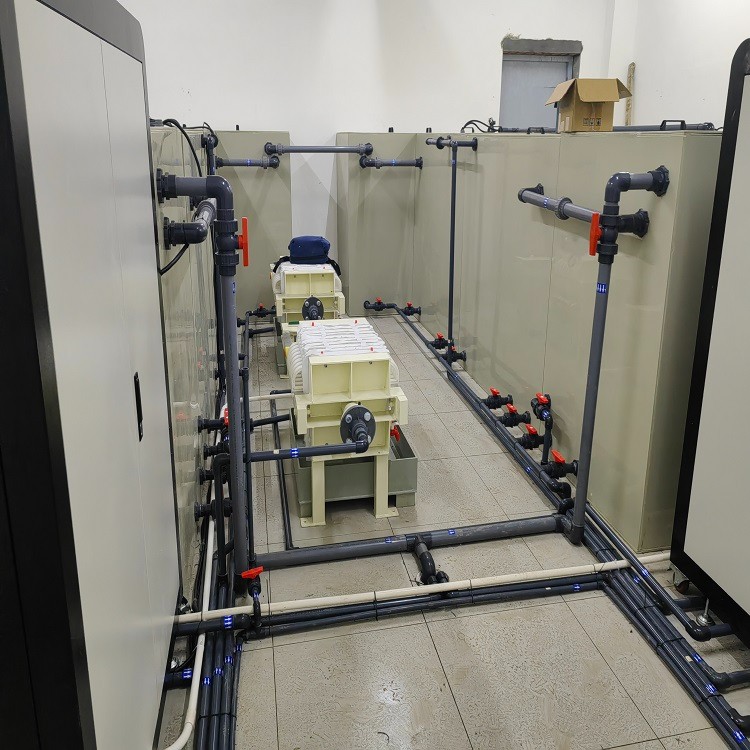
Key Features:
The equipment can be buried underground, with the surface above serving as green space or other land use.
The A/O biological treatment process is smaller in volume than the activated sludge pond, has strong adaptability to water quality, excellent shock load resistance, and stable effluent water quality without sludge bulking. The pool utilizes new elastic three-dimensional packing material, which has a large specific surface area, making it easy for microorganisms to form and detach biofilms. Under the same organic load conditions, it achieves a high removal rate of organic matter and enhances the solubility of oxygen in the water.
c. The A/O pond utilizes biological contact oxidation, with a relatively low volume load of its media. Microorganisms are in their self-oxidation phase, resulting in minimal sludge production. Sludge is only required to be drained once every three months (90 days) or more, using a feces truck for extraction and transportation.
d. The entire equipment processing system is equipped with an automatic electrical control system, ensuring safe and reliable operation. Generally, no dedicated personnel are required for daily management; routine maintenance and care of the equipment are sufficient.
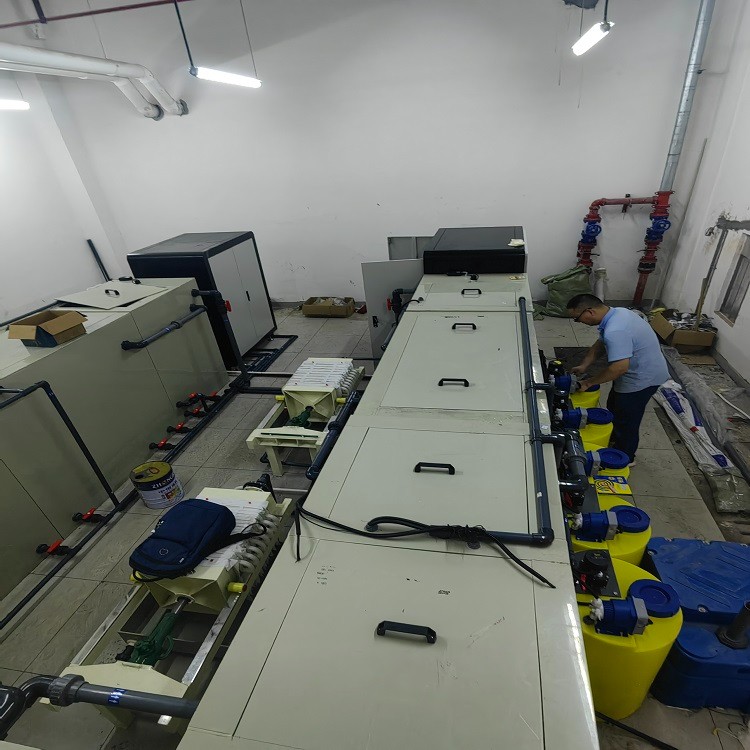
Laboratory wastewater contains acids, alkalis, organic pollutants, heavy metal ions, and pathogenic microorganisms. It exhibits a wide range of pH changes and high COD concentrations. It is primarily categorized into three major types:
1. Organic wastewater: primarily from laboratory reagents and solvents.
2. Inorganic Wastewater: Main sources include acidic and alkaline reagents, heavy metal reagents.
3. Pathogenic Biological Wastewater: Primarily sourced from microbiological, blood biochemical tests, blood stations, disease control centers, etc.
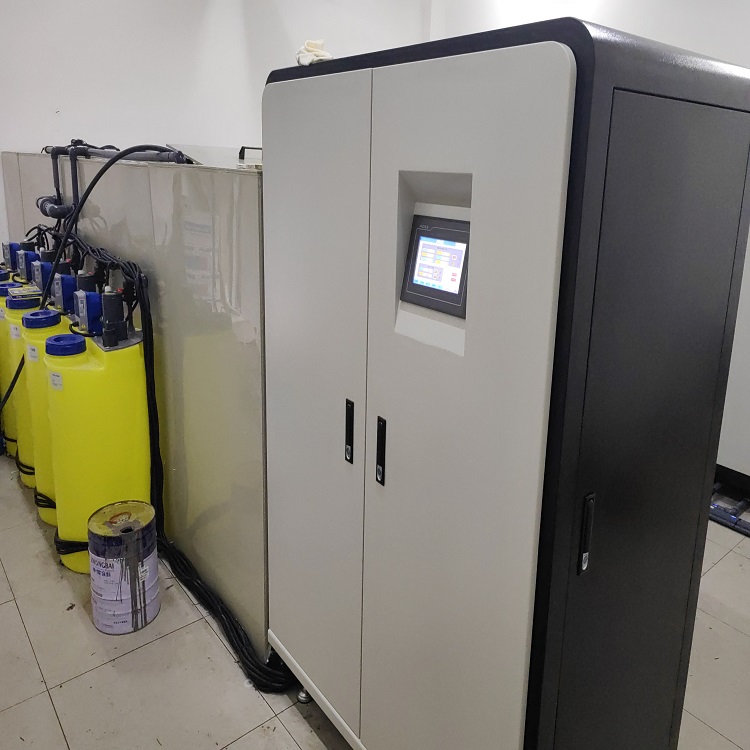
Lab Sewage Treatment Integrated Machine - Quankun - Sewage Treatment Integrated Equipment - Customizable
Process Description:
Wastewater is collected and homogenized in a collecting tank before flowing into an neutralization reactor. Quantitative acid (or alkali) solution is added according to the water quality characteristics to facilitate neutralization reactions. The neutralized wastewater is then pumped into a filter tank for filtration. While pumping the wastewater, a quantitative solution of净水剂 (cleaning agent) is also introduced to cause flocculation reactions in the pollutants, thereby enhancing filtration efficiency. The filtered clean water is sterilized by an ozone sterilizer and then flows into a biological activated carbon tank, where it is further intercepted and adsorbed, ensuring the ultra-fine pollutants are neutralized. The treated water is then discharged directly into the city's sewage network.


