





- AllProduct Category
-
Lab Wastewater Treatment Equipment
Lab Wastewater Treatment Equipment
Ultra-Pure Water Equipment
Membrane Separation Equipment
Pure Water Equipment
Low-Temperature Evaporator
Ultra-Pure Water System
Integrated Wastewater Treatment Equipment
Reverse Osmosis Equipment
Pure Water Equipment
Ceramic Membrane Equipment



Recommended Products
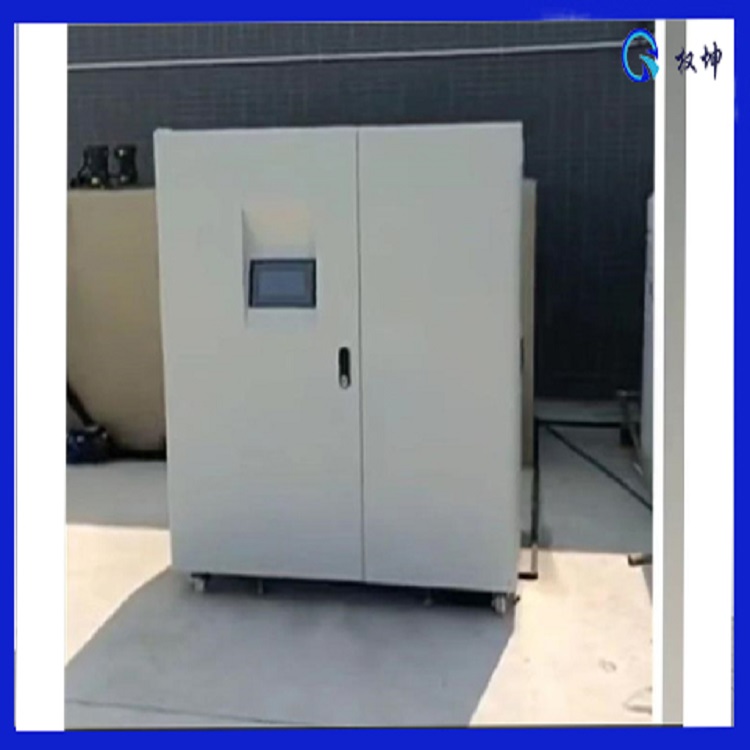
Quan Kun - Comprehensive Laboratory Waste Water Treatment Equipment - Remote Monitoring - Automated Control
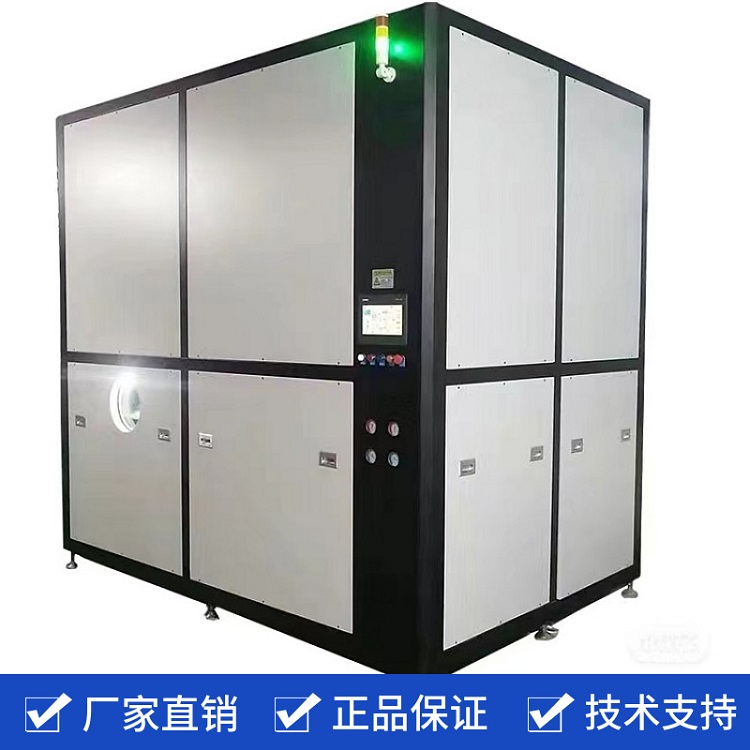
Sodium Chloride Wastewater Low-Temperature Evaporator - Intelligent Automatic - Quankun - Integrated Design
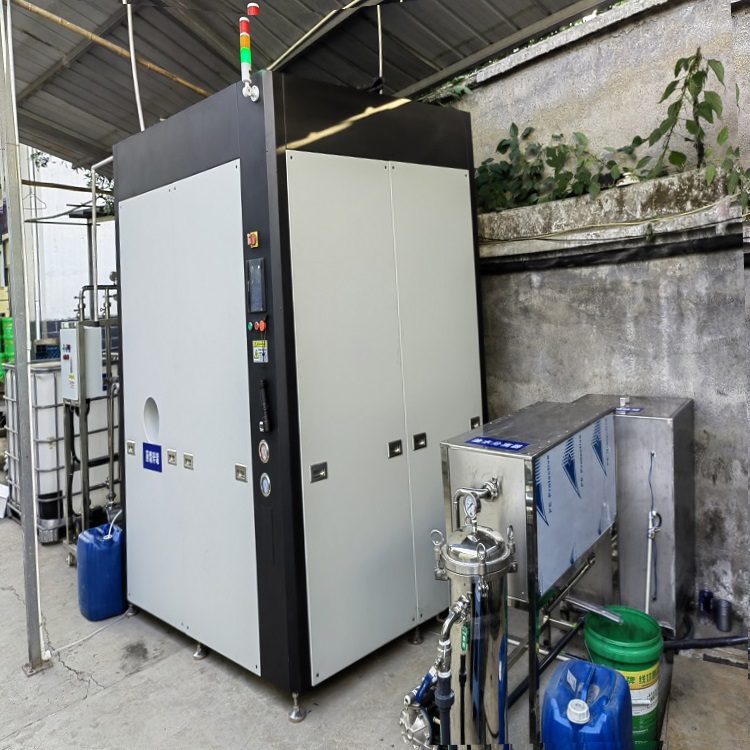
High-Concentration Oil Emulsion Waste Water Treatment Equipment - Quankun - Evaporator Unit - High Concentration Ratio
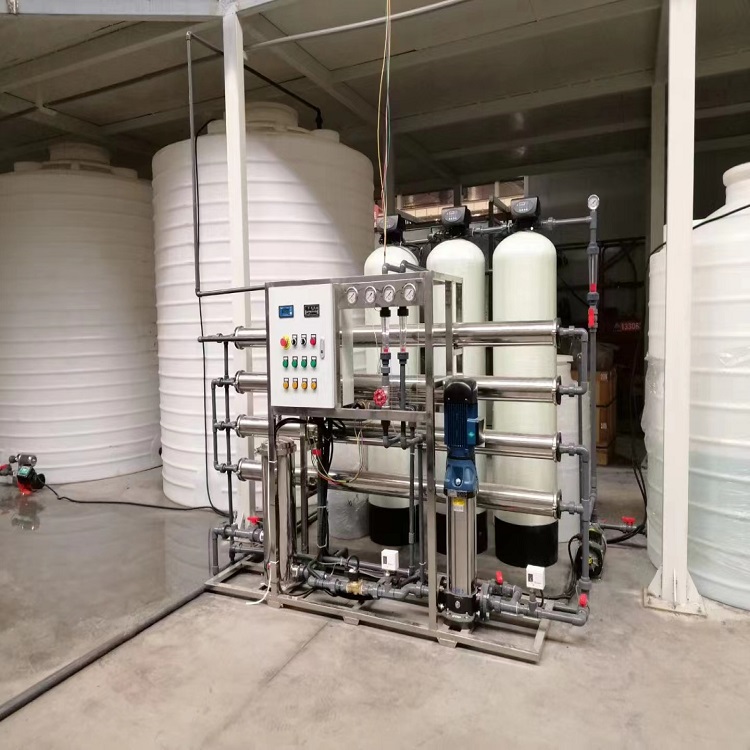
Industrial Pure Water Equipment EDI Ultra-Pure Water System Fully Automatic Control Quankun Environmental Protection
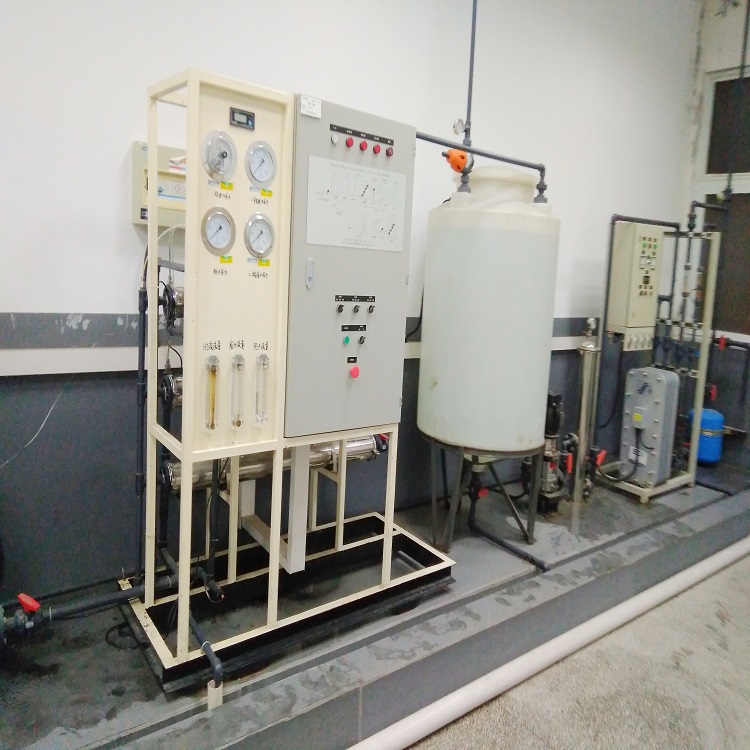
Shenzhen Industrial Ultra-Pure Water Equipment, equipped with EDI system, features low energy consumption and high degree of automation.
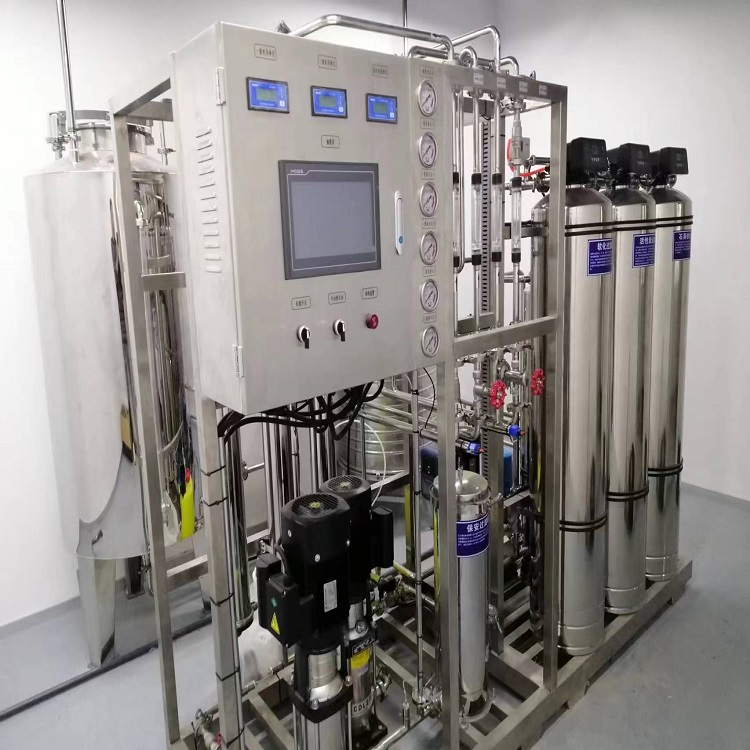
Shanghai industrial pure water production equipment reverse osmosis filtration system with high yield and customizable options, Quankun brand.
详情描述
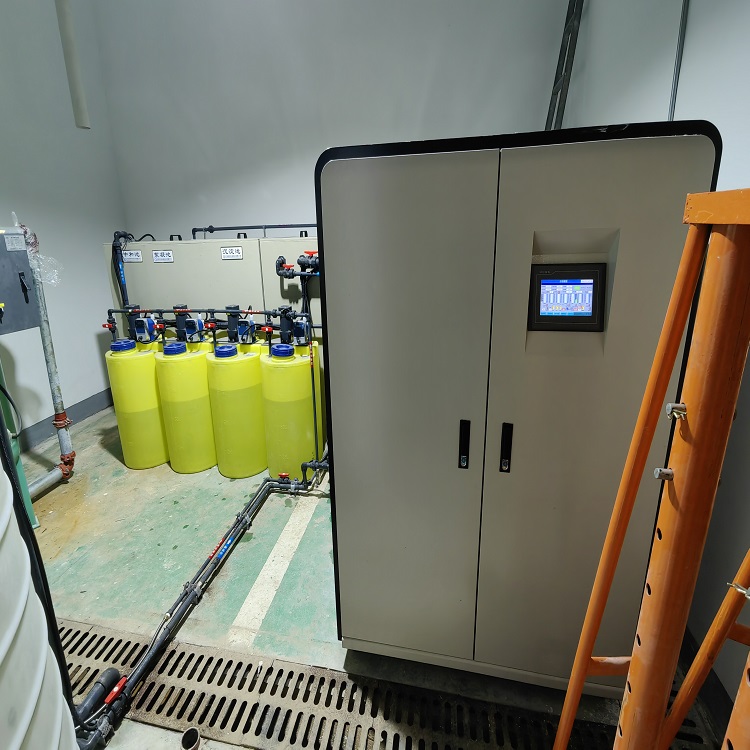
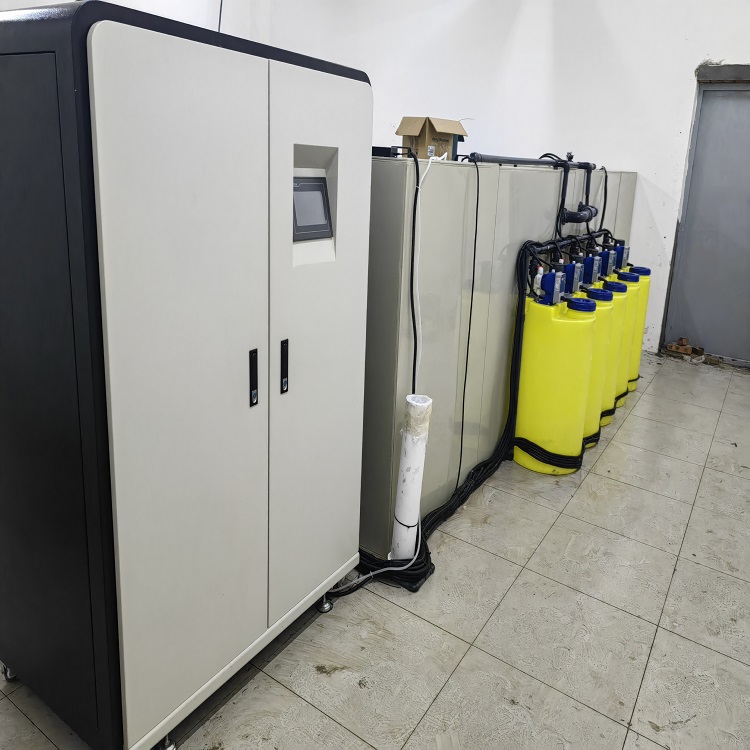
School Laboratory Wastewater Treatment Equipment - PLC Intelligent Control System - Quankun Customized on Demand
University laboratories, as crucial venues for scientific research and education, generate a substantial amount of wastewater daily. This wastewater contains various chemicals, biological substances, and radioactive materials, among others. If not effectively treated before discharge, it poses severe threats to both the environment and human health. Therefore, the development and application of wastewater treatment equipment for university laboratories are of paramount importance.
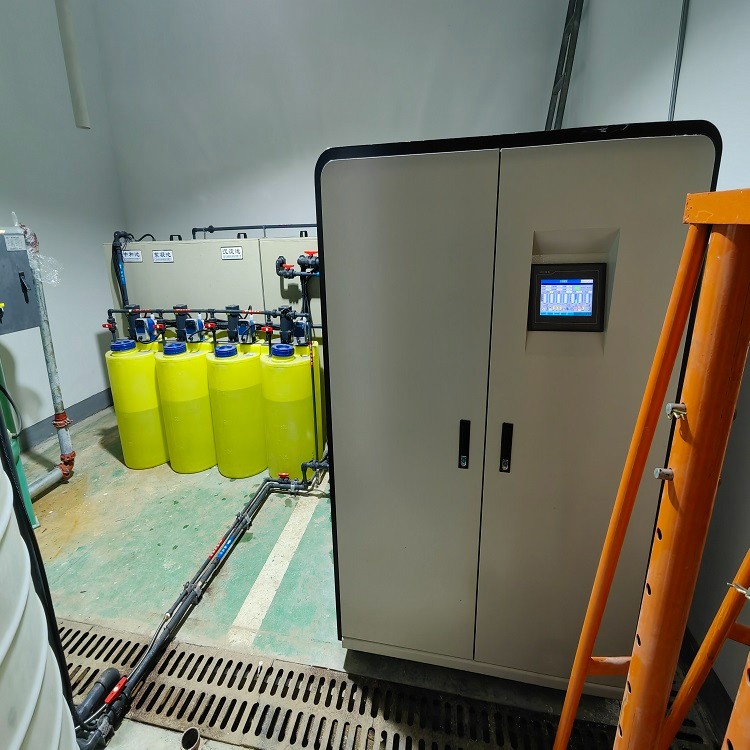
The basic principle of wastewater treatment equipment in university laboratories is to remove or convert harmful substances in wastewater into harmless ones through physical, chemical, and biological methods, thereby achieving the purification of wastewater. Physical treatment primarily includes steps such as filtration, sedimentation, and centrifugation, which can remove suspended particles and plankton in wastewater; chemical treatment adjusts the pH value and adds chemicals to decompose, precipitate, or convert the chemical substances in wastewater; biological treatment utilizes the metabolic action of microorganisms to convert organic matter in wastewater into harmless substances.
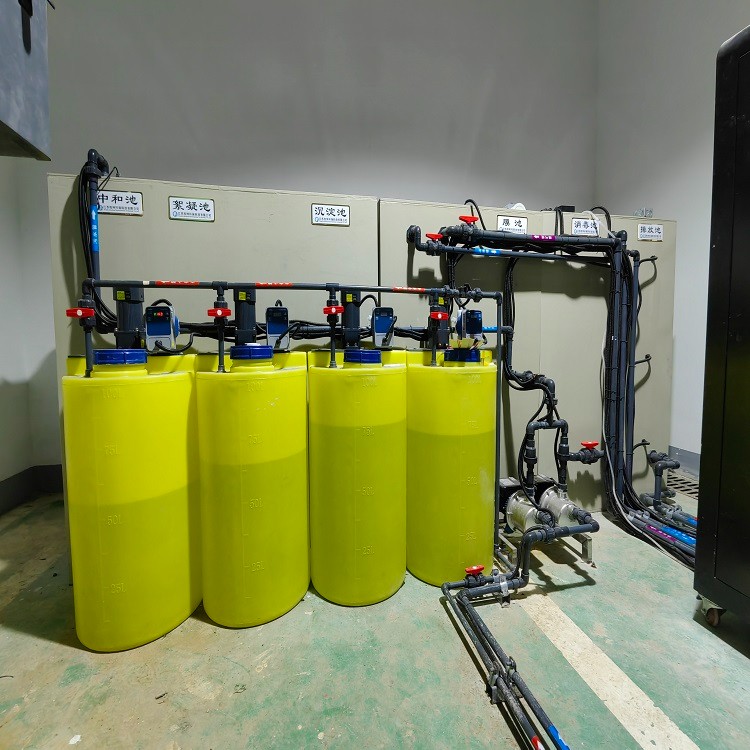
Operating Principle:
Wastewater Collection System: Equipped with a dedicated container for collecting various types of acidic and alkaline wastewater.
2. Wastewater Pretreatment System: This system is capable of removing large particles and some harmful microorganisms from wastewater.
3. Neutralization Reaction System: The equipment is equipped with a neutralization reactor, capable of neutralizing acidic and alkaline substances to convert them into neutral matter.
4. Filtration System: Through filters, the system can further remove fine particles and various harmful substances from wastewater.
5. Emission System: Treated wastewater is discharged into the public drainage system after meeting emission standards through the emission system.
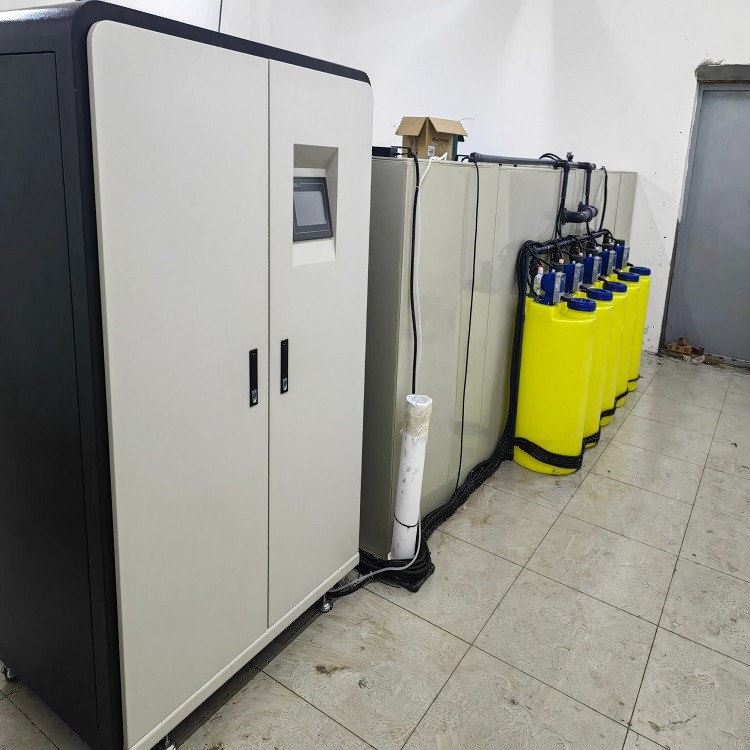
Laboratory wastewater treatment equipment features:
1. Broadly applicable, adaptable to wastewater treatment in various laboratories.
2. High level of automation, central集中 control, user-friendly human-machine interface, simple operation, fully automatic operation, no need for dedicated staff on duty.
3. Centralized control, high level of automation, easy operation, fully automatic operation, no need for dedicated staff.
4. Automatic leak and electric shock protection, high/low voltage automatic protection, no wastewater protection, and liquid storage tank level protection.
5. Dynamic operation with a digital LCD display for water quality indicators.
6. "One-stop" integrated design with aesthetic appearance, small footprint, low operating costs, easy installation and mobility, high processing capacity, excellent processing results, low energy consumption, acid and alkali resistance, low noise, and environmentally friendly. Truly achieves engineering equipmentization. No need for multiple treatment ponds, and does not produce secondary pollution such as waste sludge, waste gas, and wastewater.
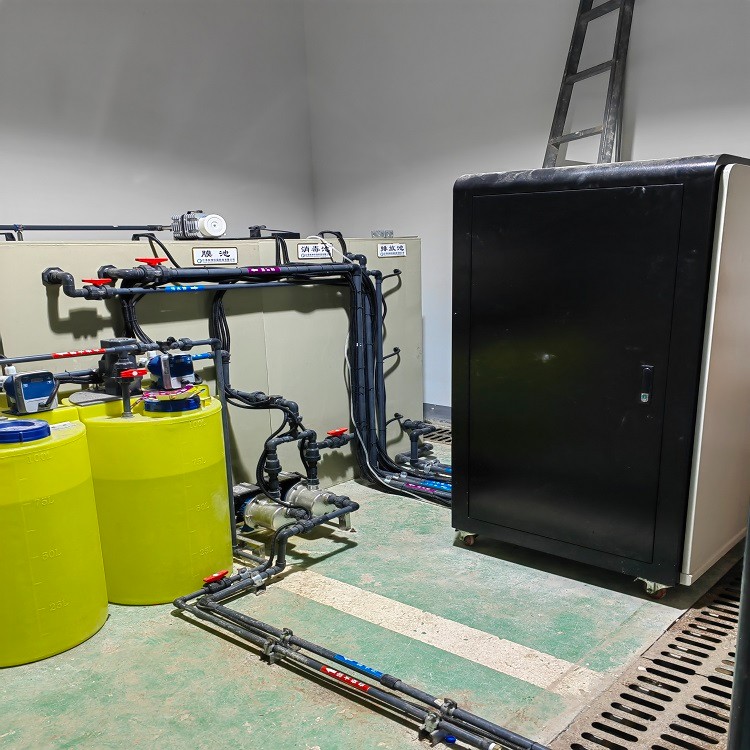
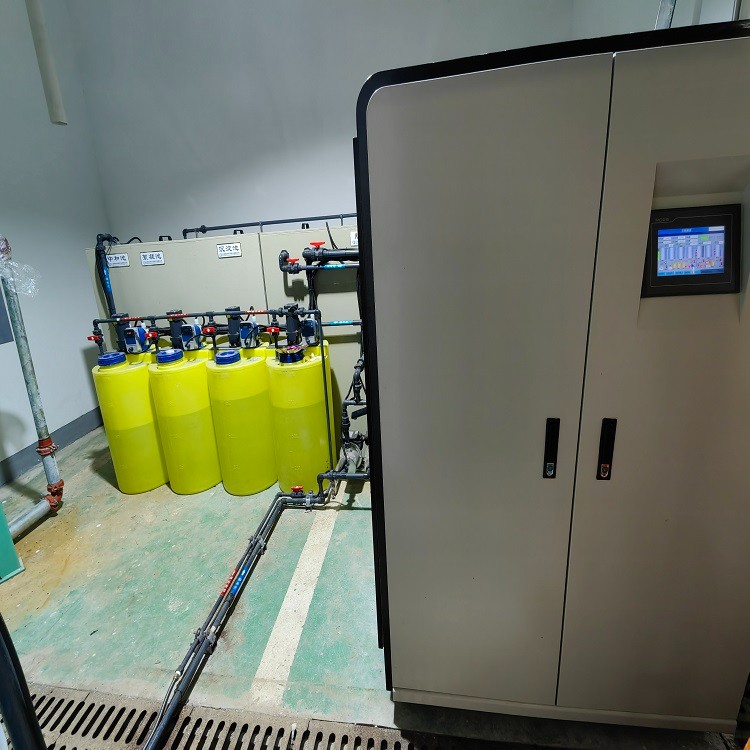
School Laboratory Wastewater Treatment Equipment - PLC Intelligent Control System - Quankun Customized to Your Needs
Cautionary Notes for Maintenance:
If there are minor malfunctions in the small-scale laboratory wastewater treatment equipment, such as belt deviation in the dewatering machine, excessively low oil temperature in the blower, and low material level alarm in the automatic flocculation device, they can be repaired on-site without disassembly. In such cases, with a supervisor's guidance and confirmation that the repair will not affect the entire process, the repair should be completed as soon as possible.
1. When equipment requires disassembly for repair, simple replacement of parts, or overall relocation is needed, such as a complete pump replacement, electrical component replacement, or hand valve replacement. In such cases, the maintenance staff must report the issue to the supervisor, who will then assign a maintenance team to perform the replacement or repair.
2. In the event of equipment failure that the crew cannot repair, it is necessary to report it promptly to the department head, who will then arrange for the equipment supplier or a relevant expert to conduct the inspection.
3. Employing a tiered approach to address issues in small laboratory wastewater treatment equipment ensures uninterrupted operation and enhances the equipment's effective utilization.


