





- AllProduct Category
-
Lab Wastewater Treatment Equipment
Lab Wastewater Treatment Equipment
Ultra-Pure Water Equipment
Membrane Separation Equipment
Pure Water Equipment
Low-Temperature Evaporator
Ultra-Pure Water System
Integrated Wastewater Treatment Equipment
Reverse Osmosis Equipment
Pure Water Equipment
Ceramic Membrane Equipment



Recommended Products
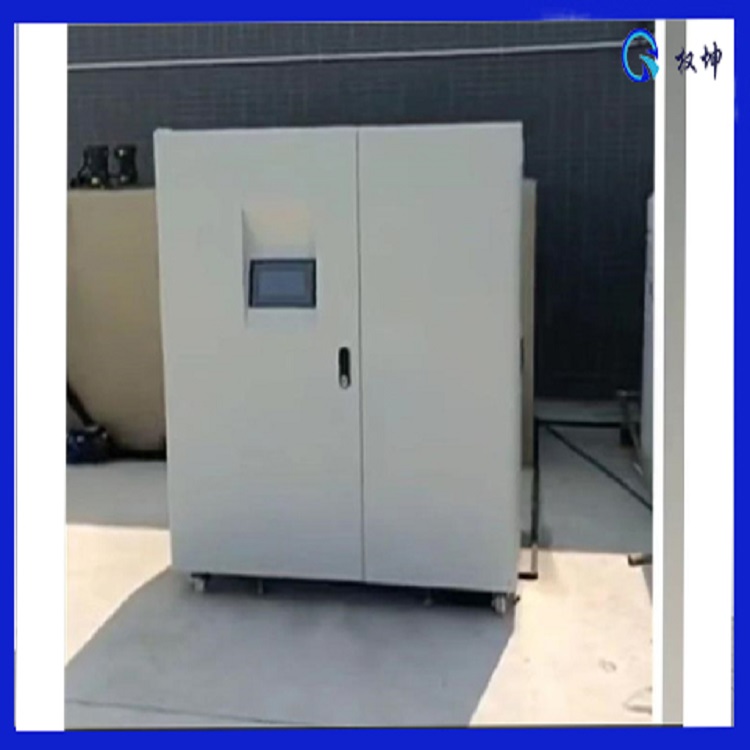
Quan Kun - Comprehensive Laboratory Waste Water Treatment Equipment - Remote Monitoring - Automated Control
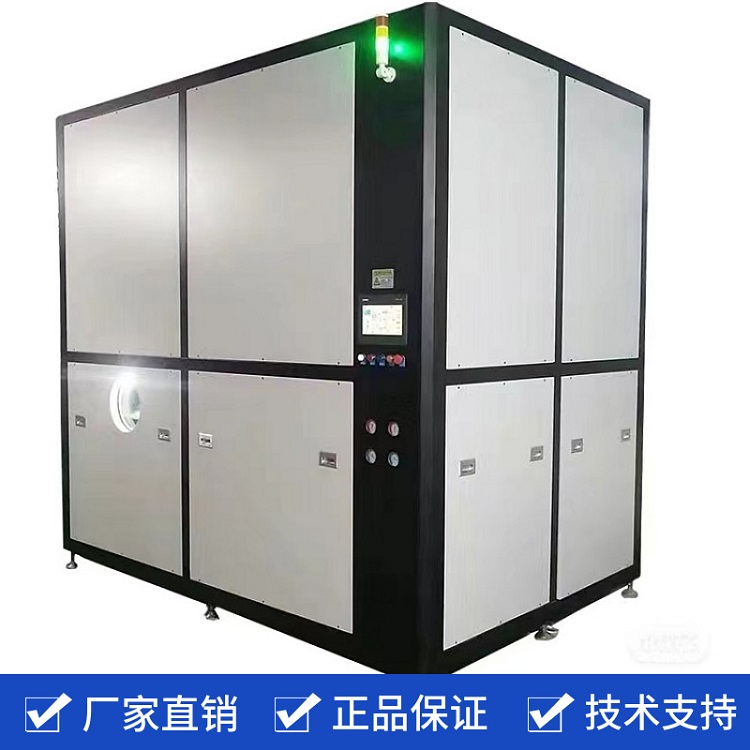
Sodium Chloride Wastewater Low-Temperature Evaporator - Intelligent Automatic - Quankun - Integrated Design
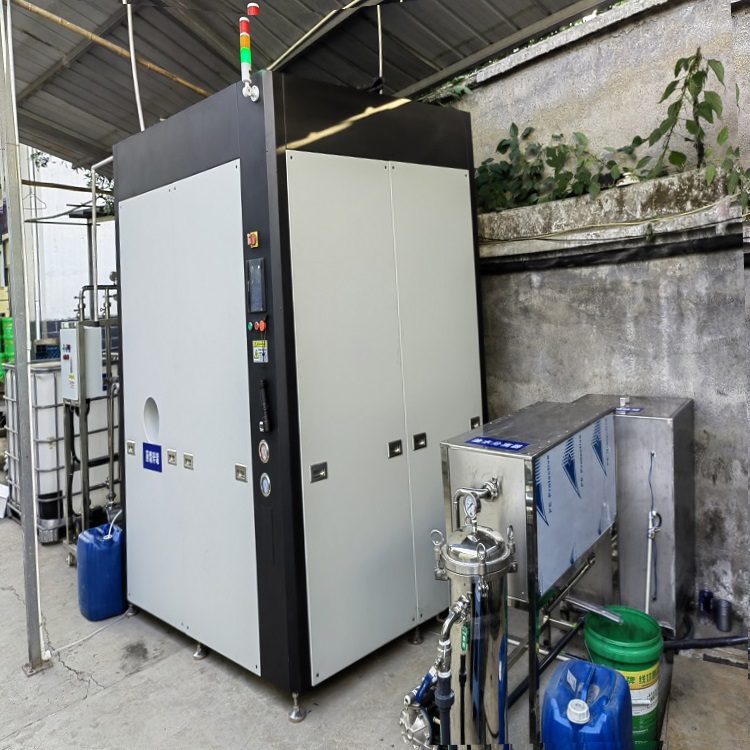
High-Concentration Oil Emulsion Waste Water Treatment Equipment - Quankun - Evaporator Unit - High Concentration Ratio
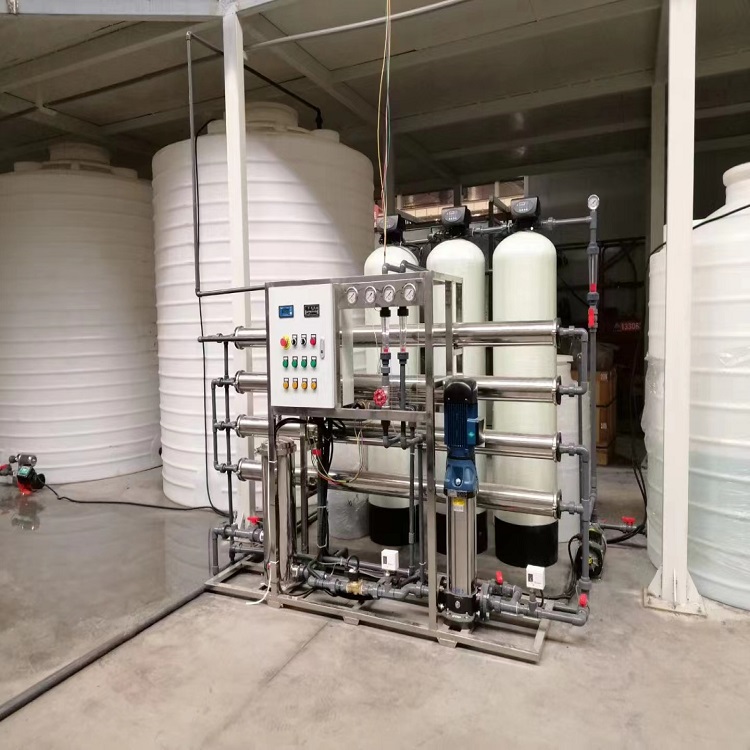
Industrial Pure Water Equipment EDI Ultra-Pure Water System Fully Automatic Control Quankun Environmental Protection
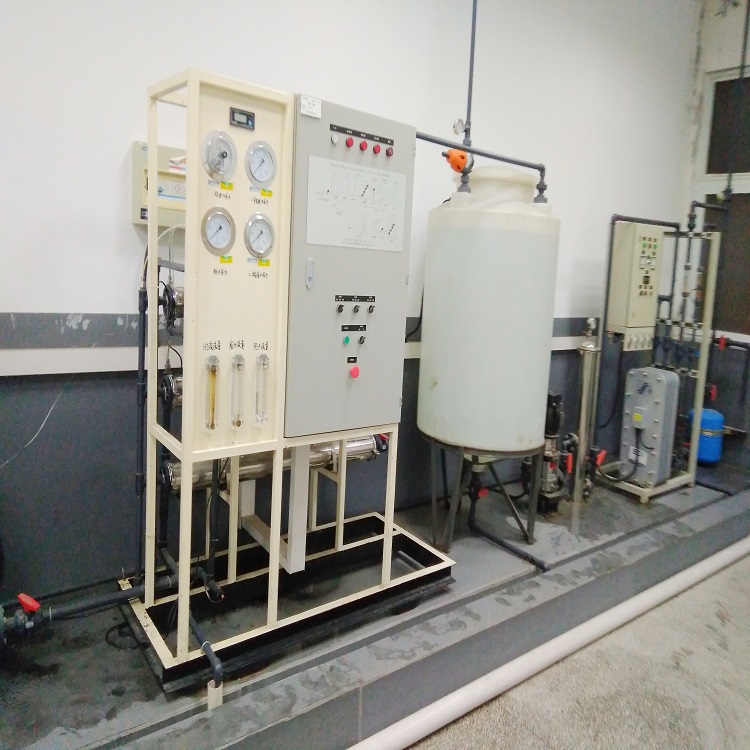
Shenzhen Industrial Ultra-Pure Water Equipment, equipped with EDI system, features low energy consumption and high degree of automation.
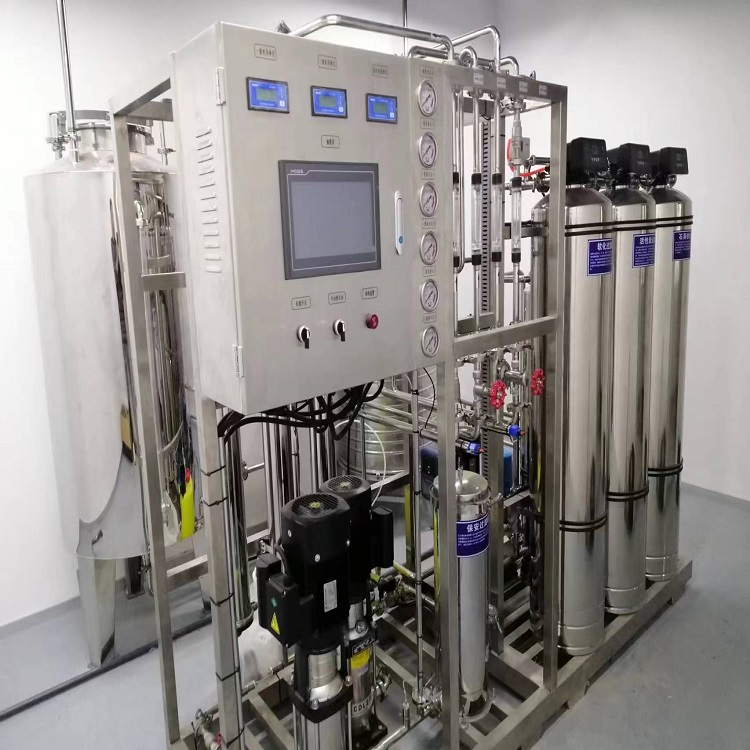
Shanghai industrial pure water production equipment reverse osmosis filtration system with high yield and customizable options, Quankun brand.
详情描述
High-concentration Wastewater Treatment Equipment - Quankun - Free Plan - Integrated Sewage Treatment Equipment
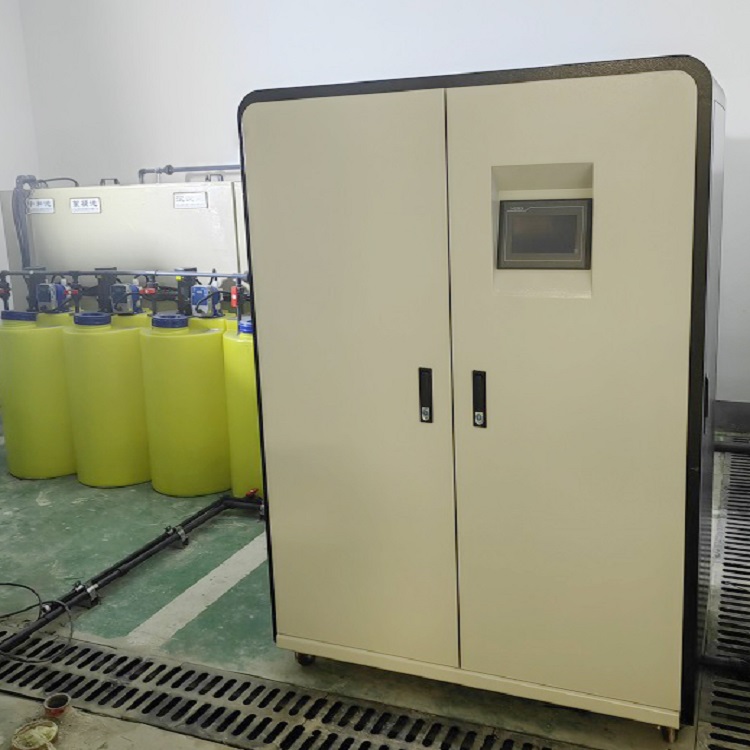
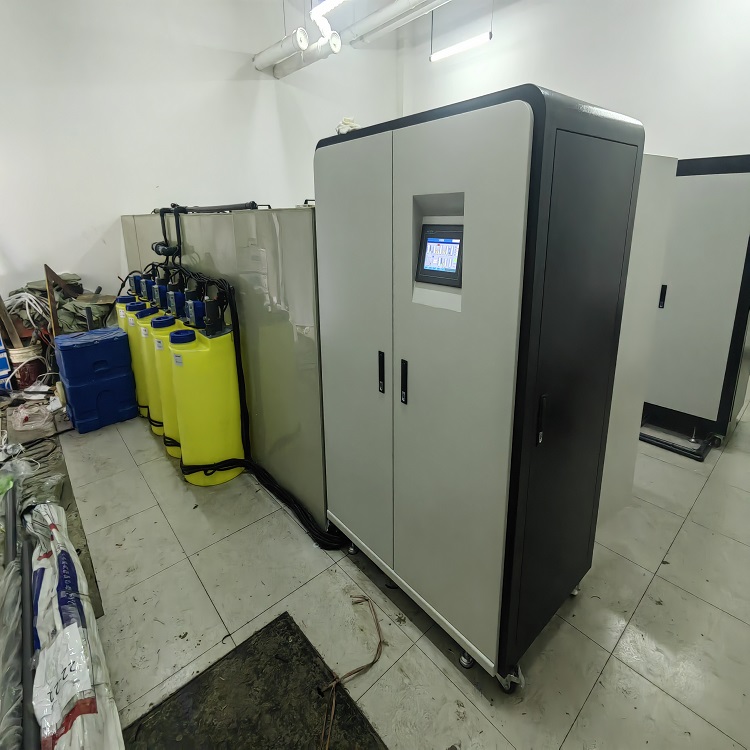
Laboratory wastewater treatment equipment is a state-of-the-art system with high automation, excellent treatment effects, minimal footprint, simple operation and management, and does not require dedicated personnel. It is specifically designed for comprehensive wastewater treatment in laboratories across various industries both domestically and internationally. Highly praised by users, it is widely used in research institutions, universities, environmental monitoring, product inspection, food and drug testing, entry-exit quarantine and inspection, disease control centers, geological and mineral testing centers, analytical testing centers, water resource monitoring, and grain and oil quality inspection.
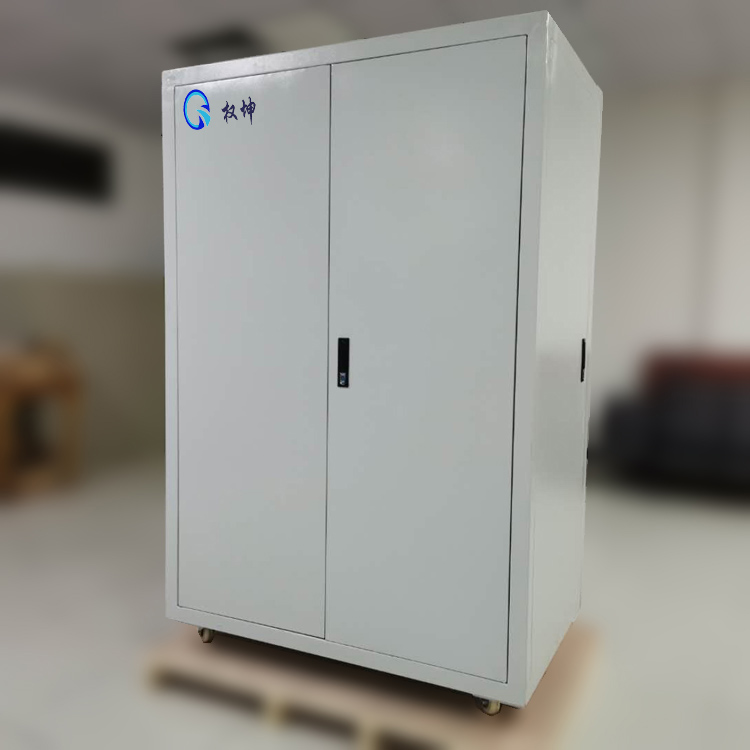
Select the appropriate treatment process and equipment based on the composition, concentration, and treatment objectives of the laboratory wastewater.
Consider the investment cost, operational expenses, and maintenance costs of the equipment, and choose one with a high cost-performance ratio.
Choose equipment with mature technology, stable operation, and low failure rate to ensure effective and efficient processing.
Select equipment that is environmentally friendly and free from secondary pollution to minimize environmental impact.
Choose equipment with simple operation and convenient maintenance to reduce the labor intensity of operators.
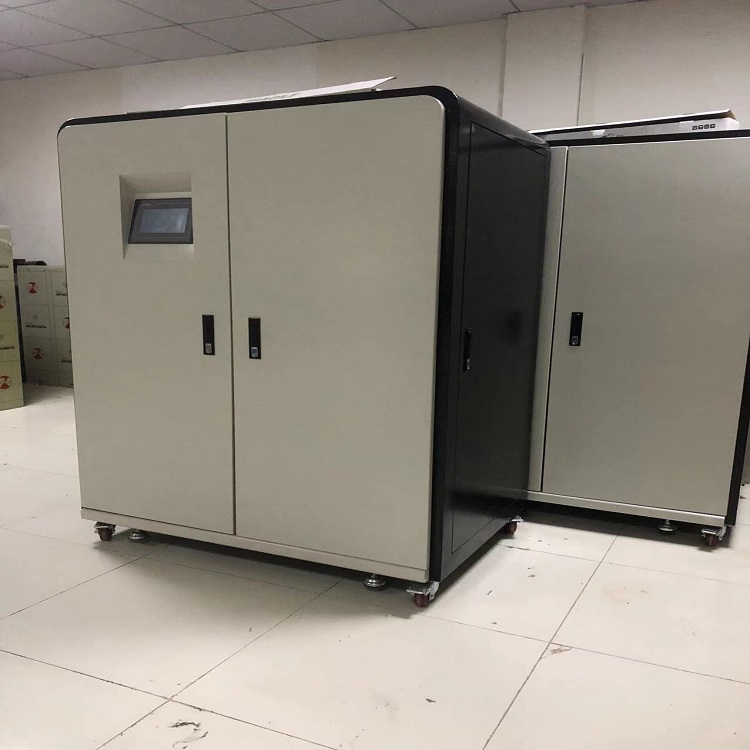
Laboratory organic wastewater treatment methods can draw inspiration from other organic wastewater treatment approaches. Generally, organic wastewater treatment technologies include biological and physical-chemical methods. For laboratory wastewater with high organic concentration, strong toxicity, and unstable water quality and volume, biological treatment is not effective, while physical-chemical methods show a clear advantage in treating such wastewater. The recovery of experimental chemicals, classification and treatment of laboratory waste, and recycling for reuse not only reduce environmental pollution but also minimize the waste of chemicals. For high-concentration laboratory organic wastewater, recover and recycle organic solvents such as alcohols, esters, organic acids, ketones, and ethers before treating them chemically; for high-concentration, highly toxic organic wastewater that cannot be recovered, centralized incineration treatment is required.
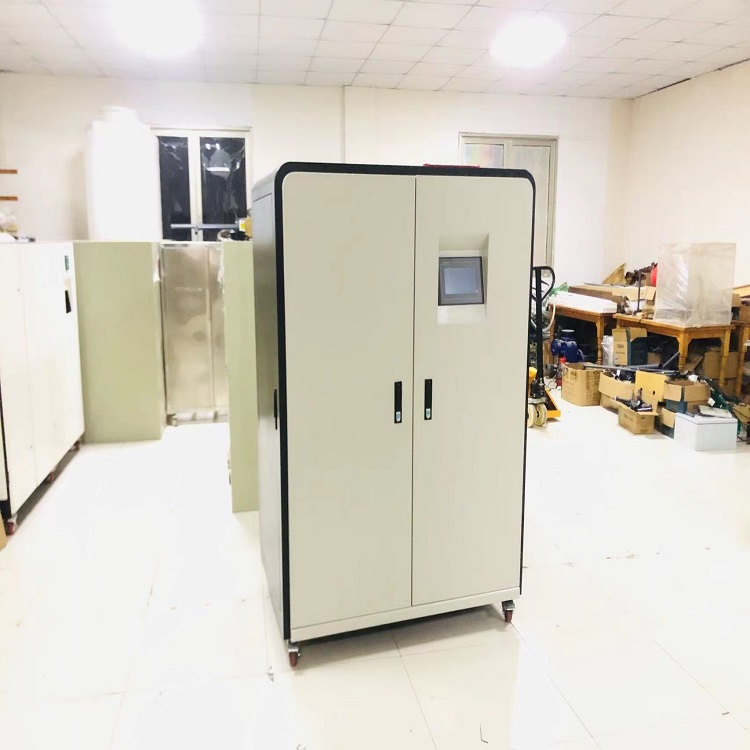
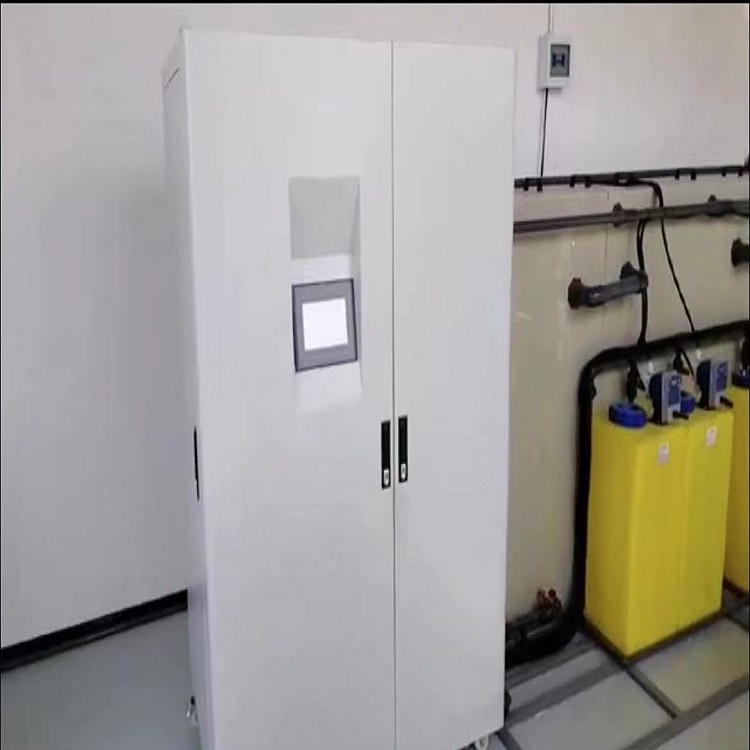
Wastewater treatment process for laboratories:
Laboratory wastewater is first collected by the collection system and then enters the equalization pond to adjust water volume and homogenize water quality. Once the water level in the equalization pond reaches a certain height, it is quantitatively lifted by a booster pump to the integrated laboratory wastewater treatment equipment.
In an integrated wastewater treatment system, the acidic and alkaline neutralization and adjustment system is first entered, where acidic and alkaline neutralization occurs. Here, a pH controller is used to accurately add a certain amount of NaOH solution using a metering pump, adjusting the pH value to between 8 and 9. Under alkaline conditions, the acid in the wastewater is neutralized, and if the wastewater contains heavy metal ions such as iron, cadmium, copper, manganese, nickel, lead, and chromium, they can react with OH- to form hydroxide precipitates.
The effluent from the acid-base neutralization pond then flows into the flocculation sedimentation pond. After acid-base neutralization, the settled sludge and other suspended solids in the wastewater are separated from the water through the hetero-directional flow between the sludge and water in the sedimentation pond.
Wastewater from the sedimentation pond then flows into a multi-media filter. Fine suspended particles, trace metals, and organic matter that were not removed are partly eliminated through the physical and chemical processes of adsorption and retention by the quartz sand in the school's laboratory wastewater treatment equipment and the activated carbon, which has a large pore structure and high specific surface area. Another part is degraded and removed by anaerobic, aerobic, and facultative bacteria in the microbial film attached to the activated carbon. The process of activated carbon adsorption and retention alternates with microbial degradation and desorption. Once this is complete, the wastewater meets the standards for discharge.
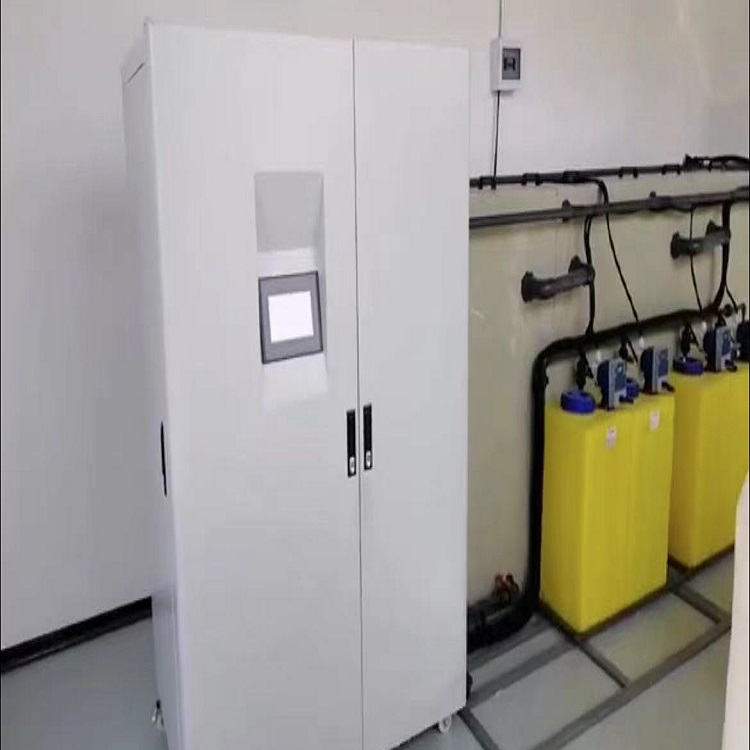
High-Concentration Wastewater Treatment Equipment - Quankun - Free Plan - Integrated Sewage Treatment Equipment
The primary function of the laboratory wastewater treatment equipment is to efficiently and safely process wastewater generated in laboratories. It utilizes advanced techniques such as physical separation, chemical neutralization, and biological degradation to remove harmful substances or reduce their concentrations in the wastewater, ensuring compliance with national emission standards. Additionally, the equipment features automated control and intelligent monitoring capabilities, enabling real-time monitoring of the wastewater treatment process and outcomes, ensuring the stability and reliability of the treatment effectiveness.


