



- AllProduct Category
-
Lab Wastewater Treatment Equipment
Lab Wastewater Treatment Equipment
Ultra-Pure Water Equipment
Membrane Separation Equipment
Pure Water Equipment
Low-Temperature Evaporator
Ultra-Pure Water System
Integrated Wastewater Treatment Equipment
Reverse Osmosis Equipment
Pure Water Equipment
Ceramic Membrane Equipment



Recommended Products
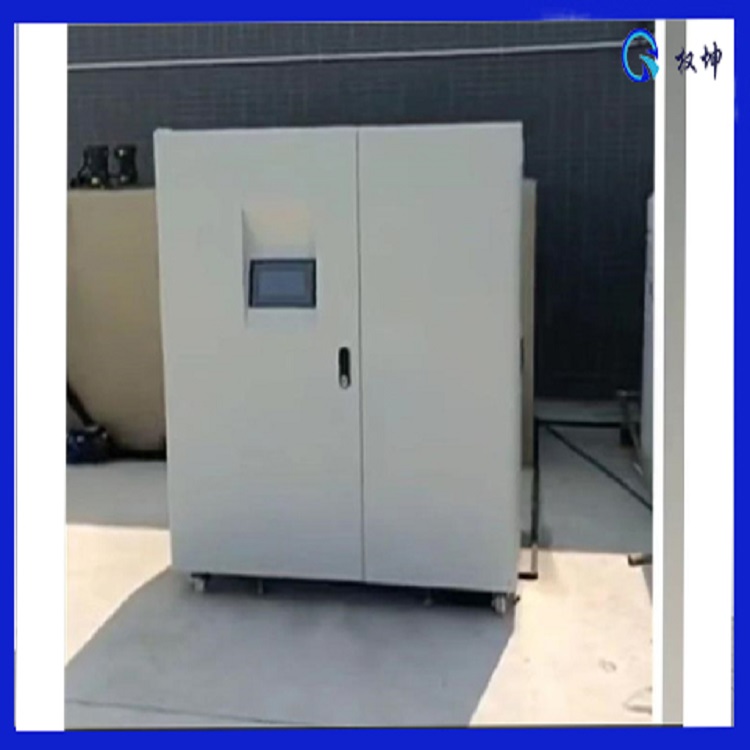
Quan Kun - Comprehensive Laboratory Waste Water Treatment Equipment - Remote Monitoring - Automated Control
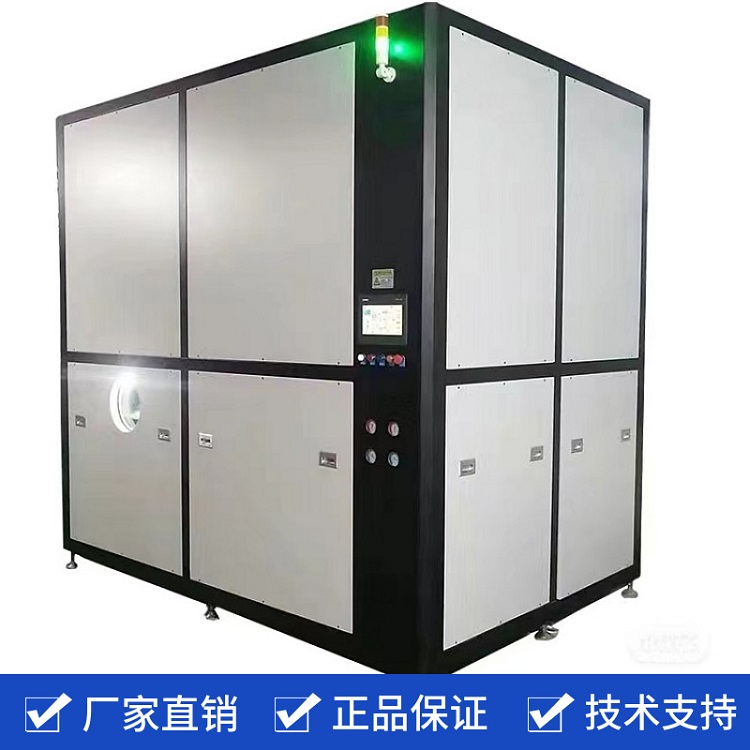
Sodium Chloride Wastewater Low-Temperature Evaporator - Intelligent Automatic - Quankun - Integrated Design
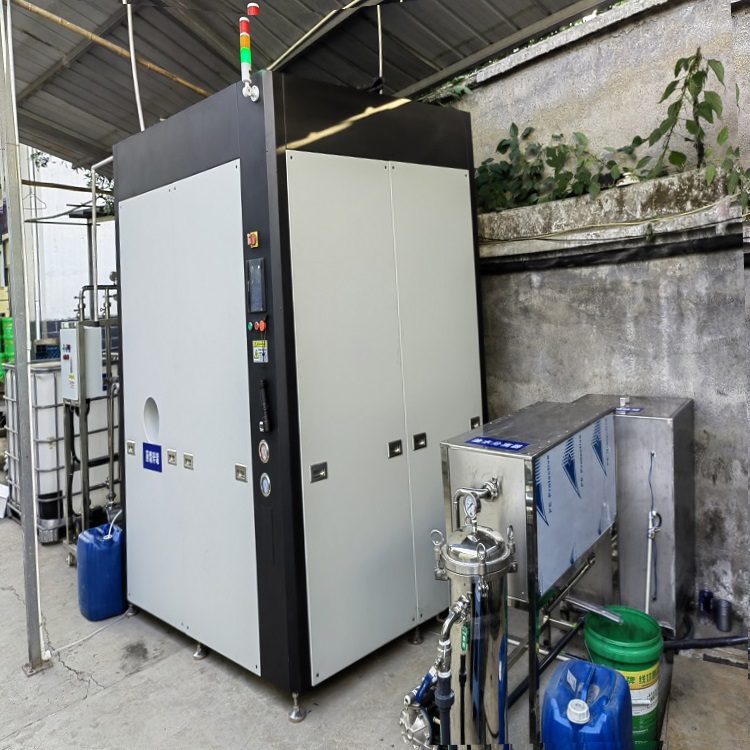
High-Concentration Oil Emulsion Waste Water Treatment Equipment - Quankun - Evaporator Unit - High Concentration Ratio
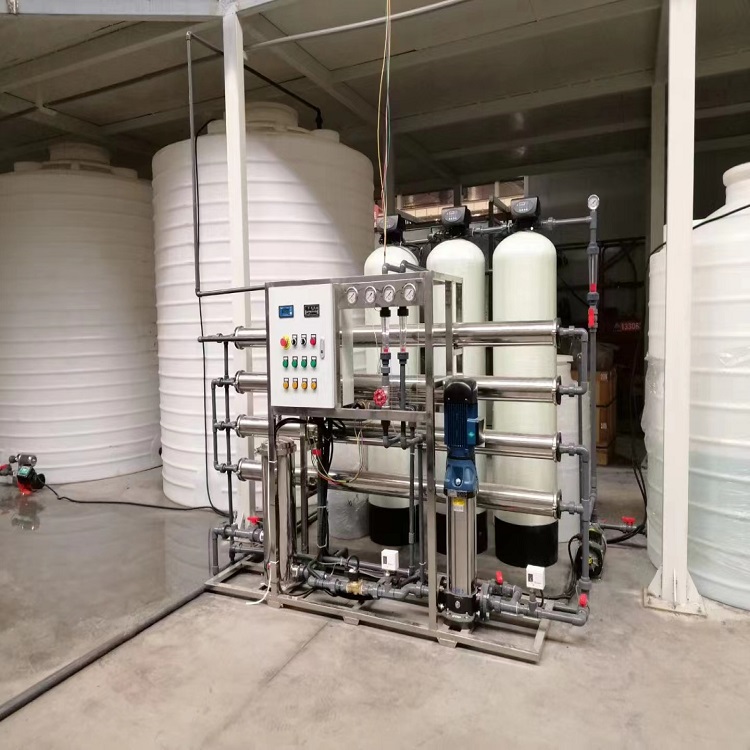
Industrial Pure Water Equipment EDI Ultra-Pure Water System Fully Automatic Control Quankun Environmental Protection
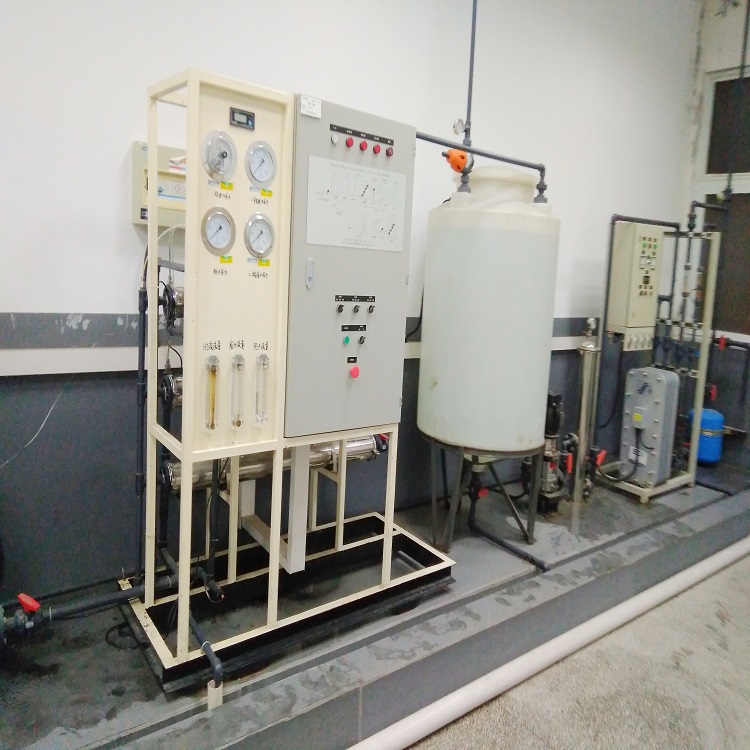
Shenzhen Industrial Ultra-Pure Water Equipment, equipped with EDI system, features low energy consumption and high degree of automation.
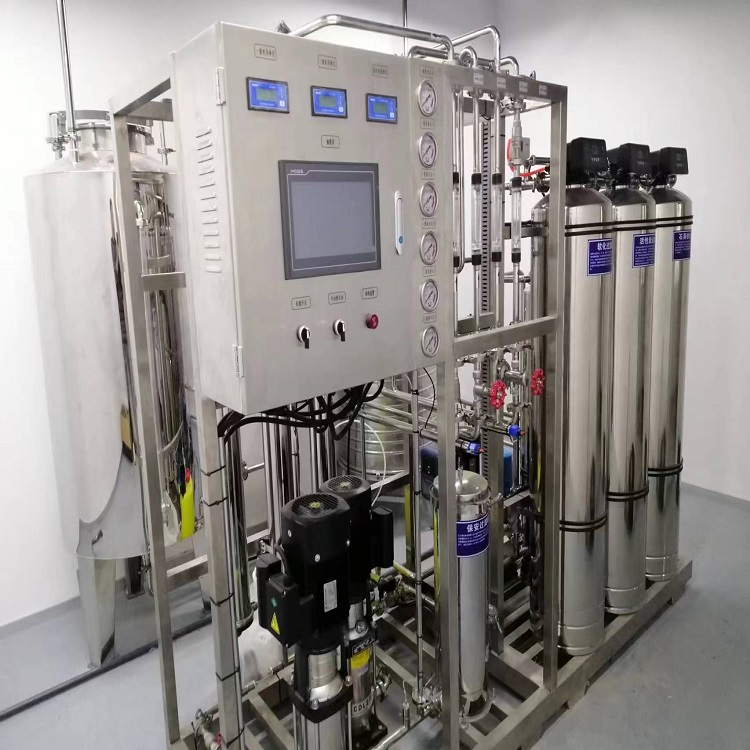
Shanghai industrial pure water production equipment reverse osmosis filtration system with high yield and customizable options, Quankun brand.
详情描述
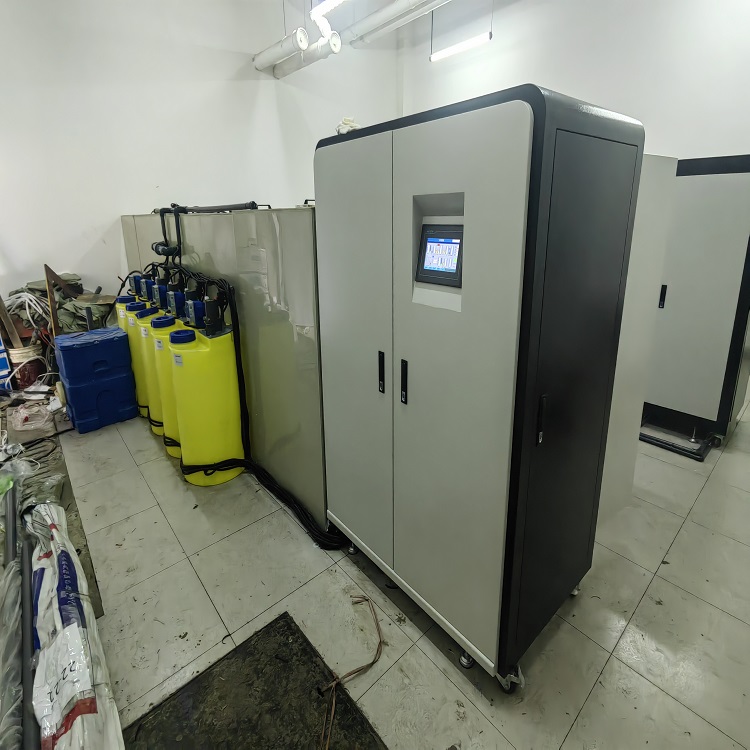
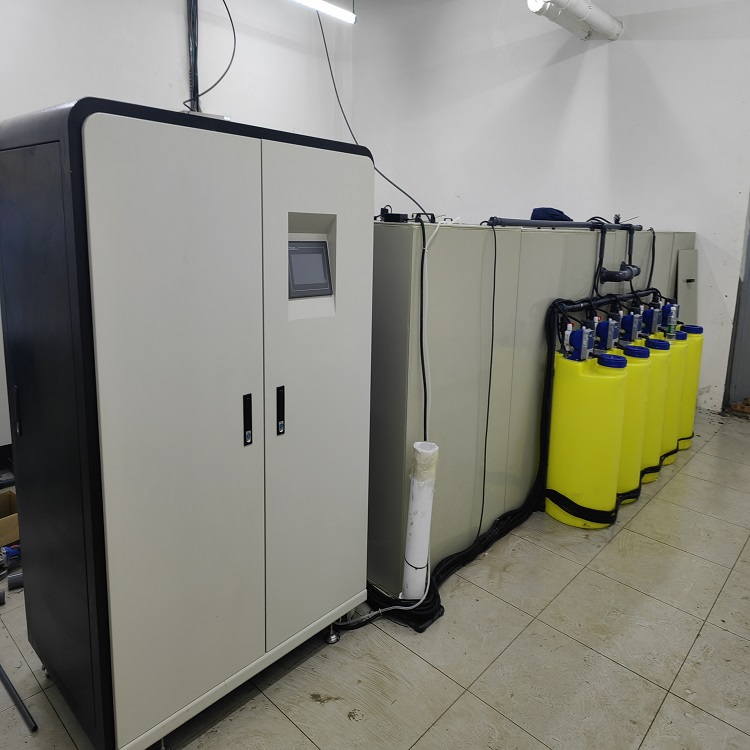
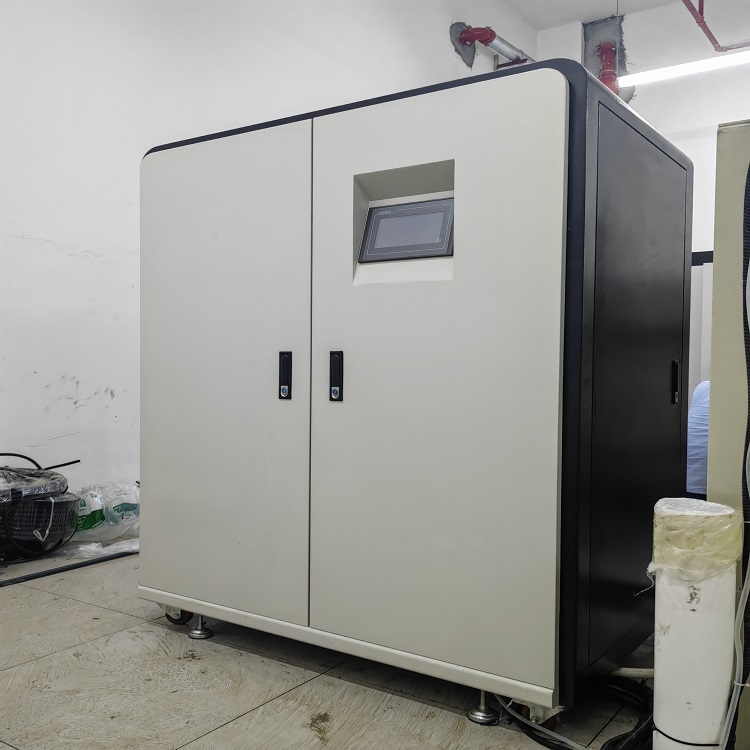
Integrated Wastewater Treatment Equipment - Underground Laboratory Waste Water Treatment Equipment
In the design of laboratory wastewater treatment equipment, adhering to the principles of advanced and applicable technology, strong process measures, reliable and stable systems, easy startup and shutdown, comprehensive cost savings between initial investment and daily operational expenses, maximum reduction of site occupancy area, and maximum use of existing treatment facilities. Through comprehensive analysis of current domestic and international wastewater treatment technologies, and in accordance with customer requirements, the "acid-base neutralization adjustment + ultraviolet disinfection + multi-media filtration for heavy metals" process is adopted for wastewater treatment. Equipment utilizing this process can effectively kill bacteria, pathogens, and other high-risk pollutants in wastewater. The acid-base neutralization system can uniformly adjust water quality to meet national requirements for effluent pH, protecting water quality. The multi-media filtration system acts as a filter for trace amounts of heavy metals, organic matter, inorganic matter, etc., reducing wastewater composition with low investment. The equipment operates automatically, eliminating the need for dedicated on-site monitoring.
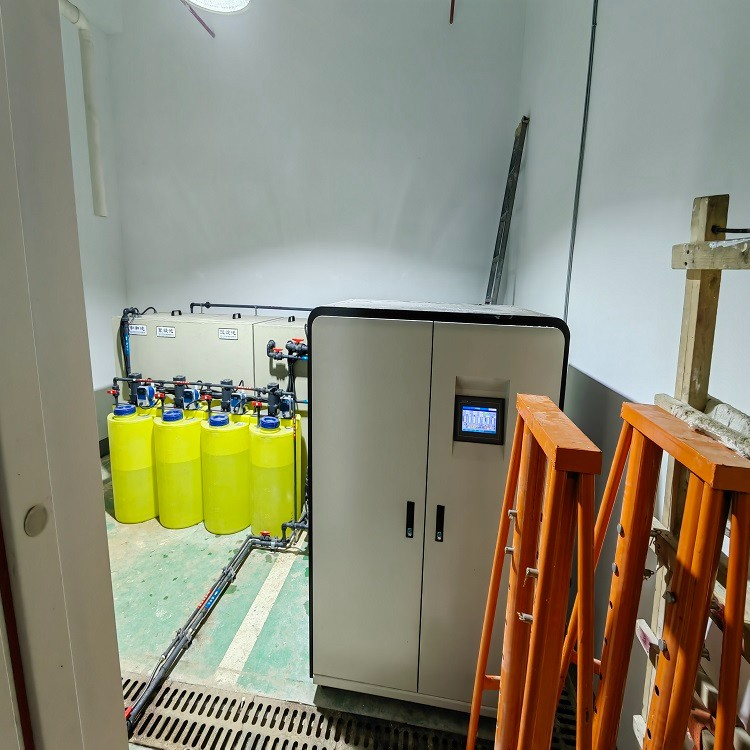
Equipment Advantages:
1. Treat various pollutants in wastewater using technologies such as acid-base neutralization precipitation, active adsorption, and ozone sterilization disinfection.
2. Utilize microcomputer programming for real-time monitoring and control of wastewater quality and treatment process, ensuring 24/7 automatic operation without the need for constant human supervision.
3. Precisely control dosing with a pH meter and imported metering pumps, equipped with level control and other devices.
4. Utilizing advanced oxygenators, ensuring thorough gas-water contact and complete reaction.
5. User-friendly, stable operation, long lifespan, low running and maintenance costs.
6. Compact in size, suitable for installation indoors or outdoors as per different circumstances.
7. Tailor-made design and manufacturing to meet various customer requirements.
8. Equipment features anti-leakage protection and an integrated safety system.
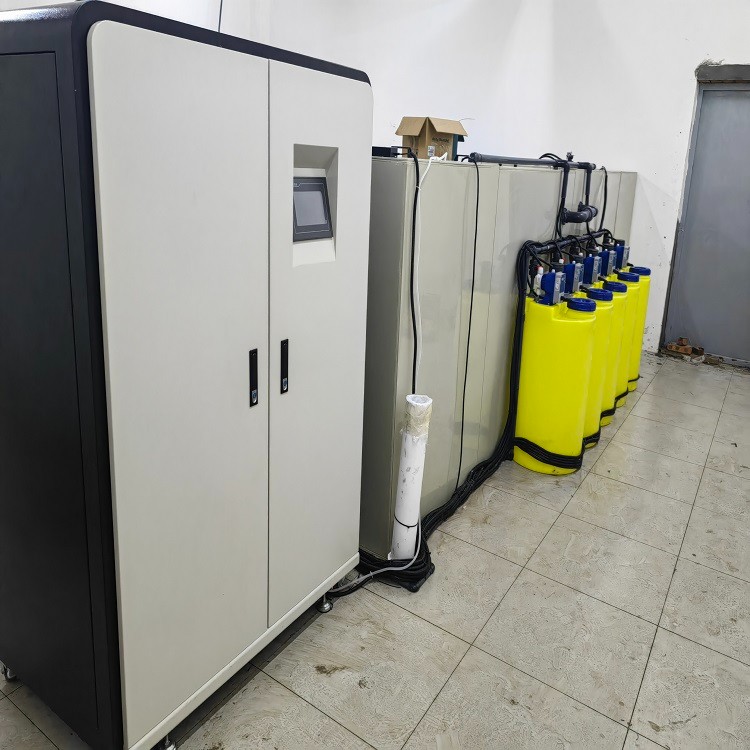
Laboratory wastewater contains acids, bases, organic pollutants, heavy metal ions, pathogenic microorganisms, with a wide range of pH fluctuations and high COD concentration. It is primarily categorized into three major types:
1. Organic Waste Water: Main source is from experimental reagents and solvents.
2. Inorganic Waste Water: Main sources include acid and alkali reagents, heavy metal reagents.
3. Pathogenic Biological Wastewater: Main sources include microbiological, hematology biochemical experiments, blood stations, disease control centers, etc.
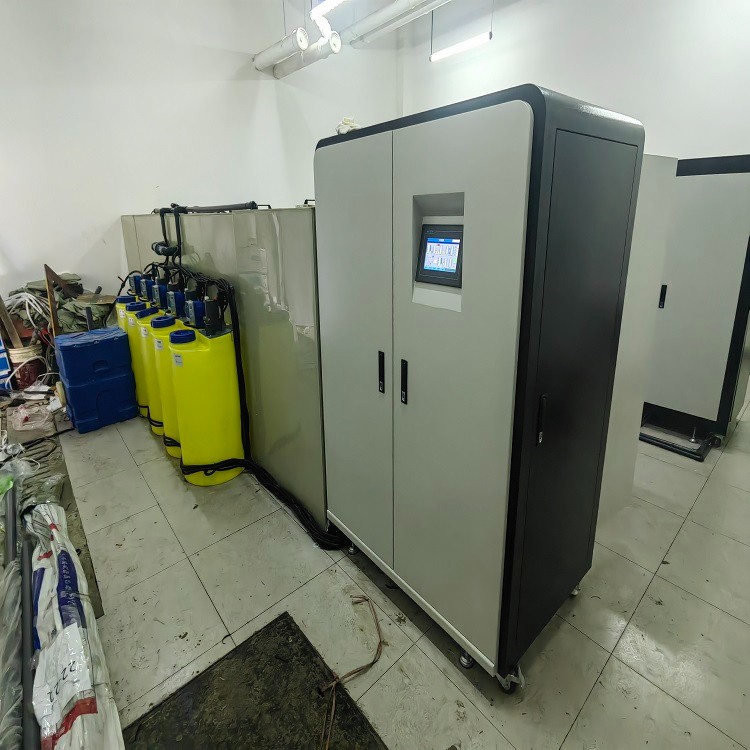
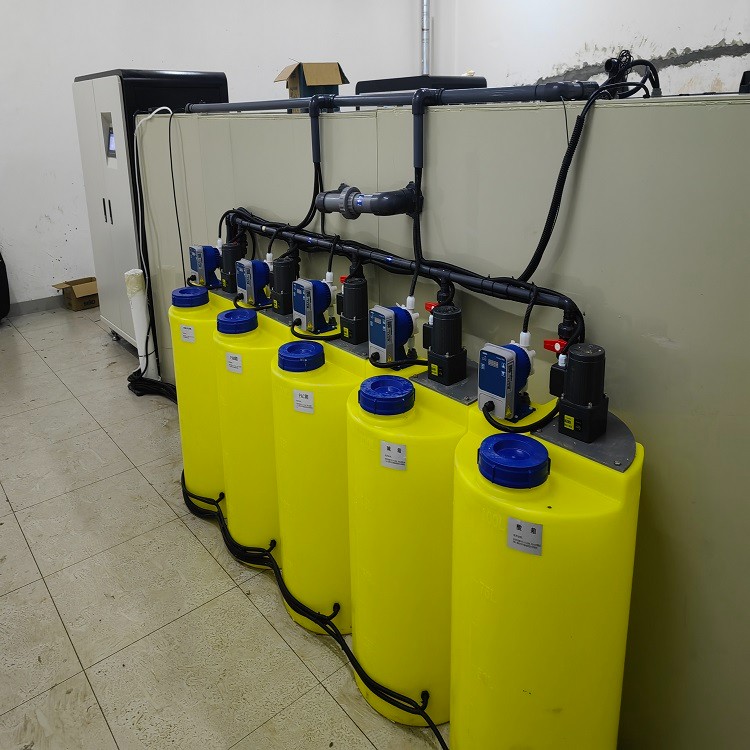
Equipment Advantages:
Treat inorganic pollutants in wastewater using neutralization coagulation, flocculation, natural sedimentation, fine filtration, and activated carbon adsorption techniques.
2. Fully automated operation with no need for on-site staff 24/7.
3. Accurately control the dosing of chemicals using pH levels and a metering pump.
4. Easy to operate, stable performance, long service life, and low maintenance costs.
5. Compact in size, can be installed indoors or outdoors as needed.
6. Custom design and manufacturing based on customer requirements and operating volume.
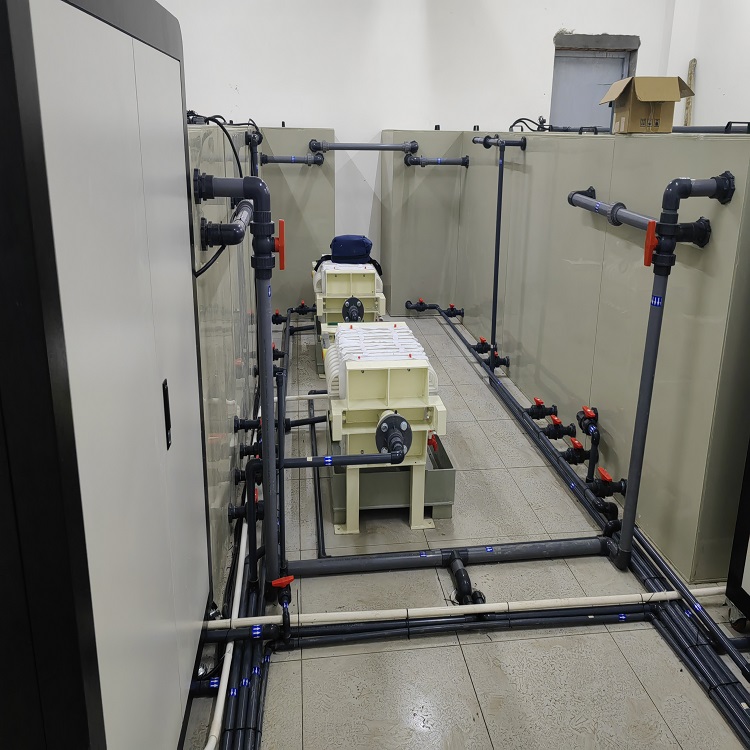
Integrated Wastewater Treatment Equipment - Underground Laboratory Waste Water Treatment System
Principles of Laboratory Wastewater Treatment Equipment Design
Maximize existing equipment and pipeline, reducing investment scale and costs.
(2) Processed and purified water can be considered for reuse, reducing treatment load and lowering operational costs.
(3) The newly built wastewater treatment equipment is easy to operate and maintain, with low operational costs.
(4) Ensure that the effluent from the treated wastewater meets the "Emission Standards for Water Pollutants from Medical Institutions."
(5) When new processing equipment and facilities, or modifications and additions to pipelines are constructed, strive to maintain the original landscape as much as possible.


