



- AllProduct Category
-
Lab Wastewater Treatment Equipment
Lab Wastewater Treatment Equipment
Ultra-Pure Water Equipment
Membrane Separation Equipment
Pure Water Equipment
Low-Temperature Evaporator
Ultra-Pure Water System
Integrated Wastewater Treatment Equipment
Reverse Osmosis Equipment
Pure Water Equipment
Ceramic Membrane Equipment



Recommended Products
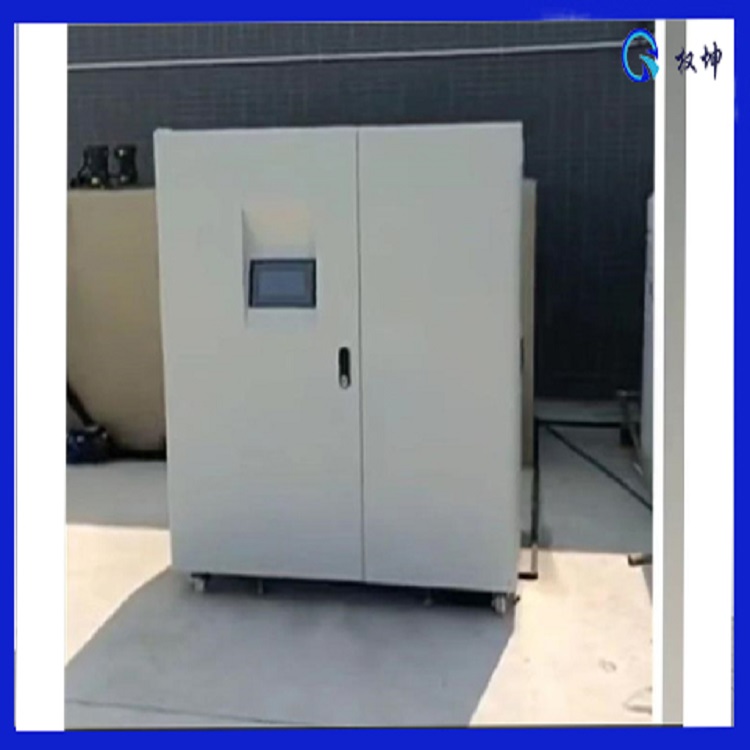
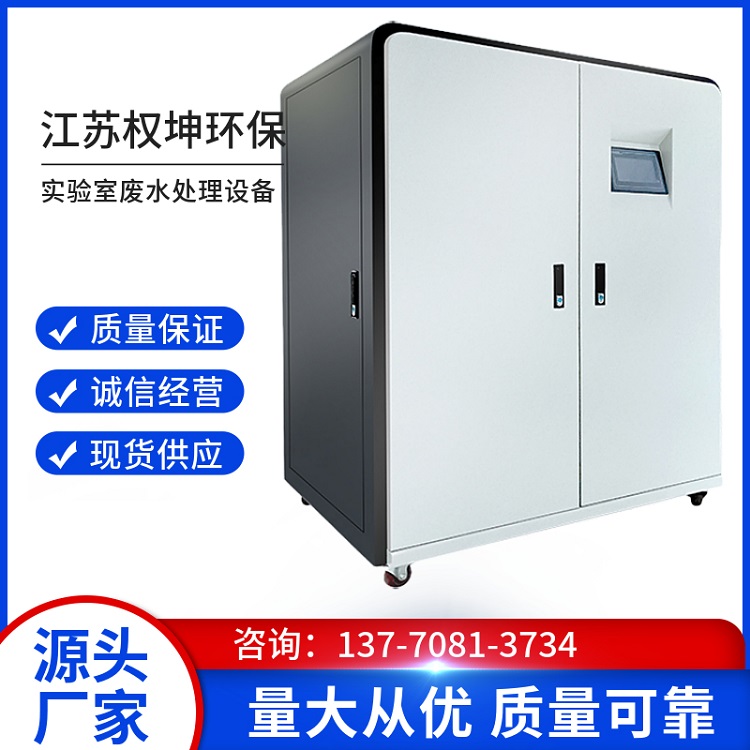
Quan Kun - Comprehensive Laboratory Waste Water Treatment Equipment - Remote Monitoring - Automated Control
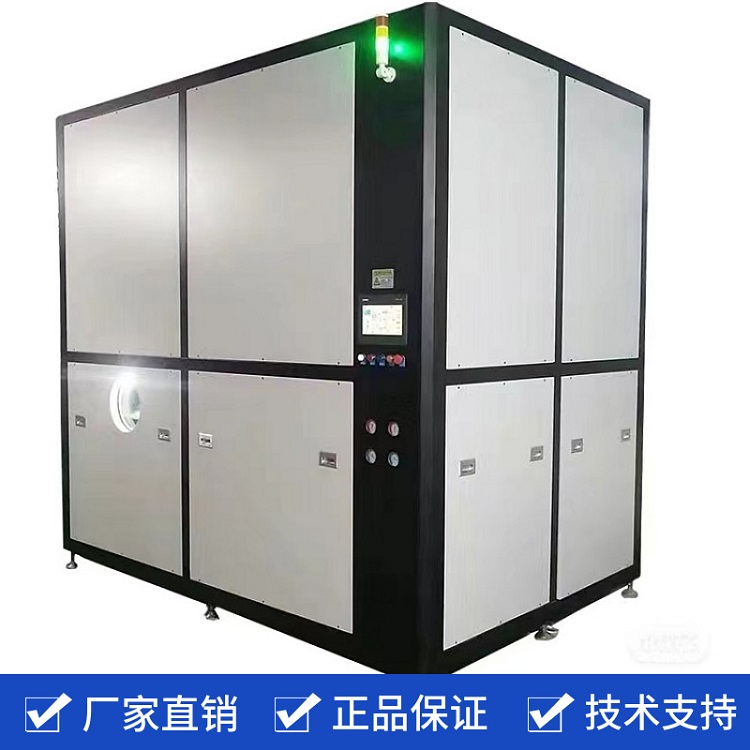
Sodium Chloride Wastewater Low-Temperature Evaporator - Intelligent Automatic - Quankun - Integrated Design
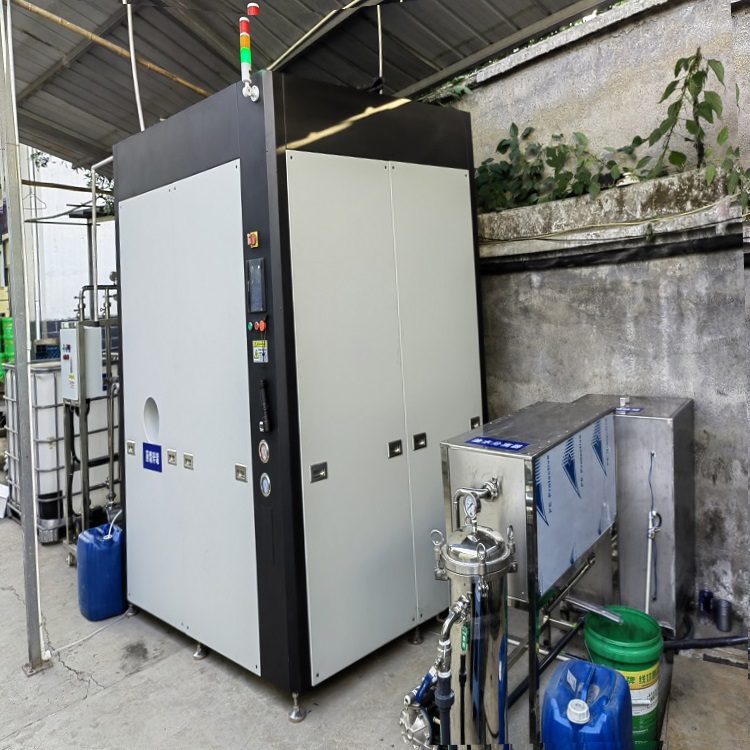
High-Concentration Oil Emulsion Waste Water Treatment Equipment - Quankun - Evaporator Unit - High Concentration Ratio
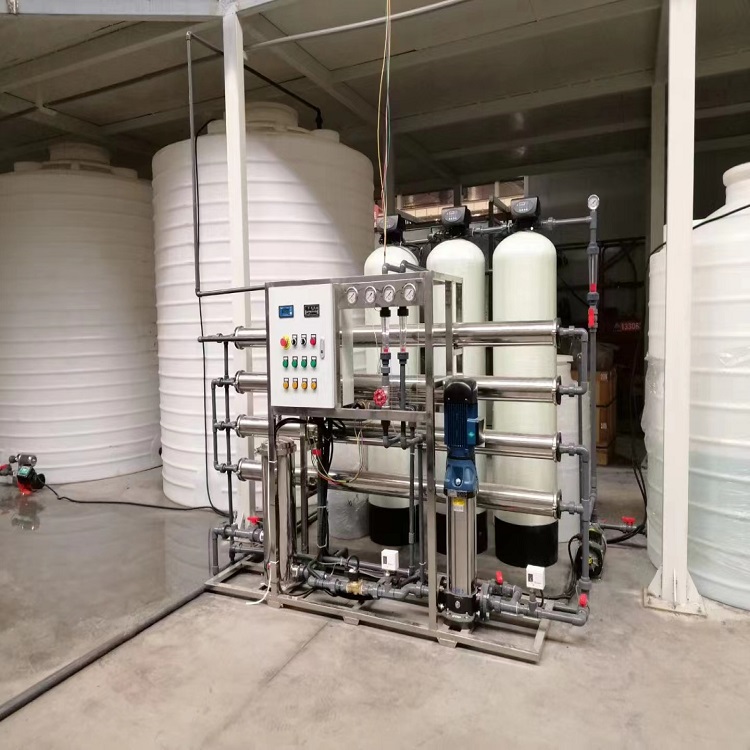
Industrial Pure Water Equipment EDI Ultra-Pure Water System Fully Automatic Control Quankun Environmental Protection
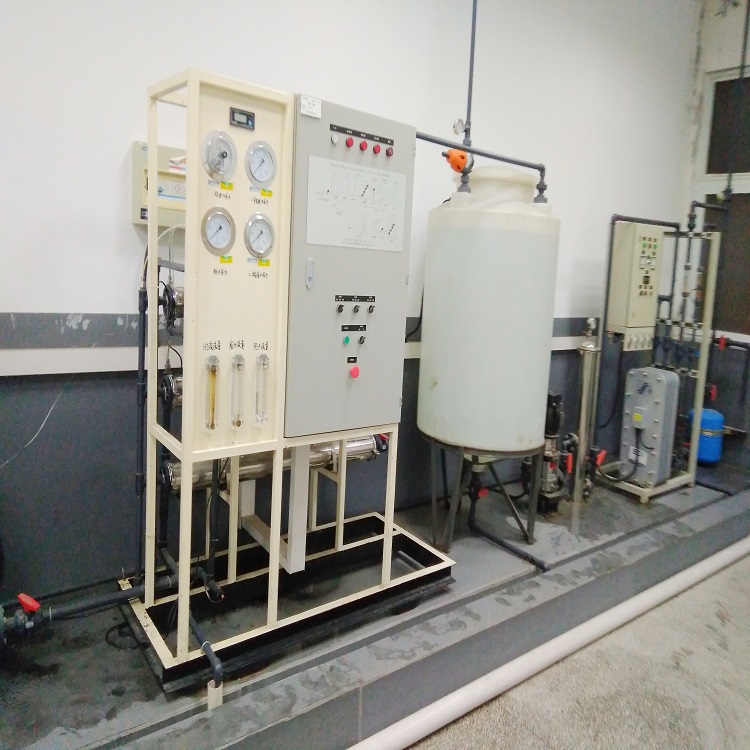
Shenzhen Industrial Ultra-Pure Water Equipment, equipped with EDI system, features low energy consumption and high degree of automation.
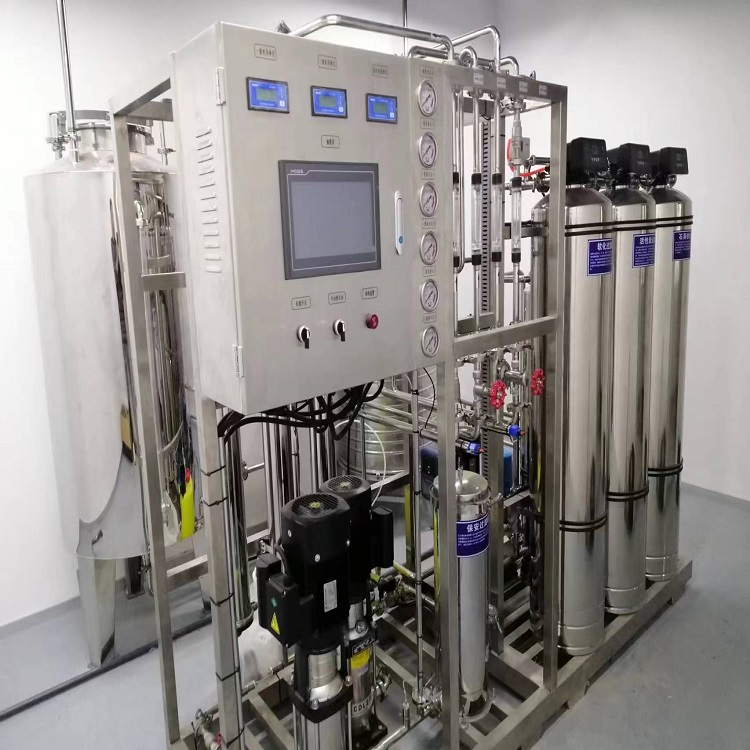
Shanghai industrial pure water production equipment reverse osmosis filtration system with high yield and customizable options, Quankun brand.
详情描述
Integrated Treatment Unit for PCR Laboratory Wastewater_Emission Standard Compliance_Industrial Food Processing Wastewater Treatment Equipment
Equipment Overview:
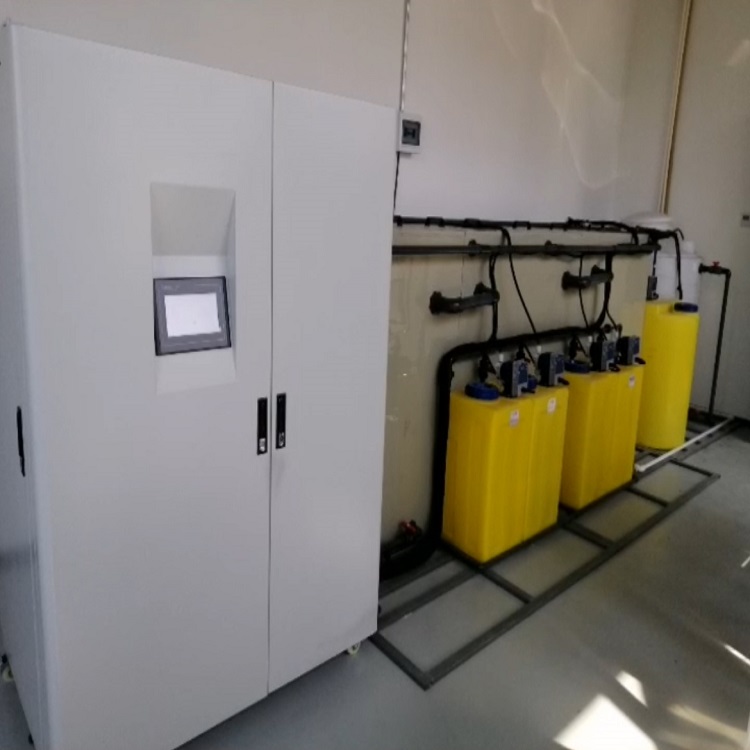
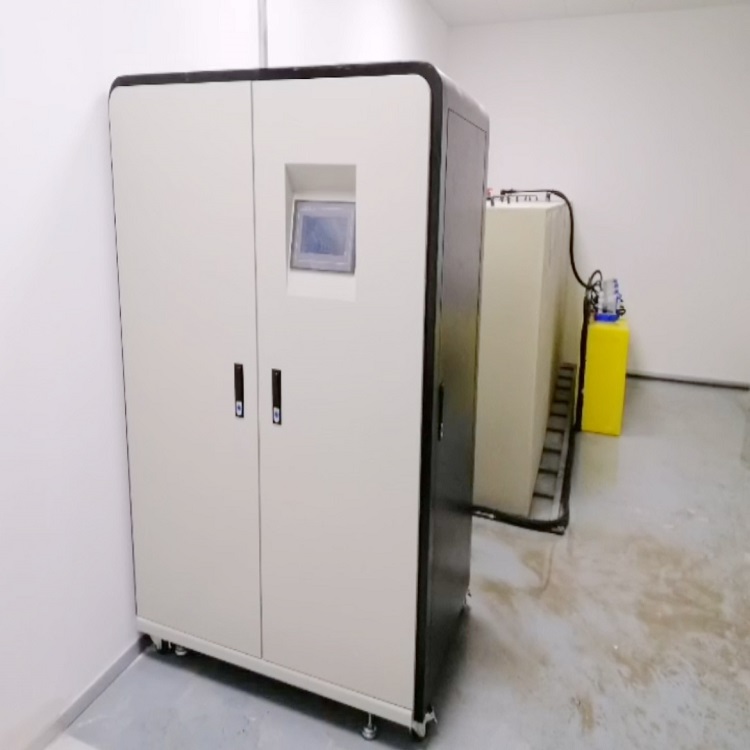
The Qiankun Environmental Protection series of laboratory wastewater treatment equipment consists of units for wastewater collection, adjustment, advanced treatment, sedimentation separation, physical treatment, biological treatment, and comprehensive purification. It utilizes processes such as chemical pretreatment, advanced chemical treatment, disinfection and sterilization, and multi-stage filtration and sedimentation separation to comprehensively treat organic, inorganic, and biological wastewater generated in the laboratory. This effectively removes COD, BOD, SS, color, and heavy metal ions from the wastewater. Different treatment technologies and control systems are adopted based on the composition of various experimental wastewater.
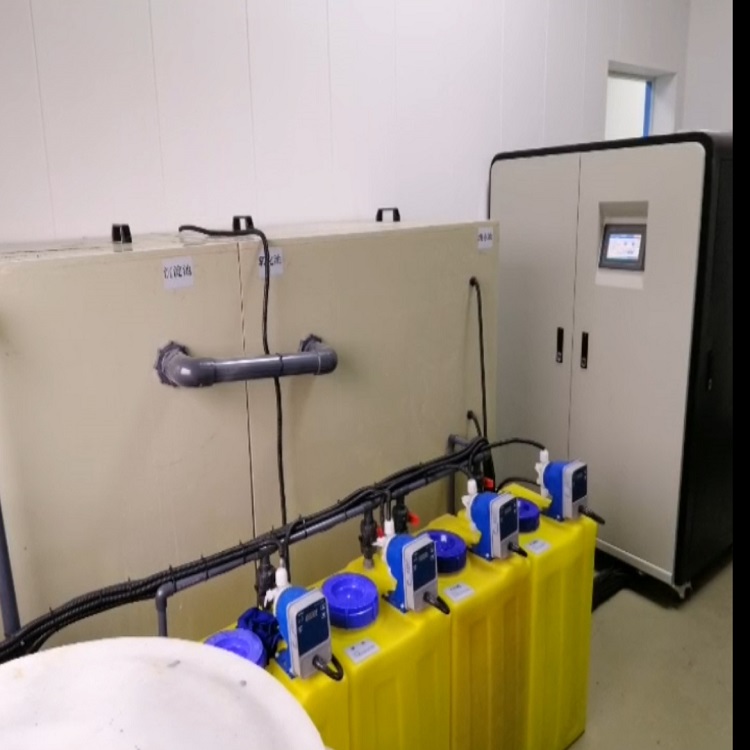
This series features advanced technology, reasonable processes, high degree of automation, no need for dedicated staff, excellent processing results, compliant emissions, convenient operation and management, attractive appearance, and small footprint.
Equipment Features:
1. Wide applicability: Can adapt to waste water treatment in various laboratories.
2. Patented Technology: Utilizes multiple advanced patented technologies for multi-stage treatment and purification of comprehensive wastewater, fully meeting discharge standards.
3. High level of automation: Centralized control, user-friendly human-machine interface, simple operation, fully automatic operation, no need for dedicated staff to monitor.
4. Automatic Protection Features: Leak or Short-Circuit Automatic Protection, Over/Under Voltage Automatic Protection, No-Water Wastage Protection, Level Protection for All Treatment Units, Overload Protection for Electrical Equipment, Overload Protection for Electrical Circuits
5. Long Service Life: With a timed automatic cleaning feature, the system schedules regular automatic cleaning of components, extending their lifespan.
6. Low operating costs: The system has low power consumption and energy usage; operates stably with fewer malfunctions, resulting in low maintenance costs; long lifespan of consumables and low consumable costs; automatic proportional medication dosing with reduced drug consumption; no need for dedicated personnel, eliminating the cost of dedicated management, etc.
7. Smart Integration: With a "one-stop" integrated design, it occupies less space, is easy to install and move, truly achieving engineering equipmentization, with an aesthetically pleasing appearance, and does not require multiple treatment ponds.
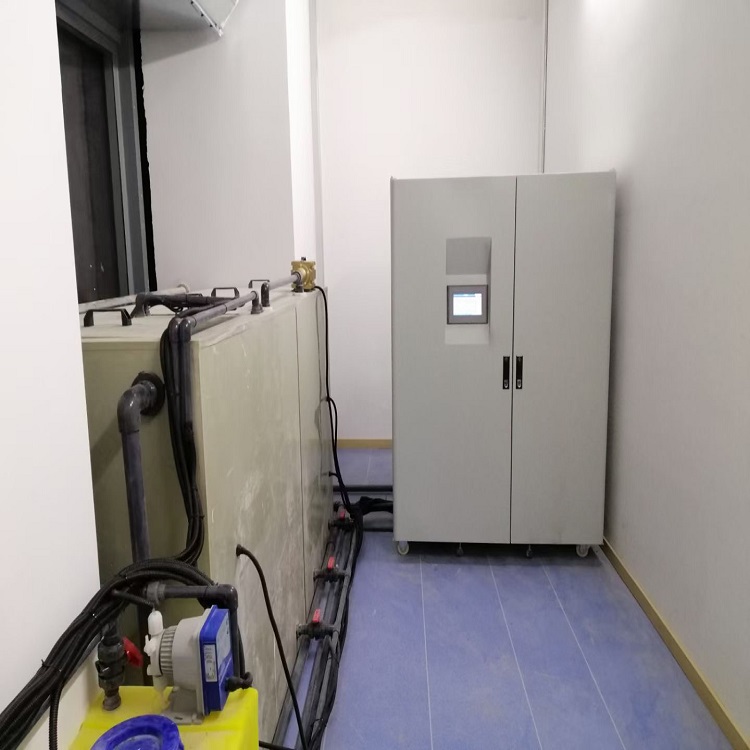
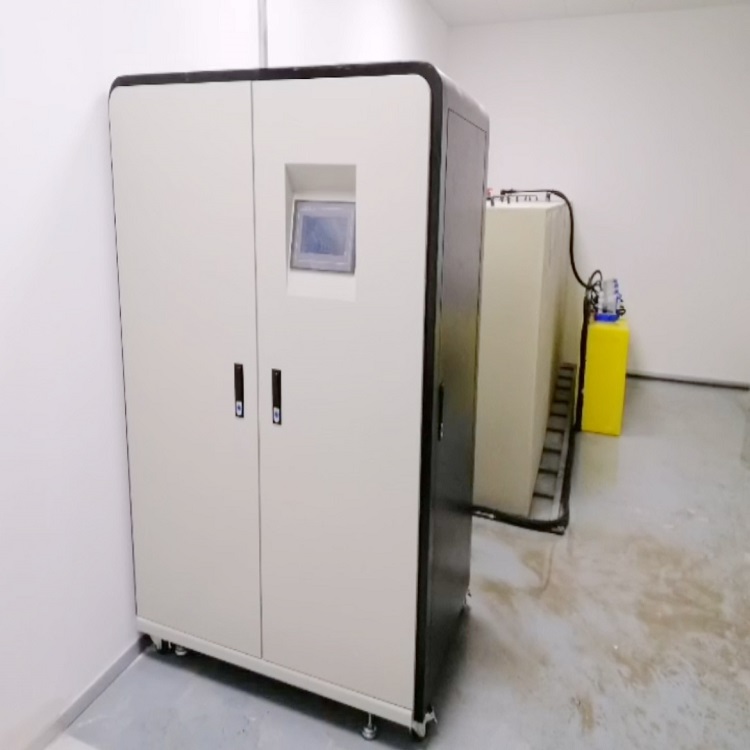
Laboratory wastewater treatment equipment can be divided into three main categories: biological treatment equipment, physical-chemical treatment equipment, and comprehensive treatment equipment.
1. Biological Treatment Equipment: Biological filters, activated sludge process, etc., primarily degrade organic matter in wastewater into carbon dioxide and water through the metabolic action of microorganisms.
2. Physical-Chemical Treatment Equipment: Coagulation sedimentation tanks, flotation tanks, etc., separating suspended solids from wastewater by adding chemicals or utilizing bubbles.
3. Comprehensive Treatment Equipment: Membrane Separation Technology, Reverse Osmosis Technology, etc., which separate pollutants from wastewater by physical isolation or pressure-driven methods.
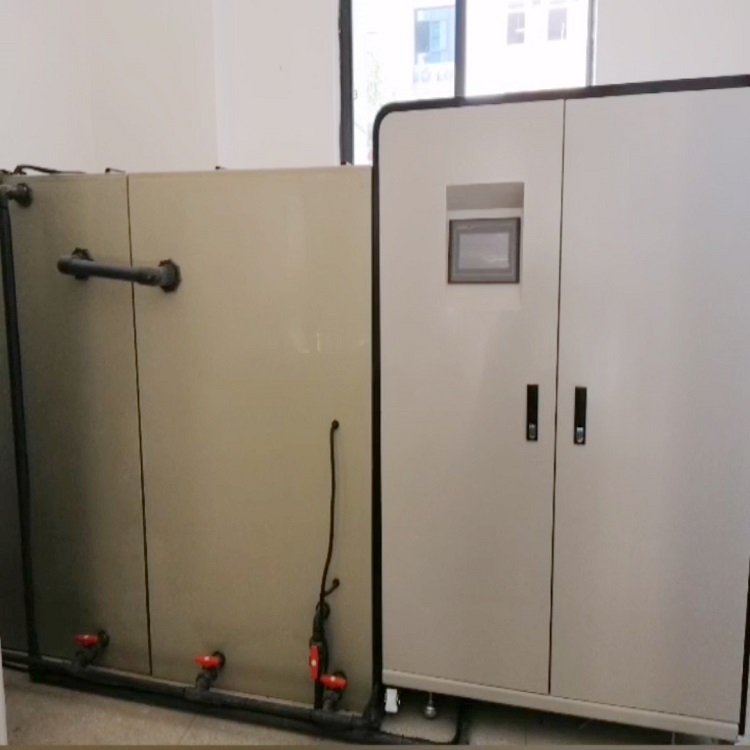
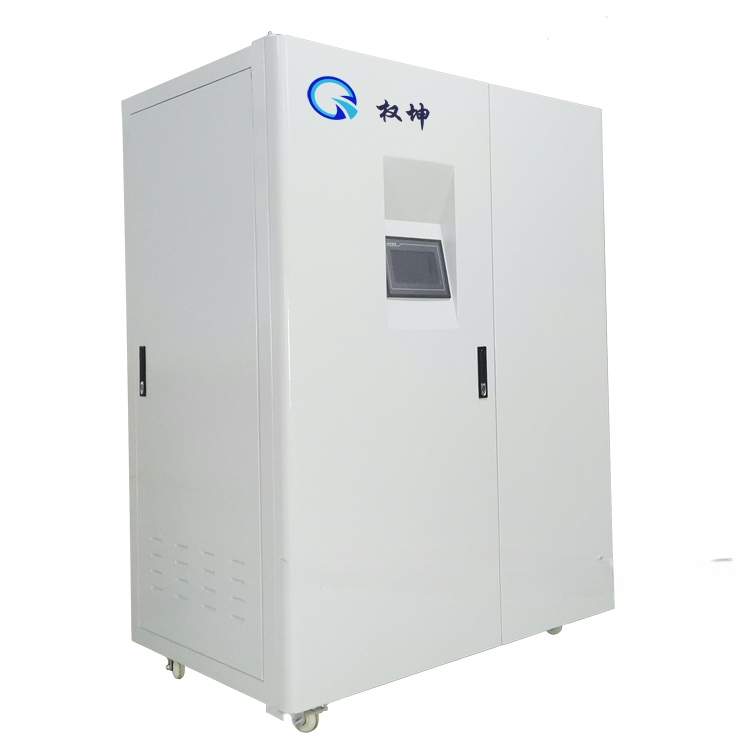
Integrated Treatment System for PCR Laboratory Wastewater_Standard Discharge_Industrial Food Processing Wastewater Treatment Equipment
Principle of Laboratory Wastewater Operation:
Laboratory wastewater treatment equipment, also known as laboratory sewage treatment equipment, primarily utilizes the functions of coagulation, sedimentation, oxidation, and sterilization. It targets and removes bacteria, heavy metals, and other elements from the wastewater, ensuring sterilization.
Within the specified pH range, it can be understood as capable of killing all microorganisms, including various bacterial propagules, bacterial spores, fungi, etc. In the operation of laboratory wastewater treatment equipment, an automatic control system is generally used. The entire process can be automated, saving labor costs. No human supervision is required. Each unit has a lifespan of over 30,000 hours. This is also a characteristic of laboratory wastewater treatment equipment.
Moreover, the equipment can undergo secondary treatment and sterilization during operation. A second disinfection process is applied. The entire process is fully automated and does not require manual operation. It's extremely convenient and quick.


