




- AllProduct Category
-
Lab Wastewater Treatment Equipment
Lab Wastewater Treatment Equipment
Ultra-Pure Water Equipment
Membrane Separation Equipment
Pure Water Equipment
Low-Temperature Evaporator
Ultra-Pure Water System
Integrated Wastewater Treatment Equipment
Reverse Osmosis Equipment
Pure Water Equipment
Ceramic Membrane Equipment



Recommended Products
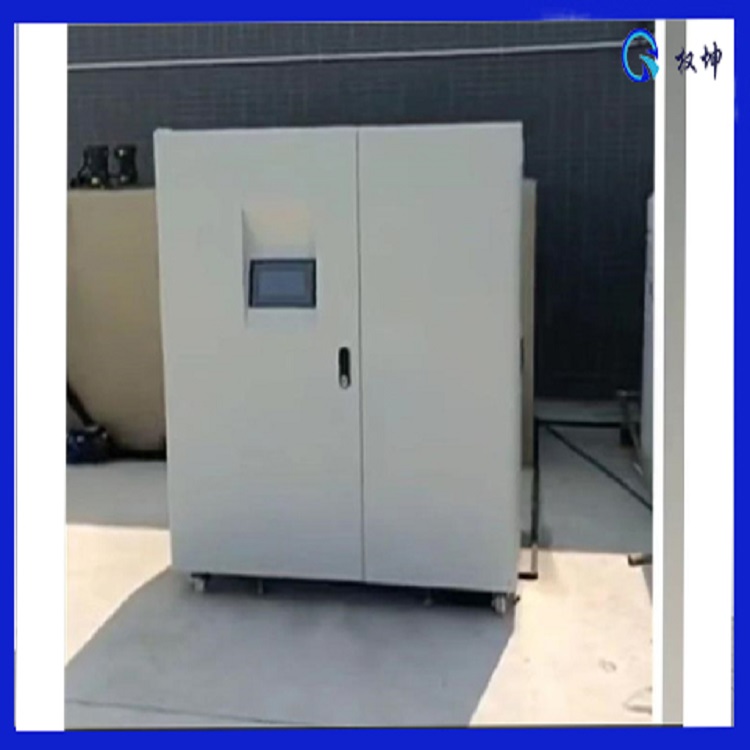
Quan Kun - Comprehensive Laboratory Waste Water Treatment Equipment - Remote Monitoring - Automated Control
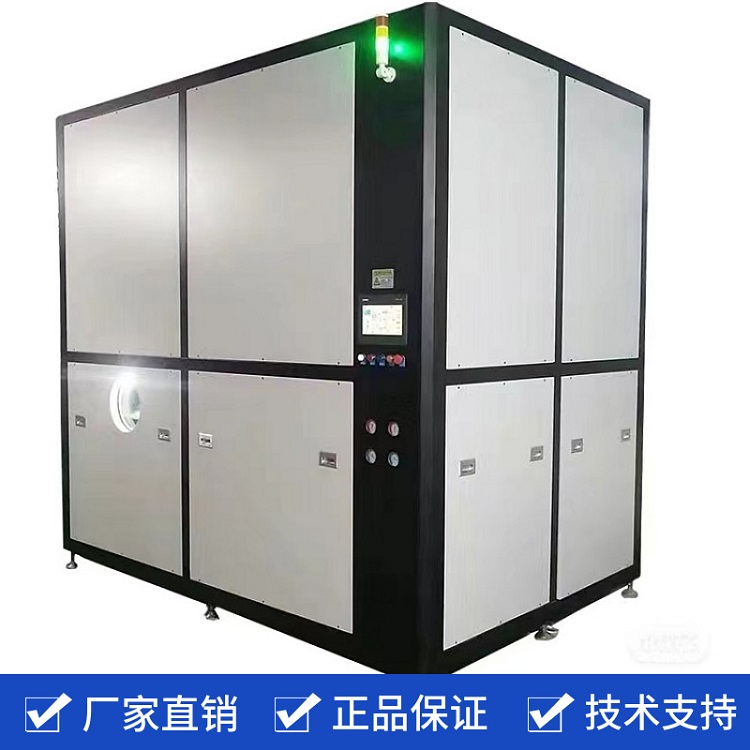
Sodium Chloride Wastewater Low-Temperature Evaporator - Intelligent Automatic - Quankun - Integrated Design
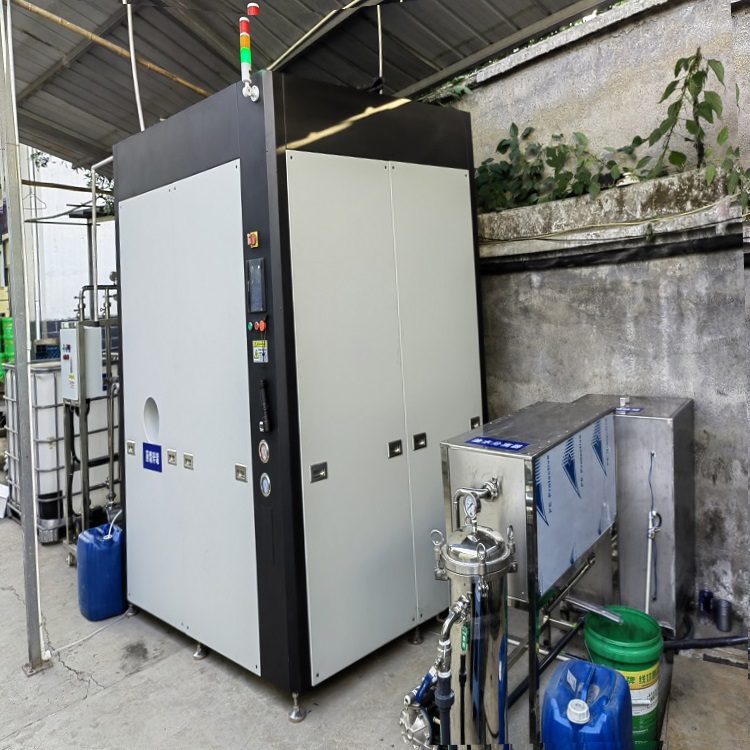
High-Concentration Oil Emulsion Waste Water Treatment Equipment - Quankun - Evaporator Unit - High Concentration Ratio
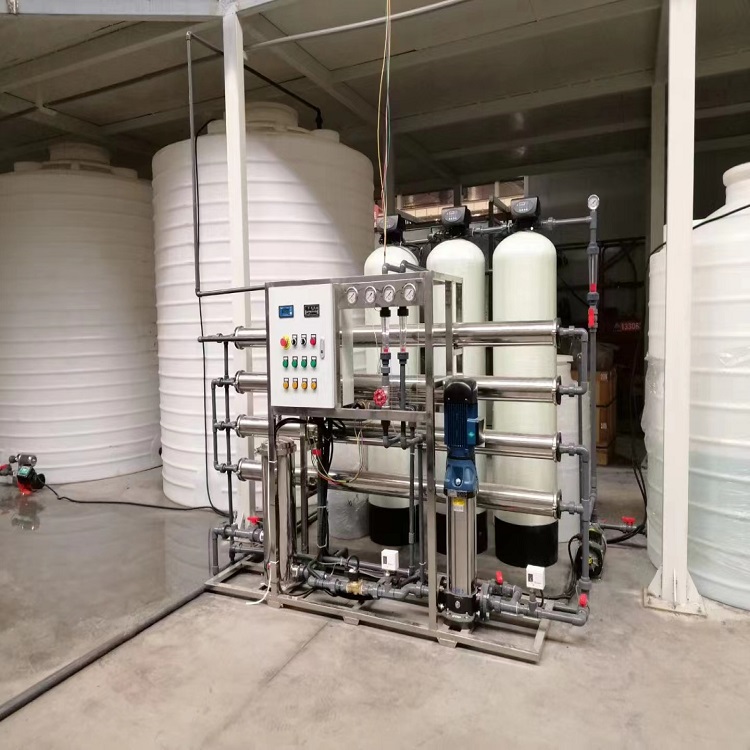
Industrial Pure Water Equipment EDI Ultra-Pure Water System Fully Automatic Control Quankun Environmental Protection
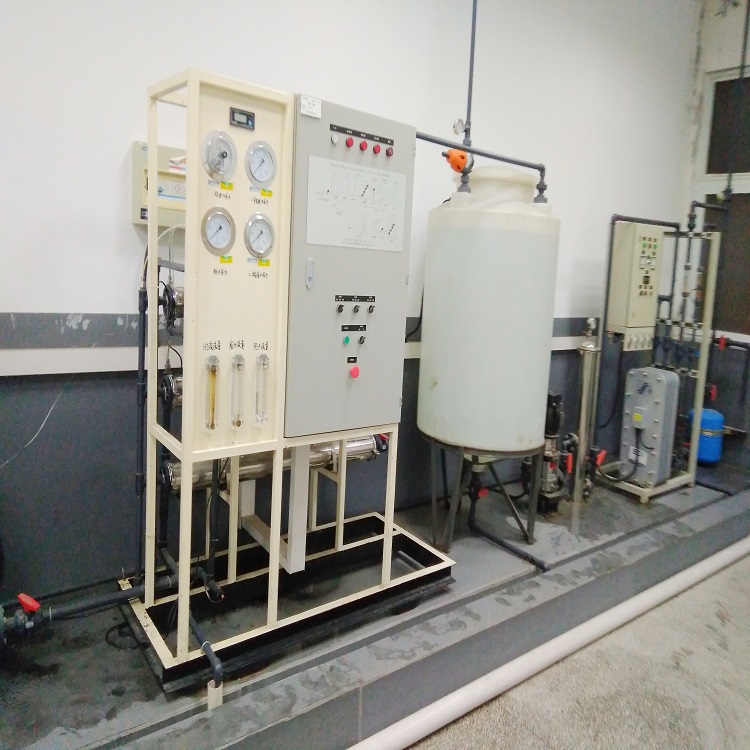
Shenzhen Industrial Ultra-Pure Water Equipment, equipped with EDI system, features low energy consumption and high degree of automation.
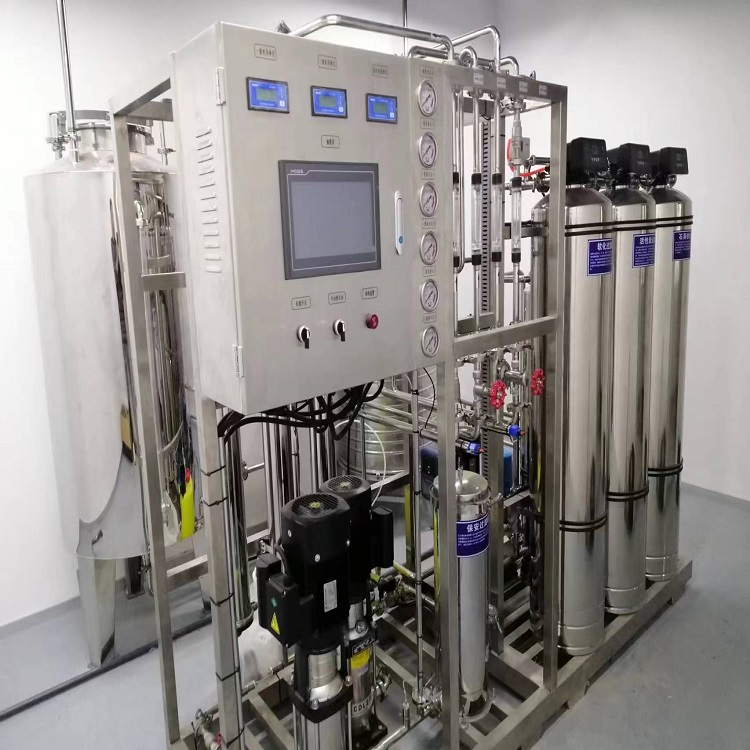
Shanghai industrial pure water production equipment reverse osmosis filtration system with high yield and customizable options, Quankun brand.
详情描述
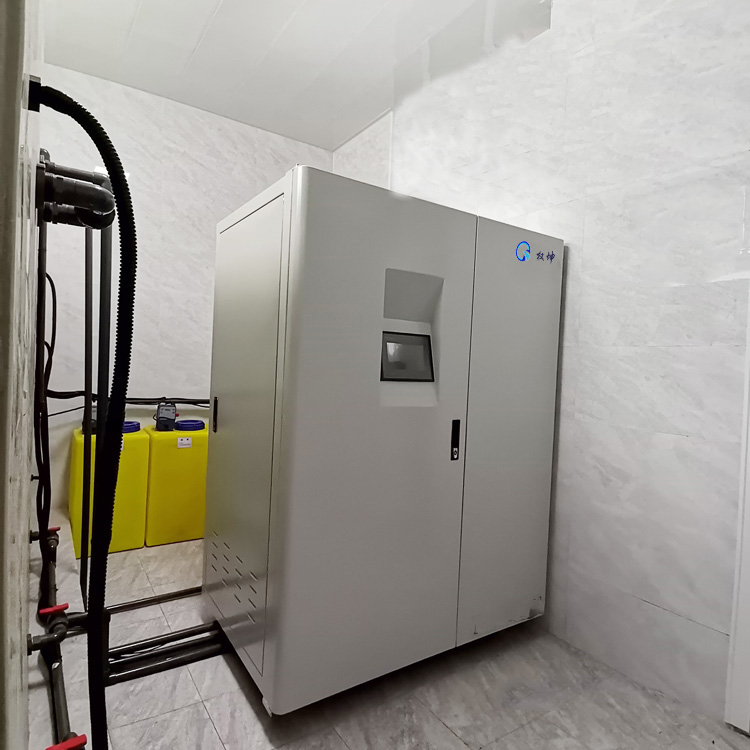
Biological Laboratory Wastewater Treatment Equipment / High Intelligent Automation / Quankun
The laboratory is a crucial location for new product development and quality control. However, wastewater from cosmetic laboratories contains various hazardous substances, posing potential threats to the environment. Therefore, designing and utilizing appropriate wastewater treatment equipment is key to ensuring the sustainable and eco-friendly operation of the lab. In many industries, cosmetic laboratory wastewater is a type of waste with special characteristics. It often contains high concentrations of organic compounds, metal ions, and toxic components, which can pose potential hazards to both the environment and ecosystems. Without proper treatment, these harmful substances could contaminate surface and groundwater, affecting the living environments of plants and animals. Hence, cosmetic laboratories require effective wastewater treatment facilities to minimize the impact of wastewater on the environment.

Operating Principle:
Physical Treatment: Removes suspended solids and particulate matter from wastewater through methods such as sedimentation, filtration, and adsorption, thereby reducing turbidity and odor.
2. Chemical Treatment: Utilizes chemical agents to react with organic and inorganic substances in wastewater, causing oxidation, decomposition, or precipitation, thereby removing harmful substances.
3. Bio-treatment: Through microbial degradation of organic matter, it reduces indicators such as COD and BOD, further purifying the wastewater.
Design Fundamentals:
1. Laboratory Comprehensive Wastewater Sources: Comprehensive wastewater generated from laboratory processes such as drug use, reagents, test solutions, cleaning, etc.
2. Laboratory comprehensive wastewater treatment capacity: T/D or L/D.
3. Comprehensive laboratory wastewater composition: inorganic substances, organic substances, biological wastewater, etc.
1) Inorganic substances: heavy metal ions, pH levels of acids and bases, halide ions, and other non-metallic ions.
a. Heavy metal ions: Mercury, cadmium, chromium, lead, manganese, silver, nickel, zinc, copper, aluminum, arsenic, and metal cations such as heavy metal ion complexes in coordination state, e.g., (Cr2O7)2-, (CuCN)-, (AuCN)-, (Ptcl6)2-, etc.
b. Acidity-alkalinity pH values: nitric acid, hydrochloric acid, sulfuric acid, hydrogen peroxide, calcium chloride, etc.
2) Organic Compounds: Organic solvents, benzene, phenols, formaldehyde, petroleum derivatives, N,N-dimethylformamide, isopropyl alcohol, piperidine, anhydrous ethanol, DIEMA, DNA synthesis waste, acetonitrile, phenic acids, oils, ethers, mixed hydrocarbons, acetophenone, sugars, proteins, organic phosphorus, etc.
3) Biologicals: Hepatitis B surface antigen, Hepatitis C antigen, Chlamydia, Mycoplasma, Spirochetes, Fungi, Brucella, Anthrax Bacillus, Chlamydia, etc.

Biological Laboratory Wastewater Treatment Equipment / High Intelligent Automation / Quankun
Design Principles:
① For the characteristics of high-concentration organic wastewater, this solution employs a combination of advanced, mature, and reliable physical and chemical treatment along with aerobic biochemical treatment processes, ensuring that the effluent meets the design requirements for all treatment indicators.
② The wastewater treatment facility operates with significant flexibility and adjustability to accommodate changes in water quality and quantity.
③ Thoroughly consider measures such as vibration reduction, noise reduction, and odor control for the wastewater treatment system to prevent secondary environmental pollution.
④ Wastewater treatment primarily utilizes aerobic biochemical treatment, with steel and concrete structures for the main structures. The layout is rationally designed according to the treatment processes, offering practicality, reliability, compact arrangement, minimal land use, cost-effective investment, and a short construction period.
⑤Easy operation and management, with simple technical requirements, enabling full automation control.


