




- AllProduct Category
-
Lab Wastewater Treatment Equipment
Lab Wastewater Treatment Equipment
Ultra-Pure Water Equipment
Membrane Separation Equipment
Pure Water Equipment
Low-Temperature Evaporator
Ultra-Pure Water System
Integrated Wastewater Treatment Equipment
Reverse Osmosis Equipment
Pure Water Equipment
Ceramic Membrane Equipment



Recommended Products
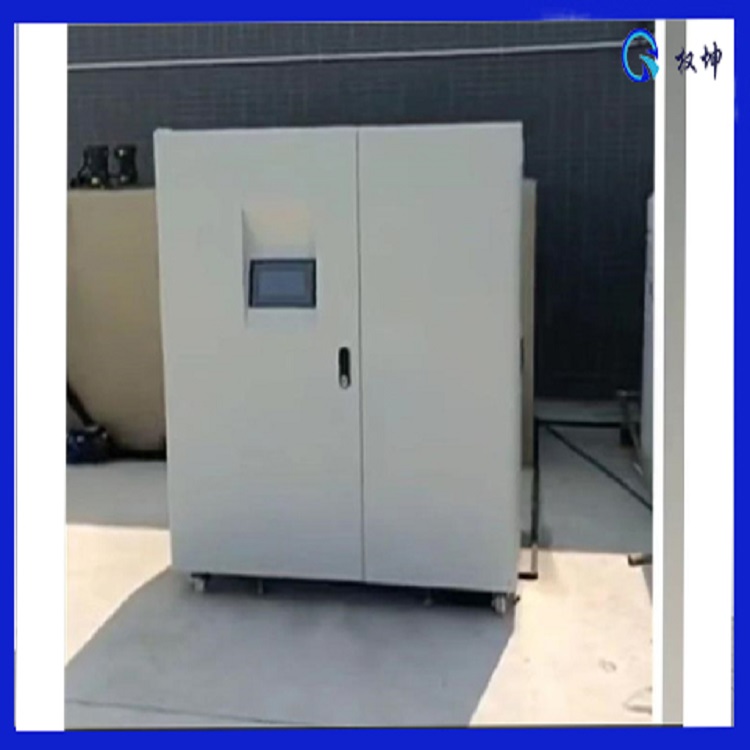
Quan Kun - Comprehensive Laboratory Waste Water Treatment Equipment - Remote Monitoring - Automated Control
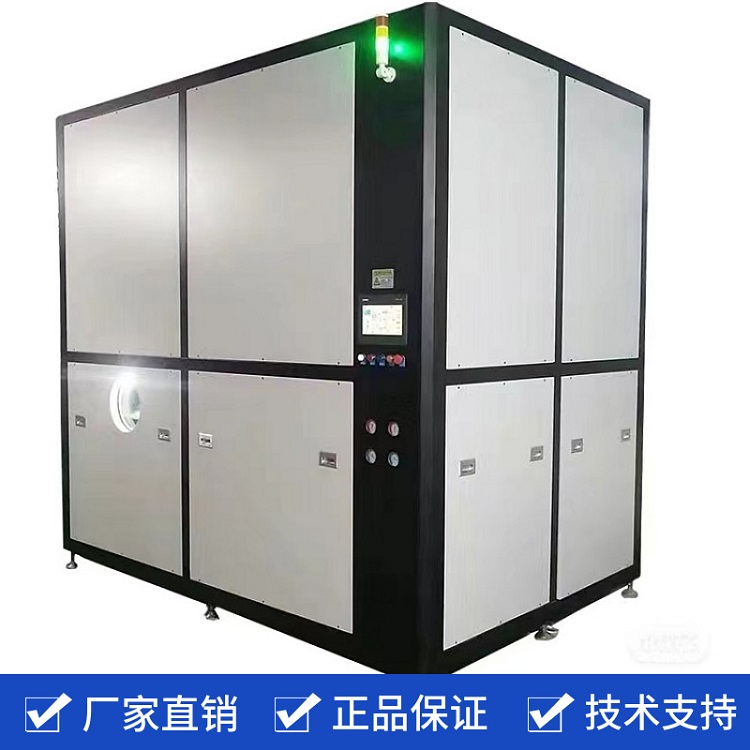
Sodium Chloride Wastewater Low-Temperature Evaporator - Intelligent Automatic - Quankun - Integrated Design
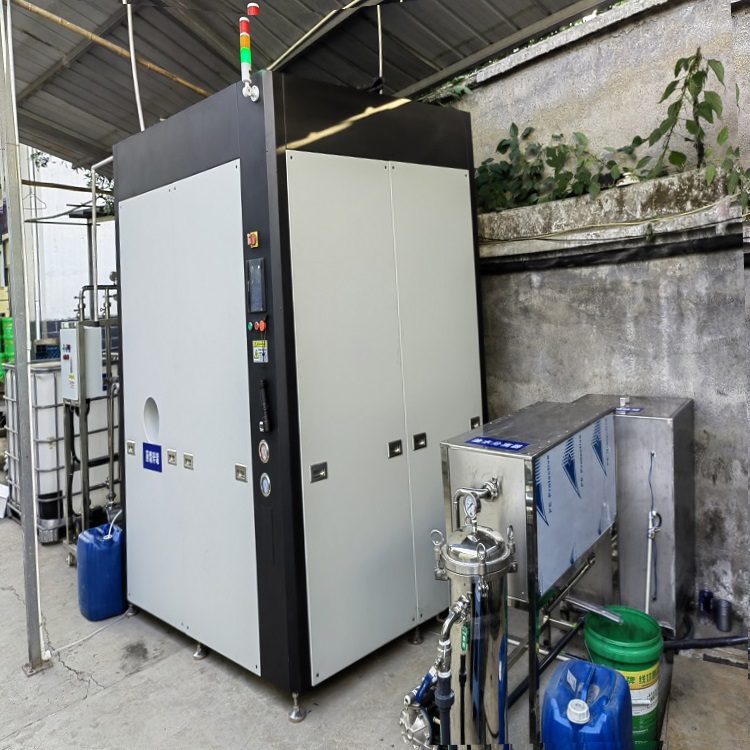
High-Concentration Oil Emulsion Waste Water Treatment Equipment - Quankun - Evaporator Unit - High Concentration Ratio
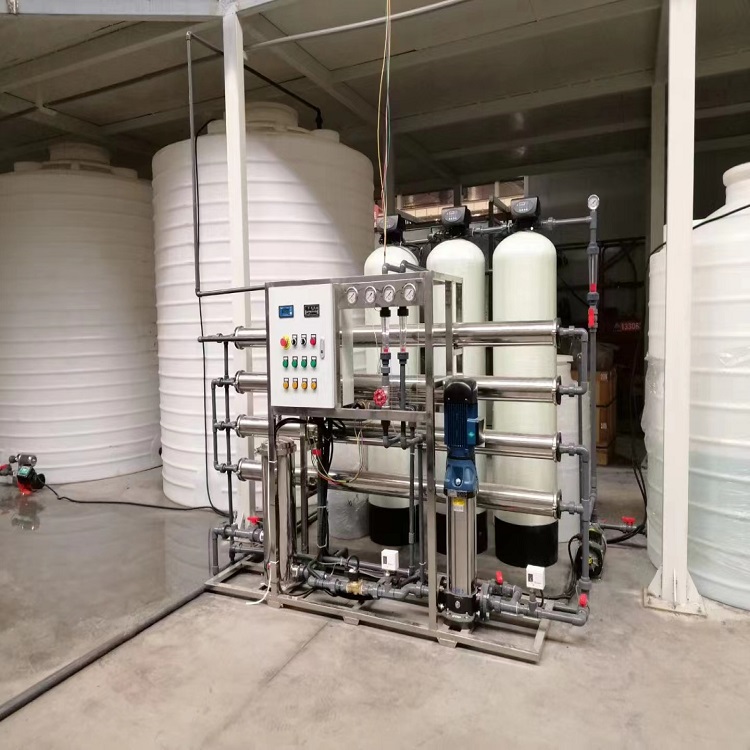
Industrial Pure Water Equipment EDI Ultra-Pure Water System Fully Automatic Control Quankun Environmental Protection
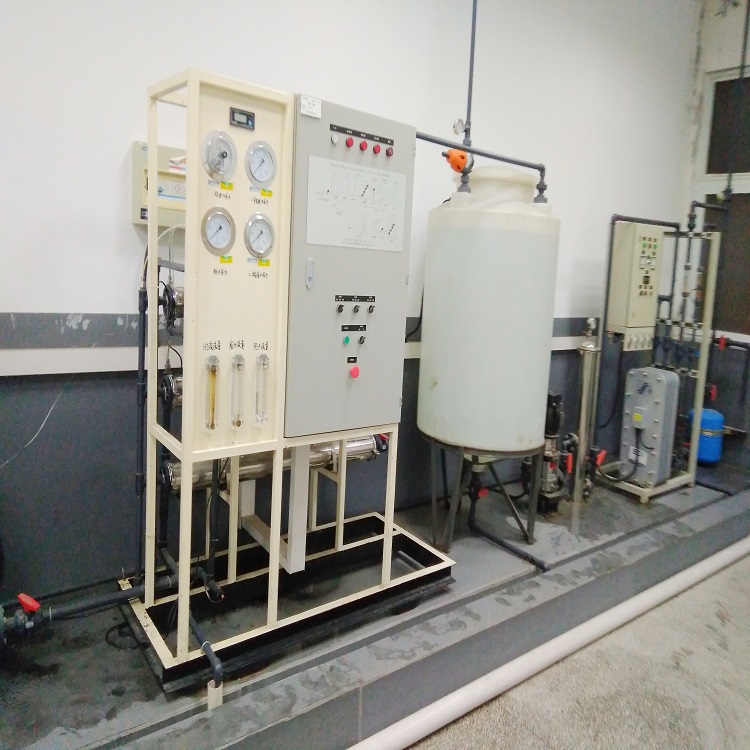
Shenzhen Industrial Ultra-Pure Water Equipment, equipped with EDI system, features low energy consumption and high degree of automation.
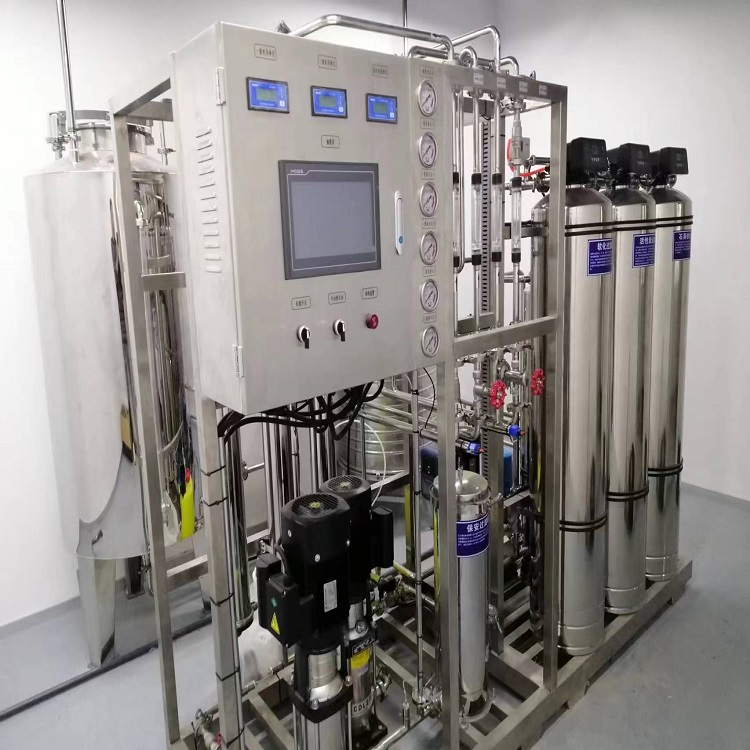
Shanghai industrial pure water production equipment reverse osmosis filtration system with high yield and customizable options, Quankun brand.
详情描述
Laboratory Cleaning Wastewater Treatment Equipment/Stable Performance
Laboratory wastewater treatment penalties are based on principles such as classified networks, on-site treatment, real-time in-situ penalties, simple operation, waste management, and cost reduction. For laboratory wastewater with high organic concentrations, strong toxicity, and unstable water quality, biological treatment is not ideal, and physical-chemical methods show a clear advantage in treating such wastewater. Different types of wastewater and compositions of pollutants require different treatment methods and levels. Organic wastewater has greater limitations and risks compared to inorganic wastewater.
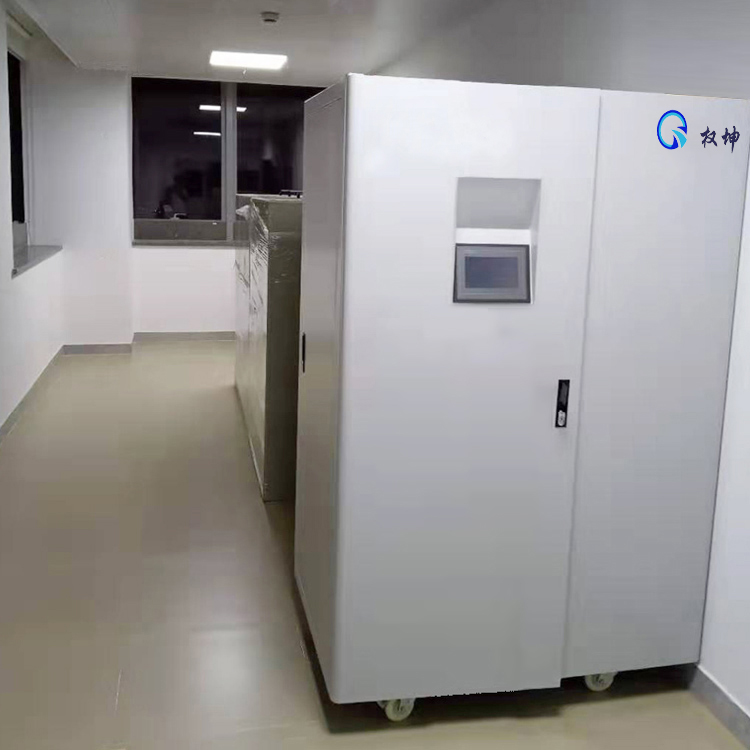
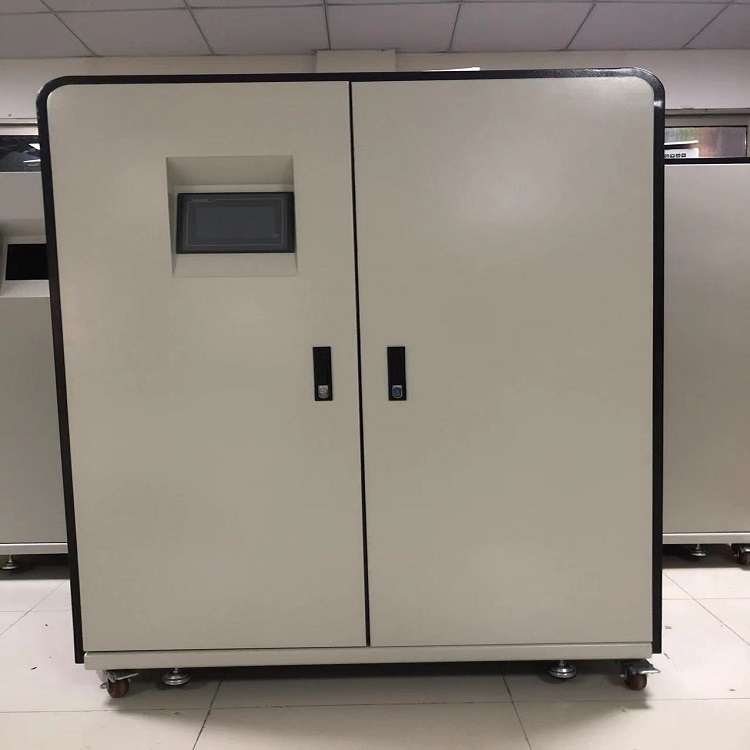
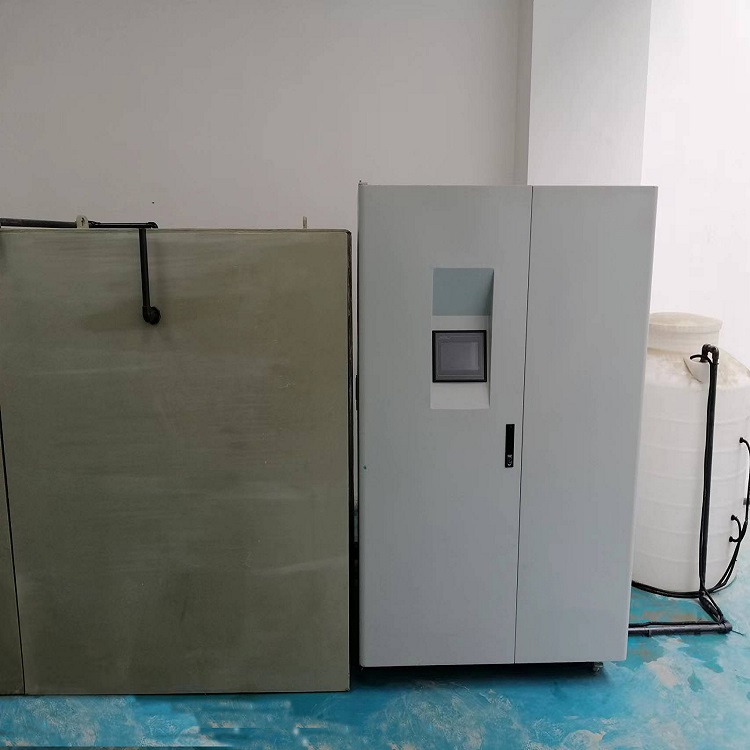
The laboratory wastewater treatment equipment uses the glass bottles below the lab as waste collection containers to prevent equipment corrosion and avoid operators from opening and processing the room daily in the morning and evening. Optional features for automatic regular shutdown at night and remote monitoring operations: Customers can remotely monitor, operate, and manage the wastewater treatment system through a microcomputer or software installed in the central room, either from their office or the central wastewater treatment room.
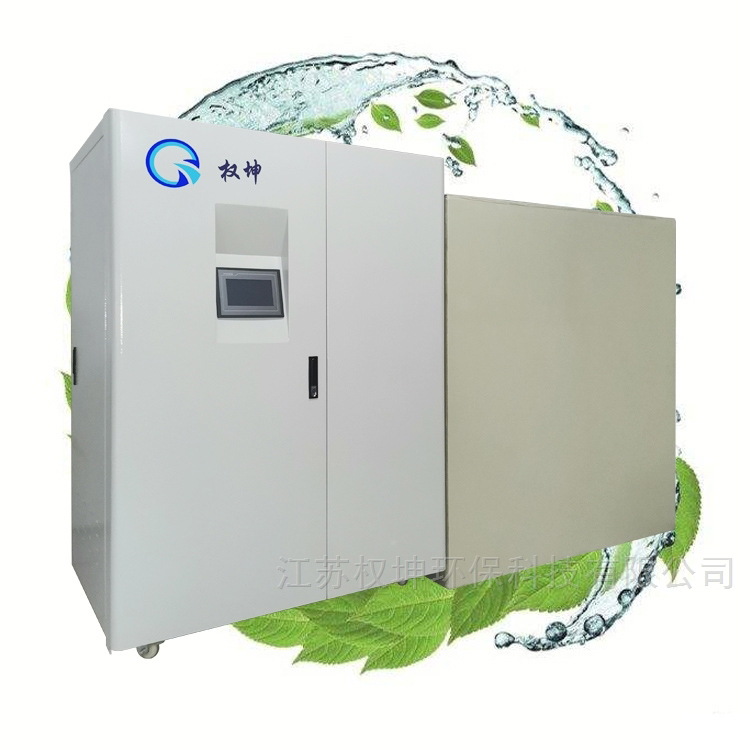
The AO microbial process in wastewater treatment equipment utilizes a plug flow microbial contact oxidation tank, which offers better treatment than complete mix or two to three-stage complete mix microbial contact oxidation tanks. Moreover, it is lighter than the activated sludge method tanks, has strong adaptability to water bodies, excellent shock resistance, stable water output, and is less prone to sludge expansion. Additionally, a new type of expandable three-dimensional packing material is used in the microbial contact oxidation tank, featuring high specific packing density, easy biofilm formation and removal, and higher removal rate of organic compounds under the same organic load compared to other packing materials, which can enhance the solubility of oxygen in the water.
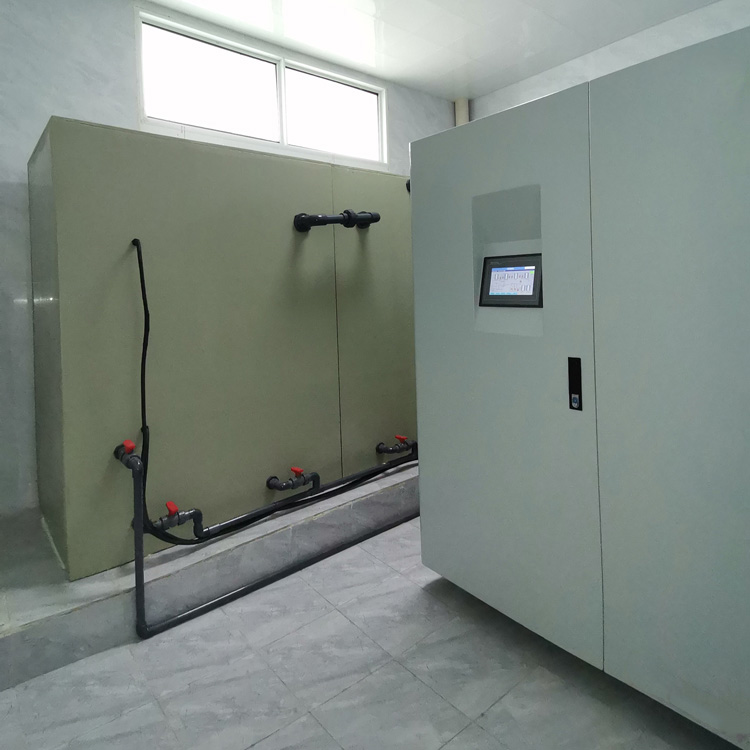
Wastewater Treatment Equipment for Laboratory Applications:
Widely used in colleges, universities, research institutions, food inspection, product quality inspection, disease control centers, environmental monitoring, agricultural product quality inspection, inspection and quarantine, grain and oil testing, animal disease control, blood stations, animal husbandry, medical institutions, hospitals, pharmaceuticals, petrochemical industries, and various laboratories and chemical laboratories for wastewater treatment. The treated wastewater meets the first, second, and third-level standards of the Comprehensive Wastewater Discharge Standard (GB8978-1996). The treated wastewater can be discharged into the municipal wastewater network or surface and river water, or it can be reused through further treatment processes.
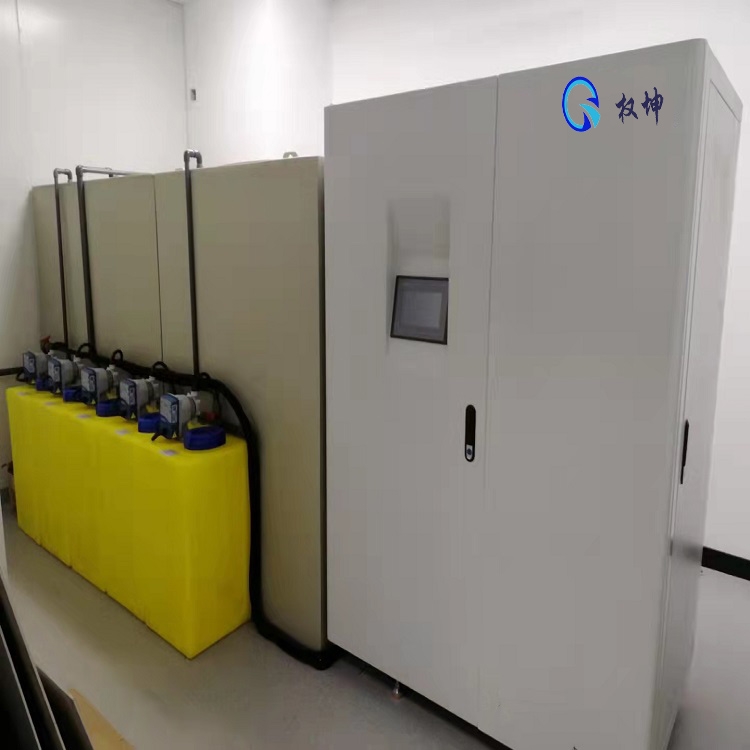
Laboratory Cleaning Wastewater Treatment Equipment / Stable Performance
Inorganic wastewater primarily contains heavy metals, metal complexes, acids and bases, cyanides, sulfides, halide ions, and other inorganic ions. Organic wastewater includes common organic solvents, organic acids, ethers, polychlorinated biphenyls, organic phosphorus compounds, phenols, petroleum products, and fatty substances. Compared to inorganic wastewater, organic wastewater has a broader range of pollution and poses more severe hazards. Different types of wastewater have varying compositions of pollutants, requiring different treatment methods and degrees.


