




- AllProduct Category
-
Lab Wastewater Treatment Equipment
Lab Wastewater Treatment Equipment
Ultra-Pure Water Equipment
Membrane Separation Equipment
Pure Water Equipment
Low-Temperature Evaporator
Ultra-Pure Water System
Integrated Wastewater Treatment Equipment
Reverse Osmosis Equipment
Pure Water Equipment
Ceramic Membrane Equipment



Recommended Products
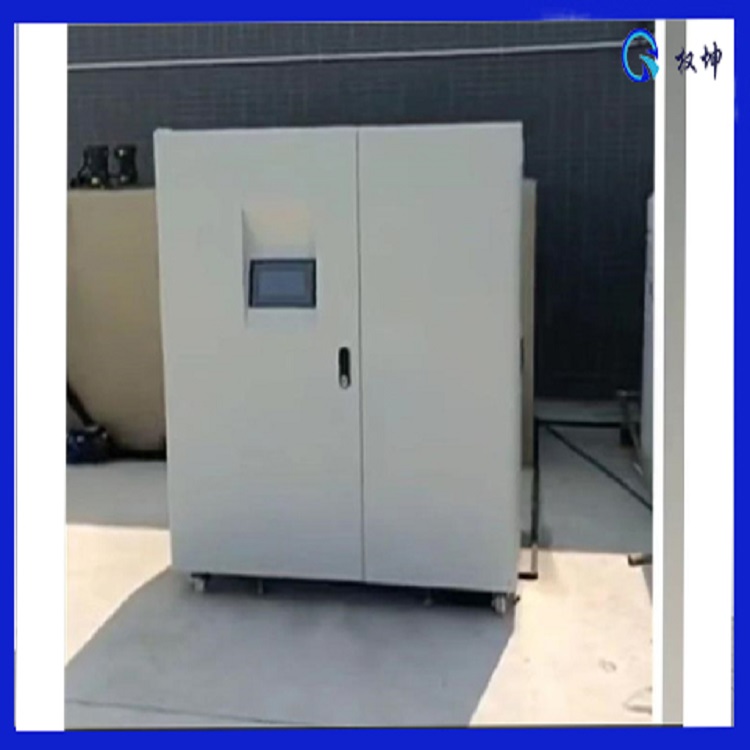
Quan Kun - Comprehensive Laboratory Waste Water Treatment Equipment - Remote Monitoring - Automated Control
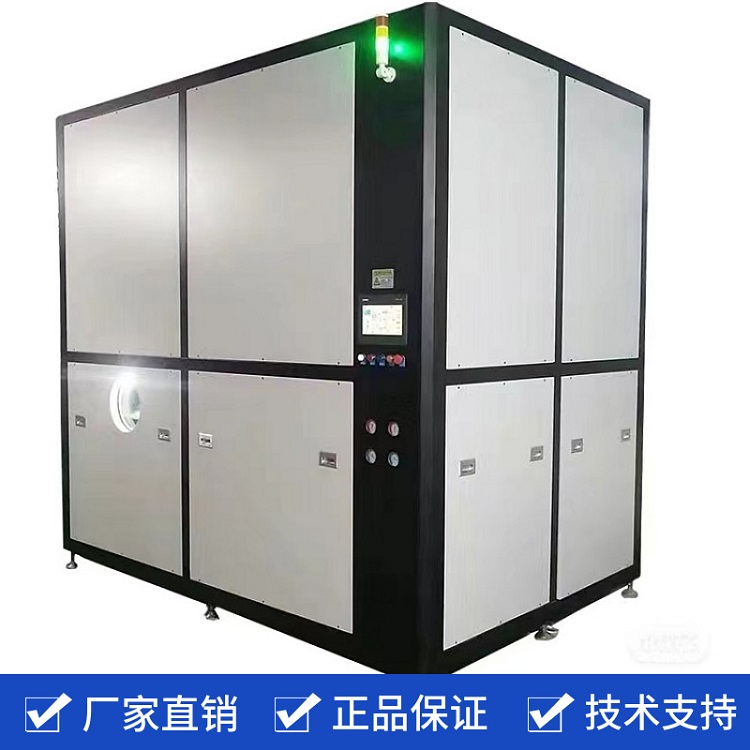
Sodium Chloride Wastewater Low-Temperature Evaporator - Intelligent Automatic - Quankun - Integrated Design
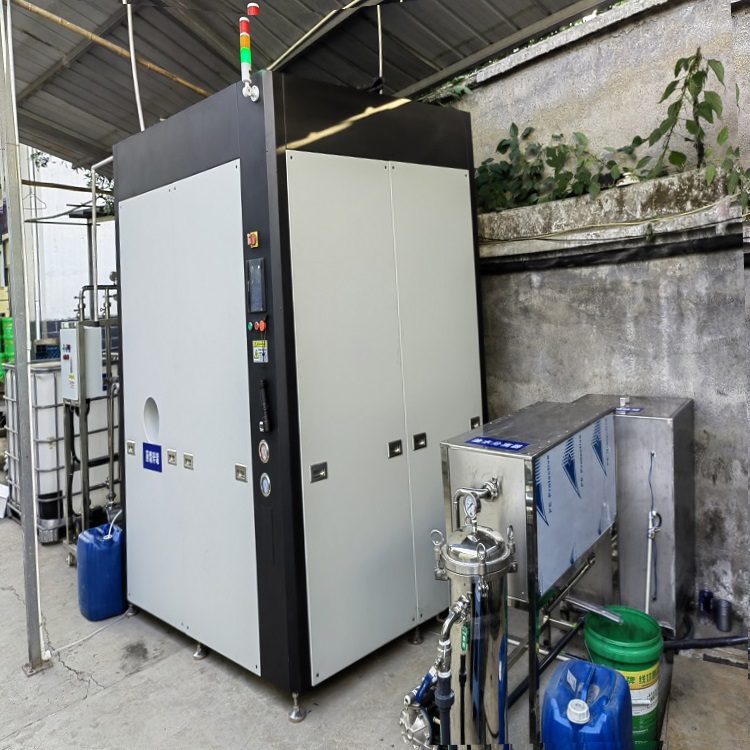
High-Concentration Oil Emulsion Waste Water Treatment Equipment - Quankun - Evaporator Unit - High Concentration Ratio
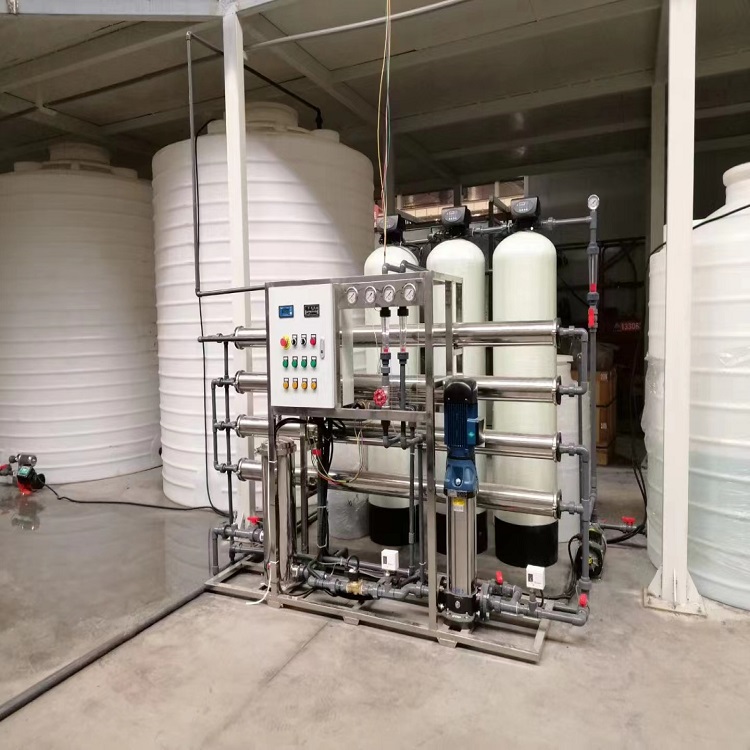
Industrial Pure Water Equipment EDI Ultra-Pure Water System Fully Automatic Control Quankun Environmental Protection
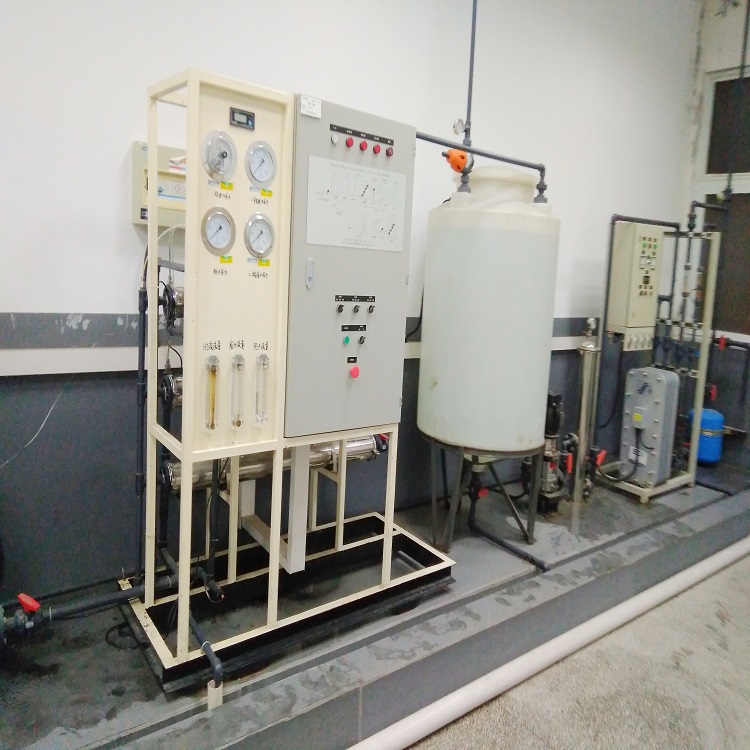
Shenzhen Industrial Ultra-Pure Water Equipment, equipped with EDI system, features low energy consumption and high degree of automation.
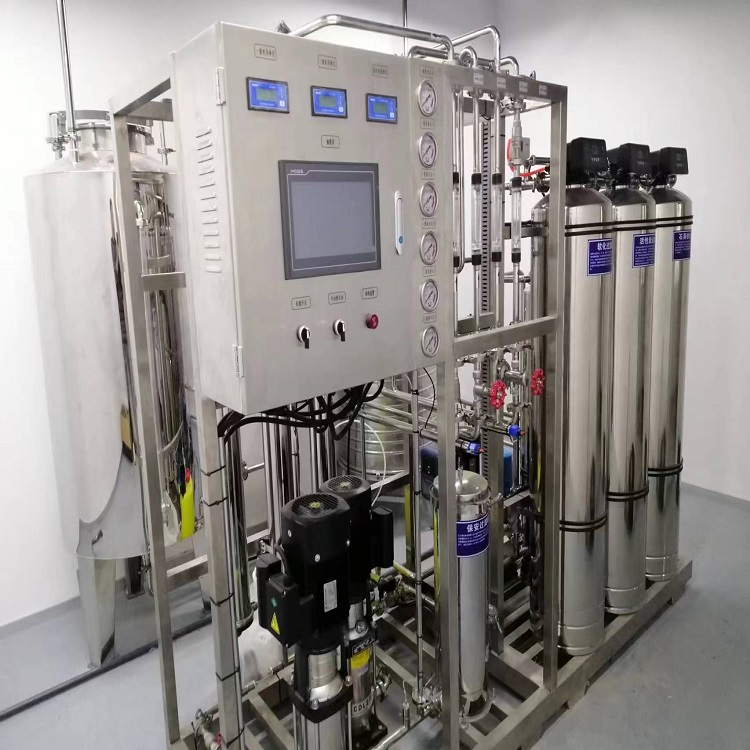
Shanghai industrial pure water production equipment reverse osmosis filtration system with high yield and customizable options, Quankun brand.
详情描述
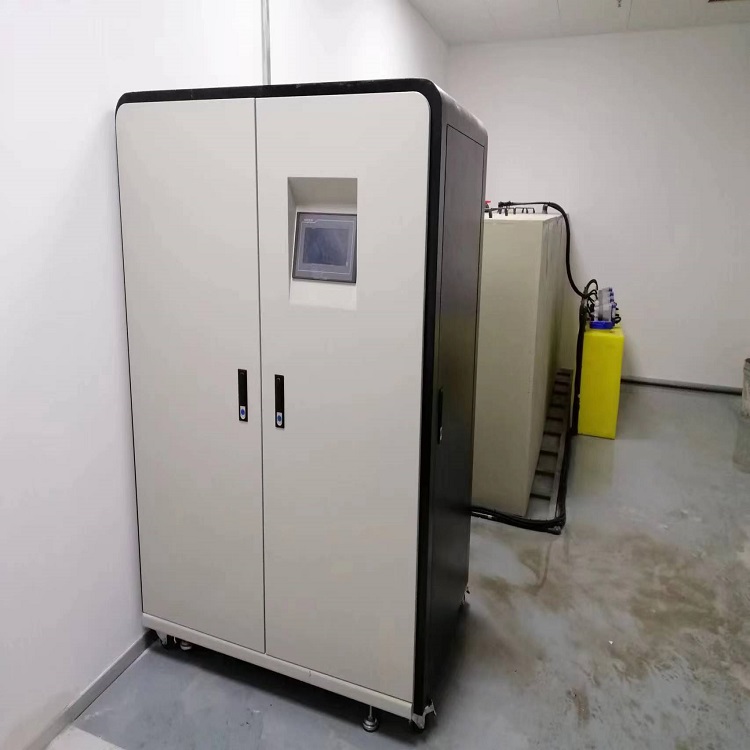
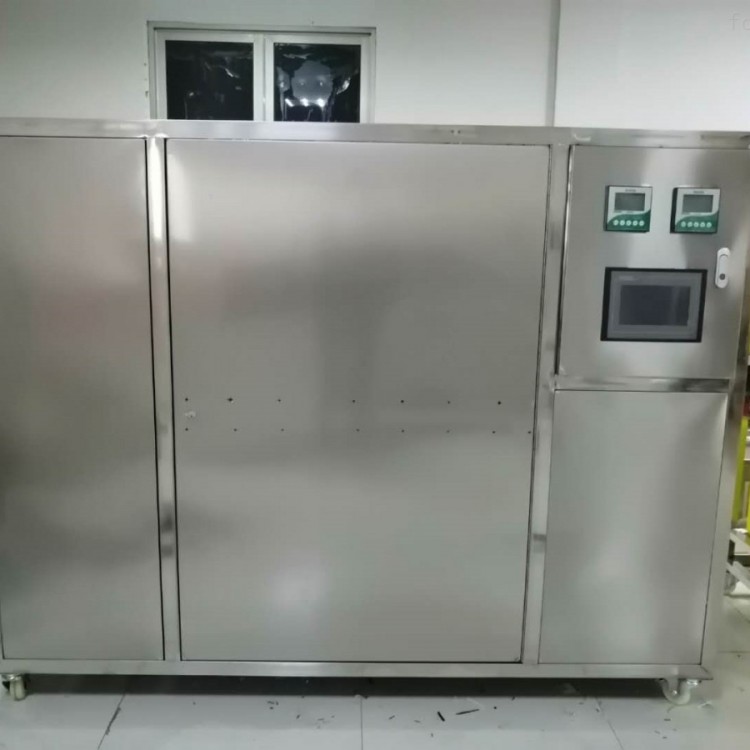
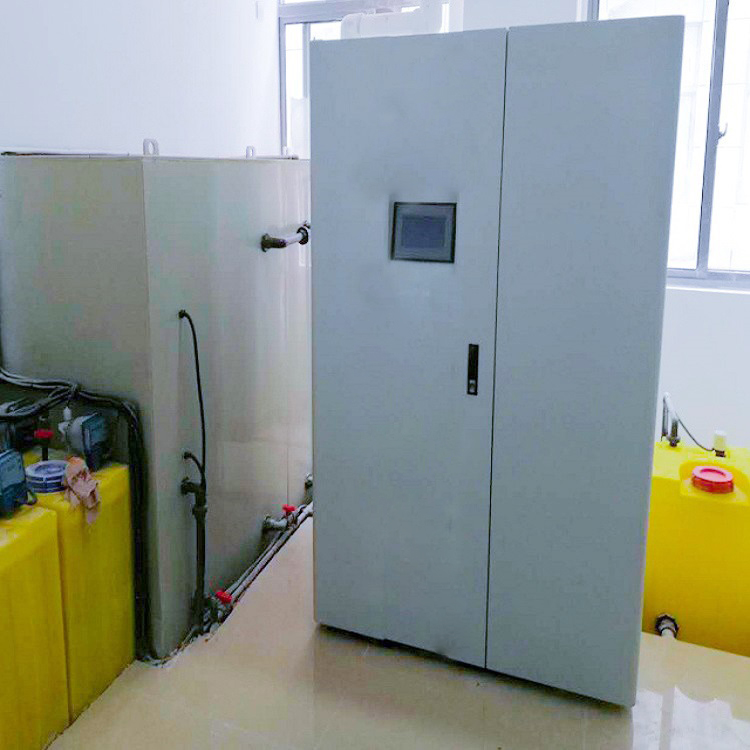
Blood Center Laboratory Wastewater Treatment Equipment - Quankun Offers Customization
Laboratory wastewater treatment equipment generally consists of three stages: primary, secondary, and advanced treatment. Primary treatment primarily removes suspended solids and sediments through physical methods, such as grilles and sand traps. Secondary treatment employs chemical and biological methods to eliminate organic matter and inorganic salts, including biofilters, sedimentation tanks, and aeration tanks. Advanced treatment is mainly focused on removing heavy metals and other difficult-to-degrade harmful substances, such as absorbents and ion exchangers.
The selection of laboratory wastewater treatment equipment should be determined based on the specific conditions of the laboratory and the characteristics of the wastewater. Generally, small laboratories can opt for small-scale biofilters or aeration ponds for treatment; large laboratories, however, require more complex treatment equipment, such as ion exchange units and absorbents.
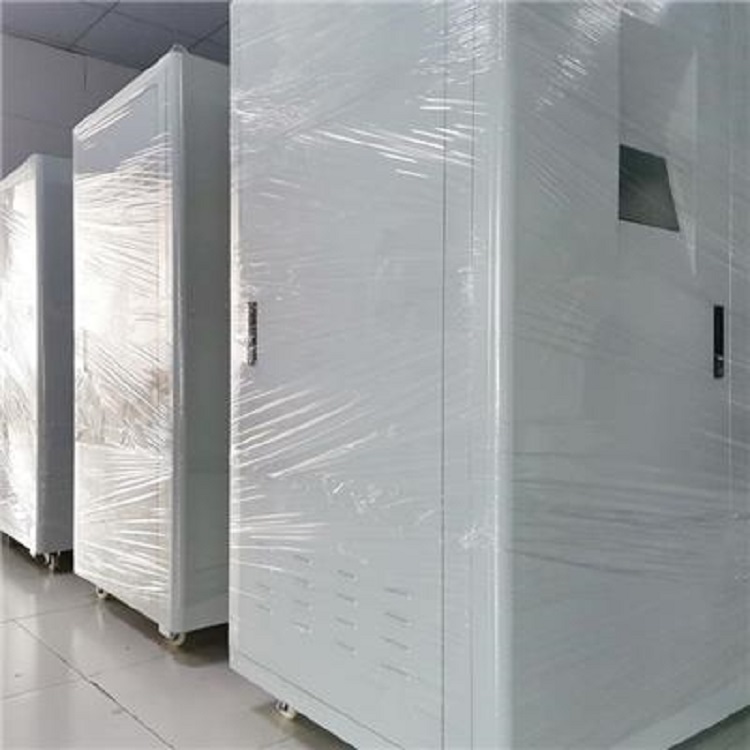
Operation Principle of Blood Laboratory Wastewater Treatment Equipment:
Blood bank laboratory wastewater is recycled back to the wastewater collection tank. Once the tank reaches a certain water level, the self-priming pump of the blood bank laboratory's wastewater treatment equipment will lift the wastewater to the equipment's regulating pool, adjusting the pH level of the blood bank laboratory wastewater to an appropriate value.
The adjusted blood station laboratory wastewater is fed into a sedimentation pond, where the wastewater undergoes coagulation and flocculation sedimentation treatment before the supernatant is collected into a clear water pond.
Blood laboratory wastewater treatment equipment generally features various treatment processes, including multiple disinfection and sterilization modes such as ozone, ultraviolet light, and chlorine dioxide, to sterilize and disinfect the filtered wastewater.
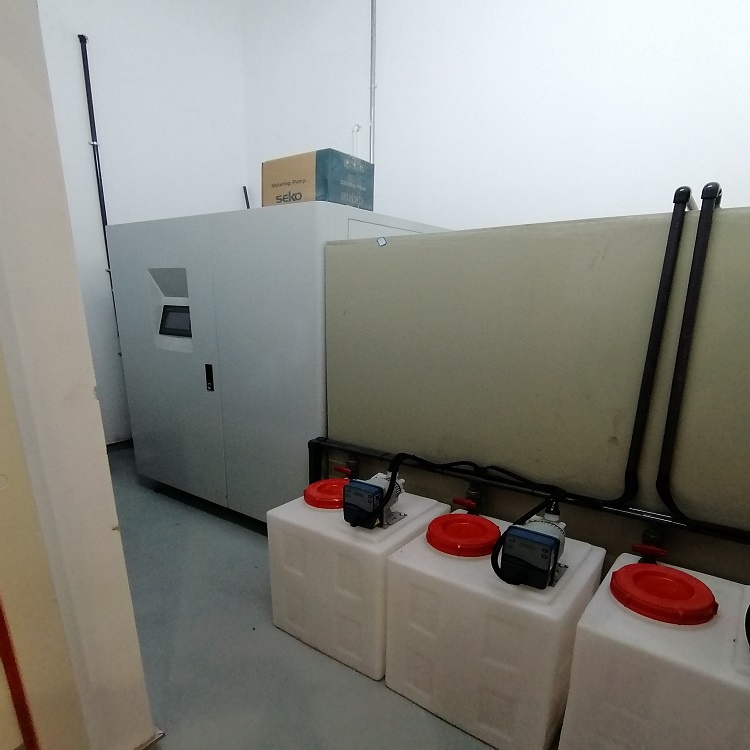
Equipment Features:
1. Fully automatic control
2. Compact structure, small land area
3. Low total cost, corrosion-resistant, and long service life
4. Low handling fees, stable water quality upon discharge
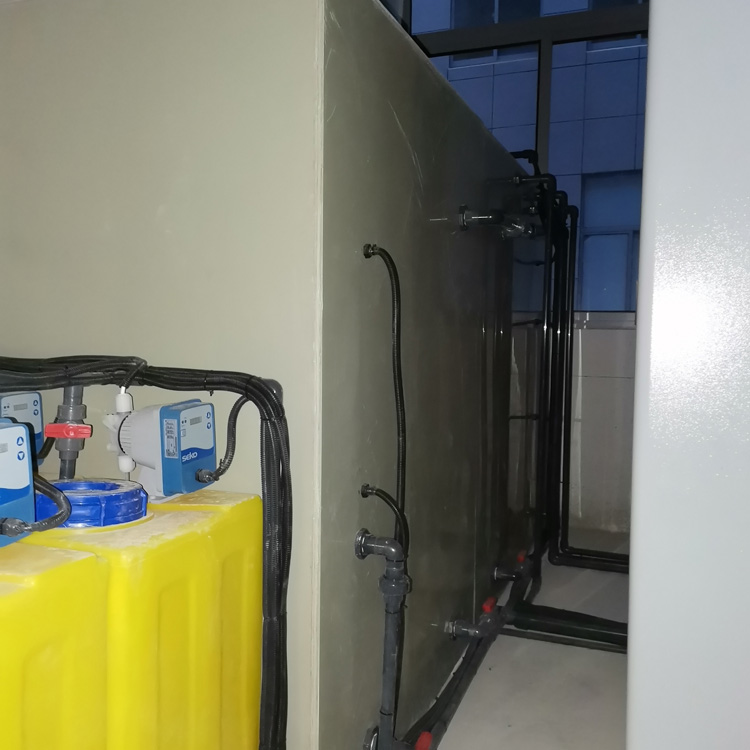
Process Features:
1. Treat various pollutants in wastewater with technologies such as neutralization and precipitation, chemical oxidation, heavy metal capture, photocatalytic reaction, micro-electrolysis, ozone oxidation, and multi-media filtration; 2. Monitor and control the water quality and treatment process of wastewater in real-time with a microcomputer program, ensuring around-the-clock automatic operation without the need for constant supervision; 3. Accurately control the dosage of chemicals using a pH meter and imported metering pumps, with features like liquid level control, low-drug alarms, and automatic sludge removal; 4. Utilize advanced aeration equipment for thorough gas-water contact and complete reaction; 5. Easy to operate, stable in performance, long lifespan, and low in operation and maintenance costs; 6. Takes up minimal space, can be installed indoors or outdoors depending on different situations; 7. Custom design and manufacturing based on customers' specific requirements.
Blood Center Laboratory Wastewater Treatment Equipment - Quankun Customizable Support
Blood bank laboratory wastewater poses a risk of secondary pollution. To prevent issues with substandard treatment of blood bank laboratory wastewater, Quankun recommends using professional blood bank laboratory wastewater treatment equipment to process the laboratory wastewater to meetCompliance with GB18466-2005 standards ensures the proper discharge, thus preventing direct sewage pollution of the surrounding environment.


