





- AllProduct Category
-
Lab Wastewater Treatment Equipment
Lab Wastewater Treatment Equipment
Ultra-Pure Water Equipment
Membrane Separation Equipment
Pure Water Equipment
Low-Temperature Evaporator
Ultra-Pure Water System
Integrated Wastewater Treatment Equipment
Reverse Osmosis Equipment
Pure Water Equipment
Ceramic Membrane Equipment



Recommended Products
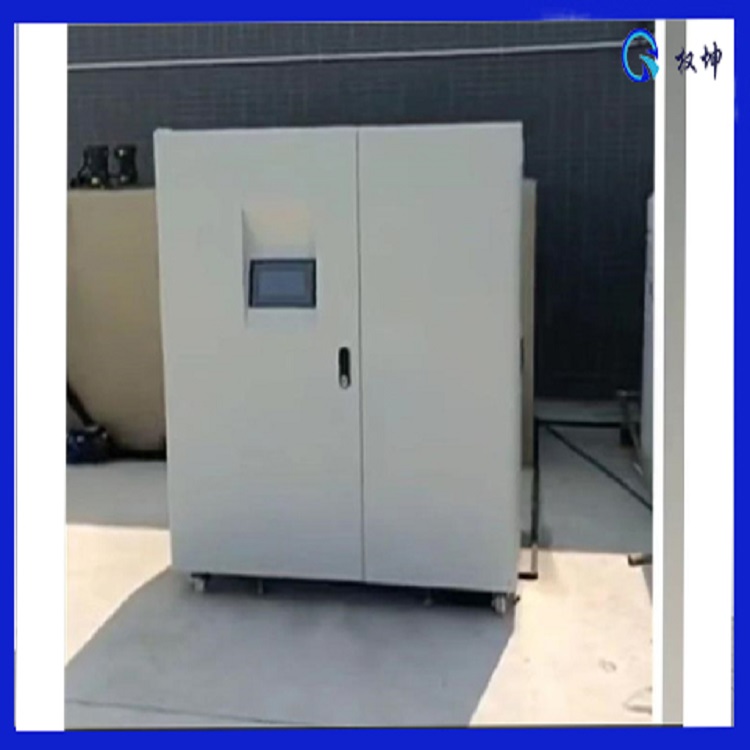
Quan Kun - Comprehensive Laboratory Waste Water Treatment Equipment - Remote Monitoring - Automated Control
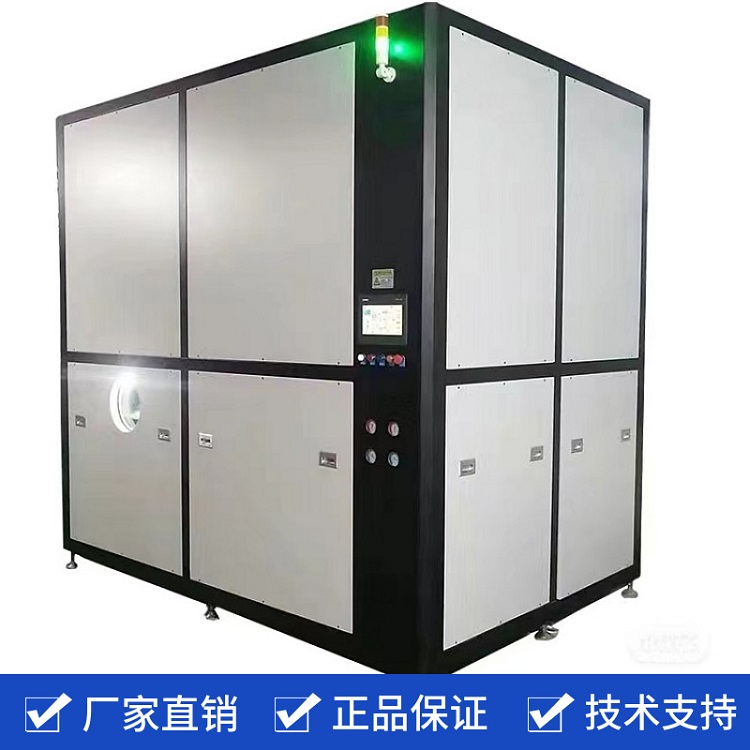
Sodium Chloride Wastewater Low-Temperature Evaporator - Intelligent Automatic - Quankun - Integrated Design
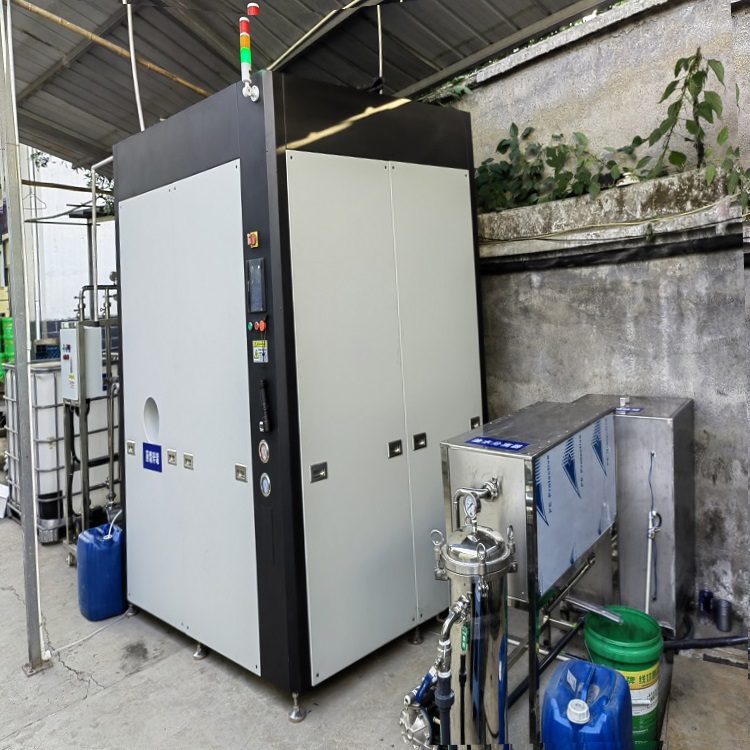
High-Concentration Oil Emulsion Waste Water Treatment Equipment - Quankun - Evaporator Unit - High Concentration Ratio
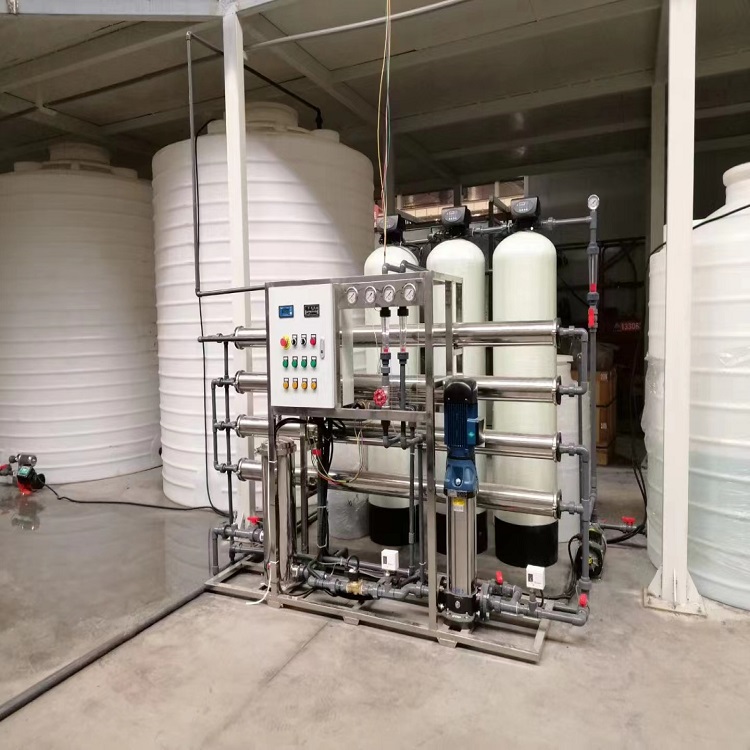
Industrial Pure Water Equipment EDI Ultra-Pure Water System Fully Automatic Control Quankun Environmental Protection
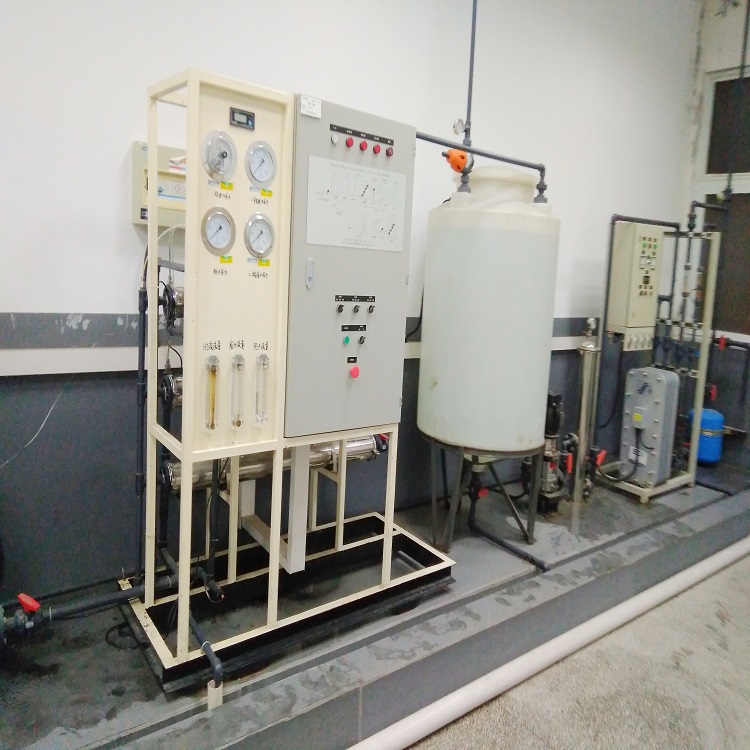
Shenzhen Industrial Ultra-Pure Water Equipment, equipped with EDI system, features low energy consumption and high degree of automation.
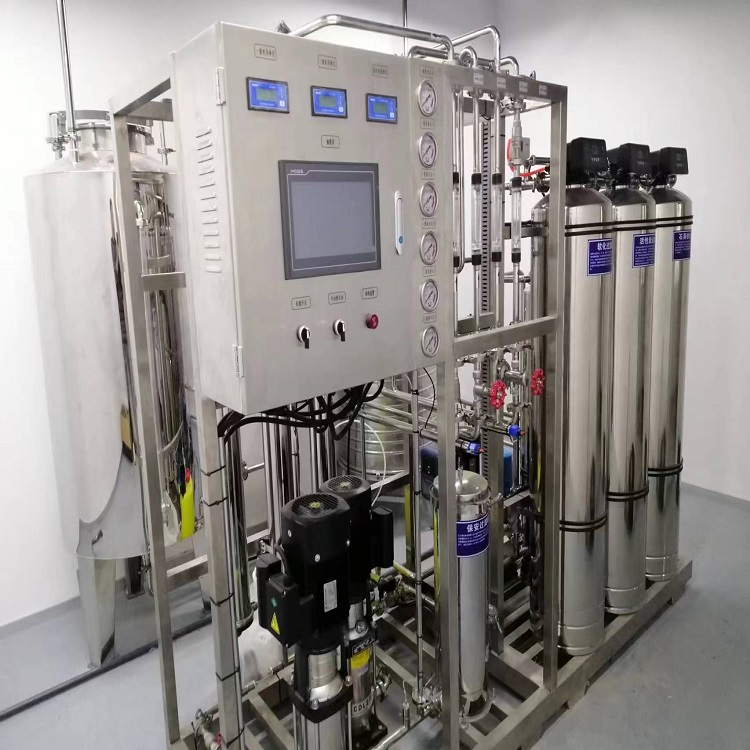
Shanghai industrial pure water production equipment reverse osmosis filtration system with high yield and customizable options, Quankun brand.
详情描述
Laboratory Wastewater Integrated Treatment Equipment - Wastewater Treatment Equipment Manufacturer
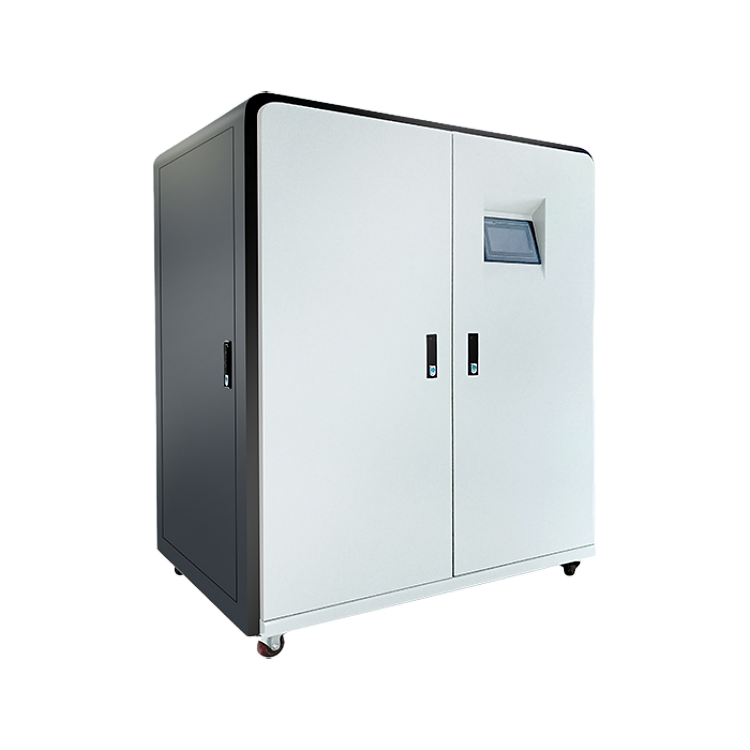
Equipment Overview:
Wastewater primarily originates from the external sampling of the owner's research, laboratory, and monitoring departments. The discharge volume is relatively small and varies significantly over time. The pollution components are complex and unstable, mainly including various discarded acids and alkalis, toxic organic compounds, heavy metals, pathogenic microorganisms, and more.
Operating Principle:
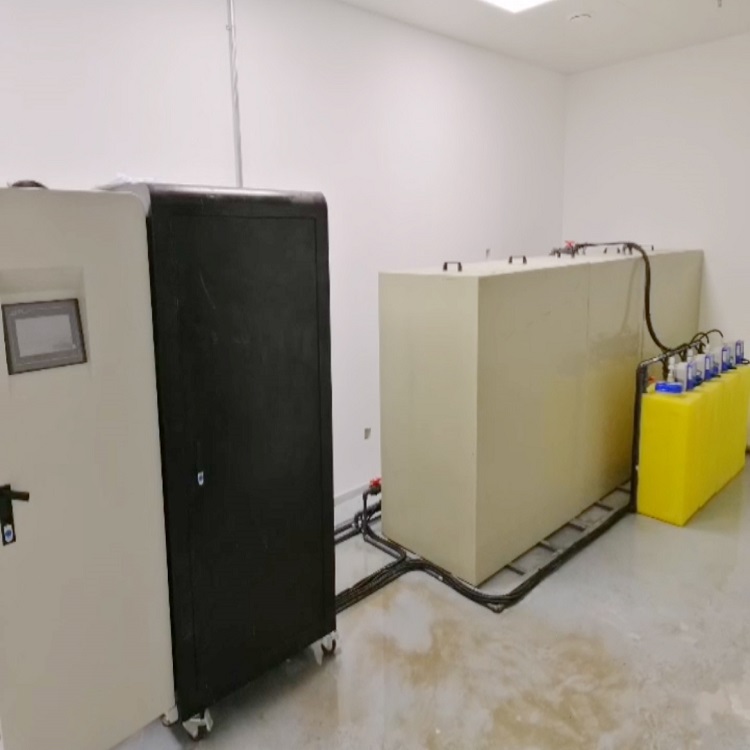
Laboratory wastewater treatment equipment primarily utilizes coagulation, sedimentation, oxidation, and high-efficiency sterilization to remove and eliminate bacteria, heavy metals, COD, viruses, and other contaminants from biological wastewater. Within a certain pH range, it can kill all microorganisms, including bacterial spores, fungal spores, mycobacteria, and various infectious viruses like hepatitis viruses. The wastewater treatment process employs automatic control, requiring no constant supervision by personnel.
Product Features:
Utilizing dissolution method, featuring automatic controlled release and pressure-chlorination process design, the disinfectant is produced by mixing water with a solid reagent containing over 80% CL, which is then introduced into the required pool (well) for thorough contact and sterilization.
Equipment Performance:
1. The product boasts wide practicality, adaptable to wastewater treatment in various laboratories.
2. Leaking automatic protection, high/low voltage automatic protection, no wastewater protection, and level protection functions.
3. Scheduled Auto-Cleaning Function: The system automatically cleans the necessary parts at scheduled intervals, extending their service life.
4. The product is centrally controlled, with a high degree of automation, requiring no dedicated on-site supervision.
5. Product Timer On/Off Function: The equipment can be set to automatically turn on in the morning and turn off at night according to the customer's needs. Once the time is set, the device will automatically turn on at the scheduled time every morning and turn off at the scheduled time every evening, eliminating the need for the operator to manually turn on and off the equipment in the morning and evening.
6. Dynamic product operation, digital metrics, excellent processing results.
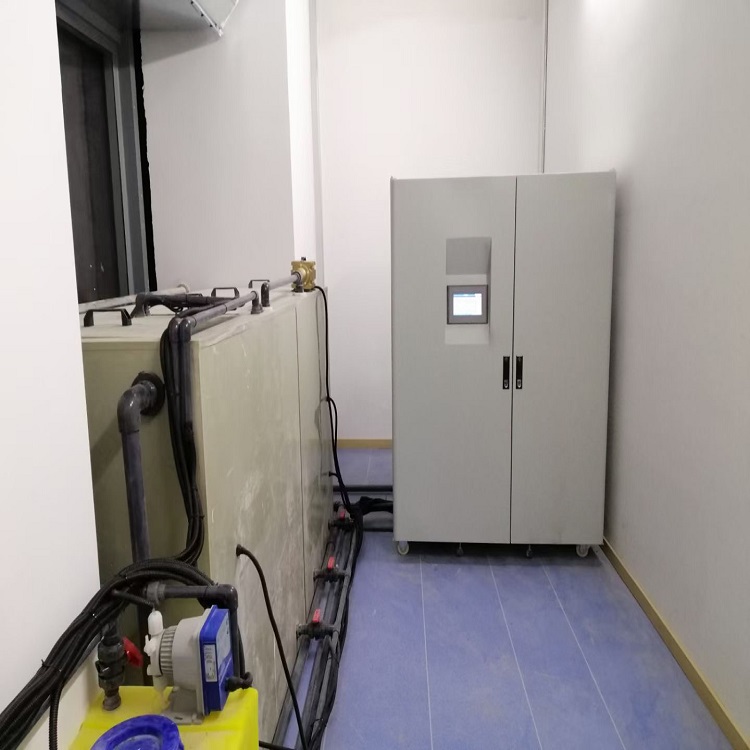
7. The product is designed for "one-stop" service, featuring integrated equipment with aesthetic appearance and minimal land occupation.
8. Equipped with a PLC programmable intelligent control system and a human-machine interface operation screen: LCD Chinese display, clock and language setting functions.
9. Remote Monitoring and Operation Function: Customers can remotely monitor, operate, and manage the wastewater treatment equipment in the wastewater treatment room through the remote control software installed on a computer or control console in their office or control room, obtaining real-time updates on equipment performance and status.
10. System PIN Code Lock: Separates management and usage rights of the device, ensuring normal and safe operation; built-in automatic sterilization program for automated sterilization.
11. Automatically records and manages water quality data (pH level) and can generate reports for printing; remote command control: remote power on, remote power off, remote restart, etc.
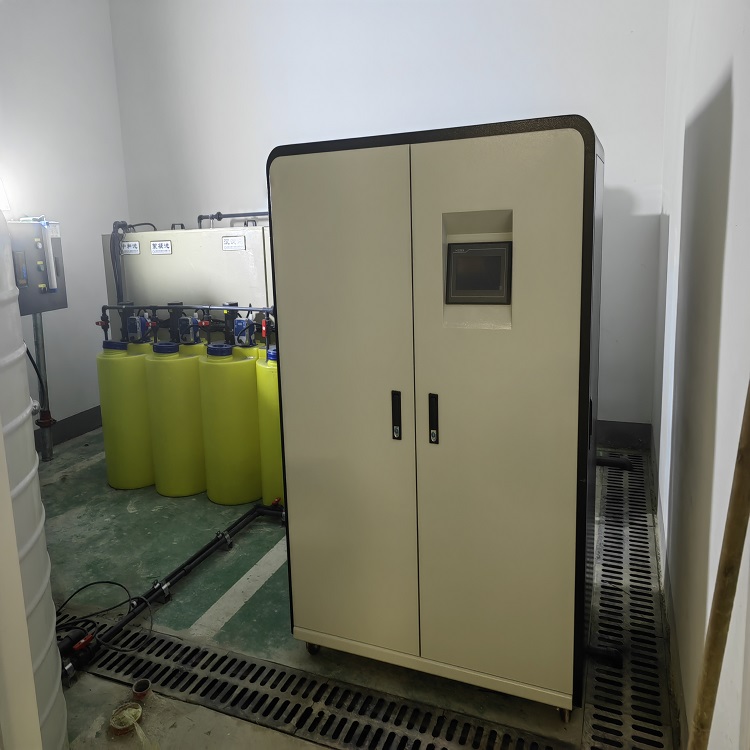
Integrated Laboratory Wastewater Treatment Equipment - Wastewater Treatment Equipment Manufacturer
Process Description:
Wastewater is collected and homogenized in a collection tank, then flows into a neutralization reaction tank where a measured amount of acid (or alkali) solution is added according to the water quality characteristics for neutralization. The neutralized wastewater is then pumped to a filter tank for filtration. Simultaneously, a measured amount of净水剂 solution is also introduced to cause flocculation reactions in the pollutants, enhancing the filtration efficiency. The filtered clean water is disinfected by an ozone sterilizer before flowing into a biological activated carbon tank, where fine pollutants are further intercepted and adsorbed. The treated clean water is then directly discharged into the urban sewage network.


