



- AllProduct Category
-
Lab Wastewater Treatment Equipment
Lab Wastewater Treatment Equipment
Ultra-Pure Water Equipment
Membrane Separation Equipment
Pure Water Equipment
Low-Temperature Evaporator
Ultra-Pure Water System
Integrated Wastewater Treatment Equipment
Reverse Osmosis Equipment
Pure Water Equipment
Ceramic Membrane Equipment



Recommended Products
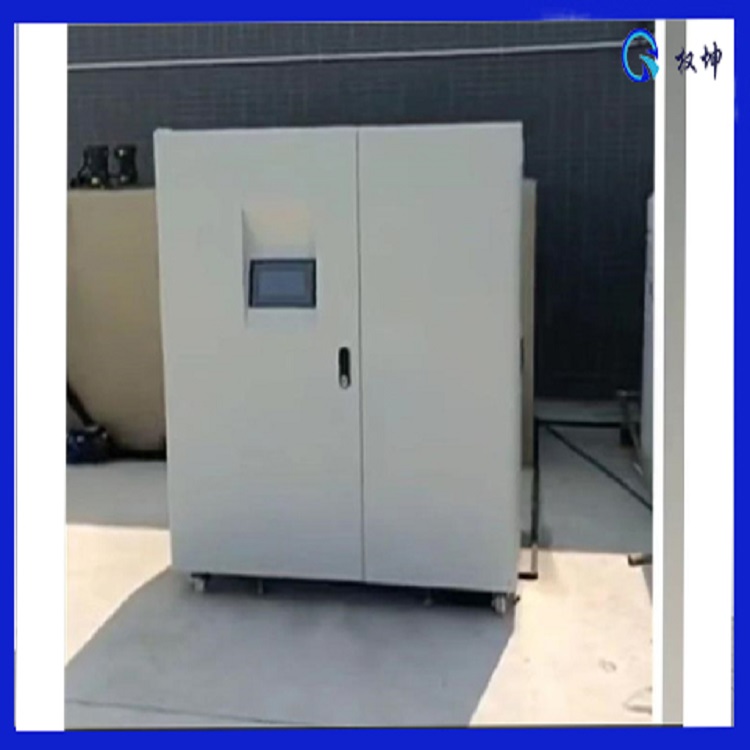
Quan Kun - Comprehensive Laboratory Waste Water Treatment Equipment - Remote Monitoring - Automated Control
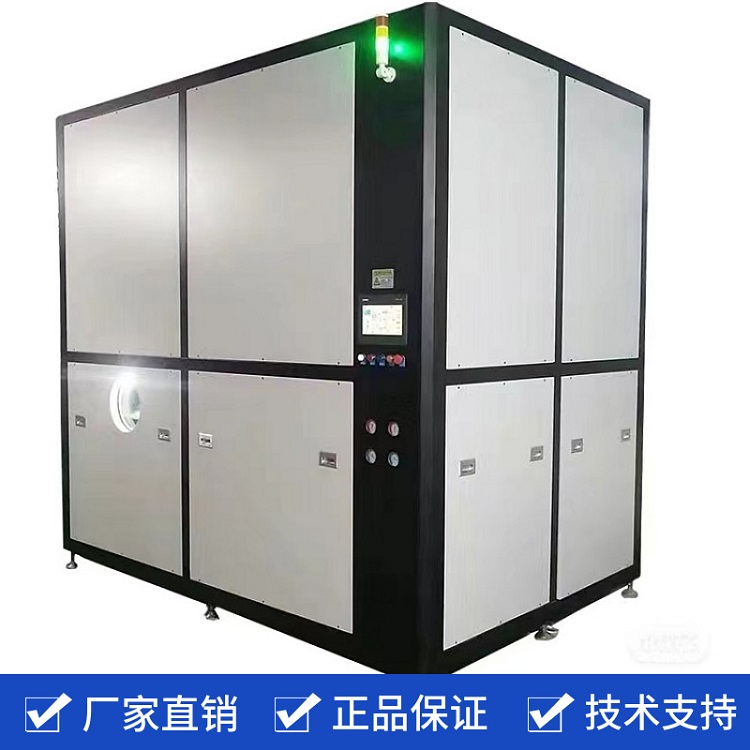
Sodium Chloride Wastewater Low-Temperature Evaporator - Intelligent Automatic - Quankun - Integrated Design
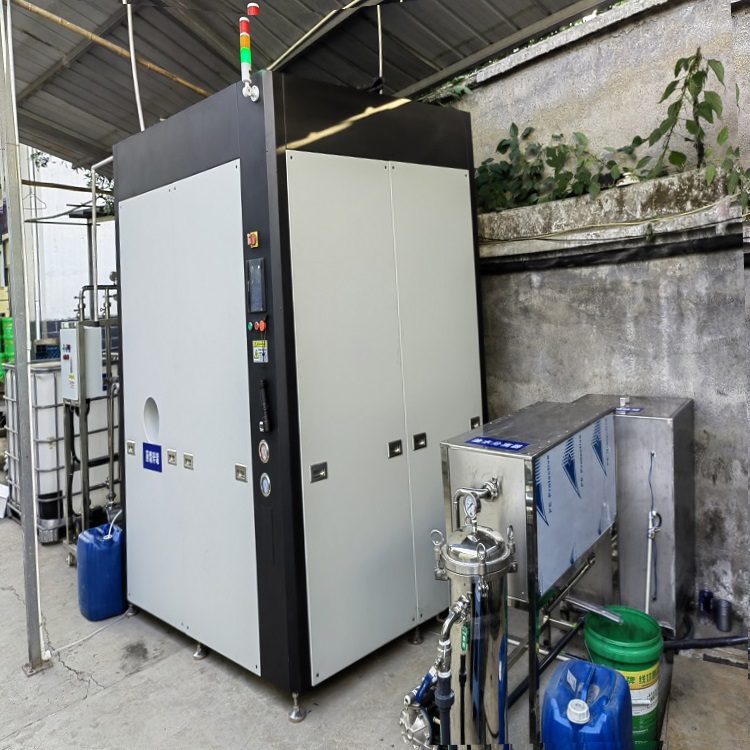
High-Concentration Oil Emulsion Waste Water Treatment Equipment - Quankun - Evaporator Unit - High Concentration Ratio
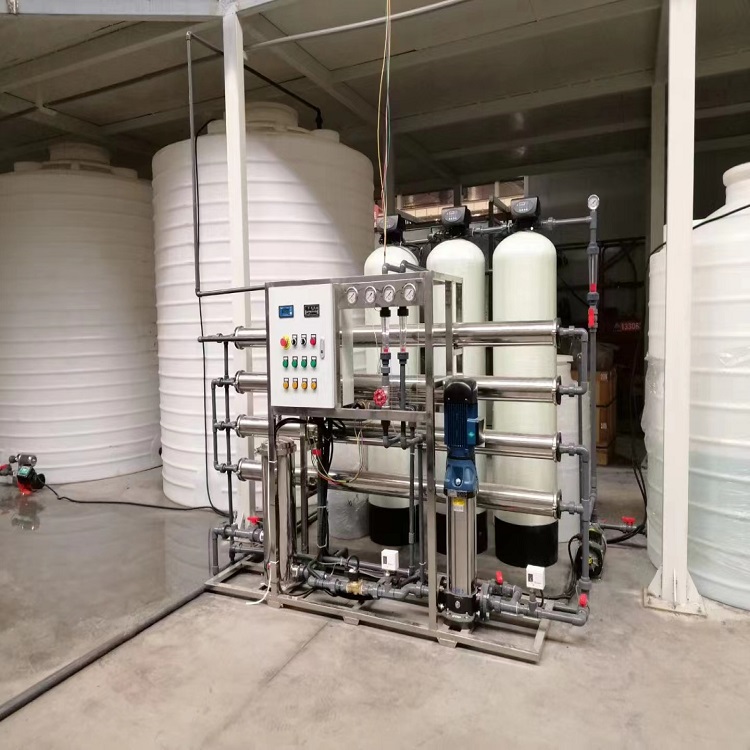
Industrial Pure Water Equipment EDI Ultra-Pure Water System Fully Automatic Control Quankun Environmental Protection
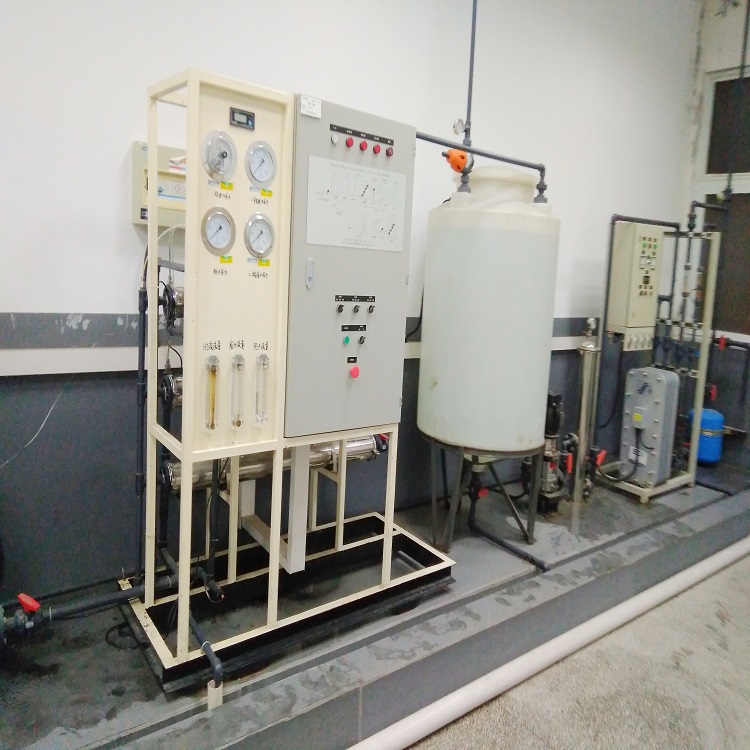
Shenzhen Industrial Ultra-Pure Water Equipment, equipped with EDI system, features low energy consumption and high degree of automation.
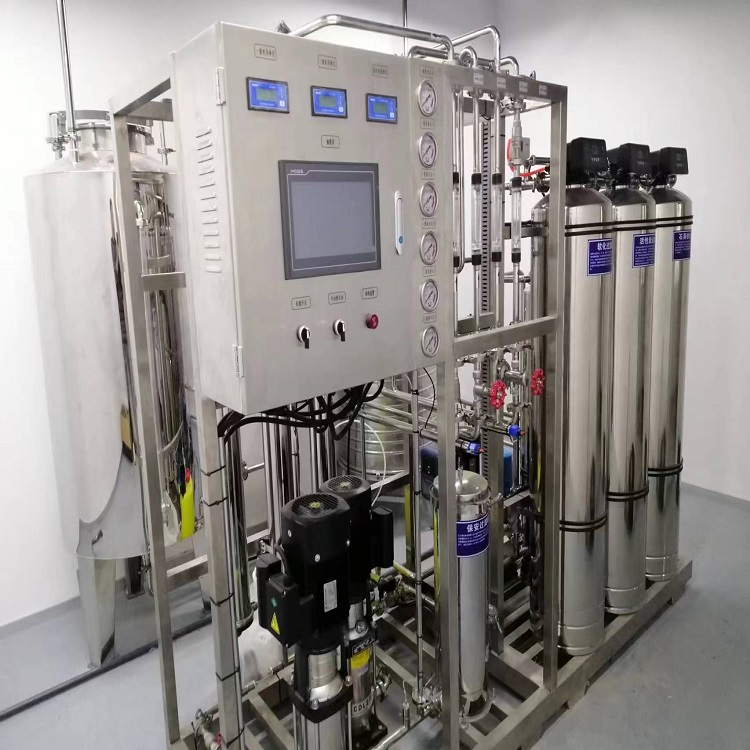
Shanghai industrial pure water production equipment reverse osmosis filtration system with high yield and customizable options, Quankun brand.
详情描述
Nanofiltration Purification Professional Membrane Separation Equipment - Quankun - Multi-functional Membrane Separation Concentration Equipment
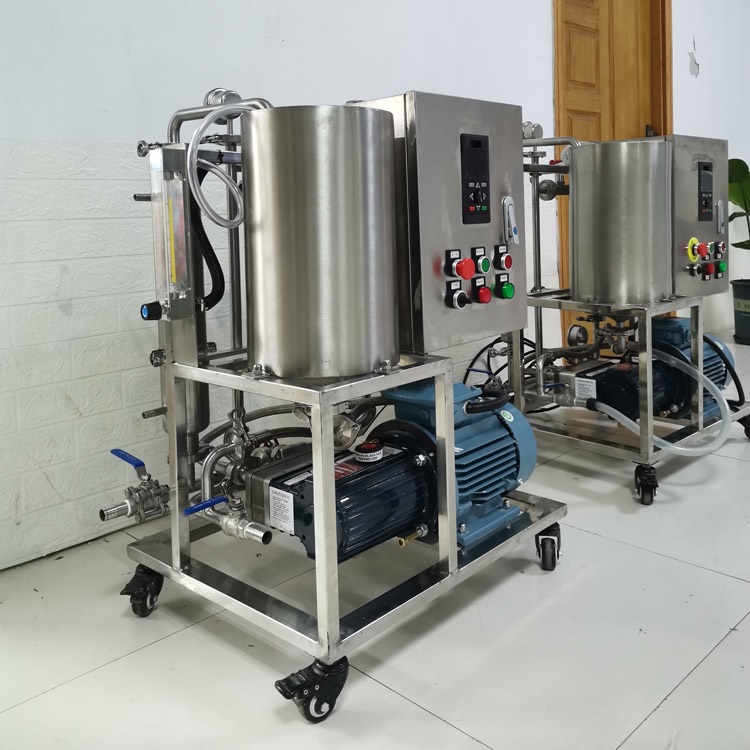
Laboratory-scale ultrafiltration, nanofiltration, and reverse osmosis membrane separation equipment, which can be widely used for substance separation, concentration, and purification; the equipment is designed with an industrialized concept, suitable for researchers to explore various process parameters required for the industrial scaling-up of the equipment.
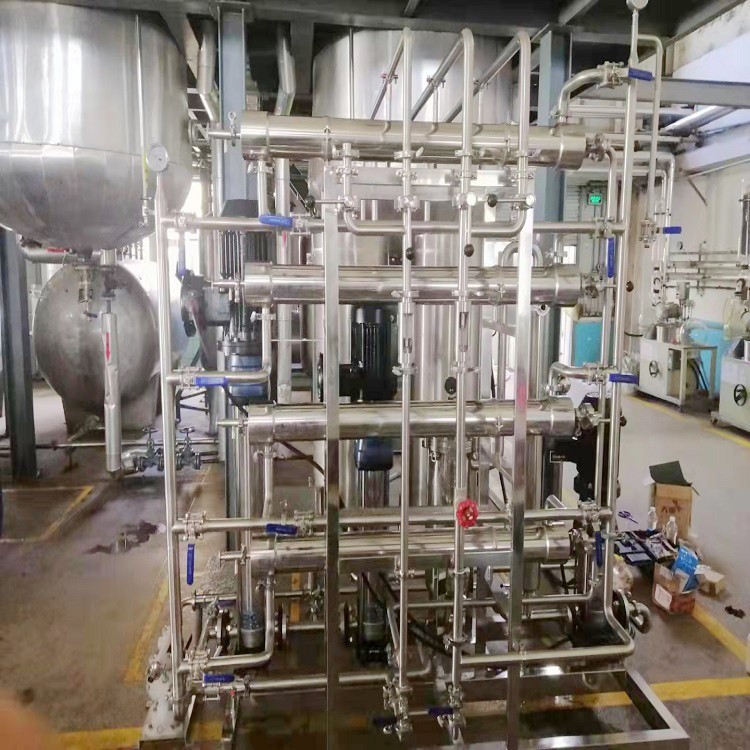

NF Equipment Features:
1. The core membrane is selected from original imported anti-pollution high-precision cores, featuring strong anti-pollution capabilities, high processing accuracy, and long lifespan.
2. The system power unit is equipped with an imported brand horizontal conveying pump, ensuring smooth pressure transmission with minimal vibration.
3. Effectively removes bacteria, starch, tannin, macromolecular colloids, and other impurities, enhancing product content and purity.
4. Gentle separation conditions without phase change, preventing the quality of active ingredients from being affected by the addition of external substances such as filter aids and flocculants, thus preserving the biological activity and physicochemical stability of the active ingredients.
5. No solvent needed, simplifies production process, shortens production cycle, and enhances safety.
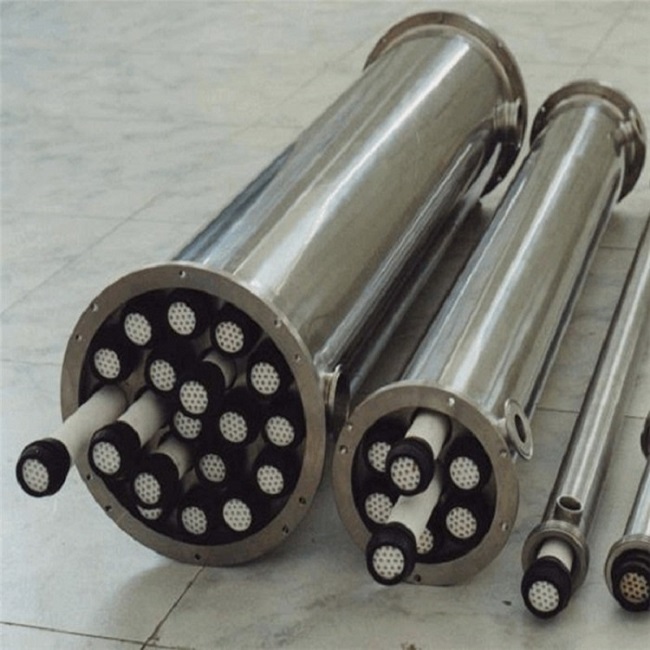
Component of the equipment:
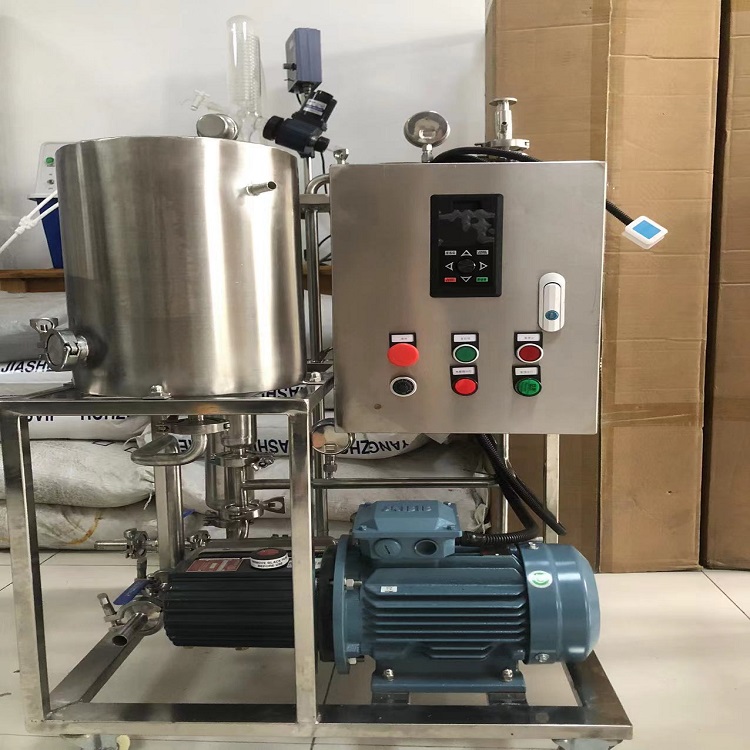
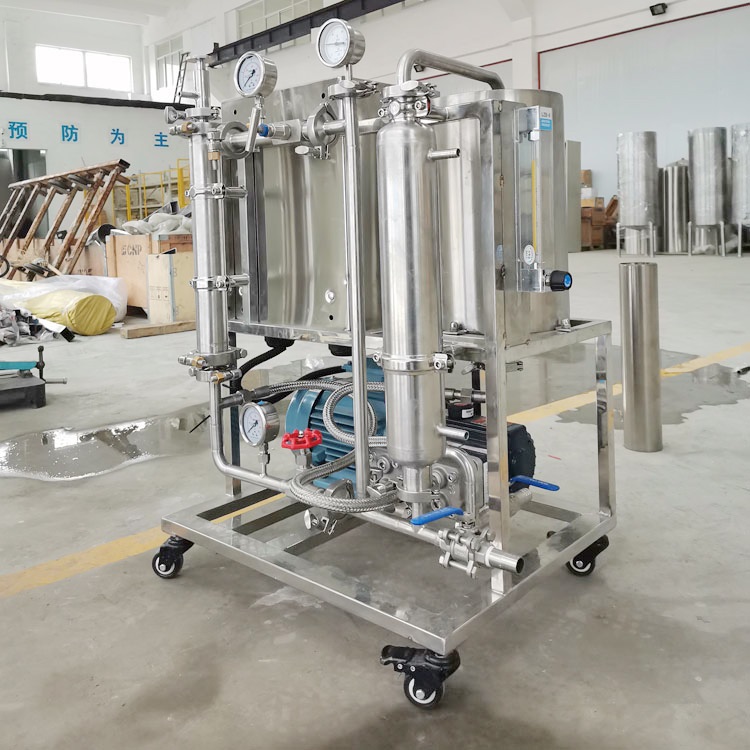
The laboratory roll-type membrane separation system is composed of membrane elements, stainless steel membrane shells, brand supply pumps, stainless steel circulating drums, vibration-resistant pressure gauges, pressure regulating valves, pipe connectors, and sanitary silicone tubes.
2. The laboratory roll membrane separation system can be fitted with various standard roll membrane elements such as ultrafiltration, nanofiltration, and reverse osmosis.
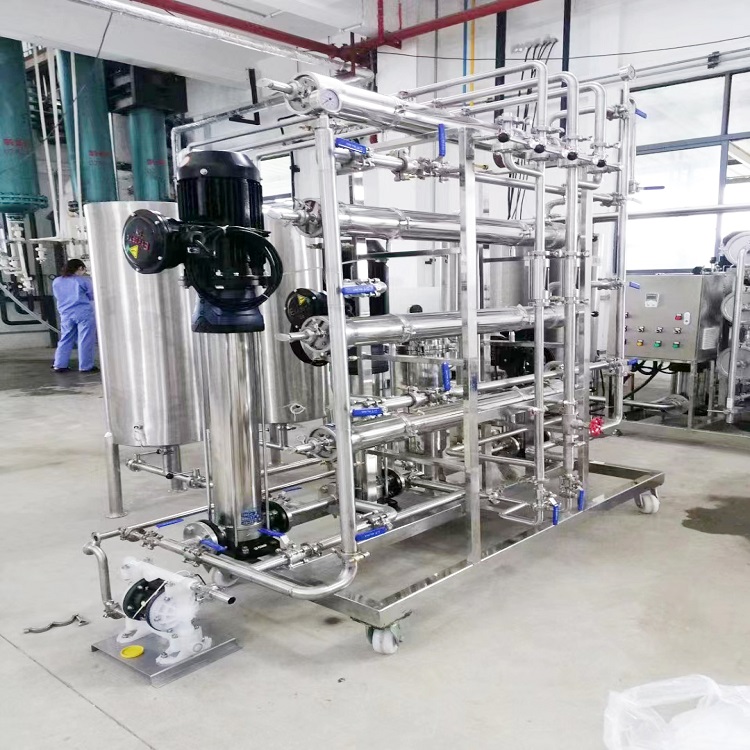
Applications of Laboratory Roll Membrane Separation Systems:
Broadly applied in fields such as biology, pharmaceuticals, food, chemicals, and environmental protection, suitable for various processes of concentration, separation, purification, clarification, and sterilization of liquid materials.
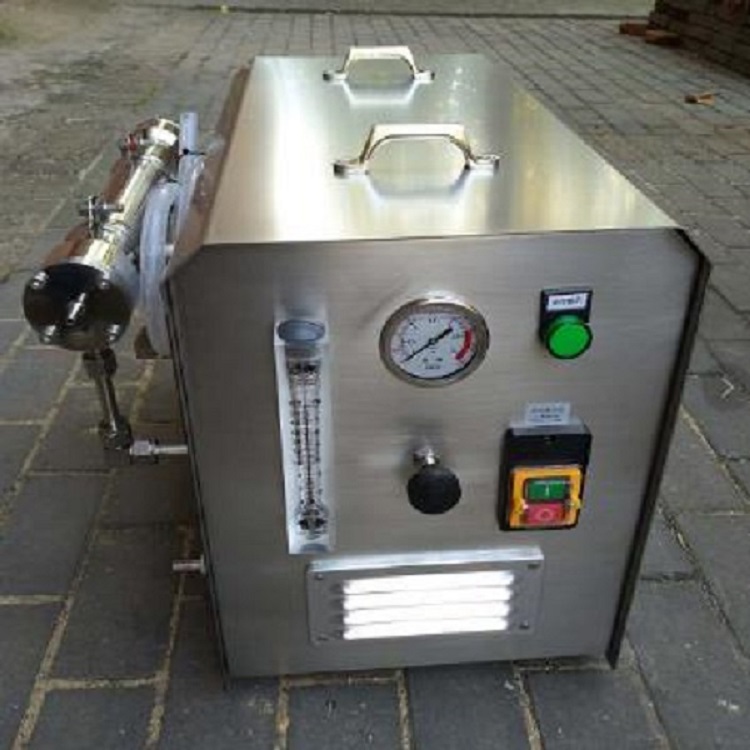
Nanofiltration Purification Professional Membrane Separation Equipment - Quankun - Multi-functional Membrane Separation Concentration Equipment
Features of the Experimental Machine:
The overall structure is compact, operation is simple, stability is excellent, the appearance is attractive, and the entire machine is made of stainless steel.
The power section utilizes a hydraulic diaphragm pump, offering high lift, stable pressure, and reliable performance.
The system's high-pressure piping is made of sanitary-grade stainless steel, offering high pressure resistance and corrosion resistance. The connections are made with sanitary-grade clamp-style fittings, ensuring convenient and reliable assembly.
The system is equipped with pressure and temperature protection devices. The pressure protection device can automatically alarm and shut down when the pressure exceeds the set limit; the temperature protection device can automatically alarm and shut down when the temperature exceeds the set limit; a safety filter device to prevent system damage due to the entry of solid particles.
The equipment employs various technologies identical to production-line equipment for controlling parameters such as pressure, temperature, flow, and velocity, making the separation work in the lab more aligned with the actual industrial conditions, which is conducive to the industrialization of the process.
This equipment features variable frequency control, effectively broadening its application scope; the system's processing capacity is 0-150L/hour (which is related to the properties of the material fluid), with a small circulating volume of only 350-400ml, making it particularly suitable for laboratory use.


