




- AllProduct Category
-
Lab Wastewater Treatment Equipment
Lab Wastewater Treatment Equipment
Ultra-Pure Water Equipment
Membrane Separation Equipment
Pure Water Equipment
Low-Temperature Evaporator
Ultra-Pure Water System
Integrated Wastewater Treatment Equipment
Reverse Osmosis Equipment
Pure Water Equipment
Ceramic Membrane Equipment



Recommended Products
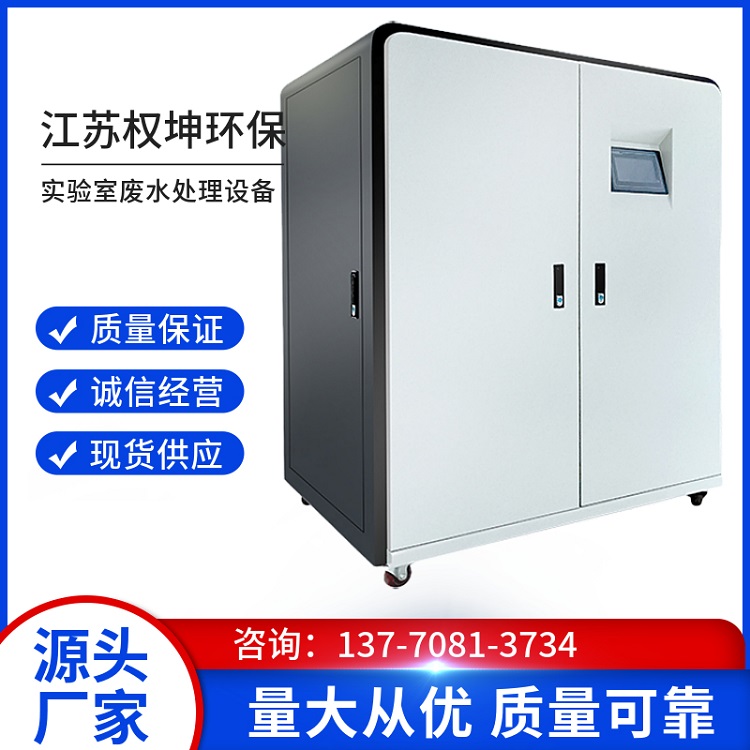
Quan Kun - Comprehensive Laboratory Waste Water Treatment Equipment - Remote Monitoring - Automated Control
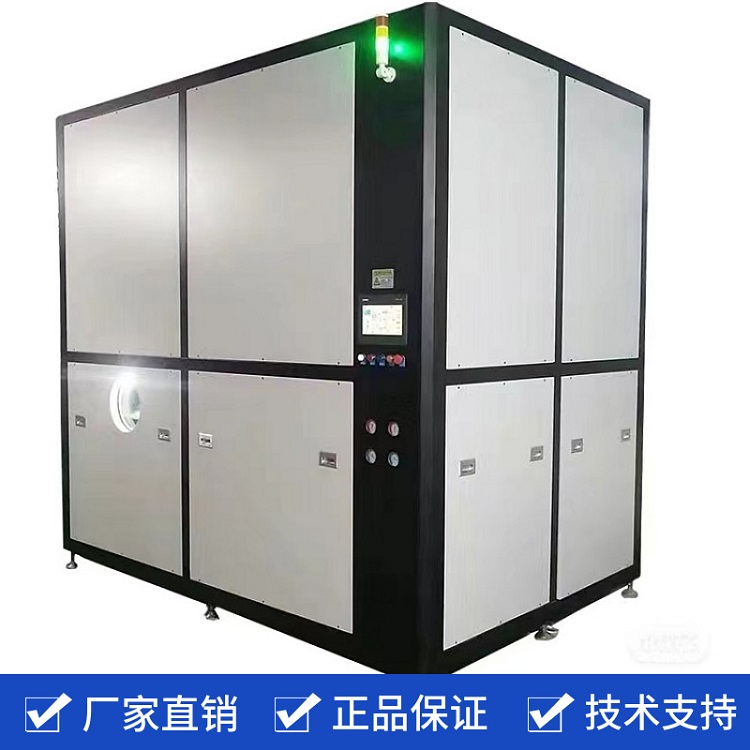
Sodium Chloride Wastewater Low-Temperature Evaporator - Intelligent Automatic - Quankun - Integrated Design
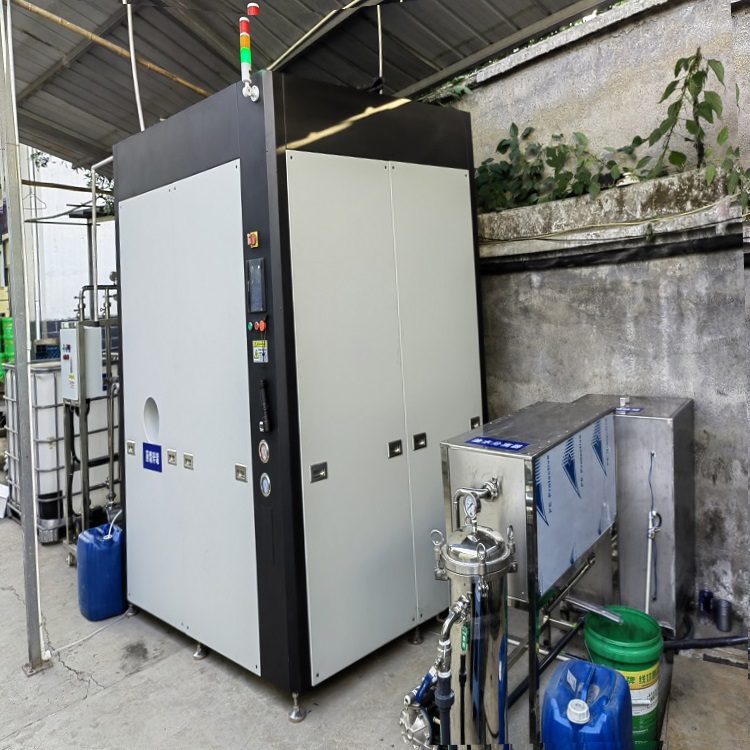
High-Concentration Oil Emulsion Waste Water Treatment Equipment - Quankun - Evaporator Unit - High Concentration Ratio
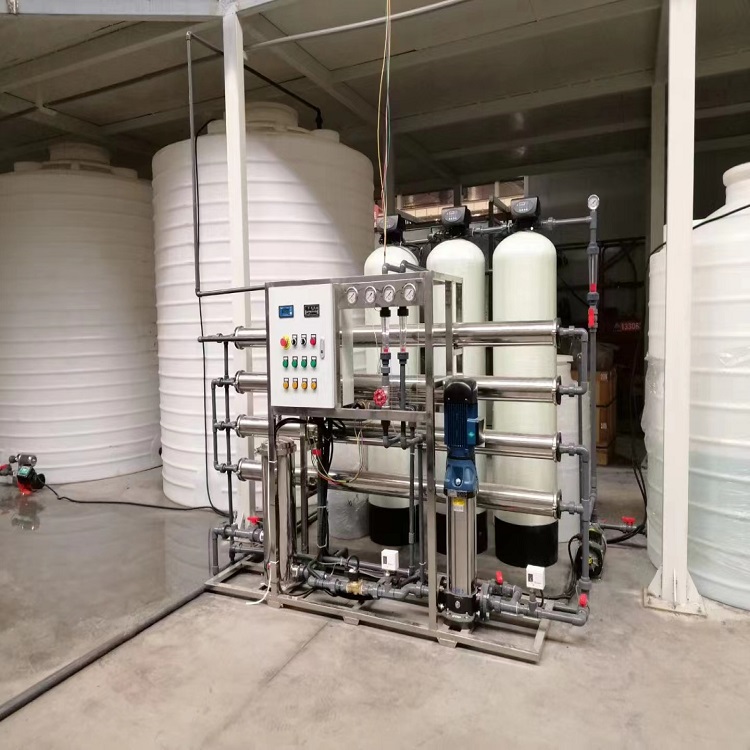
Industrial Pure Water Equipment EDI Ultra-Pure Water System Fully Automatic Control Quankun Environmental Protection
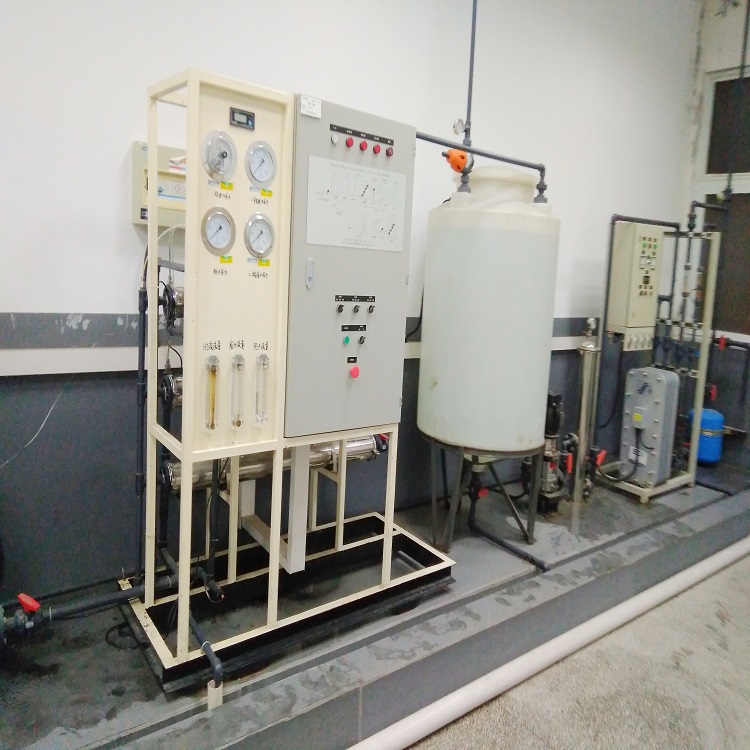
Shenzhen Industrial Ultra-Pure Water Equipment, equipped with EDI system, features low energy consumption and high degree of automation.
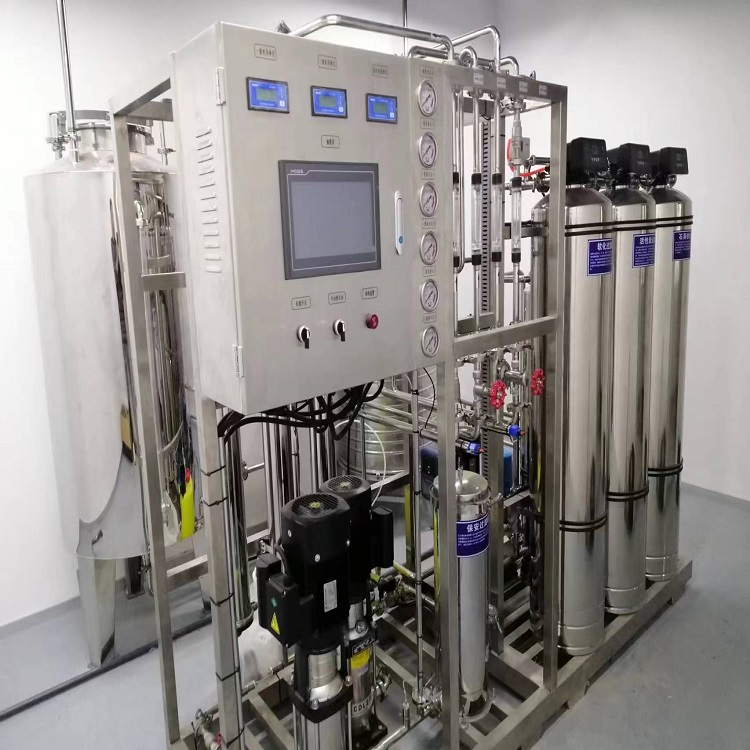
Shanghai industrial pure water production equipment reverse osmosis filtration system with high yield and customizable options, Quankun brand.
详情描述
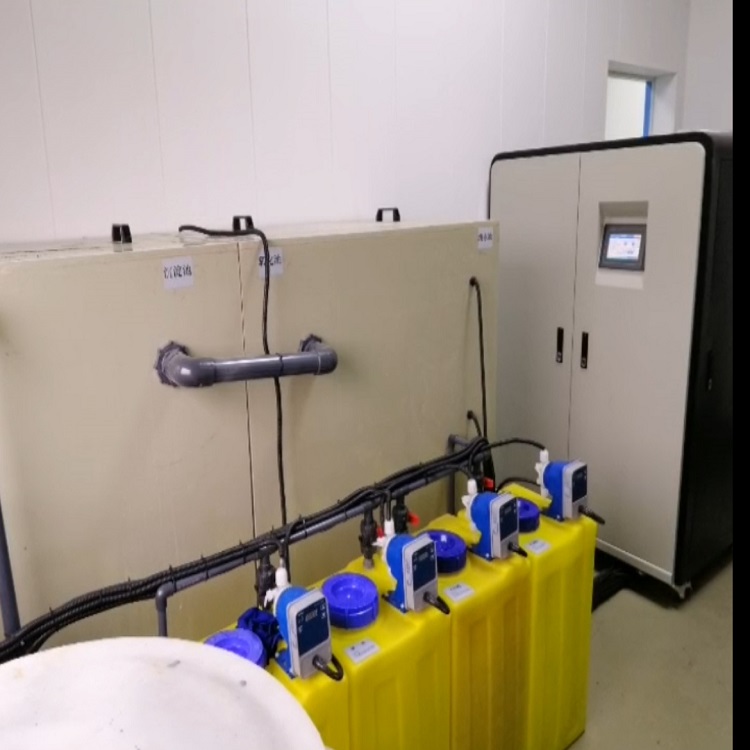
Wastewater Treatment Equipment for Testing Laboratory - Wastewater Recycling Equipment for Cutters - Low Energy Consumption
The primary function of the water treatment equipment for cutting is to convert ordinary tap water or industrial water into high-purity water that meets the requirements for chip cutting processes. This conversion process typically includes several key steps: pretreatment, reverse osmosis (RO), electrodeionization (EDI), and final polishing.
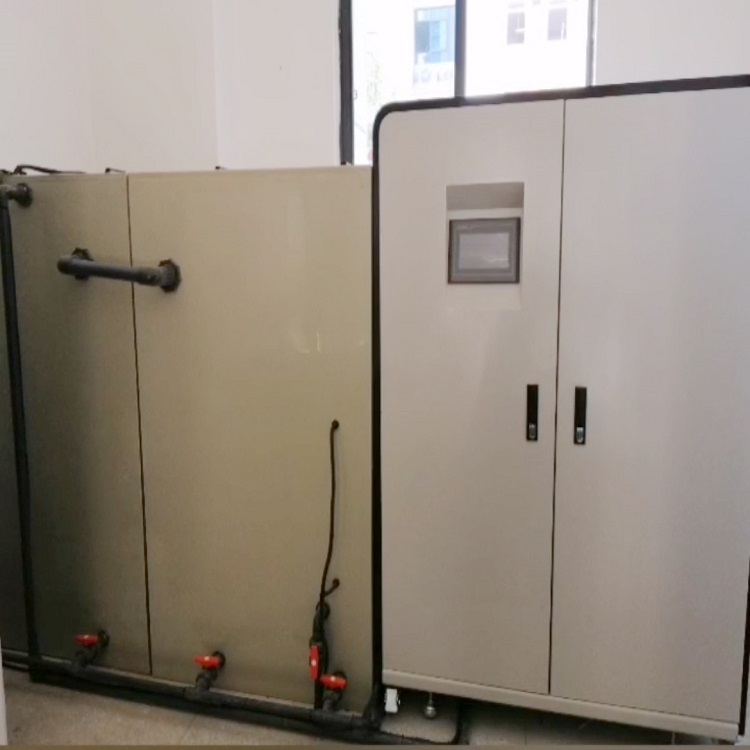
Raw water is processed through a multi-media filter to remove suspended particles, colloids, and large organic impurities, laying the foundation for subsequent fine treatment. Subsequently, an activated carbon filter further adsorbs residual chlorine and organic matter, ensuring the preliminary purification of the water.
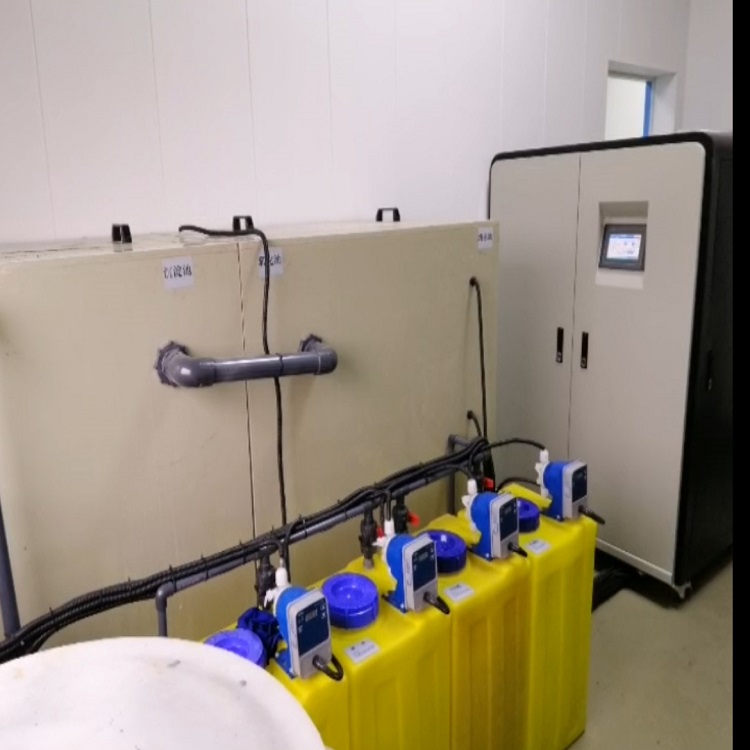
Pre-treated water enters the reverse osmosis system, which is the core stage of the entire water treatment process. The reverse osmosis membrane, utilizing the properties of a semi-permeable membrane, only allows water molecules to pass through, while the vast majority of dissolved salts, organics, bacteria, and viruses are retained on one side of the membrane, achieving the purpose of deep desalination.
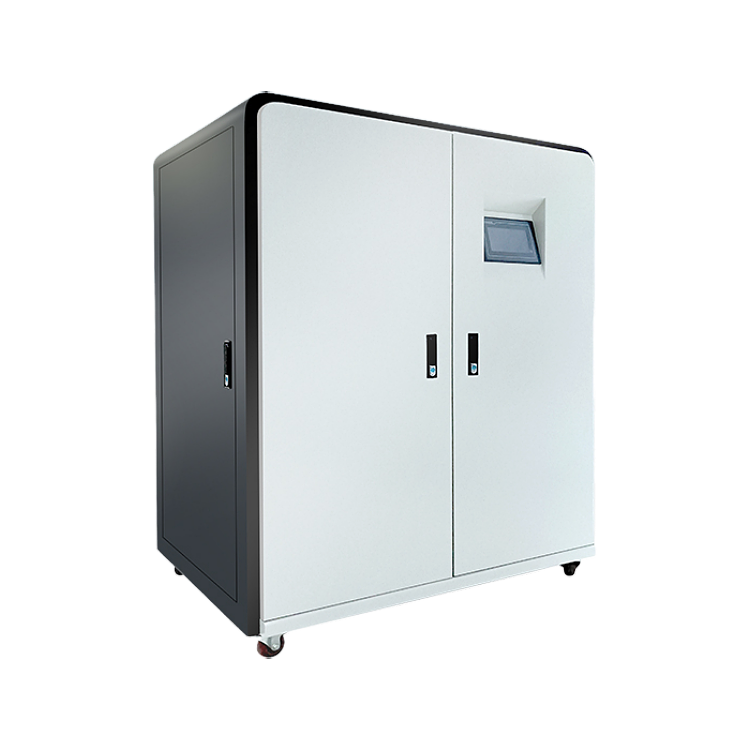
Specifically, in the physical treatment stage, gratings are used to intercept larger suspended solids, preventing them from entering subsequent treatment units and causing blockages; sedimentation ponds then allow suspended solids to settle to the bottom under gravity, forming sludge, while the supernatant moves on to the next stage. In the chemical treatment stage, common methods include neutralization (adjusting the pH of wastewater), coagulation and sedimentation (adding coagulants to aggregate suspended or colloidal particles into larger ones for settling), and oxidation-reduction (using oxidants or reductants to remove toxic and harmful substances from wastewater). In the biological treatment stage, based on the growth environment of microorganisms, it can be divided into aerobic biological treatment and anaerobic biological treatment, with the former utilizing oxygen from the air as the energy source for microbial growth, and the latter occurring under anaerobic conditions.
During the laboratory wastewater treatment process, in addition to selecting professional wastewater treatment equipment, it's essential to enhance the management and monitoring of laboratory wastewater. Laboratory staff should raise their environmental awareness, pay attention to the classification and storage of wastewater, and avoid mixing hazardous wastewater with non-hazardous wastewater for discharge. At the same time, regular inspections and maintenance of the wastewater treatment equipment should be conducted to ensure its proper operation and treatment effectiveness.
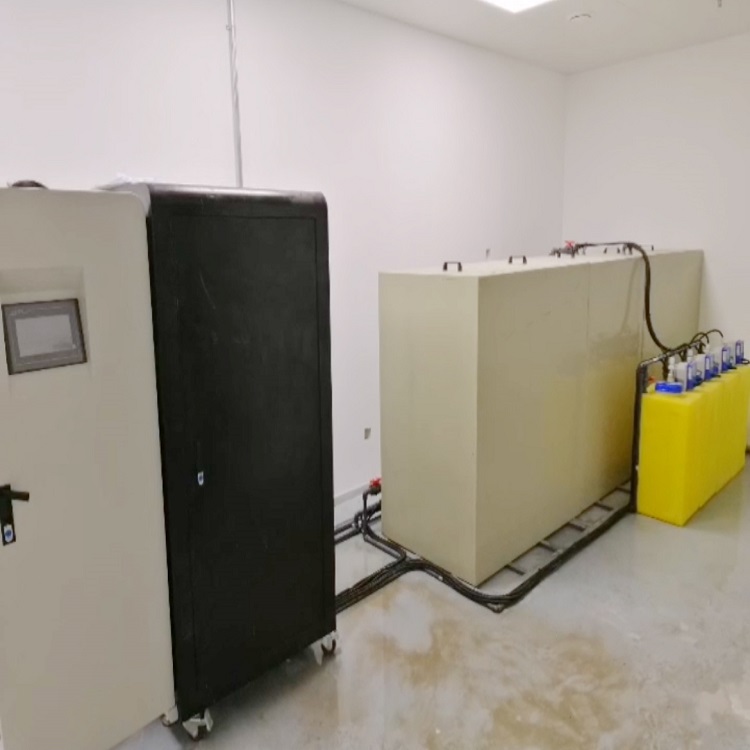
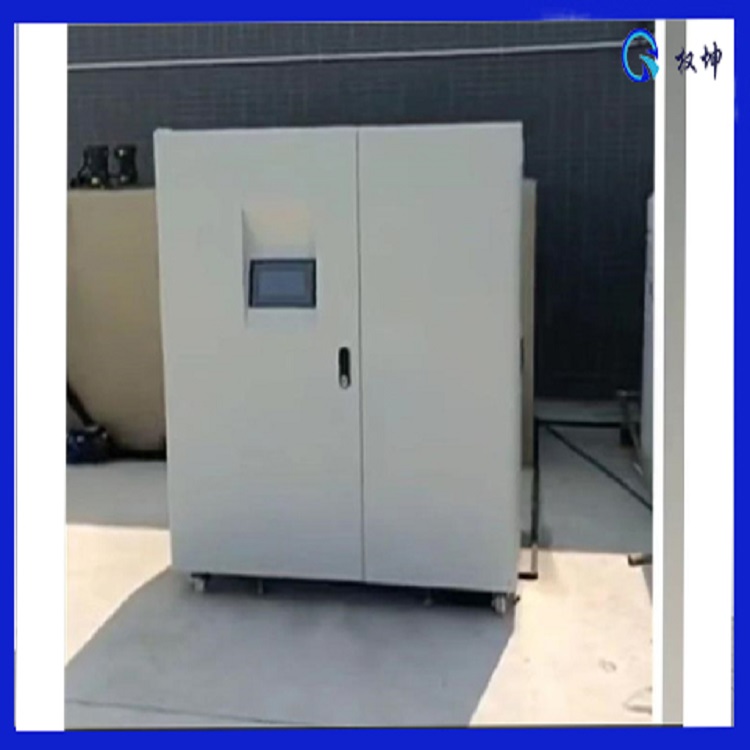
Wastewater Treatment Equipment for Testing Laboratory - Wastewater Reuse Equipment for Cutters - Low Energy Consumption
The reliability of the equipment is equally crucial. Pharmaceutical laboratory wastewater treatment equipment should be made with high-quality materials and components to ensure stability and durability over the long term. This includes corrosion-resistant pipes, wear-resistant pumps and valves, high-precision sensors, and a stable control system. Moreover, the design of the equipment should facilitate maintenance and repair to reduce failure rates and maintenance costs. For instance, the equipment can be equipped with components that are easy to disassemble and clean, as well as remote monitoring and fault diagnosis capabilities, to enable timely detection and resolution of issues.


