




- AllProduct Category
-
Lab Wastewater Treatment Equipment
Lab Wastewater Treatment Equipment
Ultra-Pure Water Equipment
Membrane Separation Equipment
Pure Water Equipment
Low-Temperature Evaporator
Ultra-Pure Water System
Integrated Wastewater Treatment Equipment
Reverse Osmosis Equipment
Pure Water Equipment
Ceramic Membrane Equipment



Recommended Products
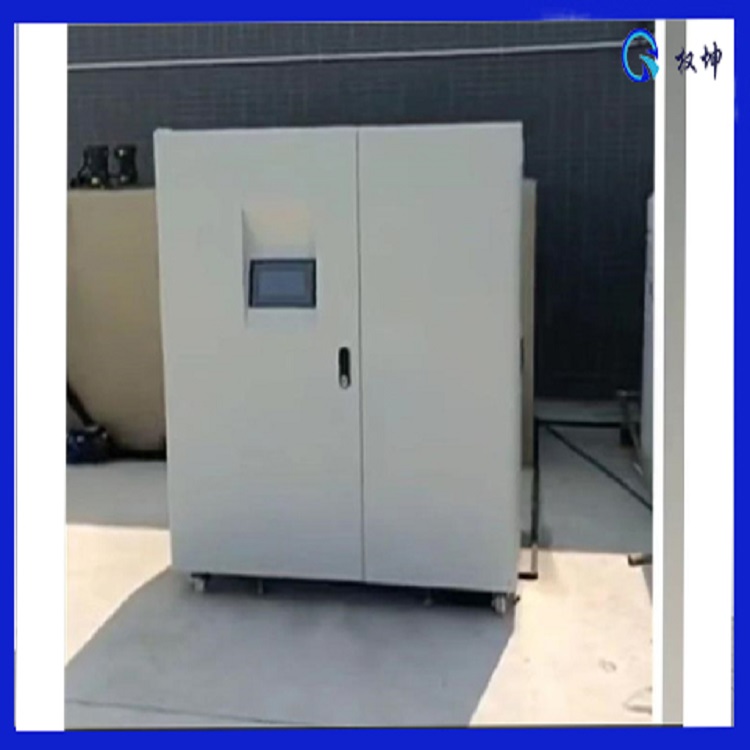
Quan Kun - Comprehensive Laboratory Waste Water Treatment Equipment - Remote Monitoring - Automated Control
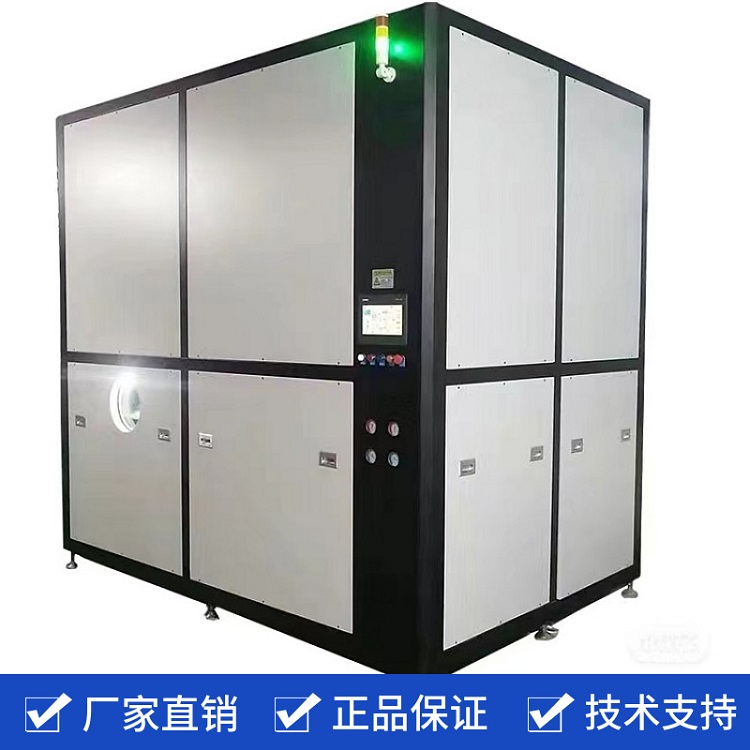
Sodium Chloride Wastewater Low-Temperature Evaporator - Intelligent Automatic - Quankun - Integrated Design
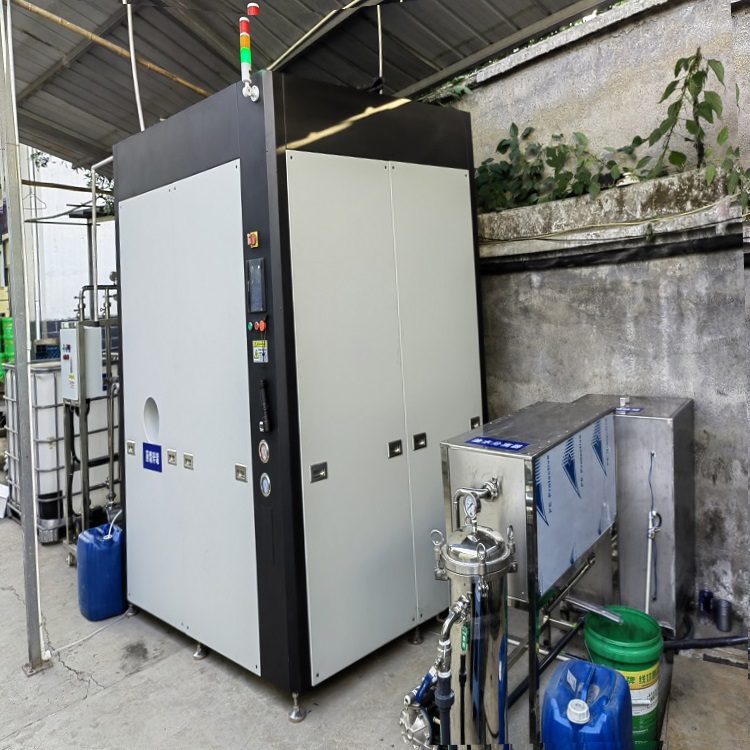
High-Concentration Oil Emulsion Waste Water Treatment Equipment - Quankun - Evaporator Unit - High Concentration Ratio
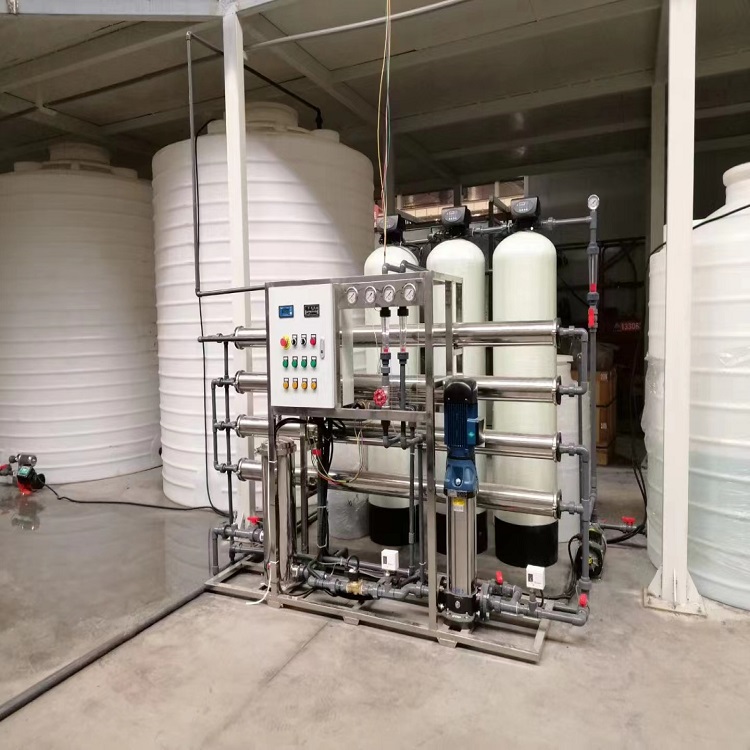
Industrial Pure Water Equipment EDI Ultra-Pure Water System Fully Automatic Control Quankun Environmental Protection
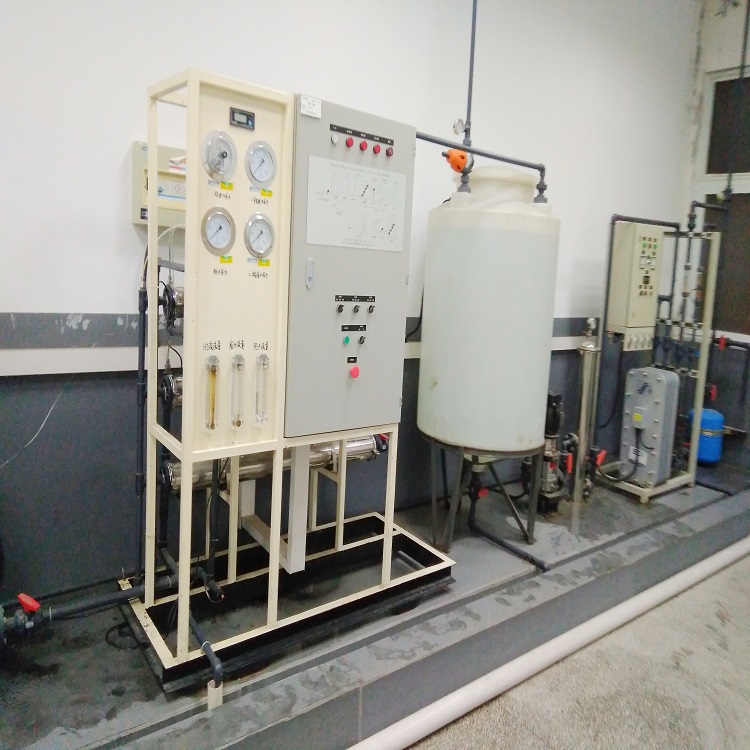
Shenzhen Industrial Ultra-Pure Water Equipment, equipped with EDI system, features low energy consumption and high degree of automation.
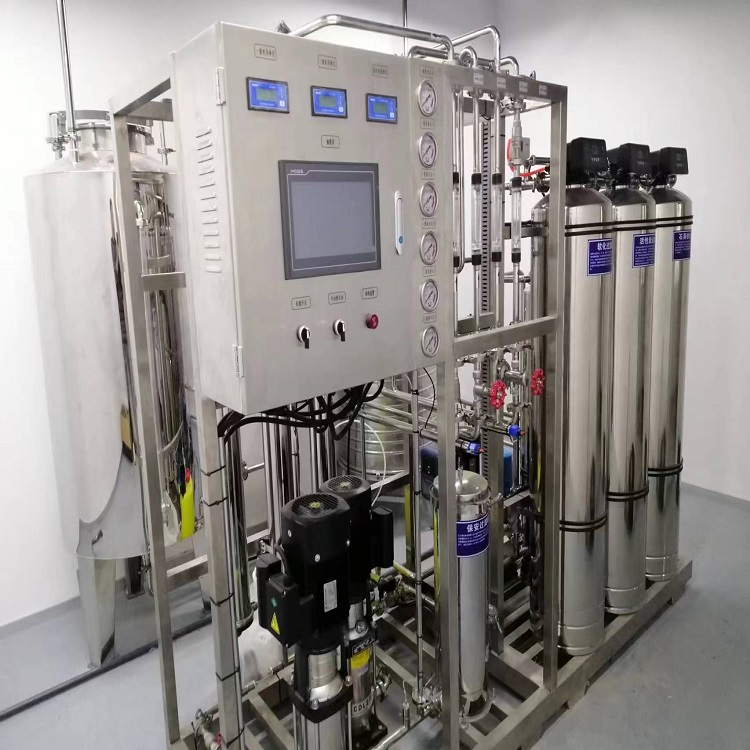
Shanghai industrial pure water production equipment reverse osmosis filtration system with high yield and customizable options, Quankun brand.
详情描述
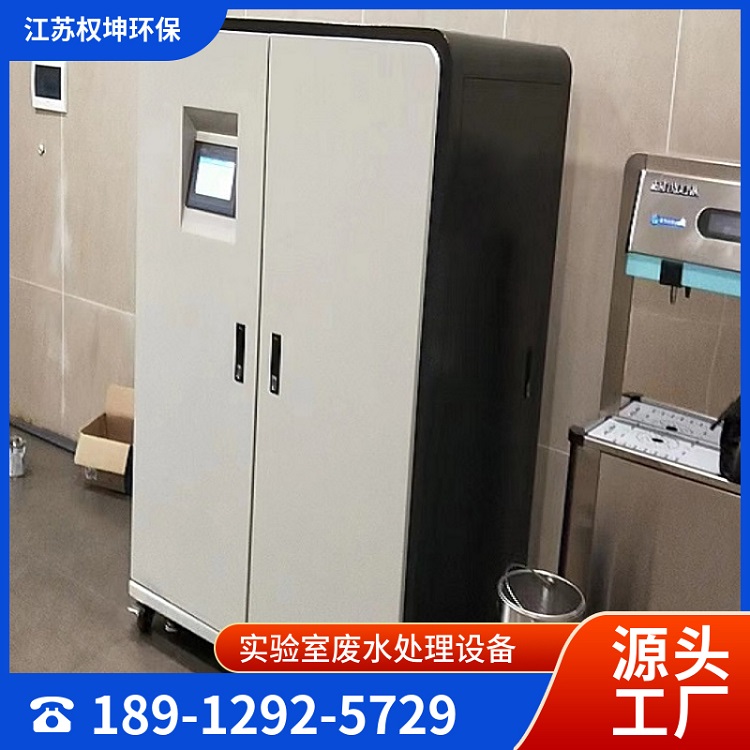
Heavy Metal Laboratory Wastewater Treatment Equipment - Effluent Free - Customizable - Standardized Effluent Output
During the laboratory wastewater treatment process, in addition to selecting professional wastewater treatment equipment, it is necessary to enhance the management and monitoring of laboratory wastewater. Laboratory staff should raise their environmental awareness, pay attention to the classification and storage of wastewater, and avoid mixing hazardous wastewater with non-hazardous wastewater for discharge. At the same time, the wastewater treatment equipment should be inspected and maintained regularly to ensure its proper operation and treatment effectiveness.
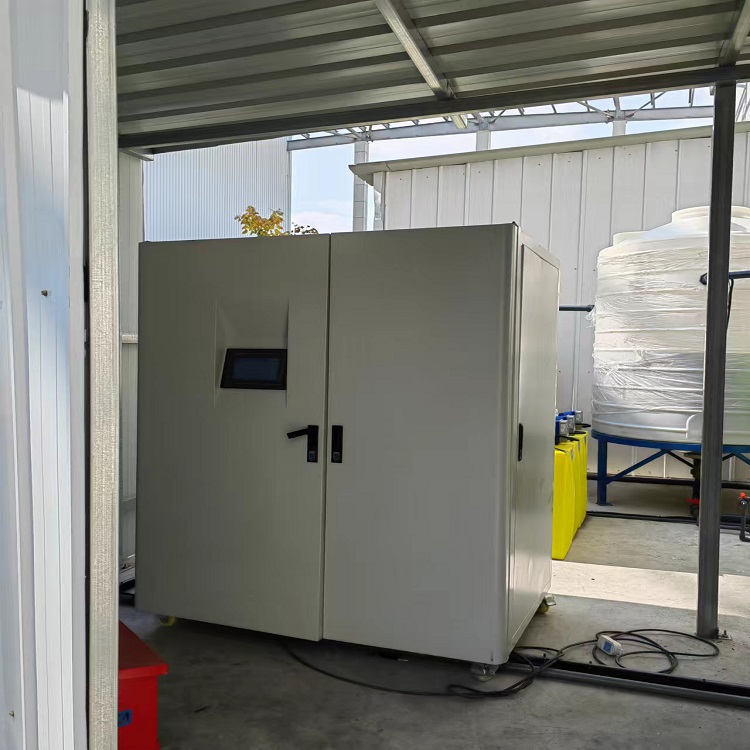
The reliability of the equipment is equally crucial. Pharmaceutical laboratory wastewater treatment equipment should be made with high-quality materials and components to ensure stability and durability over long-term operation. This includes corrosion-resistant pipes, wear-resistant pumps and valves, high-precision sensors, and a stable control system. Moreover, the design of the equipment should facilitate maintenance and repair to reduce failure rates and maintenance costs. For instance, the equipment can be equipped with components that are easy to disassemble and clean, as well as with remote monitoring and fault diagnosis capabilities for timely issue detection and resolution.
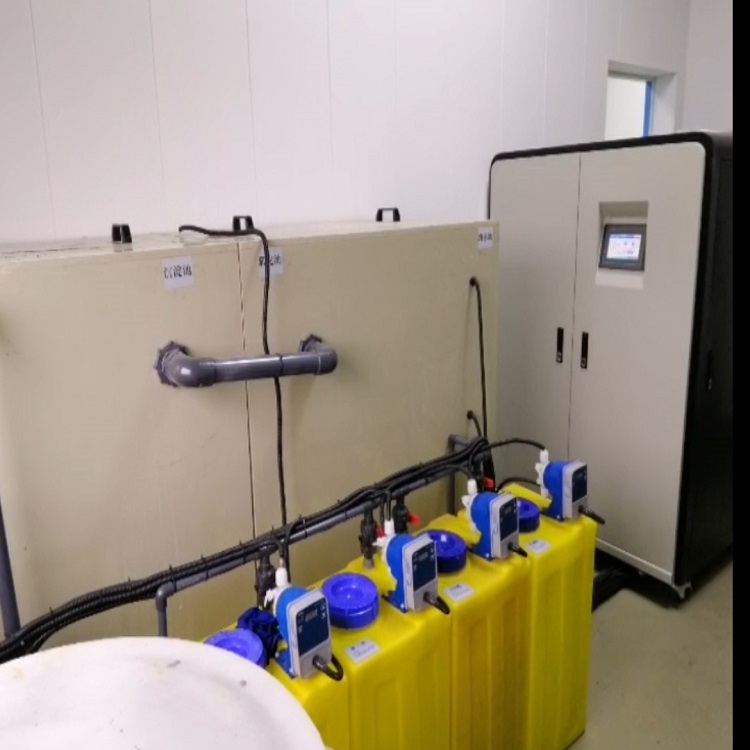
The primary sources of laboratory wastewater include various chemicals, reagents, solutions, and instrumental cleaning agents used during experiments. These wastewaters are complex in composition, containing large amounts of organic matter, inorganic substances, heavy metal ions, and biological contaminants. Organic matter includes sugars, proteins, fats, while inorganic substances are acids, bases, salts, and heavy metal ions. Biological contaminants consist of bacteria, viruses, fungi, and other microorganisms. If these pollutants are not effectively treated, they can cause long-term and irreversible damage to the environment and ecosystems.
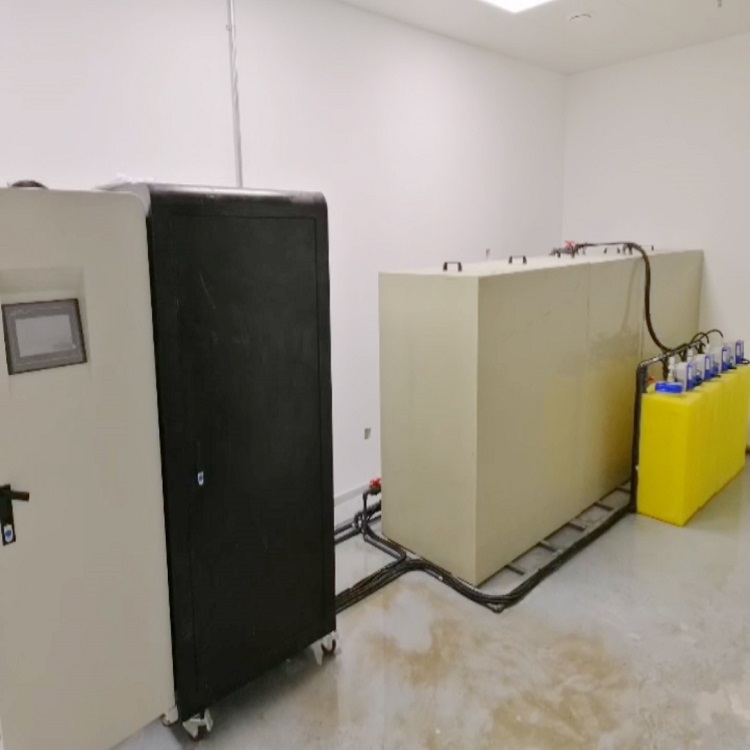
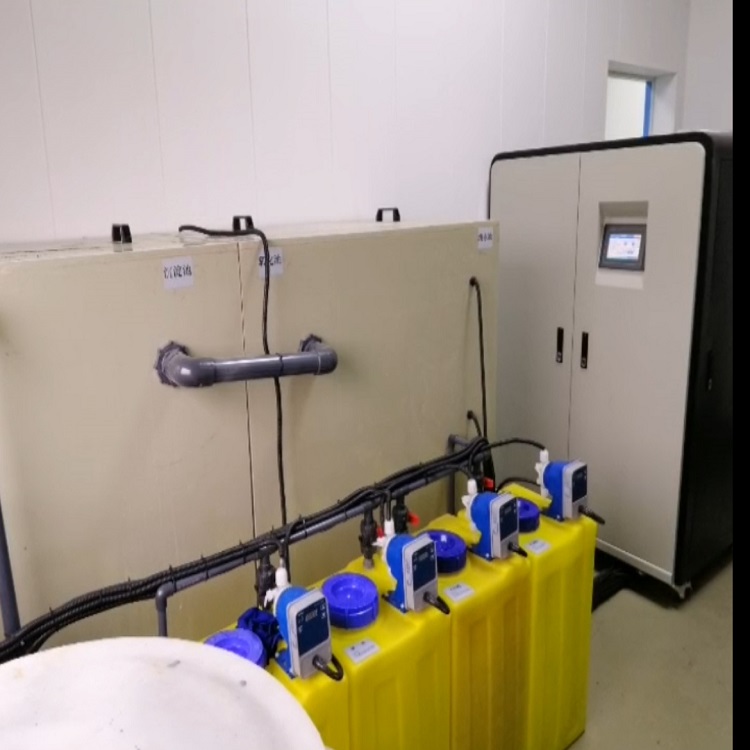
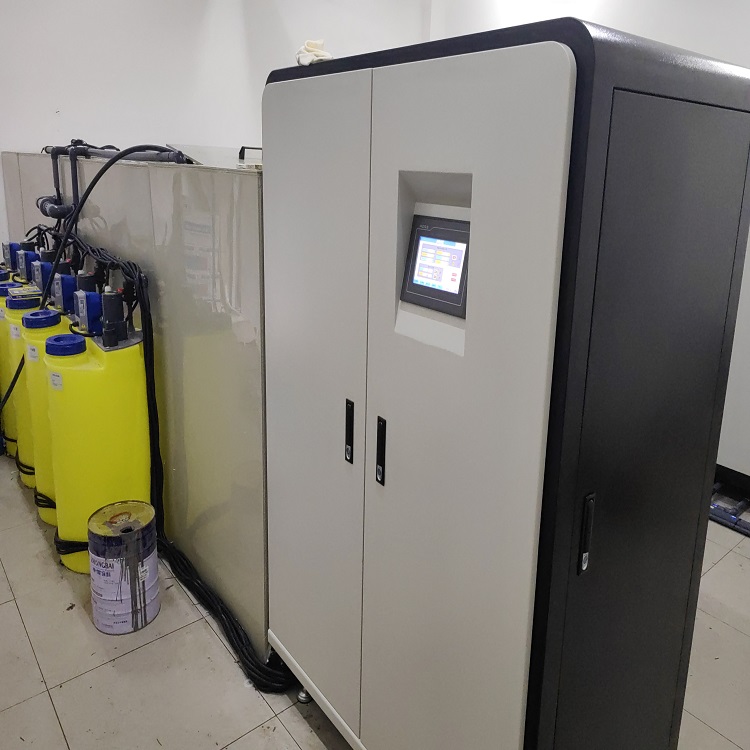
The primary function of the laboratory wastewater treatment equipment is to purify and treat these wastewater, removing pollutants to meet or exceed national discharge standards and environmental protection requirements. The equipment typically consists of multiple treatment units, including wastewater collection, adjustment, advanced treatment, sedimentation separation, physical treatment, biological treatment, and comprehensive purification units. Each unit has its specific function and role, working together to accomplish the wastewater treatment task.
The laboratory wastewater treatment equipment offers various advantages when dealing with the wastewater from the Agricultural College's labs. Firstly, the equipment is highly versatile, capable of accommodating the wastewater treatment needs of various types of labs, be it chemistry, biology, or agriculture. It provides effective solutions for wastewater treatment in all these settings. Secondly, the equipment utilizes multiple patented technologies, ensuring stable and compliant effluent quality, passing environmental assessments. This is attributed to the advanced treatment technology and comprehensive control system of the equipment, which guarantees an efficient, stable, and reliable wastewater treatment process.
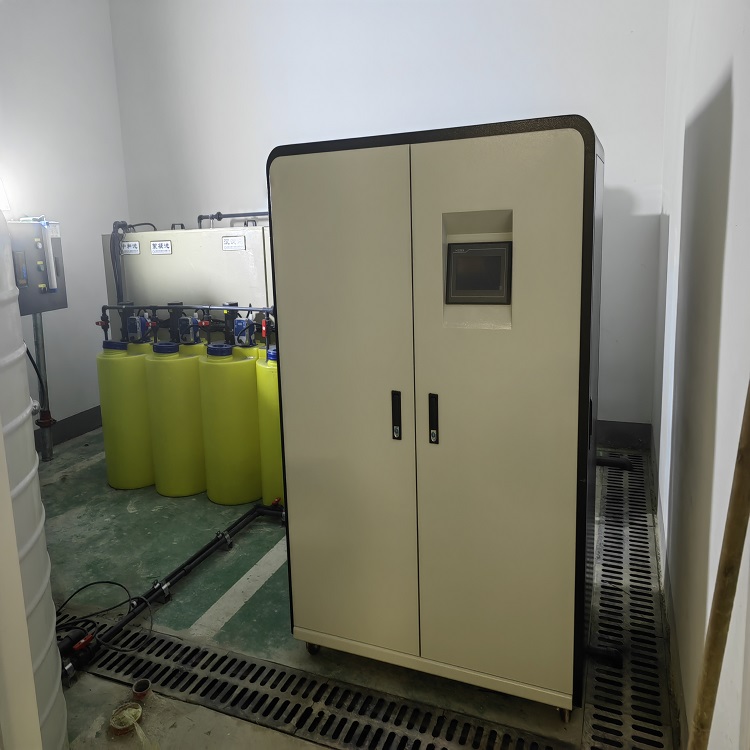
Heavy Metal Laboratory Wastewater Treatment Equipment - Effluent Free - Customizable - Compliant Effluent Standards
Additionally, the laboratory wastewater treatment equipment features high automation and ease of operation. The equipment utilizes a fully automated control system, requiring no dedicated staff presence and only routine inspections and maintenance. This significantly reduces operational complexity and labor costs, leading to widespread use of the equipment in agricultural college laboratories. Moreover, the equipment boasts high safety and stability, with multiple protective functions such as leak and electric shock prevention, high and low voltage protection, no wastewater protection, and liquid level protection, ensuring safety and stability during operation.


