



- AllProduct Category
-
Lab Wastewater Treatment Equipment
Lab Wastewater Treatment Equipment
Ultra-Pure Water Equipment
Membrane Separation Equipment
Pure Water Equipment
Low-Temperature Evaporator
Ultra-Pure Water System
Integrated Wastewater Treatment Equipment
Reverse Osmosis Equipment
Pure Water Equipment
Ceramic Membrane Equipment



Recommended Products
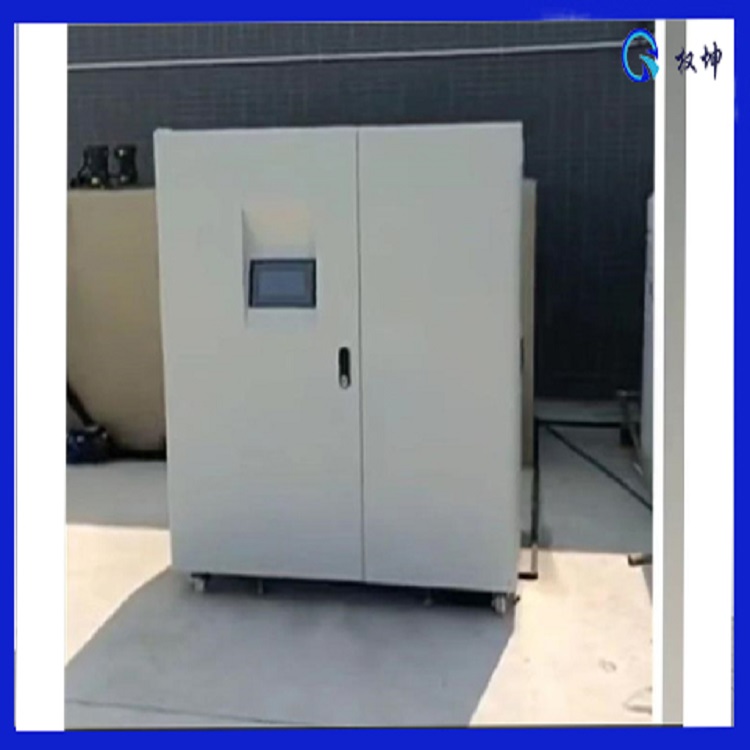
Quan Kun - Comprehensive Laboratory Waste Water Treatment Equipment - Remote Monitoring - Automated Control
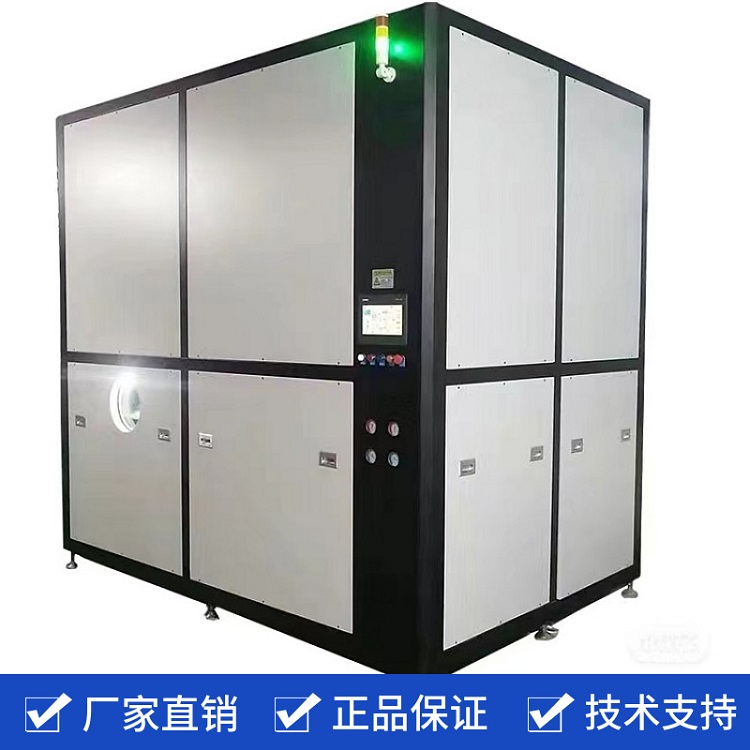
Sodium Chloride Wastewater Low-Temperature Evaporator - Intelligent Automatic - Quankun - Integrated Design
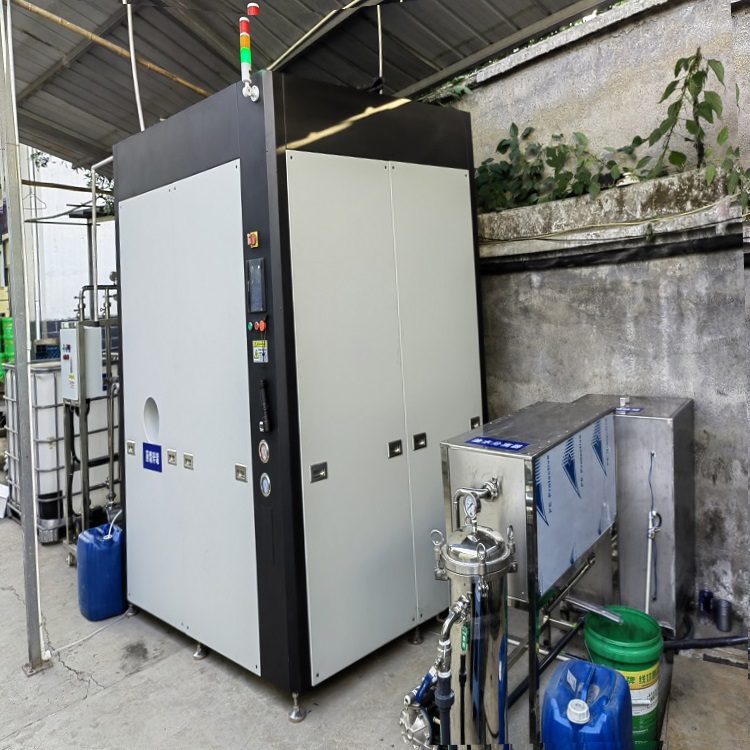
High-Concentration Oil Emulsion Waste Water Treatment Equipment - Quankun - Evaporator Unit - High Concentration Ratio
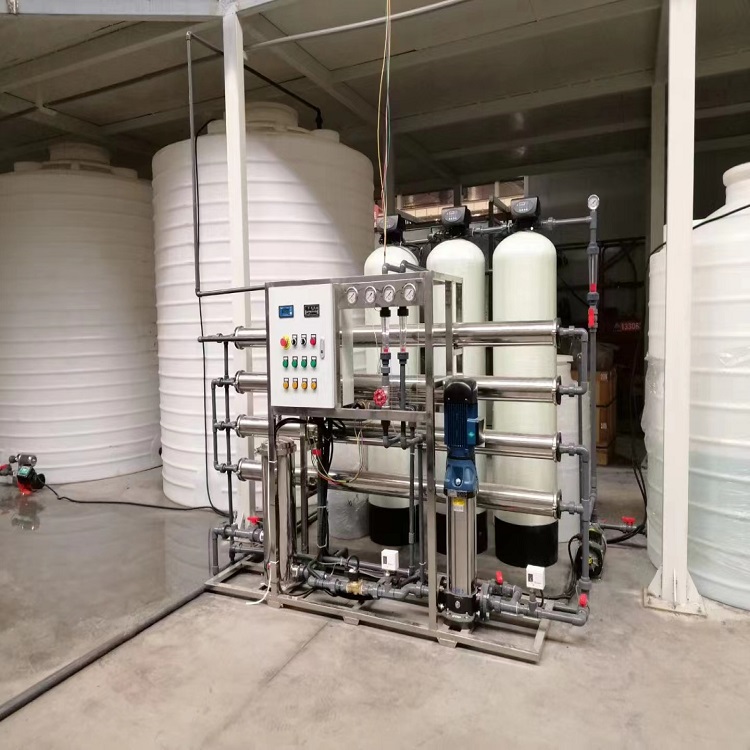
Industrial Pure Water Equipment EDI Ultra-Pure Water System Fully Automatic Control Quankun Environmental Protection
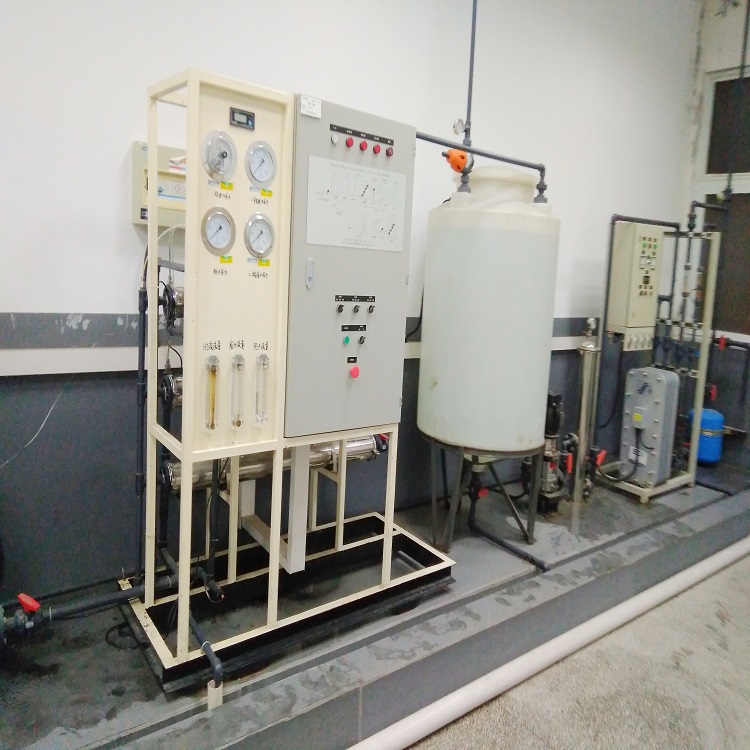
Shenzhen Industrial Ultra-Pure Water Equipment, equipped with EDI system, features low energy consumption and high degree of automation.
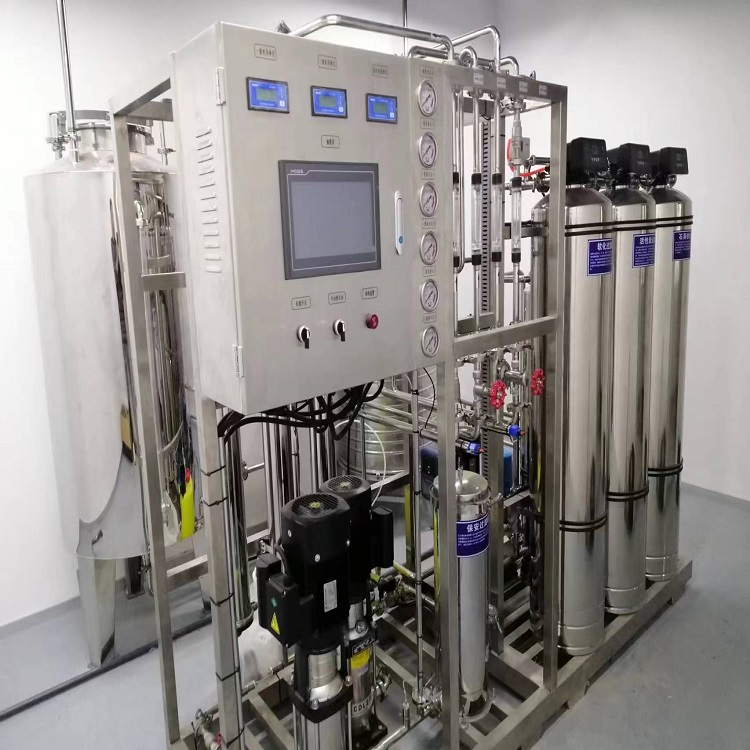
Shanghai industrial pure water production equipment reverse osmosis filtration system with high yield and customizable options, Quankun brand.
详情描述
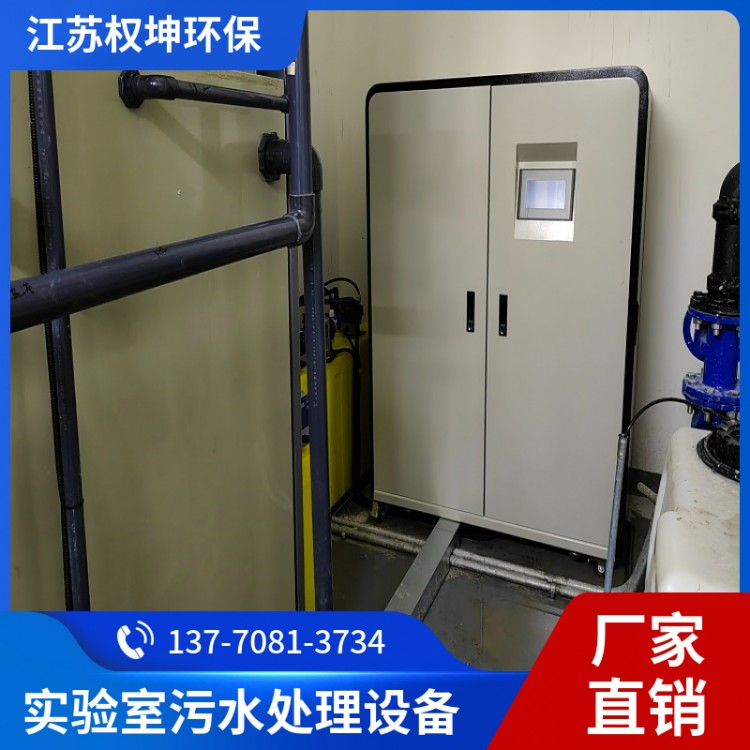
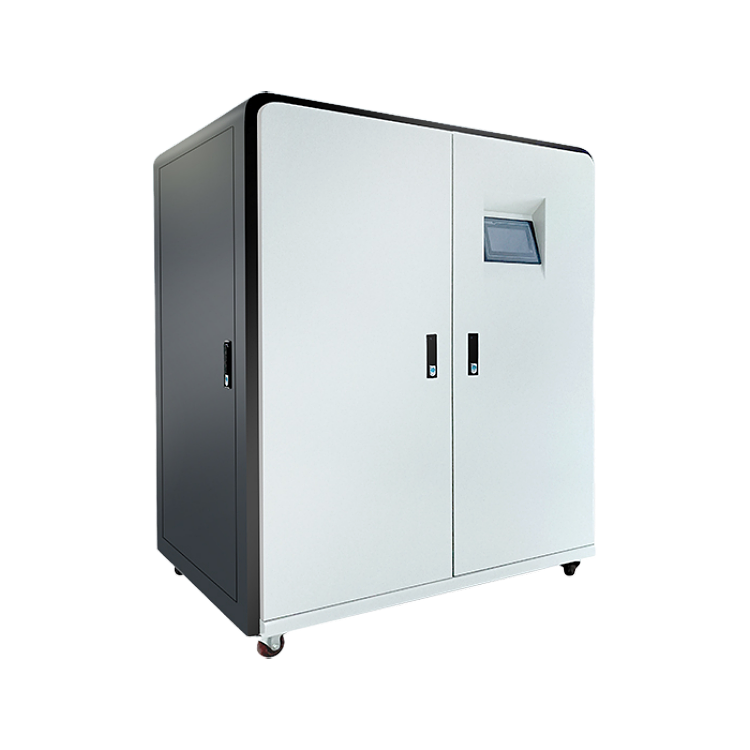
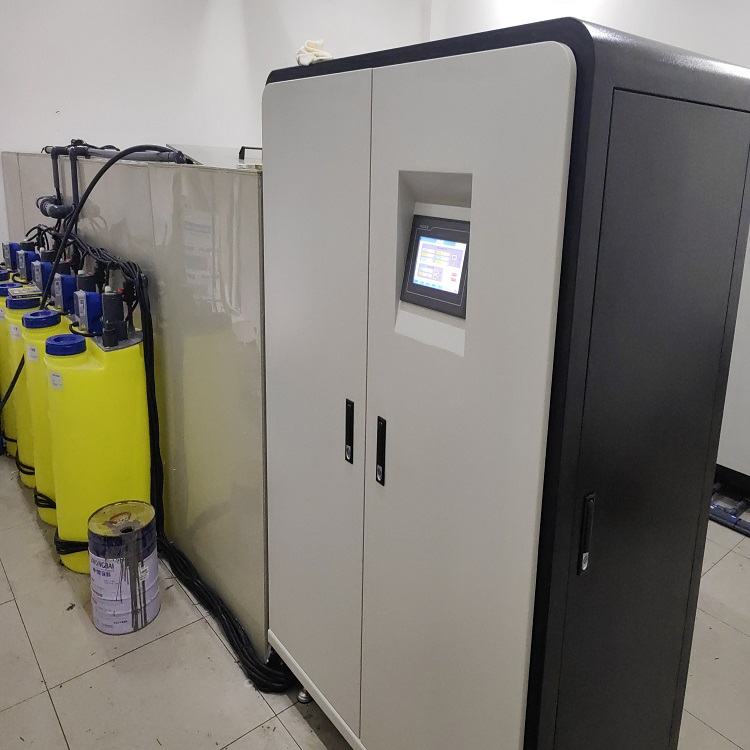
Wastewater Treatment Equipment for Inspection Room - Integrated Laboratory Wastewater Treatment System - Reasonable Structure
The laboratory integrated wastewater treatment equipment, consisting of wastewater collection units, automatic regulation units, coagulation and flotation automatic mixing units, flocculation and coagulation precipitation reaction units, sedimentation separation units, multi-pass high-level oxidation treatment units, multi-stage decomposition degradation treatment units, high and low potential difference micro-electrolysis technology, electrochemical oxidation-reduction, two-stage agricultural production system biological activity treatment technology, and new biochemical reaction treatment technology, comprehensively treats the agricultural production system, inorganic, and biological wastewater generated in the laboratory. It effectively removes COD, BOD, SS, color, and heavy metal ions from the wastewater. Different treatment technologies and control systems are employed for wastewater treatment based on the composition of different experimental wastewater.
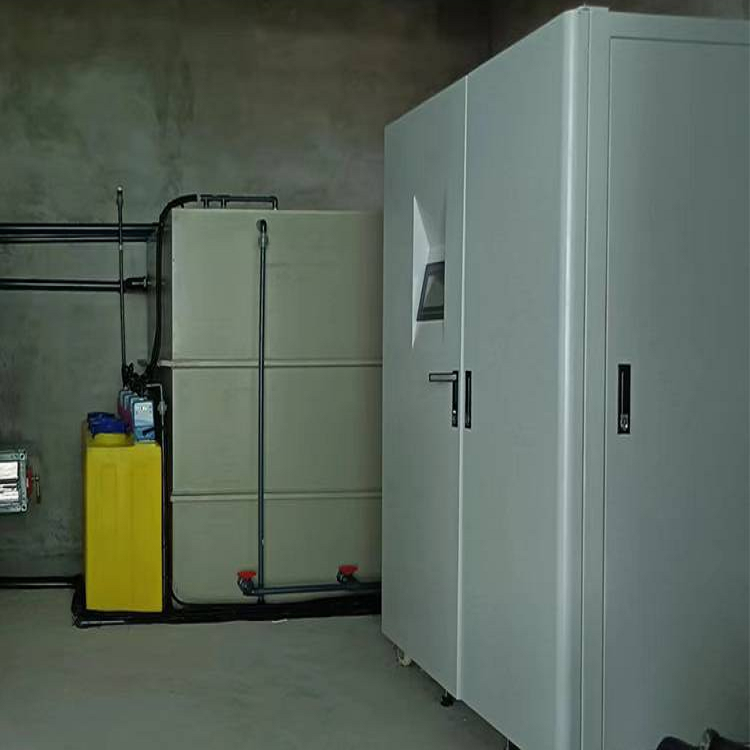
Features of Laboratory Water Treatment Equipment:
1. Capable of denitrification and phosphorus removal, able to meet the requirements for treating industrial wastewater, domestic wastewater, and urban wastewater by adjusting the equipment structure.
2. The equipment boasts strong impact load resistance, with an average residence time in the contact oxidation process exceeding 6 hours.
3. Equipment delivers stable water quality with minimal sludge output and easy handling.
4. The contact oxidation tank is equipped with an aeration device for blowing air, which allows fibers to continuously float and ensures even aeration. This promotes the growth and maturation of microorganisms within the tank, exhibiting characteristics of the activated sludge process.
5. Water treatment equipment can be placed above ground or buried underground. Reduces land occupation and saves on land usage. When buried, the top can be covered with greenery.
6. The equipment, in addition to conventional muffler measures using blowers, also features the installation of new sound-absorbing materials on the interior walls of the blower room, ensuring that the operating noise is below 50 decibels, thereby minimizing its impact on the surrounding environment.
7. Submersible pumps can be installed within the equipment, cost-saving.
8. Simple and convenient to operate, labor-saving, with both manual and automatic operation options.
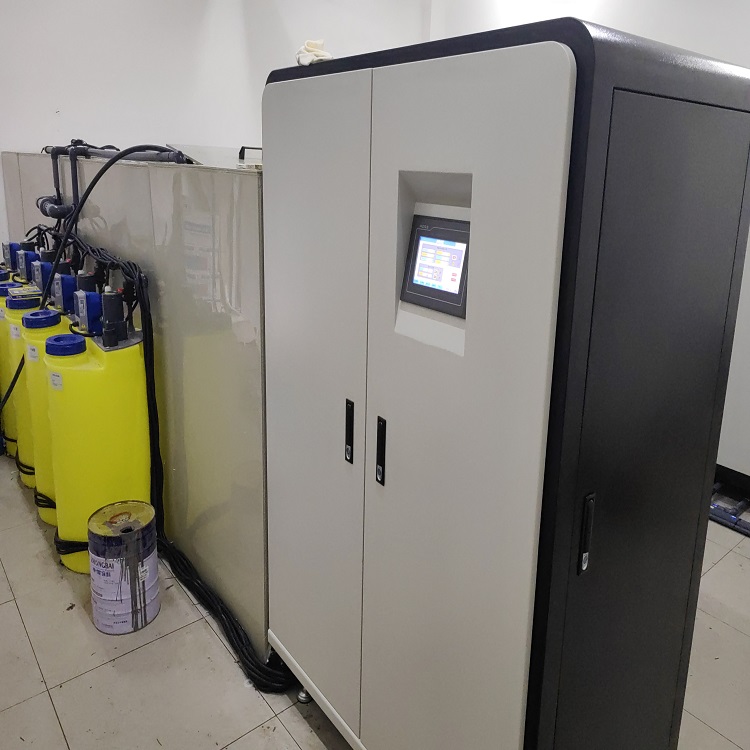
Equipment Features:
1. Fully automatic control
2. Compact structure, minimal land area
3. Low total cost, corrosion-resistant, and long service life
4. Low handling fees, stable water quality upon output
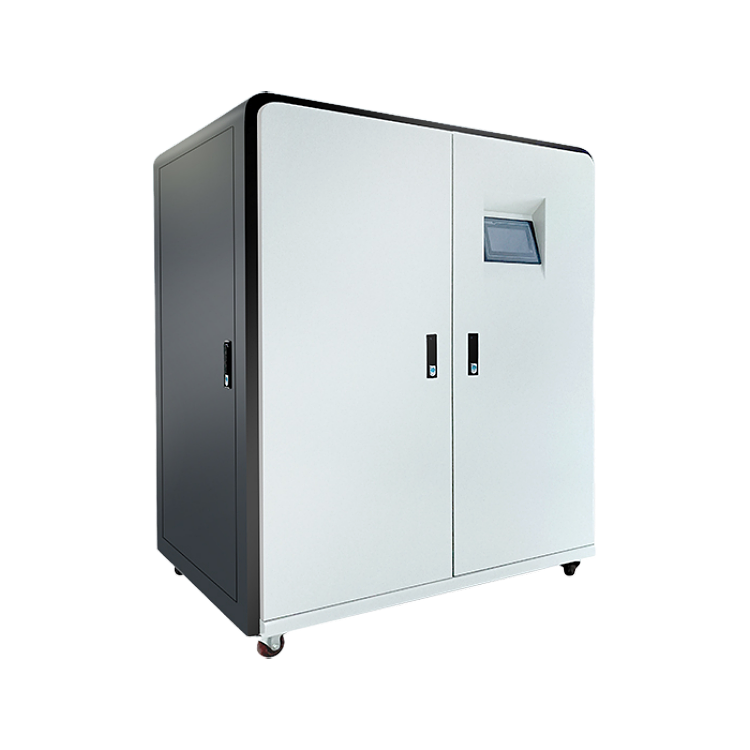
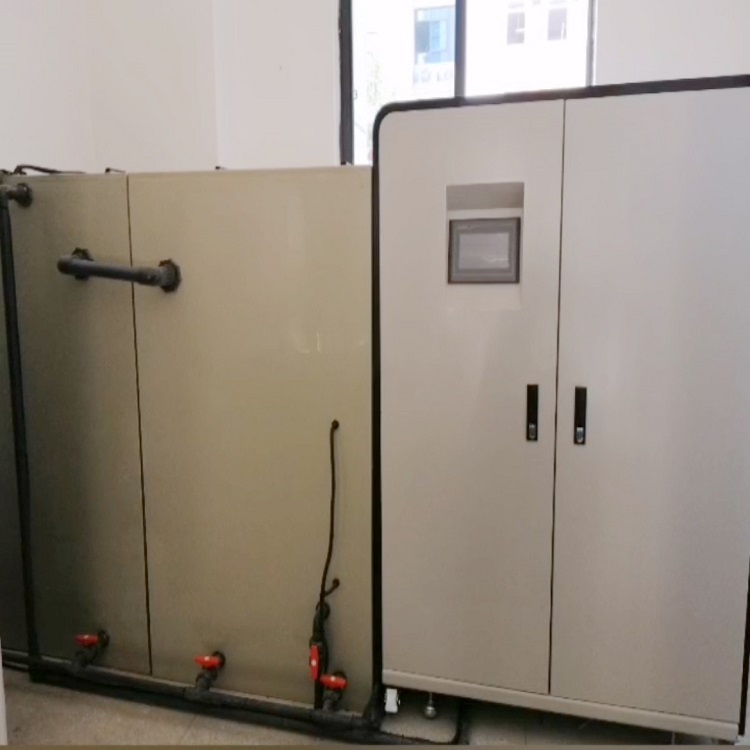
Wastewater Treatment Equipment for Inspection Room - Integrated Laboratory Wastewater Treatment System - Reasonable Structure
The principle of operation for laboratory wastewater treatment equipment is mainly based on the integrated application of physical, chemical, and biological methods:
Remove suspended solids, colors, turbidity, and other substances from wastewater through filtration and sedimentation. Use an air flotation device to bring suspended solids and oils to the water surface, forming scum for easy removal.
Cause harmful substances to react and convert them into non-toxic and harmless substances, such as carbon dioxide and water.
Chemical precipitation is suitable for treating wastewater containing heavy metal ions and suspended particles.
The chemical oxidation process is suitable for treating wastewater with high organic matter and odor contaminants.
Through the action of bioactive microbial communities, organic matter is converted into harmless substances such as carbon dioxide and water.
Aerobic biological treatment utilizes aeration to decompose and degrade organic matter.
Anaerobic biological treatment converts organic matter into gases such as carbon dioxide under anaerobic conditions.


