




- AllProduct Category
-
Lab Wastewater Treatment Equipment
Lab Wastewater Treatment Equipment
Ultra-Pure Water Equipment
Membrane Separation Equipment
Pure Water Equipment
Low-Temperature Evaporator
Ultra-Pure Water System
Integrated Wastewater Treatment Equipment
Reverse Osmosis Equipment
Pure Water Equipment
Ceramic Membrane Equipment



Recommended Products
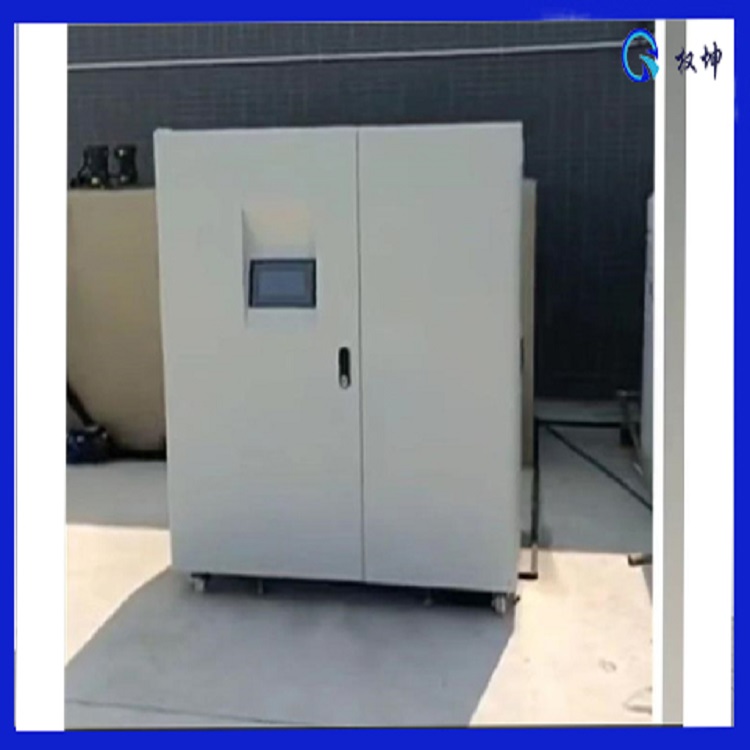
Quan Kun - Comprehensive Laboratory Waste Water Treatment Equipment - Remote Monitoring - Automated Control
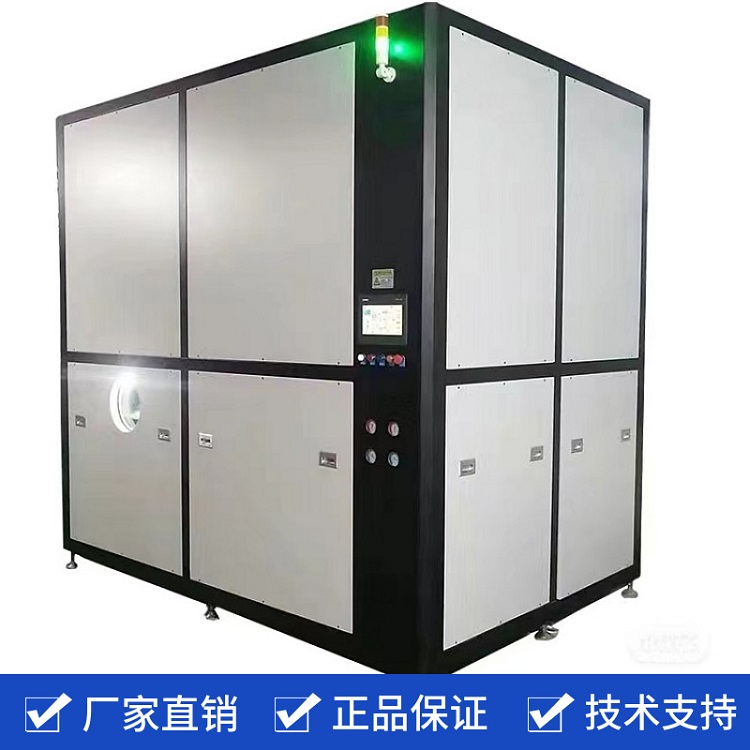
Sodium Chloride Wastewater Low-Temperature Evaporator - Intelligent Automatic - Quankun - Integrated Design
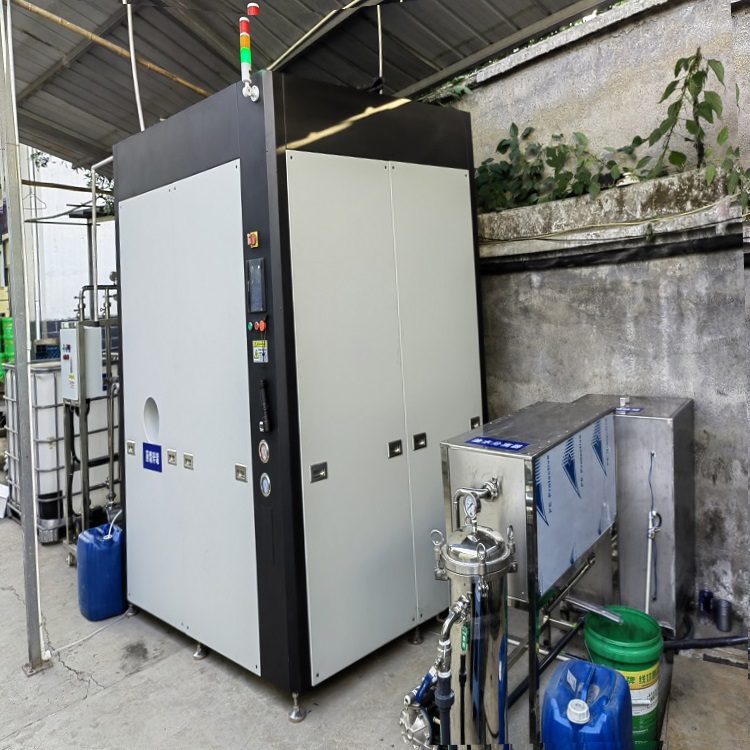
High-Concentration Oil Emulsion Waste Water Treatment Equipment - Quankun - Evaporator Unit - High Concentration Ratio
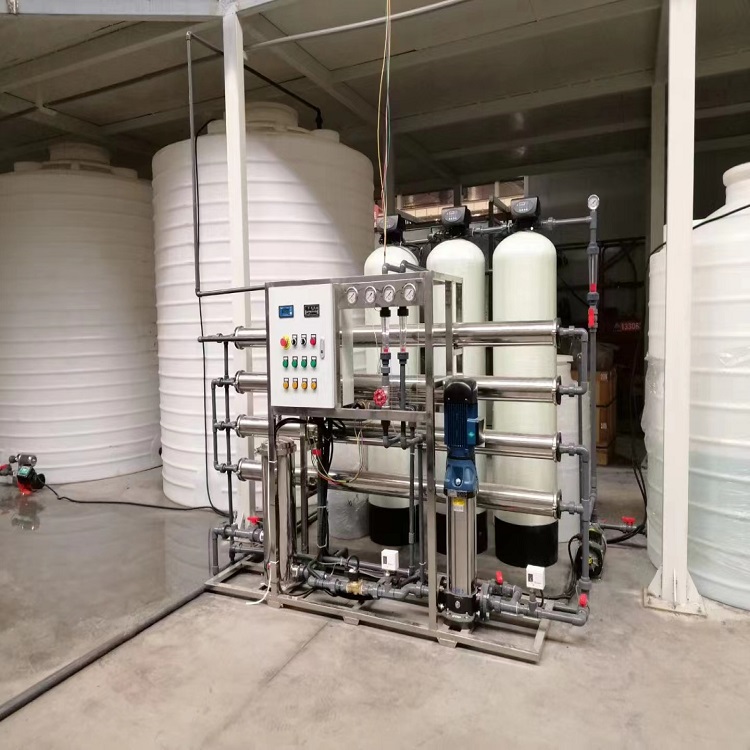
Industrial Pure Water Equipment EDI Ultra-Pure Water System Fully Automatic Control Quankun Environmental Protection
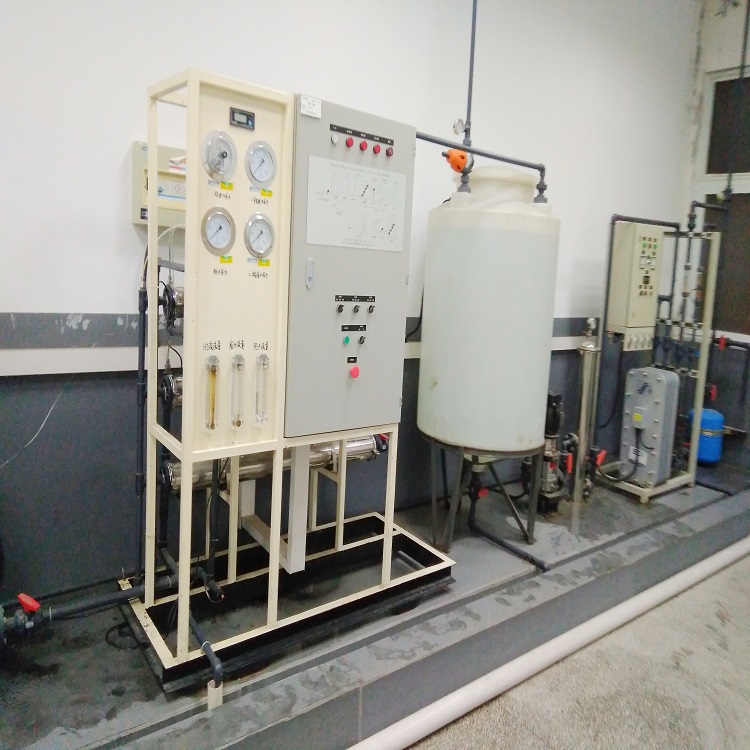
Shenzhen Industrial Ultra-Pure Water Equipment, equipped with EDI system, features low energy consumption and high degree of automation.
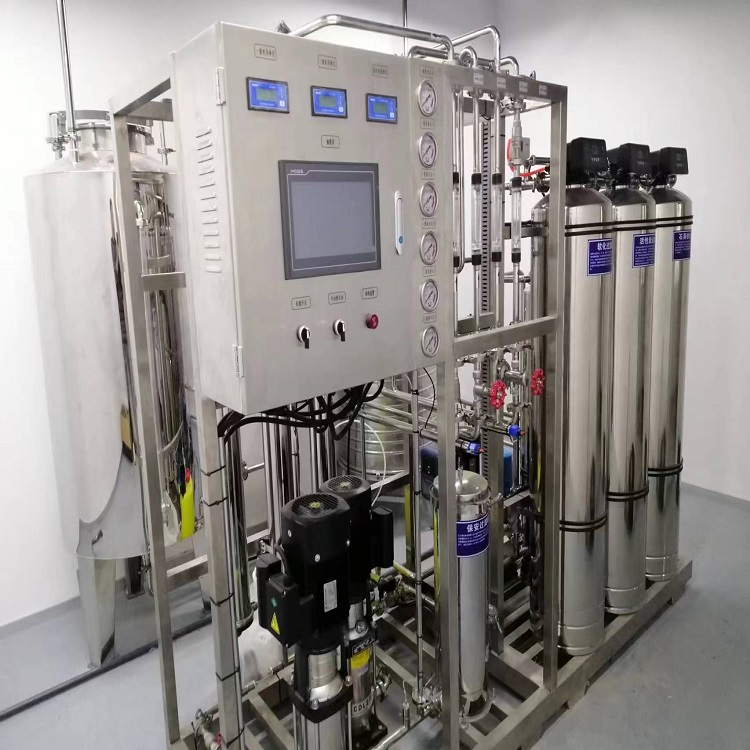
Shanghai industrial pure water production equipment reverse osmosis filtration system with high yield and customizable options, Quankun brand.
详情描述
Developer wastewater is a special industrial wastewater produced during the production processes of industries such as printing, electronic manufacturing, and medical imaging. It primarily contains developer, fixer, silver ions, organic solvents, and other chemical additives. This type of wastewater is characterized by its complex composition, high toxicity, deep color, and high COD (chemical oxygen demand). If not effectively treated before discharge, it can cause severe harm to the aquatic ecosystem and human health.
Main Characteristics and Hazards of Developing Waste Water:
Complex composition
Developer wastewater typically contains developers like metol, fixers like sodium thiosulfate, and dissolved silver ions (Ag⁺). Electronic industry developer wastewater may also contain tetramethylammonium hydroxide (TMAH) and photoresist residuals, while medical imaging wastewater may be contaminated with heavy metals and radioactive substances.
High toxicity
The organic components in the developer are biotoxic, while silver ions exhibit strong inhibitory effects on microorganisms. Direct discharge can lead to the death of aquatic life and, through the food chain, pose harm to human health.
3. High difficulty in processing
High COD (usually ranging from several thousand to tens of thousands mg/L) and color intensity make traditional biological treatment methods difficult to apply directly, and the recovery and removal of silver ions require special processes.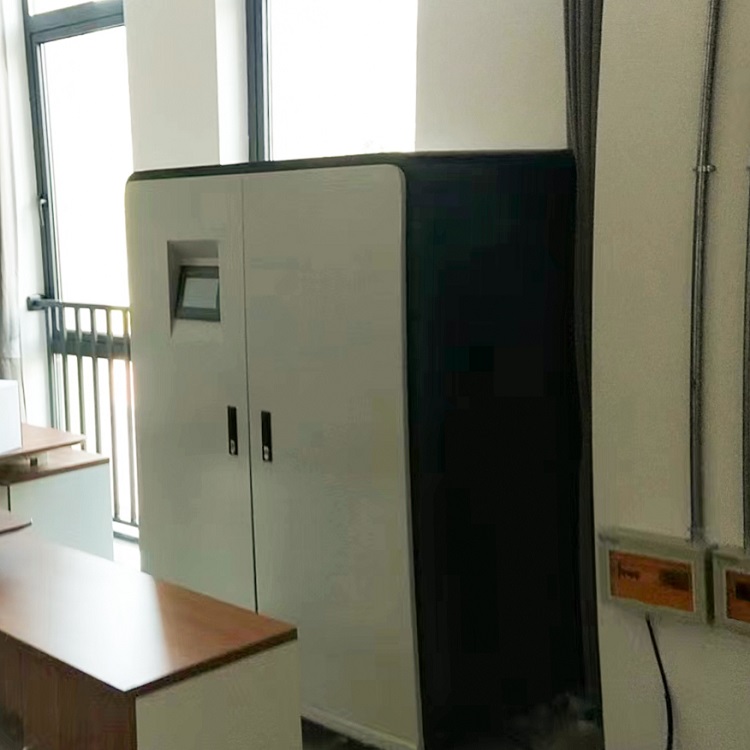
Core process for developing waste water treatment:
In response to the characteristics of developer wastewater, the mainstream treatment processes currently include physical-chemical methods, biological methods, and integrated processes. Specific plans need to be optimized based on the source and composition of the wastewater.
Silver ion recovery technology
Silver is a valuable metal found in developer wastewater, its recovery can reduce pollution and also create economic benefits. Common methods include:
Electrolytic method: Through electrolysis, silver ions are reduced to elemental silver at the cathode, with a recovery rate of over 90%, but it consumes a high amount of energy.
Chemical Precipitation Method: Adding (Na₂S) or sodium chloride (NaCl) produces silver sulfide or silver chloride precipitates. The process is simple but requires careful control of the dosage to avoid secondary pollution.
Ion Exchange Method: Utilizes special resin to adsorb silver ions, suitable for low-concentration wastewater, but with high resin regeneration costs.
Advanced Oxidation Processes (AOPs)
For non-biodegradable organic matter, advanced oxidation technology decomposes pollutants by generating strong oxidative free radicals (such as ·OH).
Oxidation: Utilizing the reaction between Fe²⁺ and H₂O₂ to generate ·OH, it can effectively degrade developers, with a COD removal rate of over 80%. However, subsequent treatment is required for the iron sludge produced.
Ozone Oxidation: Direct ozone oxidation or combined with ultraviolet (UV) light is suitable for treating electronic wastewater like TMAH, but requires significant equipment investment.
Photocatalytic Oxidation: Utilizes TiO₂ as a catalyst to decompose organic matter under UV radiation, with no secondary pollution; however, efficiency is affected by water turbidity.
3. Membrane separation technology
Ultrafiltration (UF), reverse osmosis (RO), and other membrane technologies can efficiently retain large molecular organic matter and silver ions, ensuring stable water quality after filtration. For example:
Roller RO Membrane: Silver ion rejection rate exceeds 99%, but regular cleaning is required to prevent membrane contamination.
Ceramic Membrane: Resistant to acids, alkalis, and high temperatures, suitable for pre-treatment of high concentration developer wastewater.
4. Enhanced Biological Treatment Process
For poorly biodegradable developer wastewater, the following methods can be employed to enhance biological treatment efficiency:
Hydrolysis and acidification pretreatment: Decomposes large organic molecules into smaller ones, enhancing the efficiency of subsequent aerobic treatment.
MBR (Membrane Bio-Reactor): Combines biological degradation with membrane filtration, achieving high sludge concentration and reducing the effluent COD to below 100 mg/L.
Product Features:
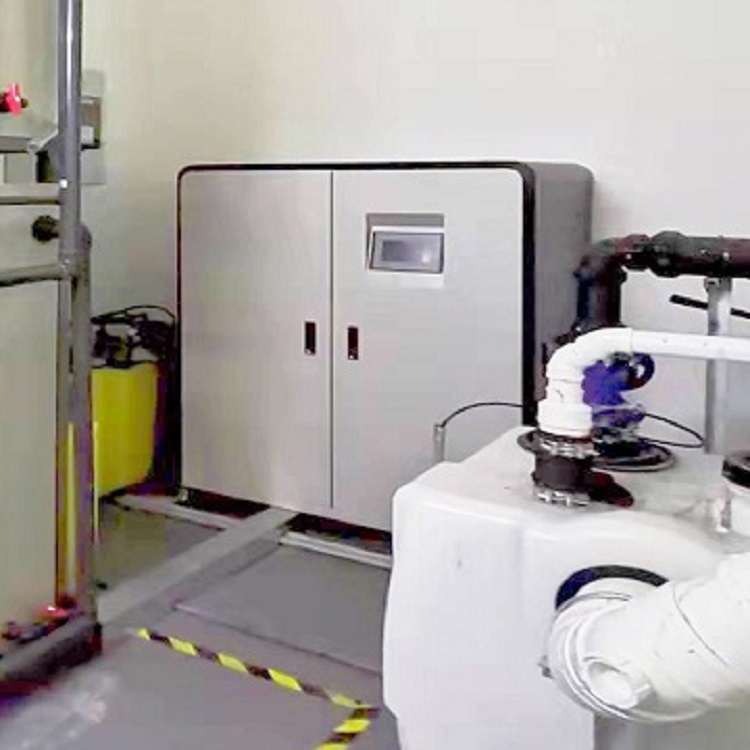
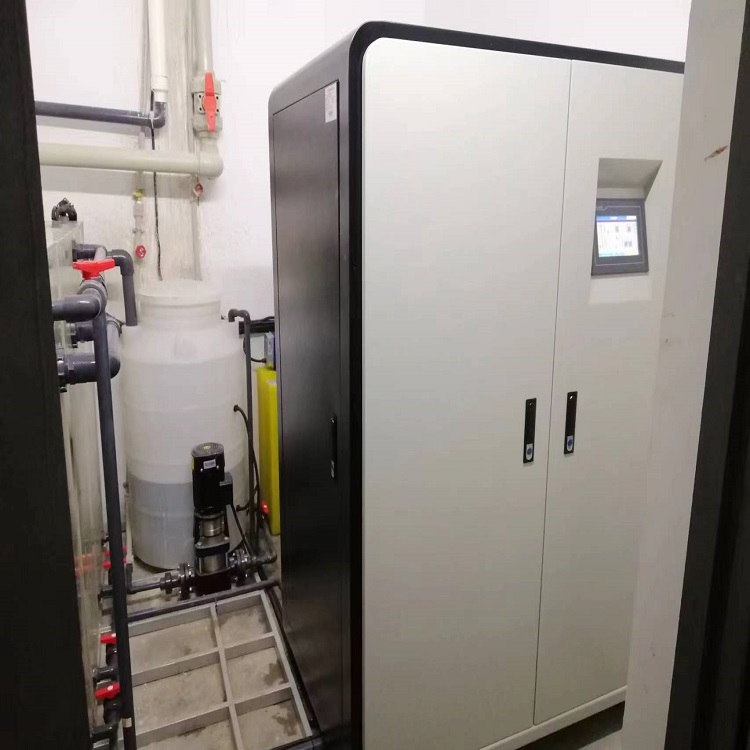
1. Fully automated equipment (or semi-automated operation) can be designed, requiring no dedicated supervision, with simple operation and effective wastewater treatment; 2. Saves investment and operating costs for the enterprise; 3. The system is easy to operate and intuitive; 4. The equipment is stable in performance, suitable for continuous operation, and occupies minimal space.
Equipment Efficiency:
1. Achieve "standard-compliant" discharge of waste liquids. 2. Reduce treatment costs, with a clean water treatment process yielding clean water. 3. Waste water is concentrated by vacuum evaporation, resulting in 5%-15% waste residue, while 85%-95% of the water is condensed and drained off. 4. High safety performance, minimizing personnel operation and handling. Traditional high-temperature steam-compressed MVR evaporator equipment uses high-pressure steam as a heat source, which may pose safety risks like explosions and burns. In contrast, the waste liquid low-temperature evaporation system does not require industrial steam after normal operation.
 Application Fields:
Printing Industry
2. Electronics Manufacturing
3. Medical Imaging Wastewater


