



- AllProduct Category
-
Lab Wastewater Treatment Equipment
Lab Wastewater Treatment Equipment
Ultra-Pure Water Equipment
Membrane Separation Equipment
Pure Water Equipment
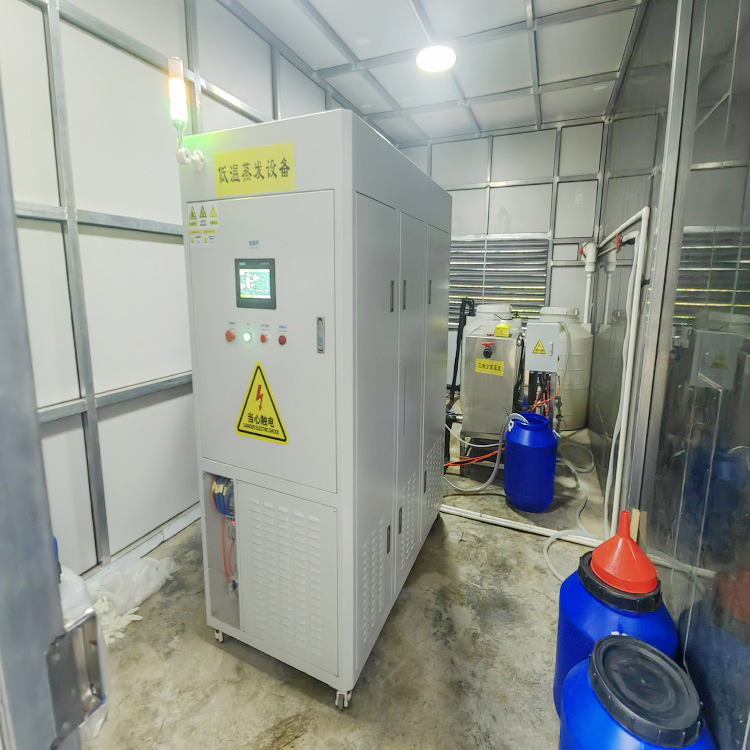
Low-Temperature Evaporator
Ultra-Pure Water System
Integrated Wastewater Treatment Equipment
Reverse Osmosis Equipment
Pure Water Equipment
Ceramic Membrane Equipment



Recommended Products
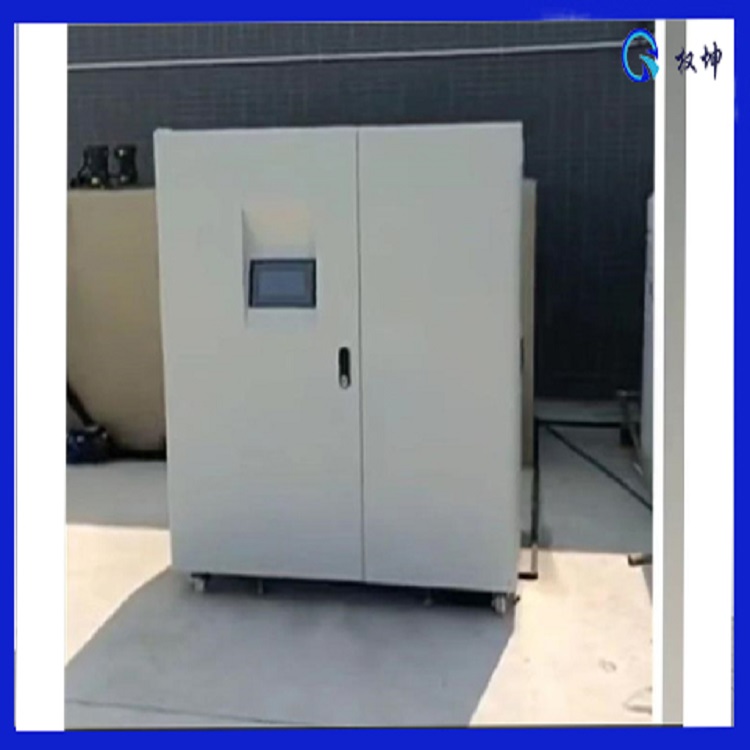
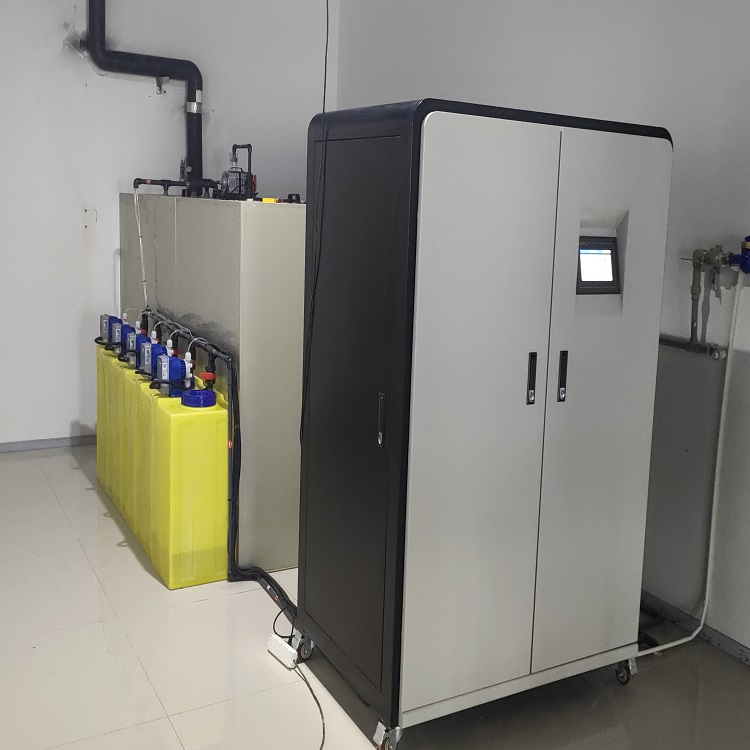
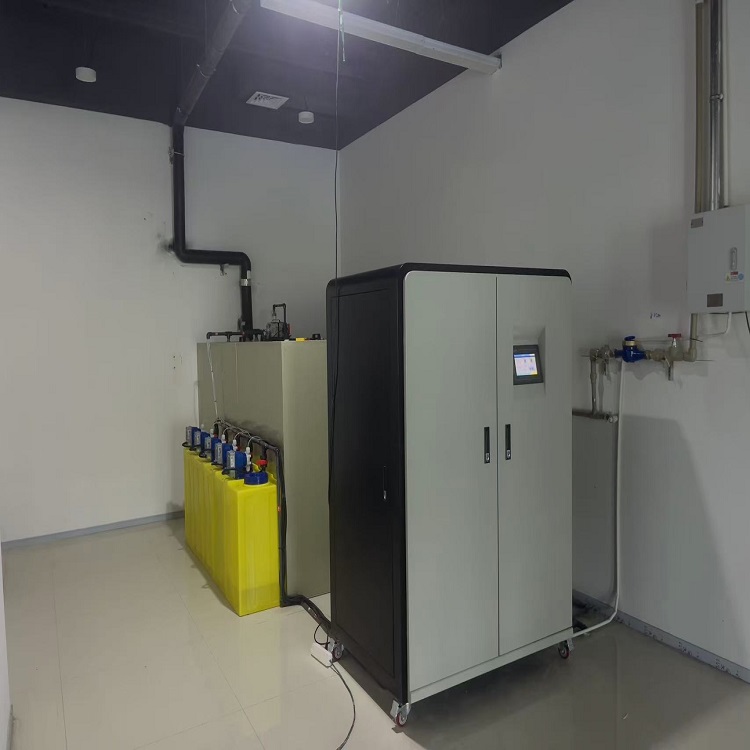
Quan Kun - Comprehensive Laboratory Waste Water Treatment Equipment - Remote Monitoring - Automated Control
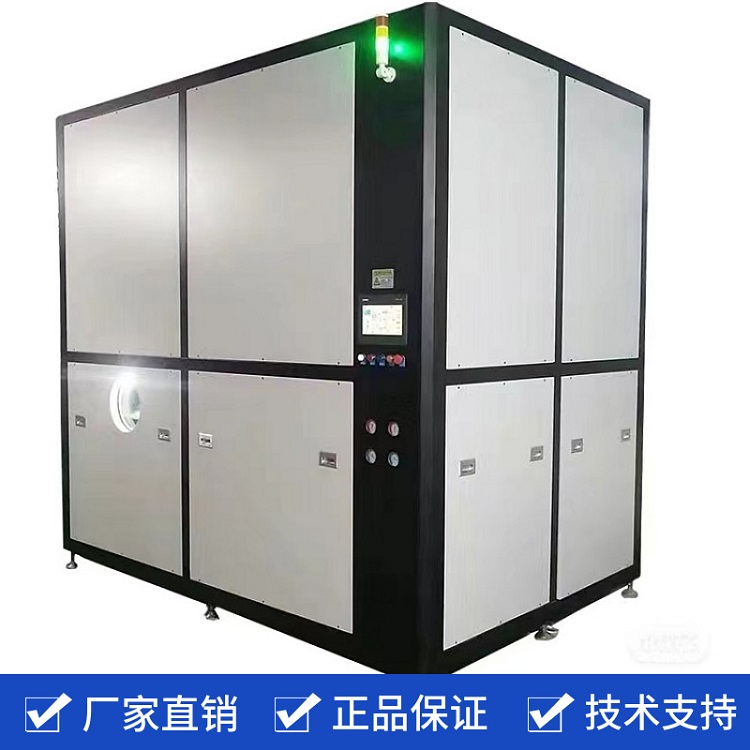
Sodium Chloride Wastewater Low-Temperature Evaporator - Intelligent Automatic - Quankun - Integrated Design
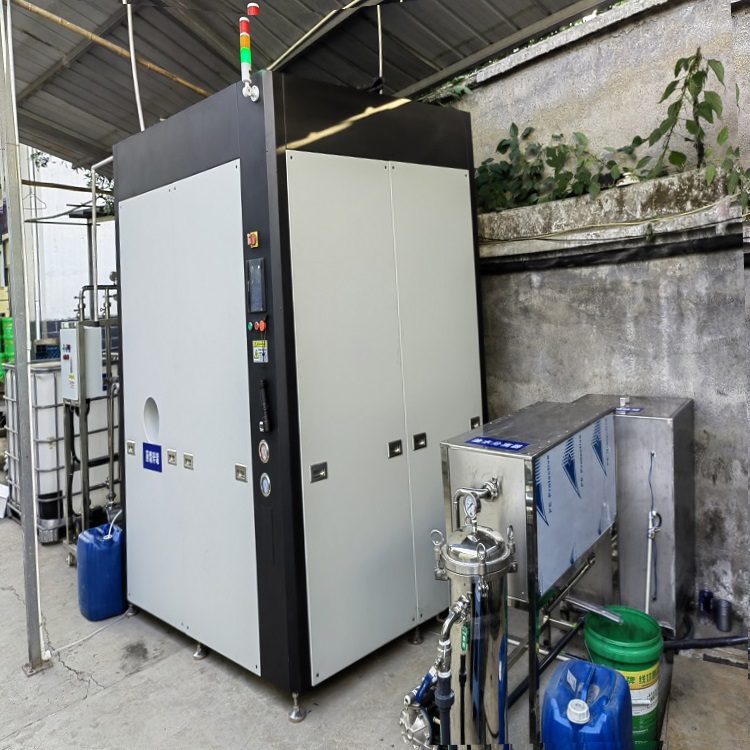
High-Concentration Oil Emulsion Waste Water Treatment Equipment - Quankun - Evaporator Unit - High Concentration Ratio
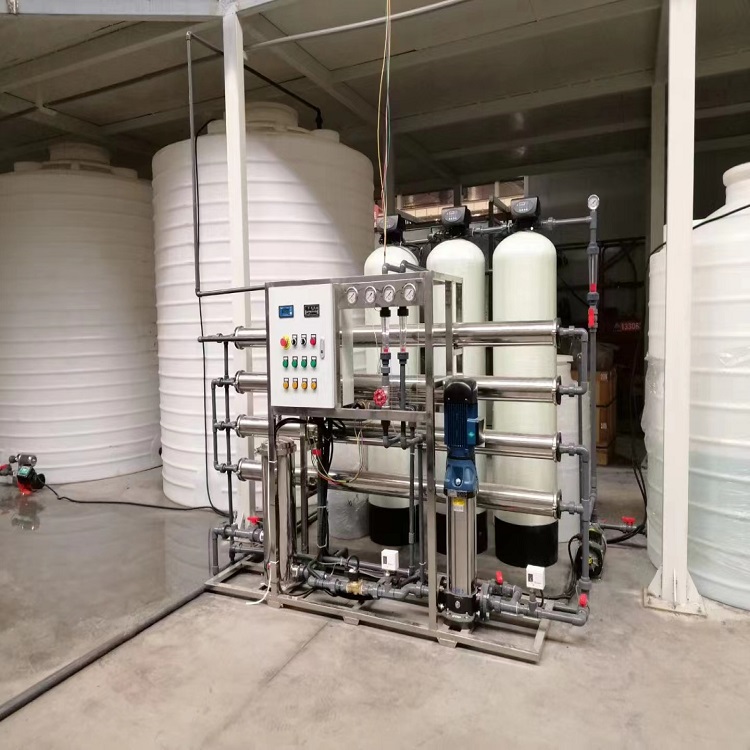
Industrial Pure Water Equipment EDI Ultra-Pure Water System Fully Automatic Control Quankun Environmental Protection
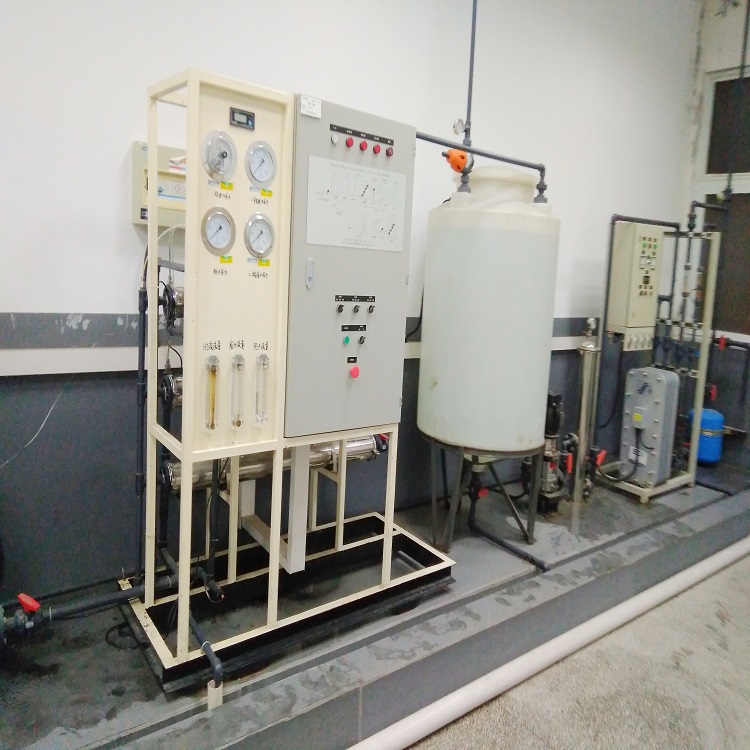
Shenzhen Industrial Ultra-Pure Water Equipment, equipped with EDI system, features low energy consumption and high degree of automation.
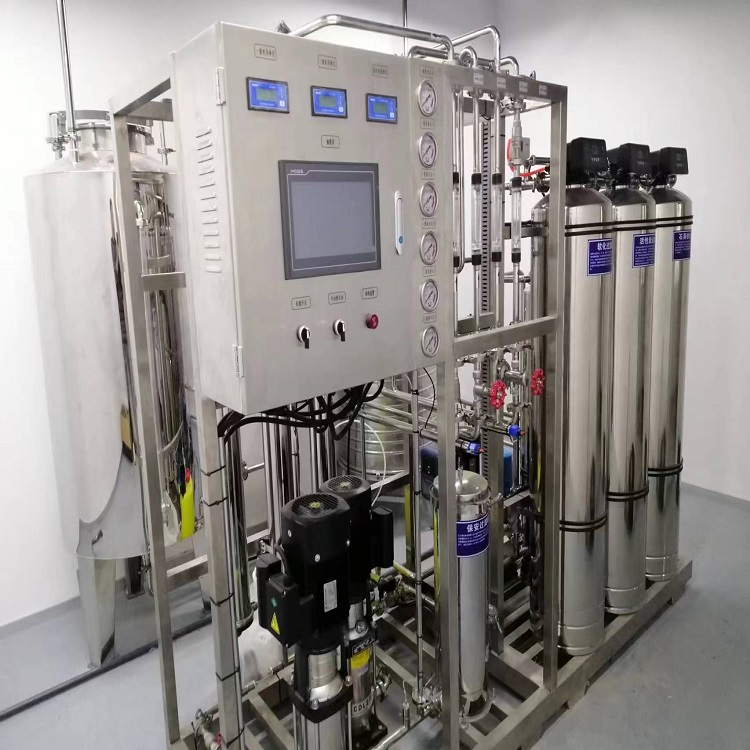
Shanghai industrial pure water production equipment reverse osmosis filtration system with high yield and customizable options, Quankun brand.
详情描述
The main source of wastewater from cutting machines comes from coolant, lubricant, as well as metal shavings and abrasives generated during the cutting process. Its characteristics are:
High suspended solids content: Wastewater contains a large amount of micron-sized metal particles (such as iron, aluminum, copper, etc.) and abrasives (such as silicon carbide, diamond), which are difficult to completely separate by traditional sedimentation methods.
2. Complex oil-water mixture: Cooling fluid and lubricant result in high oil content in wastewater, with a portion being emulsified oil, making it difficult to demulsify.
3. Chemical Additive Residue: Some cutting fluids contain rust inhibitors, bactericides, and other components that require specific degradation.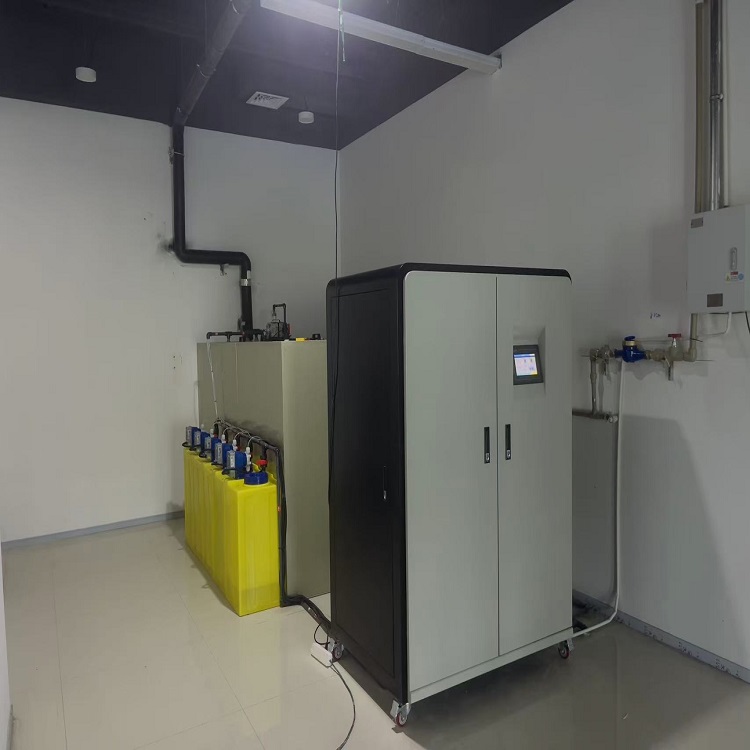
Waste water treatment equipment for cutting machines is mainly categorized into three types: physical, chemical, and biological methods, with a combination of processes often used in practice.
Physical Processing Equipment
Centrifugal Separator: Separates dense metal particles through centrifugal force generated by high-speed rotation, suitable for coarse particle processing (e.g., >50μm)
Membrane Filtration Systems: Ultrafiltration (UF) and Microfiltration (MF) membranes can retain particles as small as 0.01-10μm, and can be paired with backwashing technology to extend membrane lifespan.
2. Chemical Treatment Equipment
Demulsification-Air Flotation Unit: Destabilizes emulsified oil by adding PAC (polyacrylamide) and PAM (polyallylamine), followed by oil-water separation through dissolved air flotation.
Electrochemical Oxidation Equipment: Utilizes titanium-based coated electrodes to generate hydroxyl radicals, degrading organic pollutants.
3. Biological Treatment Equipment
MBR Membrane Bioreactor: Suitable for centralized treatment stations with long-term operation, integrating activated sludge process with membrane separation technology, the effluent can meet the first-class standard of the Integrated Wastewater Discharge Standard.

Working Principle and Processing Flow:
The wastewater from cutting fluids primarily consists of emulsified oil, suspended solids (such as metal shavings), surfactants, and disinfectants, and its treatment process is generally divided into three stages: pretreatment, advanced treatment, and purification.
1. Fully automatic equipment can be designed, requiring no dedicated supervision.
2. Easy to operate, with excellent wastewater treatment results (semi-automatic operation can also be designed).
3. Low operating noise, no impact on the equipment. Environmental.
4. Purify waste liquid and recycle reclaimed water to reduce production costs.
5. Operates at low physical temperatures, with no consumables, and is energy-efficient and cost-saving.
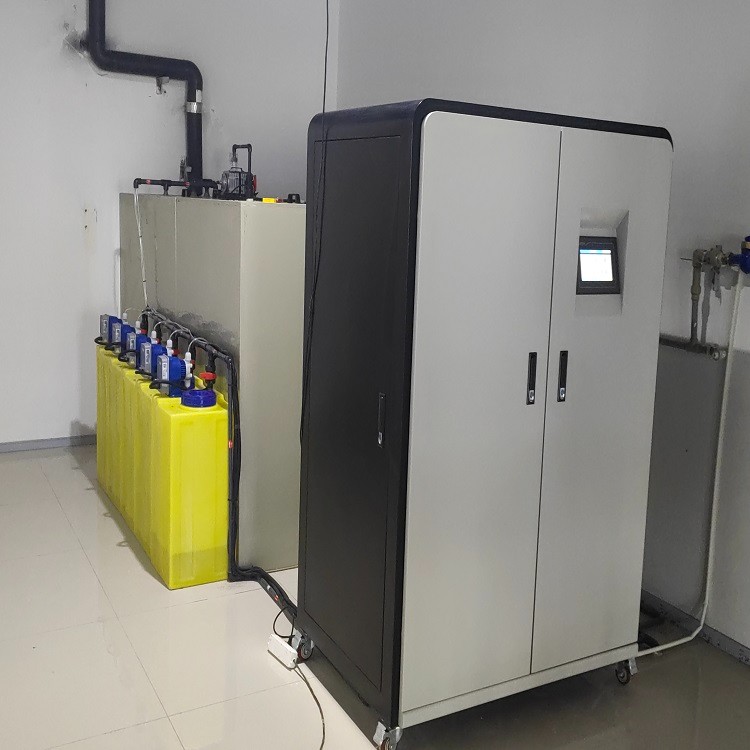
Applicable wastewater types include:
Reverse Osmosis Concentrate
Cutting fluid emulsion wastewater/Used metalworking fluid wastewater
De-fatting, alkaline washing, ultrasonic cleaning wastewater
Grinding, polishing, cutting, wire EDM, heat treatment wastewater
Rolling, release agent wastewater
Electroplating wastewater
Developer waste
Wastewater containing heavy metals
Pickling, phosphatizing, passivation, etc., surface treatment wastewater
High-salt wastewater,MVRMulti-functional Evaporation Mother Liquor
Semiconductor wastewater, pharmaceutical wastewater, landfill leachate


